Does Mushroom Poisoning Go Away on Its Own?
Some mushroom stomach upsets pass, but deadly ones can feel better before the liver fails. See how poisonings run their course and call a poison line.
 By Flori editorial team · Updated
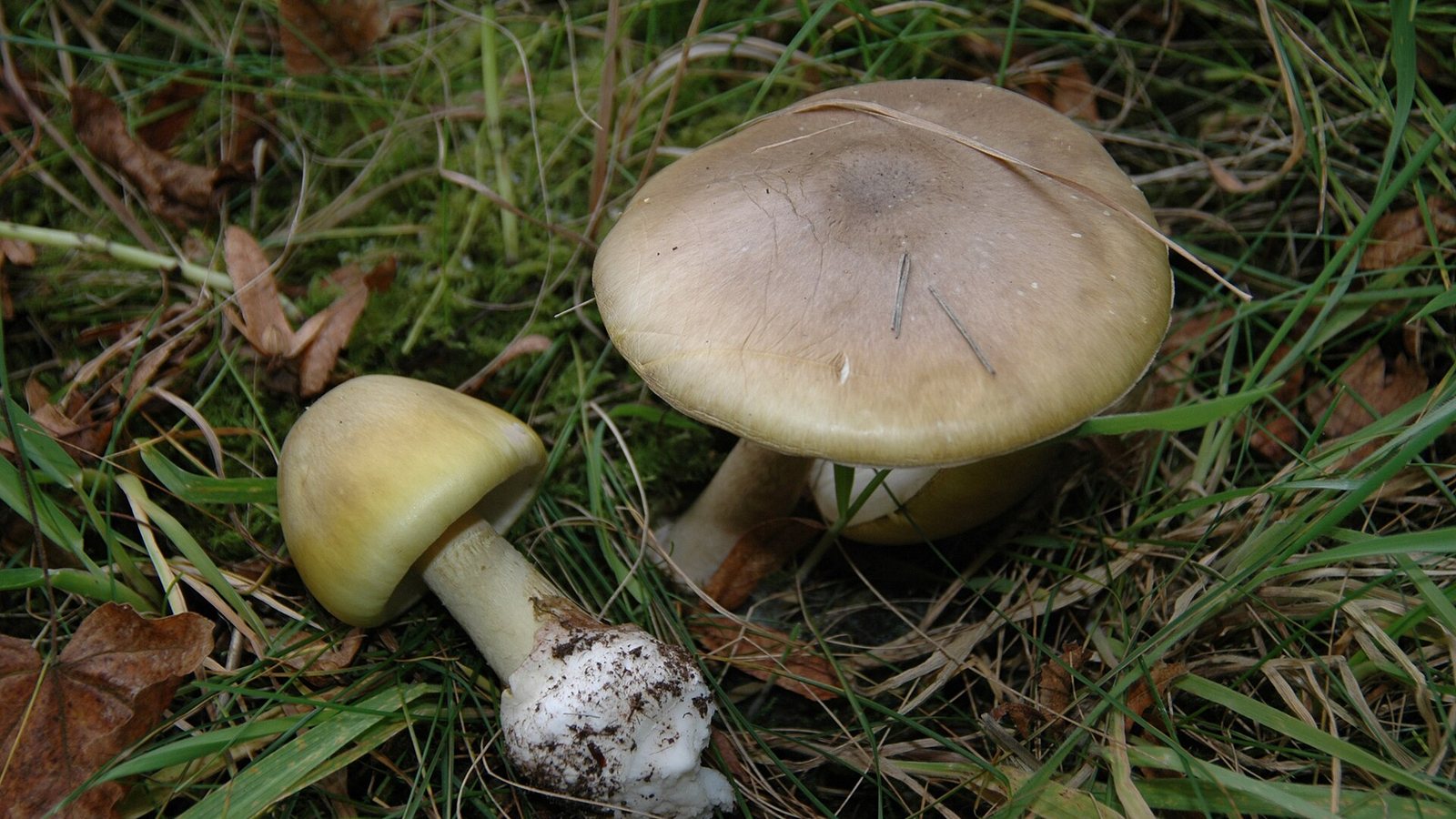
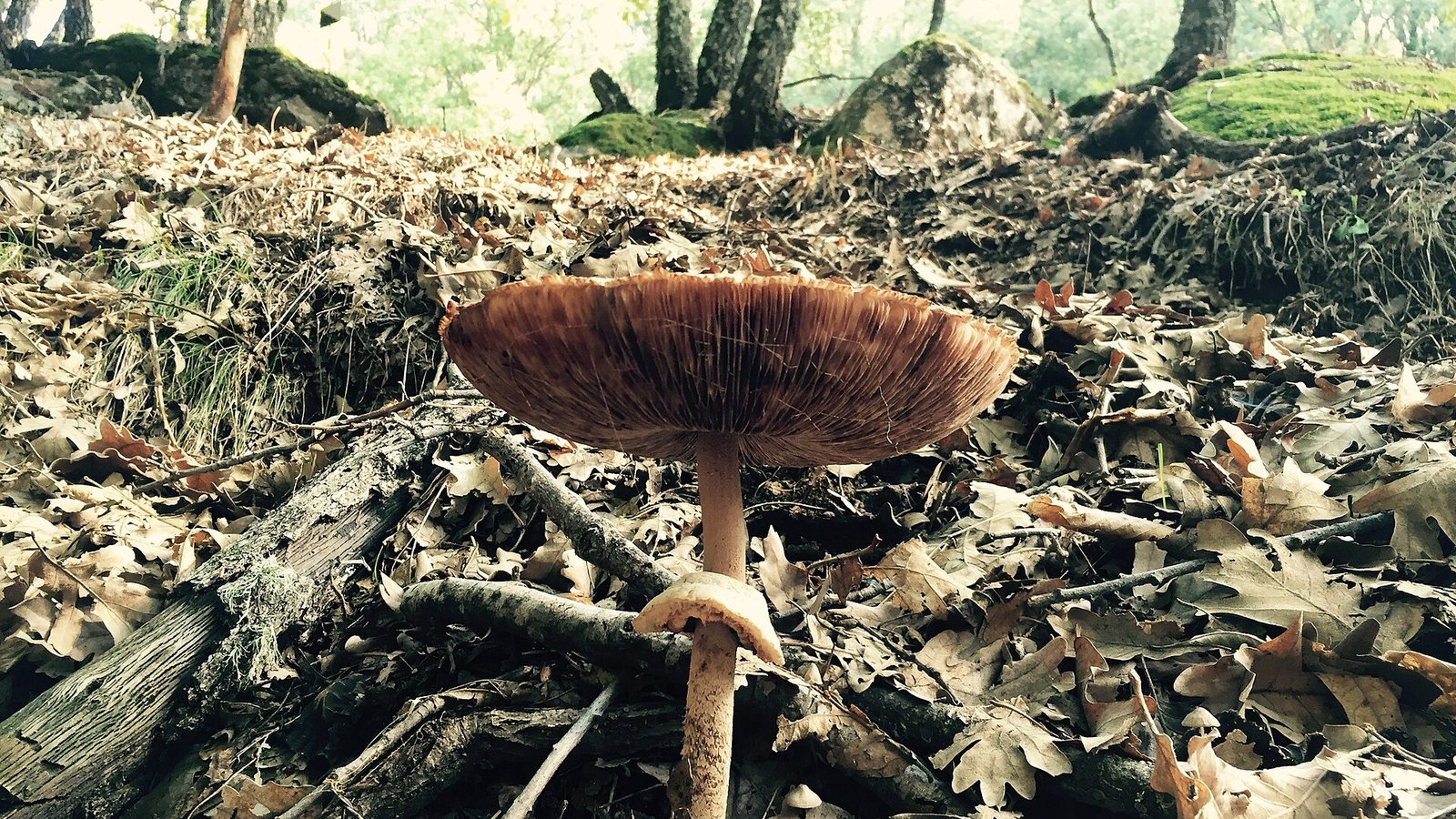 Photo: Roberto Arias rariasg · CC0
Sometimes mild stomach upset passes, but you cannot tell which poisoning you have. Deadly mushrooms such as the death cap cause no symptoms for 6 to 24 hours, then an apparent recovery before liver failure. Never wait: call a poison line now and keep a sample or photo.
Key takeaways
- Mild irritants may pass, but no one can tell them apart from deadly poisonings by how they feel.
- Amatoxin poisoning can show no symptoms for 6 to 24 hours, then an apparent recovery before organ failure.
- Orellanine poisoning can start up to three weeks after the meal.
- Cooking, smell, colour and apps do not make a wild mushroom safe.
- After eating an unknown mushroom, call a poison line now and keep a sample or photo.
On this page7
Does mushroom poisoning go away on its own?
Sometimes the stomach upset from a wild mushroom does pass by itself, and sometimes the person who feels better is about to get much worse. The problem is that nobody can tell which case they are in from how they feel. This guide shows what the North American Mycological Association (NAMA) says about how different mushroom poisonings run their course, explains why "it passed" is not proof of safety, and ends with exactly what to do after anyone has eaten an unknown mushroom. It is not medical advice or a treatment guide. If someone has eaten a wild mushroom, skip to the last section and call a poison line now.
How different poisonings run their course
NAMA groups mushroom poisonings into syndromes. Some are mild and short, some are deadly, and they can look the same in the first hours. The table is for understanding, not for deciding to wait.
| Type (NAMA) | Starts | What NAMA says about the course |
|---|---|---|
| Gastrointestinal irritants (many species) | 20 minutes to 4 hours | Normally passes once the irritant has been expelled; severe cases may need hospital care |
| Muscarine | About 15–30 minutes | Victims normally recover within 24 hours, but severe cases can end in death from respiratory failure |
| Fly agaric group (isoxazole derivatives) | 30 minutes to 2 hours | Recovery is normally spontaneous, but confusion and seizures need medical care |
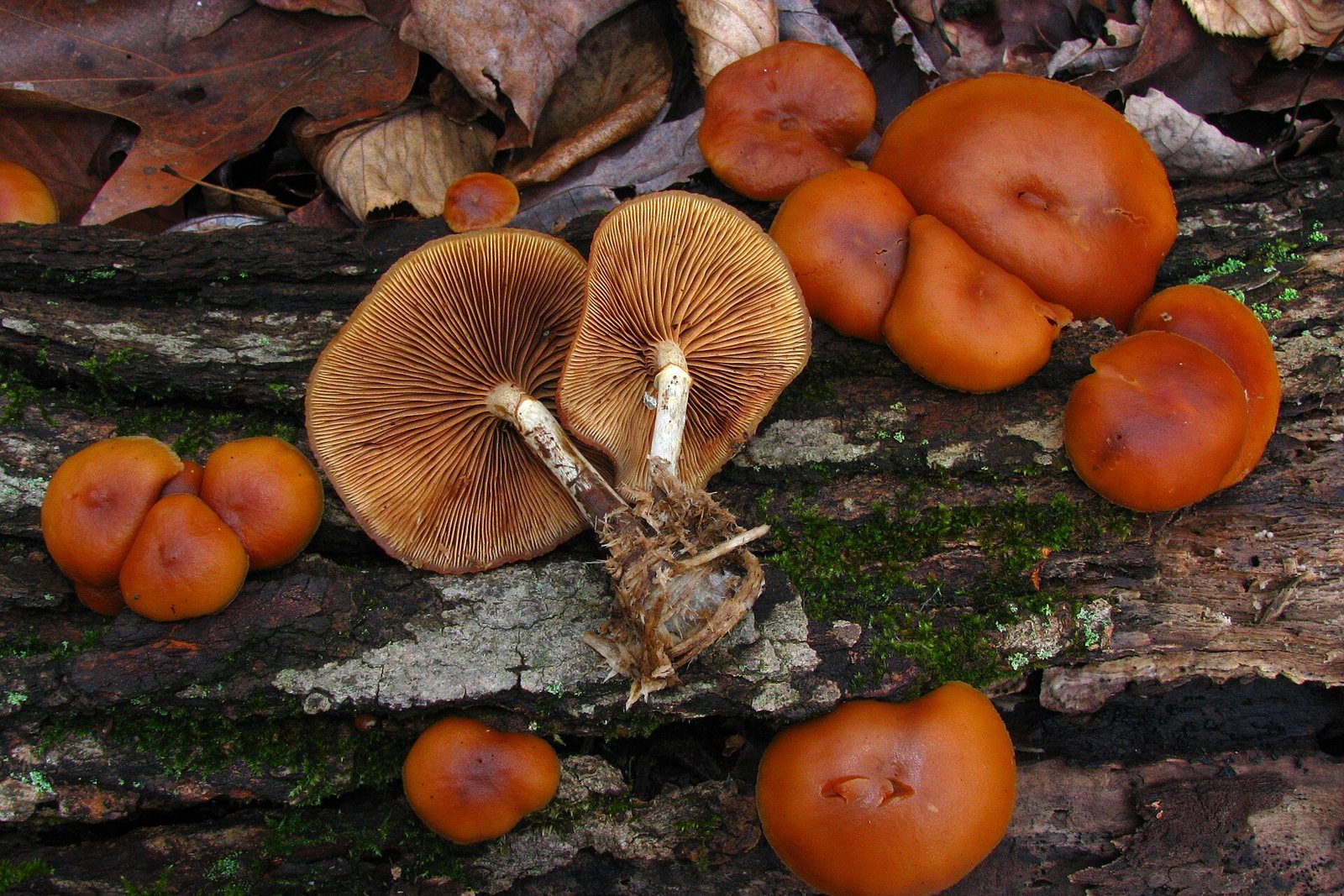
| Jack-o'-lantern (Omphalotus) | 1–3 hours | Usually rapid, most recovered within 12 hours |
| Gyromitrin (false morels) | 2–24 hours | Liver, kidney and red blood cell damage and death are possible in severe cases |
| Amatoxins (death cap and relatives) | 6–24 hours | Extremely serious: about 50% fatal without prompt medical treatment, about 10% in the US and Canada |
| Orellanine (some Cortinarius) | 36 hours to 3 weeks, average about 8 days | Extremely serious: kidney failure after a long delay |
Notice what the table cannot tell you: from the outside, a mild irritant and the first hours of an amatoxin poisoning both look like nausea. That is why NAMA's advice for a suspected amatoxin meal is capitalised: do not wait for symptoms to appear. Our mushroom poisoning symptoms guide lays out the full timeline by onset.
Why feeling better is not the same as being safe
The most dangerous trap is the apparent recovery. NAMA describes amatoxin poisoning as a delay of 6 to 24 hours with no symptoms, then violent stomach symptoms, then a stage when the patient may appear to recover around day two or three and be sent home, followed by liver and kidney failure. Poison Control tells a real case: a woman ate wild mushrooms for lunch, vomited and had diarrhoea about 12 hours later, was taken to the emergency room two days later, and died two weeks after the meal despite hospital care. So if the stomach upset eases and the person says they feel fine, that is not a reason to cancel the call. For the species behind most deaths, see our death cap mushroom guide.
There is a second reason not to wait. The syndromes above can overlap. A meal can include more than one species, and the quick symptoms of a mild mushroom can hide the slow ones of a deadly one. Orellanine is the extreme case: NAMA says onset can be delayed by as much as three weeks, long after anyone would connect the illness with the meal.
Does cooking, "testing" or time make a mushroom safe?
No. Poison Control says cooking does not make a poisonous mushroom safe, and that breathing in cooking fumes from some poisonous species can itself cause poisoning. NAMA says colour, insect damage, smell and folklore are not reliable tests of edibility, and our guide on how to tell if a mushroom is poisonous checks each of those myths. Neither is an app a test of safety: Flori and other apps can suggest a name from a photo, but no photo-based app can clear a wild mushroom for eating, as we explain in can an app identify mushrooms.
What about children and pets?
Small bodies and unwitnessed snacking make every case more urgent. A toddler who put a mushroom from the lawn in their mouth, or a dog that has eaten one on a walk, should be treated as a call-now situation even if no symptoms have appeared. Poison Control urges parents to watch children playing outdoors. For dogs, read poisonous mushrooms and dogs; for pets, the ASPCA Animal Poison Control line and your vet are the right calls, not an internet search.
Is it safe to wait and see?
No. The reason is simple: waiting costs hours, and for amatoxin and some other poisonings the first hours matter most for hospital care. NAMA says to contact a physician or local poison control resource promptly and not to wait for symptoms to become severe. NAMA also tracks every mushroom poisoning, even those that end with only gastrointestinal upset, so reporting a case helps medical teams learn what is circulating in your region. And since many cases begin with someone who was sure of what they picked, the question "was I wrong?" is better answered by a poison specialist than by guessing at home. If you are deciding whether to pick wild mushrooms at all, is it safe to pick wild mushrooms is the place to start.
What to do after eating an unknown mushroom
- Call a poison line now. Türkiye: UZEM 114 (Ulusal Zehir Danışma Merkezi). US: Poison Control 1-800-222-1222. UK: NHS 111. For pets, call your vet or ASPCA Animal Poison Control.
- Do not wait for symptoms and do not wait for the person to feel better; poisoning from some species can feel better before liver damage shows.
- Keep a sample. NAMA advises keeping photographs or specimens that may help with identification: keep any uneaten pieces, cooking leftovers and a photo of the place it grew.
- Note the timing of the meal and of any symptoms, and tell the poison line.
- Follow the instructions you are given by the poison line or emergency services. This guide does not give treatment advice.
Frequently asked questions
Can you recover from mushroom poisoning without treatment?
Some mild poisonings pass on their own, but others are deadly and look the same at first. NAMA says not to wait for symptoms; call a poison line or doctor promptly.
How long does mushroom poisoning last?
It depends on the toxin: some irritants pass within hours, while amatoxin and orellanine poisoning can take days or weeks to show and can be fatal. Only a poison specialist can advise on a specific case.
Why do some people feel better and then get worse?
With amatoxins, NAMA describes a stage around day two or three when the patient may appear to recover and be sent home before kidney and liver failure follow.
Who do I call after eating a wild mushroom?
Türkiye: UZEM 114. US: Poison Control 1-800-222-1222. UK: NHS 111. For pets, call your vet or ASPCA Animal Poison Control.
Mushroom poisoning symptoms can start in 15 minutes or after days. A timeline by toxin, why late symptoms are the most dangerous and what to do right now.
Sources
Written and fact-checked by the Flori team. Every guide cites horticultural sources such as the RHS, university extension services and the ASPCA, and is updated when the advice changes. How we write our guides
General plant care information. Plants vary; when a plant is valuable or a problem spreads quickly, consult a local nursery or plant specialist.