Child Ate a Mushroom in the Yard: What to Do Now
If a child ate a mushroom from the yard, call a poison line now, do not wait for symptoms, and keep a photo or sample. Here is what to do, step by step.
 By Flori editorial team · Updated
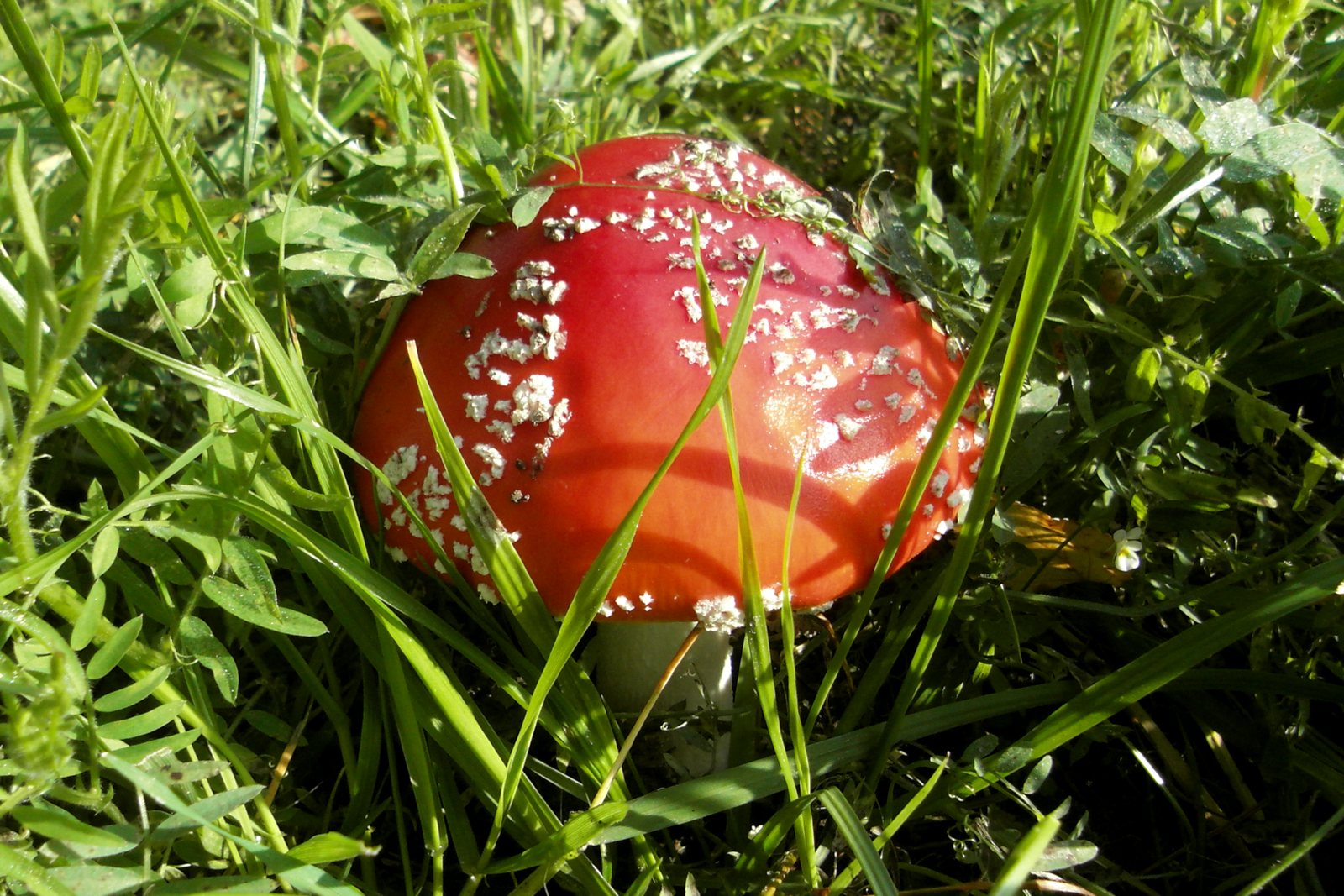
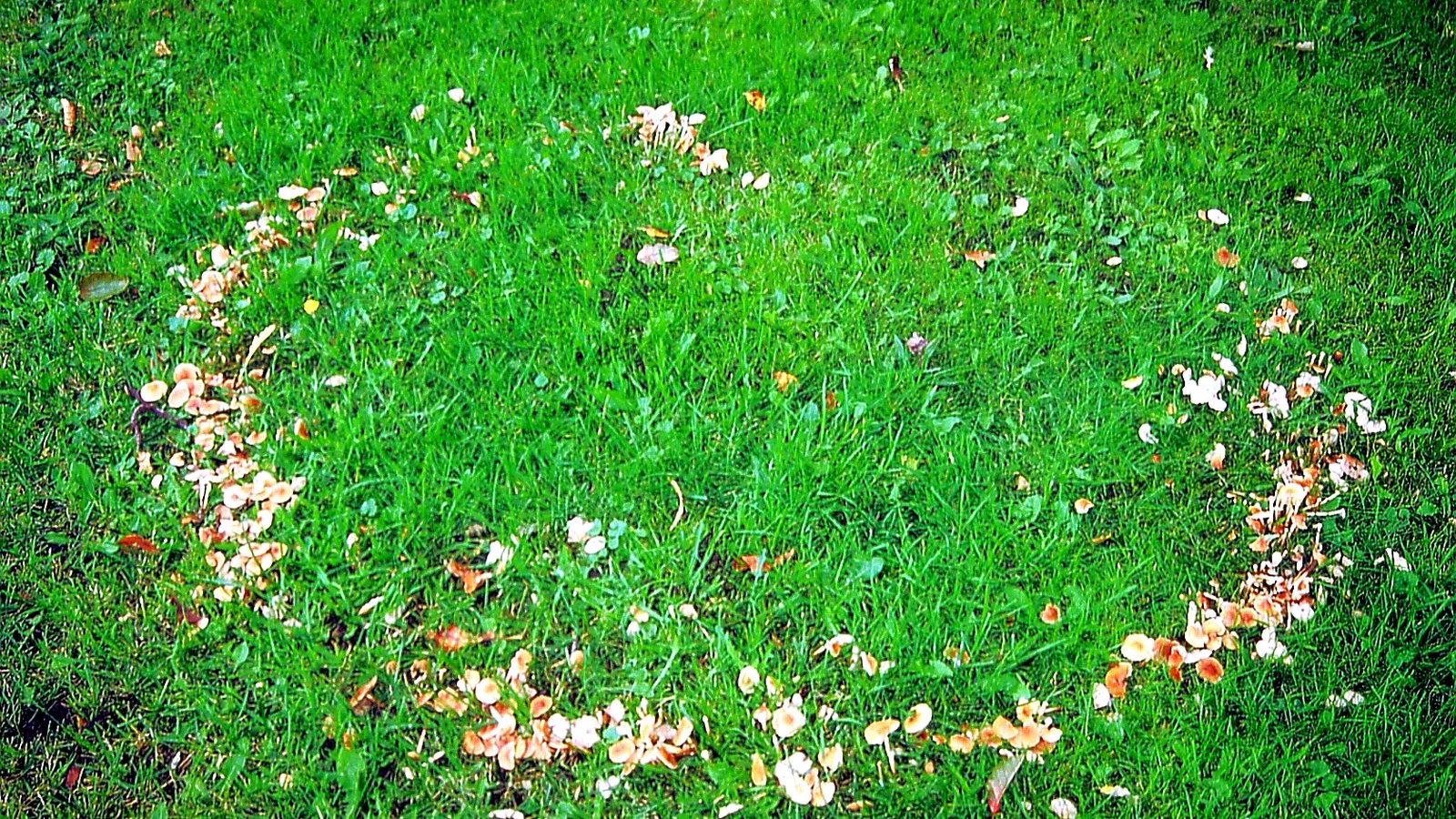 Photo: Thomas Pruß · CC BY-SA 3.0
If a child ate a mushroom in the yard, call your poison line immediately (Türkiye UZEM 114; US 1-800-222-1222; UK NHS 111) even if the child seems well. Symptoms can be delayed for many hours and the most dangerous mushrooms can cause liver damage first. Keep a photo or sample, and do not wait.
Key takeaways
- Call a poison line right away: UZEM 114 in Türkiye, 1-800-222-1222 in the US, NHS 111 in the UK.
- A child who seems fine is not in the clear, because symptoms from poisonous mushrooms can be delayed for many hours.
- Keep a photo or a sample of the mushroom, plus where it grew, so experts can identify it.
- Never judge a mushroom by colour, smell, peeling or whether animals eat it; none of these is a safety test.
- Do not use home remedies or try to make the child vomit unless a doctor or poison specialist says so.
On this page7
- My child ate a mushroom in the yard: what should I do right now?
- Why can't you wait to see if the child gets sick?
- What should you tell the poison line, and what should you keep?
- What happens at the emergency room?
- What should you not do?
- How can you stop it happening again?
- If your child has eaten an unknown mushroom: the short version
My child ate a mushroom in the yard: what should I do right now?
Stay calm and act in this order. This guide is general safety information, not medical advice, and the poison line will give instructions for your child.
- Stop them eating more and keep the child with you.
- Call a poison line straight away. In Türkiye call UZEM 114 (Ulusal Zehir Danışma Merkezi). In the US call 1-800-222-1222. In the UK call NHS 111. If the child is unconscious, having a seizure or struggling to breathe, call your local emergency number instead (112 in Türkiye and across the EU, 999 in the UK, 911 in the US).
- Do not wait for symptoms. Poison Control says to call right away, and not to assume a child is fine because they seem fine.
- Keep a photo or sample of the mushroom and note where it grew, so specialists can work out what it was.
- Follow the instructions you are given, including going to the emergency room if they say so.
Why can't you wait to see if the child gets sick?
Because the timing of poisoning varies enormously, and the most dangerous mushrooms give a false sense of safety. Poison Control warns that symptoms can be delayed for many hours, and that some mushrooms cause no effects right away but still damage the liver. The North American Mycological Association (NAMA) says the same about deadly Amanita species: after early symptoms the patient can seem to recover around the second or third day and then relapse with liver and kidney failure. Our guide to the death cap explains why feeling better is a warning sign, not an all-clear.
| Toxin group | Typical time before symptoms start |
|---|---|
| General stomach irritants | 20 minutes to 4 hours |
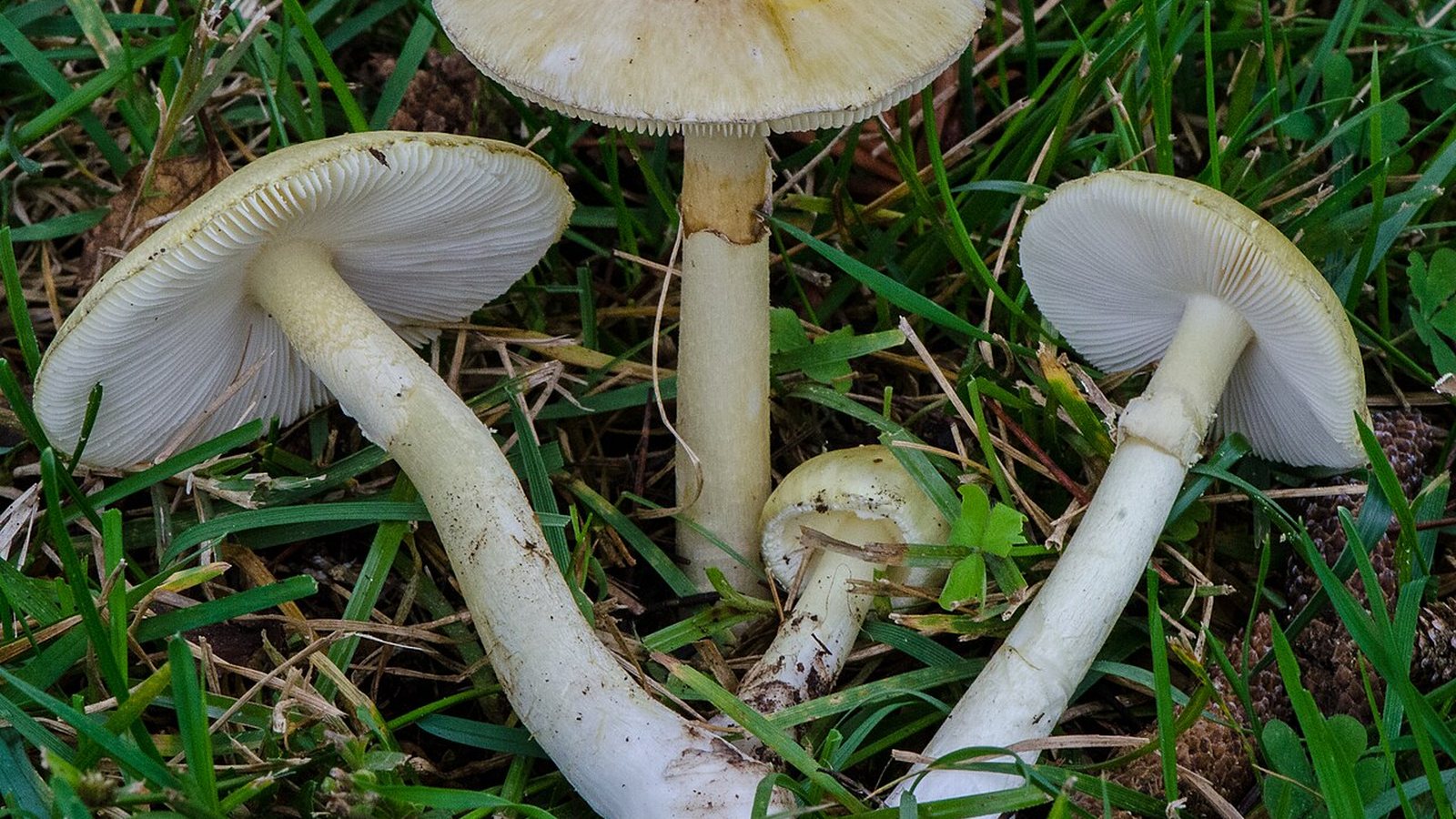
| Amatoxins (death cap, Galerina, some Lepiota) | 6 to 24 hours, with a possible apparent recovery before relapse |
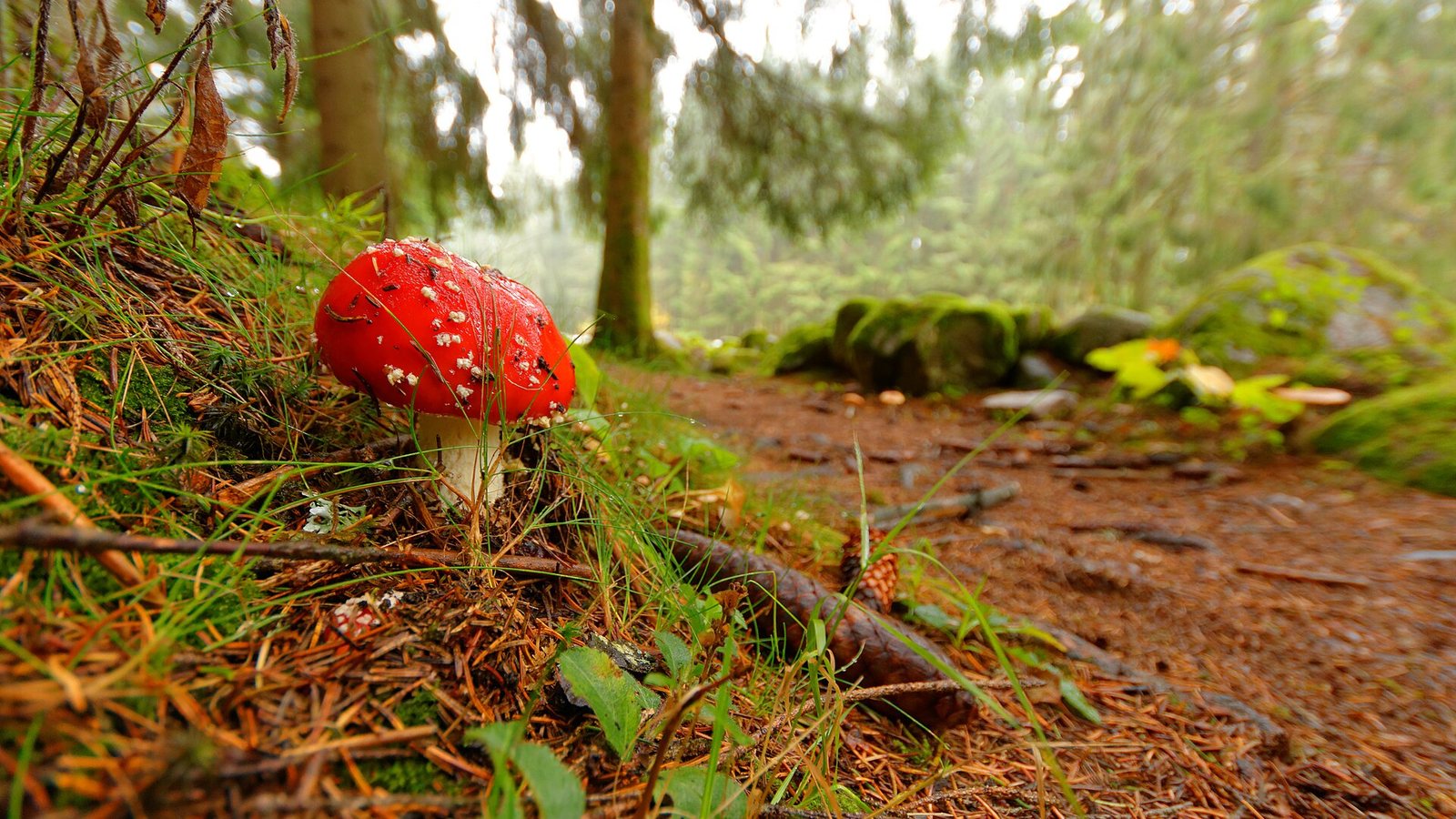
| Fly agaric group (isoxazoles) | 30 minutes to 2 hours |
| Muscarine (some Inocybe and Clitocybe) | 15 to 30 minutes |
| Orellanine (Cortinarius) | 36 hours to 3 weeks, about 8 days on average |
NAMA adds that if symptoms start 6 to 24 hours after eating, an amatoxin mushroom is a real concern. The only person who can decide whether the child is safe is a poison specialist or doctor, so make the call even if you think the mushroom was small or looks harmless. See our guide to mushroom poisoning symptoms and timelines for more detail.
What should you tell the poison line, and what should you keep?
Have this ready before you call, or collect it as you talk:
- The child's age and approximate weight, and what they ate and when.
- How much you think they ate: a bite, a whole cap, or unknown.
- Any symptoms so far, such as vomiting, diarrhoea, sleepiness or unusual behaviour.
- Photos of the mushroom from the top, underneath (the gills or pores), the stem and the base, and what it grew on or near. Poison Control says specialists look at cap shape and colour, gills or pores, stalk and base, whether it grew alone or in a cluster, and what it grew on.
- If possible, a sample. NAMA and Ohio State both say a photo or sample helps identification and treatment decisions.
Poison specialists work with mushroom experts and, if needed, with emergency room staff so your child can be treated quickly. Flori can identify a wild mushroom from a photo, but never treat an app result as proof that a mushroom is safe, and never use it to decide whether to call. Our guide on whether an app can identify mushrooms explains why.
What happens at the emergency room?
The poison line will tell you whether to stay at home under observation or go to hospital. When they send you in, Poison Control says its specialists work with the emergency room staff so the child can get the right treatment. Vomiting and diarrhoea can lead to dehydration, and some mushrooms cause hallucinations or even coma, so do not take the decision lightly. Bring the photos or the sample, the time your child ate the mushroom and a list of symptoms. Even if the child has already been sick once and seems better, tell the doctors that a mushroom was involved, because the first illness may not be the dangerous one.
What should you not do?
- Do not rely on myths. Ohio State lists these as false: poisonous mushrooms tarnish silver, peeling makes them safe, mushrooms growing on wood are edible, animals eating them proves they are safe, and all white mushrooms are safe. NAMA adds that colour, insect damage and smell are not reliable tests.
- Do not taste or eat the mushroom to identify it.
- Do not try home remedies or try to make your child vomit unless a doctor or poison line tells you to.
- Do not throw the mushroom away before you have a photo or a sample.
How can you stop it happening again?
To a young child, Poison Control points out, a poisonous mushroom "just looks like dinner". The simplest rule is that no child ever eats a wild mushroom, and no adult tries to sort edible from poisonous by sight. Ohio State notes there is no test or characteristic that separates edible from poisonous mushrooms.
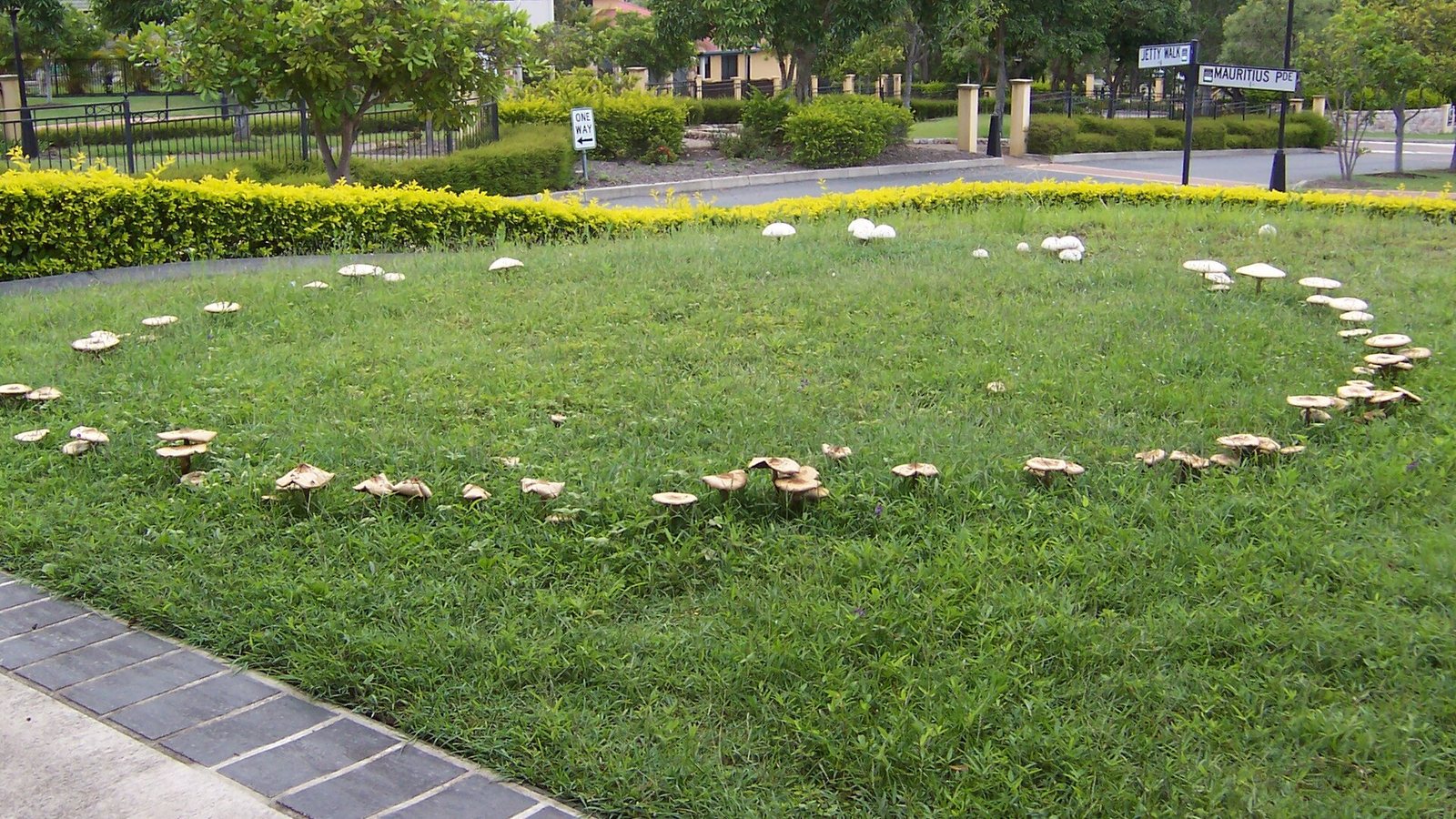
- Check the yard after rain, when mushrooms appear overnight, before children go out. Our guide to mushrooms in lawns and gardens explains why they appear.
- Remove the ones you find, using a bag over your hand, put them in the bin and wash your hands. Some may reappear.
- Supervise toddlers outdoors, especially under trees and on damp lawns.
- Teach older children a simple rule: "Touch nothing, tell an adult." Our guide on how to tell if a mushroom is poisonous explains why no visual rule works.
- Remember pets. Dogs eat yard mushrooms too; see poisonous mushrooms and dogs.
If your child has eaten an unknown mushroom: the short version
- Call UZEM 114 (Türkiye), 1-800-222-1222 (US) or NHS 111 (UK) now. Use your emergency number if the child is unwell or unresponsive.
- Do not wait for symptoms, and do not decide the child is fine because they look well.
- Keep a photo or sample of the mushroom and note where it grew.
- Follow the poison specialist's instructions and go to hospital if advised.
Frequently asked questions
What should I do if my child eats a mushroom from the garden?
Call a poison line right away: UZEM 114 in Türkiye, 1-800-222-1222 in the US, or NHS 111 in the UK. Keep a photo or sample of the mushroom and do not wait for symptoms.
Can a child be fine for hours after eating a poisonous mushroom?
Yes. Poison Control says symptoms can be delayed for many hours, and NAMA says deadly Amanita poisoning can seem to improve before liver damage shows. Feeling well is not proof of safety.
Should I make my child vomit?
Do not try unless a doctor or poison specialist tells you to. Call the poison line first and follow their instructions.
Should I save the mushroom?
Yes, if you can do so safely. NAMA and Ohio State both say photos or a sample help identification. Note where it grew as well.
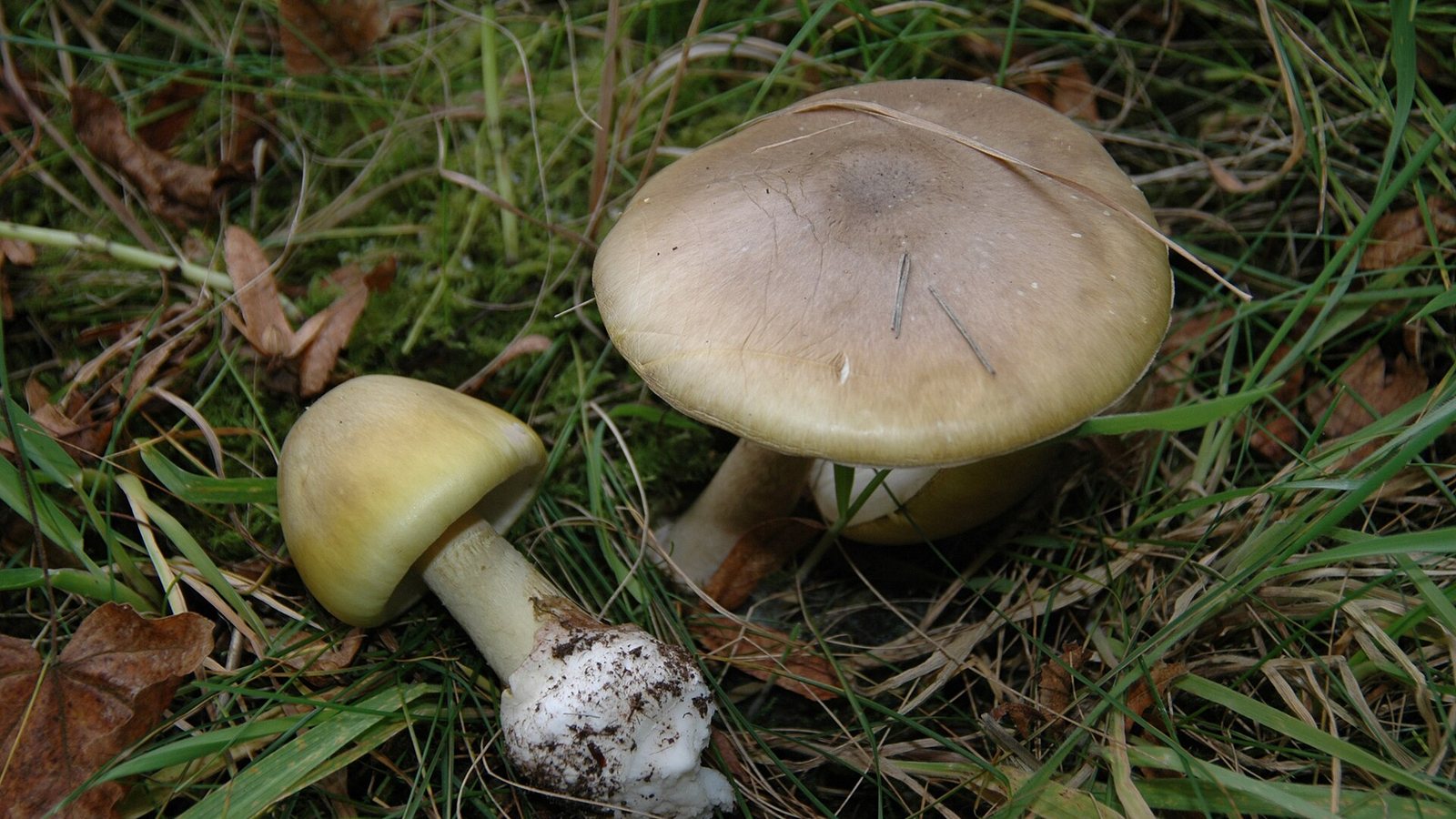
Mushroom poisoning symptoms can start in 15 minutes or after days. A timeline by toxin, why late symptoms are the most dangerous and what to do right now.
Sources
Written and fact-checked by the Flori team. Every guide cites horticultural sources such as the RHS, university extension services and the ASPCA, and is updated when the advice changes. How we write our guides
General plant care information. Plants vary; when a plant is valuable or a problem spreads quickly, consult a local nursery or plant specialist.