Winter-Hardy Flowers That Survive Frost
Which flowers survive frost and keep blooming in winter? Pansies, hellebores and hardy cyclamen compared, with pet toxicity and a planting checklist.
 By Flori editorial team · Updated
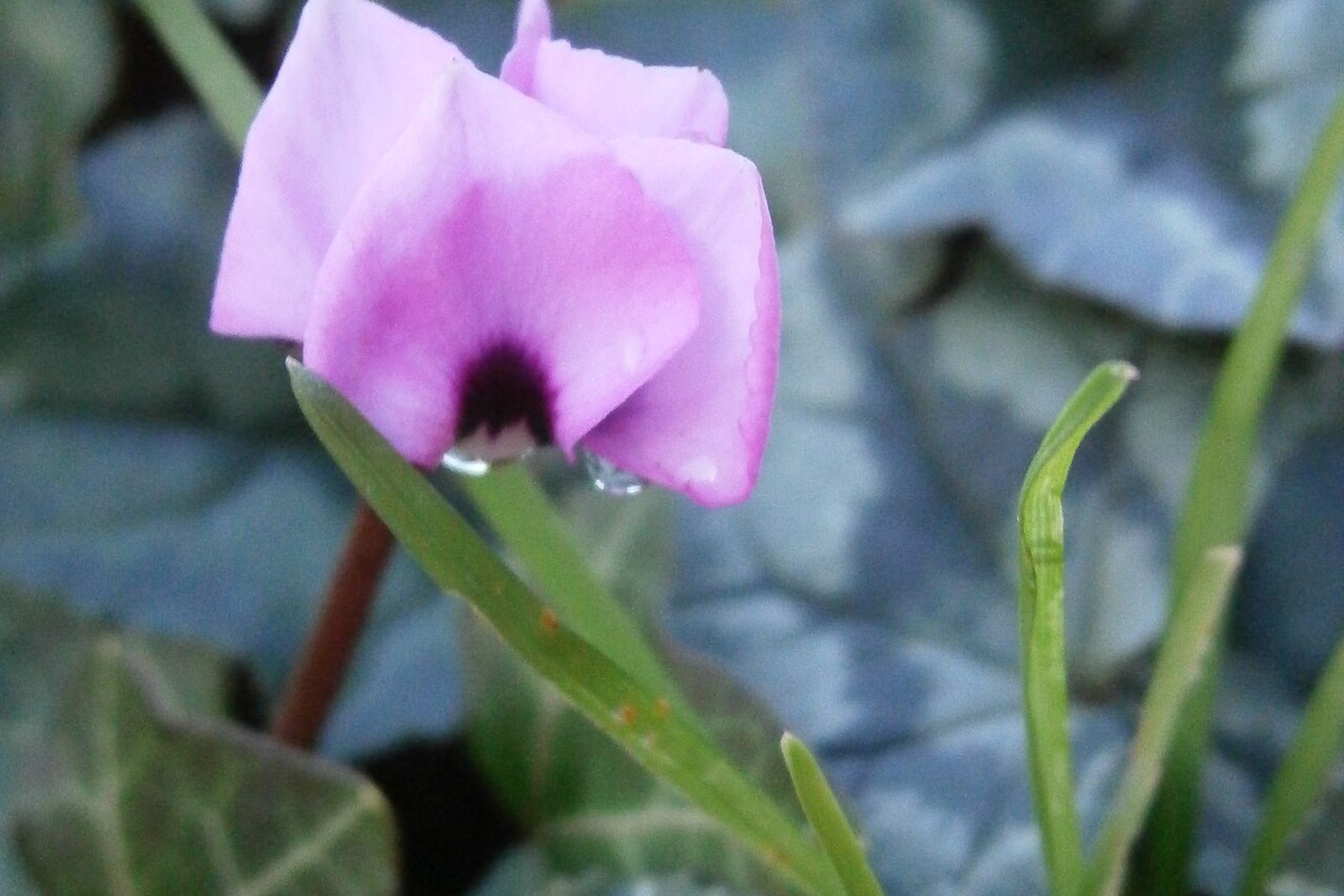
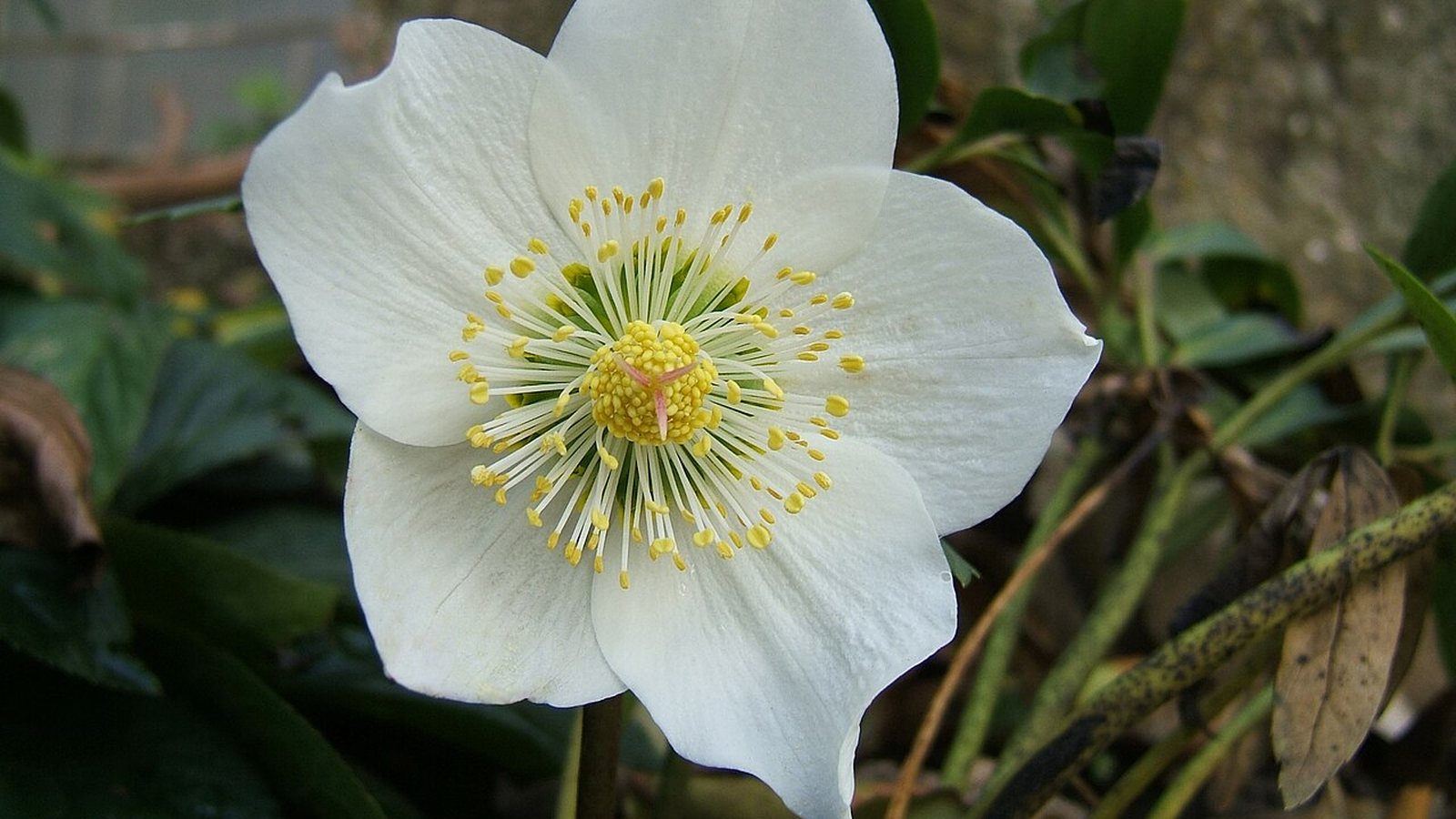 Photo: Wildfeuer · CC BY 2.5
Pansies and violas, hellebores, hardy cyclamen and primroses survive frost and flower in the cold months. Hardy means frost-tolerant, not untouched: a hard freeze pauses pansies and tires hellebore leaves. Florist's cyclamen is not hardy, and cyclamen, hellebore and primrose are toxic to cats and dogs.
Key takeaways
- Pansies bloom whenever it is above freezing; hellebores flower from about December; hardy cyclamen from January.
- Hardy means tolerates frost, not looks perfect after a hard freeze.
- Florist's cyclamen is not hardy, unlike the small Cyclamen coum.
- Cyclamen, hellebore and primrose are toxic to cats and dogs (ASPCA).
- Pots freeze harder than soil: use frost-proof containers, lift them off the ground and skip winter feeding.
On this page8
- Which flowers survive frost and still bloom in winter?
- Winter-hardy flowers at a glance
- Are winter flowers safe for cats and dogs?
- How do you keep pansies and violas blooming through winter?
- Hellebores and hardy cyclamen: the slow, shady pair
- What about pots, balconies and containers?
- What does a hard freeze do to "hardy" flowers?
- A screenshot checklist for a winter-proof planting
Which flowers survive frost and still bloom in winter?
Pansies and violas, hellebores, hardy cyclamen and primroses all take frost, and most of them flower in the cold months rather than just surviving them. "Hardy" has limits, though: it means a plant tolerates frost, not that it looks perfect after a hard freeze. This guide gives each flower's realistic bloom window, what cold does to it, and which ones are poisonous to pets, because several of the best winter flowers are.
Winter is not the same everywhere. The Aegean and Mediterranean coasts of Türkiye are mild, inland Anatolia has hard freezes, and a temperate northern garden (the UK, the north-eastern US) sits in between. In the Southern Hemisphere read "winter" as June to August. Hardiness ratings are guides, so judge them against your own coldest nights.
Winter-hardy flowers at a glance
| Flower | When it blooms | How it handles frost | Cats and dogs (ASPCA) |
|---|---|---|---|
| Pansy and viola (Viola), hercai menekşe | Any time it is above freezing; peak in spring (Clemson) | Cool-season annual that keeps blooming through the cold | Not confirmed on the list I checked: look it up before planting it near a nibbler |
| Hellebore (Helleborus) | Christmas rose about December to February; other types later; combined December to April (Clemson) | Evergreen; Christmas rose USDA zones 3–8, Lenten rose 4–9 (Clemson) | Toxic |
| Hardy cyclamen (Cyclamen coum), siklamen | January to March (RHS) | Fully to frost hardy (RHS) | Toxic |
| Primula and polyanthus, çuha çiçeği | Used for winter container colour (RHS) | Listed in the RHS winter planting scheme | Toxic (primrose) |
| Florist's cyclamen (Cyclamen persicum) | Autumn to winter, indoors | Not hardy: usually lasts until the new year in a sheltered spot (RHS) | Toxic |
The last row is the most common mistake. The big, brightly coloured cyclamen sold in autumn is a different plant from the small hardy cyclamen that flowers in January, and it will not take a hard freeze.
Are winter flowers safe for cats and dogs?
Not all of them, and some of the prettiest are the problem. The ASPCA lists cyclamen as toxic to dogs, cats and horses: the usual signs are drooling, vomiting and diarrhoea, and after large amounts of the tubers heart rhythm problems, seizures and death are possible. Hellebore (also called Christmas rose or Lenten rose) is toxic too, with drooling, abdominal pain and diarrhoea, and Clemson says all parts of the plant are toxic. Primrose is on the ASPCA toxic list as well. Check our lists of plants toxic to cats and plants toxic to dogs before you buy.
If a pet has chewed one of these, call your vet straight away, or the ASPCA Animal Poison Control Center on (888) 426-4435 (a consultation fee may apply).
How do you keep pansies and violas blooming through winter?
Pansies are the easy win. Clemson says they bloom whenever the temperature is above freezing, so a cold snap pauses them and a mild week restarts them. Give them morning sun and rich, well-drained soil, and remove old flowers: Clemson says deadheading gives the longest bloom. Keep watering through autumn and winter when less than 2.5 cm (1 in) of rain falls in a week, and water in the morning rather than late in the day. Clemson's advice for beds is slow-release fertiliser at planting and a granular feed in late autumn, avoiding high nitrogen. For containers the RHS says winter feeding is not necessary, so the two sources differ and a light hand is the safe middle.
Hellebores and hardy cyclamen: the slow, shady pair
Both prefer partial shade and both want drainage more than anything. Hellebores grow best under deciduous trees, where they get winter sun and summer shade, in soil rich in organic matter and well drained: Clemson says they tolerate clay, loam or sand but not wet soil. They are slow to settle, drought-tolerant once established, and seldom need feeding. Mulch with a 5 cm (2 in) layer and, if you want more plants, divide Lenten rose in late autumn to early winter (Clemson). Remove old leaves to reduce fungus; on stinking and Corsican hellebores wait until after flowering.
Hardy cyclamen is planted as tubers in autumn, in winter when the ground is not frozen, or in early spring. The RHS says to plant them 3–5 cm (1–2 in) deep, because deeper planting can stop them flowering, in humus-rich, well-drained soil that does not stay wet in summer. Mulch with leaf mould each year, and expect mice and grey squirrels to dig some up.
What about pots, balconies and containers?
A pot freezes harder than the ground, so choose frost-proof containers (terracotta, plastic, fibreglass or wood, says the RHS), raise them off the ground so they do not crack, and wrap them in bubble wrap in severe weather. Check the compost often, because it can dry out fast in mild spells, and skip feeding. For a whole planting scheme read our guide to plants that survive winter on a balcony, and for the nights when the forecast turns hard, how to protect garden plants from frost.
If a plant has lost its tag and you cannot tell a hardy cyclamen from a florist's one, Flori can identify it from a photo and show its care profile, including temperature and toxicity.
What does a hard freeze do to "hardy" flowers?
Hardy means survives, not unmarked. Expect pansies to stall and droop in a deep freeze and recover when it thaws, hellebore leaves to look tired by late winter (one reason old leaves are cut off), and florist's cyclamen to collapse and not return. If a cold snap is forecast, move pots against a wall or into a porch and cover them overnight. Spring bulbs follow the same rule, and spring bulb planting times explains what to plant now so that winter pots roll into spring.
A screenshot checklist for a winter-proof planting
- Pick by climate. On Aegean and Mediterranean coasts pansies and cyclamen can run all winter; inland, choose hellebores and hardy cyclamen and expect a pause.
- Check the cyclamen label. Small hardy Cyclamen coum goes in the ground; florist's cyclamen stays in a sheltered spot.
- Use frost-proof pots and lift them off the ground.
- Do not overfeed. No feeding in winter containers; no high nitrogen in beds.
- Deadhead pansies and cut old hellebore leaves.
- Check pets. Cyclamen, hellebore and primrose are toxic; keep them out of reach.
Frequently asked questions
Which flowers bloom in winter and survive frost?
Pansies and violas, hellebores, hardy cyclamen (Cyclamen coum) and primroses. Pansies bloom whenever it is above freezing, hellebores from about December, hardy cyclamen from January to March.
Can pansies survive freezing weather?
They are cool-season annuals that keep blooming through the cold, and Clemson says they bloom any time it is above freezing. A deep freeze will pause them, and mild weather restarts them.
Is the cyclamen from the shop hardy?
No. The RHS says florist's cyclamen (Cyclamen persicum) is not hardy and usually lasts until the new year in a sheltered spot. The small Cyclamen coum is the hardy one.
Are winter flowers poisonous to pets?
Some are. The ASPCA lists cyclamen, hellebore and primrose as toxic to cats and dogs. Keep them out of reach and call your vet if a pet chews one.
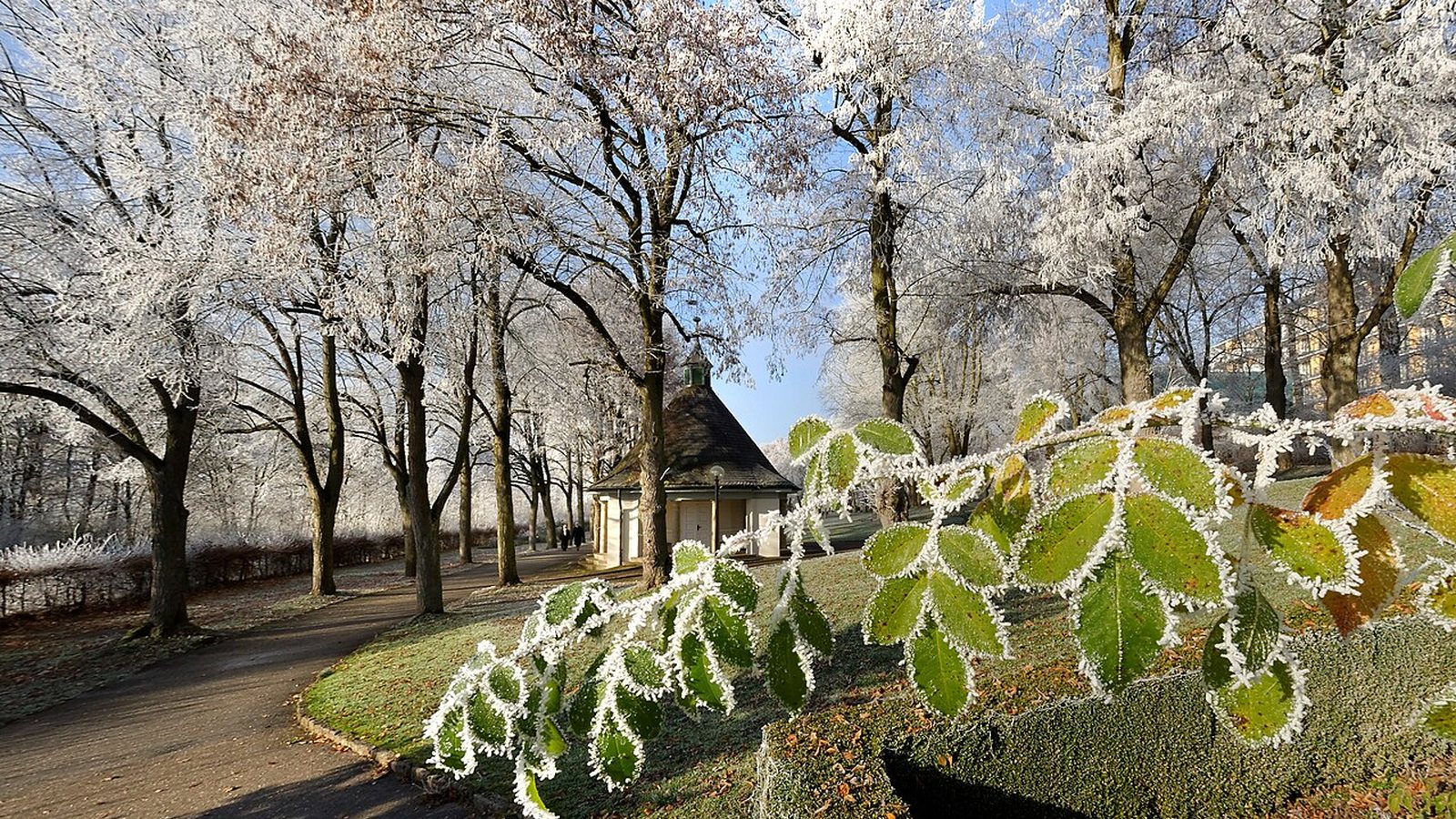
How to protect garden plants from frost: which plants need cover, what to use, how to wrap pots and tender shrubs, and when to take the cover off.
Sources
Written and fact-checked by the Flori team. Every guide cites horticultural sources such as the RHS, university extension services and the ASPCA, and is updated when the advice changes. How we write our guides
General plant care information. Plants vary; when a plant is valuable or a problem spreads quickly, consult a local nursery or plant specialist.