Air-Purifying Plants: What the Evidence Says
Do air-purifying plants work? The NASA study, why it does not scale to homes, what RHS research found, and the usual list plants with pet safety.
 By Flori editorial team · Updated
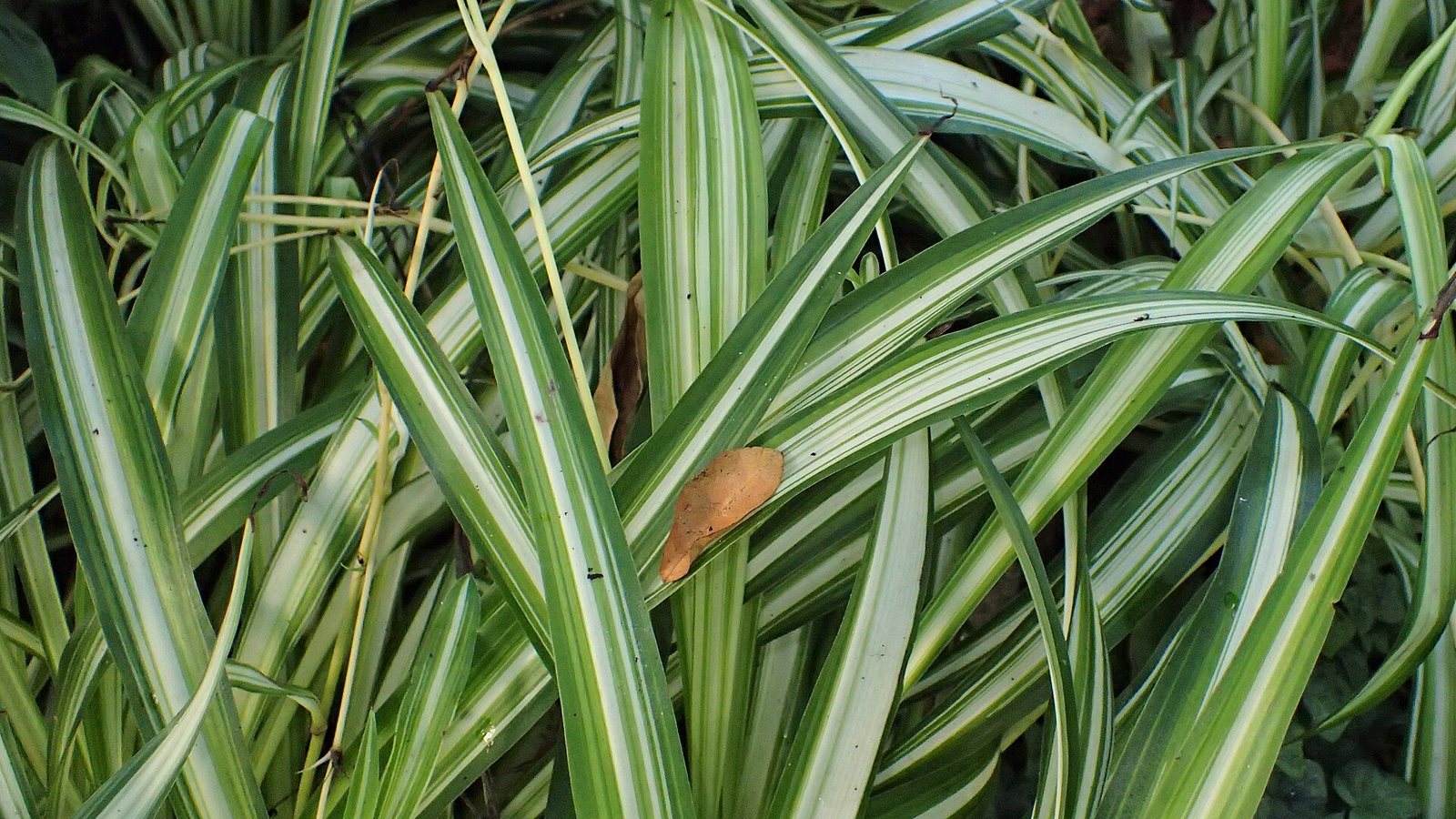
 Photo: Rhododendrites · CC BY-SA 4.0
Not in any way you would notice. The famous 1989 NASA study measured plants in small sealed chambers, and Iowa State Extension and the RHS say a reasonable number of houseplants does not measurably clean the air of a real, ventilated home. Ventilation and fewer pollution sources work better; plants mainly help wellbeing.
Key takeaways
- The NASA result came from sealed test chambers; homes constantly exchange air, so the effect does not carry over.
- RHS research found low carbon dioxide uptake at typical indoor light, under 3.9 mg per hour.
- Ventilation and reducing pollution sources improve indoor air more than plants do (RHS).
- Many plants on air-purifying lists are toxic to cats, including peace lily, pothos and snake plant (ASPCA).
- The best evidence for houseplants is for mood and wellbeing, not cleaner air.
On this page8
Do air-purifying plants really work?
Air-purifying plants are sold as living air filters, and the claim usually rests on one NASA study. The evidence is more modest. Iowa State University Extension concludes that a reasonable number of houseplants does not remove significant amounts of pollutants in a home or office, while the RHS says plants can absorb some pollutants on a small scale but that significant numbers may be needed and ventilation works better. This guide checks the myth against the sources, shows where they disagree, lists the plants that appear on every "air-purifying" list with their real pet safety (ASPCA), and explains what plants genuinely do for a room.
Where did the air-purifying claim come from?
In 1989 NASA scientists reported that plants could remove volatile organic compounds (VOCs), the gases given off by paints, furniture and cleaning products, from the air inside small sealed test chambers. Iowa State notes that the pollutants were injected into these chambers and then removed slowly. That result is real: Iowa State stresses that the study was not flawed. The problem is what happened next. The finding was turned into lists of "plants that clean the air", and a test in a sealed box was presented as if it applied to a living room.
Why the lab result does not carry over to your home
- Homes are not sealed. Iowa State points out that indoor air is constantly replaced by outdoor air, even in very airtight buildings. A plant working slowly cannot keep up with that turnover.
- Pollutants keep coming. New VOCs are released all the time from furniture, paints and detergents, which the RHS lists as the main indoor sources.
- The numbers do not add up. Iowa State says that even about one plant per square foot of floor space (roughly 10 per square metre) would not effectively remove VOCs from a home or office, and reports the US EPA's view that there is no evidence a reasonable number of houseplants removes significant quantities of pollutants.
- Ventilation does more. The RHS says that ventilation and reducing the sources of pollution are generally more effective than relying on plants alone.

What newer research says
The RHS ran its own study from 2016 to 2020, testing seven popular houseplants in chambers that mimic office conditions, among them peace lily, English ivy, ZZ plant and dracaena. It found that plants can lower pollutant levels, but only under the right conditions. At typical low indoor light, carbon dioxide removal was generally low, under 3.9 mg per hour. Two peace lily cultivars and English ivy removed the most, and more light would significantly increase uptake in most species. The plants that absorbed the most carbon dioxide also added the most humidity to the air. The RHS describes the effect of plants on air quality as still under discussion and says the number of plants needed is still being researched.
Where the sources disagree
Not every source is this cautious. UF/IFAS Gardening Solutions says many popular houseplants are quite good at removing some indoor toxins, such as formaldehyde and benzene, and that microorganisms in the potting soil also help, as long as fallen leaves do not cover the soil surface. The difference is mostly one of scale: nobody disputes that plants and their soil take up some VOCs; the debate is whether a few pots make a measurable difference in a real, ventilated home. On that question, Iowa State and the RHS say no or not yet, so treat any claim that a plant "purifies a room" as unproven.

The plants on every air-purifying list
These are the plants named most often, with where they appear and what the ASPCA says about cats. If you share your home with pets, this column matters more than any air claim.
| Plant | Named by | Cats (ASPCA) |
|---|---|---|
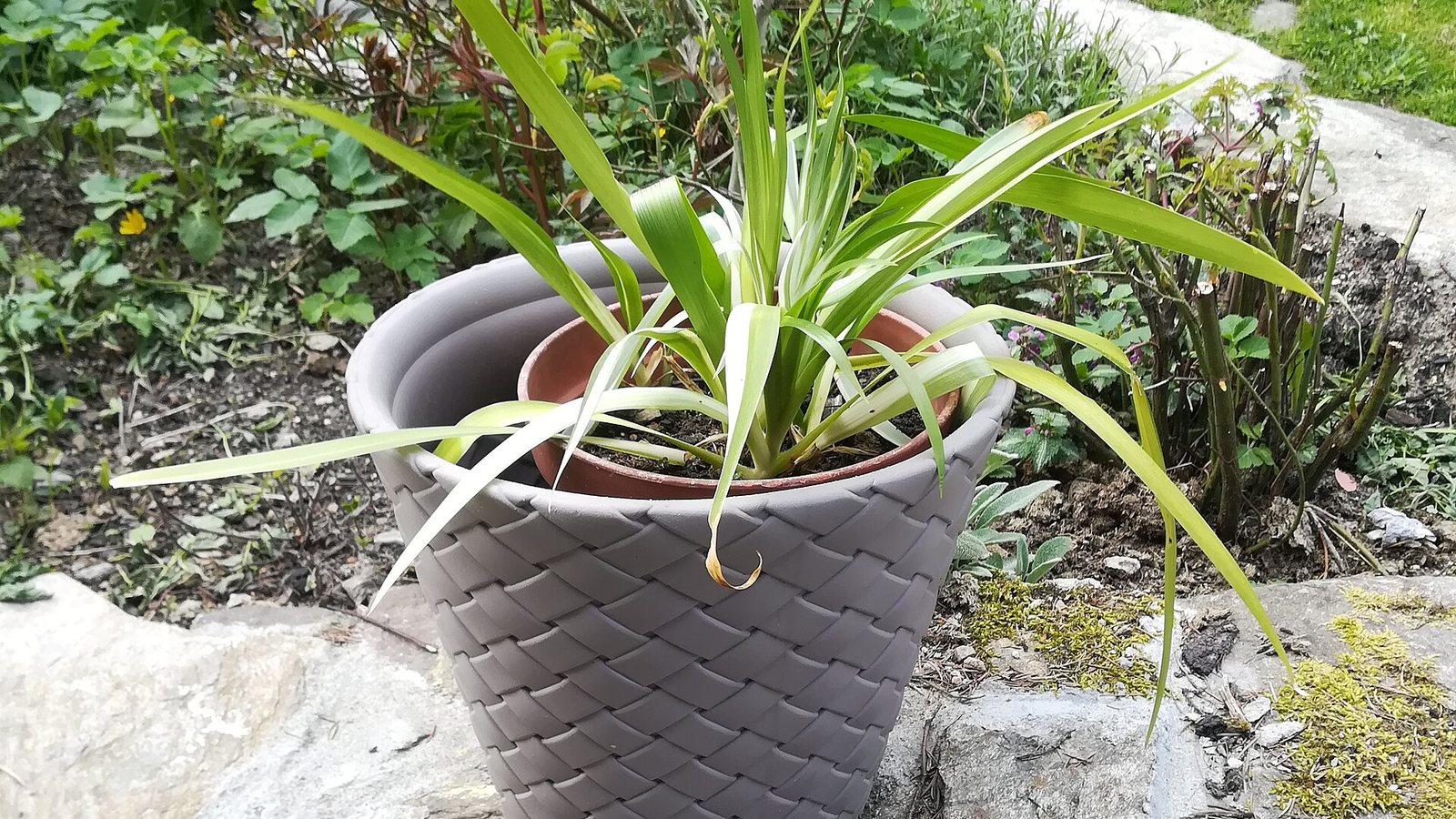
| Spider plant (Chlorophytum comosum) | NASA-based lists, RHS, UF/IFAS | Non-toxic |
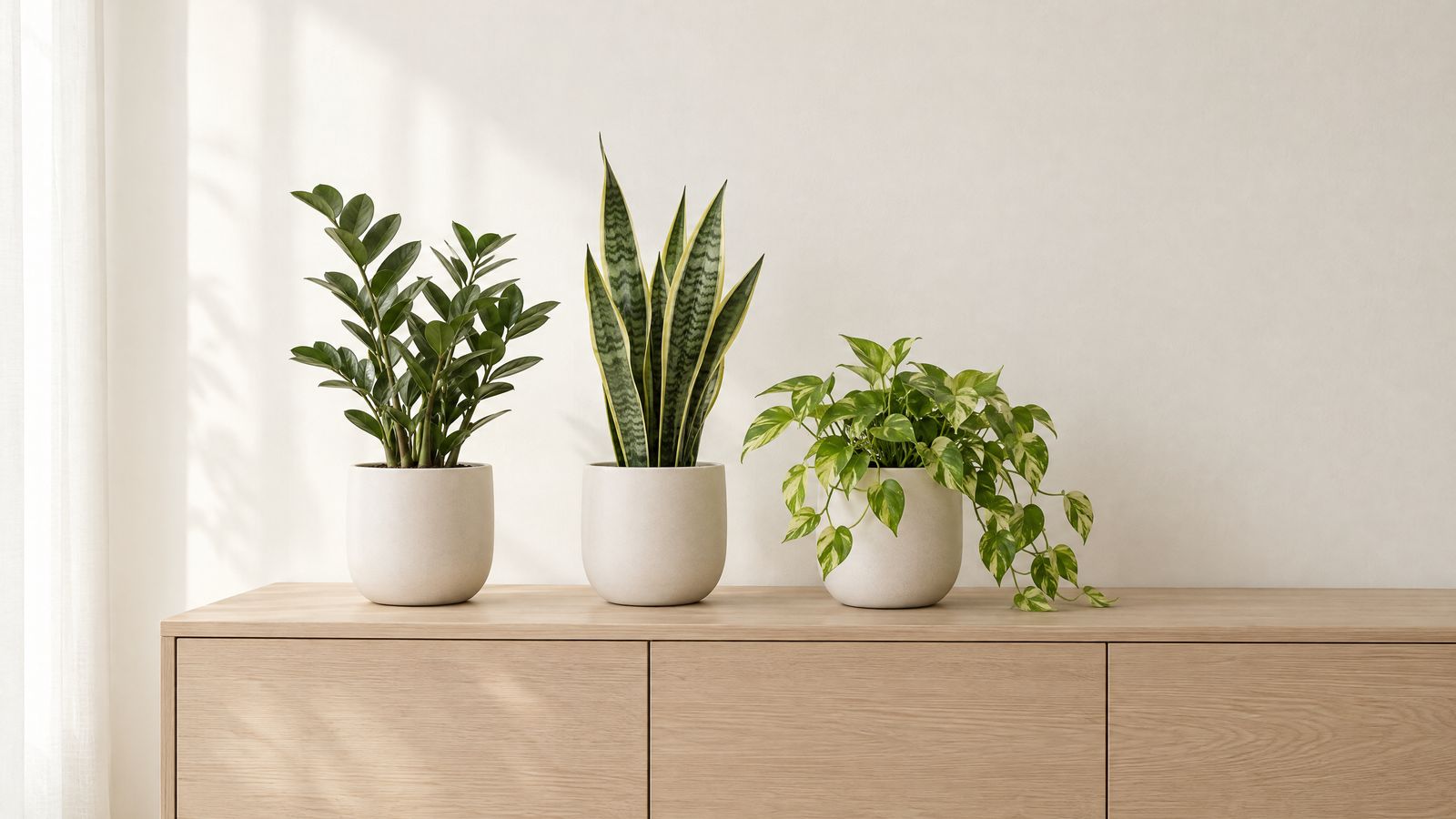
| Peace lily (Spathiphyllum) | NASA-based lists, RHS study, UF/IFAS | Toxic |
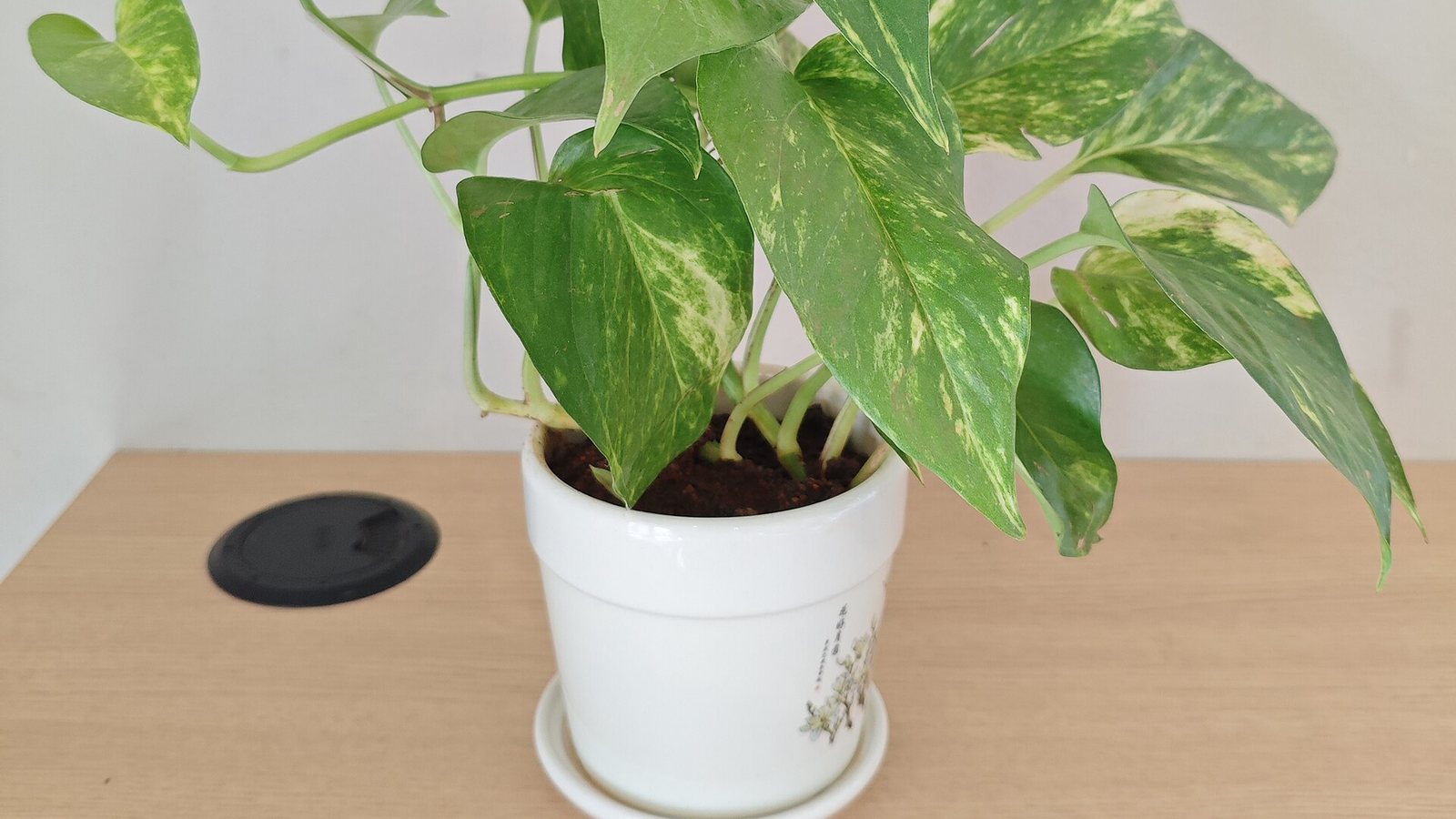
| Golden pothos (Epipremnum aureum) | RHS, UF/IFAS | Toxic |
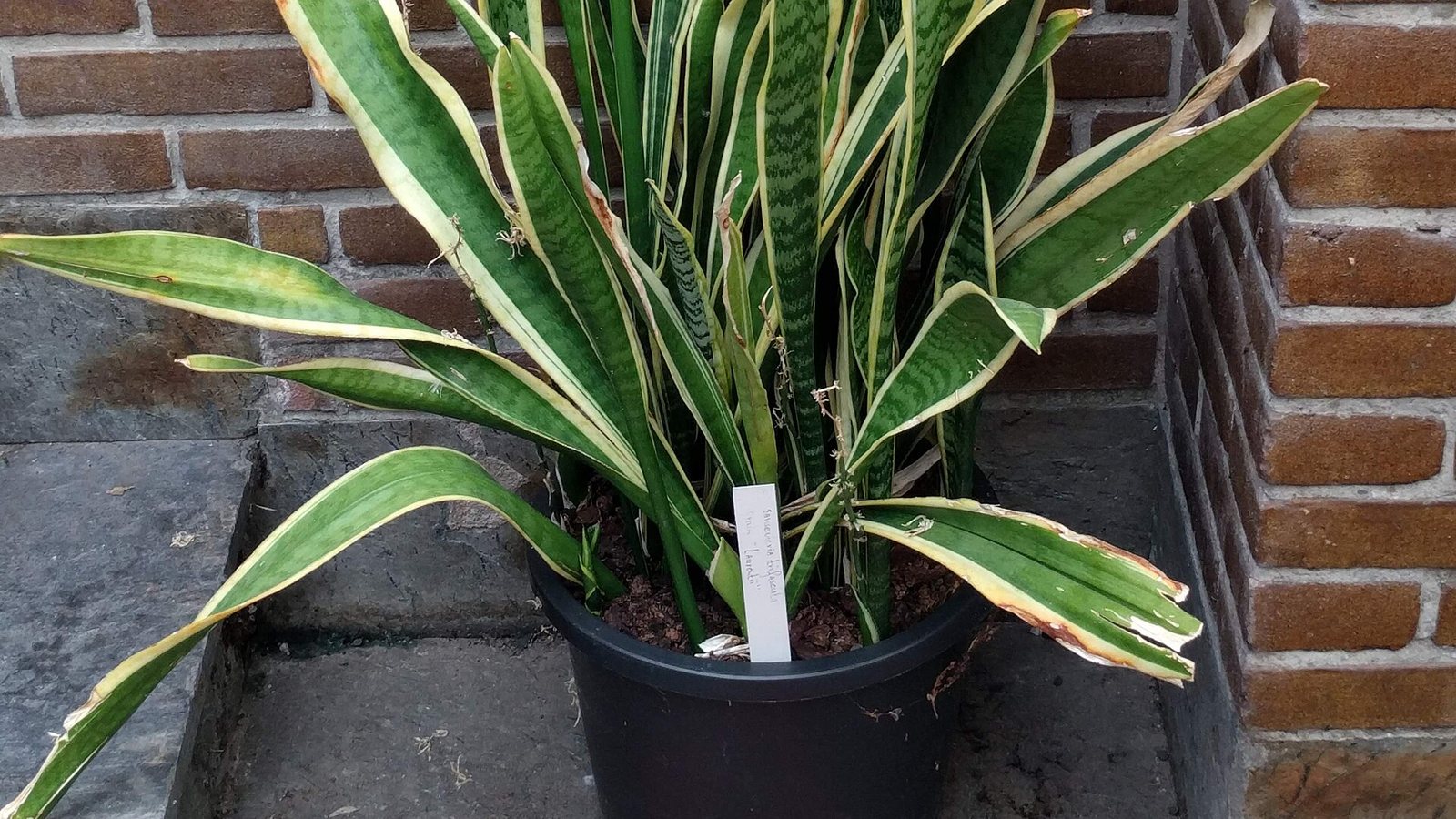
| Snake plant (Sansevieria trifasciata) | RHS | Toxic |
| English ivy (Hedera helix) | RHS study | Toxic |
| Dracaena (Dracaena fragrans and others) | RHS study, UF/IFAS | Toxic |
| Chinese evergreen (Aglaonema) | RHS, UF/IFAS | Toxic |
| Philodendron (Philodendron) | NASA-based lists, UF/IFAS | Toxic |
| Aloe vera (Aloe vera) | UF/IFAS | Toxic |
| Bamboo palm (Chamaedorea) | RHS | Non-toxic |
Two notes. UF/IFAS no longer recommends spider plant in Florida because it is predicted to become invasive there, a point that matters only where it can escape outdoors. And UF/IFAS suggests foliage plants rather than flowering ones for people sensitive to pollen. For a fuller safe list, see our guide to pet-safe houseplants for cats and dogs.

What houseplants really do for a room
The strongest evidence is for people, not air. The RHS says the greatest benefits of indoor plants are for wellbeing and productivity, with studies reporting better mood and less stress, and one study finding fatigue and headaches reduced by 20 to 25 percent; it also notes that results are mixed for some measures, such as attention span. Iowa State's advice is simple: keep enjoying houseplants for how they make a home feel, and keep gardening through winter. So choose plants that suit your light and your routine rather than a pollutant chart. Our list of beginner plants that forgive mistakes is a good place to start, and if you are buying for a bedroom, the night-oxygen myth is the other claim worth checking.
What actually improves indoor air?
If you keep plants partly for the air anyway, help them do the little they can. Give them the brightest suitable spot, since the RHS study found that more light significantly increases uptake in most species. Keep the soil surface clear of fallen leaves, which UF/IFAS says helps the soil microorganisms. And keep the plants healthy: a struggling plant in a dark corner does nothing for you or the air.
If air quality is the goal, the RHS points first to ventilation and to reducing pollution sources, such as airing rooms after painting or cleaning. It also notes that indoor VOC levels have been found to be highest in winter, when windows stay shut, so short, regular airing helps most then. Plants can sit alongside those habits, not replace them. If a plant you bought for cleaner air starts to struggle in a dim corner, Flori's light meter can show whether the spot is bright enough, and the care profile lists its light, watering and toxicity.
Frequently asked questions
How many plants do you need to clean the air?
More than any home holds. Iowa State says even about one plant per square foot would not effectively remove VOCs, and the RHS says the number needed is still being researched.
Is the NASA clean air study wrong?
No. It correctly showed plants removing VOCs in small sealed chambers. The mistake is applying that result to homes, where air is constantly replaced and new pollutants keep appearing.
Which air-purifying plants are safe for cats?
Of the plants usually listed, the ASPCA lists spider plant and bamboo palm as non-toxic to cats. Peace lily, pothos, snake plant, English ivy, dracaena and aloe are toxic.
Do plants add humidity to a room?
A little. The RHS study found that the plants that took up the most carbon dioxide also added the most humidity, but a few pots will not change a dry room much.
Sources
- Iowa State University Extension: Improving indoor air quality with houseplants
- Royal Horticultural Society: Houseplants for health and wellbeing
- Royal Horticultural Society: Can plants improve indoor air quality?
- UF/IFAS Gardening Solutions: Houseplants that clean the air
- ASPCA: Toxic and non-toxic plants for cats
Written and fact-checked by the Flori team. Every guide cites horticultural sources such as the RHS, university extension services and the ASPCA, and is updated when the advice changes. How we write our guides
General plant care information. Plants vary; when a plant is valuable or a problem spreads quickly, consult a local nursery or plant specialist.