Cinnamon for Plants: Fungus, Cuttings and Gnats
Does cinnamon root cuttings, stop fungus or kill fungus gnats? What extension sources say, what works better, and whether it is safe for pets.
 By Flori editorial team · Updated
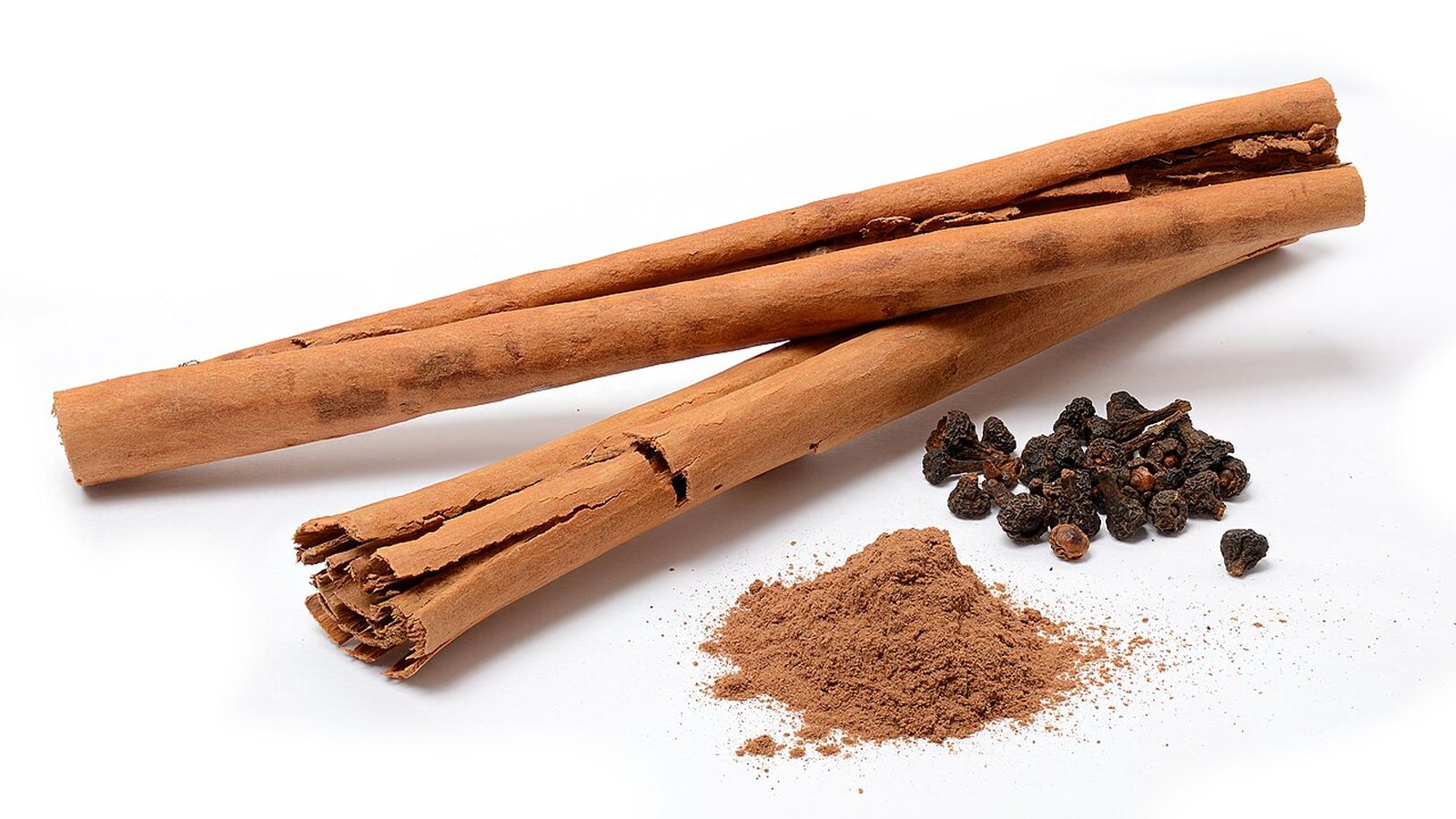 Photo: Simon A. Eugster · CC BY-SA 3.0
Cinnamon is not a rooting hormone, and no extension source I found recommends it against damping-off or fungus gnats. UNH Extension calls the evidence for rooting mixed and weak. A light dusting does no harm and the ASPCA lists the spice as non-toxic to cats and dogs, but clean tools, dry soil and Bti do the real work.
Key takeaways
- Cinnamon is not a rooting hormone: UNH Extension calls the evidence mixed and weak, and says commercial IBA powder is more reliable.
- I found no extension source recommending cinnamon for damping-off; sterile mix, clean pots and not overwatering are the proven steps.
- For fungus gnats, UC IPM lists drying the soil surface, sticky traps, potato traps and Bti, not cinnamon.
- The ASPCA lists cinnamon as non-toxic to cats and dogs, but its page does not cover cinnamon oil.
- A light dusting does no harm, but do not rely on it for rot, seedlings or gnats.
On this page7
Does cinnamon really help plants?
Cinnamon is harmless on most plants, but the garden claims around it, as a rooting hormone, a fungicide and a gnat killer, are weak or untested. I went looking for university extension evidence on each of the three common uses; this guide tells you what was found, what was not found, and what works better. The short version: cinnamon is a pantry spice, not a plant treatment, and good hygiene and drier soil do the real work.
| The claim | What the evidence says | What works better |
|---|---|---|
| Cinnamon roots cuttings like a rooting hormone | UNH Extension: evidence "mixed, and pretty weak overall"; no notable difference for most plants | A commercial rooting powder containing IBA, clean tools, clean medium |
| Cinnamon stops cuttings from rotting | Speculated antimicrobial effect; UNH found no studies confirming it | Sterile medium, sharp clean blade, air circulation |
| Cinnamon prevents damping-off in seedlings | Not mentioned by the extension pages I read on damping-off | Pasteurized well-drained mix, no overwatering, clean pots |
| Cinnamon kills fungus gnats | Not listed in the UC IPM fungus gnat guide | Let the soil surface dry, sticky traps, Bti |
That does not make cinnamon dangerous. It means that if your cuttings rotted or your soil is full of gnats, a sprinkle of spice is not going to fix the cause.
Is cinnamon a rooting hormone for cuttings?
No. A rooting hormone is a product that contains an active ingredient, usually IBA, that signals a stem to make roots. Ground cinnamon does not contain it. The UNH Extension answer to this exact question is that the evidence is mixed and weak, that cinnamon does not make a notable difference for most plants, and that some studies suggest an effect on rooting for some plants. The same author notes that plants that root well after cinnamon might have rooted just as well with no dip at all, and says the same about honey. Results are more reliable and consistent with a commercial rooting powder, which has the most reliable active ingredient, IBA.
What does help a cutting, according to the Virginia Tech Extension guide on propagation:
- Clean tools. Disinfect blades with rubbing alcohol or a 1:9 bleach-to-water mix so disease does not travel from one plant to another.
- Clean, low-fertility medium. Most commercial mixes are clean when bought, and too much fertiliser can damage new roots.
- A rooting hormone, preferably one with a fungicide (not for soft, fleshy stems). Tip a little into a separate dish for dipping and throw it away afterwards, so you do not contaminate the pot. Follow the product label.
- Air circulation to discourage fungal growth, and removing flowers so the cutting puts energy into roots.
For plant-by-plant methods see propagating plants from cuttings. Many easy plants root in plain water or clean mix with no additive at all.
Does cinnamon stop fungus and damping-off in seedlings?
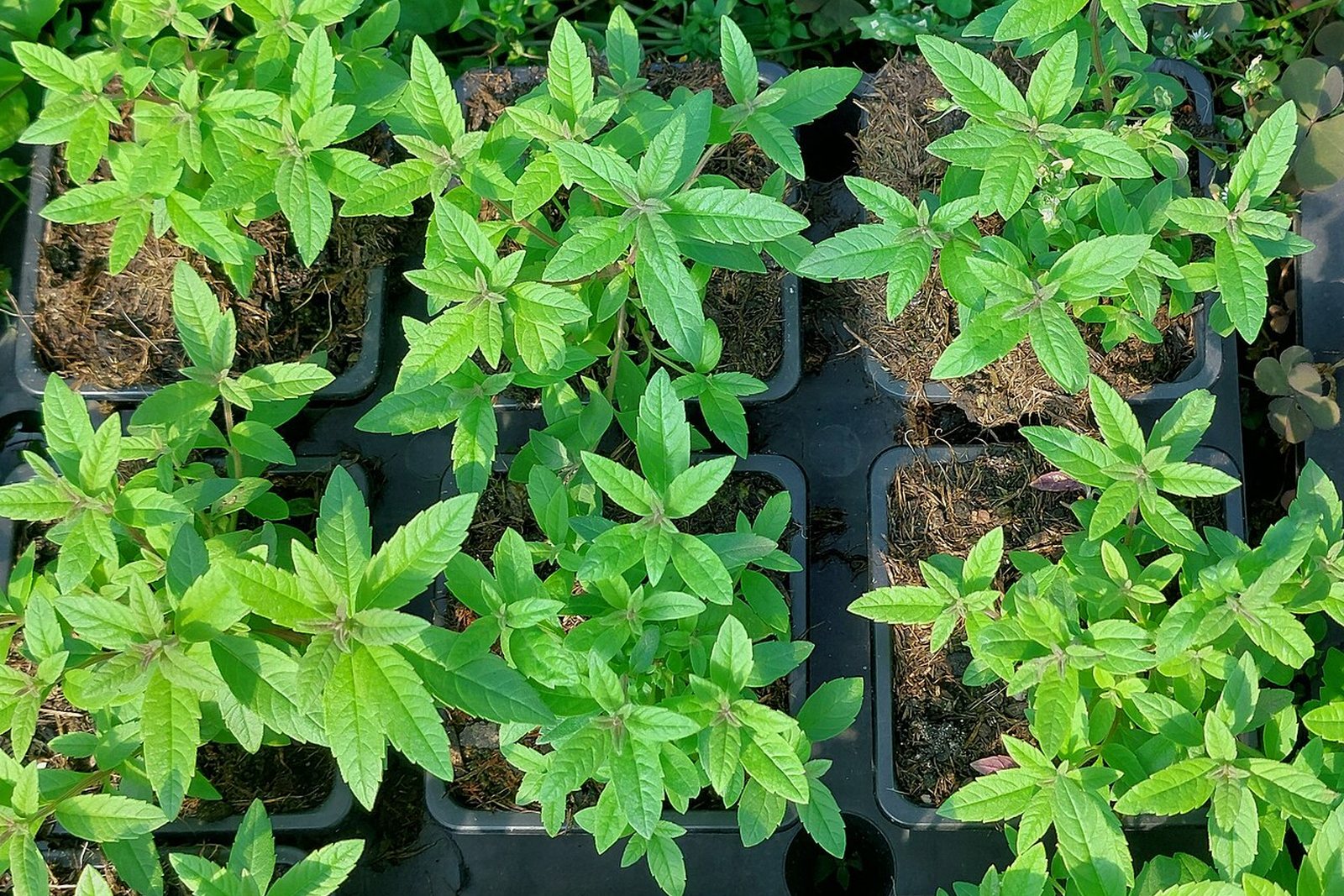
Gardening blogs say so, often with confidence and no sources. The extension pages on damping-off that I read, from Wisconsin and Penn State, do not mention cinnamon. They describe damping-off as caused by soilborne water molds and fungi, including Pythium, Rhizoctonia and Fusarium, and say it is most common when seeds germinate in cool, wet soil. Wisconsin's prevention list is simple: use a well-drained, pasteurized potting mix rather than garden soil, avoid overwatering, do not plant seeds too deep, and wash and disinfect pots and tools. Penn State adds spacing seedlings for airflow and removing seedlings that show symptoms.
Lab studies on cinnamon oil exist, but a petri dish is not a seed tray, and I did not find any extension source that recommends cinnamon for home seed starting. So sprinkling it over a tray can do no harm, but treat it as an extra, never as the plan. The same goes for the white fuzz on soil: our guide to white mold on houseplant soil shows why airflow and a drier surface matter more.
Can cinnamon get rid of fungus gnats?
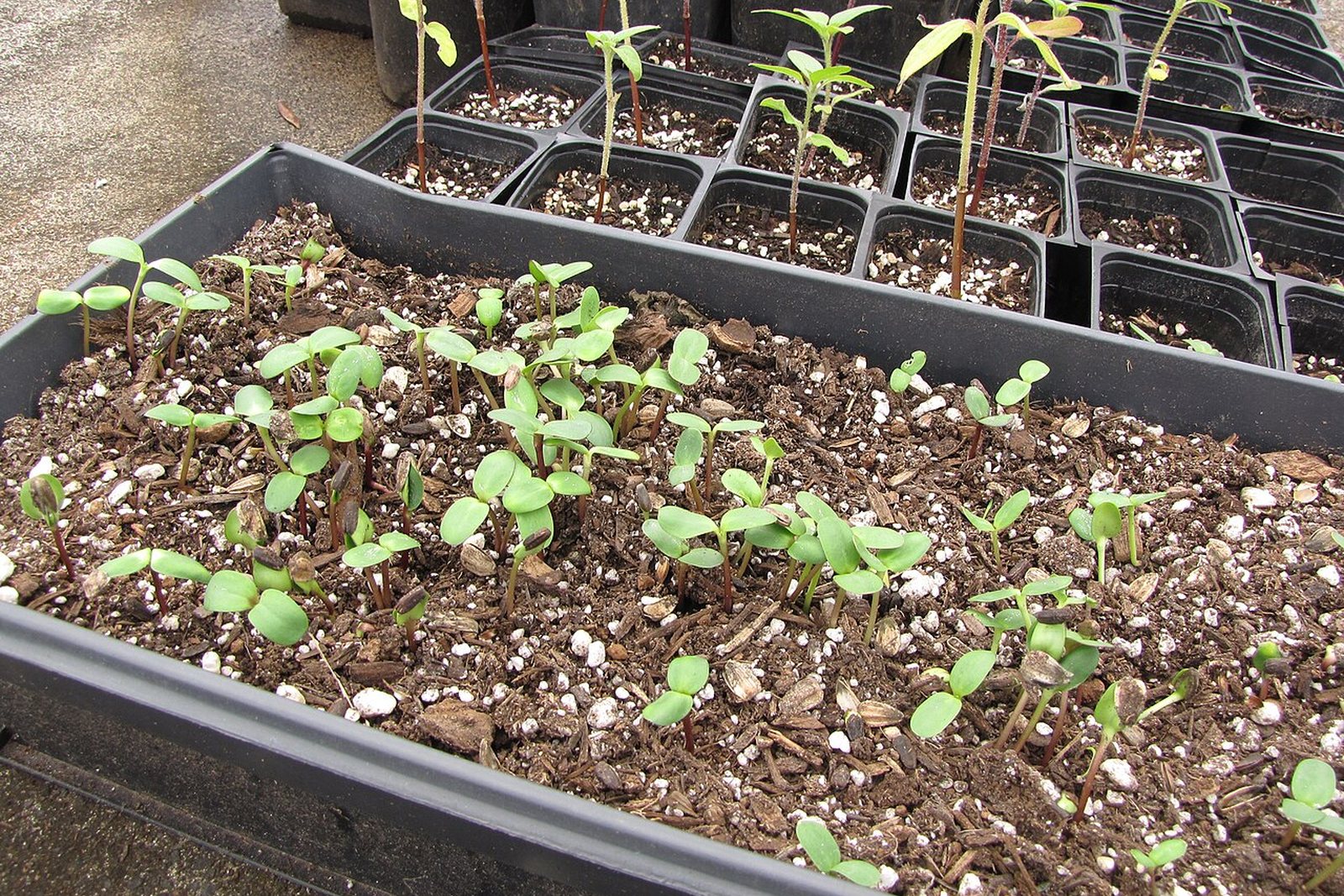
I found no extension or university source that lists cinnamon as a fungus gnat control. The UC IPM guide to fungus gnats, by contrast, gives a clear plan:
- Let the soil surface dry between waterings. The larvae live in constantly moist soil. UC IPM gives no number of days, so check with a finger.
- Improve drainage, for example with extra perlite or sand in the mix, and use only pasteurized potting mix.
- Trap the adults with yellow sticky traps cut into small squares and placed on skewers in the pot.
- Trap the larvae by burying raw potato chunks cut side down; replace them after a few days.
- Treat the larvae with Bti (a biological control such as mosquito bits): UC IPM says to repeat it about every five days because it does not last indoors.
- Expect repeats. At about 24 °C (75 °F) one generation takes about 17 days, so one treatment is never enough.
The full plan, with photos of the gnats and how to tell them from other small flies, is in our fungus gnats guide. If you want to find the pest in a pot with Flori, its Lab tools can analyse a photo of the pest.
Is cinnamon safe for pets and plants?
The ASPCA lists cinnamon (Cinnamomum zeylanicum) as non-toxic to dogs, cats and horses. Its page does not discuss cinnamon spice or cinnamon essential oil, so I would not assume the oil is safe: keep concentrated oils away from pets and away from plant leaves. Powder is not harmless to breathe in, so dust lightly and do not puff it into the air near a cat or a person with asthma. On a plant, a thin dusting on a cut stem or the soil surface will not poison it. A thick layer is not a good idea; plant roots and soil life need air and water to move in the pot.
For other pantry remedies and what extension sources say about them, read banana water, eggshells and rice water, and for pest prevention that works, our natural pest prevention guide.
If you want to try cinnamon anyway
- Run a fair test. Take two cuttings from the same plant, dip one in cinnamon and leave the other untreated, and compare. This is the check the UNH answer points to: plants that root well may root anyway.
- Keep the real work in place. Clean tools, fresh medium, no standing water.
- Use a pinch, not a layer. Brush off the excess before you plant.
- Do not rely on it for rot, damping-off or gnats; if these keep coming back, the cause is moisture, a dirty medium or a drainage problem.
If you cannot tell what is wrong with a plant, describe it or send a photo to Dr. Flori, which asks follow-up questions and suggests a likely cause and a recovery plan, instead of guessing with kitchen spices.
Cinnamon for plants: the checklist
- Rooting: use IBA rooting powder if you want a hormone; cinnamon is not one.
- Rot: sterile medium, sharp clean blade and air circulation.
- Damping-off: pasteurized mix, clean pots, do not overwater.
- Gnats: let the soil dry, use traps and Bti, repeat every few days.
- Safety: the spice is non-toxic to cats and dogs per the ASPCA; keep oils away.
Frequently asked questions
Can I use cinnamon instead of rooting hormone?
You can, but it is not a hormone. UNH Extension calls the evidence mixed and weak, and says commercial rooting powder with IBA gives more reliable, consistent results. Clean tools and medium matter more.
Does cinnamon stop mold on houseplant soil?
No source I read supports it. White fuzz on soil is usually a sign of too much moisture and still air, so let the surface dry and improve airflow and drainage. See our white mold guide.
Is cinnamon safe for cats and dogs?
The ASPCA lists cinnamon (Cinnamomum zeylanicum) as non-toxic to dogs, cats and horses. Its page does not address cinnamon spice or oil, so keep concentrated oil away from pets.
Will cinnamon kill fungus gnat larvae?
I found no extension source that says so. UC IPM recommends letting the soil surface dry, improving drainage, yellow sticky traps, potato chunks and Bti repeated about every five days.
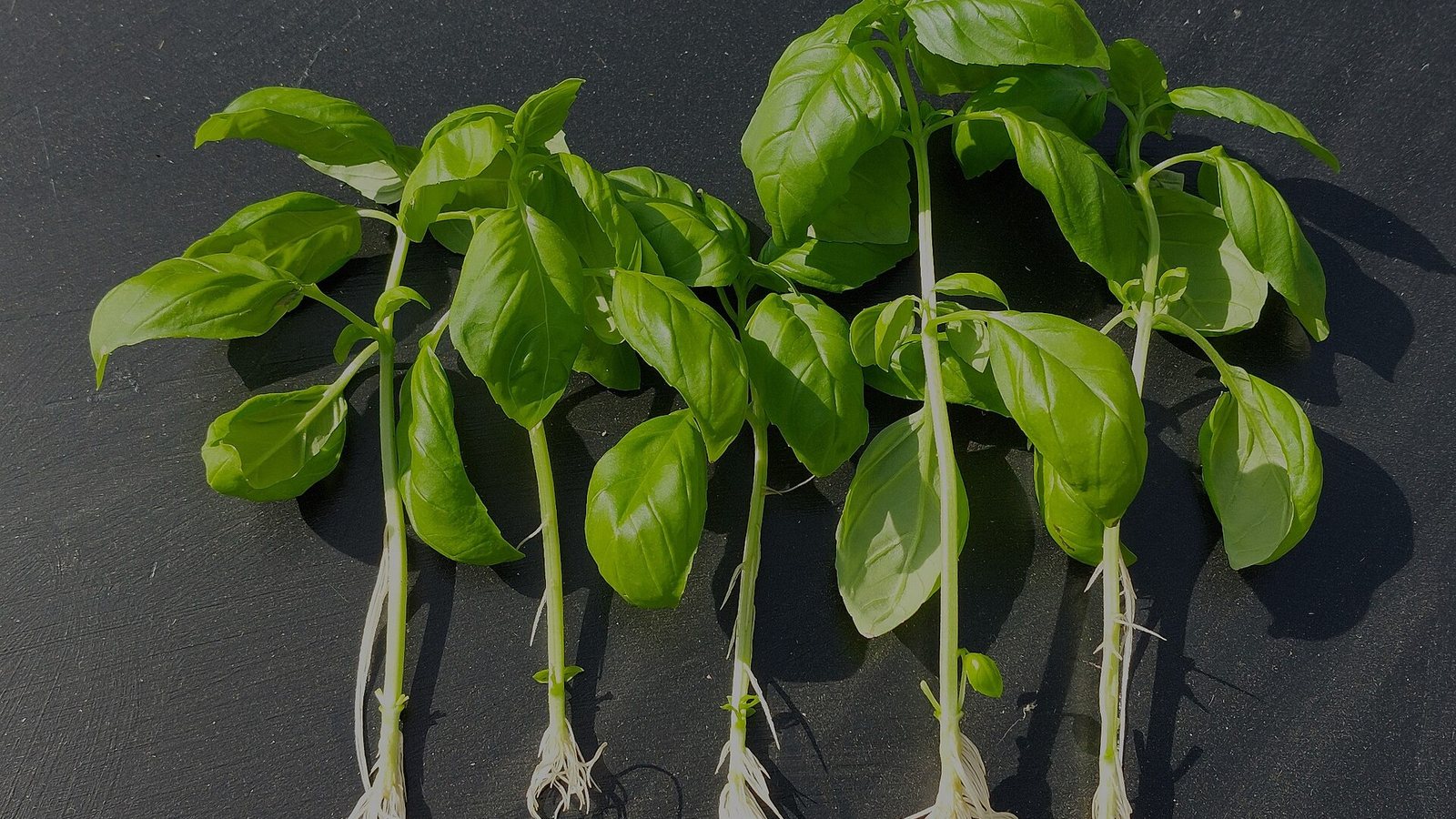
Stem, leaf and leaf-section cuttings explained: which houseplants suit each method, how long to cut, where to root them and when to pot them up.
Sources
Written and fact-checked by the Flori team. Every guide cites horticultural sources such as the RHS, university extension services and the ASPCA, and is updated when the advice changes. How we write our guides
General plant care information. Plants vary; when a plant is valuable or a problem spreads quickly, consult a local nursery or plant specialist.