Fragrant Houseplants That Scent a Room
Five houseplants that really scent a room, hoya, jasmine, gardenia, hyacinth and paperwhites, with timing, care and which are safe for cats and dogs.
 By Flori editorial team · Updated
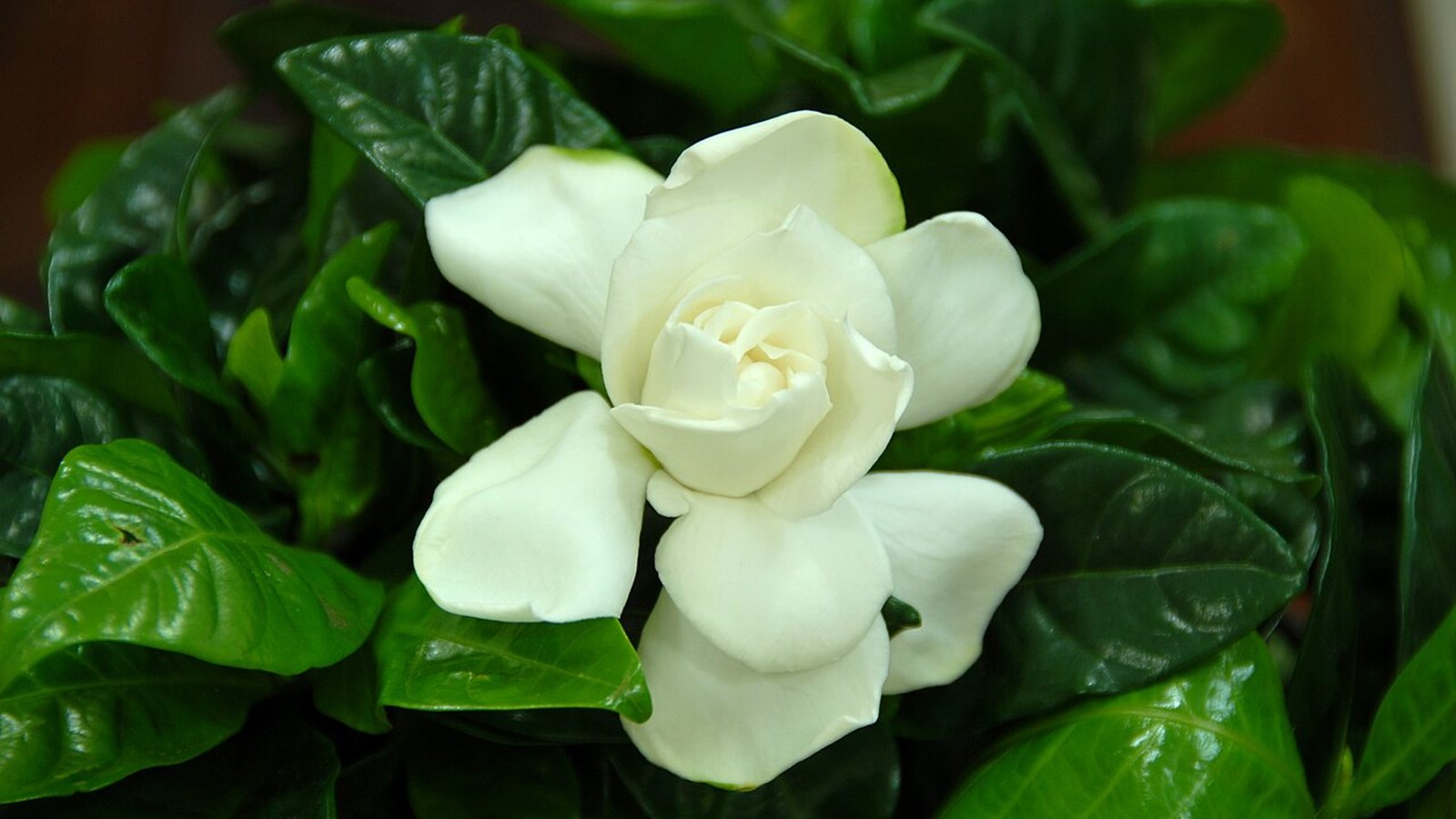 Photo: Ayman Babelly ( Aymanbabelly at en.wikipedia ) · CC BY-SA 3.0
Hoya and Chinese jasmine are the easiest fragrant houseplants and both are listed by the ASPCA as non-toxic to cats and dogs. Gardenia smells richest but is fussy and toxic to pets. Prepared hyacinth and paperwhite bulbs scent a room within weeks in winter, and both are toxic to pets.
Key takeaways
- Hoya smells strongest in the evening and at night; do not move it once buds form.
- Chinese jasmine flowers in late winter and spring and needs a warm spot above 13 °C (55 °F).
- Gardenia is fragrant but fussy: it wants humidity, 21-24 °C (70-75 °F) and stable conditions.
- Prepared hyacinth and paperwhite bulbs give winter scent fast, but all parts are toxic to pets.
- Not every jasmine is safe: Cape jasmine is gardenia, which is toxic to dogs and cats.
On this page8
Which houseplants actually scent a room?
Only a handful of houseplants fill a room with fragrance, and each does it in its own season: Chinese jasmine in late winter and spring, hoya on summer evenings, gardenia in summer, and forced hyacinth and paperwhite bulbs in the dark months. The catch is that several of the best-smelling choices are toxic to cats and dogs, and "jasmine" in a plant's name does not tell you which side of that line it falls on. This guide ranks five scented plants by what they need and what they cost you in effort, with the pet-safety facts next to each one so you can choose in a minute.
Fragrant houseplants at a glance
| Plant | When it scents the room | Needs | Cats and dogs (ASPCA) | Effort |
|---|---|---|---|---|
| Chinese jasmine (Jasminum polyanthum) | Late winter and spring | Warm, bright spot; above 13 °C (55 °F) | Non-toxic (Jasminum species) | Easy |
| Hoya (Hoya carnosa) | Mainly summer; strongest in the evening and at night | Bright light, not hot sun; winter nights above 10 °C (50 °F) | Non-toxic (wax plant) | Easy |
| Gardenia (Gardenia jasminoides) | Summer | 21-24 °C (70-75 °F), high humidity, acid compost | Toxic | Demanding |
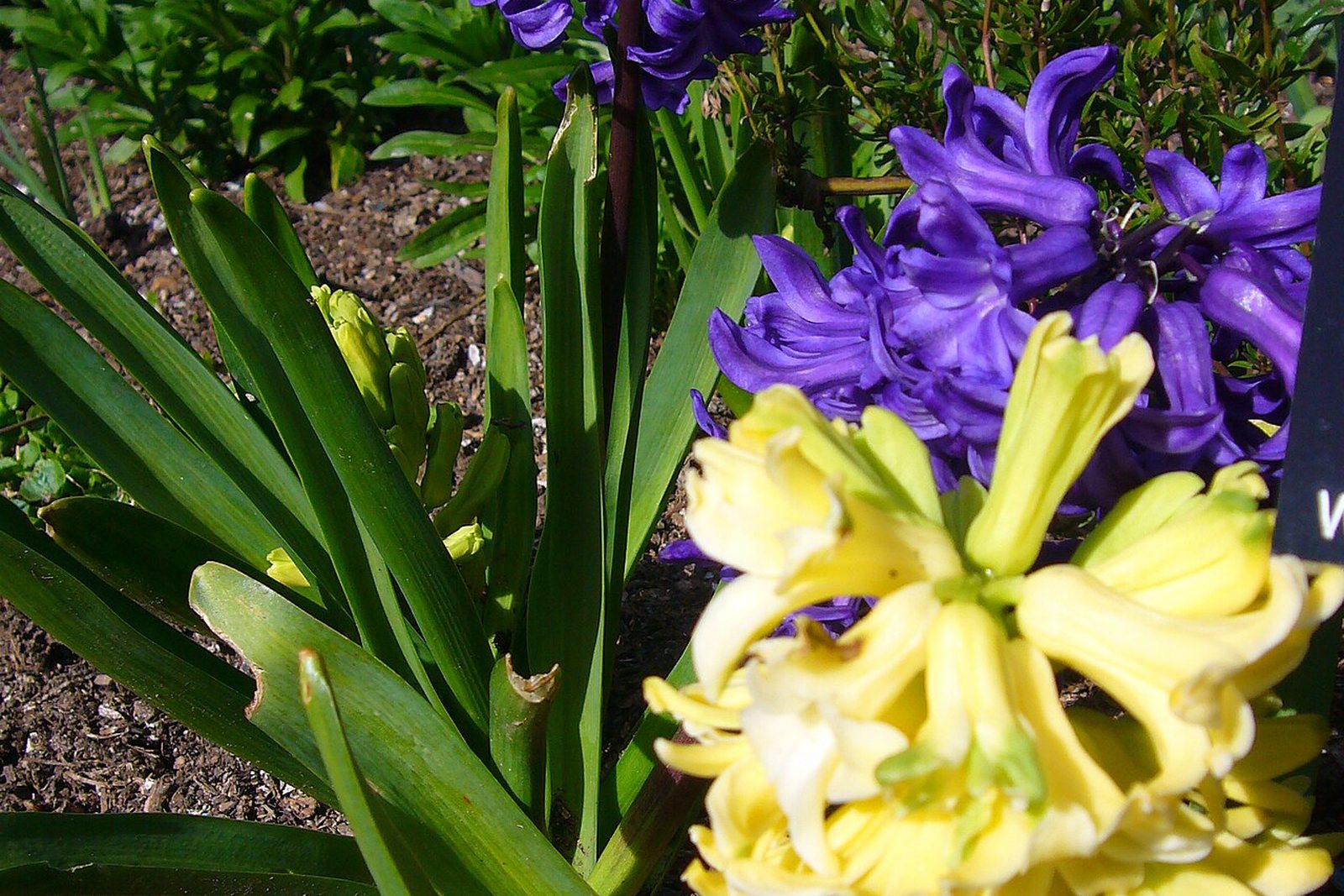
| Hyacinth bulbs | Winter to early spring | Prepared bulbs, cool bright spot | Toxic | Easy, short-lived |
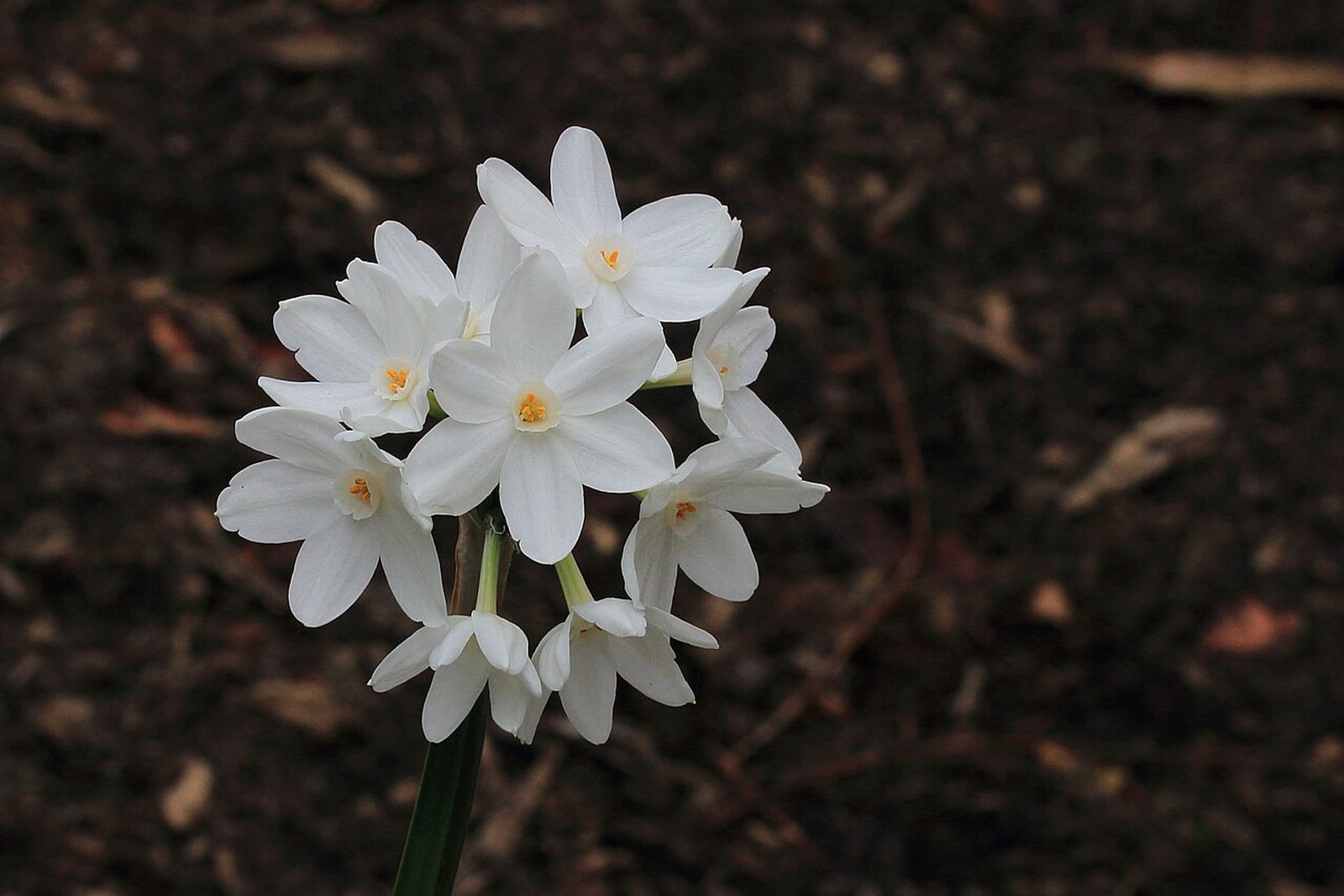
| Paperwhite narcissus | Winter | Cool, sunny spot | Toxic, bulbs most of all | Easy, short-lived |
What is the easiest fragrant houseplant?
For most homes the answer is hoya, with Chinese jasmine close behind. Both tolerate ordinary rooms and both are listed by the ASPCA as safe for cats and dogs. Neither is a plant you can ignore for months, though, so read the timing notes below.
Hoya (wax plant)
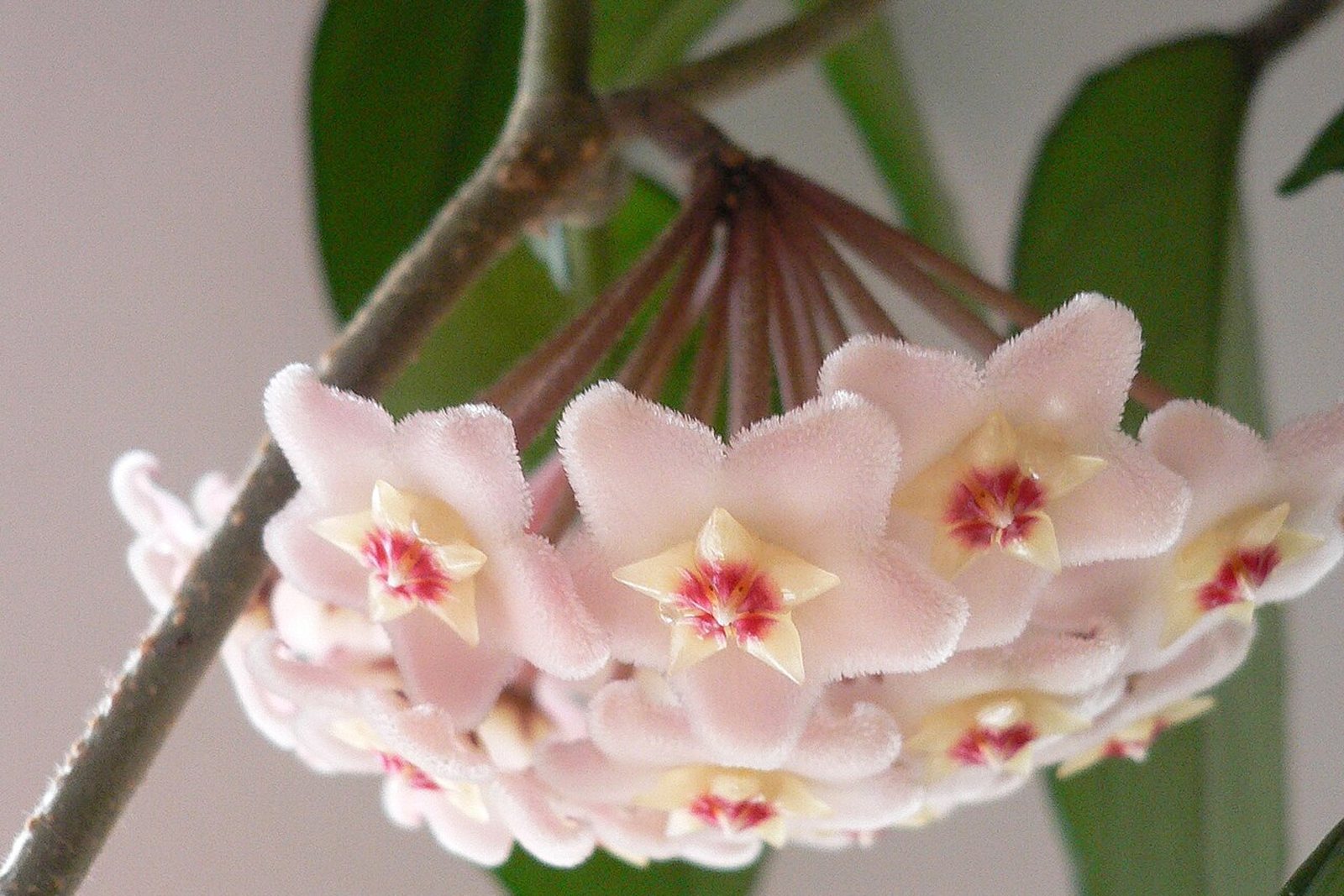
The Royal Horticultural Society (RHS) says hoya flowers, small white star-shaped waxy clusters, mainly in summer, are highly fragrant, especially in the evening and at night. Give it a bright spot, shaded from hot summer sun that can scorch the leaves, and keep it away from radiators and cold draughts. Water regularly from spring to autumn, keeping the compost moist but not waterlogged, then moderately from October to February, letting it become fairly dry but never completely. Two rules save the flowers: do not move the plant once buds form, and resist deadheading, because the RHS says the old flower stalks (spurs) often produce more blooms. Keep winter night temperatures above 10 °C (50 °F) for Hoya carnosa.
Chinese jasmine
The RHS describes the white flowers of Jasminum polyanthum as highly fragrant, opening from pink buds in late winter and spring. It wants a warm, bright spot, a consistent temperature above 13 °C (55 °F) and very light watering in winter. To boost flowering, the RHS suggests feeding container plants with a high-potassium liquid feed such as tomato fertilizer, following the label. In summer it can go outside in a warm, sheltered spot, but bring it in before night temperatures fall below 13-15 °C (55-59 °F).
Is gardenia worth the trouble?
Gardenia has the most celebrated scent of any houseplant, but it is the fussiest on this list. According to the RHS, its creamy-white summer flowers are highly fragrant and 5-10 cm (2-4 in) across, but it wants bright light without strong sun, 21-24 °C (70-75 °F), never below 16 °C (60 °F), high humidity and consistently moist, acidic compost. Large temperature swings can make the buds drop, so keep it away from radiators and draughts. In a hard-water area the RHS suggests rainwater to keep the compost acidic. If your home is dry and variable, choose hoya instead. Gardenia is toxic to dogs and cats according to the ASPCA, with mild vomiting, diarrhoea and hives among the listed signs.
Can bulbs scent a room in winter?
Yes, and they are the quickest route to fragrance. The RHS says forced bulbs can give a highly scented display as early as Christmas, and that grouping pots heightens the fragrance.
- Hyacinth: buy "prepared" bulbs, which are temperature-treated to flower early and need no chilling at home, according to the RHS. Allow roughly 6-10 weeks from planting to flowering, depending on the cultivar and temperature. Untreated bulbs need many weeks of cold storage, with Penn State Extension giving 12-15 weeks, so check the label before buying.
- Paperwhite narcissus: they need no chilling, and bloom 4-8 weeks after planting, according to Penn State Extension. Grow them in a cool, sunny spot, because too much warmth or too little light makes them leggy and floppy.
- Setup: the RHS suggests at least five bulbs in a bowl or wide pot with compost around them and the tops showing, and says in pots without drainage holes to use bulb fibre and water lightly, as excess water can rot the bulbs.
Bulbs are best treated as a seasonal gift for the room: the show lasts a few weeks. For timing and a Christmas schedule, see amaryllis and paperwhites indoors.
Which scented houseplants are safe for pets?
The ASPCA lists Jasminum species and the wax plant (Hoya carnosa) as non-toxic to dogs and cats. It lists gardenia, hyacinth and narcissus as toxic to dogs and cats, with the narcissus bulbs the most poisonous part and hyacinth causing intense vomiting and diarrhoea, sometimes with blood. Two traps are worth knowing. First, plants with "jasmine" in the name are not all the same: Cape jasmine is a name for gardenia, which is toxic. Second, the flowers are not the only risk; bulbs are often the most dangerous part, so keep bulbs and their pots out of reach, including before planting. "Non-toxic" does not mean a pet should eat it: the ASPCA notes that eating any plant can cause stomach upset. If your pet has eaten a toxic plant, call your vet or the ASPCA Animal Poison Control Center straight away. For more options, see our list of pet-safe houseplants and the plants toxic to cats.
How do you get the most scent from them?
- Place them where you sit. A hoya on a bedroom or living-room shelf is noticed in the evening, when it smells strongest.
- Keep the room stable. Gardenia and hoya both drop buds with sudden changes in light, temperature or watering. Our guide to humidity for houseplants covers the dry-air side.
- Group bulb pots. The RHS says grouping heightens fragrance.
- Pick the season you want. Jasmine for late winter and spring, hoya and gardenia for summer, bulbs for midwinter.
Not sure which plant you have, or whether it is safe for pets? Flori identifies plants from a photo, and its care profile for each plant lists light, watering, humidity, temperature and toxicity. For more flowers that last, see our guide to flowering houseplants.
Which climate suits which plant?
In Mediterranean and Aegean Türkiye, jasmine and hoya can spend the summer on a sheltered balcony, while inland Anatolia and temperate northern climates need them indoors well before nights fall below 13 °C (55 °F). The same temperatures matter in the Southern Hemisphere; count the seasons, not the months.
Frequently asked questions
What is the most fragrant houseplant?
Gardenia has the most celebrated scent, with highly fragrant summer flowers according to the RHS, but it is demanding. Hoya and Chinese jasmine are easier and still strongly scented.
Are fragrant houseplants safe for cats and dogs?
Some are and some are not. The ASPCA lists Jasminum species and hoya as non-toxic, and gardenia, hyacinth and narcissus as toxic. Check each plant before you buy.
Why is my hoya not smelling?
Hoya scent comes from its flowers, which appear mainly in summer and smell strongest in the evening and at night. The RHS says not to deadhead the old flower stalks and not to move the plant once buds form.
How long do hyacinth bulbs take to flower indoors?
The RHS says prepared hyacinth bulbs need no chilling and allows about 6-10 weeks from planting to flower. Untreated bulbs need many more weeks of cold, so check the label.
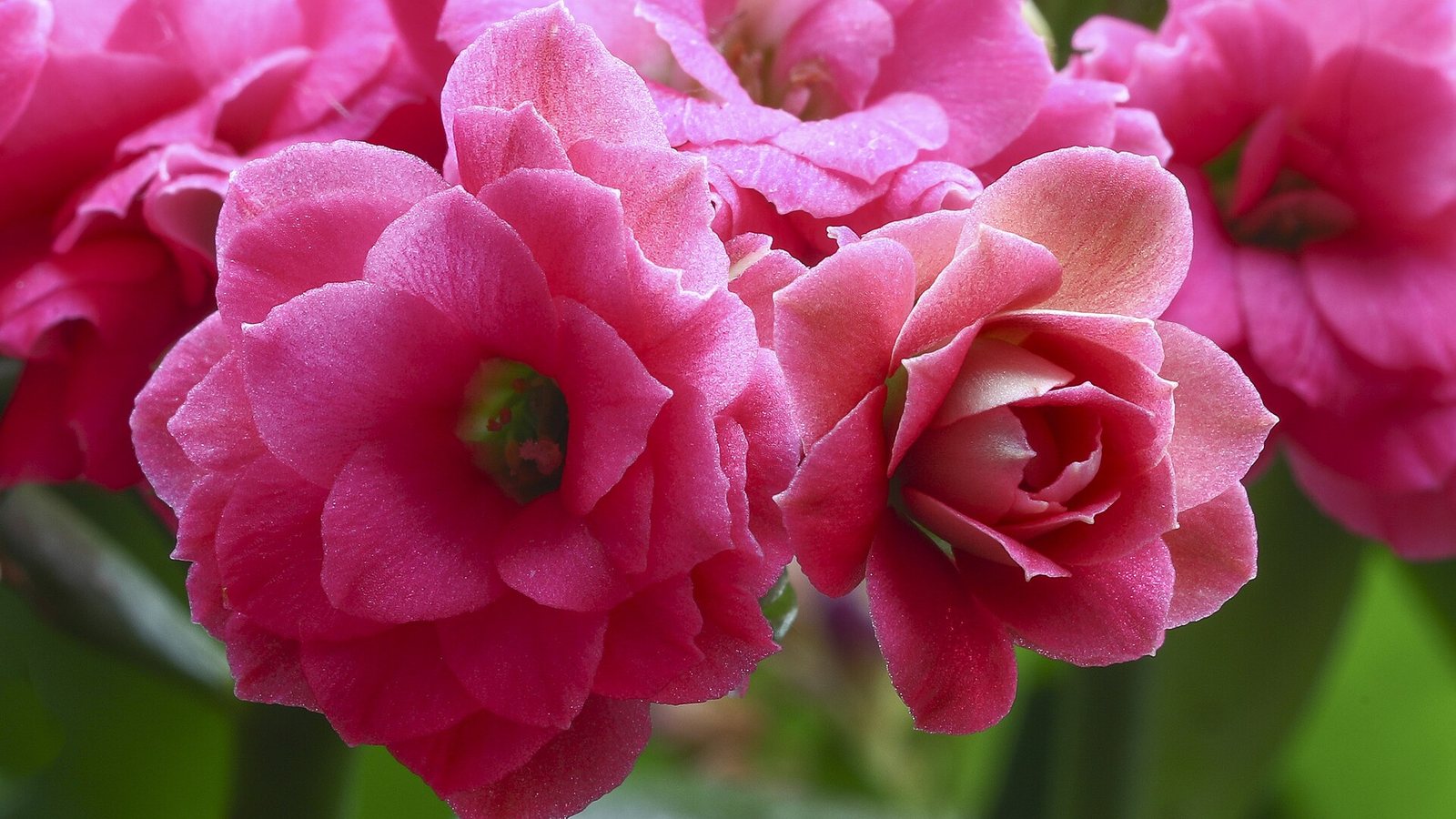
Four flowering houseplants that rebloom indoors: moth orchid, African violet, hoya and kalanchoe, with what triggers blooms and pet safety.
Sources
Written and fact-checked by the Flori team. Every guide cites horticultural sources such as the RHS, university extension services and the ASPCA, and is updated when the advice changes. How we write our guides
General plant care information. Plants vary; when a plant is valuable or a problem spreads quickly, consult a local nursery or plant specialist.