How to Grow Saffron Crocus at Home
Grow saffron crocus (Crocus sativus) from corms: when and how deep to plant, soil, harvest, drying, and the toxic look-alike to avoid.
 By Flori editorial team · Updated
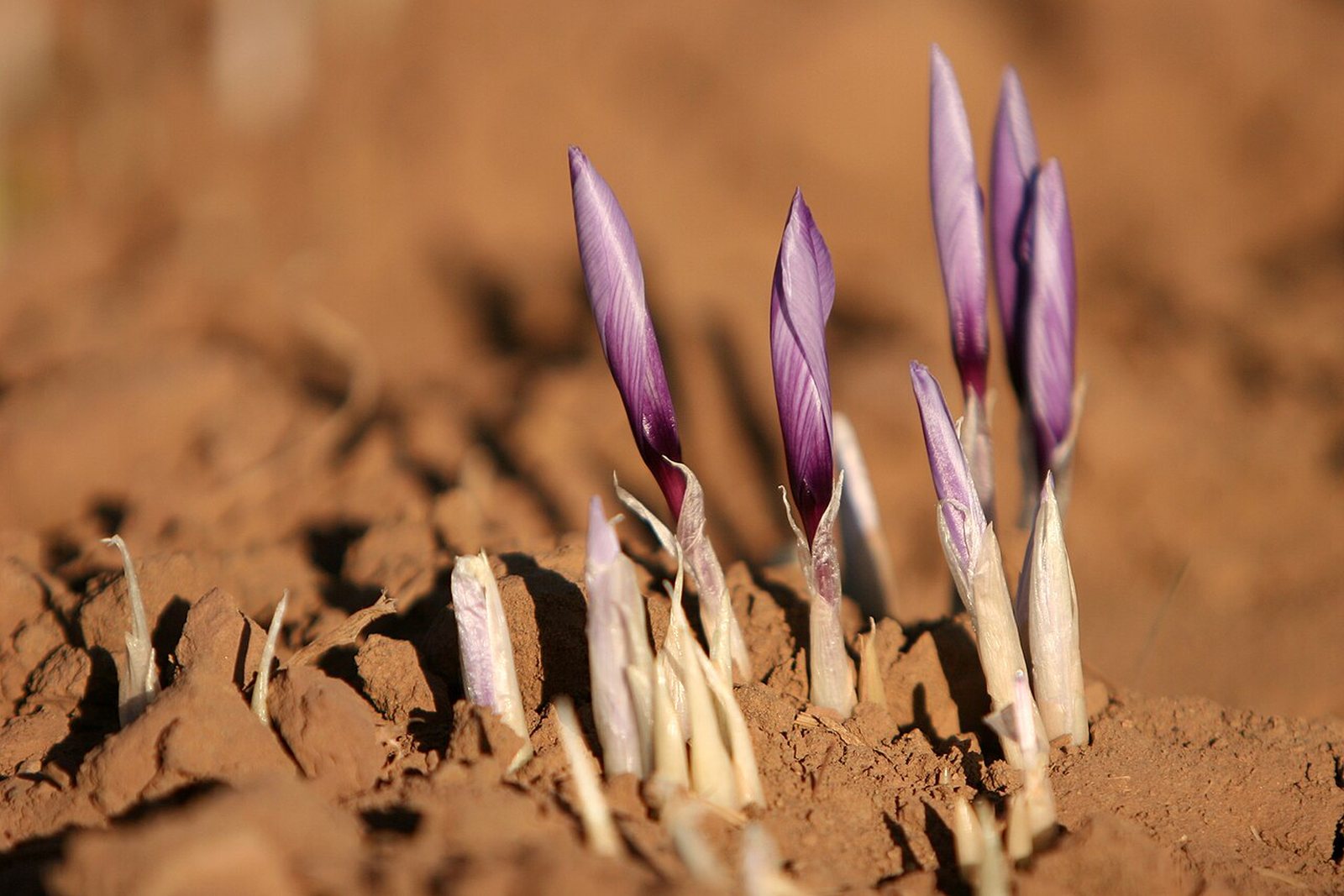
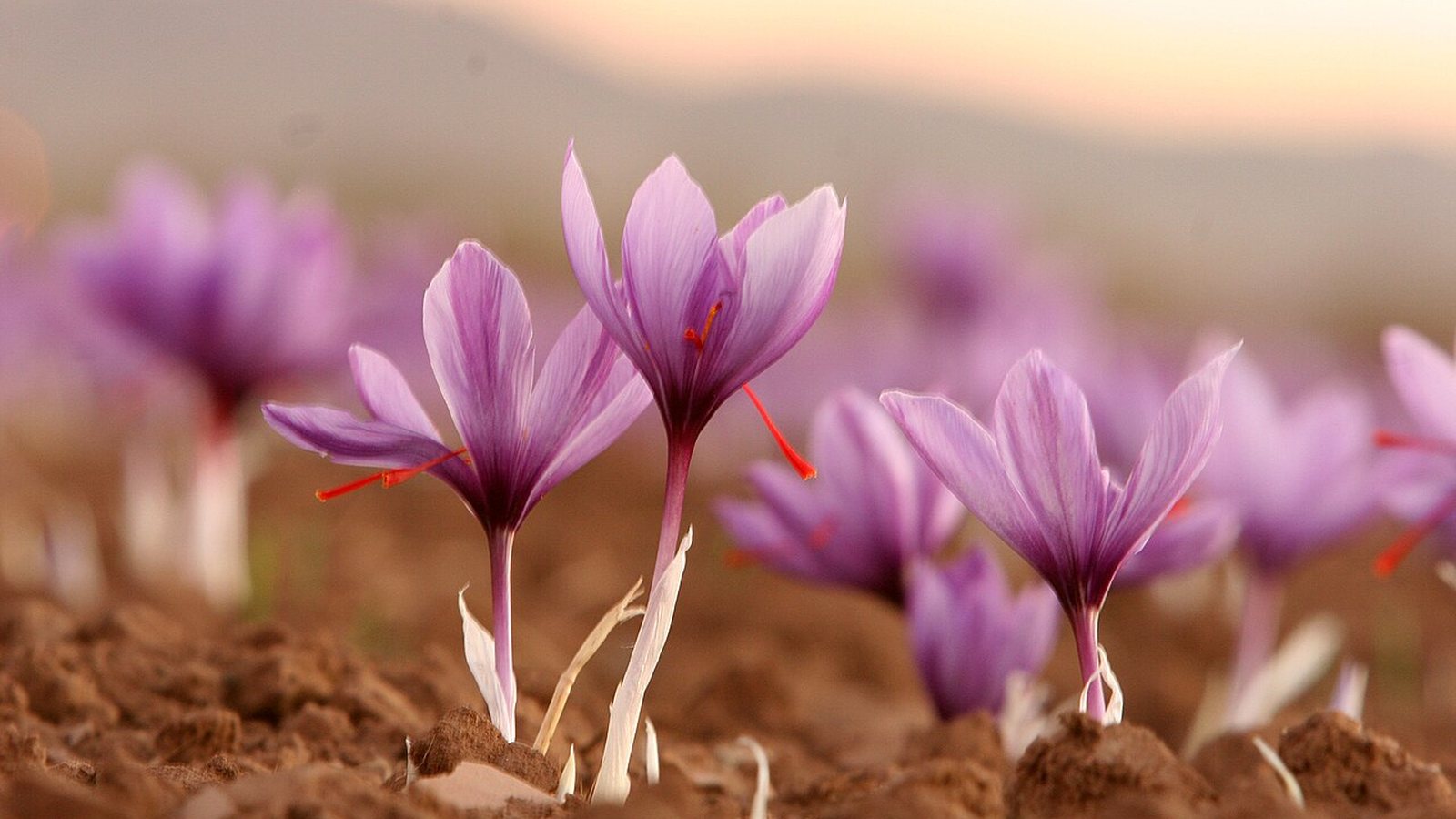 Photo: Safa.daneshvar · CC BY-SA 3.0
Plant Crocus sativus corms in late summer to early autumn, 7.5–15 cm deep, in full sun and very well-drained soil. Pick the three red stigmas of each flower in the morning when it blooms in autumn, then dry them. Expect only a small harvest, and do not confuse it with toxic autumn crocus (Colchicum).
Key takeaways
- Saffron comes from corms of Crocus sativus; the plant is sterile and sets no seed.
- Two university guides differ on depth (about 6 in vs 3–4 in) and timing, so choose by how cold your winter is.
- Drainage matters most: standing water rots the corms.
- Each flower has just three stigmas and lasts about a day; about 4,000 flowers make an ounce.
- Autumn crocus (Colchicum autumnale) is a different, toxic plant: the ASPCA lists it as toxic to dogs, cats and horses.
On this page8
- Can you really grow saffron at home?
- When and how do you plant saffron corms?
- What soil and light does saffron need?
- When does saffron bloom and how do you harvest it?
- How do you dry and store saffron?
- Which pests and problems should you expect?
- Is saffron crocus the same as autumn crocus?
- A short saffron checklist
Can you really grow saffron at home?
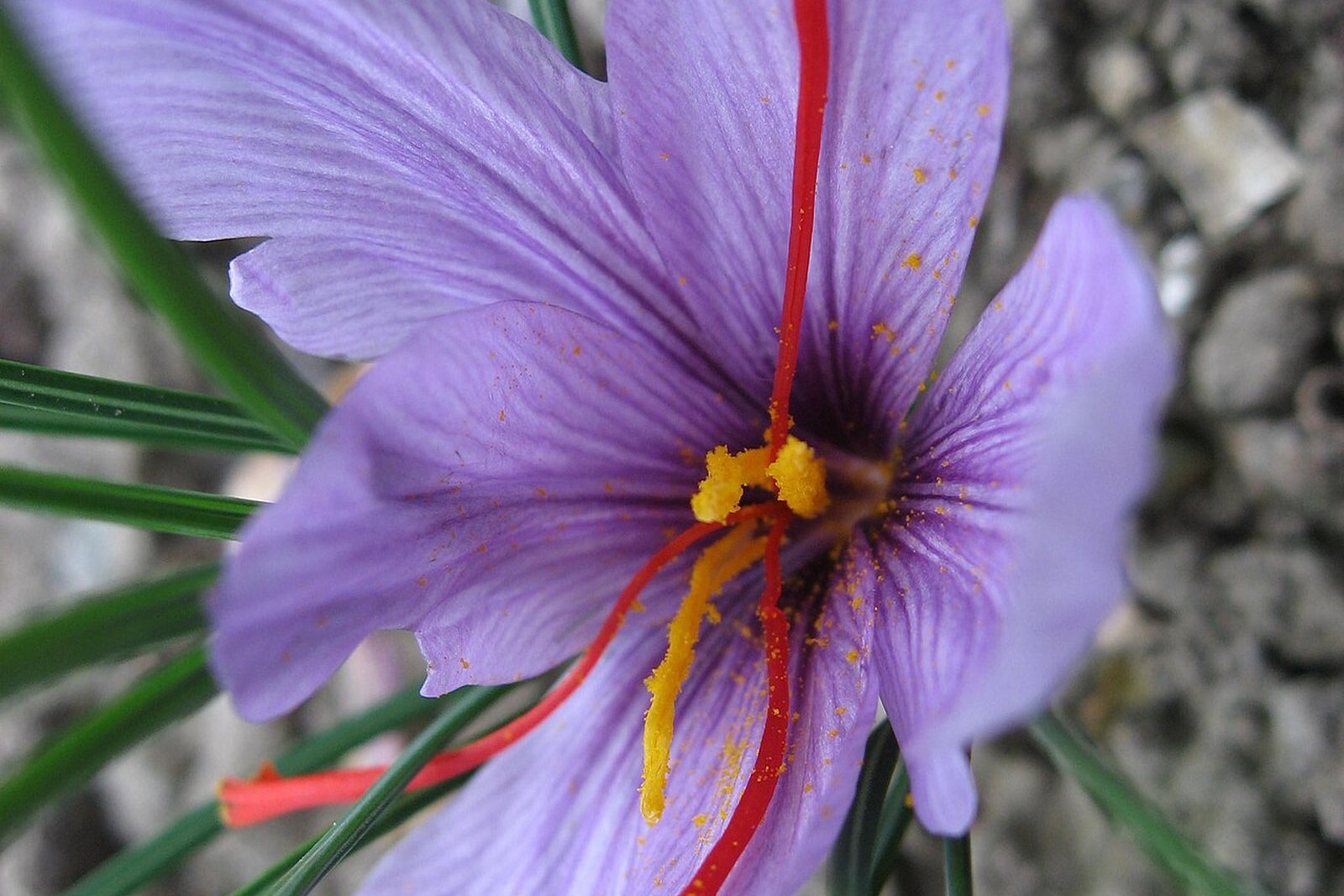
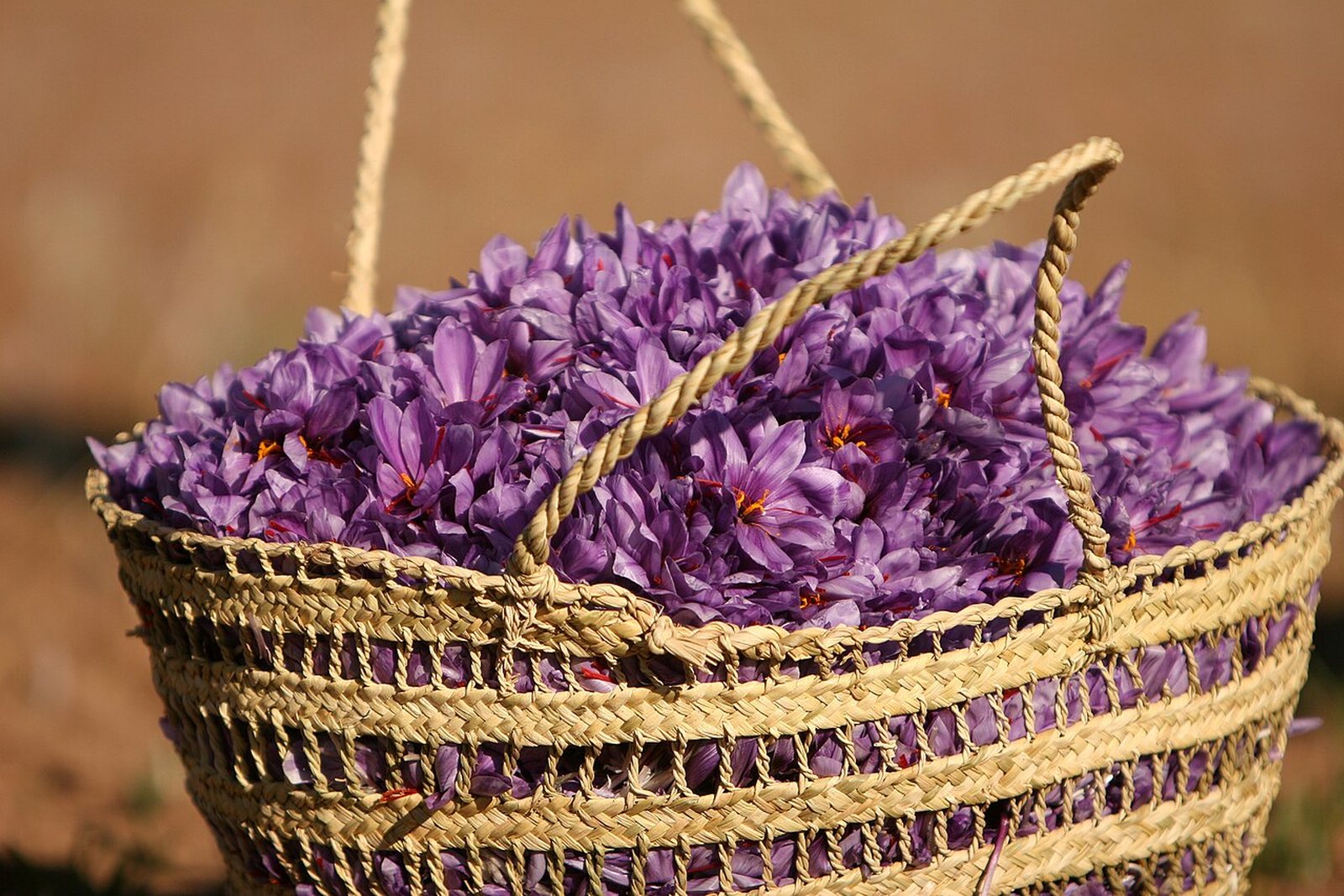
Yes: saffron is the dried red threads (stigmas) of one autumn-flowering crocus, Crocus sativus, and it can be grown in a garden bed, a raised bed or a container. The catch is the harvest. Each flower has just three stigmas, Penn State Extension puts the yield at about 4,000 flowers per ounce (28 g) of dried saffron, and the flowers wilt after about a day. So home saffron is a rewarding autumn ritual and a spice for a few special dishes, not a way to save money on a kilo.
The other catch is that the two main university guides disagree on the details, so this guide shows both. Where they differ (planting depth, planting month, hardiness), pick the figure that suits your winter: the Aegean and Mediterranean coasts of Türkiye are mild, inland Anatolia freezes hard, and a temperate northern garden (the UK, the northern US) lies in between. Gardeners in the Southern Hemisphere should shift the seasons by six months.
When and how do you plant saffron corms?
Saffron grows from a corm, not a seed: the plant is sterile and does not produce seed, so corms are the only way to get more. The two guides give different numbers:
| Question | University of Vermont | Penn State Extension |
|---|---|---|
| Planting time | As soon as possible in August or early September | September or October |
| Depth | About 6 in (15 cm) | 3–4 in (7.5–10 cm) |
| Spacing | 3–4 in (7.5–10 cm) apart, 6–12 corms per sq. ft | 3–4 in (7.5–10 cm) apart |
| Hardiness | USDA zones 4–8 | USDA zones 6–9 |
| Container size | At least 11–12 in (28–30 cm) square | At least 6 in (15 cm) wide and 8 in (20 cm) deep |
The RHS also says autumn-flowering crocuses go in during late summer, generally September, and that saffron "could be grown on a well-draining allotment in a mild location". A practical reading: plant in late summer to early autumn, 7.5–15 cm deep (go deeper in colder gardens, where the extra soil insulates the corms), pointed end up, and do not leave the corms in the bag; UVM warns that corms held over until spring sprout and then die.
What soil and light does saffron need?
- Sun: full sun, at least 5 hours of direct light a day (Penn State).
- Drainage: the key rule from every source. Standing water makes corms rot. The RHS suggests digging leafmould and sharp grit into the top 20 cm (8 in) of soil and planting on a layer of sharp sand.
- Soil type: well-drained sandy or loamy soil rich in nutrients (Penn State, which gives a pH of 7.0–8.0), or light to moderate soil with plenty of organic matter (UVM).
- Water: water once after planting; outdoors, rain is usually enough, says UVM. Leaves appear within a few weeks and flowers within 6–8 weeks (Penn State).
Neither university describes growing saffron indoors, so treat it as an outdoor plant: pots and crates work, but they should sit outside, on the ground, with the sides insulated in a cold winter.
When does saffron bloom and how do you harvest it?
Penn State gives late October through December for flowering. Pick in the morning after the dew or frost has dried but before the sun wilts the flowers; UVM says to pick just before they open. Separate the three red stigmas from the purple petals and yellow stamens with your fingers or tweezers. Because the flowers last about a day, check every morning in bloom time.
Expect small numbers at first. Penn State says year one may give one flower per corm and years two and three 6–9, as the mother corm produces daughter corms. UVM says the leaves keep growing all winter and the plant goes dormant in June or July.
How do you dry and store saffron?
- Spread the threads on a dry paper towel indoors for 1–2 days (Penn State), or dry them in an oven or dehydrator at about 200 °F (about 95 °C) until fully dry (UVM).
- Store in an airtight glass or metal container, in a cool, dark, dry place.
- Wait about a month before cooking with new saffron (UVM).
Which pests and problems should you expect?
| Problem | Cause | What to do |
|---|---|---|
| Soft, rotting corms | Wet soil or poor drainage | Raised bed, grit and sand, no standing water |
| Corms dug up or eaten | Squirrels, voles and other rodents (UVM, RHS) | Plant under metal mesh (RHS) |
| Leaves eaten in winter | Deer (UVM) | Cover with deer netting |
| Few flowers after several years | Crowded corms | Divide every 4–6 years in dormancy, in July–August (Penn State) |
In a cold climate, Penn State suggests digging up the corms before the ground freezes and storing them indoors at 40–50 °F (4–10 °C), in sand or dry peat moss, in a cool, dry place; UVM instead says to insulate and keep them in the ground, so choose by how hard your winter is.
Is saffron crocus the same as autumn crocus?
No, and mixing them up is dangerous. The saffron crocus is Crocus sativus. The plant often sold as "autumn crocus" or "meadow saffron" is Colchicum autumnale, a different genus, and the ASPCA lists it as toxic to dogs, cats and horses (colchicine and other alkaloids; bloody vomiting, diarrhoea, shock and organ damage). Never use a Colchicum as saffron, and buy corms labelled Crocus sativus. Keep corms and plants away from pets and call your vet if a pet chews any crocus-like plant. If a person swallows an unknown bulb, call your poison line; in Türkiye that is UZEM 114.
A short saffron checklist
- Buy corms labelled Crocus sativus; plant them in late summer to early autumn.
- Choose a sunny spot with excellent drainage, or a raised bed or container outside.
- Plant 7.5–15 cm (3–6 in) deep and about 7.5–10 cm (3–4 in) apart.
- Check every morning in bloom time and pick the red threads.
- Dry, seal, store dark and dry, and wait a month.
If you are not sure a crocus-like plant in your garden is a saffron crocus, a photo in the Flori app can help identify it and show its care profile. For other bulbs, see how to plant tulip bulbs and spring bulb planting times, and for layering them in pots bulb lasagna. Pet owners should also read plants toxic to dogs.
Frequently asked questions
When do you plant saffron crocus corms?
Late summer to early autumn. The University of Vermont says August or early September; Penn State says September or October. Do not hold corms over until spring.
How deep should saffron corms be planted?
The University of Vermont says about 6 in (15 cm); Penn State says 3–4 in (7.5–10 cm). Deeper suits colder gardens because the soil insulates the corms.
How much saffron can you get from home plants?
Very little at first: Penn State says year one may give one flower per corm and years two and three 6–9, and about 4,000 flowers make an ounce.
Is autumn crocus the same as saffron crocus?
No. Autumn crocus is Colchicum autumnale, which the ASPCA lists as toxic to dogs, cats and horses. Saffron comes from Crocus sativus.
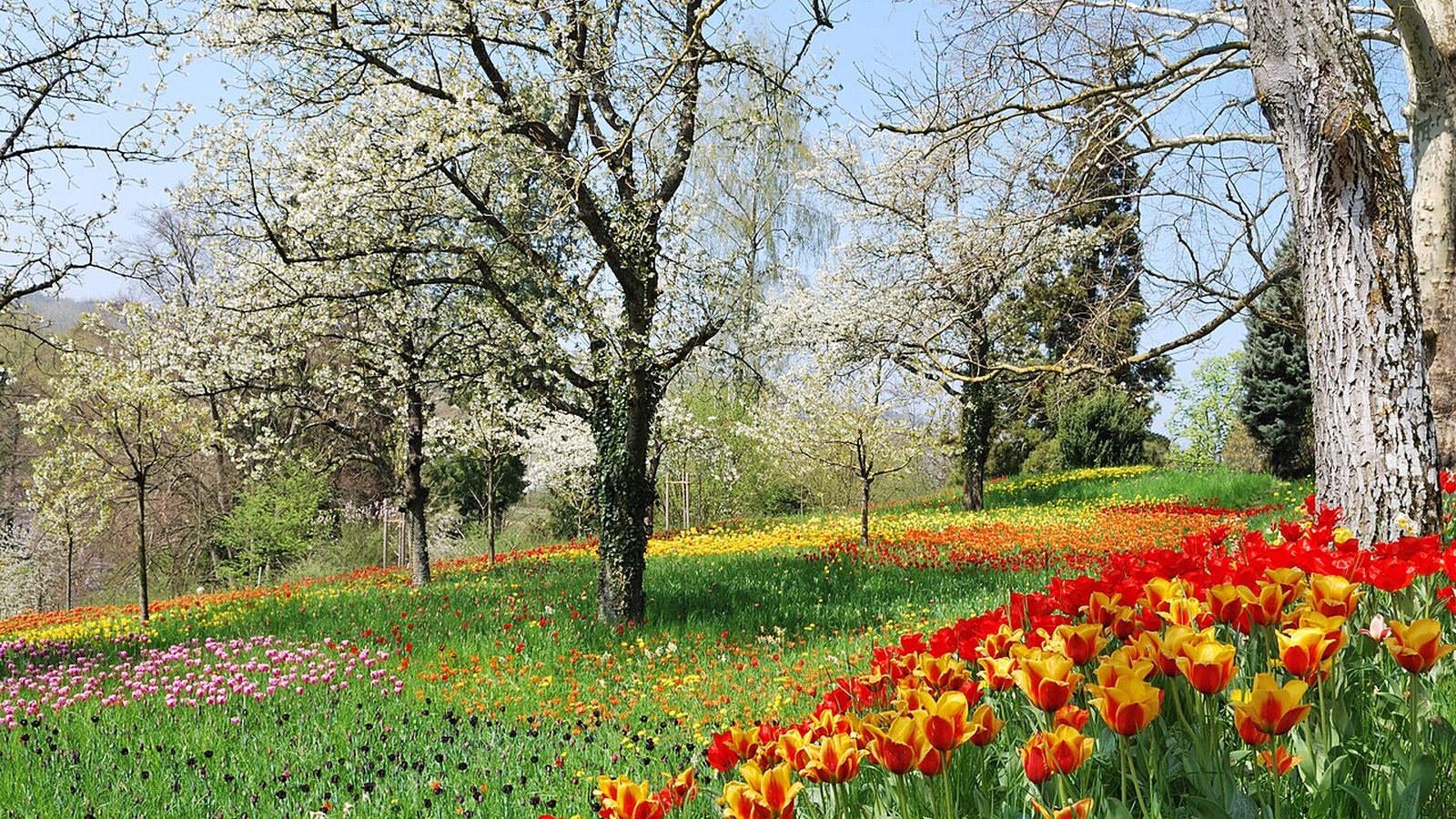
Plant tulip bulbs in autumn when the soil is below about 15 °C (60 °F): pointed end up, 15-20 cm deep, in drained soil. Pots, mild climates, pets.
Sources
Written and fact-checked by the Flori team. Every guide cites horticultural sources such as the RHS, university extension services and the ASPCA, and is updated when the advice changes. How we write our guides
General plant care information. Plants vary; when a plant is valuable or a problem spreads quickly, consult a local nursery or plant specialist.