How to Make Cut Flowers Last Longer
Make cut flowers last 1 to 2 weeks: clean vase, leaf stripping, slanted cuts, flower food and a cool spot. Which tips work, which do not, and lily safety.
 By Flori editorial team · Updated
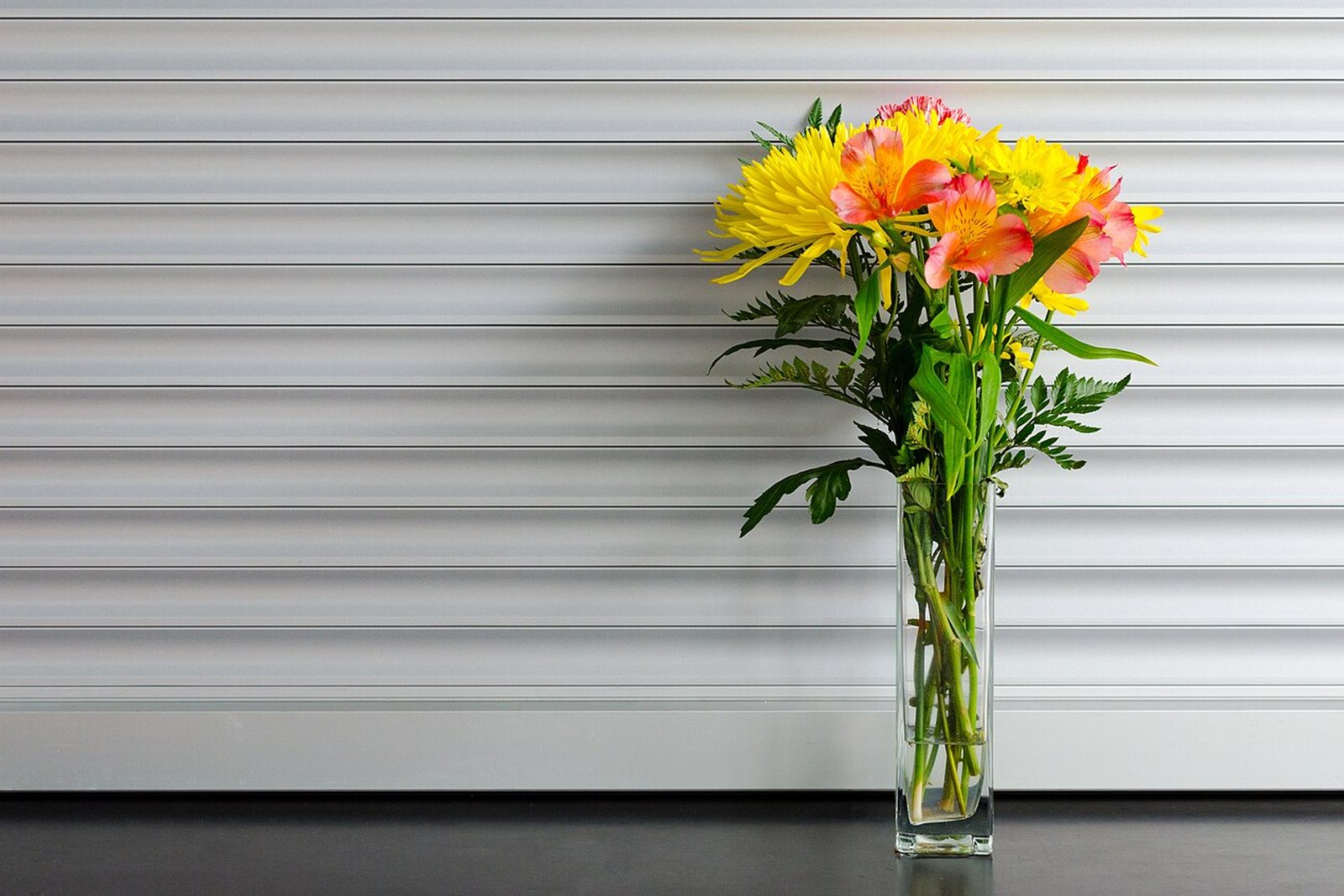
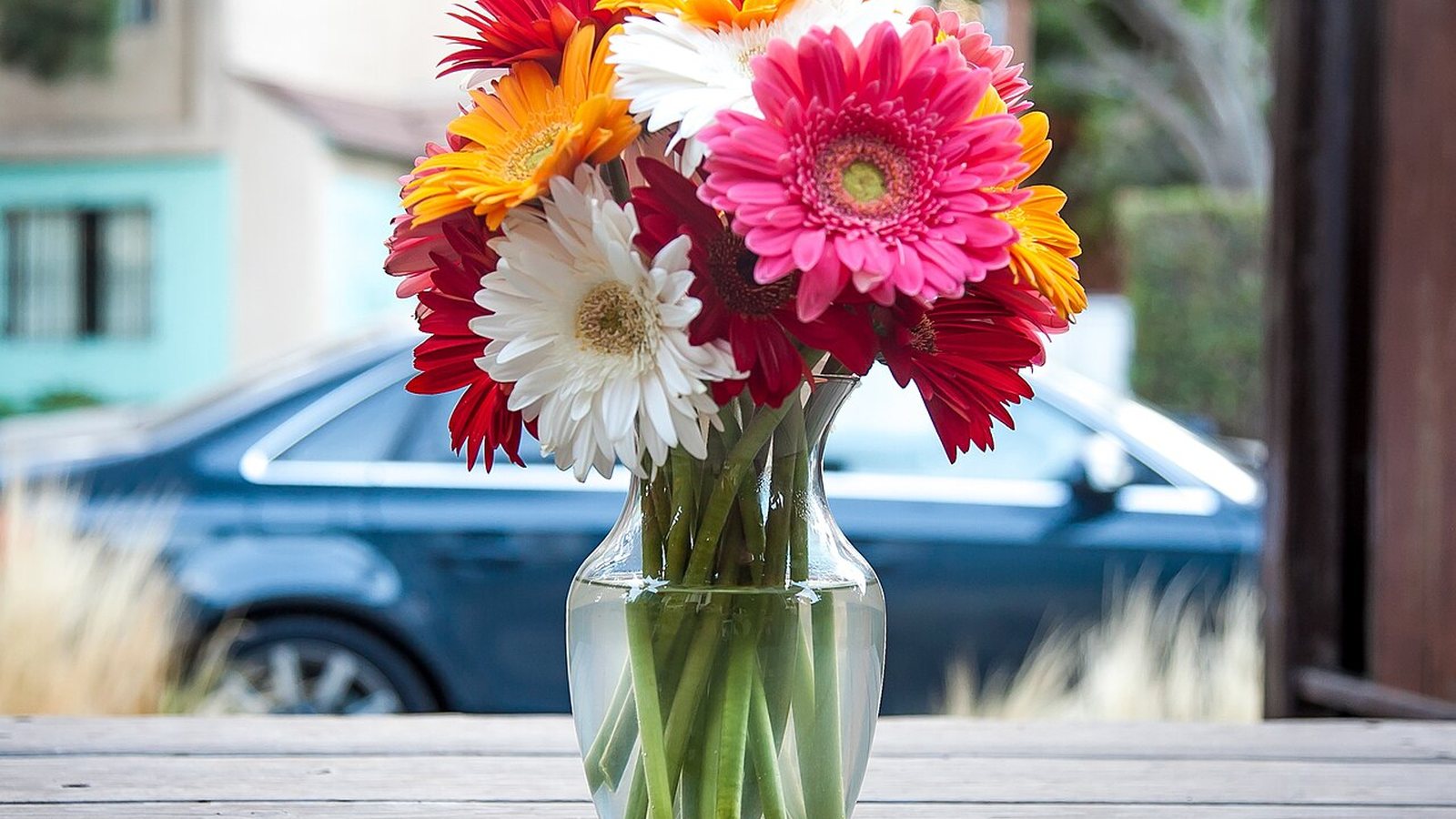 Photo: David Condrey · CC0
Wash the vase, strip every leaf below the water line, recut the stems at a slant with sharp shears, add flower food and change the water every 2 to 4 days. Keep the vase cool, away from radiators and ripe fruit. Done well, a bouquet can last one to two weeks.
Key takeaways
- Bacteria in the water kill most cut flowers, so clean vase, bare stems and fresh water matter most.
- Recut stems on a slant and change the water every 2 to 4 days.
- Commercial flower food beats home recipes; the RHS vinegar and sugar mix is only a stopgap.
- Hammering woody stems is unnecessary and may raise the risk of bacteria.
- Lilies are toxic to cats (ASPCA): keep them out of homes with cats.
On this page8
- How do you make cut flowers last longer?
- What works and what does not: a quick table
- How do you prepare and arrange cut flowers, step by step?
- Flower food or a home recipe: does it matter?
- What about droopy, hollow or woody stems?
- Why are my cut flowers drooping or dying early?
- Where should you put the vase?
- Are cut flowers safe for cats and dogs?
How do you make cut flowers last longer?
Four habits do most of the work: start with a clean vase, strip every leaf that would sit under water, recut the stems at an angle, and change the water every few days. Add flower food from the packet, keep the vase cool and away from ripe fruit, and a bouquet that would give you a few days can give you one to two weeks. Many popular tricks do less than the internet claims, so this guide sorts the tips by what university and RHS sources actually support.
The reason is simple. Cut flowers die mostly because bacteria in the water block the stems, so almost every good tip is about keeping the water clean and the stem open.
What works and what does not: a quick table
| Tip | Verdict | Source |
|---|---|---|
| Clean vase (wash with detergent) | Works | RHS |
| Strip leaves below the water line | Works: they rot in the water | RHS, Penn State |
| Recut stems on a slant with sharp shears | Works | RHS, Penn State, Illinois |
| Change the water every 2–4 days and trim the stems | Works | RHS, Illinois |
| Flower food packet | Works: sugar, acid and an anti-bacterial in one | RHS, Penn State |
| Home-made recipe (vinegar and sugar) | Better than plain water, weaker than the packet | RHS, Penn State |
| Hammering or crushing woody stems | Unnecessary, and may raise the risk of bacteria | RHS |
| Cool spot, away from radiators | Works | RHS, Illinois |
How do you prepare and arrange cut flowers, step by step?
- Wash the vase. Use detergent and a bottle brush (RHS). Penn State adds that you can disinfect with 1 part household bleach to 9 parts water, then rinse well.
- Strip the stems. Take off all leaves from the bottom half to two-thirds of each stem, so nothing rots in the water (RHS). Penn State also removes thorns, small side shoots and unopened buds from the underwater part.
- Recut at a slant. Use sharp clean shears or a knife, not blunt scissors, which crush the stem (Illinois). Illinois says to take about 2.5 cm (1 in) off the bottom, and Penn State says ideally under water.
- Let them drink. Stand the stems in a bucket of clean water in a cool place for 2–3 hours, or overnight (RHS).
- Fill the vase and add flower food. Dissolve the packet first, then add the flowers (RHS).
- Check daily. Top up the water every couple of days, and change all of it every 2–4 days, trimming a little off the stems each time (RHS, Illinois says 2 to 3 days).
- Remove fading flowers so they do not hasten the rest (RHS).
If you cut flowers from your own garden, the RHS says to pick in the morning, when stems are full of water, or in the evening if the day is warm and sunny, and to put the stems into water straight away. Most flowers are best cut just as colour starts to show; roses and dahlias may not open properly if picked in tight bud. Wear gloves, because some plants irritate skin.
Flower food or a home recipe: does it matter?
Commercial preservatives acidify the water, supply sugar as food and slow bacteria, and Penn State says they work better than any home-made mix. Illinois says they combine sugar, bleach and citric acid and warns that too much can harm the flowers, so follow the packet. If you have no packet, the RHS gives a stopgap: 1 litre of water, 1 tablespoon of vinegar and 1 teaspoon of sugar, stirred well, but it says this is unlikely to work as well as a shop product. A drop of bleach in the water to limit bacteria is common advice, but the sources above do not agree on quantities, so stay with the packet.
What about droopy, hollow or woody stems?
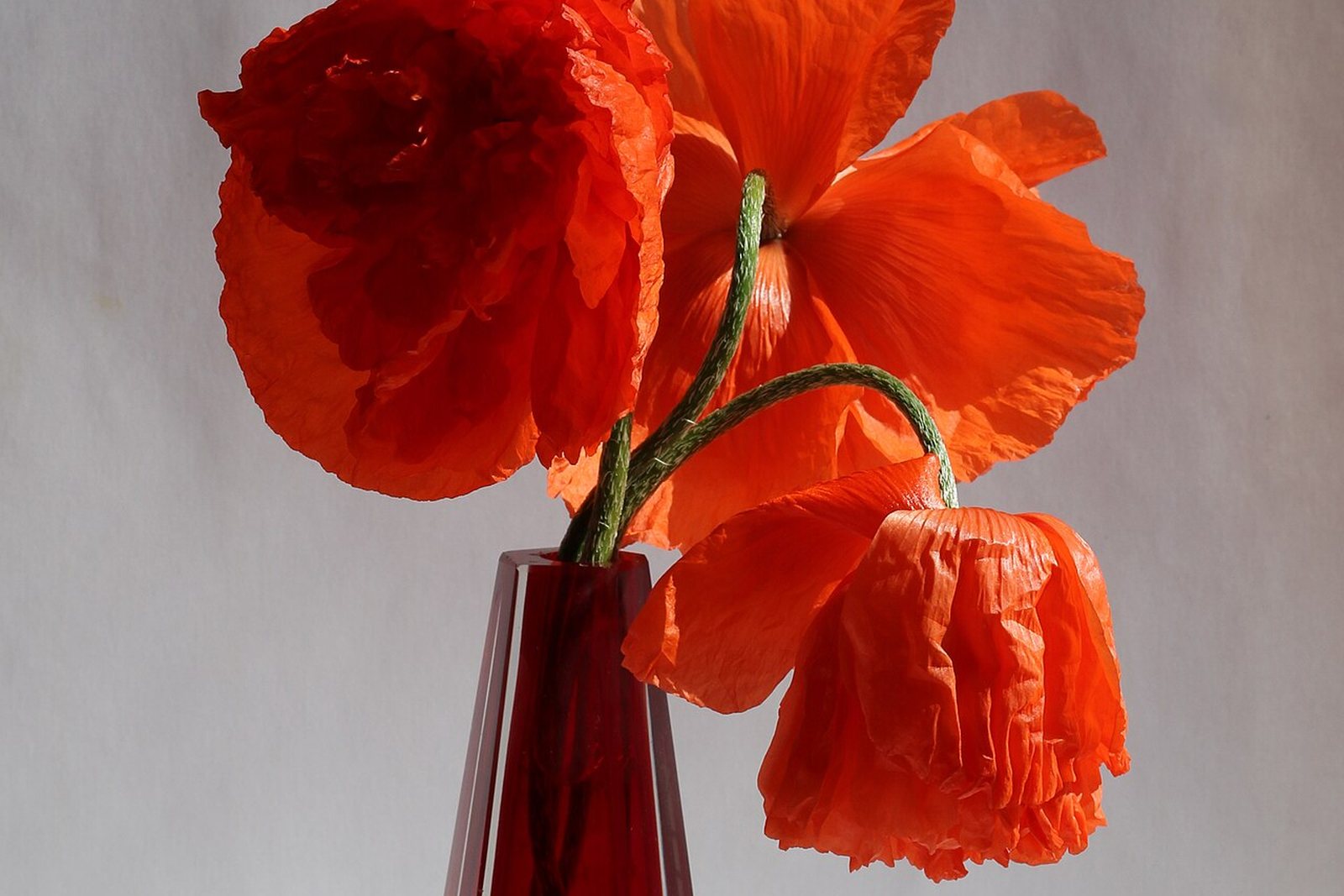
The RHS has a few fixes that are easy to miss. Poppies, euphorbias and hellebores droop quickly: dip the bottom 2.5 cm (1 in) of the stem in water just off the boil for 20–30 seconds (wear gloves with euphorbia, whose sap irritates skin). For hollow stems such as delphinium, amaryllis and lupin, fill the stem with water and plug it with cotton wool. Floppy tulips or gerberas straighten if you wrap the bunch in newspaper and stand it deep in water for at least 2 hours. Woody stems such as roses benefit from a vertical cut about 5 cm (2 in) up the base; hammering is not needed.
Why are my cut flowers drooping or dying early?
| Problem | Likely cause | What to do (RHS) |
|---|---|---|
| Flowers droop | Poor water uptake | Top up, recut, try the hot-water dip |
| Flowers age fast | Heat, old water or ripe fruit nearby | Keep cool, change water often, use flower food, move the fruit bowl |
| Buds will not open | Cut too early | Buy or pick roses in loose bud next time |
| Murky, smelly water | Bacteria | Change water more often, wash the vase thoroughly |
Where should you put the vase?
Somewhere cool and bright, out of direct sun and away from radiators, fires, heaters and drafts. Illinois gives 18–22 °C (65–72 °F) as the best range for most cut flowers; in a hot Turkish summer that may mean the coolest room in the house. Penn State says moving the vase to a cool room or the refrigerator overnight helps; do not let flowers freeze. Flowers are about 90% water, so they dry out quickly in warm, dry air. Vase life varies by flower: Illinois says carnations can last one to two weeks, roses less, so judge by flower, not by the calendar.
Are cut flowers safe for cats and dogs?
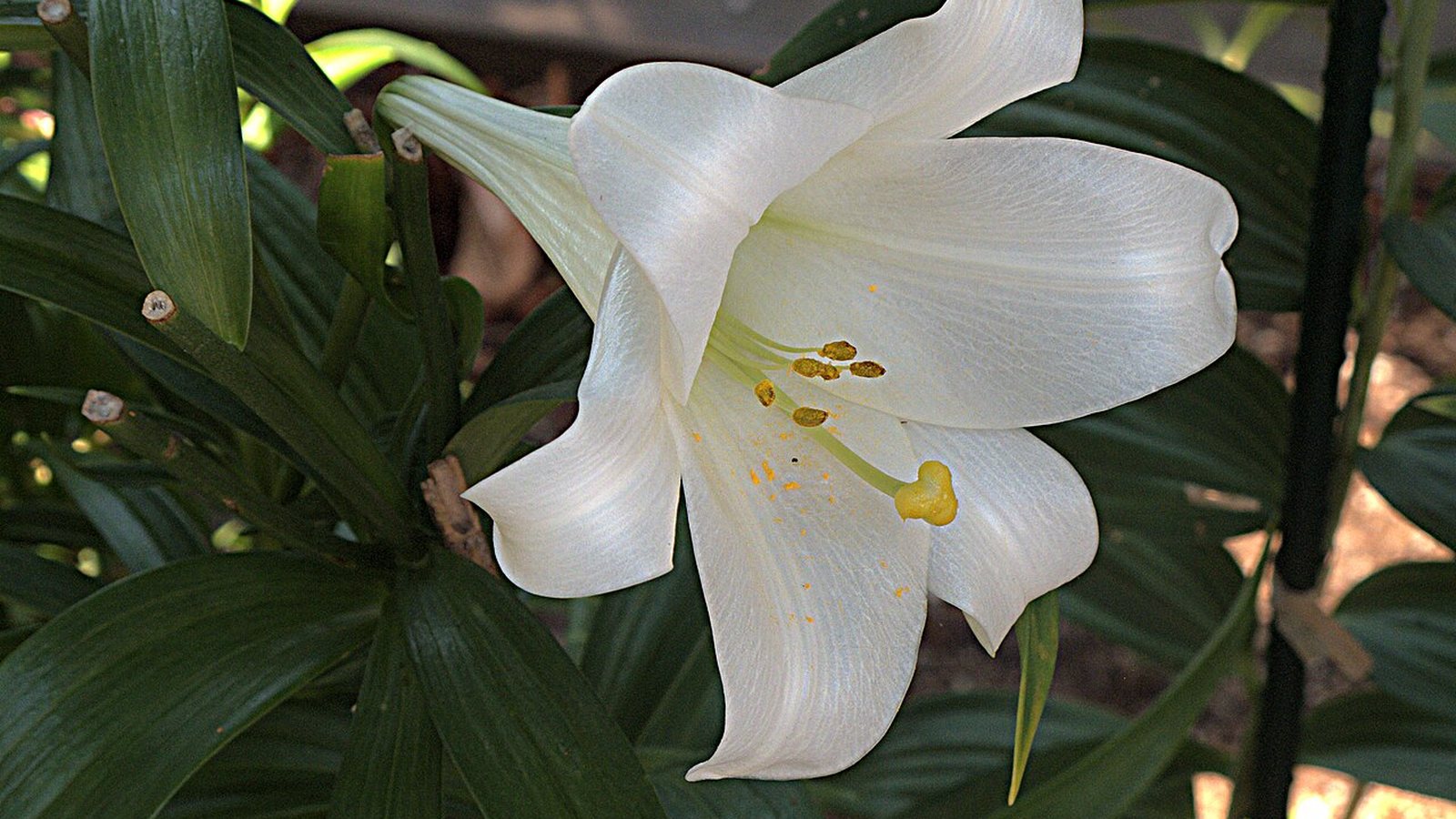
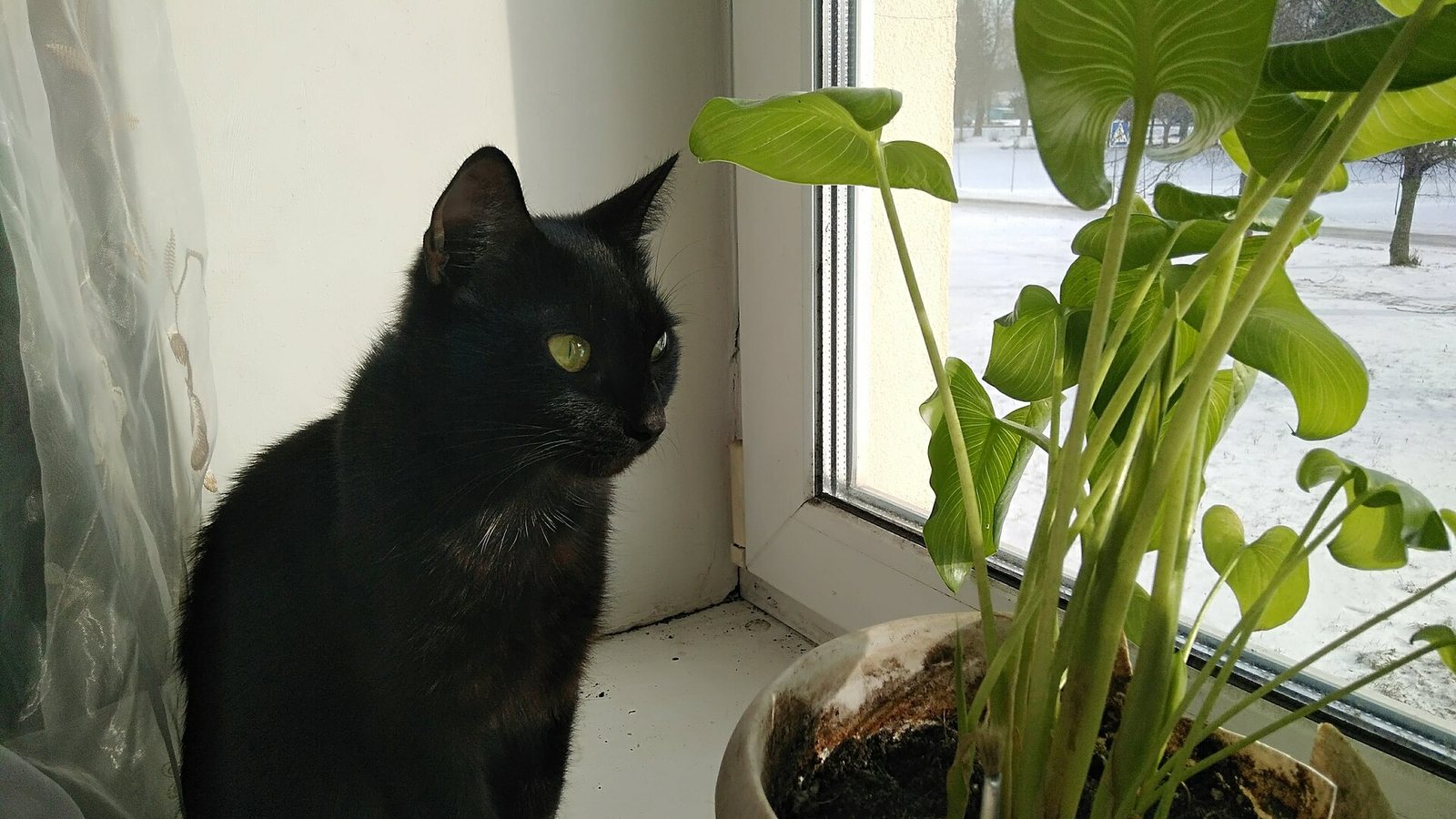
Not always. The ASPCA lists lilies (Lilium) as toxic to cats, with kidney failure the listed risk, so a single bouquet can be a serious problem in a home with a cat; our guide to lilies and cats explains what to do. The ASPCA also lists carnations as toxic to dogs, cats and horses, usually causing mild stomach upset and skin irritation. If a pet chews a bouquet, call your vet at once, or ASPCA Animal Poison Control on (888) 426-4435 (a fee may apply). For lists to check before you buy, see plants toxic to cats.
Once the flowers fade, you can keep some: how to dry flowers shows four methods, and flower meanings helps you choose a bunch that says what you mean. If you want to know what a mystery bouquet flower is, Flori can identify it from a photo and show its toxicity.
Frequently asked questions
What makes cut flowers last longer?
A clean vase, all leaves removed below the water line, stems recut on a slant, flower food, water changed every 2 to 4 days and a cool spot away from heat and ripe fruit.
Should I cut flower stems at an angle?
Yes. The RHS and Penn State both recommend a clean angled cut with sharp shears, ideally under water, because it exposes more stem for water uptake and avoids crushing.
Do home recipes like vinegar and sugar work?
Somewhat. The RHS gives 1 litre of water, 1 tablespoon of vinegar and 1 teaspoon of sugar, but says it is unlikely to work as well as commercial flower food, and Penn State says shop preservatives work better.
Are cut lilies dangerous for cats?
Yes. The ASPCA lists lilies as toxic to cats, with kidney failure as the listed risk. Keep bouquets out of homes with cats and call a vet at once if one is chewed.
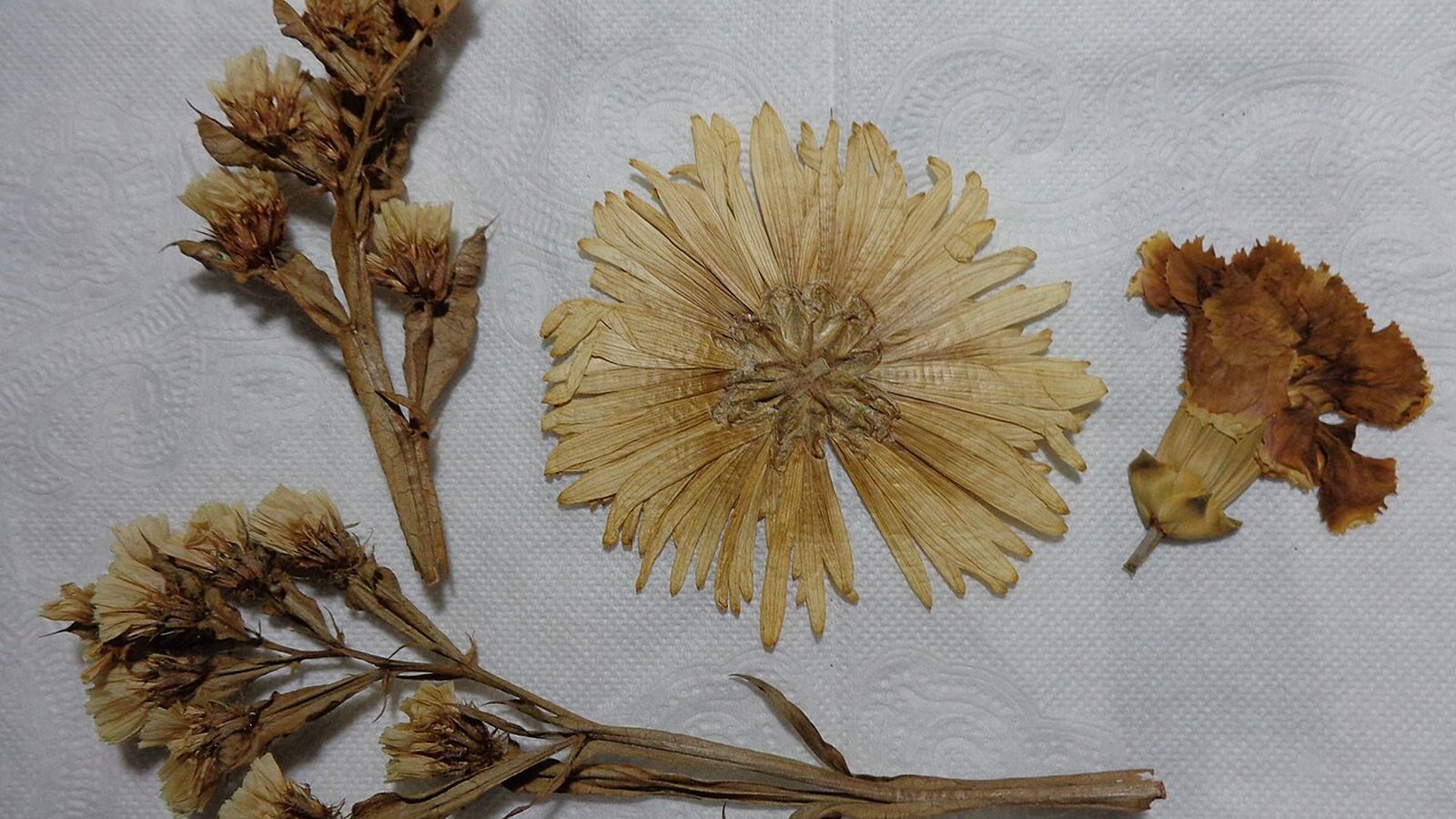
Four ways to dry flowers at home: air drying, silica gel, pressing and the microwave. See timings, which flowers suit each method and how to avoid mould.
Sources
Written and fact-checked by the Flori team. Every guide cites horticultural sources such as the RHS, university extension services and the ASPCA, and is updated when the advice changes. How we write our guides
General plant care information. Plants vary; when a plant is valuable or a problem spreads quickly, consult a local nursery or plant specialist.