Lilies and Cats: Why One Bite Can Kill
True lilies and daylilies can cause fatal kidney failure in cats, even from pollen or vase water. Which lilies are dangerous, the timeline and what to do.
 By Flori editorial team · Updated
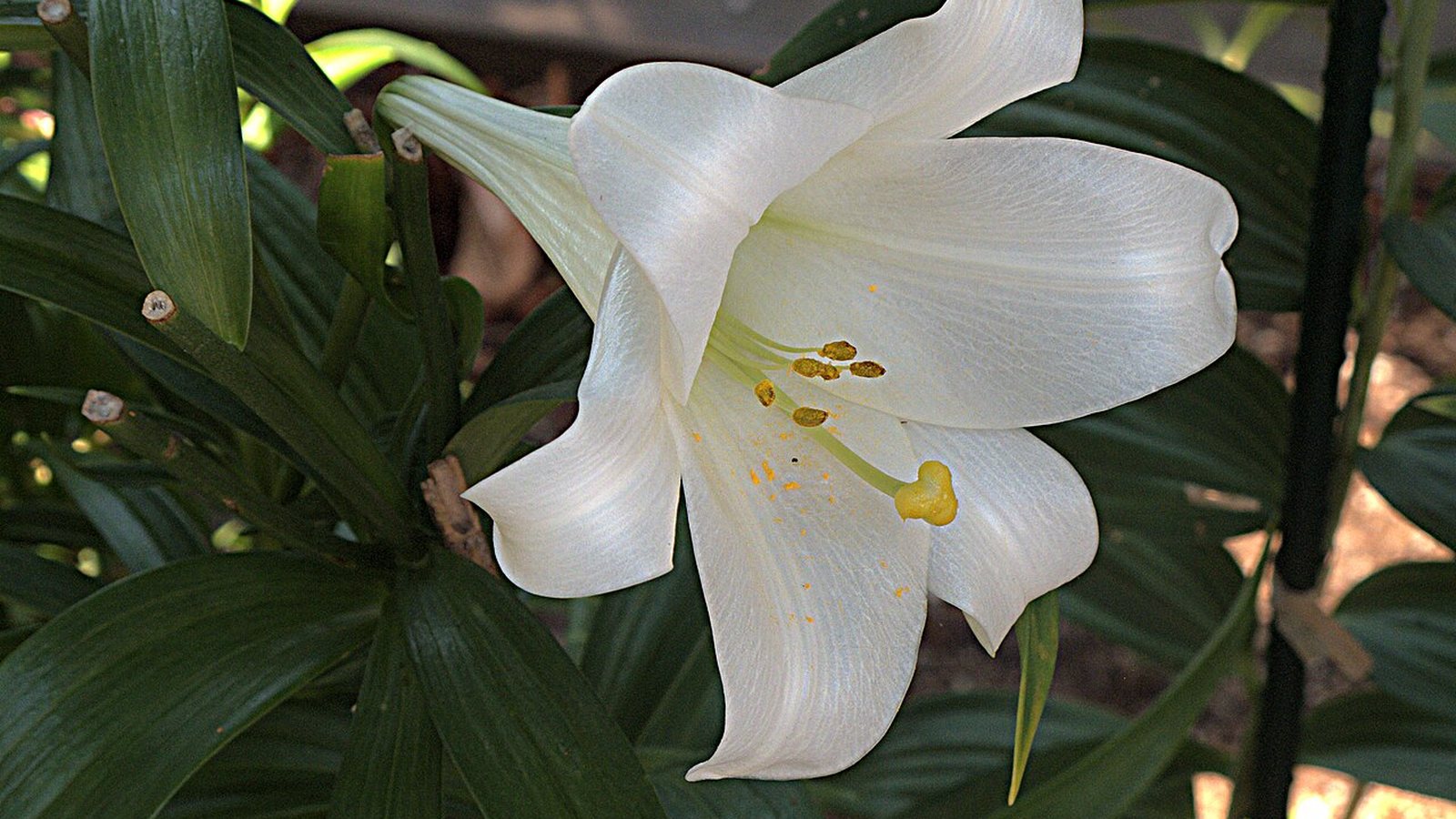 Photo: John Rusk from Berkeley, CA, United States of America · CC BY 2.0
True lilies (Lilium) and daylilies can cause fatal kidney failure in cats from a bite of leaf or petal, pollen licked off the fur or vase water. The toxin is unknown. Kidney failure can follow in 24 to 72 hours, and treatment delayed 18 hours or more is usually too late. Call a vet at once.
Key takeaways
- Every part of a true lily is toxic to cats, including pollen and vase water; the toxic principle is unknown.
- Kidney damage starts 12 to 24 hours after exposure and kidney failure follows in 24 to 72 hours.
- Treatment delayed 18 hours or more generally means irreversible kidney failure, so call a vet before signs appear.
- Peace lilies and calla lilies are toxic mouth irritants but are not listed as causing kidney failure.
- In a home with a cat, keep Lilium and daylilies out entirely, including in bouquets.
On this page8
Why are lilies so dangerous for cats?
Lilies are dangerous because a very small amount of any part of a true lily can cause kidney failure in a cat, and the poison has never been identified. UC Davis veterinarians say a cat can suffer fatal kidney failure from biting a leaf or petal, licking pollen off its paws or drinking water from a vase of cut lilies. The same lilies are listed as non-toxic to dogs by the ASPCA, which is why many dog owners and gift givers do not know the risk. This guide covers which "lilies" are the dangerous ones, which are not, the hour-by-hour timeline from the FDA and what to do. If you only remember one thing: if your cat may have touched a lily, call a vet now, even if the cat looks fine.
Which lilies are dangerous, and which are not?
The word "lily" is used for plants from several families, so a name check is the first step. The ASPCA lists lilies (Lilium) as toxic to cats with kidney failure as the clinical sign, and the toxic principle as unknown. The FDA names the dangerous ones: Asiatic (including hybrids), Easter, Japanese Show, Oriental, Rubrum, Stargazer, tiger and wood lilies, plus the daylily (Hemerocallis). UC Davis says all Lilium species should be considered extremely hazardous to cats. In short, if the label or a bouquet says Lilium, Easter, Stargazer, tiger or Hemerocallis, it does not belong in a home with a cat.
| Plant | Kidney failure risk for cats? | What the sources say |
|---|---|---|
| True lilies: Easter, Stargazer, Asiatic, Oriental, tiger, Japanese Show (Lilium) | Yes | Highly toxic to cats; every part, including pollen and vase water (FDA) |
| Daylily (Hemerocallis) | Yes | Named as dangerous to cats by the FDA |
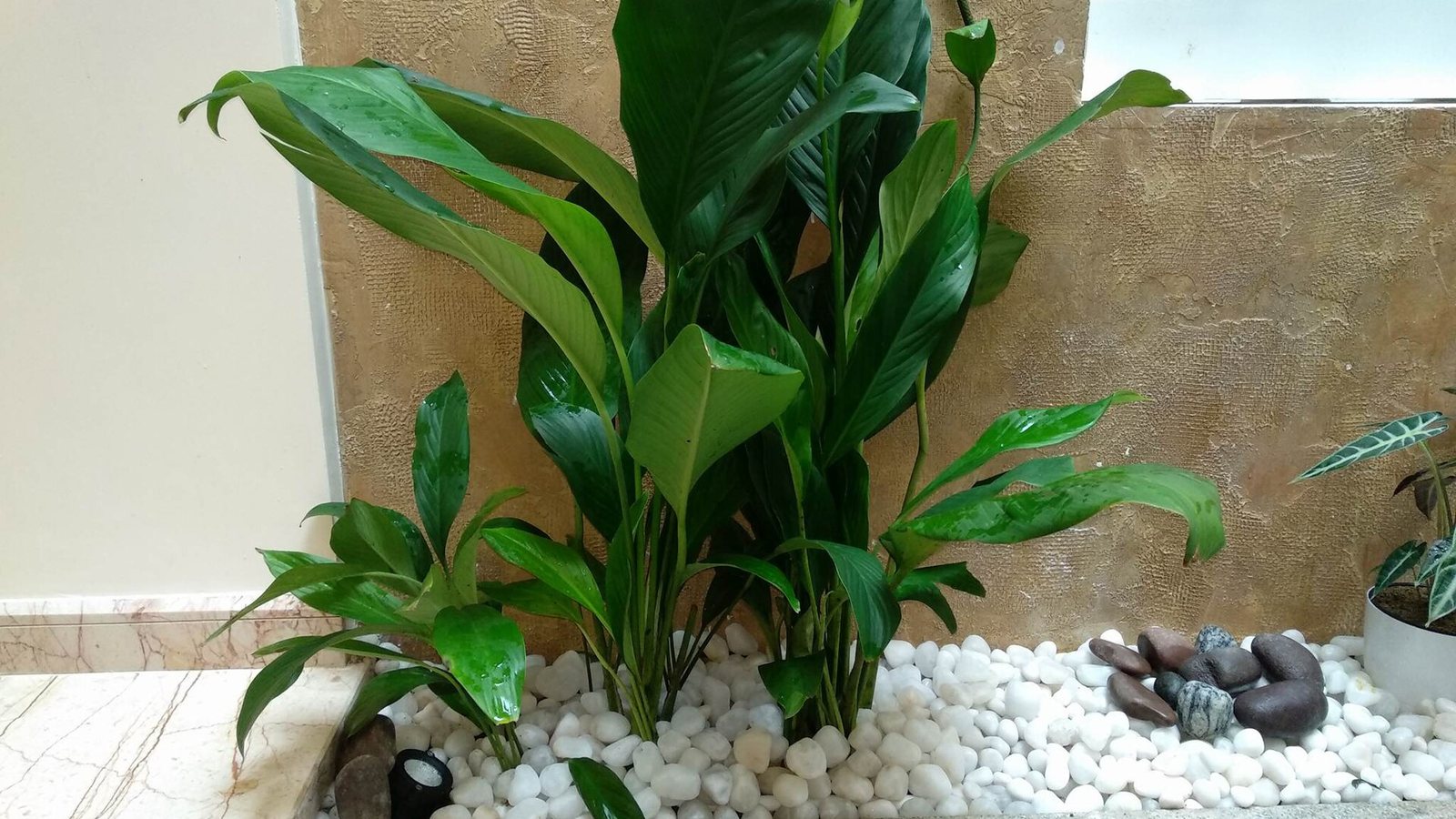
| Peace lily (Spathiphyllum) | No kidney failure listed | Toxic: calcium oxalate crystals burn the mouth, cause drooling and vomiting (ASPCA) |
| Calla lily (Zantedeschia) | No kidney failure listed | Toxic: the same mouth-burning calcium oxalates (ASPCA) |
So peace lilies and calla lilies are not the kidney killers, but they are still toxic to cats and dogs and should be kept out of reach. Our list of plants toxic to cats puts lilies next to the other emergencies, and the peace lily guide covers the plant itself.

How much is too much?
No safe amount is given by any of the sources. The FDA says that even a small bit of leaf or petal, or pollen groomed off fur, can be enough, and that every part of the plant is toxic. UC Davis adds that cats vary in susceptibility, so you cannot predict how a particular cat will react. The practical rule is that a cat that has been near a lily gets a vet call, not a wait-and-see.
What happens hour by hour?
The FDA gives this timeline after a cat has eaten a lily or drunk vase water:
| Time after exposure | What happens |
|---|---|
| Within minutes to 12 hours | Less active, drooling, vomiting, loss of appetite |
| 12 to 24 hours | Kidney damage begins: more urination, dehydration |
| 24 to 72 hours | Kidney failure, fatal without treatment |
Two details matter. First, the early signs can look like a mild stomach upset, which is why people wait. Second, the FDA says that if treatment is delayed by 18 hours or more, the cat will generally have irreversible kidney failure, while early veterinary treatment greatly improves the chances. UC Davis says some cats recover with minimal therapy while others need weeks of dialysis. Those two facts together are the whole case for calling immediately.
What should you do if your cat touched or ate a lily?
- Remove the plant and any pieces from the cat's reach. Check fur and paws for pollen.
- Call your vet or an emergency animal clinic now. The FDA advises calling your vet or a pet poison control centre immediately. In the US, the ASPCA Animal Poison Control Center is on (888) 426-4435 and the Pet Poison Helpline on 855-764-7661; a consultation fee may apply. In Turkey, call your veterinarian or the nearest emergency veterinary clinic. The Ulusal Zehir Danışma Merkezi (UZEM) on 114 is the national poison line for people.
- Bring the plant, a photo or the bouquet label. Knowing which lily it was helps the vet.
- Do not wait for symptoms and do not try home remedies. Do not make your cat vomit unless a vet tells you to.
How do you keep lilies away from cats?
The FDA's advice is blunt: avoid bringing these lilies indoors, and avoid planting them where cats roam outside. That fits the gift pattern, because lilies mostly arrive in bouquets, in spring plants around Easter and in winter arrangements. A few habits make it routine:
- Tell the florist you have a cat. Ask for a bouquet with no lilies, and check mixed arrangements stem by stem.
- Do not rely on height. Cats jump to shelves and counters, and a falling petal or pollen on the floor is as dangerous as the flower.
- Remove vase water with the flowers. The FDA lists vase water as toxic.
- Check identity before you buy. Flori can identify a plant from a photo and its care profile lists toxicity, which helps with an unlabelled gift. Our toxicity check guide walks through it.
- Choose cat-safe flowers instead. See the pet-safe houseplants list for plants the ASPCA does not list as toxic.

What about lilies in the garden or on a balcony?
The FDA advises against planting these lilies where cats roam outside, and the risk is the same as indoors: the whole plant, pollen included, is toxic. If you already grow lilies or daylilies, you have three honest options: remove them, move them to a spot an outdoor cat cannot reach, or accept the risk, which no source recommends. Cut flowers from the garden count as bouquets, so keep them out of the house too. If you are choosing spring or summer colour for a cat household, our hardy balcony plants list is a place to start, but check each plant against the ASPCA list before you buy.
Are lilies dangerous for dogs?
The ASPCA lists true lilies as non-toxic to dogs and horses, and the kidney failure is described for cats. That does not make them a free snack: the ASPCA also notes that eating any plant material can cause vomiting and stomach upset in dogs and cats, and peace lilies and calla lilies are toxic to dogs for a different reason (mouth irritation). Our plants toxic to dogs guide has the dog side.
Frequently asked questions
Can a cat die from licking lily pollen?
Yes. UC Davis veterinarians and the FDA both list pollen groomed off the fur as a route of poisoning. Call a vet at once if your cat has been in contact with a lily.
Are peace lilies as dangerous for cats as true lilies?
No. The ASPCA lists peace lilies as toxic because of calcium oxalate crystals that burn the mouth, but it does not list kidney failure. Keep them out of reach and call your vet if your cat chews one.
How long after eating a lily does kidney failure start?
According to the FDA, early signs appear within minutes to 12 hours, kidney damage 12 to 24 hours after, and kidney failure within 24 to 72 hours. Treatment delayed by 18 hours or more usually leaves permanent damage.
Are lilies poisonous to dogs?
The ASPCA lists true lilies as non-toxic to dogs. Eating any plant can still cause stomach upset, and peace and calla lilies are toxic to dogs.
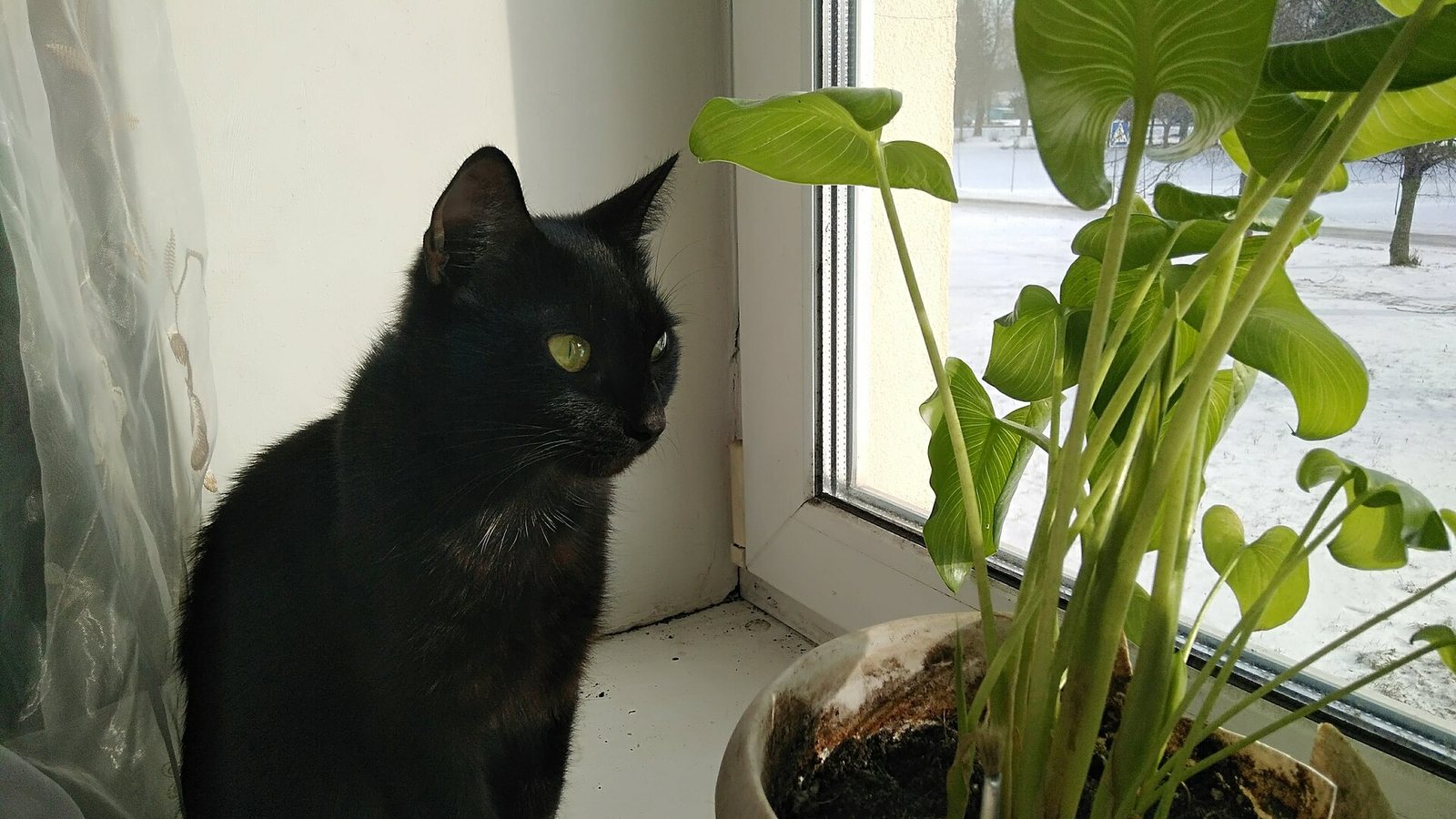
15 common houseplants toxic to cats per the ASPCA, grouped by what they do: kidney and liver emergencies, mouth irritants, stomach upsets. What to do next.
Sources
Written and fact-checked by the Flori team. Every guide cites horticultural sources such as the RHS, university extension services and the ASPCA, and is updated when the advice changes. How we write our guides
General plant care information. Plants vary; when a plant is valuable or a problem spreads quickly, consult a local nursery or plant specialist.