Drooping Peace Lily: Thirst or Overwatering?
A drooping peace lily is either thirsty or drowning. Use a two-minute soil and root test to tell which, then fix it, plus cold, sun and root-bound causes.
 By Flori editorial team · Updated
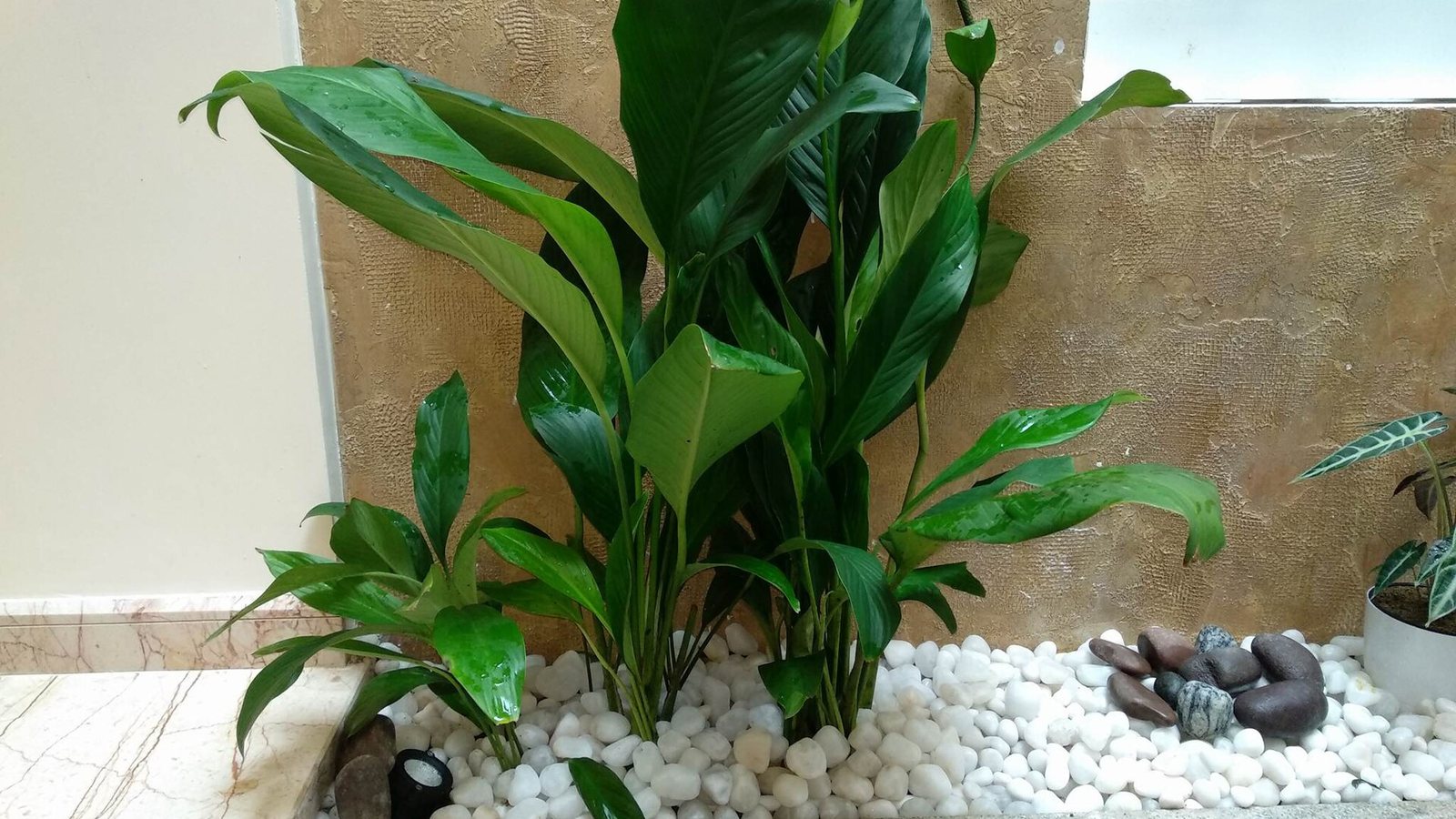
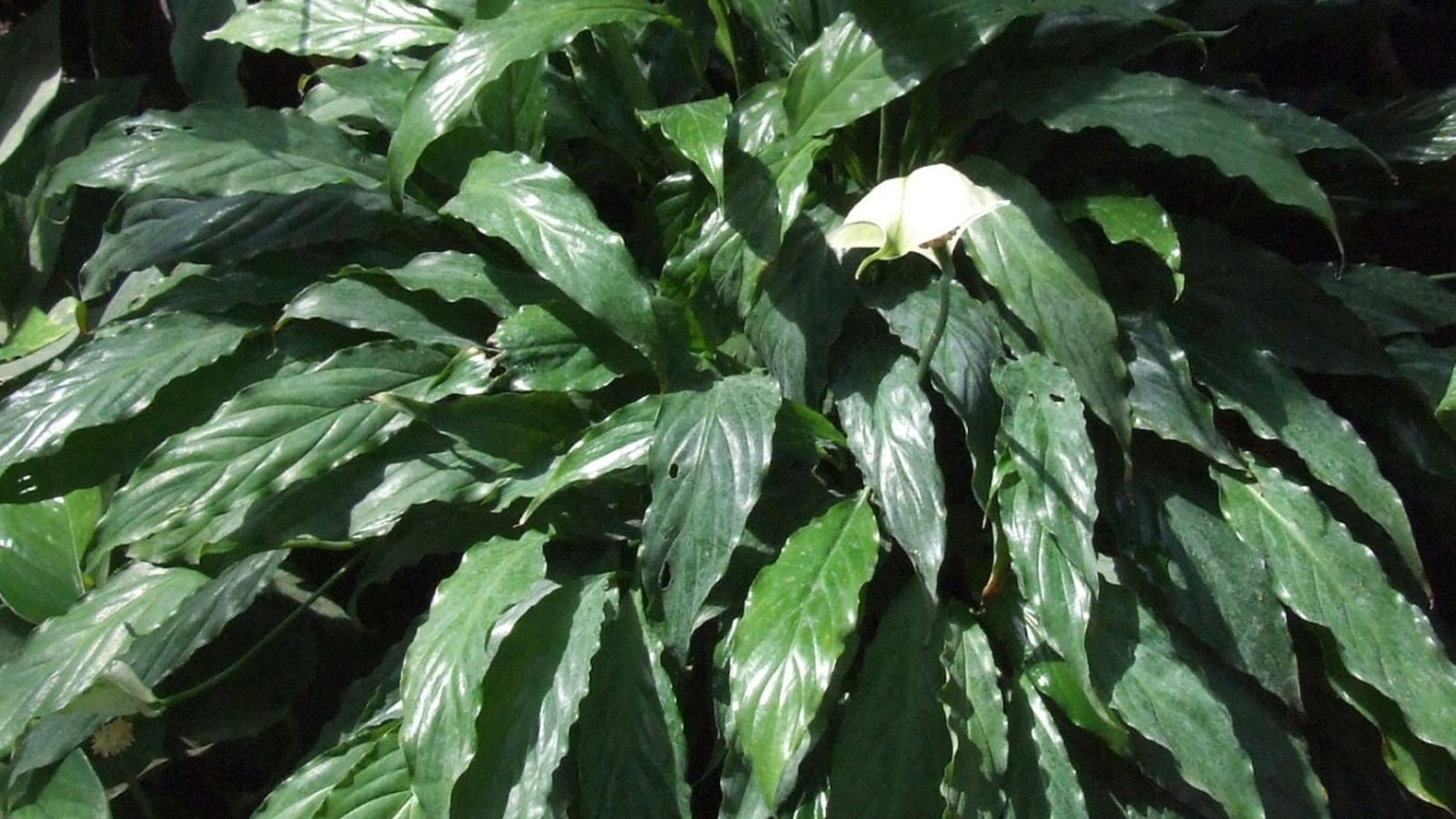 Photo: Jerzy Opioła · CC BY-SA 4.0
A drooping peace lily is either thirsty or overwatered. Check the soil: if it is dry and the plant perks up within hours of watering, it was thirst. If the soil is wet and the plant keeps drooping, the roots may be rotting, so slide it out, trim dark soft roots and repot in fresh mix.
Key takeaways
- Dry soil and a quick recovery after watering means thirst; wet soil and no recovery means root trouble.
- Check the roots: firm and pale is healthy, brown to black and soft is rotten.
- Water until it drains, empty the saucer, and let the top layer dry before watering again.
- A root-filled pot, cold below 4 °C (40 °F) and direct sun can also cause drooping.
- Peace lily is toxic to cats and dogs, so keep it out of reach.
On this page8
Why is my peace lily drooping?
A peace lily (Spathiphyllum) droops for two opposite reasons: it is thirsty, or its roots are drowning. The first is the classic one. Iowa State University Extension says peace lily leaves wilt when the plant is dry and revive after watering, which is why this plant has a reputation for being dramatic. The second is the one that kills it: wet soil, dying roots and a plant that droops even though the pot is damp. The same limp leaves, two different fixes. This guide gives you a two-minute test to tell them apart, then the less common causes: a pot full of roots, cold and direct sun. If you want the general version for any plant, see our guide to overwatering versus underwatering.
Thirsty or overwatered? The two-minute test
Push a finger about 3 to 5 cm (1 to 2 in) into the soil and lift the pot to feel its weight. Then use the table.
| What you check | Thirsty peace lily | Overwatered peace lily |
|---|---|---|
| Soil | Dry, pulling away from the pot edge | Wet or soggy, may smell sour |
| Pot weight | Very light | Heavy |
| Leaves | Drooping, may curl, still green | Drooping with yellowing or browning leaves |
| Recovery after watering | Perks up in hours to a day | No change, or gets worse |
| Roots | Dry but firm | Brown to black, soft |
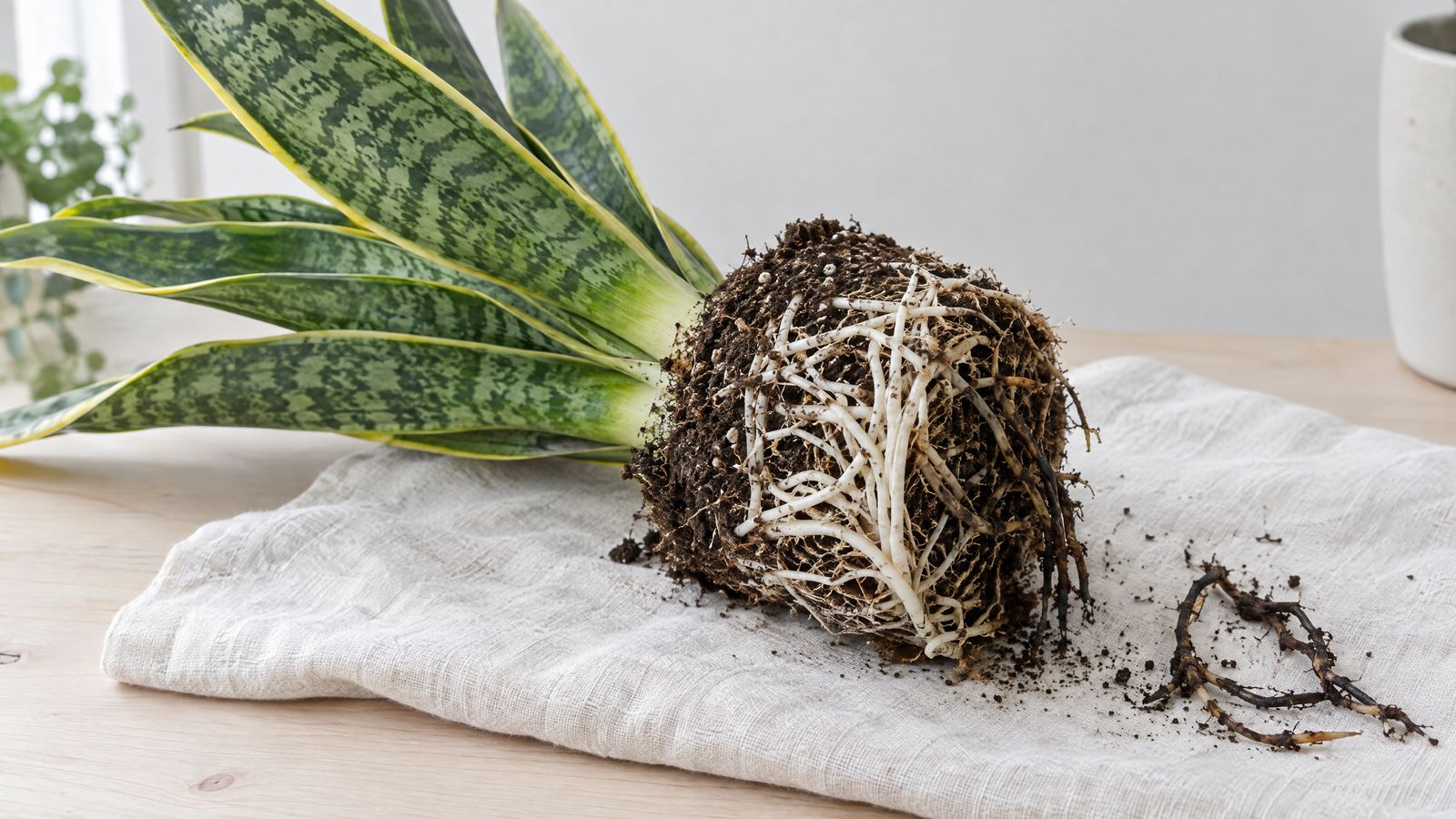
Clemson Extension explains why the wet case matters: overwatering starves roots of oxygen and they die, and wilting in wet soil is a warning sign. Its description of rotted roots is "brown to black and may be soft", sometimes with a dark ring at the base of the stem. If you are unsure, slide the plant out of the pot and look. Our healthy roots versus rotten roots guide shows the difference.
What to do if the peace lily is thirsty
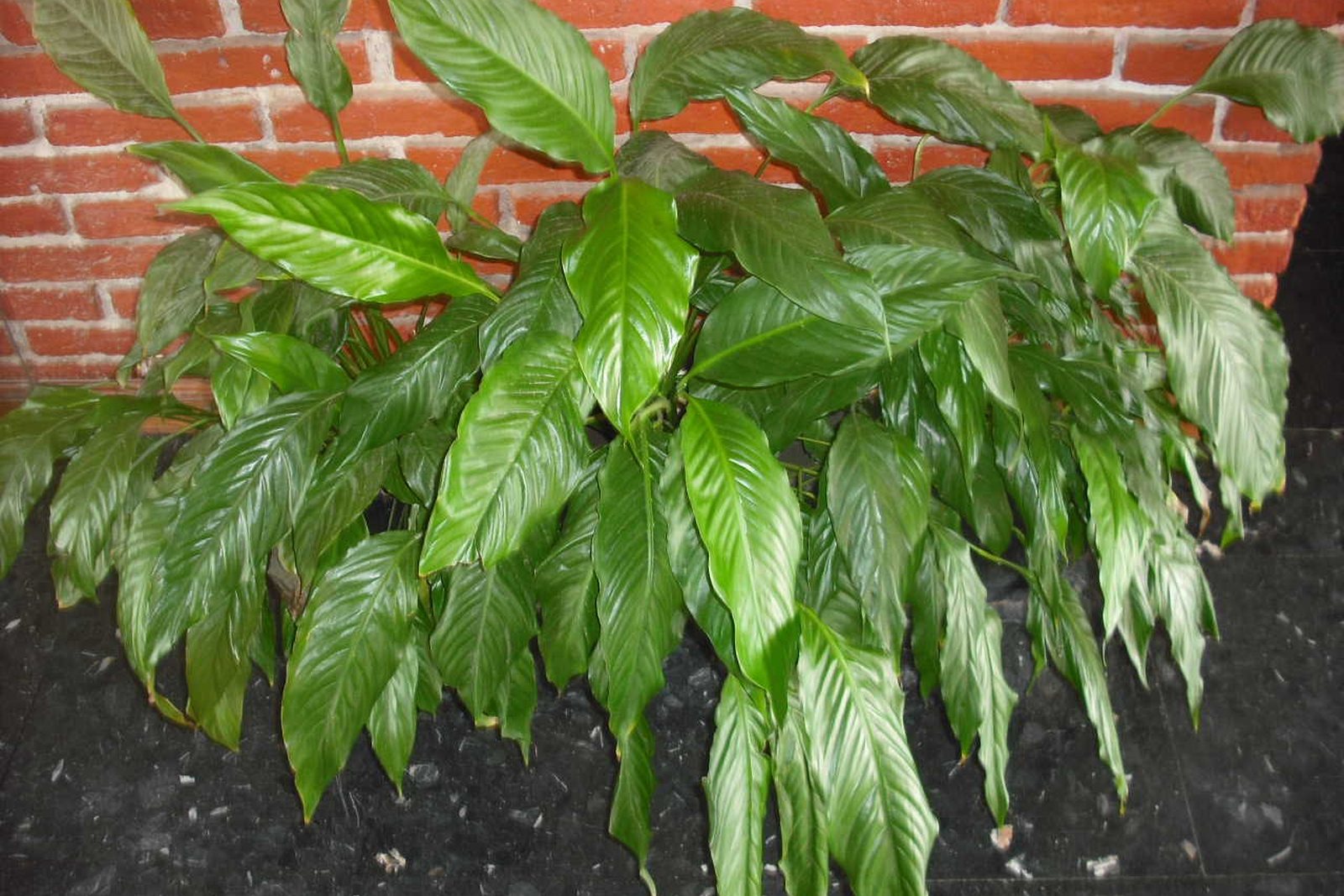
Water it thoroughly until water runs out of the drainage hole, then empty the saucer. NC State Extension says to keep the soil moist but not soggy and to let it dry between waterings, and adds that bottom watering works very well. If the soil has dried hard and shrunk away from the pot, stand the pot in a bowl of water for about 30 minutes so the root ball can soak, then let it drain. Our bottom watering guide shows how. The leaves should lift within hours; if they have been drooping a long time they may take a day. Do not keep watering "just in case" afterwards: wait until the top few centimetres are dry again.
What to do if the roots are drowning
- Stop watering and check that the pot has a drainage hole and that no water is standing in the saucer or cover pot.
- Slide the plant out and look at the roots. Firm, pale roots are healthy; dark, soft, mushy ones are rotten.
- Cut off the rotten roots with clean scissors. Clemson says that if only a few roots are infected you can cut them out and repot in sterile soil, but if most are dark, soft and dead, it is usually better to discard the plant, or save a healthy division.
- Repot in fresh, well-draining mix in a clean pot with a drainage hole, not much larger than the root ball. A pot that is too big holds water for too long.
- Water lightly and wait. Let the top layer dry before you water again.
The root rot rescue plan goes through this in more detail.
Could the pot be too full of roots?
Yes. Clemson Extension says a plant with a root-filled pot can wilt because there is not enough soil to hold water for all the roots, and that repotting into a larger pot may fix it. The sign is a peace lily that droops again within a day or two of every watering, with roots circling the inside of the pot or poking out of the drainage hole. Move up one pot size, not three, and use fresh mix. Our guide to root-bound plants explains how to tell.
Cold, sun and draughts
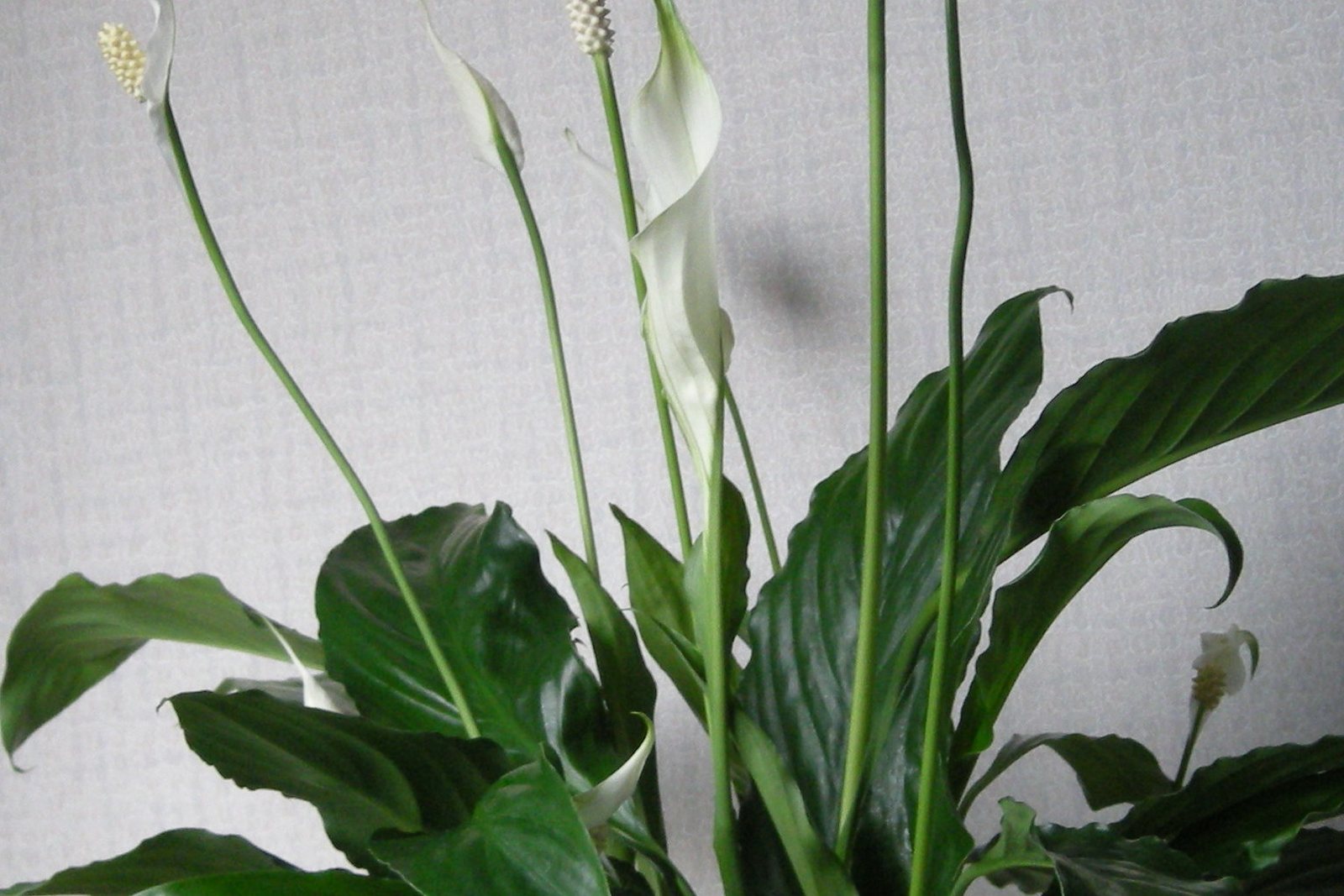
Peace lilies are tropical plants. NC State gives the ideal range as 20 to 29 °C (68 to 85 °F) by day, with no more than a drop of about 5.5 °C (10 °F) at night, says 4 to 16 °C (40 to 60 °F) slows growth considerably, and warns that extended time below 4 °C (40 °F) can damage leaves, stems and roots. A drooping plant on a cold windowsill or beside a draughty door may simply be cold, so move it to a warmer spot. The same page says not to place peace lilies in direct sun: it prefers partial to deep shade, and Iowa State says they tolerate low light but flower best in indirect light. Scorched, drooping leaves on a south-facing sill point to too much sun.
How to stop it drooping again
- Check the soil, not the calendar. Water when the top 2.5 to 5 cm (1 to 2 in) is dry, and more often in a warm bright room than a cool dim one.
- Use a pot with a drainage hole and empty any saucer.
- Keep it out of direct sun and draughts, in partial shade at a steady temperature.
- Repot when the roots fill the pot, usually every year or two for a vigorous plant.
- Let the leaves be your reminder. A peace lily that wilts a little before watering and recovers is not damaged, but do not make it a habit.
If you are still not sure, the Flori app can help: describe the plant or send a photo to Dr. Flori, who asks follow-up questions, names the likely cause and gives a recovery plan, and the care reminders can prompt you to check the soil. If the plant is struggling, the Plant Hospital keeps it under watch with a follow-up plan.
Is the peace lily safe around pets?
No. The ASPCA lists the peace lily as toxic to dogs and cats because of insoluble calcium oxalates. Chewing the leaves can cause irritation and burning of the mouth, tongue and lips, excessive drooling, vomiting and difficulty swallowing. NC State also lists it as a problem for children and horses. Keep it out of reach, and if a pet has eaten any, call your vet or ASPCA Animal Poison Control straight away.
Frequently asked questions
How often should I water a peace lily?
Water when the top few centimetres of soil are dry, so the soil is moist but never soggy. NC State says to let it dry between waterings. How often depends on light, warmth and pot size.
Will a drooping peace lily recover?
A thirsty one usually perks up within hours of watering. An overwatered one needs the roots checked: if some are firm, trim the rotten ones and repot in fresh mix.
Can I let my peace lily wilt before watering?
Iowa State says the leaves wilt when the plant is dry and revive after watering, so occasional wilting is not harmful. Do not make it routine, and check the soil first.
Is a peace lily poisonous to pets?
Yes. The ASPCA lists the peace lily as toxic to dogs and cats because of insoluble calcium oxalates, causing mouth irritation, drooling and vomiting.
Overwatering vs underwatering: a side-by-side symptom table, four quick tests (soil, weight, roots, response) and what to do for each problem.
Sources
Written and fact-checked by the Flori team. Every guide cites horticultural sources such as the RHS, university extension services and the ASPCA, and is updated when the advice changes. How we write our guides
General plant care information. Plants vary; when a plant is valuable or a problem spreads quickly, consult a local nursery or plant specialist.