Inky Cap Mushrooms and Alcohol: A Hidden Danger
Why the common inky cap (Coprinopsis atramentaria) can make you ill if you drink alcohol, even days later, and what to do if you ate one and had a drink.
 By Flori editorial team · Updated
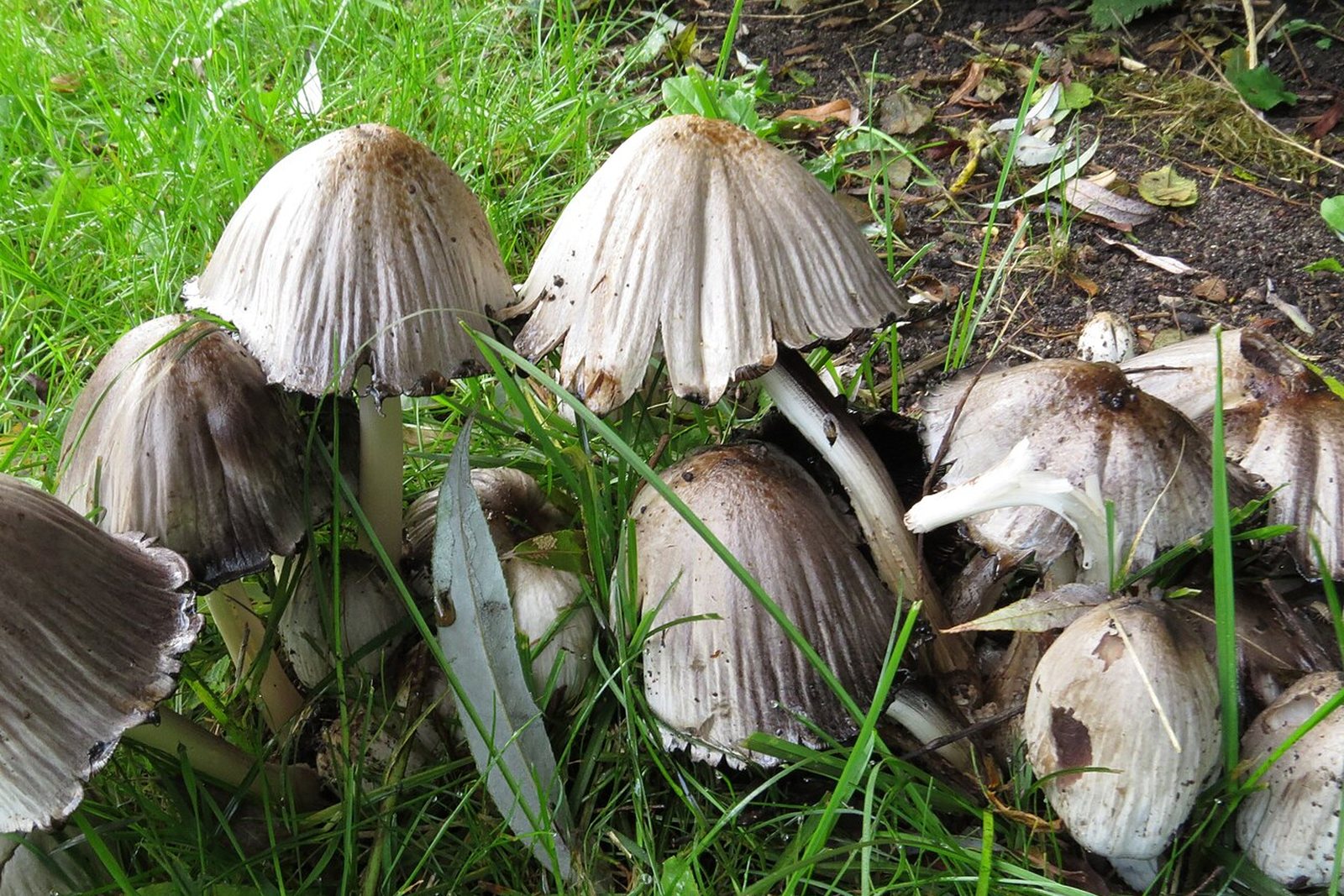
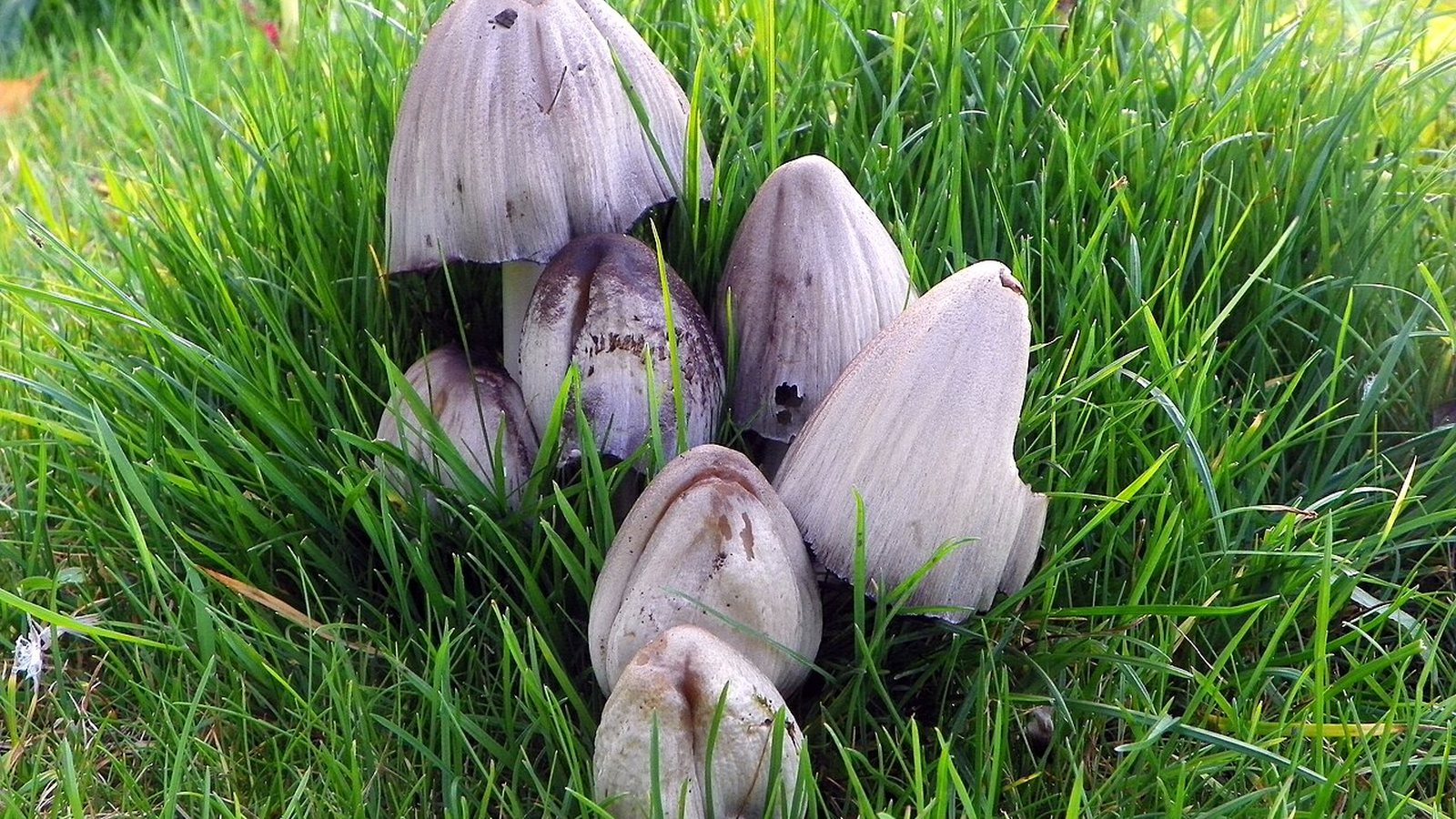 Photo: AnemoneProjectors ( talk ) ( Flickr ) · CC BY-SA 2.0
The common inky cap (Coprinopsis atramentaria) contains coprine, which blocks the body from breaking down alcohol. A drink after eating it can cause flushing, a racing heart and tingling within minutes. NAMA says alcohol up to 5 days later can still trigger it. Never eat a wild mushroom based on a photo or an app.
Key takeaways
- Coprine in the common inky cap blocks alcohol breakdown, so even one drink can cause flushing, palpitations and tingling.
- NAMA says the reaction can occur up to 5 days after eating the mushroom; other sources give shorter windows, so no drink is the only safe rule.
- NAMA also says coprine has been shown to be carcinogenic, so avoiding the species is wise even for non-drinkers.
- The cap dissolves into black liquid within hours and several species are involved; never decide from a photo.
- If you ate an unknown mushroom, call the poison line now and keep a sample; do not wait for symptoms.
On this page7
- Why can an inky cap make you ill after a drink?
- What does coprine do in the body?
- How long after eating is alcohol risky?
- Which mushrooms contain coprine?
- Where do inky caps grow, and why can you not tell them by a photo?
- What if you ate inky caps and then drank alcohol?
- What should you do after eating an unknown mushroom?
Why can an inky cap make you ill after a drink?
The common inky cap (Coprinopsis atramentaria, also written Coprinus atramentarius) is a lawn and woodchip mushroom with an unusual trick: it does little harm on its own, but it can make you ill if you drink alcohol afterwards. Its other name, tippler's bane, says it all. Most mushroom danger guides focus on deadly species that cause poisoning when eaten; this one is about a mushroom that turns a dinner into a problem two days later, when you open a bottle of wine. This guide explains what happens, how long the risk lasts according to the sources, which relatives matter, and what to do if it has already happened.
One rule first, because this is a mushroom guide: nothing here is a way to decide whether a wild mushroom is safe to eat. NAMA, the North American Mycological Association, states that a single photograph is never enough for identification, and no colour, smell or folk test tells edible from poisonous. We do not call this mushroom safe; we call it a mushroom to avoid.
What does coprine do in the body?
Cornell's mycology blog notes that the common inky cap contains a chemical that makes you sick only if you drink alcohol. That chemical is coprine. NAMA describes the result as an Antabuse-like reaction, named after the drug disulfiram that deliberately causes this effect: your body cannot finish breaking down alcohol, and the by-product builds up. The reaction can begin within minutes of drinking. NAMA lists these symptoms:
| How common | Symptoms (NAMA) |
|---|---|
| Typical | Racing heart (tachycardia) and palpitations; tingling in the arms and legs; warmth and flushing |
| Sometimes | Headache, heavy limbs, salivation |
Palpitations are frightening, so tell a doctor or the poison line if you have them. NAMA's page does not grade severity beyond this list, so do not assume it is always mild.
How long after eating is alcohol risky?
This is the myth to bust: that the reaction only happens if you drink at the same meal. NAMA says that alcohol consumed as much as 5 days after eating inky caps can still trigger the Antabuse-like reaction. Because the safe gap is not settled, our rule is to call it not edible; the practical version is that there is no time gap you can trust. If you have eaten inky caps, avoid alcohol for several days and call your poison line for advice about your case.
| Common belief | What NAMA says |
|---|---|
| Only a problem if you drink at the same meal | Alcohol up to 5 days later can trigger it |
| Only matters for heavy drinking | Reaction can begin within minutes of drinking; page lists no safe amount |
| Fine if you do not drink | Coprine has been shown to be carcinogenic; avoidance is wise even without alcohol |
This matters most at gatherings. If someone brings wild mushrooms to a table, ask which species they are and who identified them in person. A guest who ate them may not connect the flushing and pounding heart to the glass of wine an hour later, and may think it is something else. A wild mushroom dish and an open bottle in the same weekend is the combination to avoid, and the safest answer is not to eat any wild mushroom that nobody has identified by holding it in their hands.
Which mushrooms contain coprine?
NAMA lists four species that contain coprine: Coprinopsis atramentaria, C. insignis, C. quadrifidus and C. variegata. Its page separates a different group: several other species, such as the shaggy mane (Coprinus comatus), Pholiota squarrosa, the honey fungus group (Armillaria mellea) and morels, can cause stomach upset in susceptible people, with a delay of up to 5 hours. That is not the Antabuse-type syndrome, but it shows why mixing wild mushrooms with alcohol is a bad bet in general. Our guide to edible wild mushrooms and their dangerous look-alikes covers the lawn look-alikes of the shaggy mane in detail.
Where do inky caps grow, and why can you not tell them by a photo?
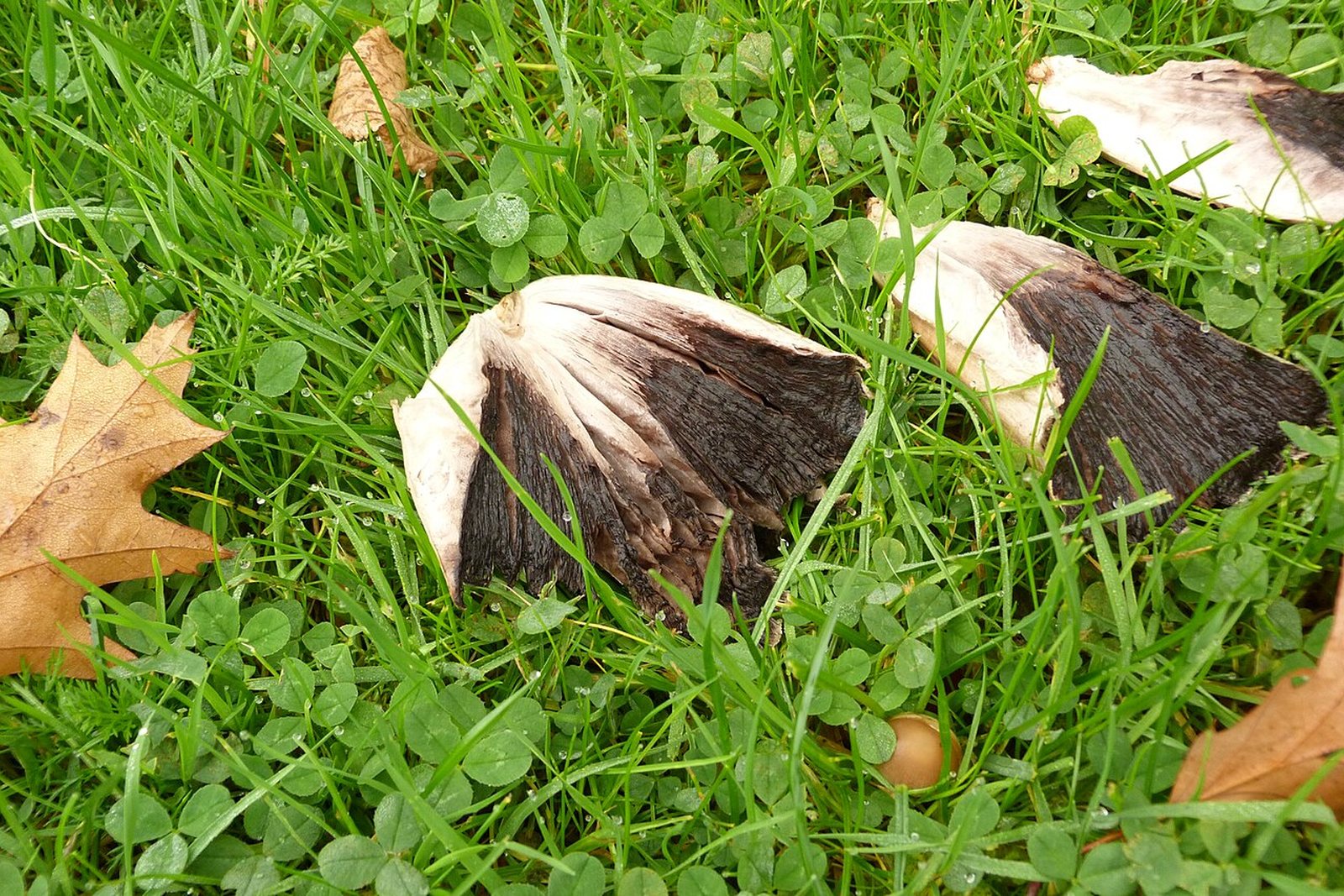
The RHS pictures the common inkcap on woodchip, and the magpie inkcap on mulch, so they are common in gardens. They appear in wet conditions and are usually gone in less than 24 hours, according to Cornell: the cap digests itself and turns into a dark liquid that can be used as ink. That short life is a problem for identification. The cap you photograph at breakfast looks different by lunch, there are many inky cap species, and some contain coprine while others do not. Flori can suggest a name for a mushroom from a photo, which is a starting point for reading and asking a local expert, never permission to eat it. Our guide on whether an app can identify mushrooms safely explains the limits, and the one on mushrooms in the lawn and garden shows what to do about them.
These myths do not protect you: that a mushroom is safe because it turns to ink, because it is common, because a book or friend called it edible, or because someone ate it before and was fine. Coprine is not about whether the mushroom is poisonous by itself; it is about what you drink next.
What if you ate inky caps and then drank alcohol?
- Stop drinking alcohol.
- Call a poison line and describe what you ate and drank (see below). If you feel very unwell, call your emergency number.
- Keep a sample. Put a few of the same mushrooms, with the base, in a paper bag (not plastic) and take photos of where they grew; NAMA says to keep photos or specimens to aid identification.
- Report it. NAMA asks that poisonings be reported to its Poison Case Registry, even if the only effect was an upset stomach.
What should you do after eating an unknown mushroom?
Call the poison line now, even if you feel fine. In Türkiye call UZEM (Ulusal Zehir Danışma Merkezi) on 114. In the US call Poison Control on 1-800-222-1222. In the UK call NHS 111. Keep a sample and do not wait for symptoms: NAMA says symptoms that begin 6 to 24 hours after eating may indicate amatoxins, which it calls extremely serious, and that there is no antidote, so waiting is dangerous. Amanita poisoning can feel better before liver damage shows. Our guides on mushroom poisoning symptoms and how to tell if a mushroom is poisonous go through what to expect and why photos cannot answer that.
Frequently asked questions
Why do inky caps react with alcohol?
The common inky cap contains coprine, which blocks the breakdown of alcohol so a by-product builds up. NAMA calls it an Antabuse-like reaction.
How long after eating inky caps can alcohol cause a reaction?
NAMA says as much as 5 days. Some other sources give shorter windows, so the only reliable rule is to avoid alcohol for several days, or avoid the mushroom.
What are the symptoms of the inky cap alcohol reaction?
NAMA lists a racing heart and palpitations, tingling in the arms and legs, and warmth and flushing; sometimes headache, heavy limbs and salivation.
Are shaggy manes and other inky caps the same?
No. NAMA lists four coprine species (Coprinopsis atramentaria, C. insignis, C. quadrifidus, C. variegata) and treats the shaggy mane separately. Never decide from a photo.
Who do I call if I ate an unknown mushroom?
Call the poison line at once: UZEM 114 in Türkiye, 1-800-222-1222 in the US, NHS 111 in the UK. Keep a sample and do not wait for symptoms.
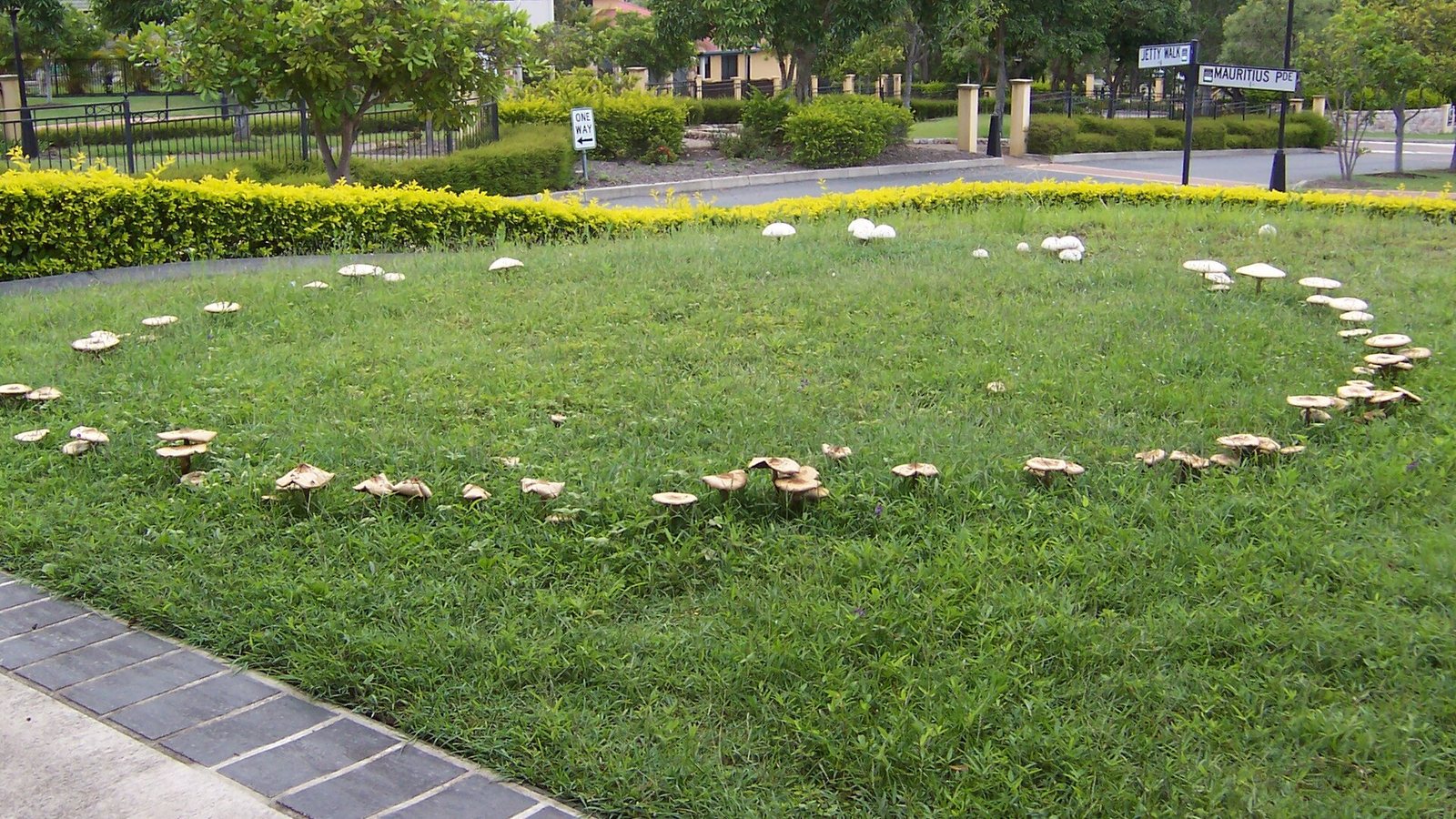
Mushrooms in the lawn rarely harm grass, but some are deadly if eaten by children or pets. Why they appear, which matter and how to remove them safely.
Sources
Written and fact-checked by the Flori team. Every guide cites horticultural sources such as the RHS, university extension services and the ASPCA, and is updated when the advice changes. How we write our guides
General plant care information. Plants vary; when a plant is valuable or a problem spreads quickly, consult a local nursery or plant specialist.