How to Learn Mushroom Identification Safely
A safe way to learn mushroom identification: join a club, learn anatomy, use books and apps as study aids, and never treat a name as permission to eat.
 By Flori editorial team · Updated
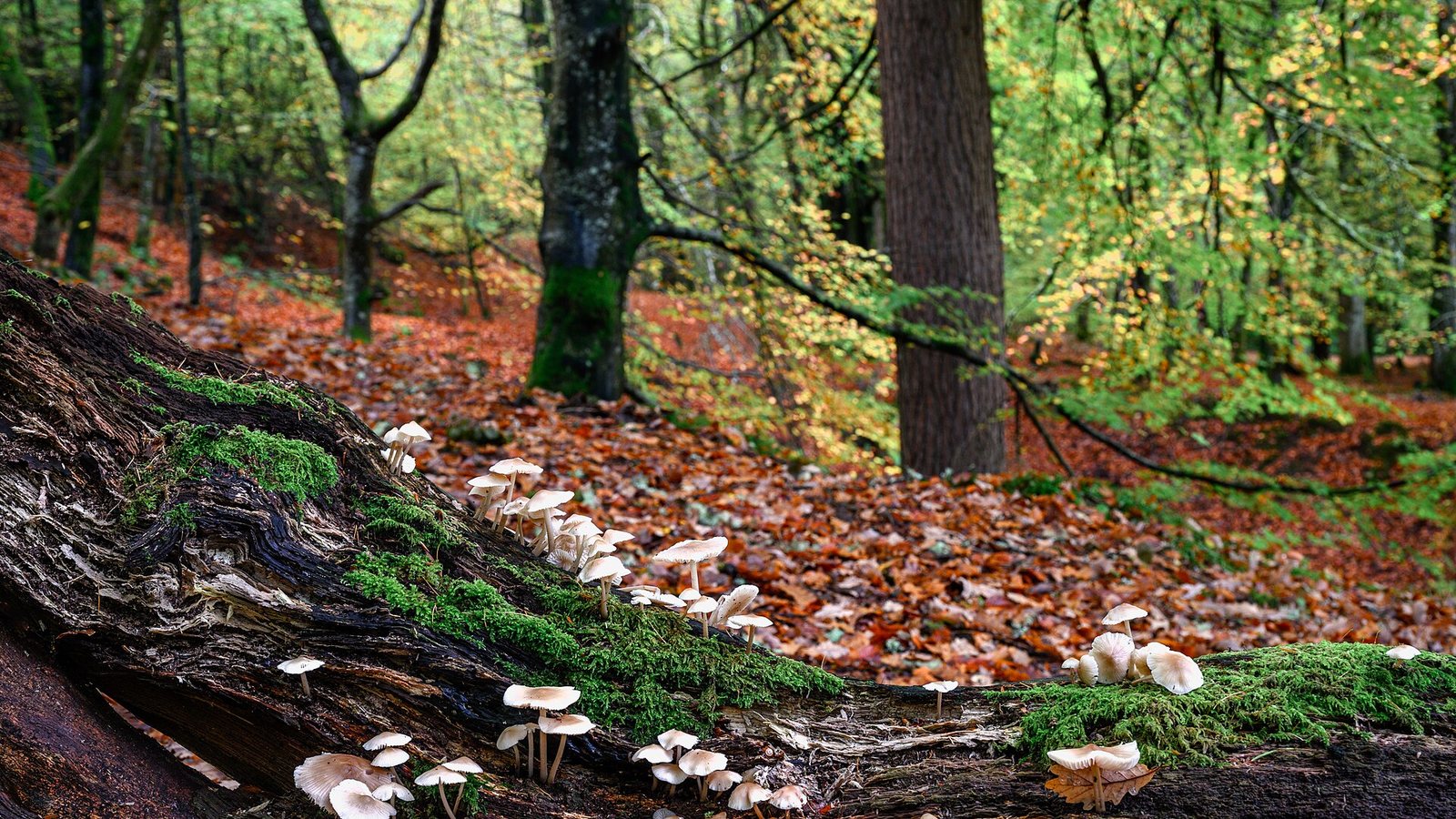 Photo: Eric Kilby from Somerville, MA, USA · CC BY-SA 4.0
Learn mushroom identification in person with a local club or expert, study anatomy and record habitat, and use books and apps only to get names to check. Learn the dangerous species first. A photo, app or folk test can never make a wild mushroom safe to eat, and if someone eats an unknown one, call a poison line at once.
Key takeaways
- The safest route is a local mushroom club or expert; NAMA says clubs welcome beginners and that walking with experienced people is among the best ways to learn.
- Learn mushroom anatomy and note whether it grows on soil or wood, alone or in a group, and which trees are nearby.
- Books and apps suggest names to study; none of them can clear a wild mushroom for eating.
- Learn the deadly species and the look-alikes first, and identify every mushroom every time; an expert's ID of one does not cover the ones next to it.
- After eating an unknown mushroom, call a poison line now (TR 114, US 1-800-222-1222, UK 111) and keep a sample.
On this page8
- How can you learn mushroom identification safely?
- Step 1: Join a local mushroom club or learn in person
- Step 2: Learn the parts of a mushroom and how to record them
- Step 3: Use books and apps as study aids, not judges
- Step 4: Learn the dangerous mushrooms first
- How long until you can trust your own identification?
- Which shortcuts should you ignore?
- What to do if someone eats an unknown mushroom
How can you learn mushroom identification safely?
The safe way to learn mushroom identification is slowly, in person, with people who know your local fungi, and with a clear rule that learning to name a mushroom is not permission to eat it. Books, apps and videos help you study, but none of them can hold the mushroom in its hand. This guide lays out a learning path: clubs and courses first, then the parts of a mushroom and how to record them, then books and apps as study aids, then the dangerous species. It does not tell you any wild mushroom is safe to eat, because no guide can.
Step 1: Join a local mushroom club or learn in person
The North American Mycological Association (NAMA) calls going into the field with people who have been studying fungi for years one of the best ways to learn, and says its more than 90 affiliated clubs welcome beginners with no prior knowledge. Clubs run mushroom walks, identification sessions, lectures and workshops. The University of Kentucky Extension gives the same advice: train with a plant pathologist or mycologist, ask for help, and join a local mushroom club.
If you live outside North America, the principle is the same. NAMA suggests that for non-emergency identification you contact a nearby mushroom club, nature centre, museum or the botany department of a local college or university. Look for a course or guided walk run by a person who knows the fungi of your own region, because look-alikes differ from country to country. If you cannot find one, keep learning as a naturalist and do not collect for the table.
Step 2: Learn the parts of a mushroom and how to record them
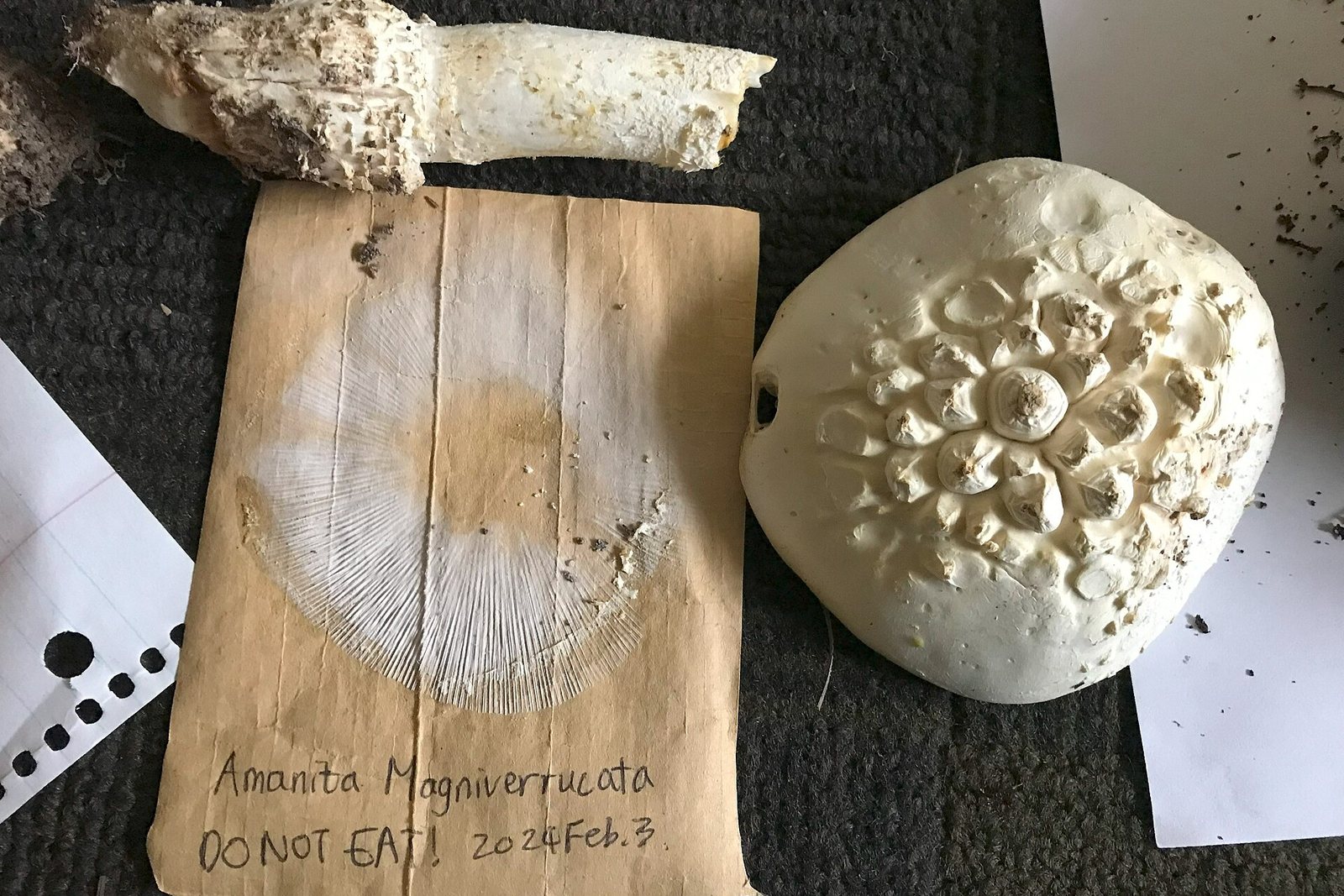
NAMA's beginner pages start with mushroom anatomy and its vocabulary, and recommend a glossary. Learn the terms before you try to name anything: cap, gills, pores or teeth, ring, stem and the base. NAMA also links to a how-to for making spore prints.
When you find a mushroom, observe it where it grows. NAMA suggests noting:
- whether it grows from soil or from wood;
- whether it grows alone or in a group;
- which trees are nearby;
- photographs of the cap, stem and underside, taken with the mushroom left in place where possible.
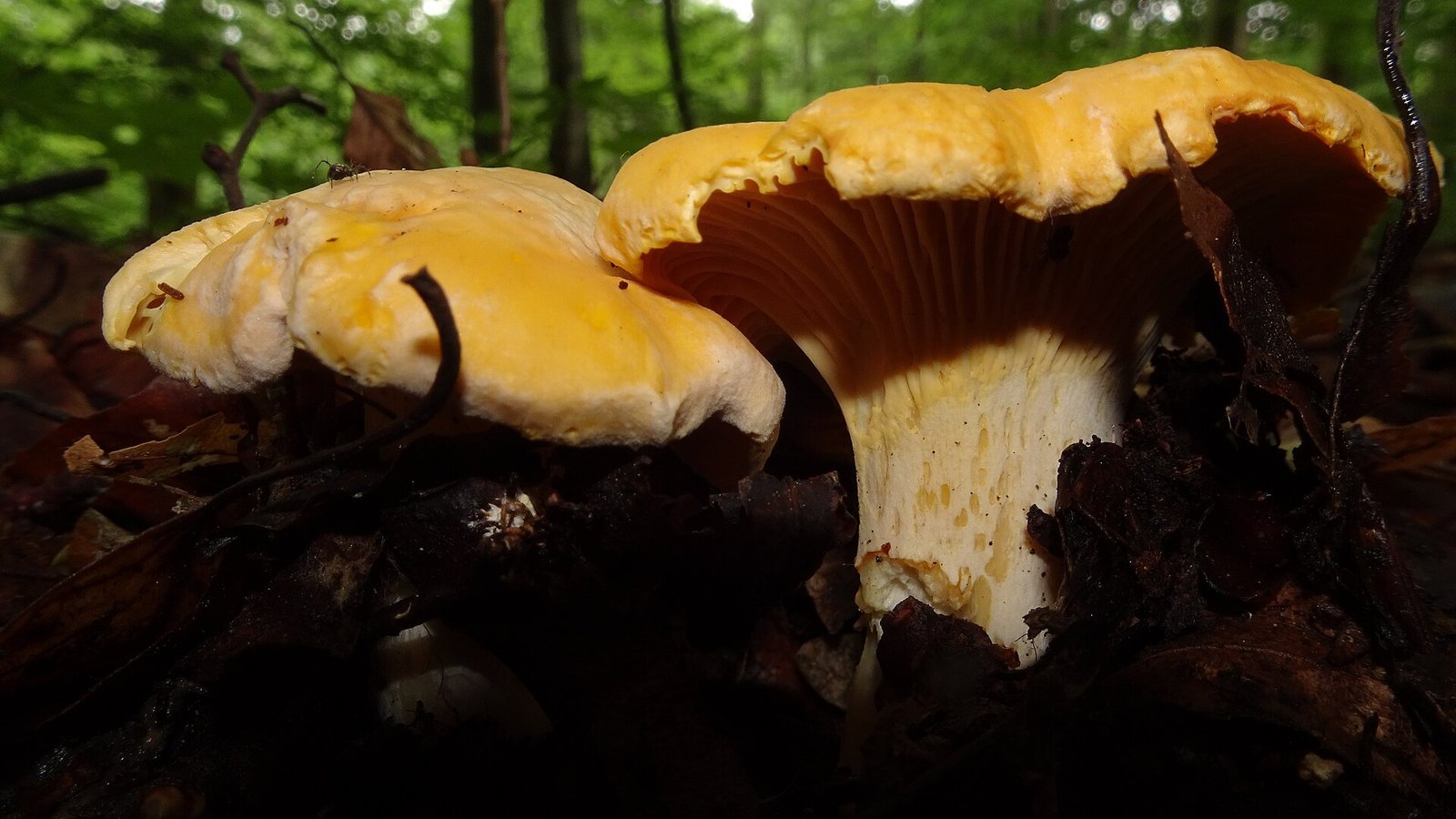
The University of Illinois Extension handout says the same about choosing beginner species: chanterelles grow on soil with wrinkles or veins, jack-o'-lanterns grow in clusters on wood with true gills. Habitat notes like these are what experts ask about. NAMA also notes that you do not need to identify everything straight away.
Step 3: Use books and apps as study aids, not judges
| Tool | Good for | Cannot do |
|---|---|---|
| Local club walks | Seeing real specimens, asking questions, learning what matters | Teach you everything in one outing |
| Regional field guide | Learning families and look-alikes in your region | Guarantee a match from a photo of a page |
| Courses, webinars, books | Vocabulary, anatomy, poisoning types | Show the mushroom you are holding |
| Apps such as iNaturalist or Flori | Suggesting a name to look up and check with an expert | Clear a wild mushroom for eating |
NAMA's beginner page names iNaturalist, video channels and podcasts as learning resources, and the University of Illinois lists many field guides. Treat apps as a way to get a name to study. Flori can suggest a name for a wild mushroom from a photo, which is helpful for learning, but it is not a safety check; see can an app identify mushrooms? for why no app can be.
Step 4: Learn the dangerous mushrooms first
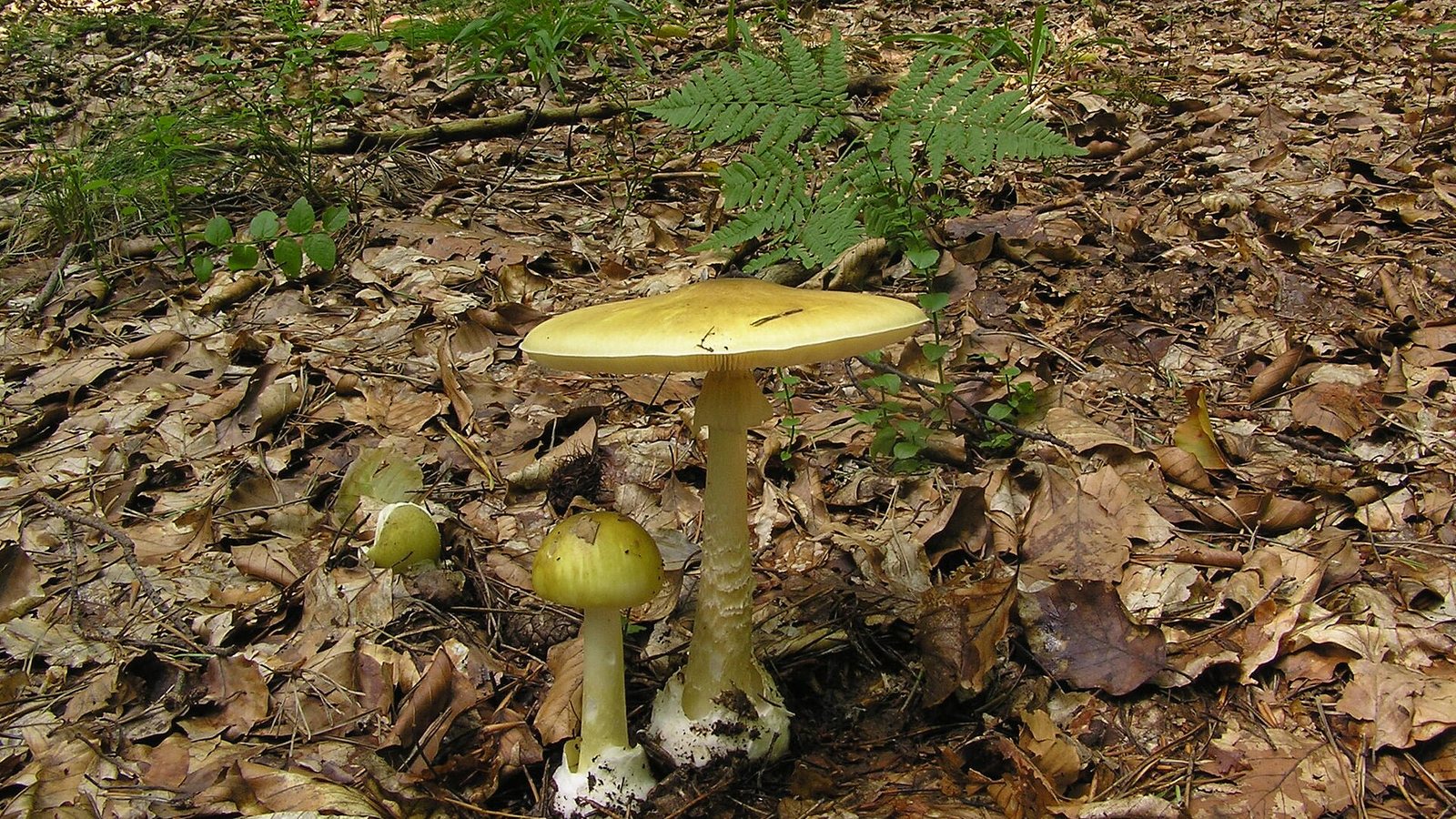
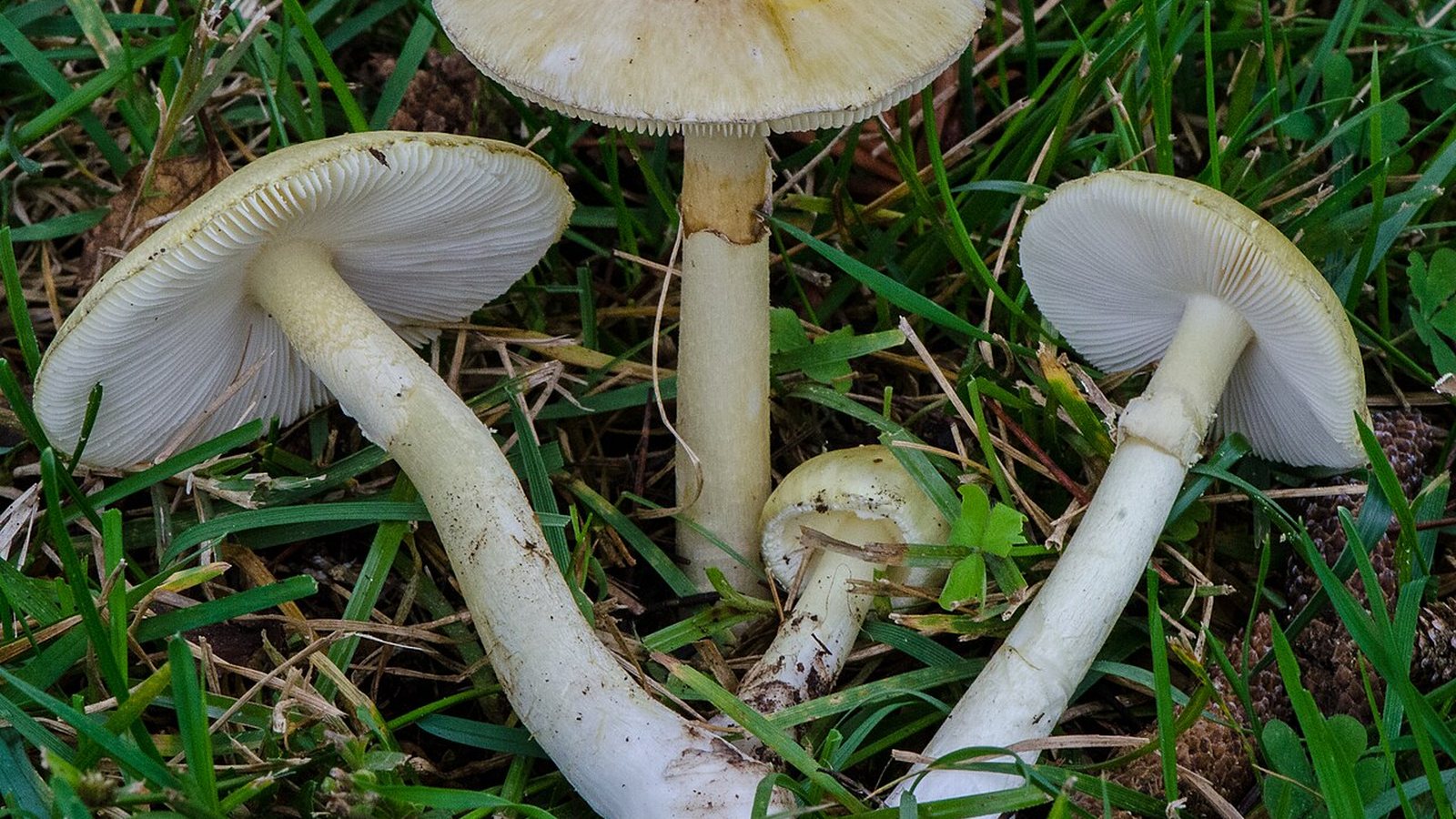
Kentucky Extension advises learning the poisonous species in your area while you learn the edible ones, and notes that poisonous mushrooms can look similar to edible ones at certain life stages. Start with the deadly group: the death cap and destroying angel (Amanita), which can cause liver failure. Our guides on the death cap and look-alike pairs show the traps. In Turkish the death cap is called ölüm meleği. Learning these names is about avoiding mistakes, not about collecting.
How long until you can trust your own identification?
There is no timeline, and our sources set no number. What they do say is more useful than a date:
- Identify every mushroom every time. The same species looks different at different ages and in different places (Kentucky Extension).
- If an expert identifies one mushroom as edible, that does not mean the others growing nearby are the same species.
- Know the look-alikes of anything you hope to collect, and consider the site: mushrooms can absorb toxins from the environment, so do not collect from lawns or places where pesticide use is unknown.
- When in doubt, throw it out.
Where laws or park rules apply, follow them and do not collect on private land without permission. Collect responsibly, in a way that does not harm fungi or habitat, as NAMA asks.
Which shortcuts should you ignore?
Many learners hope for a quick test. Kentucky Extension is blunt: many hunting anecdotes are dangerously wrong, and there are no shortcuts. Smell, taste, colour, a peeling cap, silver turning black, or animals and insects eating a mushroom prove nothing. Cooking is not a test either, and not all white mushrooms are safe, nor do all poisonous ones have pointed caps. Cutting a mushroom open helps experts compare it with a look-alike, but a cut, a smell or a colour must never be used to decide a mushroom is safe. For more, see how to tell if a mushroom is poisonous and is it safe to pick wild mushrooms.
What to do if someone eats an unknown mushroom
Call a poison line now. Do not wait for symptoms:
- Türkiye: UZEM 114 (Ulusal Zehir Danışma Merkezi)
- United States: Poison Control 1-800-222-1222
- United Kingdom: NHS 111
Keep a sample of the mushroom, raw or cooked, in the fridge in a paper bag so specialists can identify it; Kentucky Extension says saved samples can make the difference between life and death. NAMA says the same: if a poisoning is suspected, contact your doctor or local poison centre immediately. Amanita poisoning can feel better for a while before liver damage shows, so feeling well is not a reason to wait. Do not try home remedies.
Frequently asked questions
Can I learn mushroom identification from a book or app alone?
Books and apps are useful study aids, but both Kentucky Extension and NAMA stress learning with experienced people. No book or app can confirm a wild mushroom is safe to eat.
What should I record when I find a mushroom?
NAMA suggests noting whether it grows from soil or wood, alone or in a group, and which trees are nearby, and photographing the cap, stem and underside, ideally with the mushroom left in place.
Is there a simple test that shows a mushroom is safe?
No. Smell, taste, colour, peeling the cap, silver and animals eating a mushroom are myths. Kentucky Extension says there are no shortcuts to knowing whether a mushroom is poisonous.
What should I do if I ate a wild mushroom I could not identify?
Call a poison line immediately: Türkiye UZEM 114, US 1-800-222-1222, UK NHS 111. Keep a sample in a paper bag in the fridge and do not wait for symptoms.
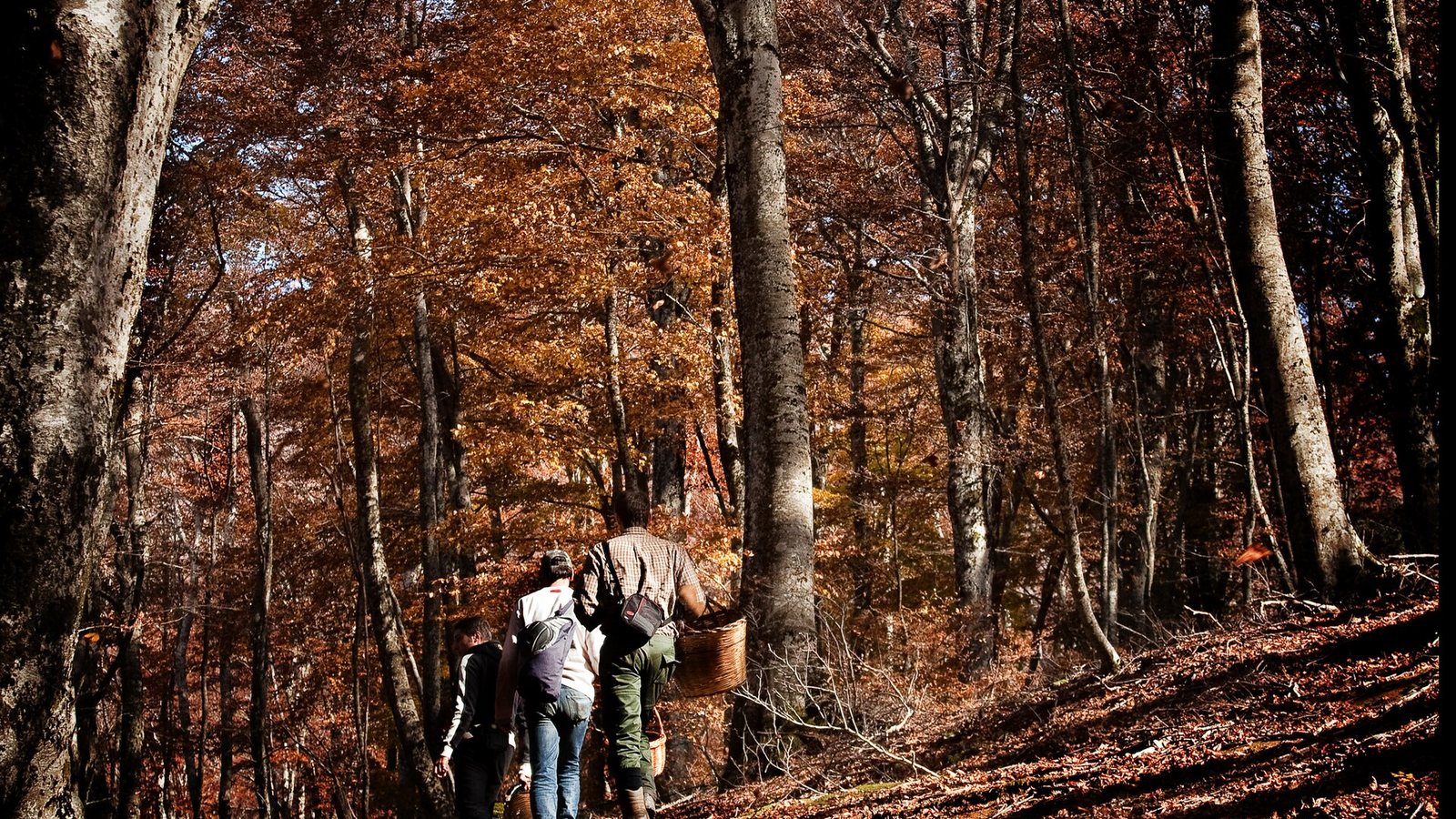
Picking wild mushrooms to study is low risk where the rules allow it; eating them is not. How to collect, the myths, and what to do after a mistake.
Sources
- North American Mycological Association: Why Joining a Mushroom Club Is One of the Best Ways to Learn Mycology
- North American Mycological Association: New to Mycology? A Beginner's Guide
- North American Mycological Association: Beginner education resources
- University of Kentucky Cooperative Extension: Don't Eat Those Wild Mushrooms
- University of Illinois Extension: Mushrooming for Beginners (handout)
Written and fact-checked by the Flori team. Every guide cites horticultural sources such as the RHS, university extension services and the ASPCA, and is updated when the advice changes. How we write our guides
General plant care information. Plants vary; when a plant is valuable or a problem spreads quickly, consult a local nursery or plant specialist.