Why Your Lemon Tree Is Not Fruiting
A lemon tree that will not fruit is usually too young, short of light, missing a cool rest, hungry or unpollinated. Check each cause with a table.
 By Flori editorial team · Updated
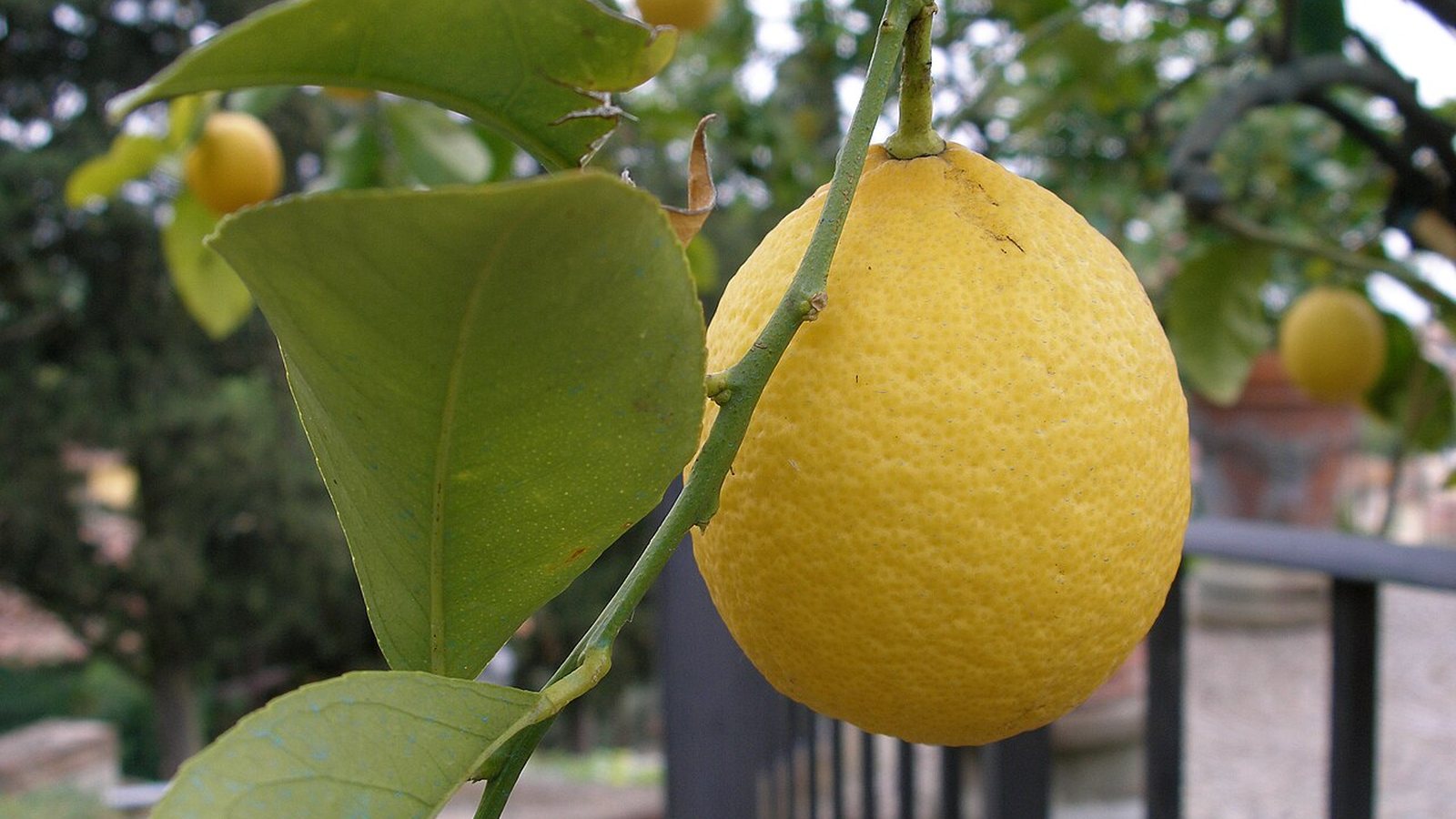 Photo: Vyacheslav Argenberg · CC BY 4.0
A lemon tree usually fails to fruit because it is too young (1 to 3 years to leave juvenility), gets under 6 hours of direct sun, never has a cool winter rest of about 13 to 18 °C, is underfed, or is unpollinated indoors. Fix light and feeding, hand-pollinate with a brush, and prune lightly.
Key takeaways
- A lemon needs 1 to 3 years to overcome juvenility; seed-grown trees can take several years more.
- Give 6 to 8 hours of direct sun, or a grow light.
- A cool winter rest of about 13 to 18 °C (55 to 65 °F) helps flowers form.
- Feed with a citrus feed in the growing season, and hand-pollinate indoors with a dry paintbrush.
- Prune lightly: overpruning removes the shoots that carry flowers. Lemon is toxic to cats and dogs.
On this page9
- Why is my lemon tree not fruiting?
- How old must a lemon tree be before it fruits?
- Does a lemon tree get enough light?
- Do lemons need a cool winter to flower?
- How do you feed a lemon tree so it fruits?
- Do indoor lemons need hand pollination?
- Why do the tiny lemons fall off?
- Is pruning stopping the flowers?
- Is a lemon tree safe for pets?
Why is my lemon tree not fruiting?
A lemon tree that is healthy but fruitless is almost always missing one of five things: age, light, a cool winter rest, steady feeding, or (indoors) a helping hand with pollination. Many gardeners blame the tree; the table below lets you check each cause in a few minutes, from the most common to the least. Lemons are the easiest citrus to grow in a pot, but they ask for more light and more patience than most houseplants.
| Cause | What you see | What to do |
|---|---|---|
| Too young | Healthy, leafy, never flowered | Wait; lemons and limes need 1 to 3 years to overcome juvenility (Clemson) |
| Too little light | Long gaps between leaves, pale growth, leaf drop | 6 to 8 hours of direct sun or a grow light |
| No cool rest | Warm all winter, no buds | Winter nights around 13 to 18 °C (55 to 65 °F) |
| Hungry tree | Pale or yellowing leaves, no flowers | Citrus feed in the growing season |
| Not pollinated (indoors) | Flowers drop without a fruit | Hand-pollinate with a dry paintbrush |
| Fruit drop | Tiny fruit falls in numbers | Steady temperature and water; some drop is normal |
| Over-pruned | Few new shoots | Prune only what you must |
How old must a lemon tree be before it fruits?
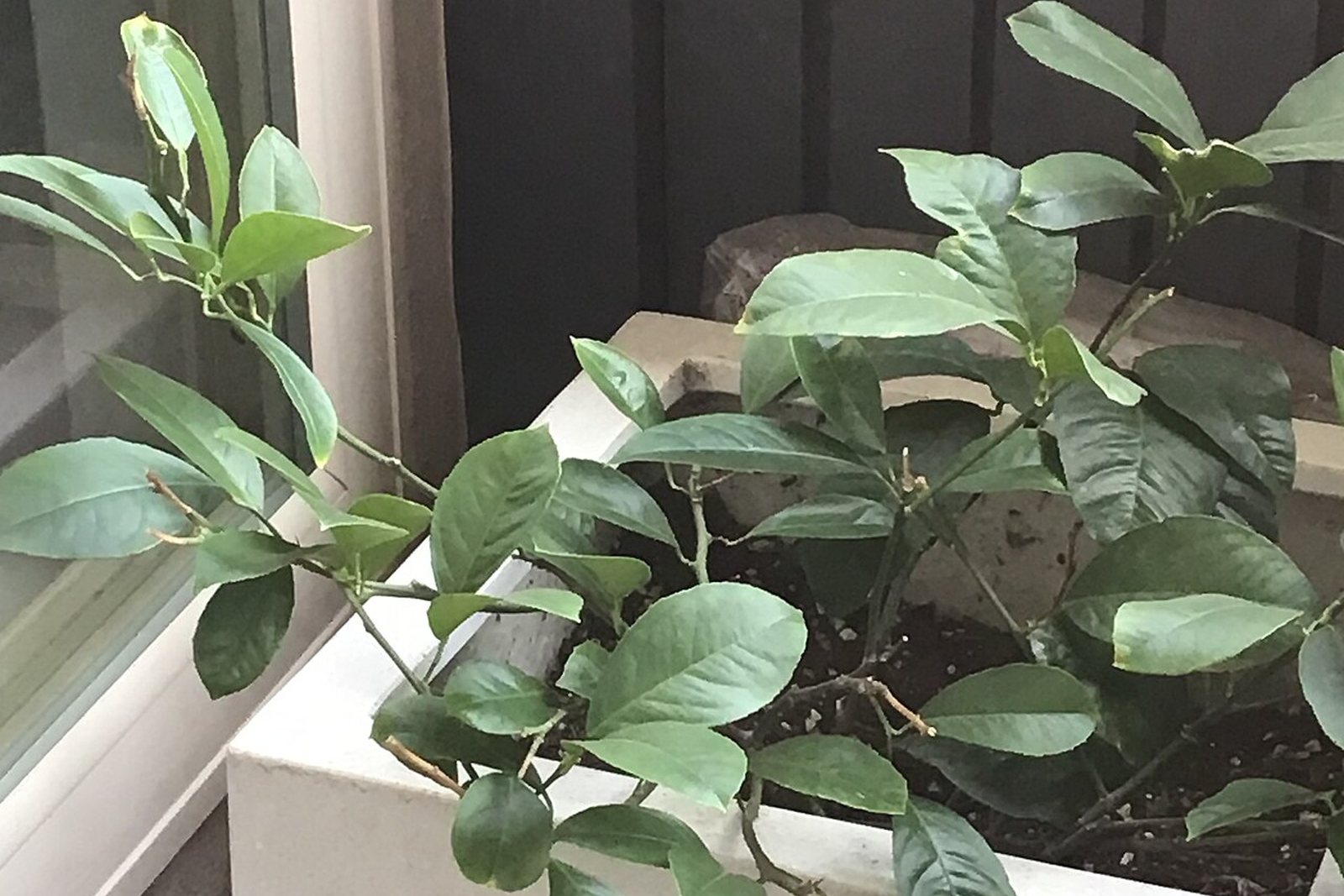
Clemson says lemons and limes need one to three years to overcome juvenility, while grafted oranges, grapefruits and mandarins need about five. The RHS adds that most commercial plants are grafted and fruit early, ungrafted plants may take up to ten years, and a seed-grown lemon takes several years. If your tree came from a pip, patience is the answer; if you bought it in a garden centre, check the label for a grafted plant. The surest purchase is one already carrying flowers or fruit.
Does a lemon tree get enough light?
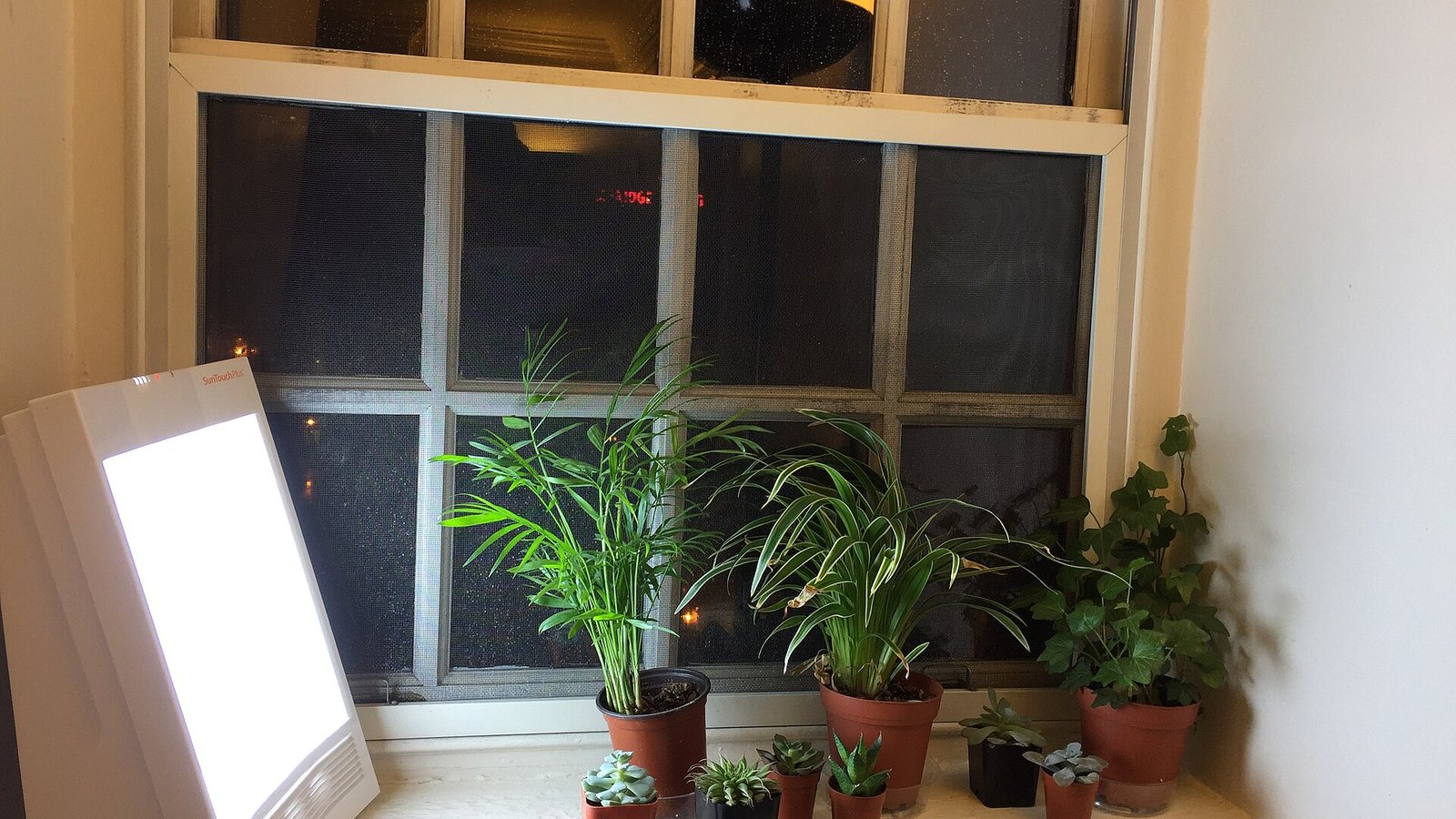
University of Maryland Extension asks for at least 6 hours of direct sun a day, preferably 8 to 12, and Clemson asks for at least 8 hours, in full sun outdoors or a south-facing window indoors. In the Southern Hemisphere read north-facing. Where winter light is too weak, a grow light fills the gap; our grow light guide covers choosing and using one. The RHS notes citrus need plenty of light to keep their leaves through winter, which is also when many flower.
Do lemons need a cool winter to flower?
Yes, a cooler rest helps. University of Maryland Extension keeps day temperatures at 18 to 24 °C (65 to 75 °F) and night at 13 to 18 °C (55 to 65 °F), and notes that cooler temperatures trigger flower development. Clemson also gives 13 to 18 °C (55 to 65 °F) for winter indoors. The RHS gives about 5 °C (42 °F) as the minimum for lemons. Avoid cold draughts, radiator heat and sudden swings, all of which make citrus drop leaves and fruit; see our guide to bringing citrus indoors for winter for the room and dates.
In the Mediterranean and Aegean coastal climates of Türkiye a lemon tree can stay outside in winter, while in inland Anatolia a pot must come in before hard frost. In a temperate climate (the UK, northern Europe, the northern US) every potted lemon is a winter houseguest.
How do you feed a lemon tree so it fruits?
A tree short of nutrients puts out yellow or dropping leaves and no flowers (RHS). Use a citrus feed that is high in nitrogen, such as a 2-1-1 or 3-1-1 ratio, at least three times in the growing season: spring, early summer and late summer (University of Maryland Extension). Clemson suggests a slow-release 12-6-6 or 12-4-6, two to three times in the season. Sources disagree on winter: the RHS gives a balanced feed from November to mid-March, Maryland says none in winter. For a tree resting in a cool room, skip it. Always follow the label, and see our NPK numbers guide if the ratio is unfamiliar.
Do indoor lemons need hand pollination?
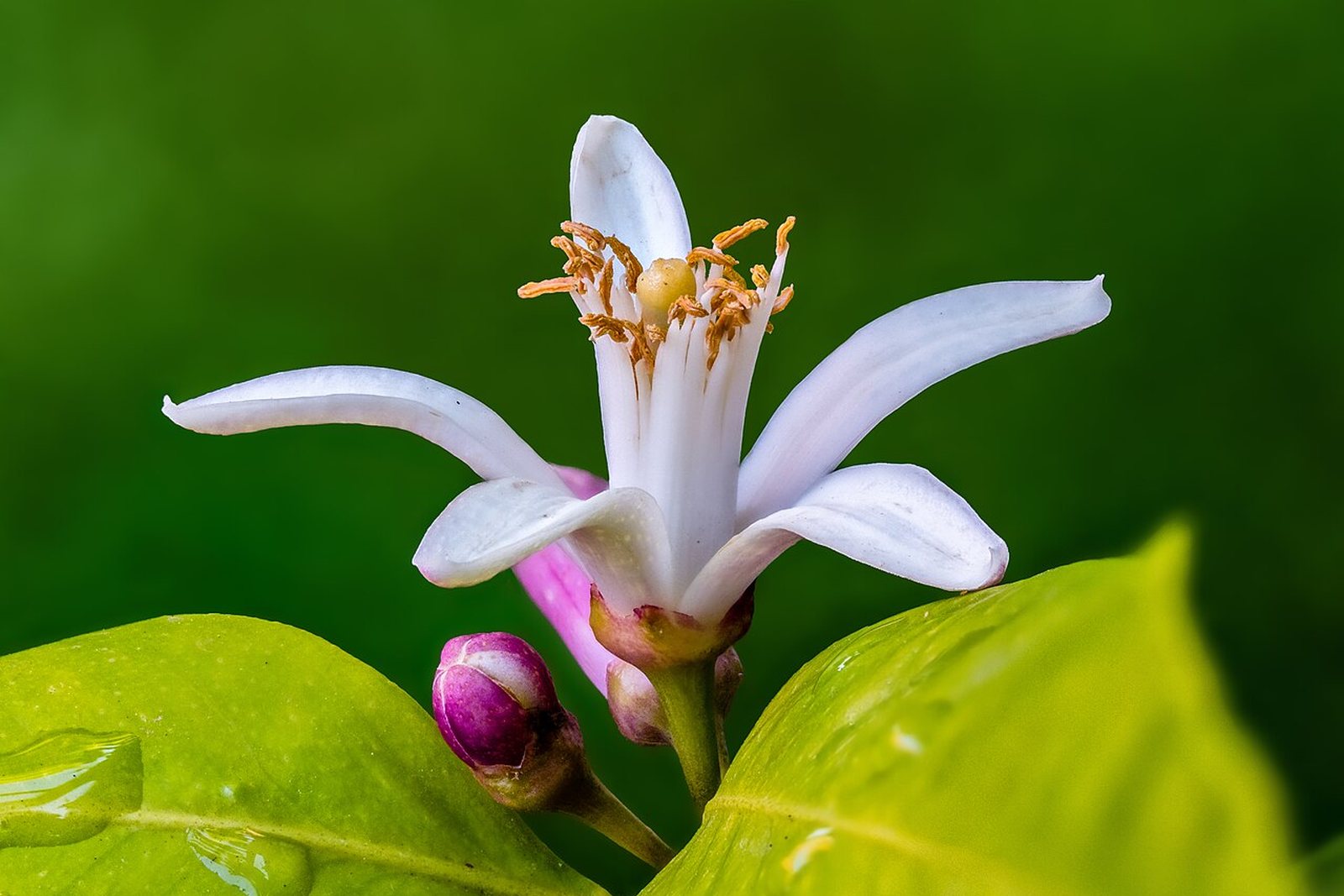
Lemons are self-fertile, so one tree is enough outdoors, where bees do the work. Indoors, a flower can open and drop with nothing to carry the pollen. Use a small dry paintbrush to move pollen from flower to flower, as University of Maryland Extension and the RHS suggest; higher humidity helps too.
Why do the tiny lemons fall off?
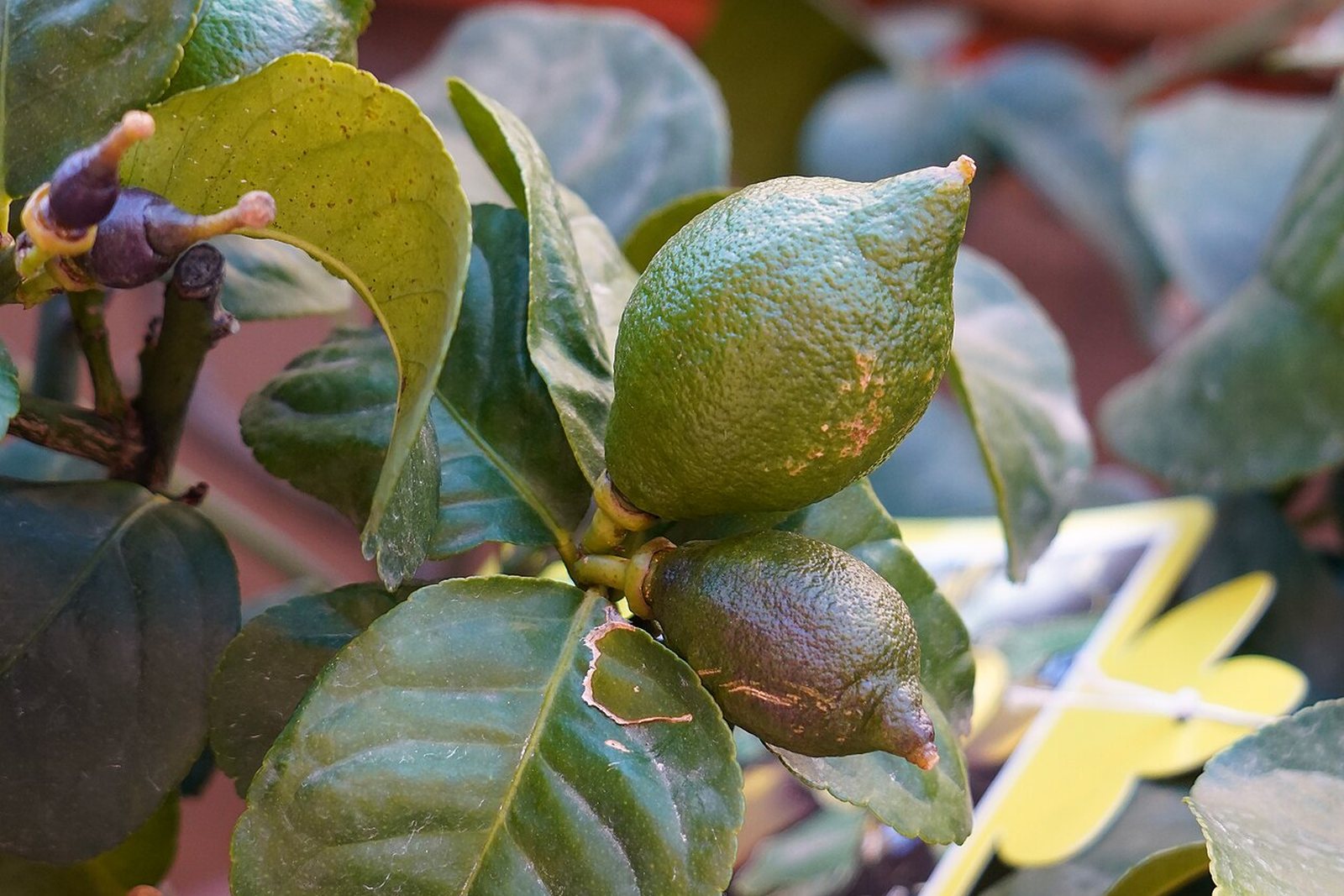
Some fruit drop is normal. Maryland Extension says potted citrus set more fruit than they can support and up to 75% may fall. The RHS suggests a tree about 1 m (3 ft) tall carry no more than 20 fruits at once. Sudden temperature changes make it worse, and so does letting the pot swing between soaked and dry: keep the compost just moist in summer, and on the dry side in winter, when overwatering is the common mistake (RHS). Be patient with ripening: a lemon takes nine to twelve months, so flowers and fruit sit on the tree together (RHS).
A short checklist makes this easy. First check the tree's age and where it came from; then count how many hours of sun reach the pot through the day. Measure the winter room at night with a thermometer and check that it does not sit beside a radiator. Finally review the feeding and watering routine. One of these four usually explains the silence. In Flori you can set feeding and watering reminders for the lemon and describe its leaves and shoots to Dr. Flori to ask about the likely cause.
Is pruning stopping the flowers?
It can. The RHS warns that overpruning removes the new shoots that bear flowers, and UF/IFAS says unnecessary pruning often reduces fruit production, advising removal only of serious disease or freeze damage on mature trees. Trim lightly after harvest, and shorten only the stems that get in the way.
Is a lemon tree safe for pets?
No. The ASPCA lists lemon as toxic to dogs, cats and horses, from essential oils and psoralens, with vomiting, diarrhoea, depression and possible skin irritation. Keep fruit, peel and leaves out of reach and call your vet or ASPCA Animal Poison Control if a pet eats some. For a stricken tree itself see why lemon tree leaves curl.
Frequently asked questions
How long does a lemon tree take to produce fruit?
Clemson gives 1 to 3 years for lemons and limes to leave juvenility. The RHS says ungrafted plants can take up to ten years and seed-grown ones several years.
Does an indoor lemon tree need hand pollination?
Yes, usually. Lemons are self-fertile, but indoors nothing carries the pollen, so move it between flowers with a small dry paintbrush.
Why does my lemon tree flower but drop the fruit?
Some drop is normal; Maryland Extension says up to 75% can fall. Sudden temperature changes, uneven watering and overcropping make it worse.
Can I fertilise a lemon tree in winter?
Sources differ: the RHS gives a balanced winter feed, Maryland Extension says none. For a tree resting in a cool room, skip it, and follow the label.
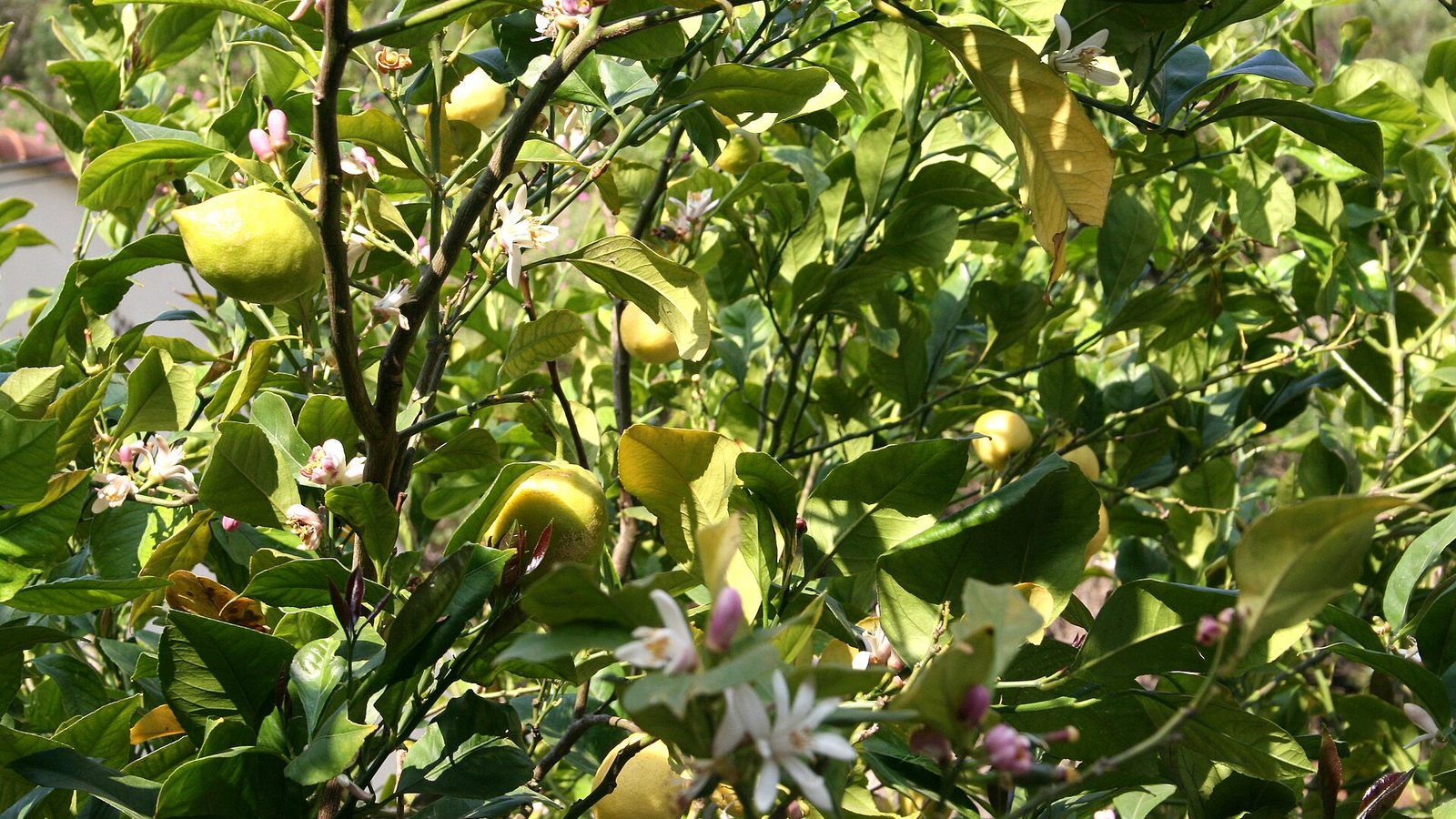
Lemon tree leaves curling or turning yellow? Read the curl and the yellow pattern to tell cold, watering, hunger, leafminer, aphids or mites apart.
Sources
Written and fact-checked by the Flori team. Every guide cites horticultural sources such as the RHS, university extension services and the ASPCA, and is updated when the advice changes. How we write our guides
General plant care information. Plants vary; when a plant is valuable or a problem spreads quickly, consult a local nursery or plant specialist.