Bringing Citrus Trees Indoors for Winter
When to bring a potted lemon or orange tree indoors, how cool and bright to keep it, how little to water and which pests to check before you move it.
 By Flori editorial team · Updated
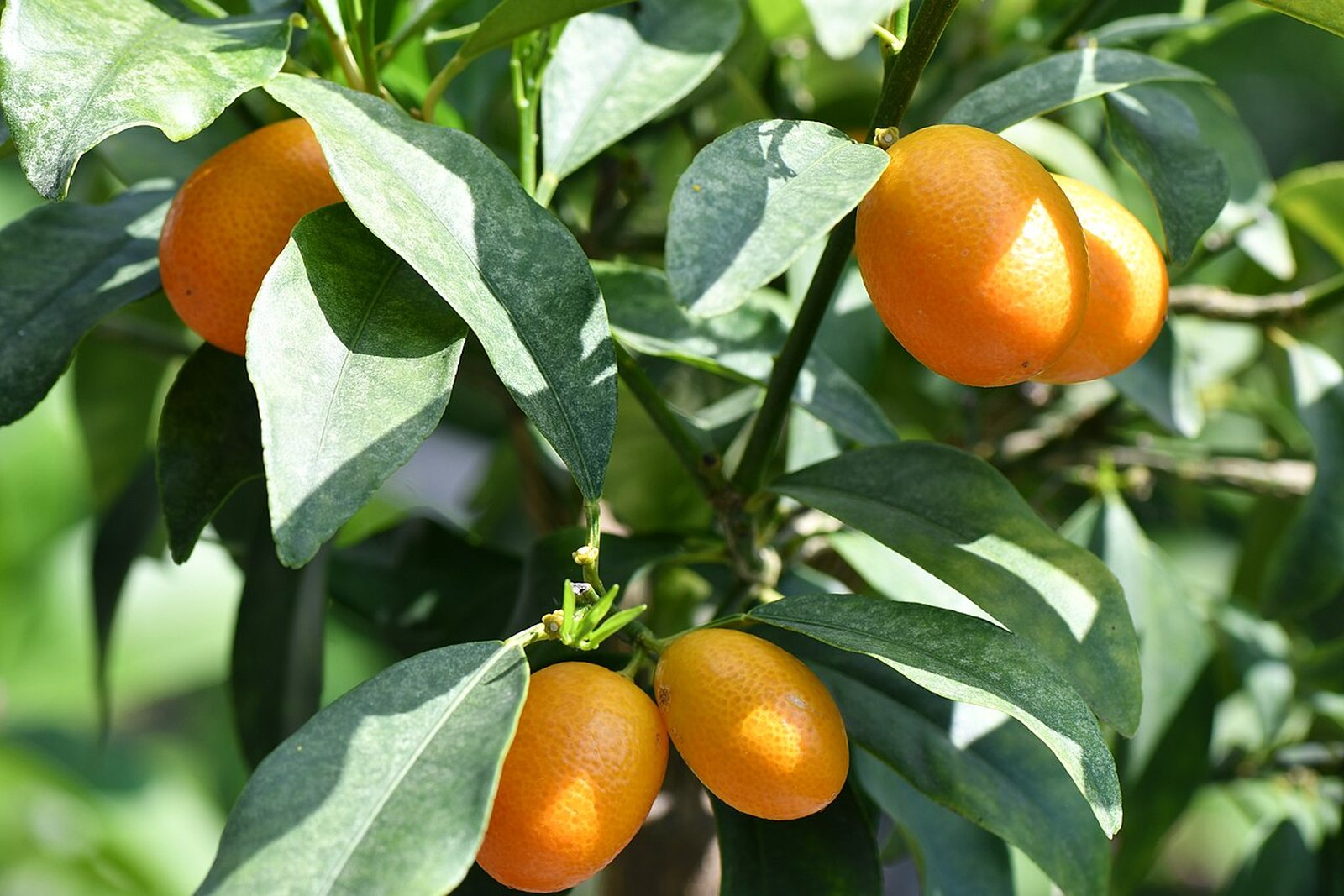
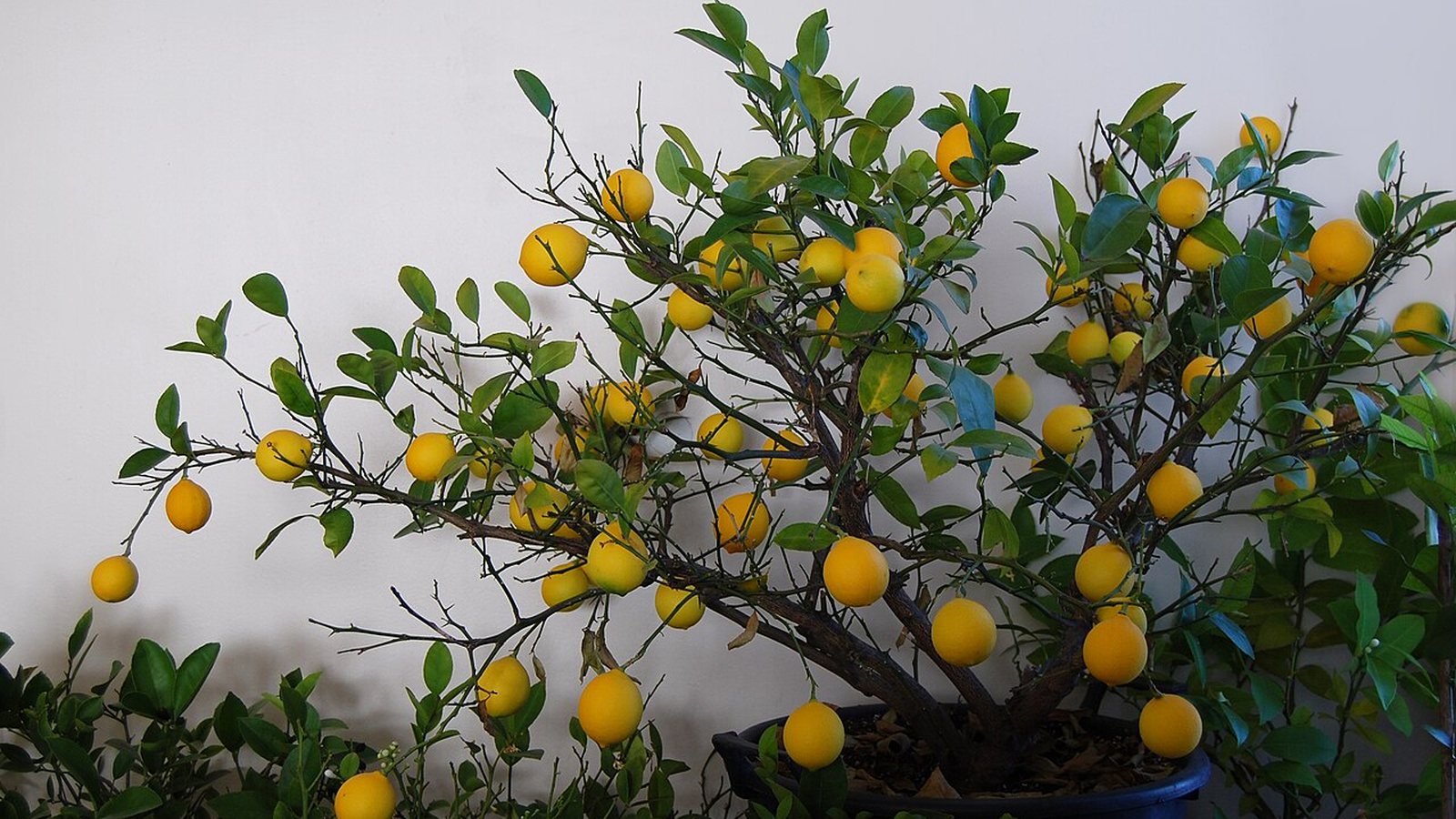 Photo: Milan Suvajac · CC BY-SA 4.0
Bring potted citrus indoors before the first frost, or earlier where nights approach 5 to 10 °C (41 to 50 °F). Give it your brightest window, a cool room of about 13 to 18 °C (55 to 65 °F) at night, water only when the top 5 cm (2 in) is dry, no feeding in winter, and treat pests first.
Key takeaways
- Move citrus in before frost; lemons need at least 5 °C (42 °F) according to the RHS, while limes and grapefruit want more than 10 °C (50 °F).
- Light is the limiting factor indoors: choose the brightest window and add a grow light if days are short.
- Cool and bright beats warm and dark; keep the tree away from radiators and draughty doors.
- Water less, not never: let the top 5 cm (2 in) of compost dry, then water thoroughly and empty the saucer.
- Check leaf undersides for scale, mealybugs and spider mites before the tree comes in, because heated rooms let them spread.
On this page7
When should you bring a citrus tree indoors?
Bring a potted lemon, orange, lime or kumquat indoors before the first frost, and sooner if your nights are heading towards single digits. Citrus is a subtropical group, so the safe date depends on the species and on where you live. The RHS gives these lowest safe winter temperatures: lemons 5 °C (42 °F), kumquats 7 °C (45 °F), limes and grapefruit above 10 °C (50 °F), and calamondin oranges at least 13 °C (55 °F). Clemson Extension warns that temperatures below -4 °C (25 °F), especially for long periods, can cause significant damage, and the University of Maryland Extension says most citrus is damaged below 0 °C (32 °F). In practice, move the pot in once nights start to dip in autumn, not on the night the forecast says frost.
Your climate matters. On the Mediterranean and Aegean coasts of Türkiye, and in similar mild places, a lemon in a pot may stay outside most winters, and you only need to cover it or drag it against a wall during a cold snap. Inland, in central and eastern Anatolia or in a cool temperate climate such as the UK or the northern US, the tree must come in. In the southern hemisphere the same logic applies in your own winter, roughly June to August.
Which spot indoors suits it best?
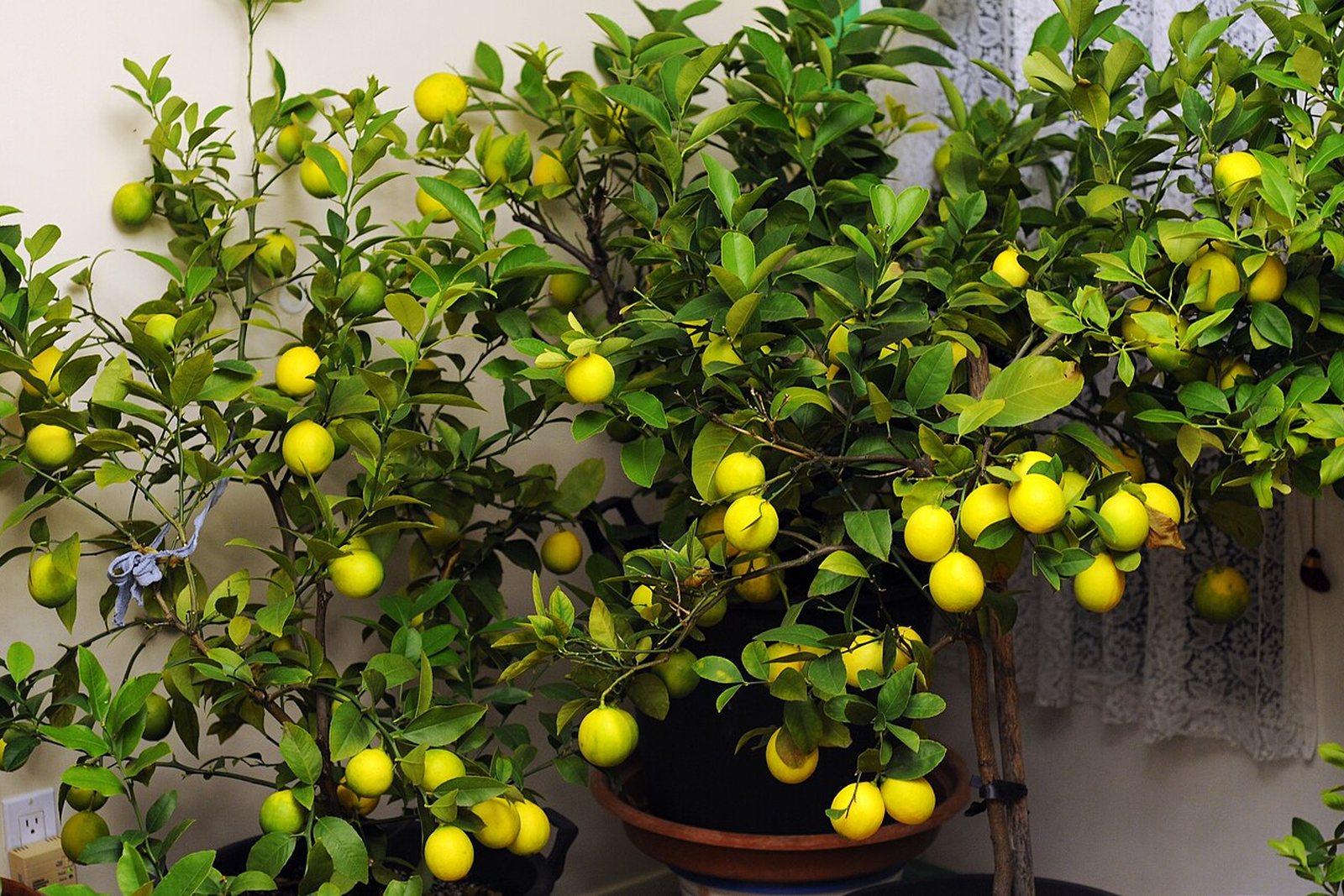
The best winter spot is the brightest, coolest room you have, not the warmest. Citrus keeps its leaves all winter, so it needs plenty of light, and the RHS notes that some types do well in a frost-free greenhouse or a cool conservatory. Clemson Extension recommends a room with southern exposure and says citrus generally needs at least eight hours of sunlight; the University of Maryland Extension suggests at least six hours of direct sun and a fluorescent or LED grow light when the window cannot give it. In the northern hemisphere that means a south-facing window; in the southern hemisphere, a north-facing one. Our guide to grow lights for houseplants explains how to set one up.
For temperature, Clemson gives 13 to 18 °C (55 to 65 °F) indoors, with most citrus tolerating down to about 10 °C (50 °F). The University of Maryland Extension aims for 18 to 24 °C (65 to 75 °F) by day and 13 to 18 °C (55 to 65 °F) at night. Treat the cooler end as the target. Keep the tree away from heating vents, radiators and the door that lets in cold air.
| Question | Aim for |
|---|---|
| When to move in | Before frost, or when nights approach 5 to 10 °C (41 to 50 °F) |
| Light | Brightest window, 6 to 8 or more hours of sun; grow light if needed |
| Night temperature | 13 to 18 °C (55 to 65 °F), never below the species minimum |
| Watering | When the top 5 cm (2 in) is dry; drain fully |
| Feeding | None until active growth restarts in spring (RHS: a winter citrus feed is an alternative) |
| Humidity | Pebble tray or humidifier; about 30 to 60% |
What should you do before the tree comes in?
- Inspect and treat pests first. Check leaf undersides and stems for aphids, scale, mealybugs and spider mites. The University of Maryland Extension advises treating scale before the plant comes inside and suggests spraying aphids and mites with plain water or insecticidal soap, then repeating. Always follow the label.
- Acclimate gradually. A tree moved from full sun outdoors into a dim room will drop leaves. Spend a week or two in partial shade first.
- Check the pot. Make sure the drainage holes are open and that nothing is living in the compost.
- Clean the leaves. Wipe or rinse them so dust does not shade them or hide pests.
Our guides to spider mites, mealybugs and scale insects show what each one looks like and how to treat it with the gentlest option first.
How often should you water citrus in winter?
Water less than in summer, but never let the root ball dry out completely. The RHS says to let the compost surface partly dry, water thoroughly with tepid rainwater, let the excess drain, and "err on the dry side". The University of Maryland Extension suggests pushing a finger 5 cm (2 in) into the compost once or twice a week and watering only if it feels dry. Clemson adds that the root ball should never dry out completely or stay saturated, and the pot should never stand in water.
Leaf drop is the clue. The University of Maryland Extension says leaf drop suggests overwatering, while flower drop suggests the soil is too dry. A cool room and a heavy pot of wet compost are a recipe for root rot, so see the lemon tree leaf guide if leaves curl or yellow after the move.
Does citrus need feeding or humidity indoors?
Feeding mostly stops. The University of Maryland Extension says to fertilize only when the tree is actively growing, from spring to late summer, and not in winter; the RHS suggests a balanced winter citrus feed from November to mid-March if you do feed. Where sources disagree, the safer route is to skip feeding unless the tree is clearly growing, and restart in spring.
Indoor air in winter is often dry. The RHS suggests standing the pot on a tray of gravel or clay pellets with the water level just below the surface so the compost does not sit in water; Clemson suggests a humidifier or a pebble tray and a 30 to 60% humidity range. Misting is a weak substitute. Our winter houseplant care guide covers the wider room setup.
Is citrus safe for pets?
No. The ASPCA lists lemon as toxic to dogs, cats and horses, with essential oils and psoralens as the toxic principles; the fruit flesh is edible but skins and plant material can cause problems. Listed signs are vomiting, diarrhoea, depression and possible dermatitis. Keep the pot out of reach of a chewing pet, and if one has eaten leaves or peel, call your vet. In Türkiye, UZEM (Ulusal Zehir Danışma Merkezi) is 114.
When do you move it back outside?
Move it out in spring after the last frost, hardening it off over about two weeks, starting in partial shade, as the University of Maryland Extension advises. The RHS says you may need to wait until mid-June in cooler places, so watch night temperatures. Prune any broken or dead branches before new growth begins, and restart feeding when growth restarts. If you want reminders for watering, misting and feeding through the winter, Flori's care reminders and the care profile for each plant can keep the schedule, but the thermometer and your finger in the compost decide the rest.
Frequently asked questions
Can a lemon tree stay outside in winter?
Only in mild climates. The RHS gives 5 °C (42 °F) as the lowest safe temperature for lemons, so on the Mediterranean coast it may stay out with frost cover, while in colder regions it must come in.
Why is my citrus dropping leaves after I brought it inside?
Usually the move itself: less light, drier air, a heater nearby or overwatering. Give it your brightest window, keep it cool, check the compost before watering and avoid sudden changes.
Should I fertilize citrus in winter?
Mostly no. The University of Maryland Extension says to feed only in active growth, spring to late summer. The RHS mentions a balanced winter citrus feed, so skip it unless the tree is clearly growing.
Is citrus toxic to cats and dogs?
Yes. The ASPCA lists lemon as toxic to dogs and cats. Skins and plant material can cause vomiting, diarrhoea and dermatitis, so keep it out of reach and call your vet if a pet eats it.
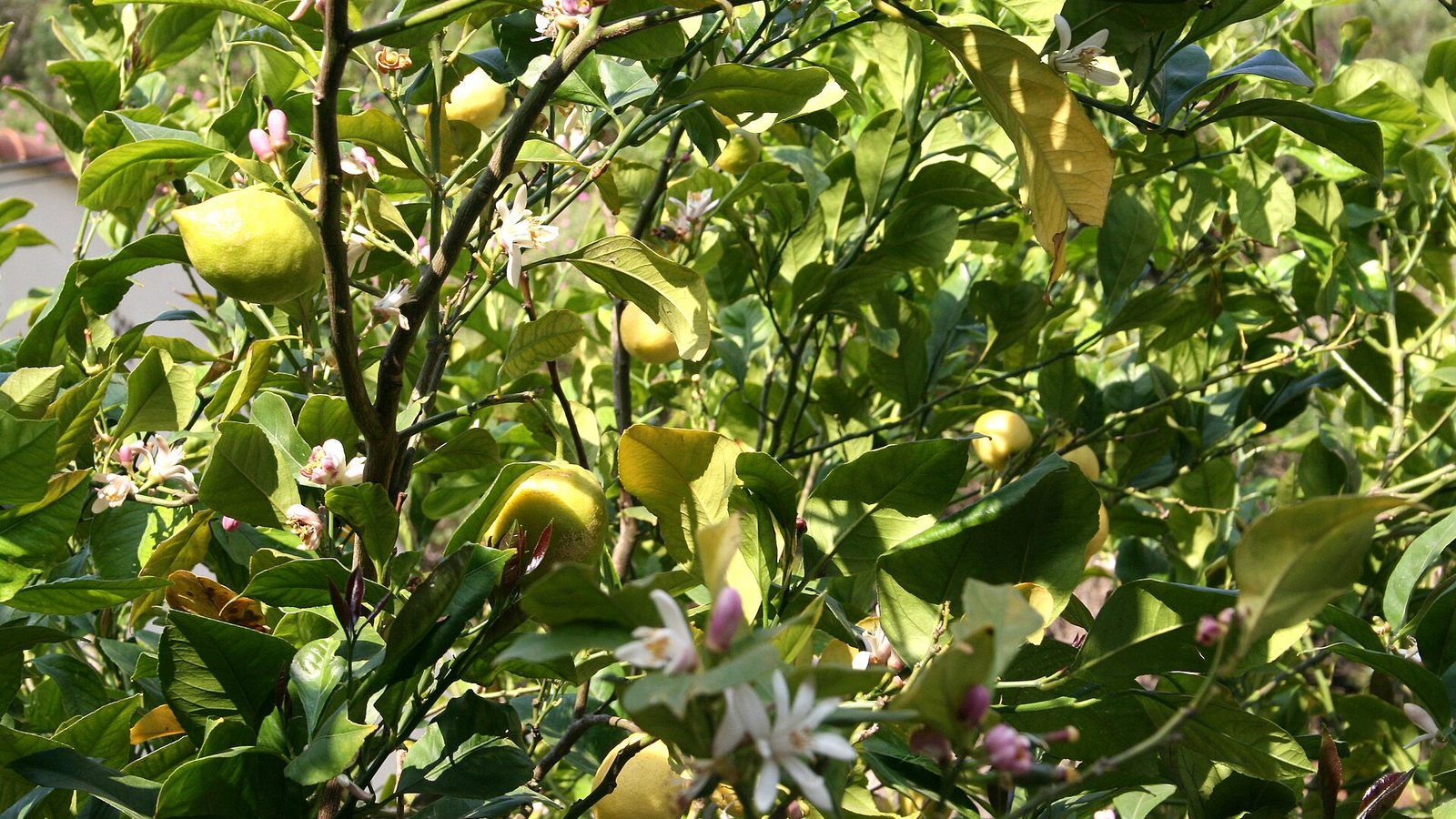
Lemon tree leaves curling or turning yellow? Read the curl and the yellow pattern to tell cold, watering, hunger, leafminer, aphids or mites apart.
Sources
Written and fact-checked by the Flori team. Every guide cites horticultural sources such as the RHS, university extension services and the ASPCA, and is updated when the advice changes. How we write our guides
General plant care information. Plants vary; when a plant is valuable or a problem spreads quickly, consult a local nursery or plant specialist.