Lemon Tree Leaves Curling or Yellow: Causes and Fixes
Lemon tree leaves curling or turning yellow? Read the curl and the yellow pattern to tell cold, watering, hunger, leafminer, aphids or mites apart.
 By Flori editorial team · Updated
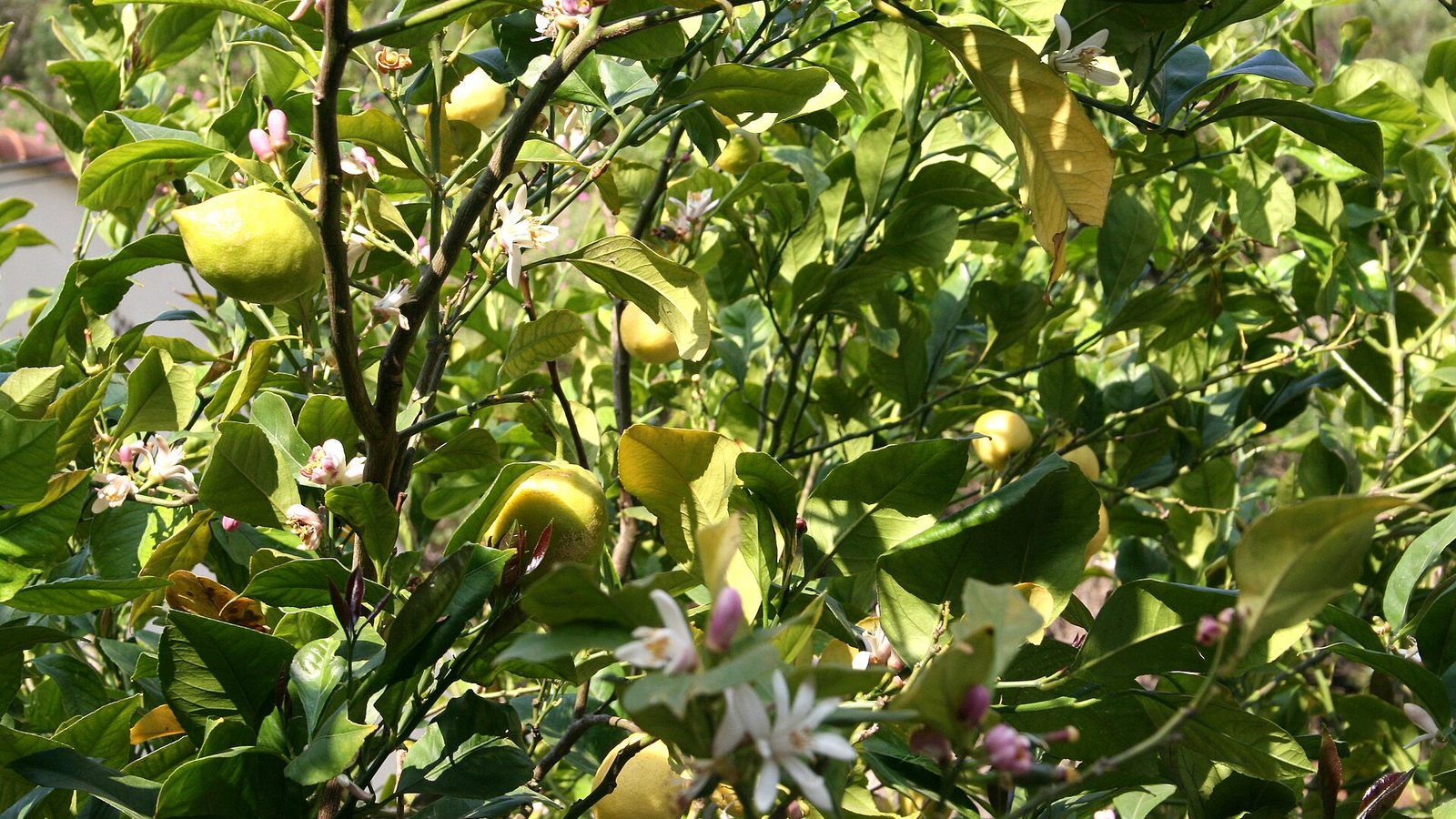 Photo: Jean-Pol GRANDMONT · CC BY 3.0
Curled new leaves on a lemon tree usually mean sap-feeding pests such as aphids or citrus leafminer. Yellow leaves with leaf drop usually mean wet or dry roots, a cold draught or hunger. Check roots and drainage, keep winter nights above 10 °C (50 °F), inspect leaf undersides and feed in the growing season.
Key takeaways
- Curling that appears on new growth points to pests; yellowing across the whole tree points to roots, cold or feeding.
- Lemons need winter nights of at least 10 °C (50 °F) and a cool, fairly dry rest, not a hot, wet one.
- Wet roots and dry roots both cause yellow leaves, so push a finger into the compost before you water.
- Citrus leafminer curls young leaves but rarely harms a tree over about four years old; leave the damaged leaves on.
- Yellowing of the same pattern on both halves of a leaf suggests a nutrient problem; blotchy, one-sided yellowing needs expert advice.
On this page7
Why are my lemon tree leaves curling or turning yellow?
Lemon tree leaves curl for two main reasons: sap-feeding pests that damage new growth, and stress at the roots or in the air around the tree. They turn yellow for a wider list of reasons: wet or dry roots, cold, draughts, hunger and, less often, disease. The trick is to read the symptom instead of guessing. Look at where the problem is (new growth or old), how the yellow is laid out on the leaf, and what the compost and the room are like. This guide sorts the causes for a potted lemon tree indoors or on a patio, in the order to check them. For the general leaf-curl guide, see why plant leaves curl.
Symptom, likely cause and first step
| What you see | Likely cause | First step |
|---|---|---|
| Young leaves curled, twisted, with silvery winding tunnels | Citrus leafminer | Leave the leaves on; check the tree is otherwise healthy |
| New leaves cupped, sticky leaves, small insects at shoot tips | Aphids | Check shoot tips and leaf undersides; rinse off |
| Fine pale stippling, silvery leaves, webbing | Spider mites | Shake a branch over white paper; spray undersides with water |
| Yellow leaves and leaf drop, soggy compost | Overwatering, root rot | Check roots and drainage; water less |
| Yellow leaves and leaf drop after a cold night or a draught | Cold stress | Move away from glass and doors; keep above 10 °C (50 °F) |
| Overall pale leaves, slow growth | Hunger (nitrogen) | Use a citrus feed in the growing season |
| Yellow between veins on young leaves | Iron or zinc shortage | Use a feed with trace elements; check the compost |
Is it pests: leafminer, aphids or mites?
Curling that shows up on new growth is the signature of pests. UC IPM says citrus leafminer larvae tunnel just under the leaf surface, leaving winding shallow mines with a thin dark line of waste; infested shoots curl and look distorted, and the leaf edges roll over the pupa. Only tender young leaves support larvae. On trees older than about four years the damage is usually tolerated, and UC IPM advises leaving it alone and not pruning damaged leaves, because the undamaged parts still feed the tree. It also advises avoiding broad-spectrum insecticides, which kill natural enemies, and avoiding nitrogen feed in summer and autumn, when new flushes are most likely to be damaged.
Clemson Extension lists the other suspects. Aphids cause cupping, curling and twisting on new growth, plus honeydew that leads to sooty mould. Spider mites cause fine stippling that makes leaves pale, grey or silvery, with webbing at the tips. Mealybugs show as white fluffy masses at shoot forks and on stems. Clemson calls spider mites and mealybugs the most troublesome pests of container citrus that spends winter indoors. Scale looks like reddish-brown bumps on stems. For the gentlest first steps, spray undersides with water, then use horticultural oil or insecticidal soap, only when the tree is not in bloom, and follow the label. Our guide to spider mites has the step-by-step plan.
Is the tree too wet, too dry or too cold?
The RHS says roots that are too wet or too dry can both cause yellow leaves, and that draughts and low temperatures can too. Overwatering, particularly in winter, can cause yellowing and leaf fall; the RHS advises tipping the plant out of its pot, cutting away rotten roots along with some compost and repotting into a smaller container. Do not move a lemon into a pot much larger than its root ball. Our guide to root rot rescue shows how to inspect roots.
Temperature matters more than many people expect. The RHS gives a minimum winter night temperature of 10 °C (50 °F) for lemons and says citrus need a cool winter rest; both too low and too high a temperature in winter can cause leaf drop, and wide swings should be avoided. A lemon parked beside a radiator or on a freezing windowsill will complain. See how cold is too cold for houseplants for the general rules.
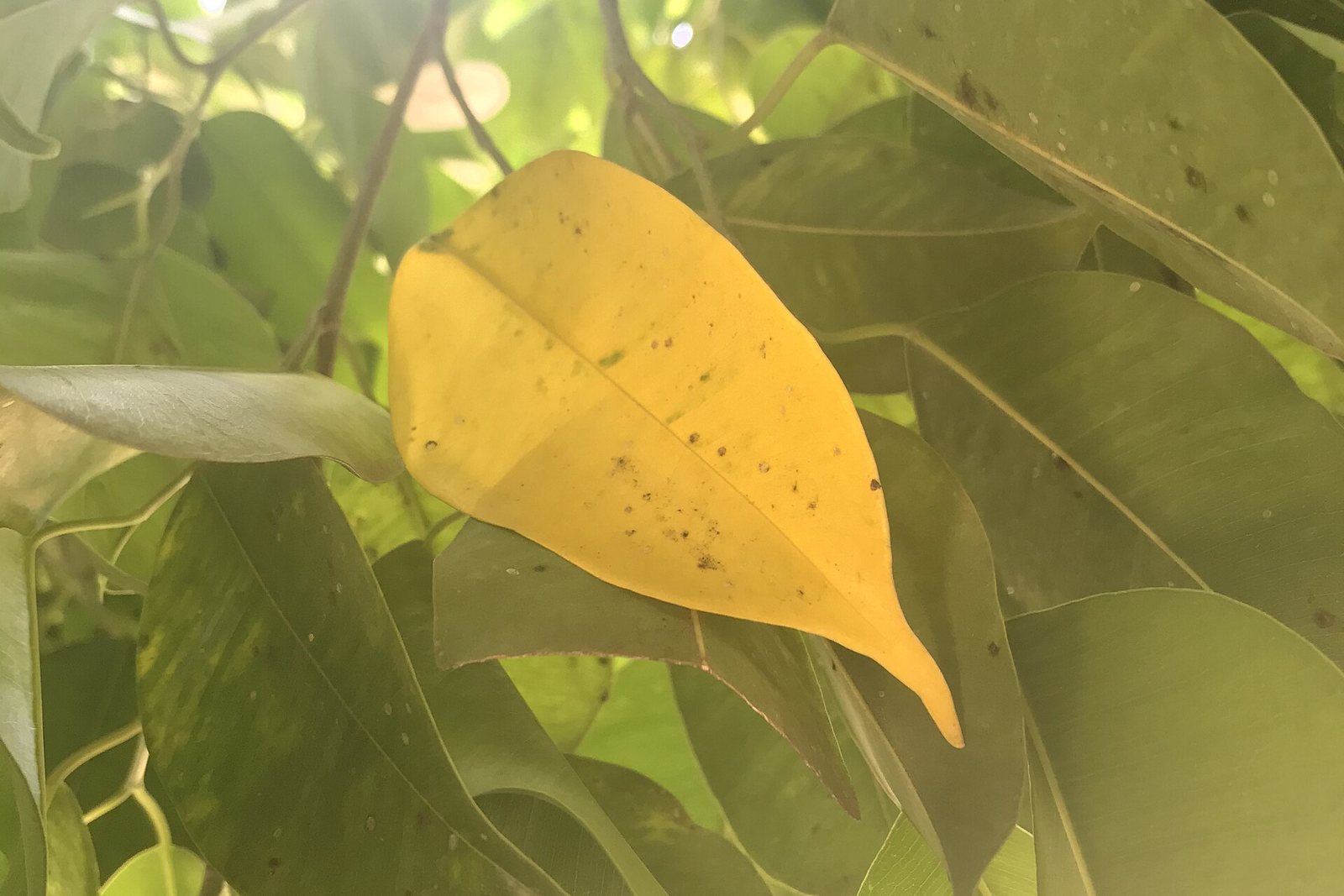
Does the yellow pattern tell you the cause?
Yes, the pattern helps. UC IPM describes how nutrient shortages look. Nitrogen deficiency makes foliage pale all over. Iron deficiency gives net-like yellowing between small dark green veins, mainly on young leaves. Zinc deficiency gives extensive yellowing between veins with smaller leaves on shortened shoots. Magnesium deficiency starts at the tips and margins and moves inward, leaving a V-shaped green patch near the base. Salt build-up from tap water or fertilizer can cause yellowing, bronzing or browning.
One pattern needs more caution. UC IPM says citrus greening (huanglongbing) shows mottling and yellowing that crosses the veins, often only in one section of the tree, and that psyllids spread it. If you live where citrus greening occurs and the yellowing is blotchy and lopsided, contact your local extension office or agricultural authority rather than guessing. Elsewhere, it is far less likely than watering and feeding problems.
How should you feed a lemon tree?
Hunger is common in a pot because the compost runs out of nutrients. The RHS recommends a high-nitrogen liquid citrus feed from early spring to mid-summer, then a balanced feed from mid-summer to late autumn or early winter. Avoid feeding in deep winter, when growth is slow. Follow the label on the product; too much fertilizer can burn roots and attract pests, as Clemson warns. Our fertilizing guide covers the basics. In the southern hemisphere, count seasons the other way round: early spring is September, and the cool rest is June to August.
A step-by-step fix for a curling, yellowing lemon
- Check the compost. Push a finger 2-3 cm (1 in) deep. Water only when the top is dry, and empty the saucer.
- Check the roots if the leaves are dropping and the compost is wet: brown, mushy roots mean rot.
- Check the position. Bright light, a stable temperature, no draughts, no radiator beside it.
- Inspect new growth and leaf undersides with a 10x lens; shake a branch over white paper.
- Treat gently and in order. Water spray first, oil or soap only if needed and not in bloom.
- Feed on schedule and give it a few weeks. New growth is the test; old yellow leaves will not turn green again.
Lemon trees are toxic to cats and dogs according to the ASPCA (essential oils and psoralens; vomiting, diarrhea, depression, possible dermatitis), so keep pets away from leaves and prunings. Flori's care profile lists a plant's light, watering and temperature needs, and its Dr. Flori chat can work from a photo of your curling leaves.
Frequently asked questions
Why are my lemon tree's new leaves curling?
Curling on new growth usually means citrus leafminer, aphids or mites. Look for winding tunnels, sticky leaves or fine stippling and check the undersides with a lens.
Should I remove curled leaves from a lemon tree?
Usually not. UC IPM advises leaving leafminer-damaged leaves on a mature tree, since the undamaged parts still make food for it.
How cold can a lemon tree go indoors?
The RHS gives a minimum winter night temperature of 10 °C (50 °F) for lemons, with a cool, not hot, winter rest.
Will yellow leaves on my lemon tree turn green again?
Leaves that have lost their colour rarely recover fully. Judge progress by new growth, which should come in green once watering, light and feeding are right.
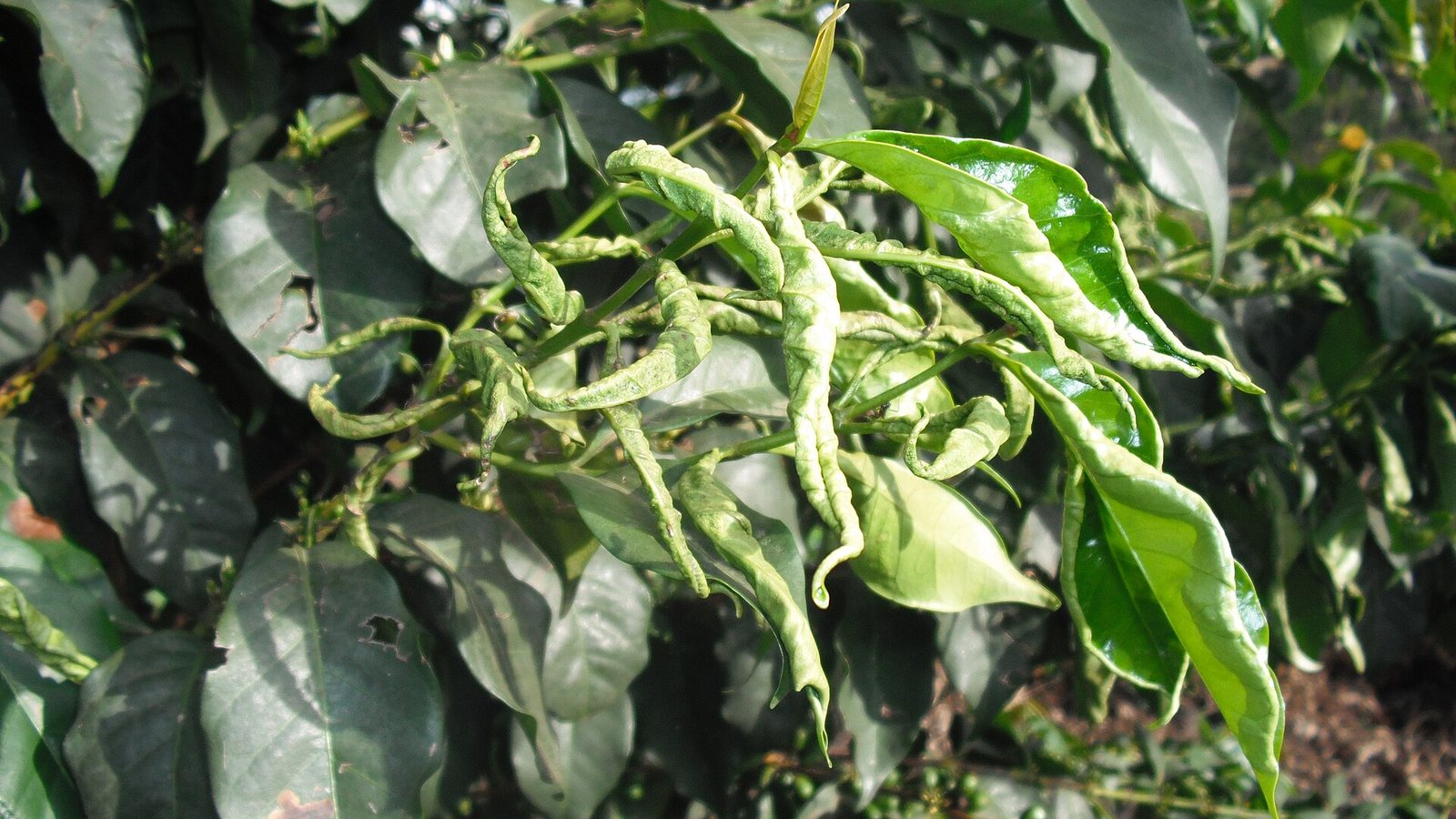
Leaves curl from too much light, heat, dry soil, dry air, soggy roots or pests. Read which leaves curl and which way, then use the table to fix it.
Sources
Written and fact-checked by the Flori team. Every guide cites horticultural sources such as the RHS, university extension services and the ASPCA, and is updated when the advice changes. How we write our guides
General plant care information. Plants vary; when a plant is valuable or a problem spreads quickly, consult a local nursery or plant specialist.