My Cat Ate a Plant: What to Do Right Now
Cat ate a plant? Remove it, photograph it and call your vet or poison line now; do not wait for signs. Which plants are emergencies?
 By Flori editorial team · Updated
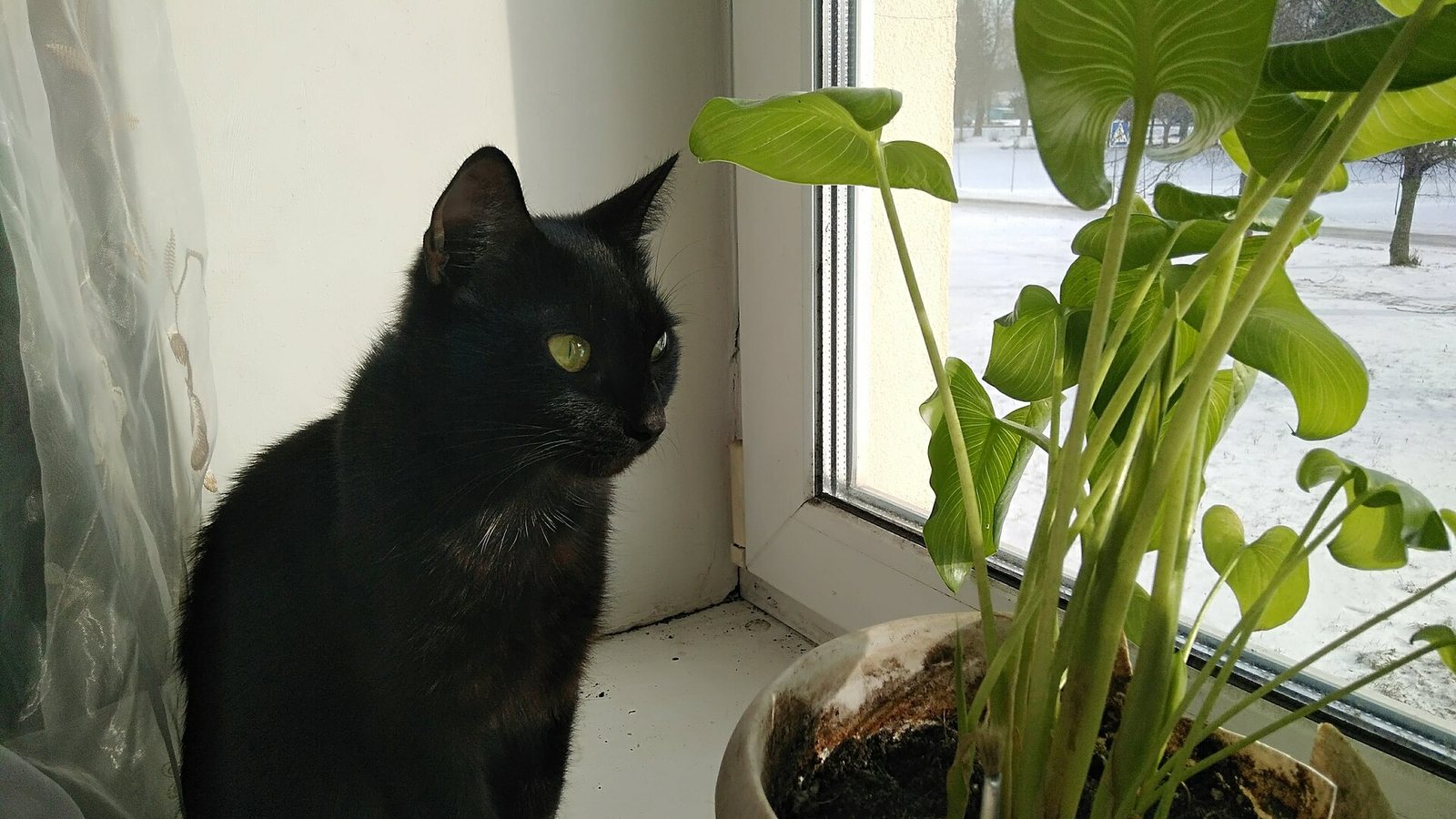
 Photo: Loadmaster (David R. Tribble) This image was made by Loadmaster (David R. Tribble) . Email the author: David R. Tribble · CC BY-SA 3.0
If your cat ate a plant, take the cat away from it, remove any plant from its mouth, and call your vet or an animal poison line immediately, even if the cat seems fine. Keep a piece or photo of the plant. Do not induce vomiting or give home remedies. Lilies and sago palm are emergencies.
Key takeaways
- Call your vet or poison line straight away, even if your cat seems fine; some poisons act late.
- Keep a piece or a photo of the plant and the pot label for the vet.
- Do not make your cat vomit or give milk, salt or oil unless a vet tells you to.
- Lilies (Lilium) and sago palm are emergencies: call at once without waiting for signs.
- Save your vet's and an emergency clinic's number in your phone before it happens.
On this page8
What should you do right now if your cat ate a plant?
Do these five things in this order. The advice comes from the ASPCA, which runs a 24-hour animal poison line, and it is the same whether you know the plant or not.
- Take your cat away from the plant and check every other pet in the house. If your cat is unconscious, having trouble breathing, bleeding or having a seizure, go straight to a vet clinic.
- Gently remove any plant left in the mouth and keep a piece, or a photo, of the plant and its pot label.
- Call your vet or an animal poison line now. In the US the ASPCA Animal Poison Control Center is on (888) 426-4435, open 24 hours a day, every day, and a consultation fee may apply. Elsewhere, call your own vet or the nearest emergency animal clinic.
- Do not wait to see whether signs appear. The ASPCA says to call even if your pet seems normal, because some poisons have delayed effects.
- Do not try home remedies. Do not make your cat vomit or give food, milk or oil unless a vet or poison line tells you to. The ASPCA warns that rash decisions based on internet advice can make things worse.
The rest of this guide helps you work out how urgent your case is. It does not replace a phone call. If you are unsure, call.
How urgent is it? A quick table
| What your cat ate | Why it matters (ASPCA) | What to do |
|---|---|---|
| Any true lily (Lilium species, such as Easter or tiger lily) | Listed as toxic to cats; the ASPCA names kidney failure as the clinical sign | Emergency: call a vet at once, do not wait for signs |
| Sago palm (also called cycad) | Toxic to cats; signs listed include vomiting, black tarry stools, bloody diarrhoea, bruising and liver failure | Emergency: call a vet at once |
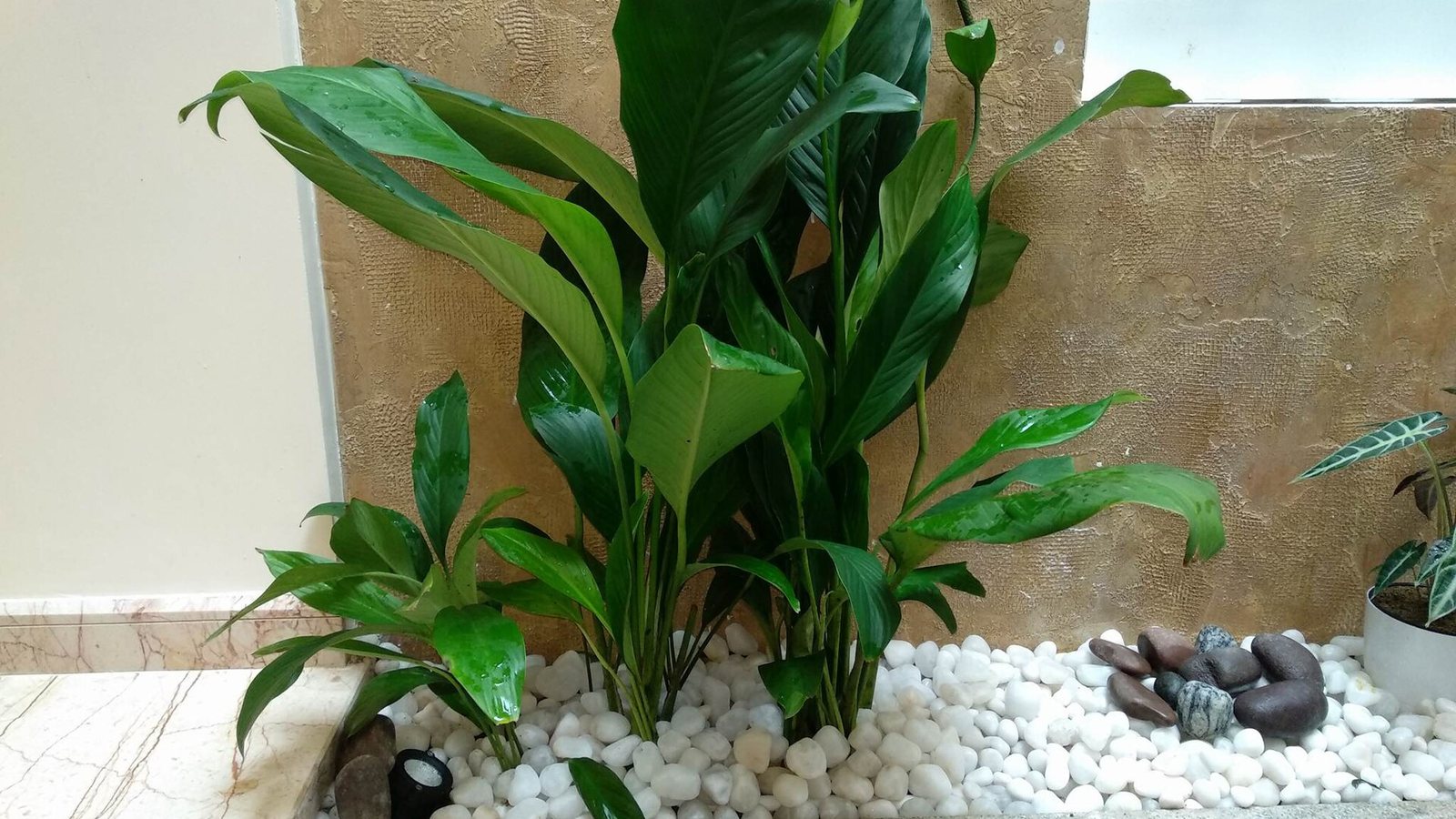
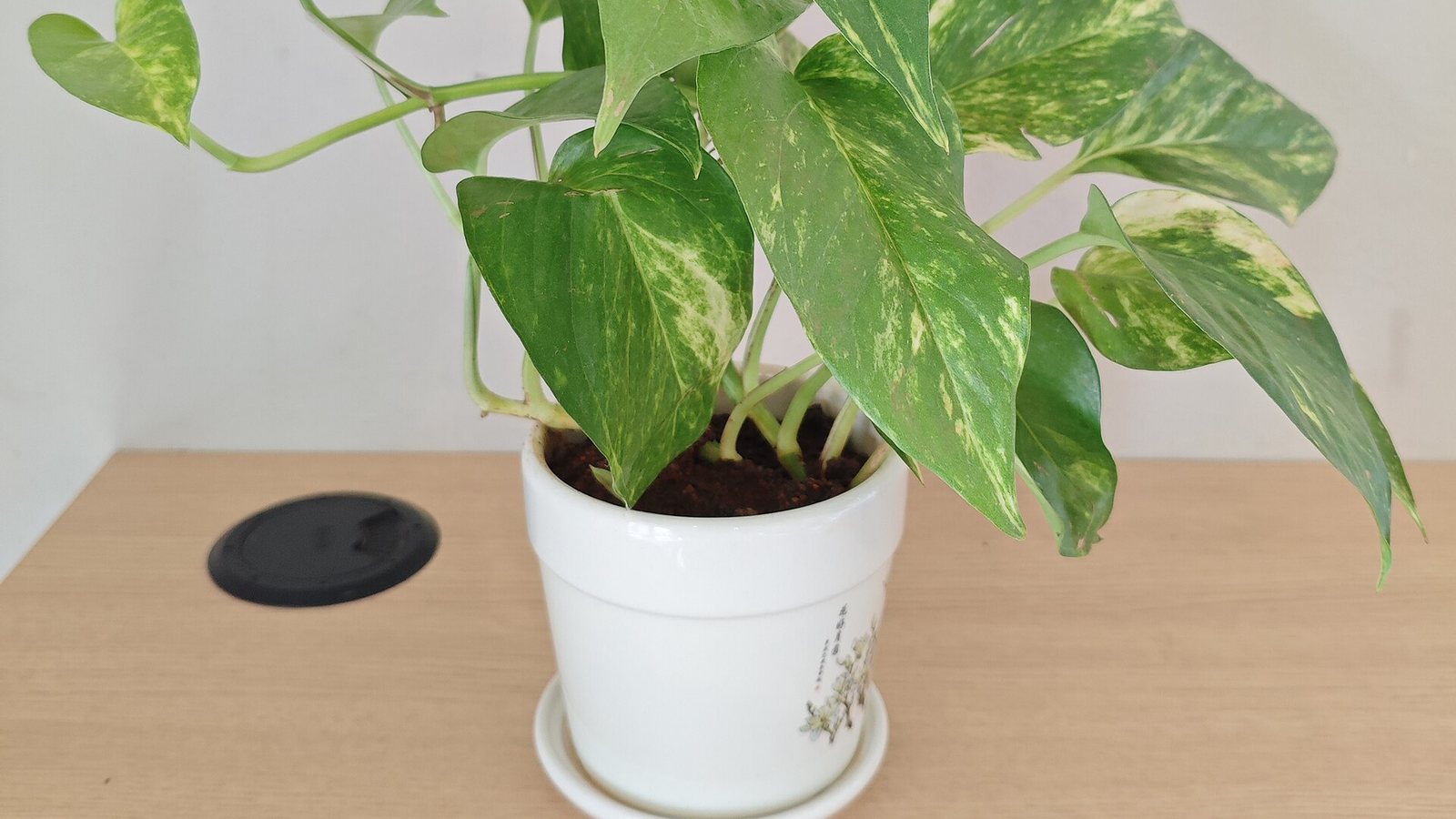
| Pothos, and others like peace lily, philodendron or dieffenbachia | Pothos contains insoluble calcium oxalates: burning mouth, drooling, vomiting, trouble swallowing | Call your vet or poison line the same hour |
| A plant you cannot name | You cannot judge the risk | Photograph it, then call |
| Something from the ASPCA non-toxic list | The list says non-toxic; it does not say a big meal is harmless | If your cat seems unwell, call a vet anyway |
Two points sit behind the table. The first is that "lily" is a confusing word. The ASPCA toxic list has many plants with lily in the name (peace lily, calla lily, day lily and others), and each has its own entry. The page on true lilies (Lilium) names kidney failure; treat any lily as an emergency until a vet says otherwise. The second is that the ASPCA gives no dose for any of these plants, so there is no safe amount to count on.
What signs should you watch for?
The ASPCA plant pages for the plants above name the same family of signs: drooling, vomiting, a burning mouth, difficulty swallowing and diarrhoea. More serious ones, such as black or bloody stools, yellowing of the gums or skin, or bruising, point to liver trouble and need a vet. The ASPCA also lists not eating and lethargy among the signs to report, so a quiet cat that stops eating is worth a call. Remember that a cat that looks well is not necessarily well: poisoning by some plants shows late.
Seizures, collapse, trouble breathing or bleeding are emergencies in any case. Take the plant and the pot label with you.
How do you find out which plant it was?
The ASPCA team will ask what your cat ate and how much, so identification is worth a minute. Look at the pot label first, then the leaves your cat chewed. If you do not know the plant, photograph the leaves, stem and any flowers. Flori can identify a plant from a photo and its care profile for each plant includes toxicity, which gives you a name and a starting point to tell the vet. Always confirm with the ASPCA plant list or your vet, because an app is a helper, not a vet.
What will the vet or poison line ask you?
Have these ready, as the ASPCA describes: your cat's breed, age, weight and health history; the name of the plant (or the photo); how much you think was eaten and when; and any signs so far, plus anything you have already tried. If your cat vomited, check the vomit for plant pieces. After the call you will get a case number and a call-back number, which you give to the clinic if you go in.
What should you take to the clinic?
- The plant: a leaf or stem in a bag, or at least clear photos of leaves, stem and flowers.
- The pot label or the plant's name, if you know it.
- The case number and call-back number, if you spoke to a poison line first.
- A note of the time your cat ate the plant, when signs began and any vomit (or a photo of it).
- Your cat in a secure carrier, with the other pets left at home.
Time matters more than perfect information. If you cannot find the plant, go anyway and describe it.
What should you not do?
- Do not induce vomiting or give salt, milk, oil or charcoal by yourself.
- Do not wait overnight to see what happens.
- Do not throw the plant away before you have photographed it and noted its name.
- Do not rely on "cats know better". The ASPCA toxic list is long and includes many common houseplants, so assume nothing about a plant until you have checked it.
How do you stop it happening again?
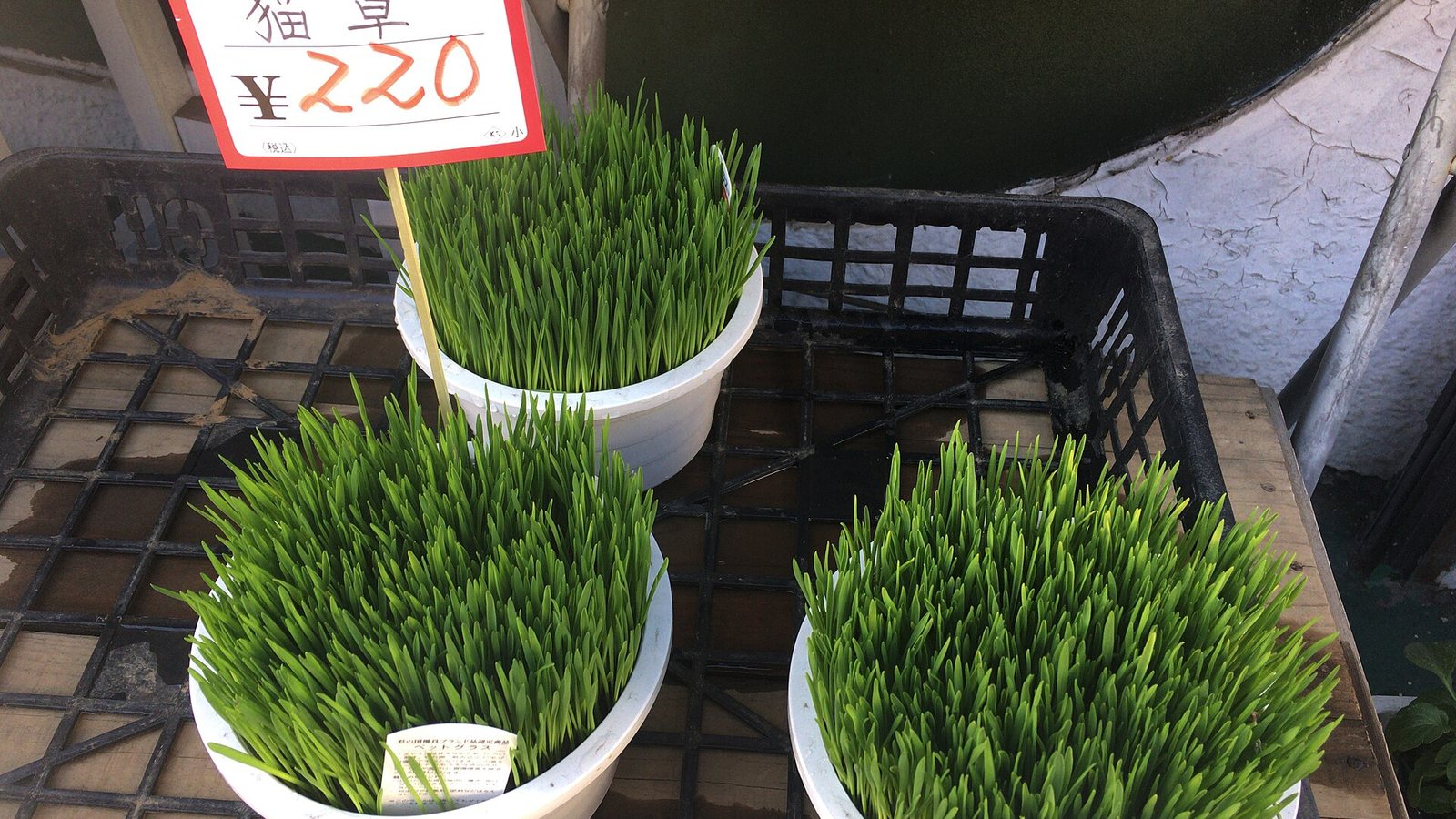
Check any new plant before you bring it home with our guide to checking plant toxicity before you buy. Our list of houseplants toxic to cats shows the common offenders, and pet-safe houseplants and plants safe for cats to chew give you alternatives. Give your cat something it is allowed to chew, keep toxic plants in a room it cannot enter or on a high shelf it cannot reach, and never keep cut lilies in a home with a cat. Finally, save your vet's number and the nearest emergency clinic in your phone now, because, as the ASPCA says, it is hard to think clearly in the middle of the night.
Frequently asked questions
Do I have to induce vomiting if my cat ate a plant?
No. Do not try unless a vet or poison line tells you to. The ASPCA warns that rash decisions based on internet advice can make things worse.
My cat seems fine after eating a plant. Do I still need to call?
Yes. The ASPCA advises calling even when a pet looks normal, because some poisons have delayed effects. Calling costs a short phone call; waiting can cost your cat its health.
Which plants are the most dangerous for cats?
True lilies (Lilium) and sago palm are the emergencies on the ASPCA pages: lilies can cause kidney failure and sago palm can cause liver failure. Call at once if your cat chewed either.
Is there a poison line for cats outside the United States?
Call your own vet or the nearest emergency animal clinic. The ASPCA line (888) 426-4435 is US-based and a consultation fee may apply. In Turkey, 114 UZEM is a human poison line, so call your vet for your cat.
15 common houseplants toxic to cats per the ASPCA, grouped by what they do: kidney and liver emergencies, mouth irritants, stomach upsets. What to do next.
Sources
Written and fact-checked by the Flori team. Every guide cites horticultural sources such as the RHS, university extension services and the ASPCA, and is updated when the advice changes. How we write our guides
General plant care information. Plants vary; when a plant is valuable or a problem spreads quickly, consult a local nursery or plant specialist.