Plants Safe for Cats to Chew: Greens Cats Can Nibble
Which herbs and houseplants cats can nibble: basil, thyme, rosemary and spider plant are non-toxic, catnip and mint are not. Light and ASPCA notes.
 By Flori editorial team · Updated
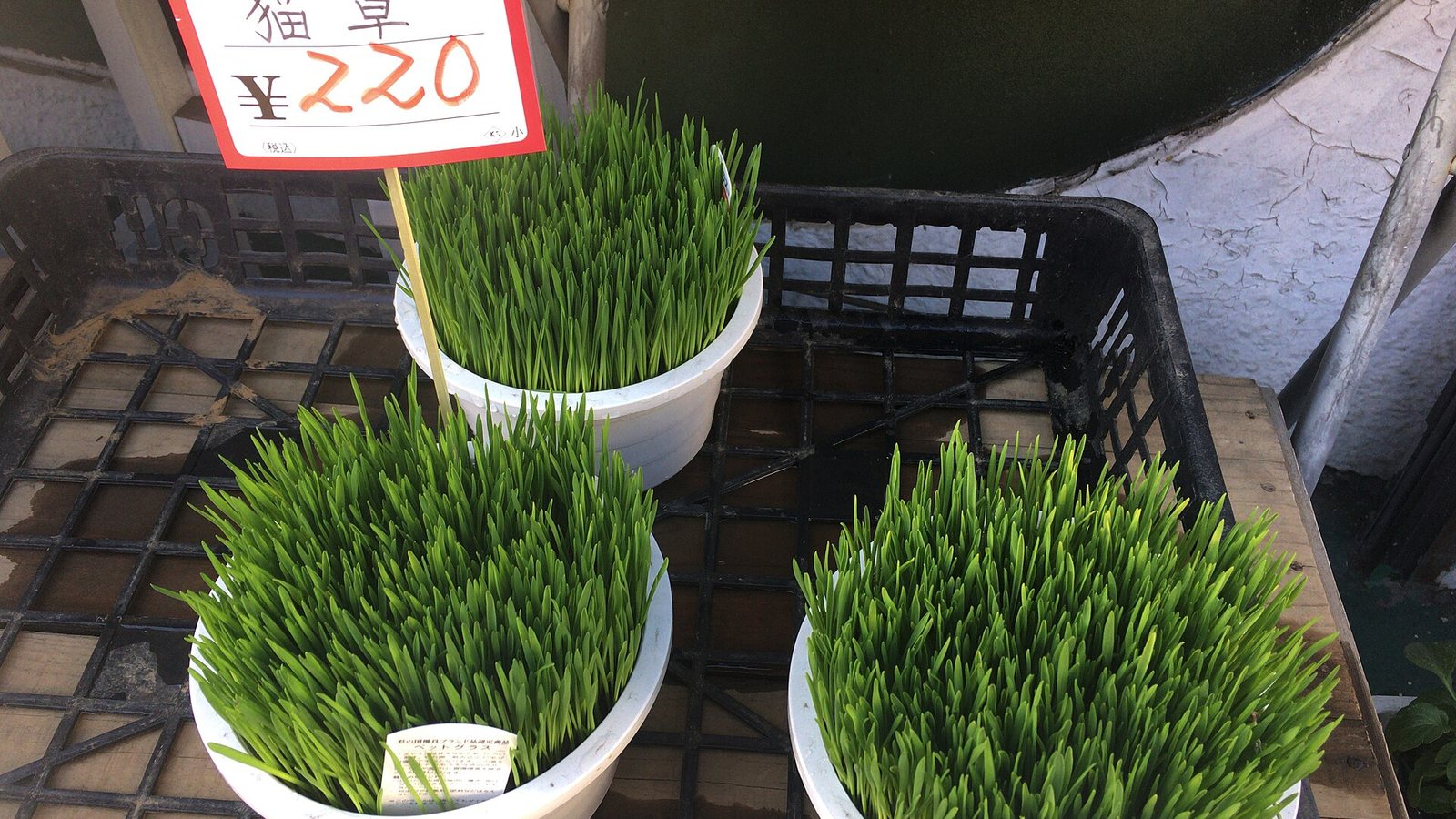 Photo: Nesnad · CC BY 4.0
Cats can safely nibble basil, thyme, rosemary, sage, dill, cilantro, lemon balm, spider plant, Boston fern and calathea, which the ASPCA lists as non-toxic. Mint, parsley, chives and even catnip are on its toxic list. Non-toxic still means a few leaves, not a salad.
Key takeaways
- The ASPCA lists basil, thyme, rosemary, sage, dill, cilantro and lemon balm as non-toxic to cats.
- Mint, parsley, chives, garlic, onion, lemongrass and catnip are listed as toxic to cats, mostly causing vomiting and diarrhea.
- Spider plant, Boston fern and calathea are non-toxic houseplants that tolerate nibbling and suit shadier spots.
- Sun-loving herbs such as rosemary and thyme need about 6 hours of direct sun; basil, lemon balm and cilantro cope with less.
- Even non-toxic plants can cause vomiting if a cat eats a lot, so give a dedicated pot, not a whole garden.
On this page8
- Which plants are safe for cats to chew?
- Which herbs can cats nibble, and what light do they need?
- Which windowsill herbs are not safe for cats?
- What about cat grass?
- Which houseplants can cats chew without harm?
- Does non-toxic mean a cat can eat as much as it likes?
- Which cat-safe plant for which spot?
- How do you set up a safe chewing corner?
Which plants are safe for cats to chew?
The safest plants for cats to chew are the ones the ASPCA lists as non-toxic to cats, and that list is shorter and stranger than most people expect. Basil, thyme, rosemary, sage, dill, cilantro and lemon balm are all listed as non-toxic to cats. Mint, parsley and chives, which sit on the same kitchen windowsill, are listed as toxic, and so is catnip itself. This guide is about nibbling: a pot a cat is allowed to chew. For a broad list of cat-safe and dog-safe houseplants see pet-safe houseplants for cats and dogs, and for the dangerous ones houseplants toxic to cats.
Which herbs can cats nibble, and what light do they need?
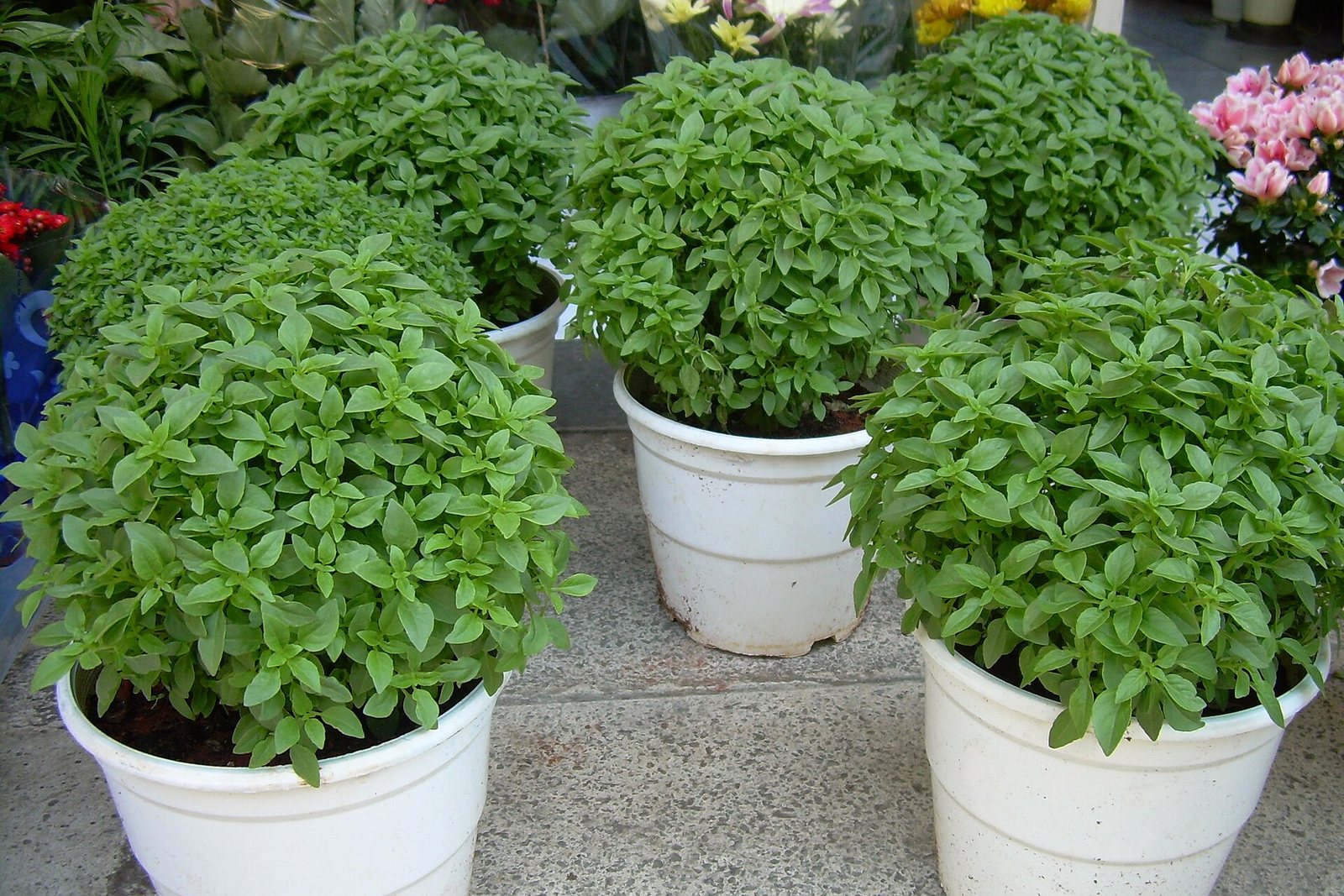
Herbs are the easiest nibbling plants because they grow back fast and fit on a windowsill. Penn State Extension says most herbs need about 6 hours of direct sun, ideally from a south-facing window in the Northern Hemisphere (north-facing in the Southern), with grow lights as the alternative.
| Herb | ASPCA status for cats | Light and care (Penn State) |
|---|---|---|
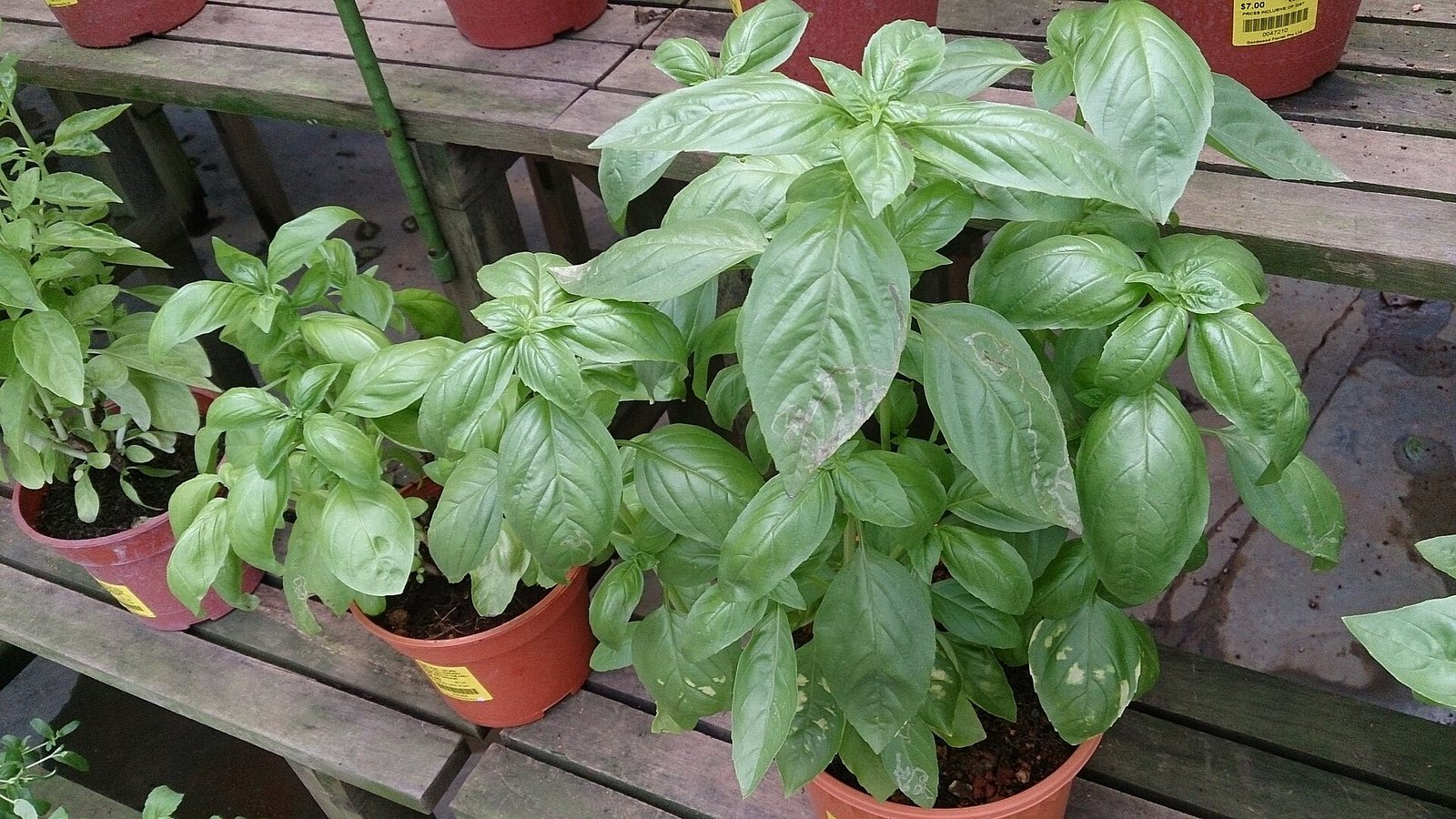
| Basil | Non-toxic | Good indoors; never let it dry out completely |
| Thyme | Non-toxic | Full sun; let it dry slightly between waterings |
| Rosemary | Non-toxic | Full sun; let it dry slightly between waterings |
| Sage | Non-toxic | Let it dry slightly between waterings |
| Dill | Non-toxic | Grow it in a deep pot; it has a taproot |
| Cilantro | Non-toxic | Tolerates lower light, roughly 2 to 6 hours |
| Lemon balm | Non-toxic | Tolerates lower light, roughly 2 to 6 hours |
These statuses come from the ASPCA plant pages; they say non-toxic and nothing more. For soil and pot choices, starting a windowsill herb garden covers the basics.
Which windowsill herbs are not safe for cats?
Several of the most popular kitchen plants are on the ASPCA toxic list for cats:
- Mint: listed as toxic to cats.
- Parsley: listed as toxic to cats.
- Catnip: listed as toxic to cats. Many cats love it, but letting one play with a little is a separate question from letting it chew a whole plant.
- Chives, garlic and onion: listed as toxic to cats. Penn State recommends chives as an easy indoor herb, so keep them somewhere your cat cannot reach.
- Lemongrass: listed as toxic to cats.
If you want a cat plant, thyme or basil are the safe, tasty alternatives to mint and parsley.
What about cat grass?
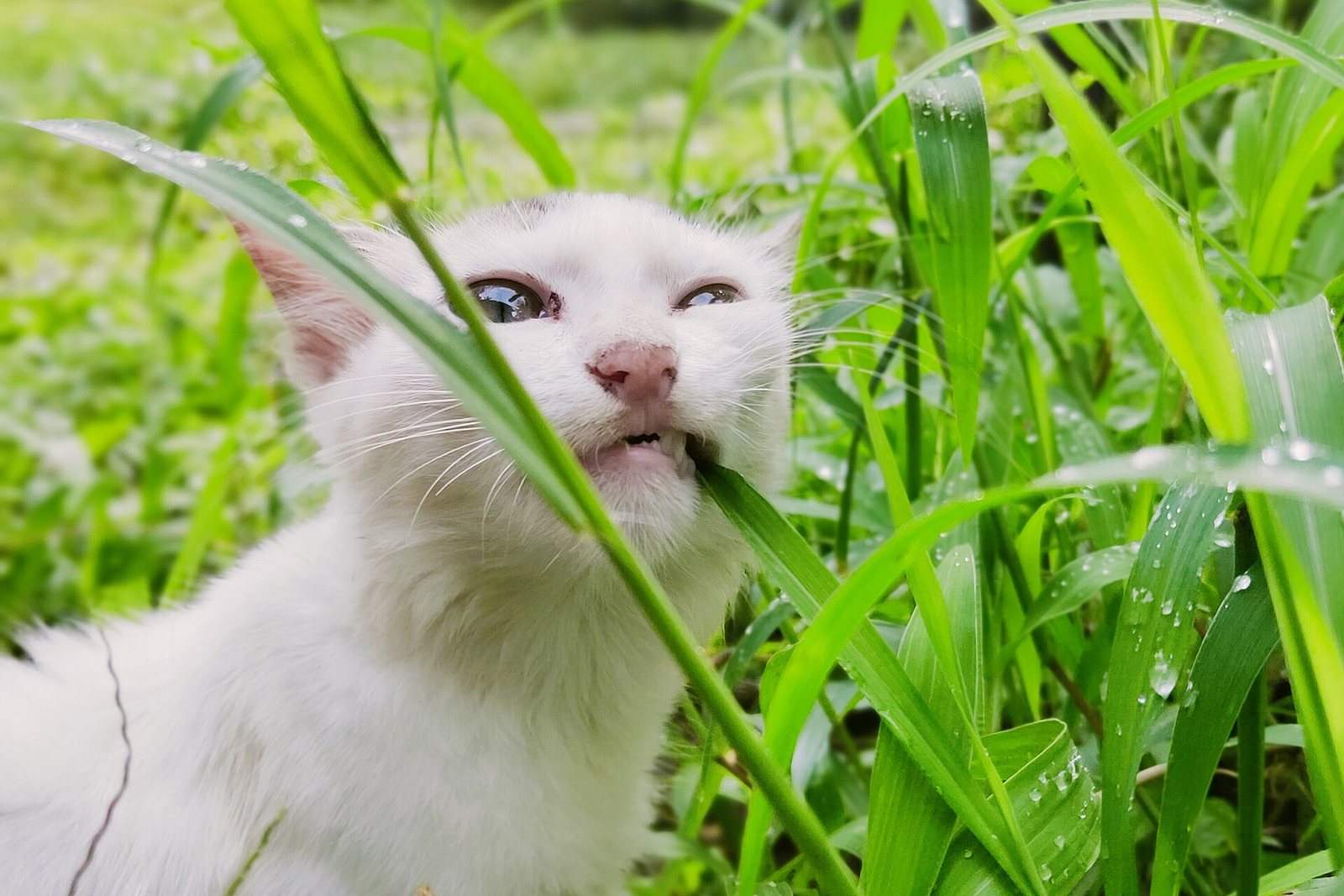
Packs sold as cat grass are usually wheat, oat or barley seedlings. The ASPCA list we checked does not give a toxic or non-toxic rating for these seed mixes under those names, so we cannot call them verified. What the ASPCA does say is that eating any plant material may cause vomiting and stomach upset in dogs and cats. If you grow a grass pot, use fresh potting mix, no pesticides, and give it its own spot so the cat has a better target than your other plants.
Which houseplants can cats chew without harm?
For leaves you do not eat yourself, these are non-toxic to cats on the ASPCA lists, and they cope with a nibble:
| Plant | Light | Size and care notes |
|---|---|---|
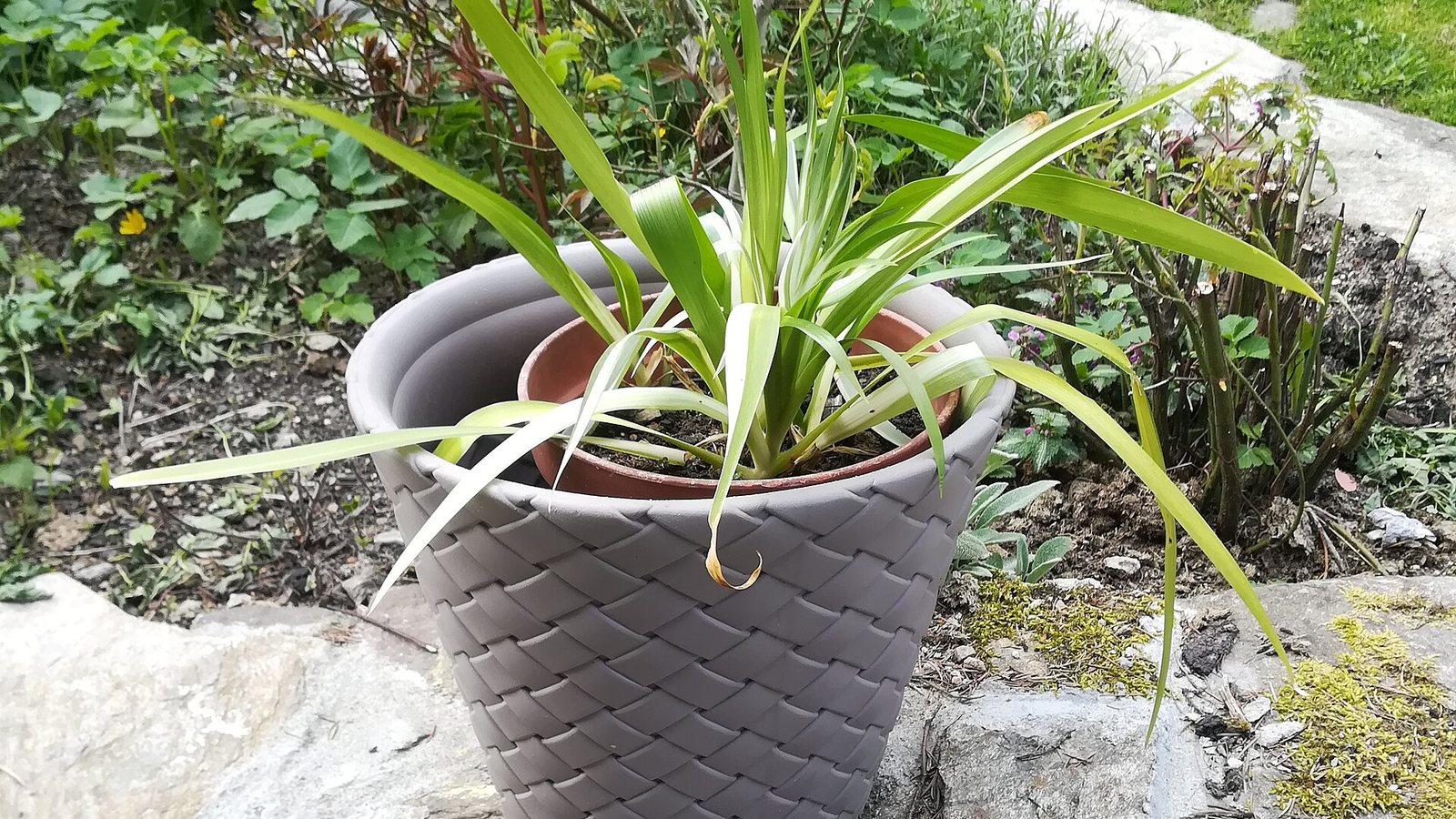
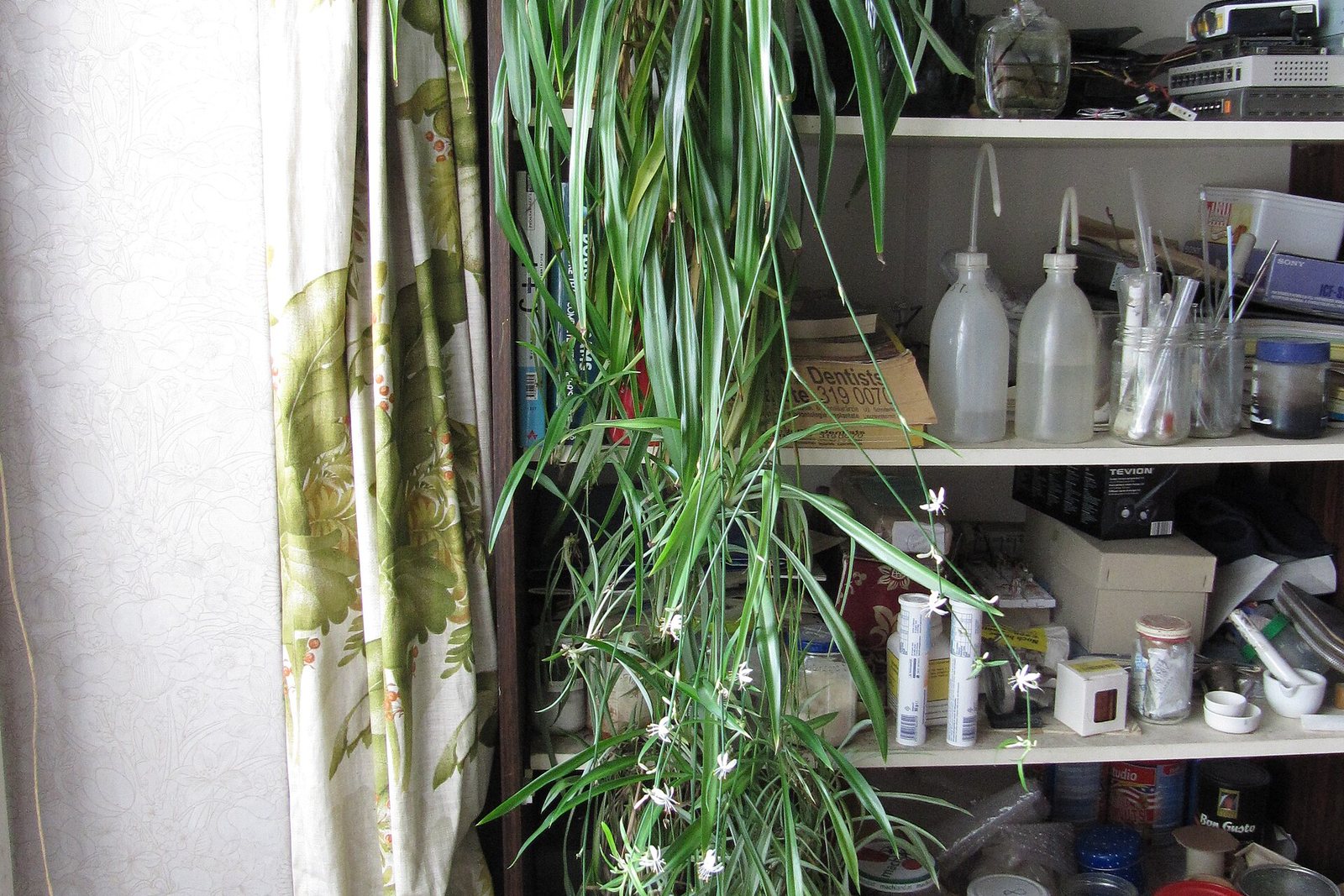
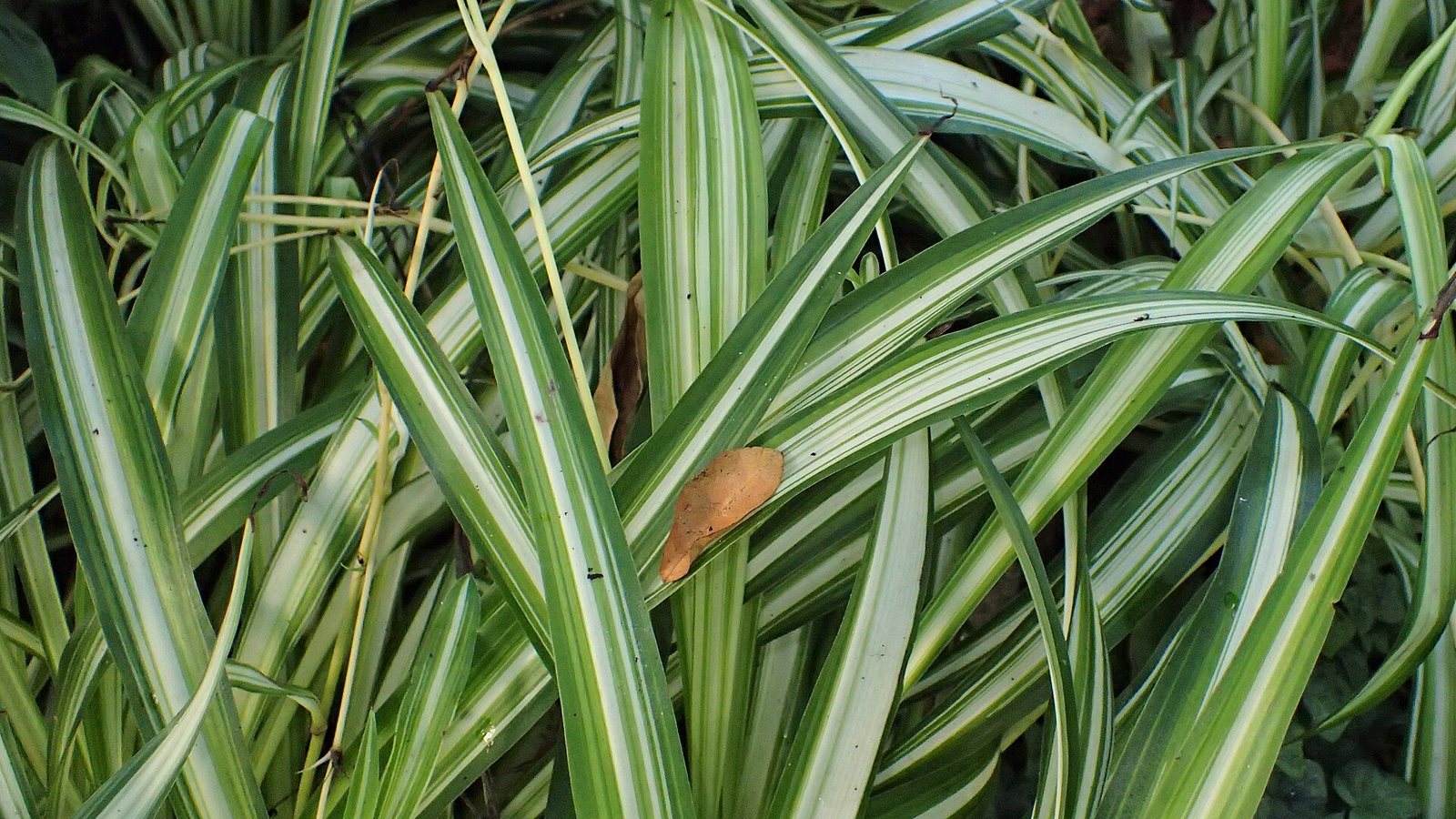
| Spider plant (Chlorophytum comosum) | Medium light; tolerates deep shade, not direct sun | About 30–45 cm (1–1.5 ft) tall and 30–60 cm (1–2 ft) wide; trailing plantlets suit a hanging basket (NC State) |
| Boston fern (Nephrolepis exaltata) | Bright, indirect light | About 60–90 cm (2–3 ft); keep soil moist and humidity high (NC State) |
| Calathea | See its care profile in Flori | ASPCA lists calathea as non-toxic to cats |
Spider plants are the classic cat favourite because the arching leaves dangle within reach, which is also why they end up with brown, chewed tips. Fertilize little and use filtered water, because NC State says chlorine and fluoride in tap water cause leaf tip burn on spider plants.
Does non-toxic mean a cat can eat as much as it likes?
No. The ASPCA says the consumption of any plant material may cause vomiting and gastrointestinal upset for dogs and cats, even when the plant is rated non-toxic. Sharp-edged leaves can also irritate. Give a few leaves' worth of nibbling, not a plant that is being eaten to the soil. If your cat keeps chewing, offer a separate pot of thyme or grass, and move everything toxic out of reach. Watch for repeated vomiting, drooling or lethargy, and call a vet or the ASPCA Animal Poison Control Center right away if you suspect a toxic plant; the ASPCA line is (888) 426-4435.
Which cat-safe plant for which spot?
- Sunny south-facing window (north-facing in the Southern Hemisphere): rosemary and thyme, which Penn State lists as full-sun herbs.
- Bright but not sunny: basil near the window, and Boston fern a little back from the glass.
- Dim corner or north window: spider plant, which NC State says tolerates deep shade, and the lower-light herbs cilantro and lemon balm.
- Deep pot needed: dill, because of its taproot.
Rotate herb pots now and then so every side gets even light, as Penn State suggests, and water when the potting mix starts to dry out, except thyme, rosemary and sage, which like to dry slightly in between.
How do you set up a safe chewing corner?
- Pick one or two plants from the non-toxic lists above and give them a spot at cat height.
- Move every toxic plant to a room your cat cannot enter or to a high shelf.
- Use a heavy pot with a drainage hole; cats dig in loose soil.
- Keep the plants pesticide-free; if you must treat pests, choose the least toxic option and follow the label.
- Check the plant name in Flori's care profile, which shows toxicity for each plant, or identify an unknown plant from a photo before you let a cat near it.
Frequently asked questions
Is catnip safe for cats to eat?
The ASPCA lists catnip as toxic to cats, so it is not a plant to let a cat chew freely. Many cats still enjoy it, so offer small amounts, if any.
Is basil safe for cats?
Yes. The ASPCA lists basil as non-toxic to cats and dogs. It still may upset a stomach if eaten in quantity.
Are spider plants safe for cats?
Yes, the ASPCA lists spider plant as non-toxic to cats. Cats often chew the leaf tips, which then turn brown, but the plant is not poisonous.
Is mint safe for cats?
No. The ASPCA lists mint as toxic to cats. Parsley and chives are also on the toxic list.
What should I do if my cat eats a toxic plant?
Call your vet or the ASPCA Animal Poison Control Center at (888) 426-4435 straight away and have the plant name ready. Do not wait for symptoms.
14 pet-safe houseplants checked against the ASPCA cat and dog lists, with light needs, the toxic plant each replaces and what to do if your pet chews one.
Sources
Written and fact-checked by the Flori team. Every guide cites horticultural sources such as the RHS, university extension services and the ASPCA, and is updated when the advice changes. How we write our guides
General plant care information. Plants vary; when a plant is valuable or a problem spreads quickly, consult a local nursery or plant specialist.