November Birth Flower: Chrysanthemum Meaning
The chrysanthemum is November's birth flower. See what each colour means, its history, how to keep a gift mum alive and whether it is pet safe.
 By Flori editorial team · Updated
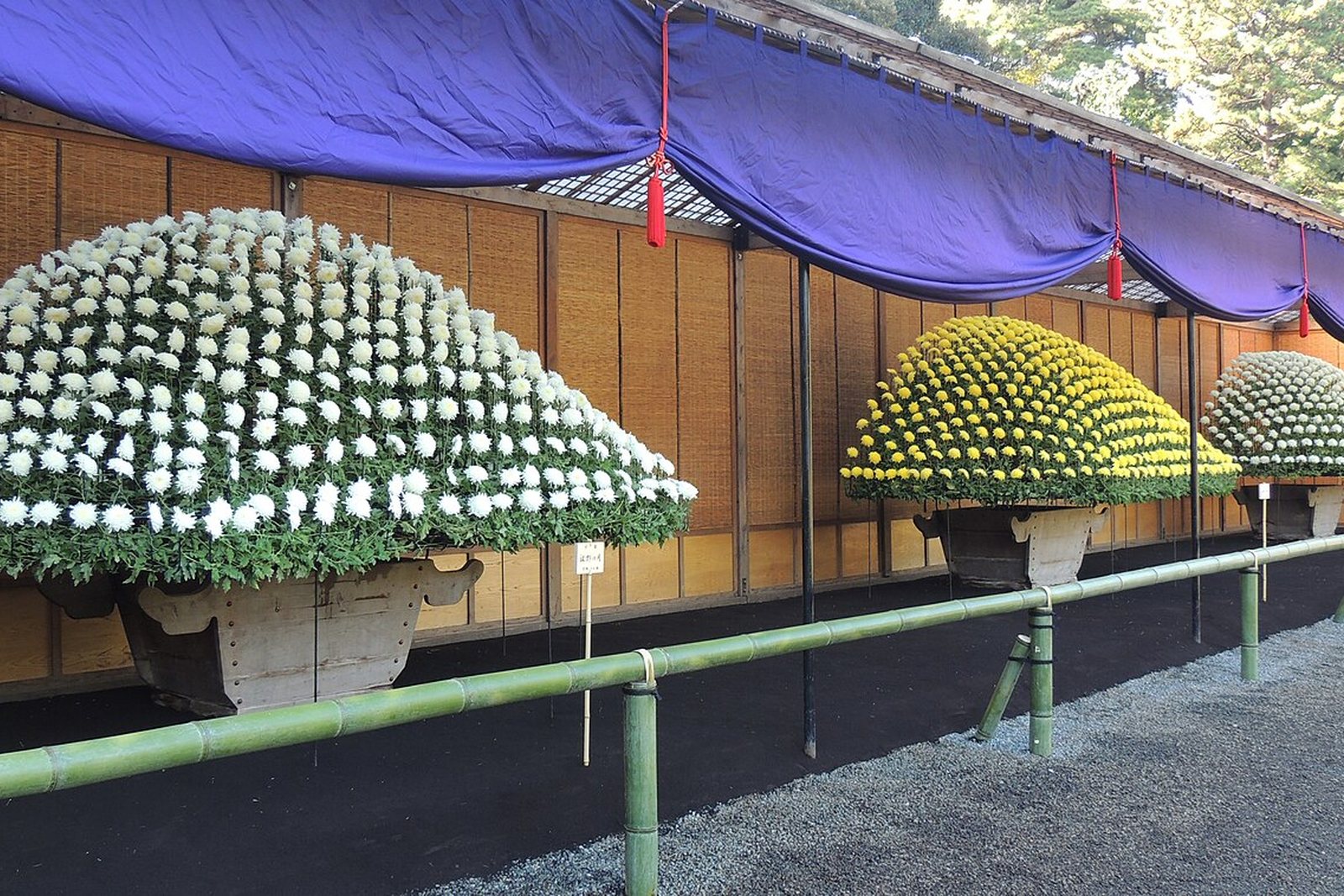
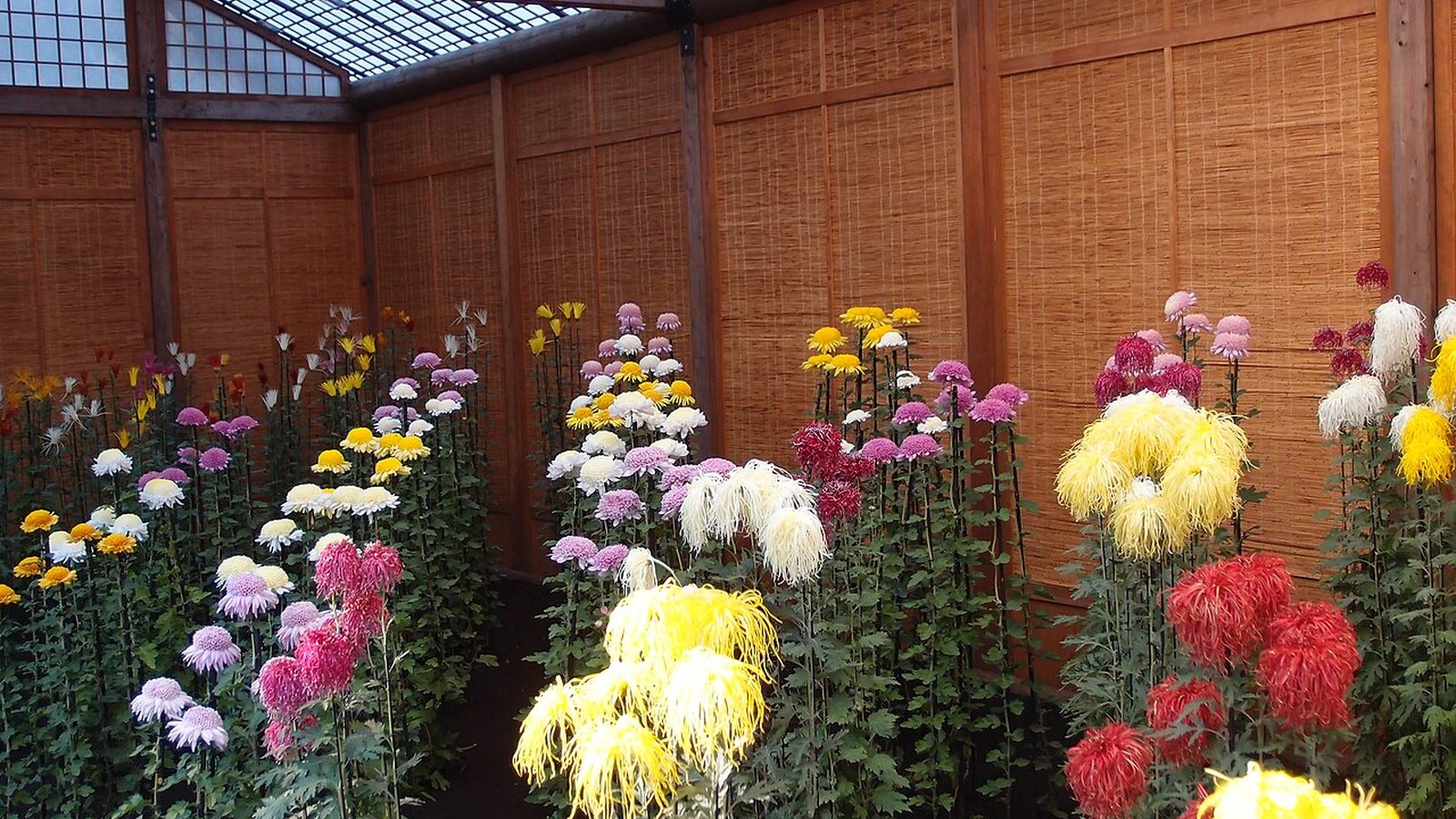 Photo: Guilhem Vellut from Annecy, France · CC BY 2.0
The chrysanthemum is the November birth flower. Extension sources link it to loyalty, longevity, optimism and joy, with red for love, white for honesty and yellow for slighted love. In some European countries it is a flower for graves. It is toxic to cats and dogs, so keep it out of their reach.
Key takeaways
- The chrysanthemum, or mum, is the November birth flower; it blooms in autumn when many garden plants have finished.
- Meanings shift with colour and country: red for love, white for honesty, yellow for slighted love, and in parts of Europe remembrance.
- Japan chose the chrysanthemum as its imperial emblem in 1868, and cultivated mums reached Europe in the 1600s.
- Garden mums are bred for hardiness and florist mums for long stems, so they do not behave the same way after the gift.
- The ASPCA lists chrysanthemum as toxic to dogs, cats and horses, so choose another bloom if a pet will chew it.
On this page8
- What is the November birth flower?
- What does the chrysanthemum mean?
- Where does the chrysanthemum story come from?
- Why is the chrysanthemum a symbol in Japan and Europe?
- Garden mum or florist mum: which one are you holding?
- How do you keep a mum alive after the gift?
- Is the chrysanthemum safe for cats and dogs?
- Quick checklist before you give or buy a mum
What is the November birth flower?
The November birth flower is the chrysanthemum, often shortened to mum. Penn State Extension Master Gardeners describe it as the birth flower for November, closely tied to autumn. It suits the month: NC State Extension notes that the plant grows in spring and summer but flowers in autumn, and Penn State says mums are most striking in autumn, when many other plants have stopped blooming. Birth-flower lists are a tradition, not botany, so you may see other flowers named for a month in some countries; this guide follows the chrysanthemum list. In the southern hemisphere, where November is late spring, mums bloom on their own schedule and cut flowers are simply imported or grown under cover.
What does the chrysanthemum mean?
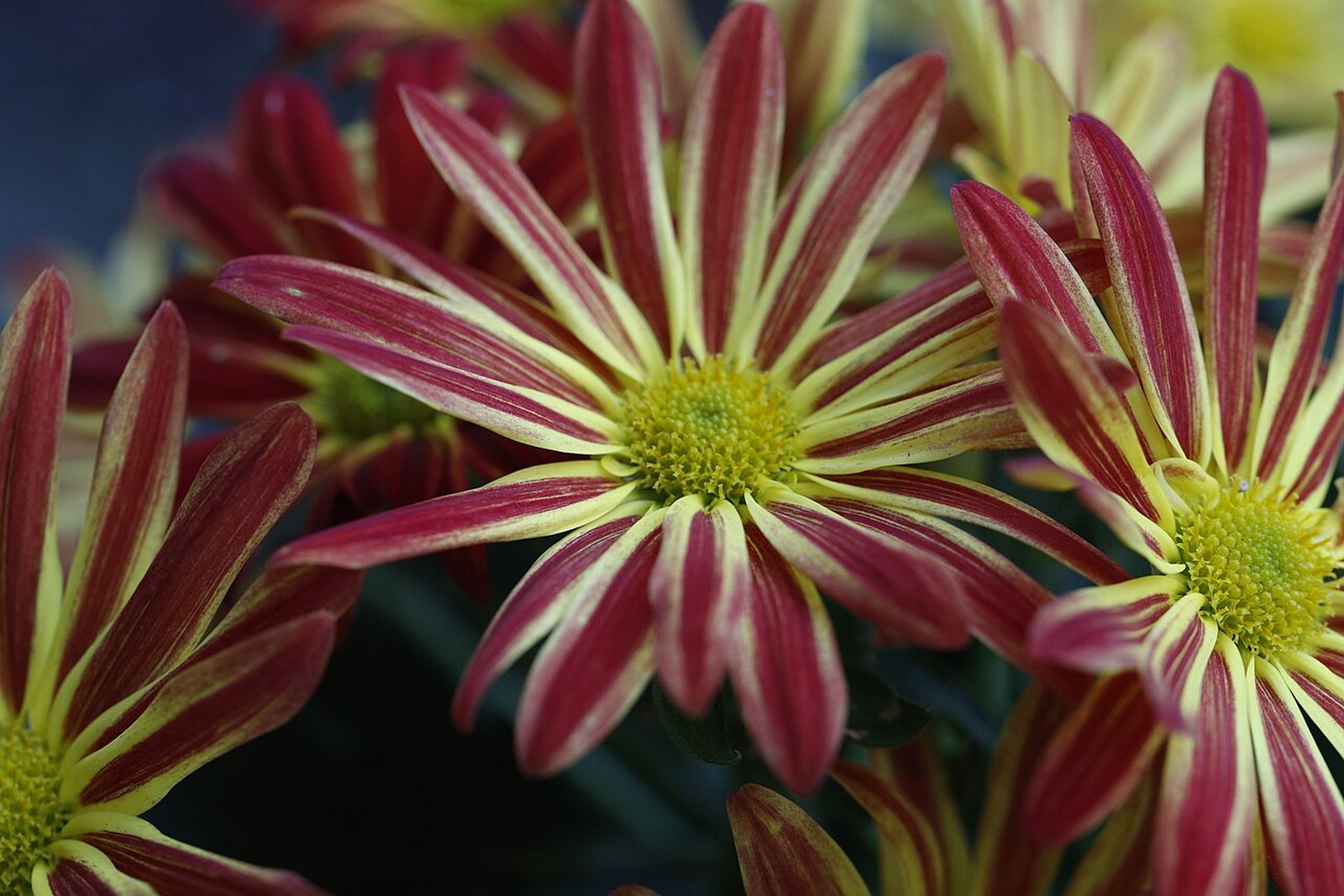
In general, mums stand for loyalty, longevity, optimism and joy, according to Penn State Extension. Colour changes the message, and sources agree on the broad lines even where the details differ.
| Colour | Usually means | Good for |
|---|---|---|
| Red | "I love you", true love | A partner or a romantic gift |
| White | Honesty, innocence, purity | A friend, a thank-you, a new start |
| Yellow | Slighted love, a wounded heart | Think twice if you want to avoid that message |
| Orange, pink, purple | No fixed meaning in the sources | Autumn colour and general cheer |
Meanings are conventions, so check what your recipient's culture expects before you pick yellow.
Where does the chrysanthemum story come from?
The name comes from Greek words meaning "golden" and "flower", and early mums were gold, as Penn State Extension explains; they now come in yellow, orange, white, burgundy, purple, pink and red. NC State Extension says the cultivated mum is a hybrid of five Chinese species. A bursary report published by the RHS (quoting the National Chrysanthemum Society) says the chrysanthemum has been cultivated for nearly 3,000 years, was introduced to Japan in the late eighth century after about 1,000 years in China, and reached Holland in 1688 and France in 1789. It adds that Robert Fortune brought the first seven Japanese varieties to Britain in 1861, which it calls the most significant event in chrysanthemum history because Japanese varieties brought large size, new flower forms and a wide colour range.
Not every source agrees on the oldest dates. Penn State says China grew the flower as early as the 15th century BC, while NC State Extension at Beaufort County says more than 2,500 years ago, so treat early dates as approximate.
Why is the chrysanthemum a symbol in Japan and Europe?
In Japan the flower is tied to the imperial family. The RHS bursary report says the Meiji Emperor designated the chrysanthemum as the Imperial Emblem in 1868, and that the Imperial Household Agency held a Chrysanthemum Garden Party from 1878 to 1936, originally to celebrate the Meiji Emperor's birthday on 3 November. Shinjuku Gyoen in Tokyo still holds a chrysanthemum exhibition each November, and the report says it draws almost 10% of the garden's annual visitors. Penn State Extension adds that Japan holds a "Festival of Happiness" in its honour and that China links it with stateliness.
In Europe the picture is different. NC State Extension says that in some countries, particularly in Europe, mums symbolise remembrance and are placed on graves, while in the United States they appear at football homecomings, festivals and Thanksgiving tables. The practical lesson: a pot of mums is cheerful in one country and sombre in another. When in doubt, ask or choose a different flower.
Garden mum or florist mum: which one are you holding?
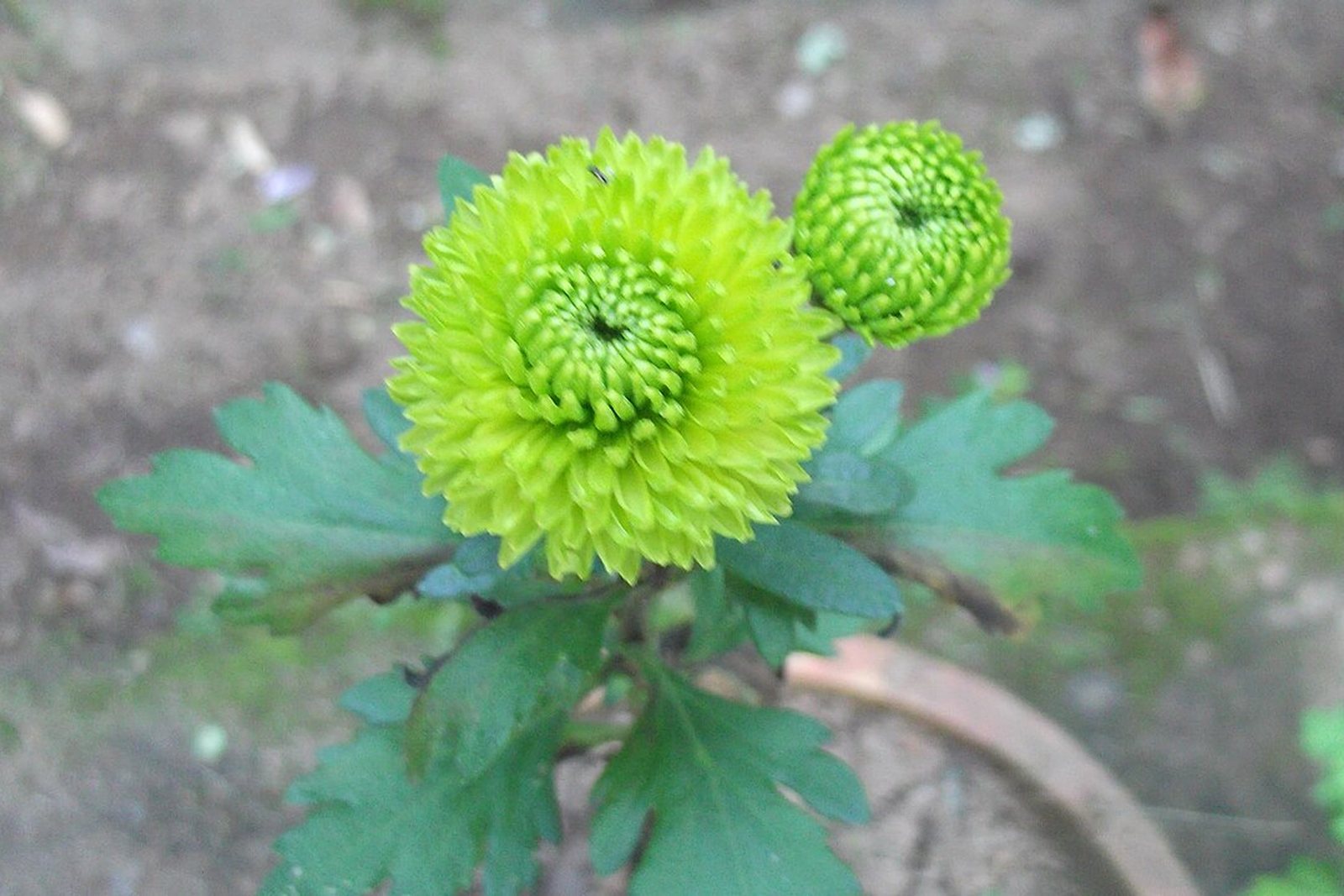
Both share the same ancestry, but NC State Extension says florist mums are bred for long stems and large blooms, while garden mums are selected for hardiness and compact growth. That difference decides what happens after the gift.
| Garden mum | Florist mum | |
|---|---|---|
| Bred for | Hardiness, compact growth | Long stems, large blooms |
| Best use | Border or pot outside | Vase or short-term pot |
| After flowering | Can return the next year | Often reblooms with difficulty |
| Hardiness | Roughly USDA zones 5 to 9 | Usually kept indoors in a cool, bright spot |
How do you keep a mum alive after the gift?
- Give it light. NC State Extension says mums need full sun and well-drained soil, and that they "hate wet feet".
- Water by touch. For potted mums kept indoors, Penn State says to water only when the top 5 to 8 cm (2 to 3 in) of soil is dry and to keep them in a cool, bright spot. Our guide to how to water houseplants shows the finger test.
- Watch for aphids and mildew. Keep foliage dry to reduce mildew, as Penn State advises; see aphids and powdery mildew.
- Plant out garden mums. Penn State suggests spacing plants 45 to 75 cm (18 to 30 in) apart, pinching the stems at about 15 cm (6 in) and again at about 30 cm (12 in), and, after a hard frost, cutting them to the ground and mulching.
- Divide every few years. Divide clumps every three to five years in early spring.
NC State Extension adds that mums are best bought in spring or early summer, not late autumn, so the roots can establish before cold weather, and that not every plant survives a harsh winter. Penn State lists standing water, ice on leaves and frost heaving as the winter risks. Gardeners in Türkiye should note that central and eastern Anatolia can be much colder than the Aegean and Mediterranean coasts, so a mum that overwinters outside on the coast may need protection inland. For more colour in the cold months, see our list of flowering houseplants.
Is the chrysanthemum safe for cats and dogs?
No. The ASPCA lists chrysanthemum as toxic to dogs, cats and horses. The toxic principles are sesquiterpene lactones and pyrethrins, and the signs it lists include vomiting, diarrhoea, drooling, loss of coordination and skin irritation. NC State's Plant Toolbox rates the severity as low but says it can upset stomachs and rarely rash sensitive skin. If you have a pet that chews plants, keep mums out of reach or choose a safer bloom from our plants toxic to cats and pet-safe houseplants guides. If your pet eats some, call your vet or the ASPCA Animal Poison Control Center. In Türkiye, UZEM (Ulusal Zehir Danışma Merkezi) is 114.
Quick checklist before you give or buy a mum
- Pick red for love, white for honesty, and avoid yellow if you want to skip the "slighted love" message.
- Check local custom: in parts of Europe mums are for graves.
- Ask whether the recipient has a cat or dog.
- Choose a garden mum if you want it to flower again outside, a florist mum for a vase.
- Flori can identify the plant from a photo and show its care profile if you are given a mum and are not sure what it is.
Frequently asked questions
What is the birth flower for November?
The chrysanthemum, or mum. Penn State Extension Master Gardeners call it the November birth flower, and it blooms in autumn. Birth-flower lists are a tradition, so some lists differ.
What does a yellow chrysanthemum mean?
Extension sources give yellow as slighted love or a wounded heart. Red means love and white means honesty, but meanings vary by country, so ask if the message matters.
Are chrysanthemums poisonous to cats and dogs?
Yes. The ASPCA lists chrysanthemum as toxic to dogs, cats and horses, causing vomiting, diarrhoea, drooling and skin irritation. Keep it out of reach and call your vet if a pet eats it.
Can a gift mum bloom again?
Garden mums often can, outside, in roughly zones 5 to 9. Penn State says florist mums rebloom with difficulty but can be divided, repotted and encouraged to grow again with proper care.
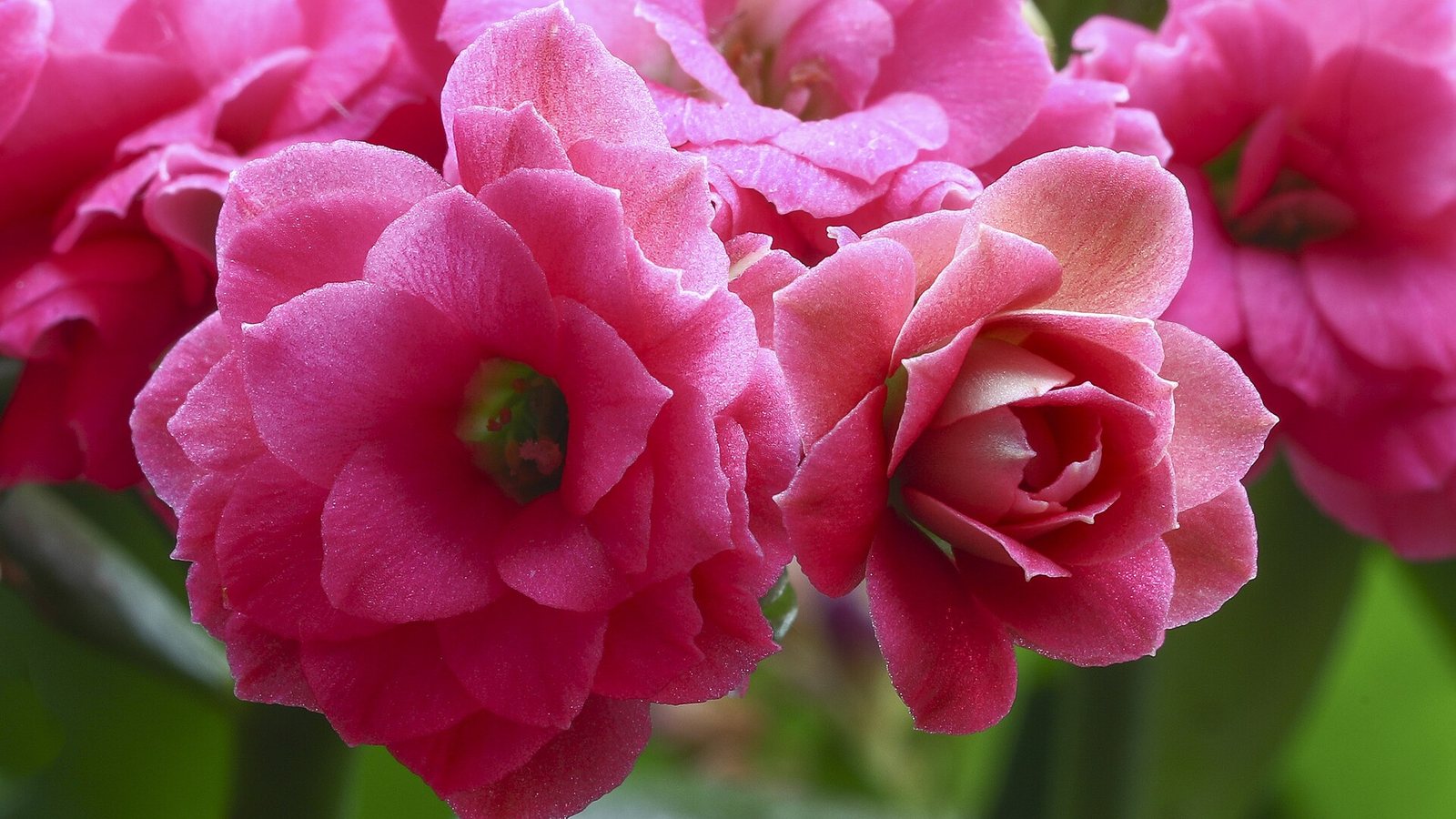
Four flowering houseplants that rebloom indoors: moth orchid, African violet, hoya and kalanchoe, with what triggers blooms and pet safety.
Sources
Written and fact-checked by the Flori team. Every guide cites horticultural sources such as the RHS, university extension services and the ASPCA, and is updated when the advice changes. How we write our guides
General plant care information. Plants vary; when a plant is valuable or a problem spreads quickly, consult a local nursery or plant specialist.