Orchid Potting Mix and When to Repot an Orchid
What potting mix orchids need and when to repot: bark-based compost, a clear pot, every two years, plus the signs and steps for moth orchids and Dendrobium.
 By Flori editorial team · Updated
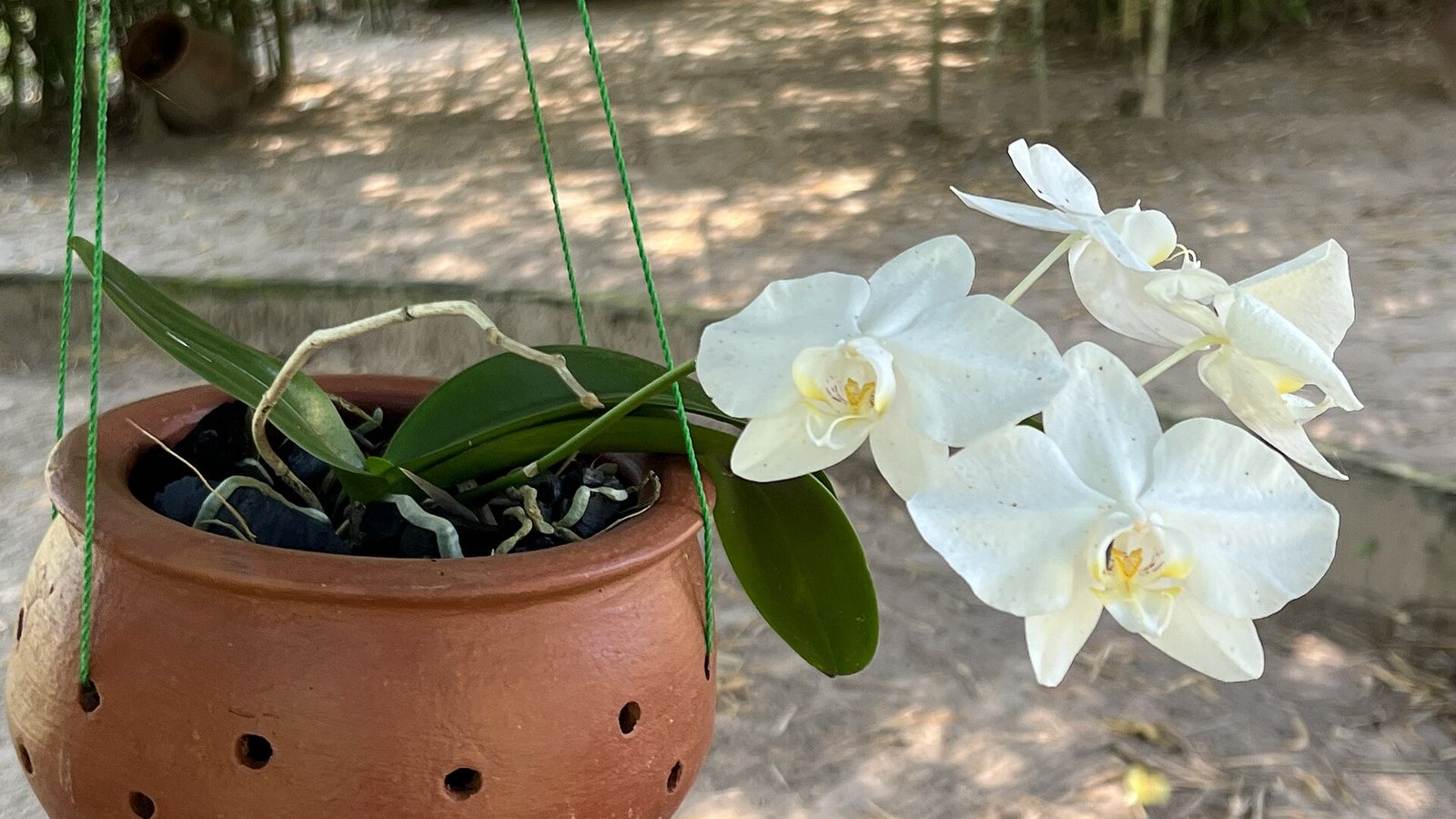 Photo: Tohinde · CC0
Orchids need a coarse, bark-based orchid mix, never ordinary potting soil. Repot a moth orchid about every two years, or sooner when the bark breaks down, roots rot or the plant outgrows its pot. Use a clear pot only slightly bigger than the roots, trim dead roots and water thoroughly afterwards.
Key takeaways
- Use a coarse bark-based orchid mix: loam-based or multipurpose compost will kill a moth orchid.
- Repot about every two years, or sooner if the bark has turned dense and soggy or the roots are rotting.
- Choose a clear pot just big enough for the roots; a much larger pot keeps compost wet and invites rot.
- Moth orchids can be repotted when roots are active with green tips; Dendrobium after spring flowering.
- Never bury aerial roots, and wait several weeks before fertilizing a freshly repotted orchid.
On this page7
What potting mix do orchids need?
Most orchids sold as houseplants, including the moth orchid (Phalaenopsis), are epiphytes: in the wild they cling to trees, so their roots need air as much as water. Ordinary potting soil smothers them. UF/IFAS says orchids need a loose, well-drained medium made from ingredients such as chopped fir bark, tree fern fibre, charcoal and volcanic rock, and the RHS says to use specially formulated bark-based orchid compost, never loam-based or multipurpose compost, which will kill moth orchids. This guide answers two questions that our orchid blooming guide and orchid propagation guide do not: what to put in the pot, and exactly when and how to repot.
Which orchid mix ingredients are worth using?
| Ingredient | What it does | Watch out for |
|---|---|---|
| Fir bark chunks | Main ingredient: open, airy, drains fast, holds some moisture | Breaks down in about two years and turns dense |
| Charcoal, volcanic rock | Adds air space and drainage (UF/IFAS lists both) | Use with bark rather than on their own |
| Tree fern fibre | Another coarse, long-lasting medium named by UF/IFAS | Check it is sold as orchid medium |
| Sphagnum moss (pure) | Holds a lot of water | NC State says pure sphagnum is hard to rewet and plants should be moved into bark-based mix |
| Multipurpose or loam compost | Nothing for orchids | The RHS warns it will kill moth orchids |
In practice, buy a bag labelled orchid mix or orchid bark and check that the pieces are coarse, with no fine dust at the bottom of the bag.
When should you repot an orchid?
There are three triggers:
- The mix has broken down. The RHS says compost breaks down over time, becoming denser and holding water longer, which can cause root rot. UF/IFAS says to replace the media about every two years, or when it breaks down or the plant gets too big for the pot.
- The plant has outgrown its pot. Roots crowding over the rim are normal for an orchid, but a plant that is unstable or has no room left needs a bigger pot.
- The roots are in trouble. Brown, mushy or hollow roots mean you should unpot and check. See our root rot rescue plan.
What time of year? The RHS says a moth orchid can be repotted at any time of year as long as the roots are active with green tips. NC State suggests after the blooms fade or when new leaves begin to appear. For Dendrobium the RHS says to repot as soon as flowering finishes in spring, then refresh the compost every two to three years. The seasons differ by hemisphere, so go by what the plant is doing, not the month.
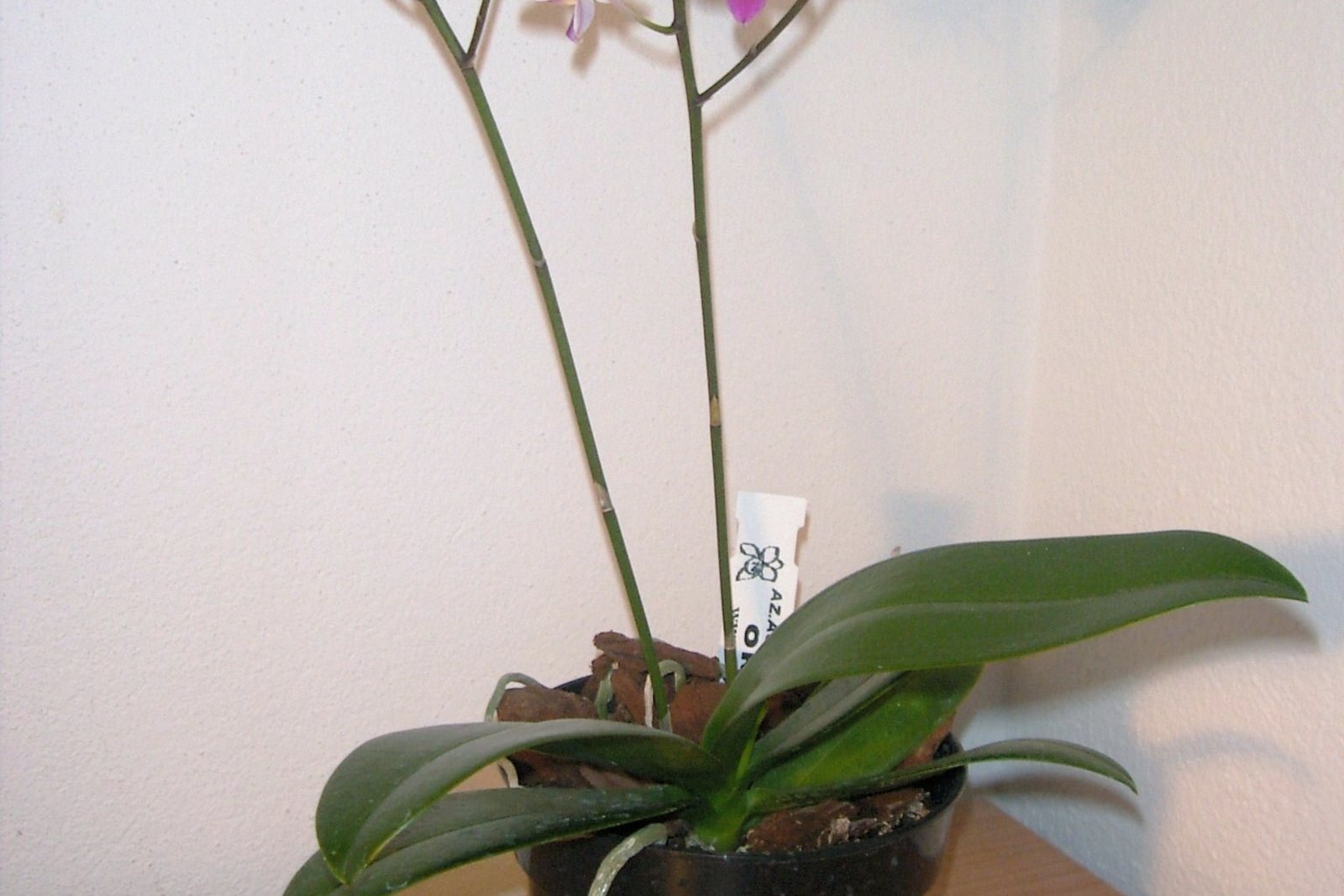
How do you repot an orchid, step by step?
- Remove the plant from its pot and pull out the old bark, gently untangling the roots.
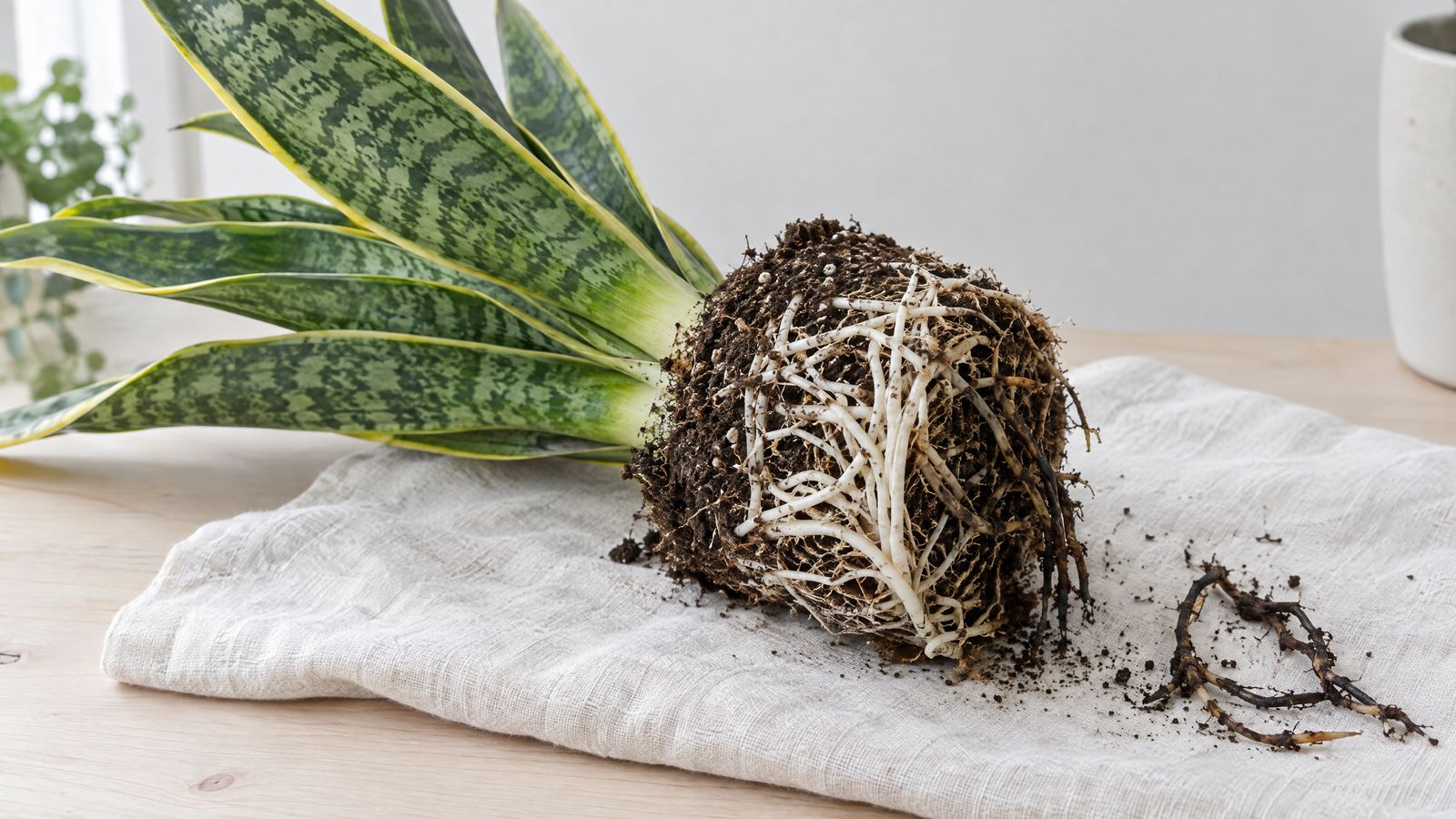
- Cut away dead roots. The RHS says unhealthy roots may be brown, shrivelled, mushy or hollow. Healthy roots are plump, firm and silvery-white. Use clean, sharp scissors.
- Trim the remaining roots to about 12 cm (5 in) if they are very long (RHS).
- Hold the plant at its previous height and fill the gaps with fresh orchid mix, firming it gently, especially at the edges. The RHS says loose compost can damage new root tips.
- Do not bury aerial roots that grow above the mix.
- Add a small cane if the plant is unstable.
- Water thoroughly so the whole root ball is moist, then let it drain. Do not leave it standing in water.
What size and type of pot is best?
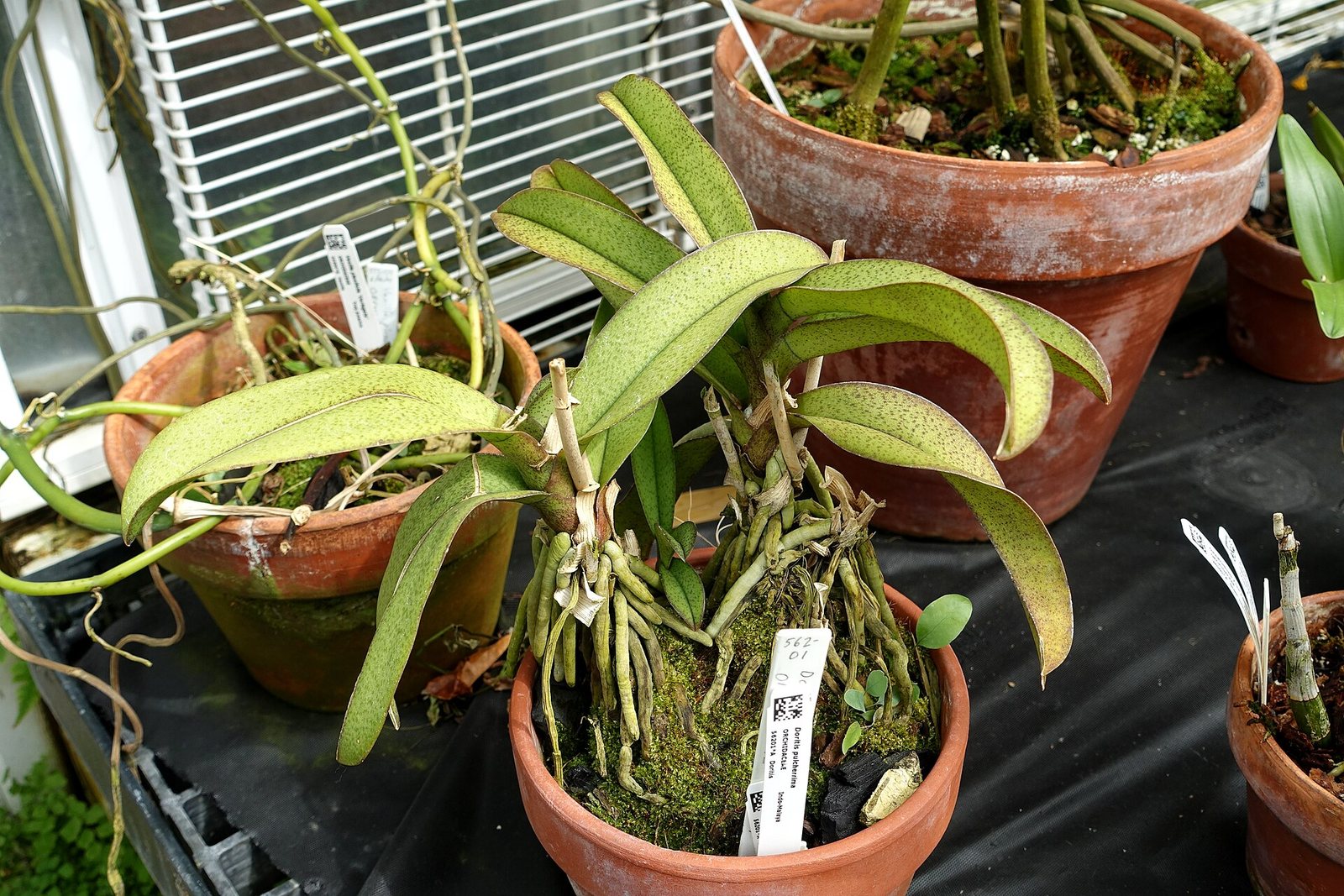
The RHS suggests a transparent container: you can see whether the mix is still moist, and clear pots let light reach roots that photosynthesise. NC State also notes that clear plastic pots are often used for this reason. UF/IFAS lists plastic, clay, wire and redwood as options, and some orchids are mounted on cork or bark instead.
On size, the rule is to avoid overpotting. The RHS says to reuse the old container if the roots fit comfortably, and warns that a much larger pot holds too much wet compost and encourages root rot. For Dendrobium it suggests a pot that leaves about 1-5 cm (1/2 to 2 in) between the roots and the edge, moving up one size only if plenty of healthy roots will not fit. For terracotta versus plastic trade-offs, see our guide on terracotta, plastic and ceramic pots, and for the general method our step-by-step repotting guide.
How do you care for an orchid after repotting?
- Water sensibly. Keep the mix slightly damp, not soggy: the RHS says overly wet compost causes rot and overly dry roots shrivel. NC State says to let the medium dry somewhat between waterings.
- Hold back fertilizer. UF/IFAS recommends waiting at least several weeks.
- Keep conditions steady. Bright, indirect light and warmth without draughts. Do not move the plant around while it settles.
- Expect a pause. Orchids often sulk for a few weeks after any root disturbance. New root tips with a green end are a good sign.
Because repotting comes round only every couple of years, it is easy to forget. Flori can set a repotting reminder and a progress-photo reminder so you check the roots and the mix at the right time.
Common orchid repotting mistakes
- Using ordinary potting soil or packing the mix too tightly. Firm, not crushed.
- Picking a pot that is far too big. It stays wet for weeks.
- Burying the aerial roots or the base of the leaves.
- Repotting a healthy plant too often. If the roots are green and plump and the bark is still springy, wait.
- Overwatering after repotting, the commonest reason a freshly potted orchid fails.
Frequently asked questions
What is the best potting mix for orchids?
A coarse, bark-based orchid mix. The RHS says never to use loam-based or multipurpose compost for moth orchids, and NC State says to avoid pure sphagnum moss.
How often should you repot an orchid?
About every two years for a moth orchid, or sooner if the bark has broken down, roots are rotting or the plant has outgrown the pot. Dendrobium are refreshed every two to three years.
Can you repot an orchid while it is in flower?
The RHS says a moth orchid can be repotted any time while the roots are active with green tips, but NC State suggests waiting until the blooms fade. Waiting is the lower-stress choice.
Should an orchid be in a clear pot?
The RHS recommends a transparent pot so you can see the roots and moisture level and so light reaches the roots. Other pot types can also work if you water carefully.
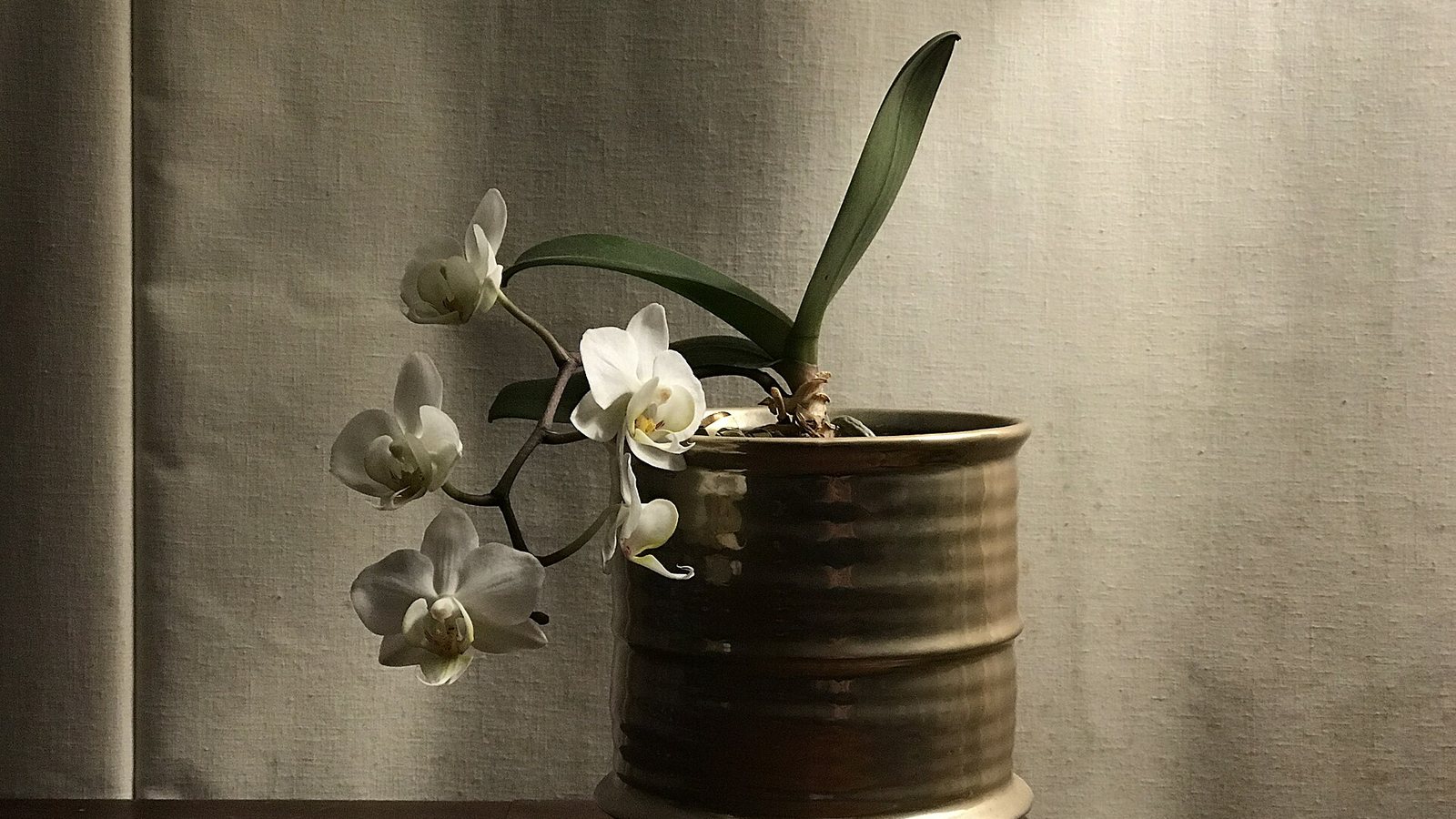
How to propagate orchids at home: grow a moth orchid keiki or divide Cattleya and Dendrobium, with the right timing, cuts and aftercare for each type.
Sources
Written and fact-checked by the Flori team. Every guide cites horticultural sources such as the RHS, university extension services and the ASPCA, and is updated when the advice changes. How we write our guides
General plant care information. Plants vary; when a plant is valuable or a problem spreads quickly, consult a local nursery or plant specialist.