Phalaenopsis hybrids · Orchidaceae
Moth Orchid (Phalaenopsis): Care and Facts
How to care for a moth orchid (Phalaenopsis): light, watering, bark mix, humidity, reblooming and pet safety, with numbers from extension services and the RHS.
- Bright indirect light
- Moderate water
- Some care
- Not toxic to pets (ASPCA)
Also called: Phalaenopsis, Phalaenopsis orchid, moon orchid; Doritaenopsis
 By Flori editorial team · Updated
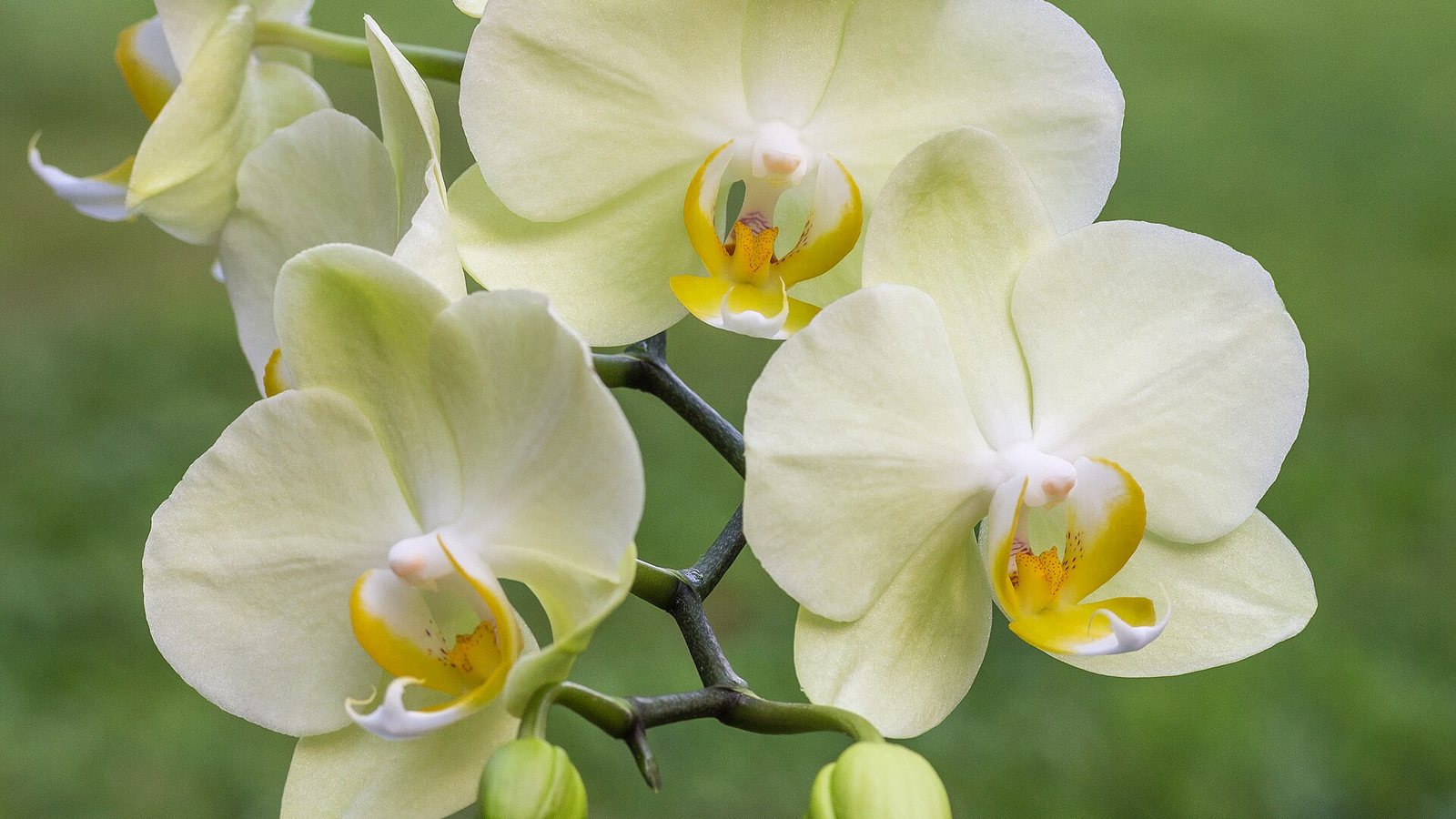
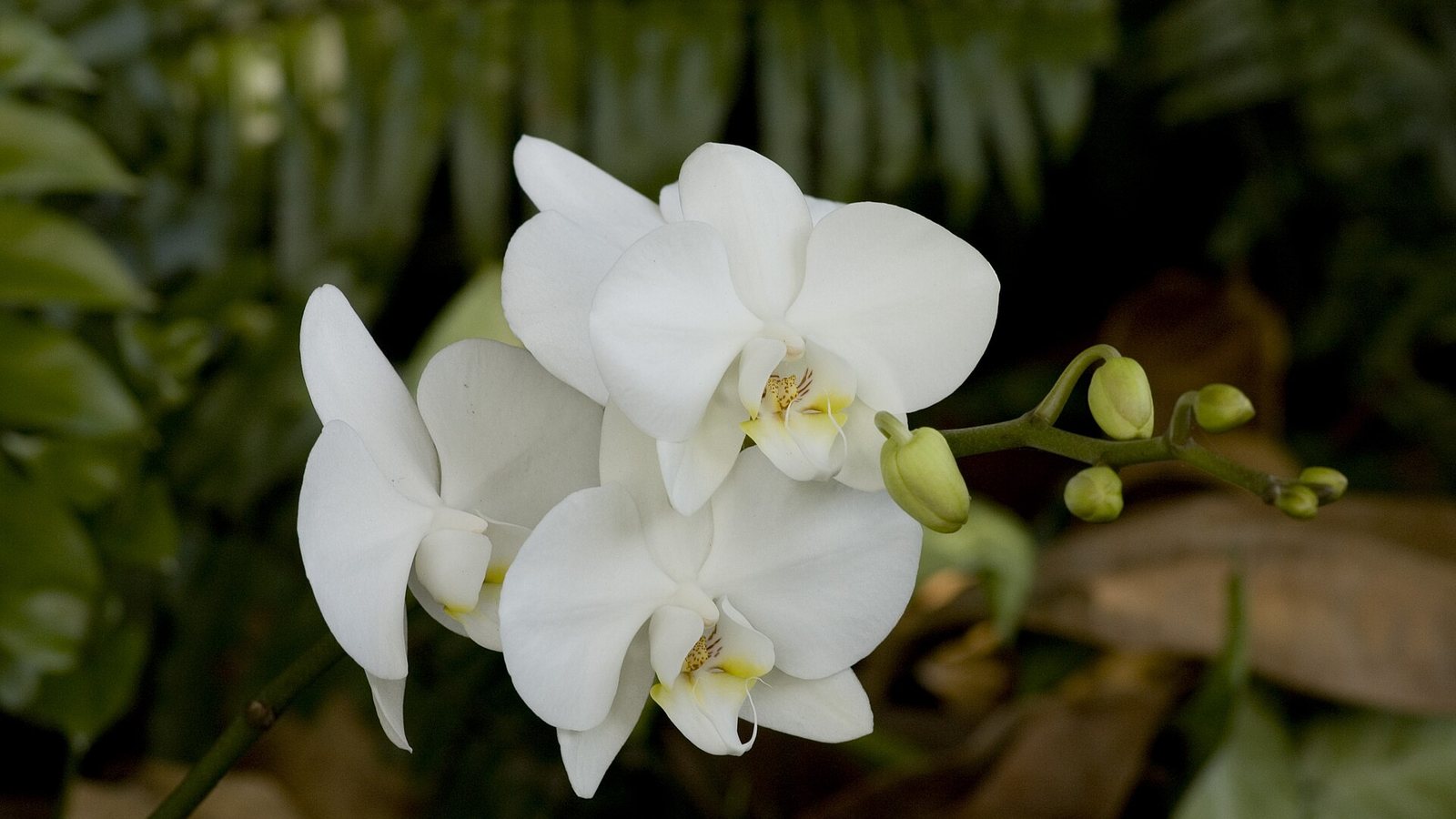 Photo: Ianaré Sévi · CC BY-SA 3.0
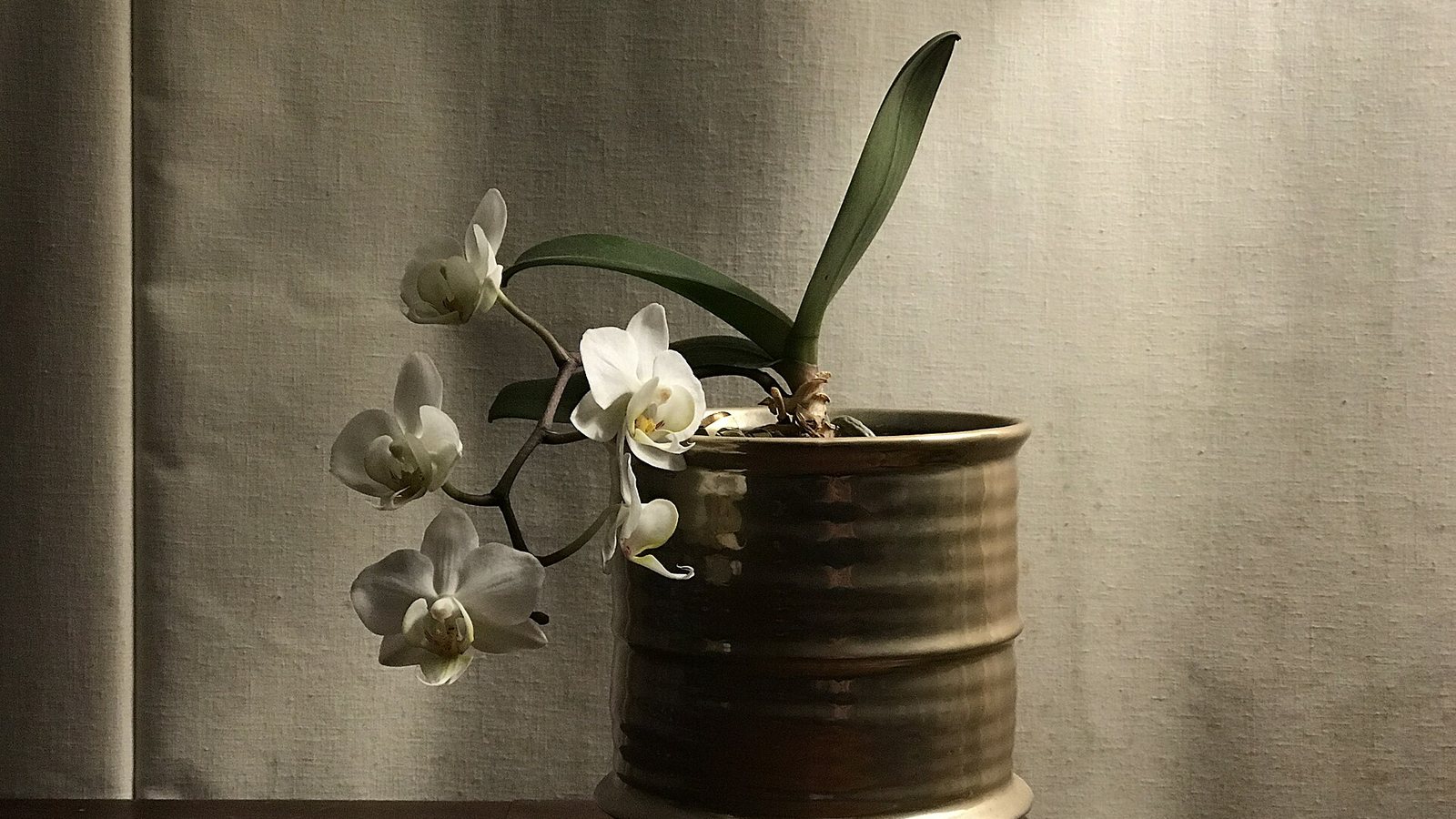
The moth orchid (Phalaenopsis) is a tropical epiphyte from Asia and northeast Australia, sold as a long-lasting flowering houseplant. It wants bright light without direct sun, a bark-based mix watered about weekly while never sitting in water, and 40 to 60% humidity. The ASPCA lists it as non-toxic to cats and dogs.
At a glance
- Light
- Bright indirect light; east window is ideal; no direct summer sun
- Watering
- About weekly in the growing season, less in winter; never sit in water
- Humidity
- 40 to 60% relative humidity (Iowa State, Clemson)
- Temperature
- Keep above 16 °C (60 °F); day 19 to 30 °C (66 to 86 °F)
- Soil
- Bark-based orchid mix, never soil; clear pot with drainage
- Size
- 45 to 60 cm (18 to 24 in) tall; flowers 8 to 15 cm (3 to 6 in) wide
- Toxicity
- Non-toxic to cats and dogs (ASPCA, NC State)
- Origin
- Tropical and subtropical Asia and northeast Australia
On this page9
- How much light does a moth orchid need?
- How often should you water a moth orchid?
- What potting mix does a moth orchid need?
- Does a moth orchid need humidity and warmth?
- How do you feed and repot a moth orchid?
- How do you get a moth orchid to bloom again?
- What problems do moth orchids get?
- Is a moth orchid toxic to cats and dogs?
- Which moth orchids are there?
How much light does a moth orchid need?
A moth orchid (Phalaenopsis) needs bright light without direct sun. Iowa State Extension says it does best in bright, indirect light, that "direct sun may actually harm the foliage", and that east or north windows are ideal, with a sheer curtain on a south window. The RHS says "like bright light, but not direct summer sun", and recommends an east- or west-facing windowsill in winter. NC State Extension gives an east windowsill as the best place and also lists well-shaded west and south sills. Clemson HGIC says moth orchids can thrive at fairly low light levels but do best in a bright window with little or no direct sun.
If a window does not give enough light, Iowa State and Clemson both suggest fluorescent tubes 15 to 30 cm (6 to 12 in) above the leaves, on for 12 to 16 hours a day. Our guide on why an orchid is not blooming covers what too little light looks like.
How often should you water a moth orchid?
About once a week in the growing season, a little less in winter, and always by the potting mix and roots, not the calendar. The RHS says to water weekly during the growing season and reduce slightly in winter; Clemson HGIC and NC State also give about once a week, with NC State adding more in summer heat. Iowa State says to keep the medium evenly moist and let it dry slightly between waterings. Moth orchids have no pseudobulbs to store water, so Clemson warns not to let them dry out completely, and the RHS says never to let the roots sit in water.
- Use tepid water, preferably rainwater (RHS), in the morning (NC State).
- Let water run through the pot and drain completely.
- Keep water out of the crown and the leaf axils (RHS, Clemson).
- Overwatering causes root rot; underwatering makes roots shrivel (RHS). Read the root rot rescue plan if the roots go soft.
Iowa State adds that retail plants are often potted in coarse sphagnum moss, which stays wet longer than bark, so water those less often.
What potting mix does a moth orchid need?
A bark-based orchid mix, never ordinary soil. These are epiphytes, which grow on trees in the wild. NC State asks for a bark-based medium with excellent drainage and says pure sphagnum moss is hard to rewet. The RHS says never to use loam-based or multipurpose compost, which will kill moth orchids. Both NC State and the RHS suggest a clear pot so you can see the roots; NC State notes the roots photosynthesise.
Does a moth orchid need humidity and warmth?
Yes: it is a tropical plant. NC State says it prefers warm temperatures and high humidity and is hardy only in USDA zones 10 to 11, so it lives indoors in most climates. Iowa State and Clemson both give 40 to 60% relative humidity, which most homes fall below in winter; Iowa State suggests a humidifier or a pebble tray with the pot kept above the water line. Our indoor plant humidity guide shows how to measure it.
Sources vary on temperature, so aim for the middle: the RHS says to keep it above 16 °C (60 °F), with day temperatures of 19 to 30 °C (66 to 86 °F) and nights of 16 to 19 °C (61 to 66 °F). Iowa State gives 21 to 27 °C (70 to 80 °F) by day and says to avoid anything below 13 °C (55 °F). Keep it away from radiators, heaters and draughts (RHS).
How do you feed and repot a moth orchid?
Feeding. Feed lightly and regularly. NC State suggests a balanced fertiliser at half strength twice a month, or at quarter strength weekly. The RHS says to flush salts by watering without feed every fourth watering, and to feed sparingly or not at all in winter. Follow the label, because overfeeding can damage the roots.
Repotting. About every two years, after the blooms fade or when new leaves appear (NC State). The RHS says to repot when the plant outgrows its pot or the mix is two years old, to trim dead roots, and to avoid a pot that is too big, since extra mix stays wet and causes rot.
How do you get a moth orchid to bloom again?
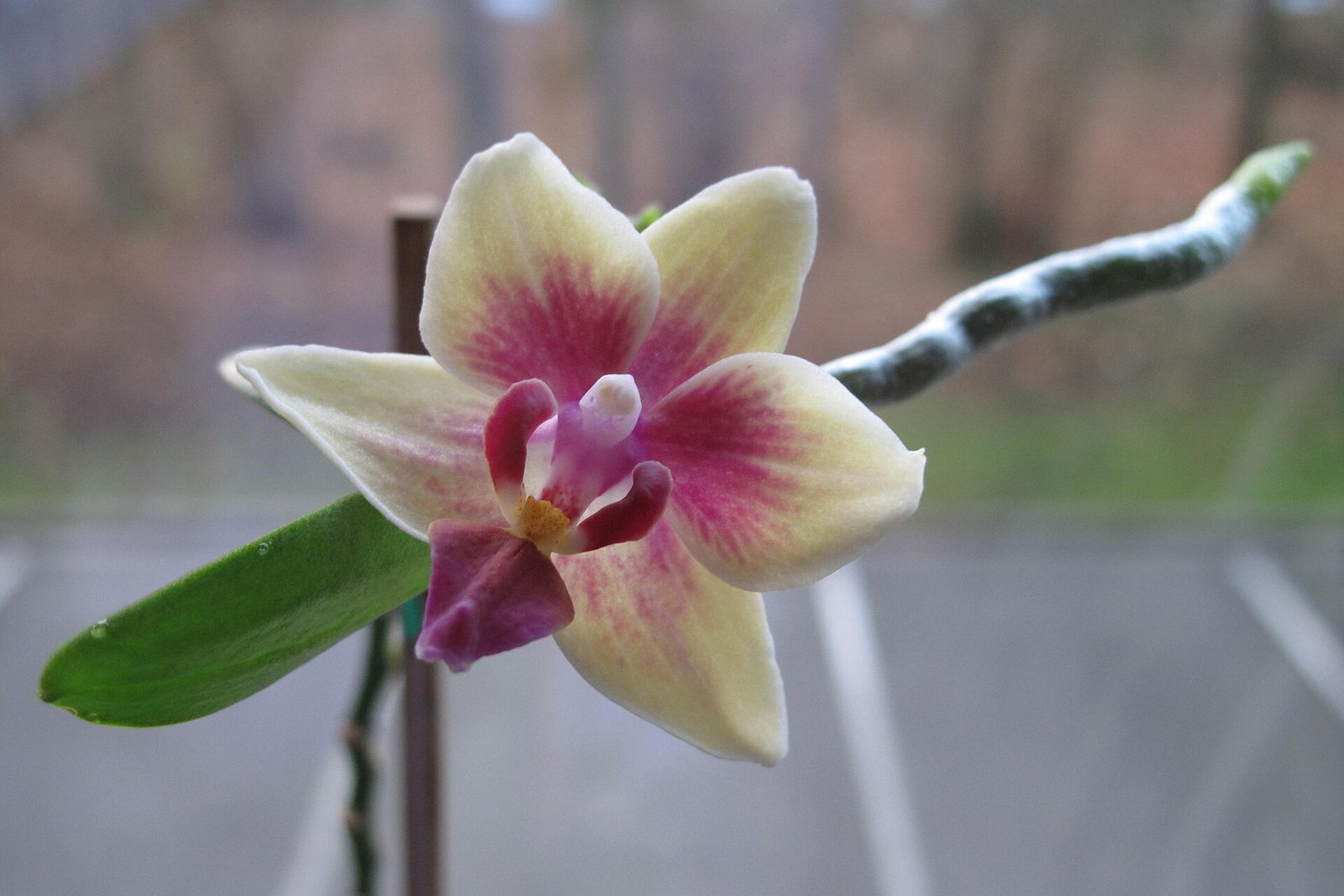
A healthy plant needs enough light and a cool night spell. Iowa State says cool autumn nights of 13 to 16 °C (55 to 60 °F) help start flower development. NC State says large-flowered spring-flowering types need about a week of nights near 13 °C (55 °F) in autumn, and that modern dwarf hybrids do not. The RHS says to move a healthy plant that has not flowered somewhere about 5 °C (8 °F) cooler for a month. NC State says the flowers can last four months or more.
Once all flowers have fallen, the RHS says to cut the stalk just above the second node to encourage a new side shoot; NC State says to cut just above the first node below the faded flowers, and that it often but not always branches. If the whole stem turns pale and dry, cut it off at the base (RHS). A keiki, a plantlet that sometimes forms on the flower stem, can be removed once it has several good roots; see how to propagate orchids.
What problems do moth orchids get?
NC State lists scale, mealybugs and thrips, and false spider mites. Clemson adds slugs and snails that eat buds and blossoms, and diseases such as leaf spots, petal blight and bacterial soft rot. Wrinkled or shrivelled leaves, according to NC State, mean too little water or damaged roots, often from rot in soggy medium. Bud drop can come from changes in temperature, humidity, moisture, fertiliser or location. Check the roots first, then the leaf undersides for pests. Dr. Flori can work from a description or a photo and name the likely cause.
Is a moth orchid toxic to cats and dogs?
No. The ASPCA lists the Phalaenopsis orchid (moth orchid) as non-toxic to cats, dogs and horses, and NC State tags it non-toxic for cats and dogs. Even a non-toxic plant can upset a stomach if a pet eats a lot of it, so discourage chewing. For other safe choices see pet-safe houseplants.
Which moth orchids are there?
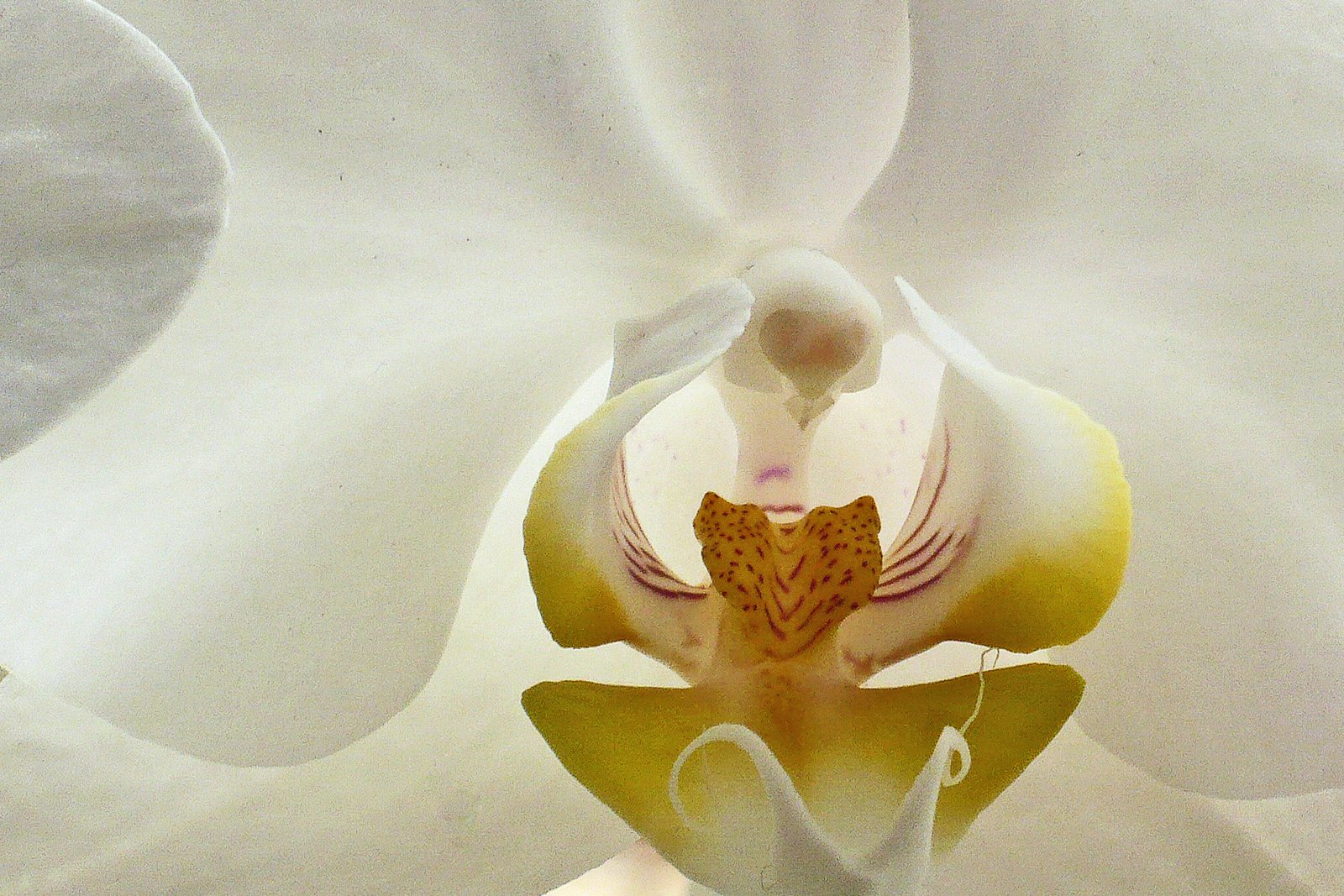
Most plants sold in shops are hybrids. NC State says the genus is native to tropical and subtropical Asia and northeast Australia and lists species such as P. equestris (purple flowers) and P. schilleriana (whitish-pink flowers, marbled leaves), plus many hybrids. NC State gives a height of 45 to 60 cm (18 to 24 in), with flowers 8 to 15 cm (3 to 6 in) wide on large-flowered hybrids and 2.5 to 5 cm (1 to 2 in) on dwarf cultivars. Care is the same for all of them. Looking for more blooms indoors? See our list of flowering houseplants.
Frequently asked questions
How often should I water a moth orchid?
About once a week in the growing season and a little less in winter, going by the mix and roots. The RHS says never to let the roots sit in water or dry out completely.
How do I get a moth orchid to bloom again?
Give bright light and a cool spell: Iowa State says autumn nights of 13 to 16 °C (55 to 60 °F) help, and the RHS says to move a healthy plant about 5 °C (8 °F) cooler for a month.
Where do I cut the flower spike after blooming?
The RHS says just above the second node; NC State says just above the first node below the faded flowers. If the stem turns pale and dry, cut it at the base.
Is a moth orchid safe for cats and dogs?
The ASPCA lists the Phalaenopsis orchid as non-toxic to cats, dogs and horses, and NC State agrees. Discourage chewing anyway.
What potting mix does a moth orchid need?
A bark-based orchid mix. The RHS says never to use loam-based or multipurpose compost, which will kill moth orchids.
Sources
Written and fact-checked by the Flori team. Every guide cites horticultural sources such as the RHS, university extension services and the ASPCA, and is updated when the advice changes. How we write our guides
General plant care information. Plants vary; when a plant is valuable or a problem spreads quickly, consult a local nursery or plant specialist.