Pruning Calendar: What to Prune Each Month
A month-by-month pruning calendar: grapes and fruit trees in winter, roses in late winter, shrubs by flowering time, ramblers in late summer. Both hemispheres.
 By Flori editorial team · Updated
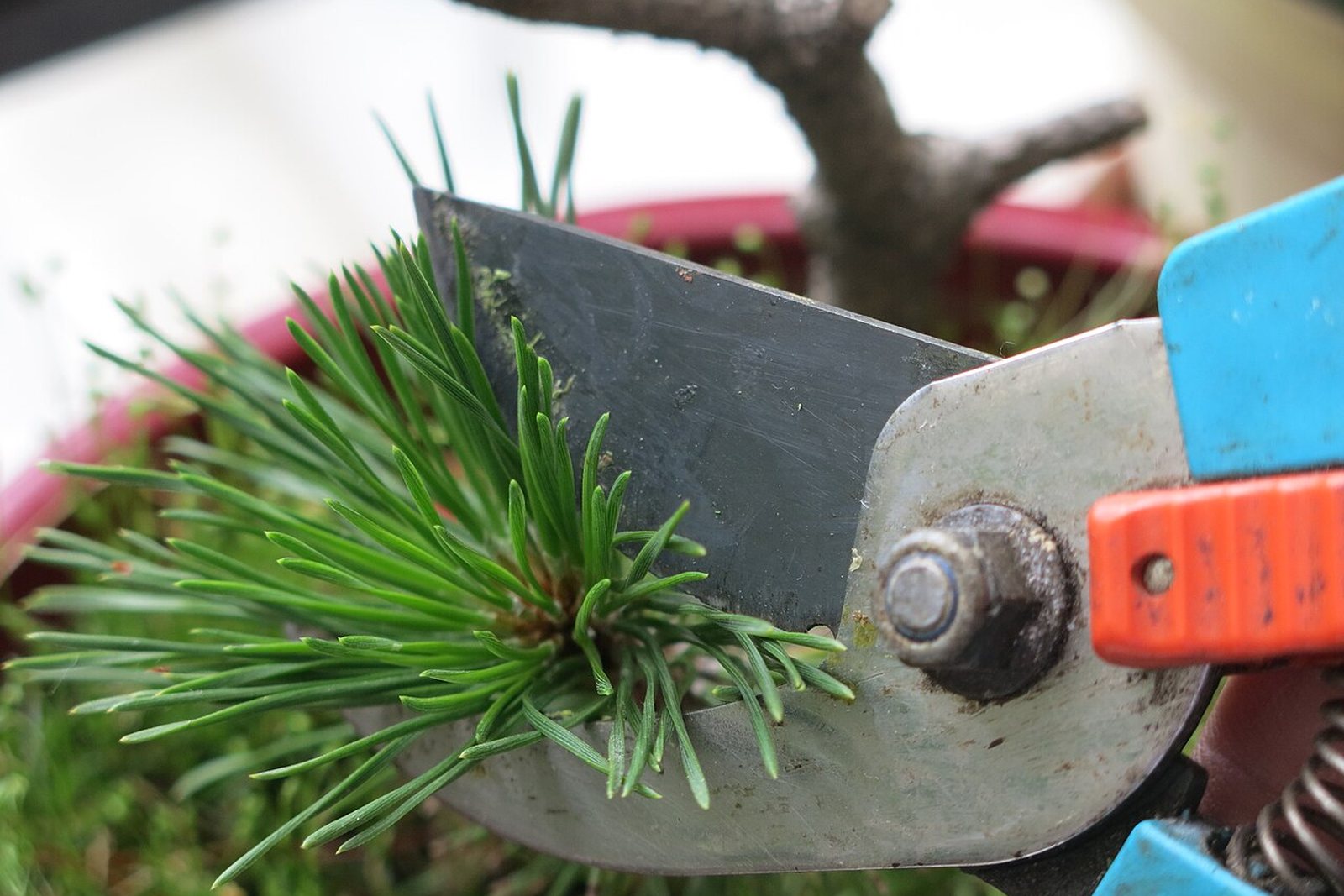
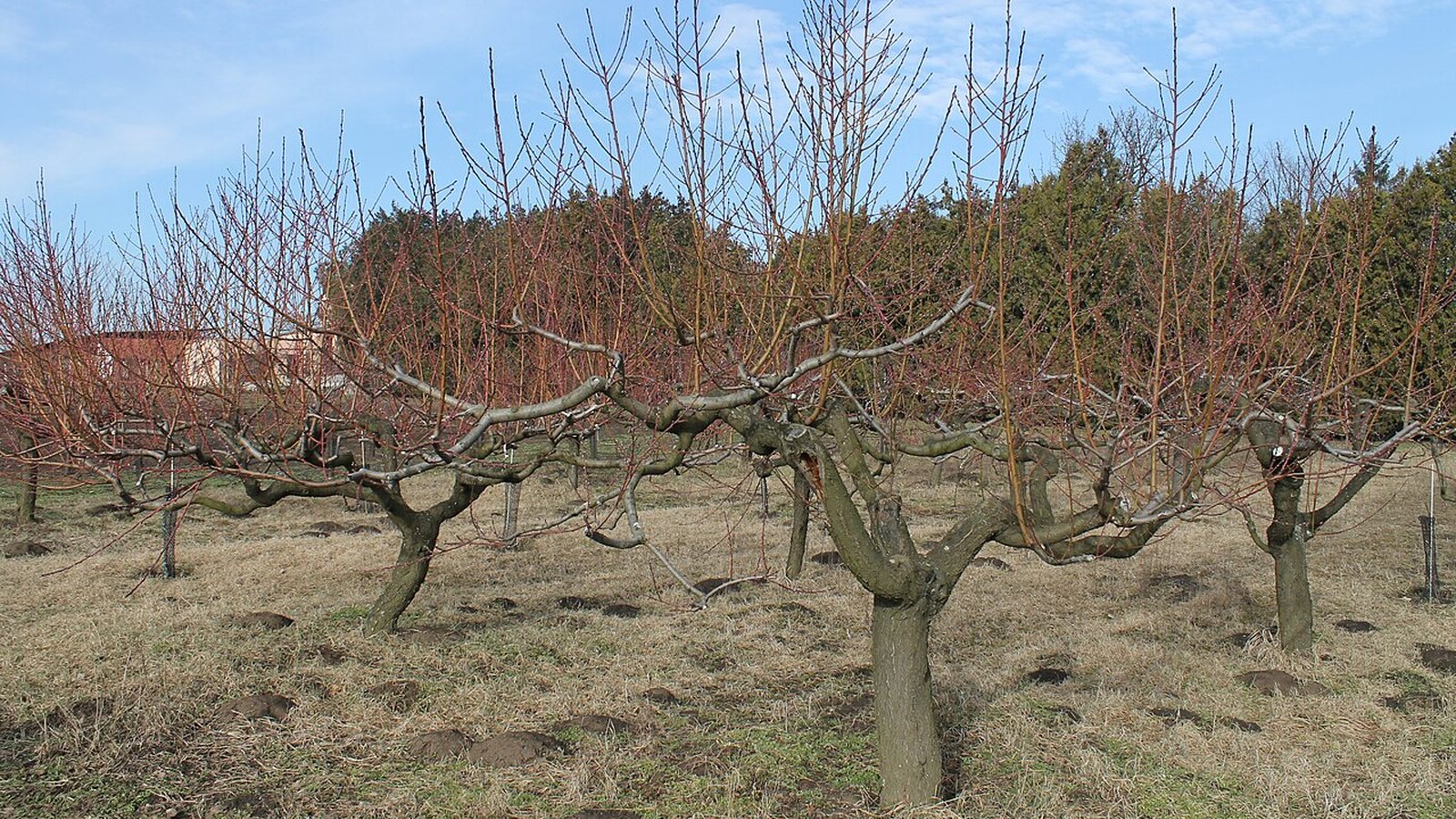 Photo: I.Sáček, senior · CC0
Prune by when a plant flowers, not by habit. Grapes, apples and pears go in winter while dormant; roses and summer-flowering shrubs in late winter to early spring; evergreens in mid-spring; spring-flowering shrubs straight after their flowers fade; ramblers in late summer. Autumn is the time to leave evergreens alone.
Key takeaways
- Spring-flowering shrubs are pruned right after flowering; summer-flowering ones in early to mid-spring, before growth.
- Grapes, apples and pears are pruned in winter while dormant; plums wait for early spring or mid-summer.
- Most roses are pruned in late winter (February or March in the UK); ramblers in late summer.
- Most evergreens are pruned in mid-spring after frost risk; avoid autumn and winter.
- Southern Hemisphere readers add six months to every month in the calendar.
On this page8
- What should you prune, and when?
- Why does flowering time decide the date?
- What do you prune in winter?
- When do you prune roses?
- What about evergreens, and why not prune in autumn?
- How do you read this calendar in your own climate?
- Which pruning mistakes does the calendar prevent?
- How do you remember all this?
What should you prune, and when?
The month you prune matters less than when the plant flowers and whether it is dormant. Cut a spring-flowering shrub in winter and you remove its flower buds; wait too long with a grapevine and the cuts bleed sap. This calendar goes month by month for the Northern Hemisphere, with the Southern Hemisphere six months later, and the table below gives the short version. Months are for a cool-temperate climate such as the UK, where the RHS pruning guidance comes from; in warmer or colder places, shift a few weeks and watch the buds rather than the date.
| Month (north) | Southern equivalent | Prune now |
|---|---|---|
| November to early March | May to early September | Apples and pears while dormant (RHS); renovate overgrown deciduous shrubs such as lilac, forsythia and magnolia |
| Late November to December | Late May to June | Grapevines, once fully dormant; finish by midwinter |
| February to March | August to September | Most roses; cornus and willows grown for coloured stems (late winter to early spring) |
| Early to mid-spring | Six months later | Summer and autumn-flowering shrubs such as buddleja and hardy fuchsia |
| Mid to late spring | Six months later | Most evergreens, including hebe and rosemary, after frost risk has passed |
| Late spring to summer | Six months later | Early-flowering shrubs straight after flowering; plums in early spring or mid-summer |
| Late summer | February to March | Rambling roses, after flowers and hips |
| Autumn and winter | Same rule, opposite season | Leave evergreens alone |
Why does flowering time decide the date?
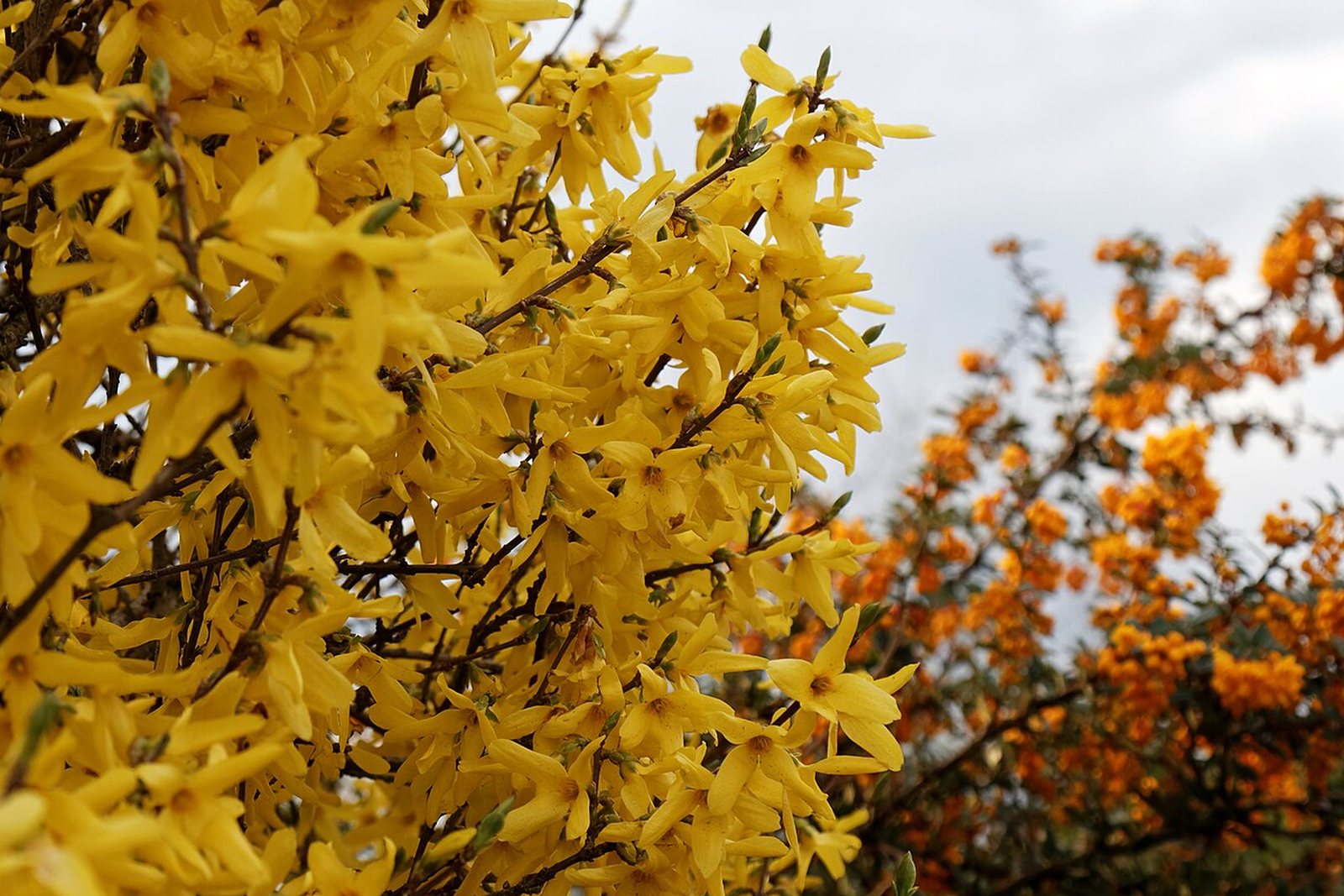
The RHS sorts shrubs by what they flower on. Early-flowering deciduous shrubs, which bloom from November to June, carry buds on last year's growth, so they are pruned immediately after flowering, in late spring or summer. The RHS method is to remove about one stem in three, cutting the oldest and largest back to 25–45 cm (10–18 in) above the soil. Examples are forsythia, mock orange (Philadelphus), flowering currant and weigela.
Summer-flowering deciduous shrubs, which flower from July to October, flower on new wood, so they are pruned in spring before flowering: cut last year's growth back to two or three buds above healthy, thick stems. Buddleja, hardy fuchsia, hibiscus and Hydrangea paniculata are in this group. The RHS places them in its pruning group 6, pruned in early to mid-spring when severe weather has passed and the buds are starting to swell.
What do you prune in winter?
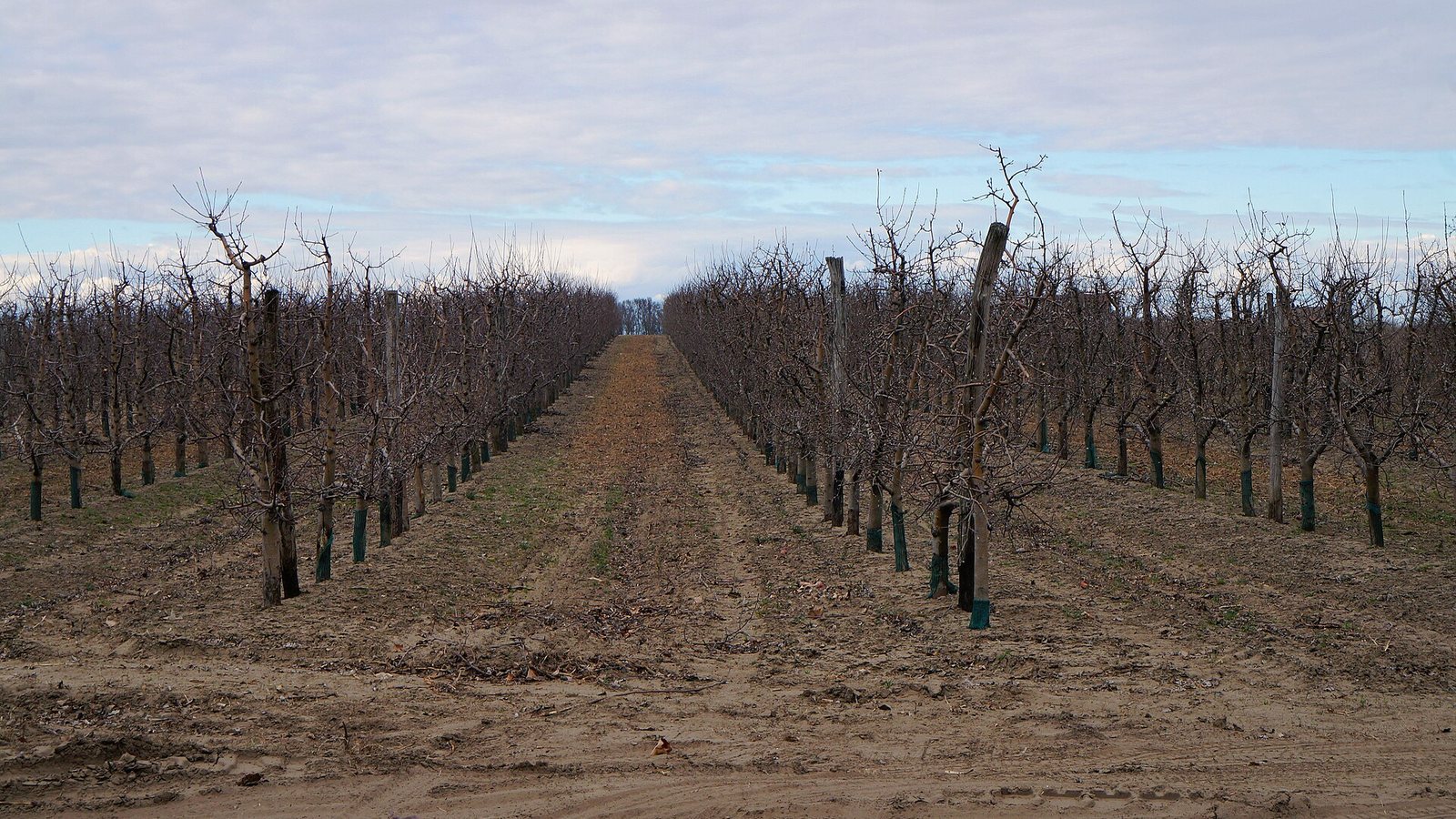
Winter is for dormant fruit. The RHS gives November to early March for apples and pears, removing about 10–20% of the canopy; harder pruning triggers vigorous upright shoots called watershoots. Plums are the exception: the RHS says to prune them in early spring or mid-summer to avoid silver leaf disease. Grapevines are pruned around late November or December while fully dormant, and later cuts can bleed sap; in frost-prone sites the RHS says to wait until March or early April. Our guides to pruning fruit trees in winter and pruning grapevines give the steps.
Winter is also the time for renovation. The RHS says overgrown deciduous shrubs such as smoke bush, forsythia, magnolia and lilac can be cut hard between November and March, and that hard renovation of tough evergreens such as box, camellia, holly, laurel and yew belongs in late winter or early spring. If a shrub has far too many stems, the RHS three-year programme removes a third of the old stems in the first spring, then half of the rest in the second, then the remainder in the third, rather than one drastic cut.
When do you prune roses?
The RHS general timing for roses is late winter, February or March in the UK, cutting no more than 5 mm (¼ in) above a bud, sloping away from it. Ramblers are the exception: they are routinely pruned in late summer, after their flowers and hips. Our rose pruning guide covers the groups; the logic is the same as for shrubs, with repeat-flowering roses cut before growth and once-flowering ramblers cut after they have finished.
What about evergreens, and why not prune in autumn?
Most evergreens are pruned in mid-spring, just before growth starts and after any risk of frost has passed, so new shoots are not frosted and the cuts are hidden by fresh growth. The RHS puts late-flowering evergreens such as hebe, escallonia and rosemary in mid to late spring, and early-flowering evergreens such as camellia, rhododendron and box are mostly left alone apart from tidying and deadheading. The RHS advises avoiding autumn and winter for evergreens, when the plant is too cold to regrow. Lavender and heathers, which flower on last year's growth, are pruned after flowering.
How do you read this calendar in your own climate?
The months above assume a cool-temperate climate. In Türkiye, the Mediterranean and Aegean coasts have mild winters, so the winter jobs can start earlier and spring jobs sooner; inland Anatolia has hard frosts, so wait until the worst cold has passed before pruning frost-tender shrubs. That is a sensible precaution rather than a rule from the cited pages, so check local advice for the week. In the Southern Hemisphere, count six months on: grapes and apples in June to August, roses in August to September, and ramblers in February to March.
| If the plant... | Then prune... |
|---|---|
| Flowers on last year's wood (forsythia, weigela) | Right after flowering |
| Flowers on this year's growth (buddleja, hardy fuchsia) | In early to mid-spring |
| Is an evergreen | Mid-spring, after frost risk |
| Is a dormant fruit tree or vine | In winter (plums: early spring or mid-summer) |
| Is a houseplant | Pinch or trim in the growing season; see pruning houseplants |
Which pruning mistakes does the calendar prevent?
| Mistake | What goes wrong | Do this instead |
|---|---|---|
| Cutting forsythia or weigela in winter | You remove the buds that would flower | Prune right after flowering |
| Cutting an evergreen in autumn or winter | The plant is too cold to regrow (RHS) | Wait for mid-spring |
| Taking more than a fifth of an apple tree | A mass of watershoots (RHS) | Keep to 10–20% a year |
| Pruning a grapevine in late winter | Cuts bleed sap once it starts to rise | Finish by midwinter |
How do you remember all this?
Pruning dates are easy to forget, since most come once a year. In Flori you can set a pruning reminder for each plant in your collection, and our seasonal plant care calendar and autumn garden checklist fit the other jobs around it. Use clean, sharp tools, and when in doubt about a particular shrub, check its RHS pruning group before cutting.
Frequently asked questions
What month should I prune shrubs?
It depends on when they flower. The RHS says to prune early-flowering shrubs right after flowering, summer-flowering ones in early to mid-spring, and most evergreens in mid-spring.
Can I prune in autumn?
Avoid it for evergreens: the RHS advises against pruning them in autumn and winter, when they are too cold to regrow. Dormant fruit trees and vines are pruned in winter instead.
When do you prune roses?
The RHS gives late winter, February or March in the UK, for most roses. Ramblers are routinely pruned in late summer, after flowers and hips.
When should I prune apple and plum trees?
Apples and pears in the dormant season, November to early March in the RHS guidance. Plums in early spring or mid-summer, to avoid silver leaf disease.
How do I use this calendar in the Southern Hemisphere?
Add six months to each month: grapes and apples in roughly June to August, and roses in August to September, instead of the northern dates.
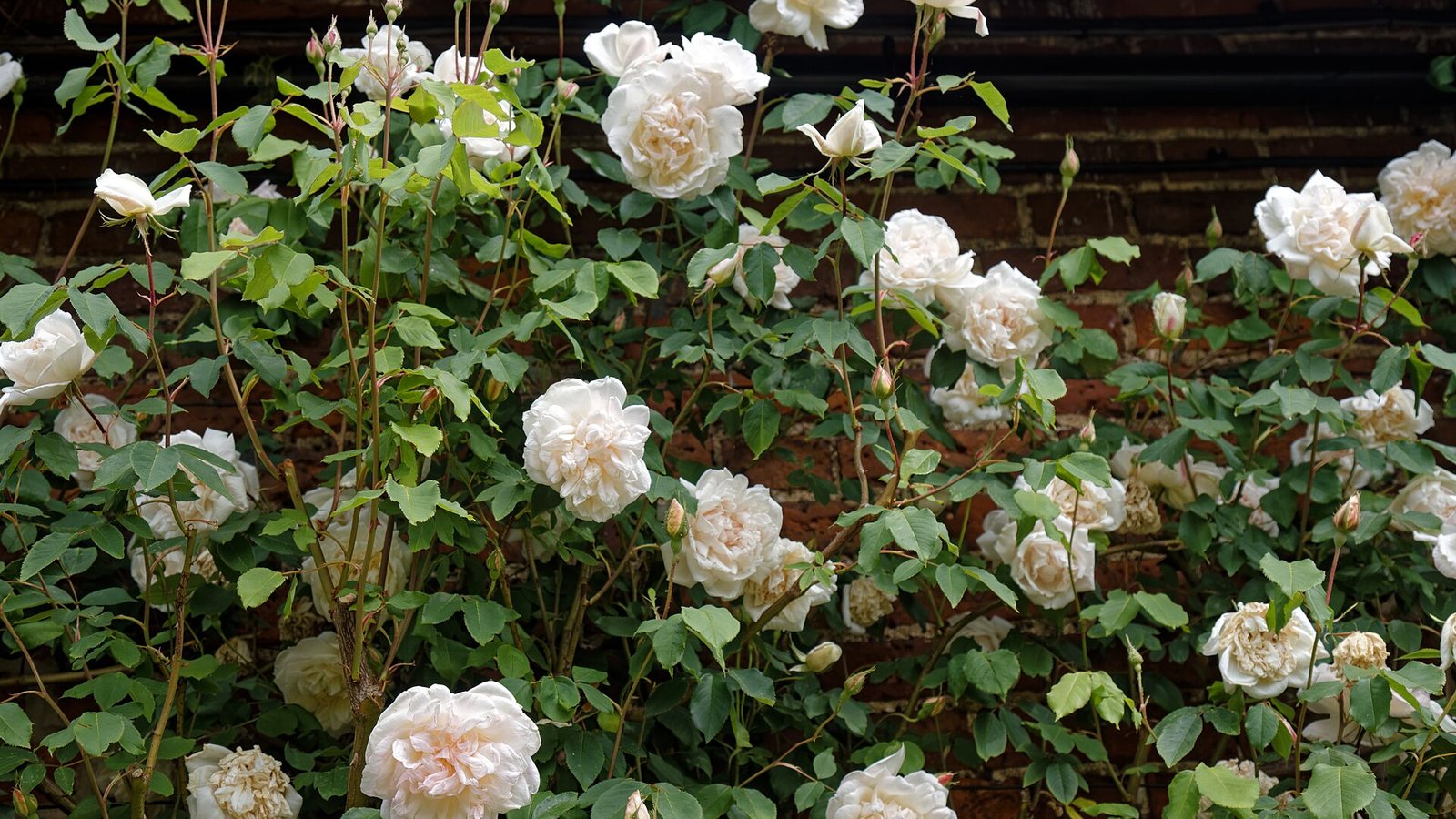
When to prune roses in both hemispheres by rose type, and where to cut: 5 mm above an outward bud, sloping away, after removing dead and crossing stems.
Sources
Written and fact-checked by the Flori team. Every guide cites horticultural sources such as the RHS, university extension services and the ASPCA, and is updated when the advice changes. How we write our guides
General plant care information. Plants vary; when a plant is valuable or a problem spreads quickly, consult a local nursery or plant specialist.