Surprising Stories Behind Plant Names
Poinsettia, dahlia, magnolia, camellia, gardenia, begonia and zinnia: the real people behind seven names, and which are safe for cats and dogs.
 By Flori editorial team · Updated
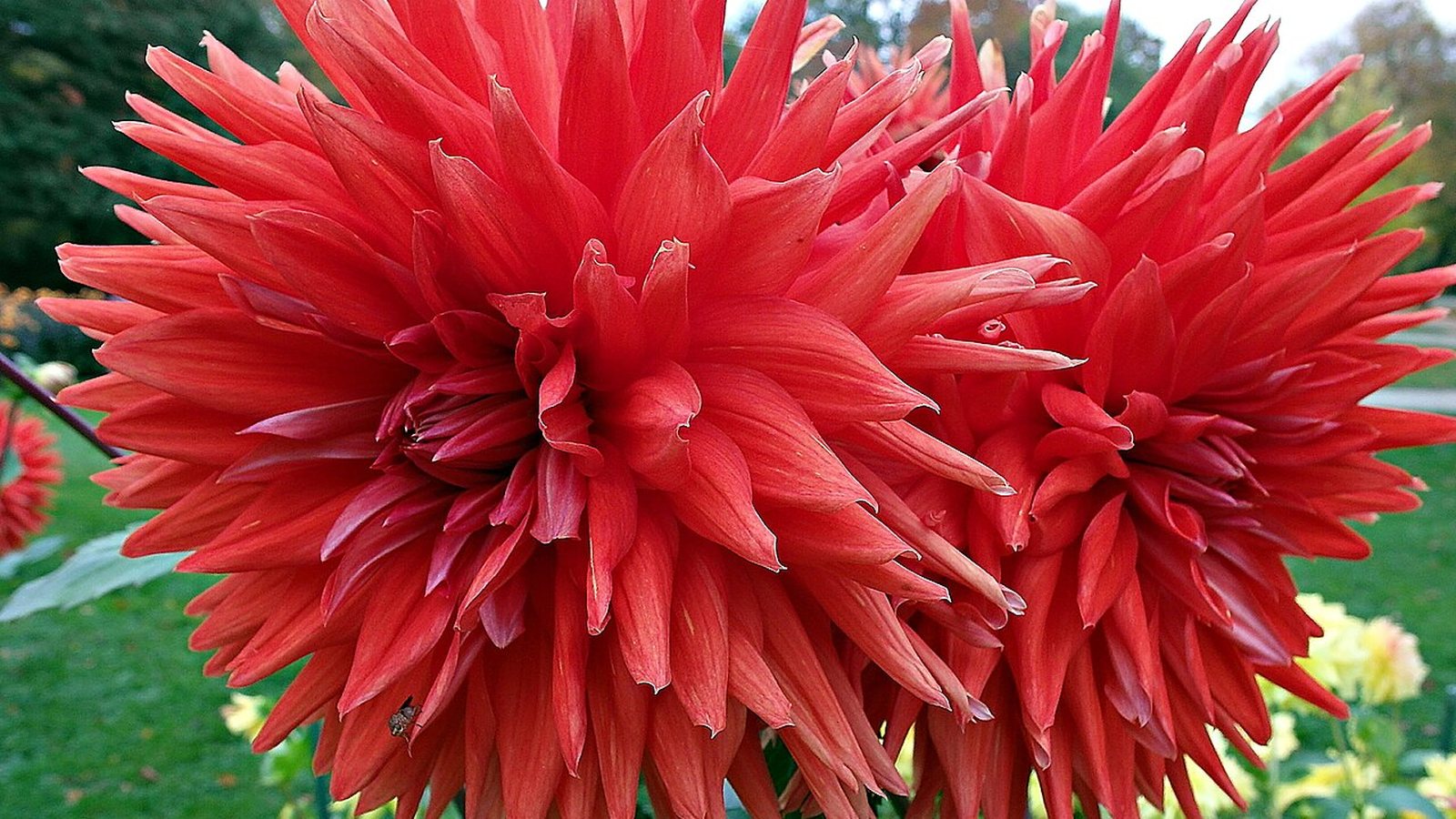 Photo: Jörg Blobelt · CC BY-SA 4.0
Many plant names are people. Poinsettia honours a US diplomat, dahlia a student of Linnaeus, magnolia a French professor, camellia a Jesuit missionary, gardenia a Scottish naturalist, begonia a colonial governor and zinnia a German botanist. A name tells you who it honours, not how to care for it or whether it is safe for pets.
Key takeaways
- Poinsettia, dahlia, magnolia, camellia, gardenia, begonia and zinnia are all named after real people.
- The poinsettia was named by a Philadelphia nurseryman for Joel Poinsett, who introduced it from Mexico around 1828.
- Dahlia was once wrongly named Georgina, a name still used in parts of eastern Europe.
- A plant's name honours a person; it does not tell you how to care for it or whether it is pet-safe.
- Check each plant's toxicity: per the ASPCA gardenia, begonia, dahlia and poinsettia are toxic to cats and dogs, camellia and zinnia are not.
On this page8
- Which common plants are named after real people?
- Who was the poinsettia named after?
- Why was the dahlia once called Georgina?
- Who are the people behind magnolia, camellia, gardenia, begonia and zinnia?
- Are these plants safe for pets?
- Does a plant's name tell you how to care for it?
- How reliable are plant-name stories?
- Which name story would you share?
Which common plants are named after real people?
Many of the garden and houseplant names we say every day are surnames. Seven well-known ones, each checked against extension pages, are in the table below. The surprise is how ordinary the namesakes were: a diplomat, a student, a professor, a missionary who worked far from home. The second surprise is practical: a name honours a person, so it says nothing about light, water or pets, which is why the last column matters more than the history when you shop.
| Plant | Named for | Who they were | Pets (ASPCA) |
|---|---|---|---|
| Poinsettia | Joel R. Poinsett | First US envoy to Mexico | Toxic to cats and dogs (irritant sap, mild) |
| Dahlia | Anders Dahl | Swedish botanist, student of Linnaeus | Toxic to cats and dogs (mild) |
| Magnolia | Pierre Magnol | French botanist (1638–1715) | Check the specific species |
| Camellia | Georg Joseph Camel (Kamel) | Jesuit missionary in the Philippines | Non-toxic (Camellia japonica) |
| Gardenia | Alexander Garden | Scottish naturalist (1730–1791) | Toxic to cats and dogs |
| Begonia | Michael Begon | Colonial governor (1638–1710) | Toxic to cats and dogs |
| Zinnia | Johann Gottfried Zinn | German botanist | Non-toxic |
Who was the poinsettia named after?
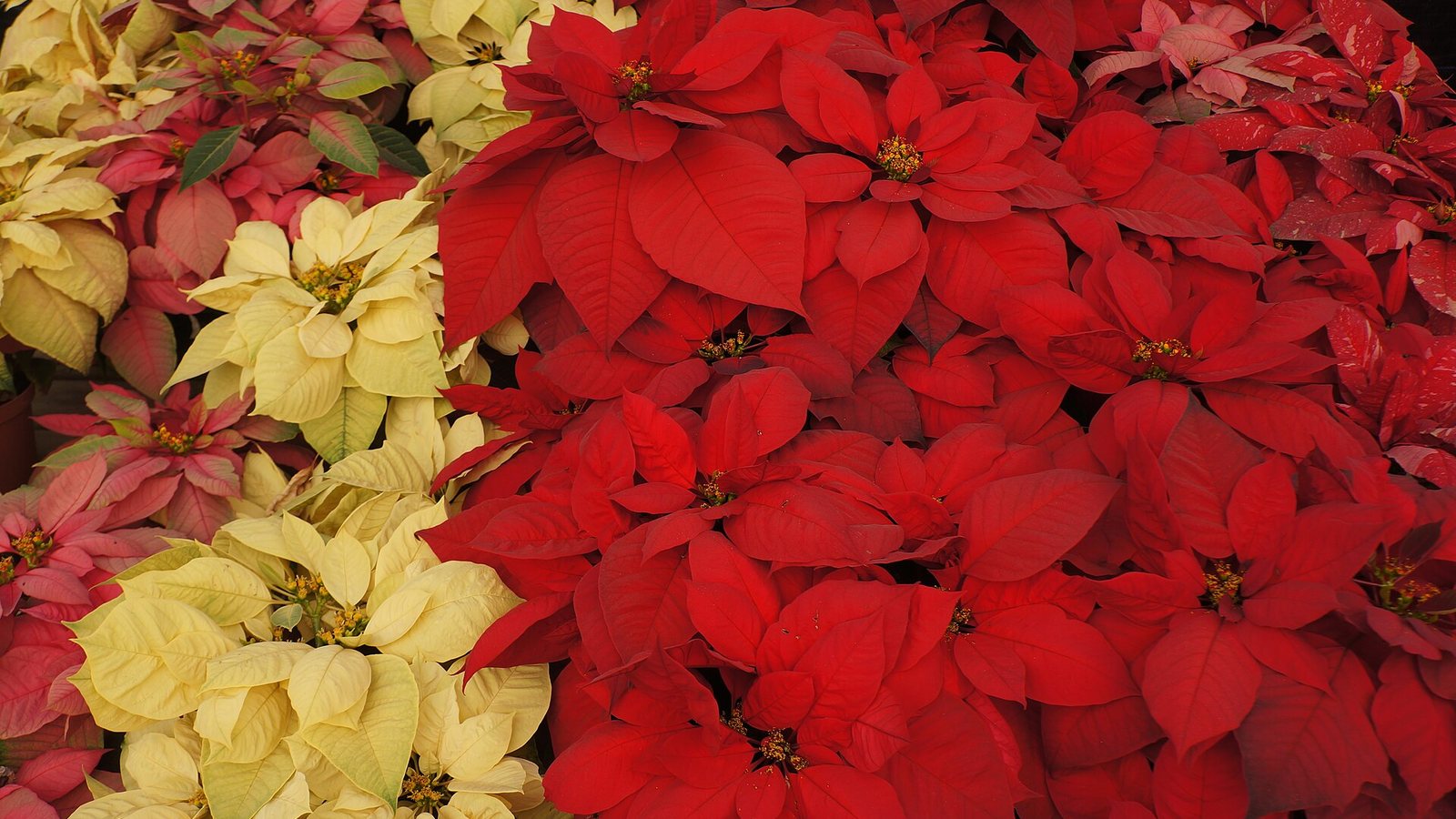
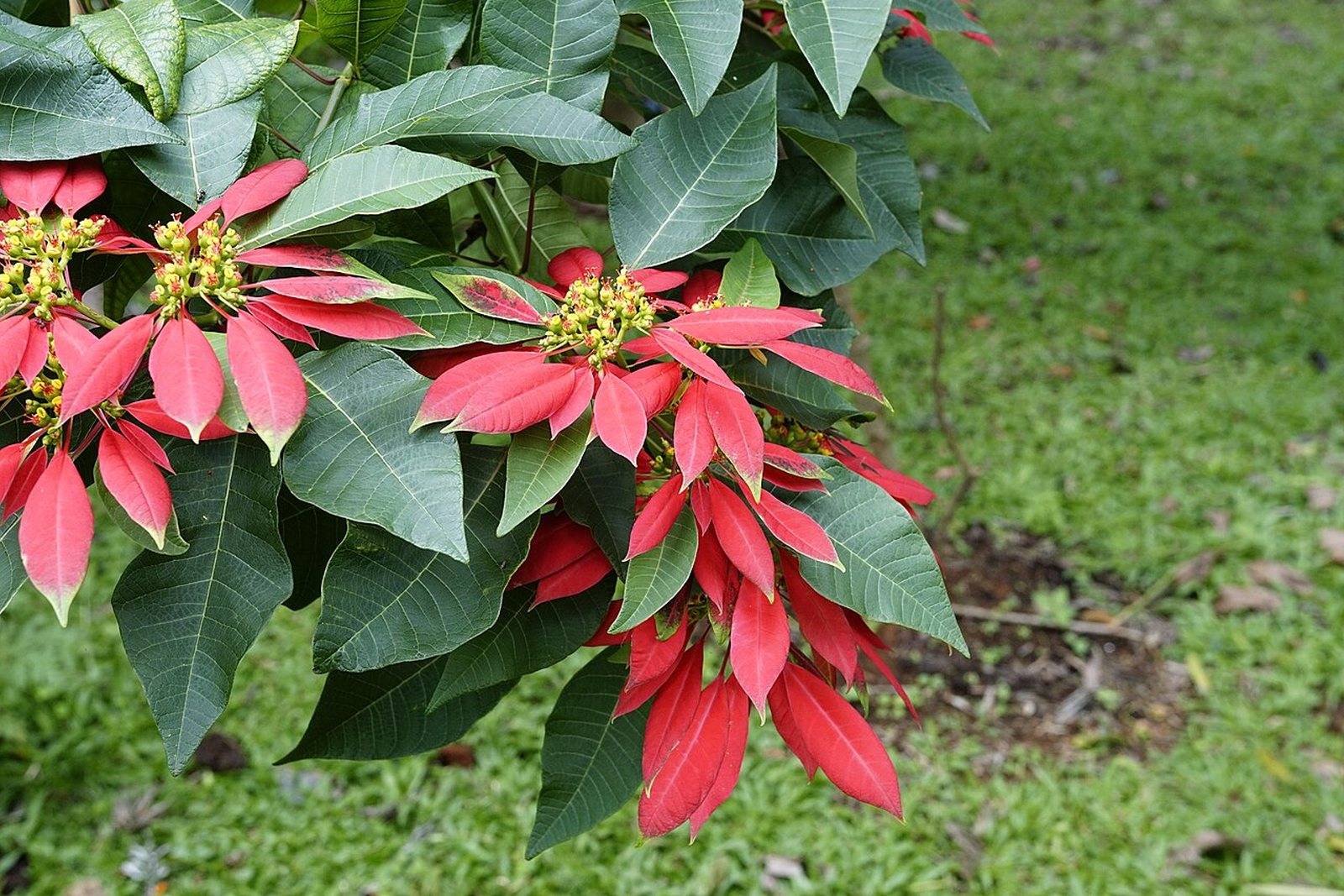
Joel Roberts Poinsett, a South Carolina politician who served as the first US minister to Mexico from 1825 to 1829. UF/IFAS says he brought the plant from Mexico to the US around 1828 and sent it to his greenhouse in Charleston; Clemson says he collected it and introduced it to the Bartram Botanical Garden in Philadelphia in 1828, and that a Philadelphia nurseryman and florist, Robert Buist, saw its potential and named it after him. So the man did not name it himself. In Mexico and Guatemala it is called flor de nochebuena, "Christmas Eve flower" (UF/IFAS), and in Turkish it is Atatürk çiçeği. The colourful "petals" are modified leaves called bracts; the true flowers are small and sit in the centre.
Poinsettia is also a myth-buster. Clemson says it is not considered toxic and that its milky sap tastes unpleasant, though eating it may cause stomach ache or vomiting. The ASPCA lists it as toxic to cats and dogs but calls it "generally over-rated in toxicity". Our poinsettia care guide covers keeping one after the holidays.
Why was the dahlia once called Georgina?
Because it was named in error. A University of Missouri Extension article says the genus name honours Anders Dahl, a Swedish botanist and student of Carl Linnaeus, and that the Spanish botanist Cavanilles gave the current genus name. The plant was first given the genus name Georgina, which the article calls an error and notes is still used in many parts of eastern Europe. NC State Extension adds that Dahl died in 1789. The dahlia is also native to Mexico, where the Aztecs were already growing it when Cortés' Spaniards arrived in the 16th century, and it is Mexico's national flower (Missouri Extension). Sources differ on the date and details of the naming, so we leave them out.
Who are the people behind magnolia, camellia, gardenia, begonia and zinnia?
- Magnolia honours Pierre Magnol (1638–1715), a French botanist who directed the Royal Botanic Garden of Montpellier and, NC State Extension notes, was the first to recognise the modern concept of plant families. The Turkish form is manolya.
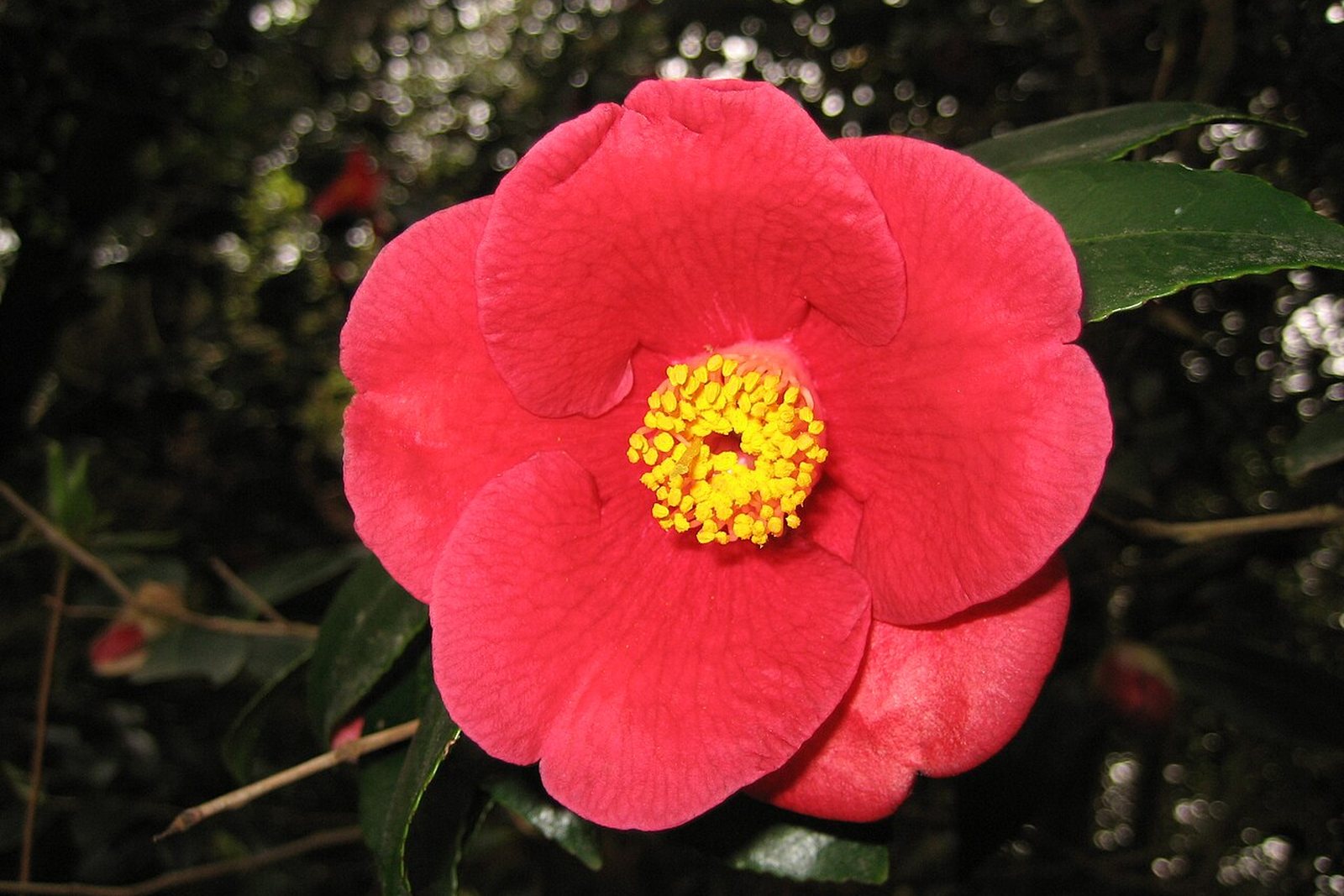
- Camellia was named in honour of Georg Joseph Camel, a Jesuit missionary in the Philippines with a particular interest in plants native to the Orient (NC State). The Turkish form is kamelya.
- Gardenia is named for Alexander Garden, an 18th-century Scottish naturalist (1730–1791), says Clemson. In Turkish it is gardenya.
- Begonia honours Michael Begon (1638–1710), whom NC State Extension lists as the Governor of French Canada. Other sources place him elsewhere in the French colonies, so we call him a colonial governor. The Turkish form is begonya.
- Zinnia is named in honour of Johann Gottfried Zinn, a German botanist (NC State). The Turkish form is zinya.
Are these plants safe for pets?
This is the useful part of the story. Per the ASPCA, gardenia is toxic to dogs and cats (mild vomiting, diarrhoea and hives), begonia is toxic (vomiting and excess drooling, with the underground parts most toxic), and dahlia is toxic (mild stomach upset and mild skin irritation). Poinsettia is listed as toxic but over-rated. Camellia (Camellia japonica) and zinnia are listed as non-toxic to dogs and cats. The ASPCA's page for magnolia is general rather than species-specific, so check the exact species. If a pet eats any plant, call your vet, or the ASPCA Animal Poison Control Center on (888) 426-4435, promptly. Our guides to checking plant toxicity before you buy and plants toxic to cats go further.
Does a plant's name tell you how to care for it?
No. A name honouring a person has nothing to say about light, water or hardiness, and genus names carry little care information on their own. Common names are no better: one name can cover several different plants. What helps is the exact species. In Flori you can identify a plant from a photo or search the plant database by name, and then see its care profile for light, watering, humidity, temperature and toxicity. For the stories behind what flowers are said to mean, see flower meanings, and for plants credited with bringing luck, plants said to bring luck.
How reliable are plant-name stories?
Treat them as a good story with caveats. Extension sources disagree on small points: whether Poinsett discovered the plant or only introduced it, how to describe Garden or Begon, and who first published a genus name. A fair rule: trust the shared core (the person honoured) and be sceptical of tidy extras such as exact dates and invented anecdotes. The table above uses only what the pages we opened say. Plant names differ in Turkish and English, but the Latin genus is shared, which is why the names above look so familiar in both languages.
Which name story would you share?
| If you want... | Share this |
|---|---|
| A holiday surprise | The poinsettia was named by a nurseryman, not by its namesake |
| A plant-nerd fact | Dahlia was once wrongly called Georgina, and still is in eastern Europe |
| A history fact | Magnol is credited as the first to recognise plant families |
| A practical tip | Four of these seven plants are toxic to pets |
Frequently asked questions
Who is the poinsettia named after?
Joel Roberts Poinsett, the first US minister to Mexico, who introduced it to the US around 1828. Clemson says nurseryman Robert Buist gave it his name.
Why is the dahlia called a dahlia?
The genus honours Anders Dahl, a Swedish botanist and student of Linnaeus. It was first given the genus name Georgina in error, a name still used in parts of eastern Europe.
Who is the camellia named after?
Georg Joseph Camel (Kamel), a Jesuit missionary in the Philippines with an interest in plants of the Orient, according to NC State Extension.
Are camellias and zinnias safe for pets?
The ASPCA lists Camellia japonica and zinnia as non-toxic to dogs and cats. Gardenia, begonia and dahlia are listed as toxic.
Is the poinsettia poisonous?
Clemson says it is not considered toxic, though eating it may cause stomach ache or vomiting. The ASPCA lists it as toxic to cats and dogs but over-rated in toxicity.
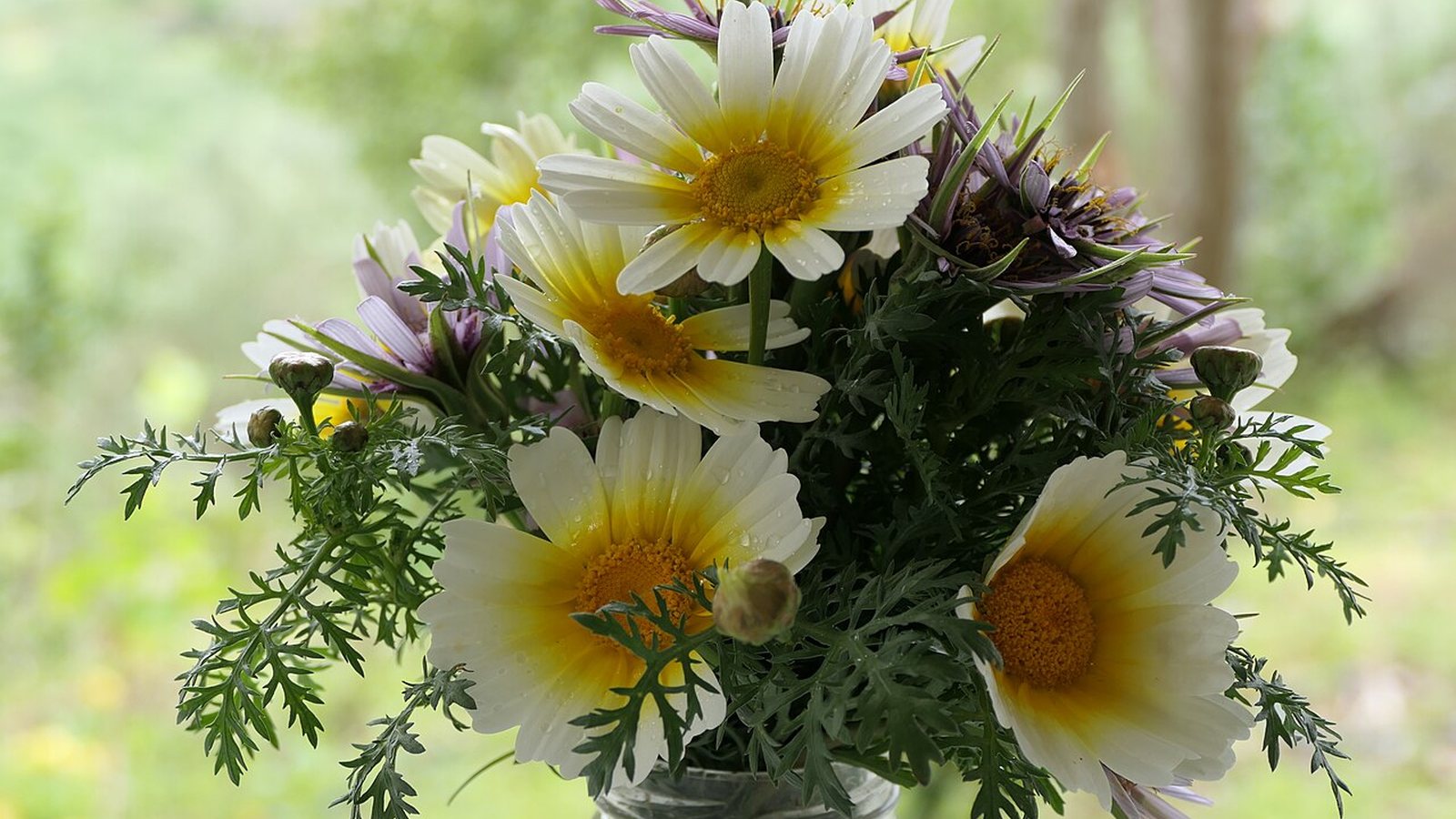
Flower meanings for roses by colour, carnations, tulips, lilies and more, why lists disagree, and which popular bouquet flowers are toxic to cats and dogs.
Sources
- NC State Extension Gardener Plant Toolbox: Magnolia (also the Camellia, Begonia, Zinnia and Dahlia pages)
- Clemson HGIC: Poinsettia (also the Gardenia factsheet)
- UF/IFAS Gardening Solutions: Five Facts About the Poinsettia
- University of Missouri Extension: Dahlia
- ASPCA: Toxic and Non-Toxic Plants (individual plant pages)
Written and fact-checked by the Flori team. Every guide cites horticultural sources such as the RHS, university extension services and the ASPCA, and is updated when the advice changes. How we write our guides
General plant care information. Plants vary; when a plant is valuable or a problem spreads quickly, consult a local nursery or plant specialist.