Ficus lyrata · Moraceae
Fiddle-Leaf Fig (Ficus lyrata): Care and Facts
How to care for a fiddle-leaf fig: light, watering, humidity, leaf drop, brown spots, size and pet toxicity, with numbers from extension services.
- Bright indirect light
- Moderate water
- Demanding
- Toxic to pets
Also called: fiddleleaf fig, banjo fig, Ficus lyrata; Ficus pandurata
 By Flori editorial team · Updated
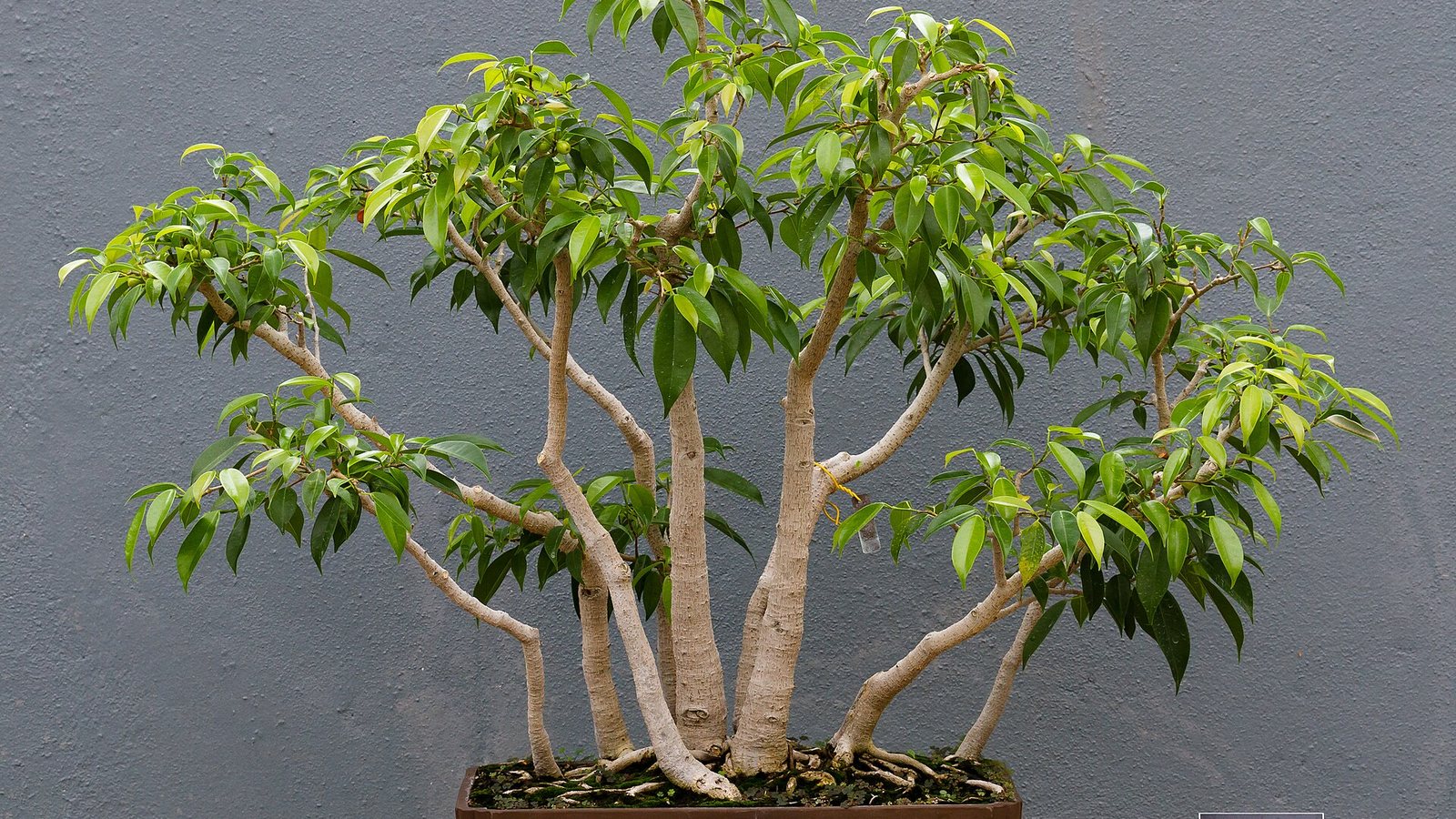
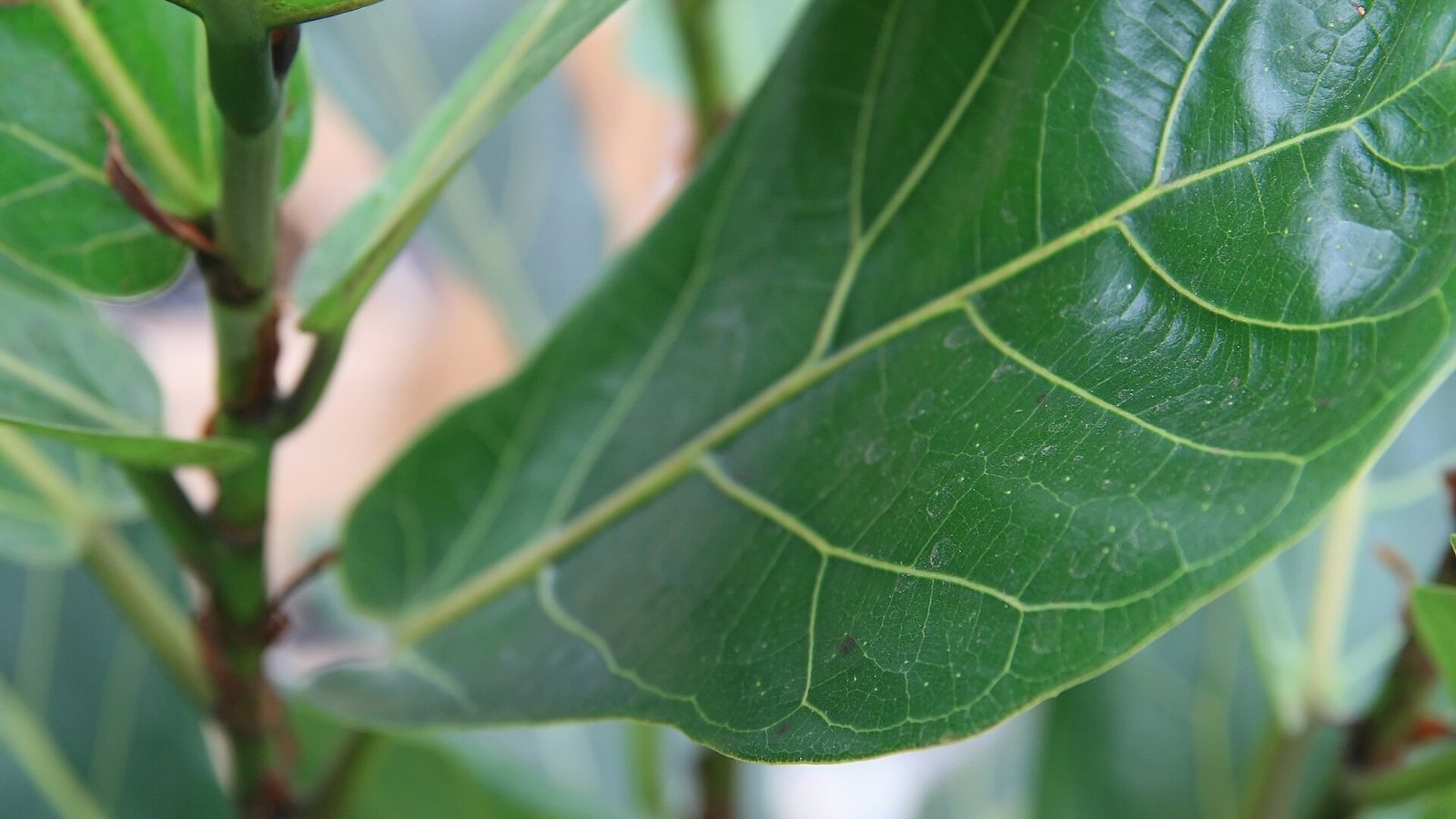 Photo: Photo by David J. Stang · CC BY-SA 4.0
The fiddle-leaf fig (Ficus lyrata) is a West African tree grown as a tall houseplant with large violin-shaped leaves. It wants bright indirect light, soil that is watered when the top is dry, and above-average humidity without draughts or hot vents. Its sap and leaves are toxic to people, cats and dogs.
At a glance
- Light
- Bright indirect light or partial shade; protect from hot afternoon sun
- Watering
- When the top 5 cm (2 in) of soil is dry; sensitive to overwatering
- Humidity
- Medium to above-average humidity; keep away from heat sources
- Temperature
- Above 13 °C (55 °F); avoid vents and draughts
- Soil
- Good, fast-draining potting mix; pot with drainage holes
- Size
- Indoors 60 cm to 3 m (2 to 10 ft) tall; outdoors up to 30 m (100 ft)
- Toxicity
- Toxic to humans, cats and dogs (NC State): calcium oxalate
- Origin
- Tropical western and central Africa
On this page8
- How much light does a fiddle-leaf fig need?
- How often should you water a fiddle-leaf fig?
- What soil and pot suit a fiddle-leaf fig?
- Does a fiddle-leaf fig need humidity and warmth?
- How do you feed, prune and propagate a fiddle-leaf fig?
- Why does a fiddle-leaf fig drop leaves or get brown spots?
- Is a fiddle-leaf fig toxic to cats and dogs?
- How big does it get, and which varieties are there?
How much light does a fiddle-leaf fig need?
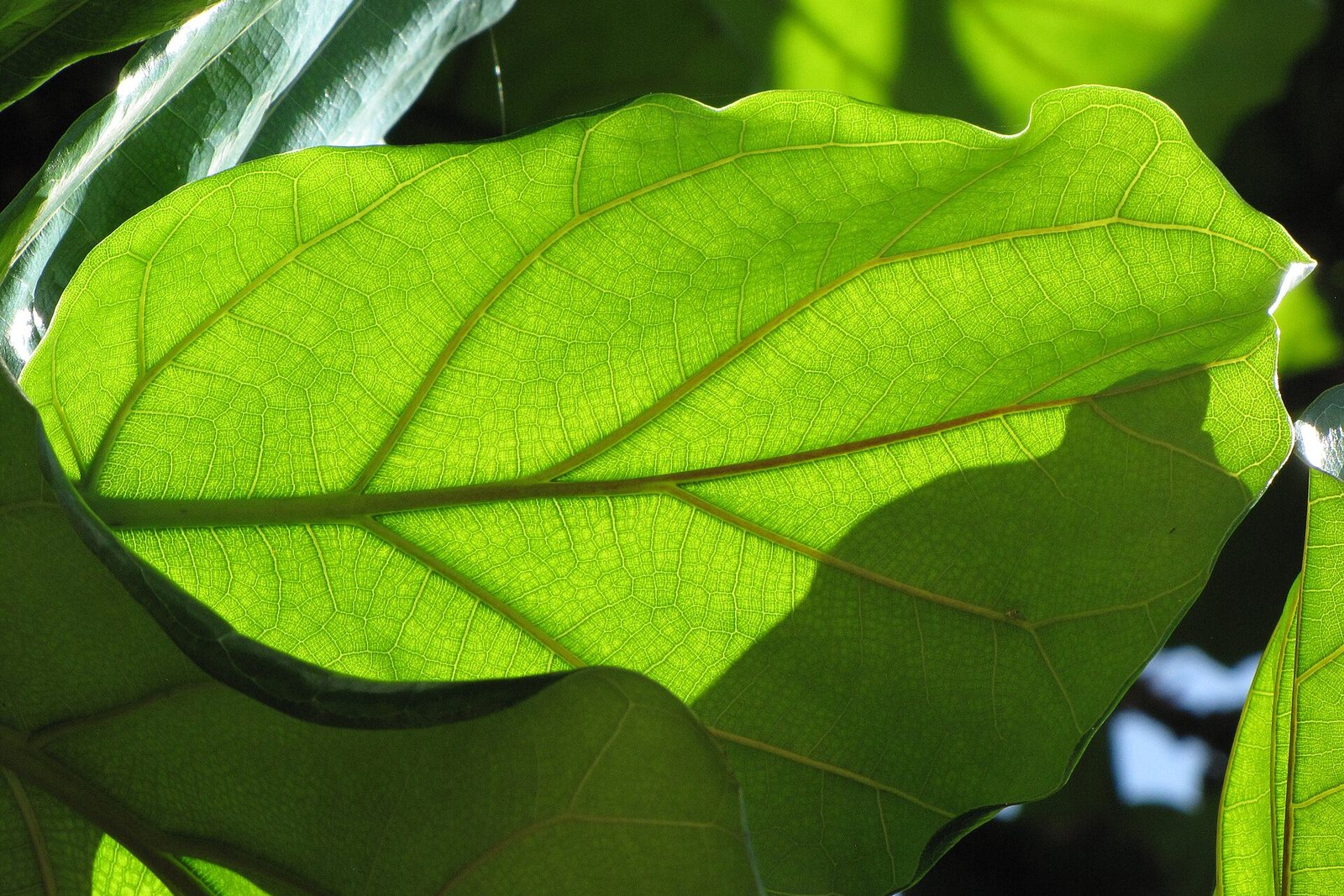
The fiddle-leaf fig (Ficus lyrata) wants bright, indirect light. NC State Extension lists "bright indirect light or partial shade" and says to protect it from afternoon sun, which can scorch the leaves. UC Cooperative Extension suggests a bright room, ideally with some morning sun, and warns that too little light shows up as spindly growth, dull yellow or brown leaves and leaf drop. Our guide to the signs your plant needs more light shows what to look for.
| Position | What to expect |
|---|---|
| Bright room, morning sun | Best growth (UC Cooperative Extension) |
| Bright indirect light or partial shade | Suits the plant (NC State) |
| Hot afternoon sun | Leaf scorch (NC State) |
| Dim corner | Spindly growth and leaf drop (UC Cooperative Extension) |
How often should you water a fiddle-leaf fig?
When the top of the soil has dried, not on a fixed day. UC Cooperative Extension says to water when the top 5 cm (2 in) of soil is dry, and Penn State Extension suggests checking with a finger pushed about 5 cm (2 in) into the soil. Both overwatering and underwatering cause problems, so water conservatively and never leave the pot standing in drained water, which leads to root rot. NC State calls the plant "sensitive to overwatering" and says leaf drop can come from too much or too little water.
Water until it runs out of the bottom, then empty the saucer. A master gardener at Penn State Extension also loosens the surface with a fork or chopstick before watering, and warns that soil pulling away from the pot lets water run down the inside without reaching the roots. For the general method see how often to water houseplants.
What soil and pot suit a fiddle-leaf fig?
Use a good-quality, fast-draining potting mix (Penn State Extension). NC State describes moist, well-drained, loamy, acidic soil. The pot needs drainage holes; Penn State recommends four to six. Penn State Extension says the plant tolerates being potbound, so there is no need to repot often; when you do, go up only one pot size.
Does a fiddle-leaf fig need humidity and warmth?
Yes, more than many houseplants. NC State says it does best at medium relative humidity and prefers temperatures above 13 °C (55 °F). UC Cooperative Extension says it prefers above-average humidity, and that browning leaf edges suggest the air is too dry; it suggests keeping the plant away from heat sources, grouping plants together or using a small humidifier. Avoid vents and draughts: NC State links brown spots to temperature fluctuations near vents. Our indoor plant humidity guide explains how to measure and raise humidity.
How do you feed, prune and propagate a fiddle-leaf fig?
Feeding. UC Cooperative Extension suggests a general houseplant fertiliser once or twice a year in spring and summer at half the label strength, and stresses that "more is not better". Penn State Extension describes feeding a very mild solution at each watering, so the safest approach is a weak dose in the growing season.
Pruning. Pinch off new growth at the branch tips to make a bushier plant. Cuts release milky sap, so blot it up and wear gloves: NC State says the sap can cause contact dermatitis. UC Cooperative Extension says the trunk can be cut back and new leaves will sprout from it.
Propagation. NC State recommends stem cuttings.
Leaf care. Penn State Extension suggests wiping both sides of the leaves with a damp cloth every few months so dust does not block them, and turning the plant a quarter turn when you care for it.
Why does a fiddle-leaf fig drop leaves or get brown spots?
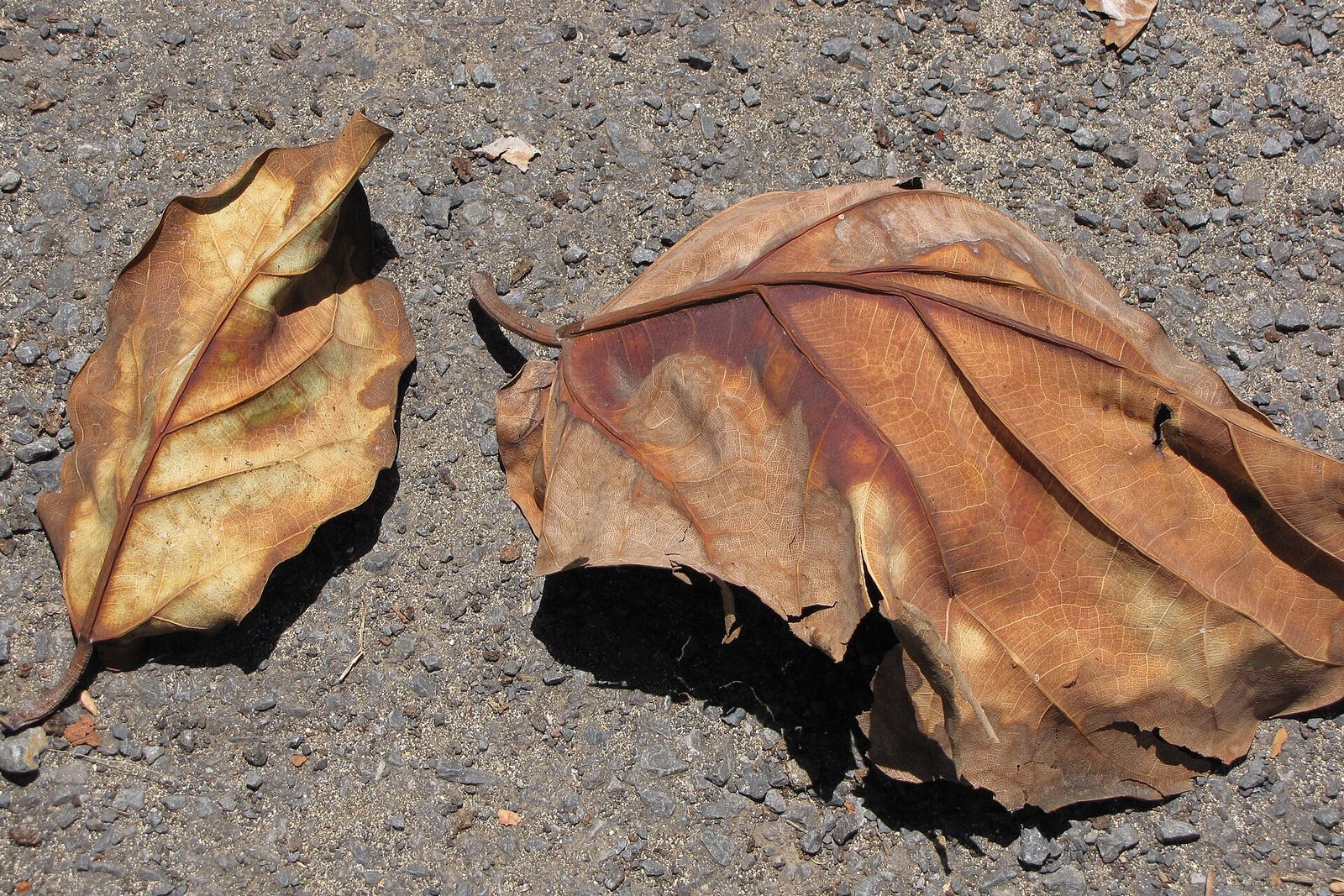
Almost always a change in water, light or temperature. NC State lists leaf scorch from too much direct sun, brown spots from temperature changes near vents, and leaf drop from a water imbalance. UC Cooperative Extension says yellow or brown leaves that drop early usually point to watering problems, and low light can also cause it. Penn State Extension's grower links brown spots to root rot, so check the roots when spots are spreading and the soil stays wet.
- Brown, crisp edges: air that is too dry, or soil that has been dry too long.
- Dark spots spreading and soil still wet: overwatering; check the roots.
- Pale scorched patches on the sunny side: too much direct sun.
- Dropping lower leaves: check water, light and draughts first.
Pests are the other cause: NC State lists scale, aphids, mealybugs, thrips and spider mites. For the general picture read why plant leaves fall off and why leaves turn brown. Dr. Flori can work from a photo of the leaf and suggest the likely cause.
Is a fiddle-leaf fig toxic to cats and dogs?
Yes, treat it as toxic. NC State says it is toxic to humans, cats and dogs if eaten, names insoluble calcium oxalates as the cause, and lists signs such as burning of the mouth, tongue and lips, drooling, vomiting and difficulty swallowing. It rates the severity as low. The ASPCA lists the weeping fig (Ficus benjamina) as toxic to cats, but we did not find Ficus lyrata in its cat and dog lists. The ASPCA entry called "Fiddle-Leaf" is a different plant, Philodendron bipennifolium. Keep the plant out of reach of pets and call your vet or the ASPCA Animal Poison Control Center if one eats a leaf. See our list of plants toxic to cats for other plants.
How big does it get, and which varieties are there?
NC State says a houseplant grows 60 cm to 3 m (2 to 10 ft) tall, with leaves about 20 to 38 cm (8 to 15 in) long. UC Cooperative Extension says a healthy plant can reach about 3 m (10 ft). Outdoors in the tropics it becomes a tree of 18 to 30 m (60 to 100 ft), and NC State recommends outdoor planting only in USDA zones 10 to 12. NC State lists four cultivars: 'Bambino', a dwarf that grows a few feet tall, 'Compacta' with smaller leaves up to 1.5 m (5 ft), 'Little Sunshine' with small violin-shaped leaves, and the uncommon 'Variegata' with green and cream leaves.
Frequently asked questions
How often should I water a fiddle-leaf fig?
When the top 5 cm (2 in) of soil is dry, according to UC Cooperative Extension. Both overwatering and underwatering cause leaf drop, so check the soil first.
Why is my fiddle-leaf fig dropping leaves?
NC State lists a water imbalance, direct sun scorch and temperature changes near vents. UC Cooperative Extension also names low light. Check water, light and draughts first.
Does a fiddle-leaf fig need direct sun?
No. NC State recommends bright indirect light or partial shade and protection from afternoon sun. UC Cooperative Extension says some morning sun is ideal.
Is a fiddle-leaf fig toxic to cats and dogs?
Yes. NC State says it is toxic to humans, cats and dogs if eaten, because of calcium oxalates. We did not find Ficus lyrata in the ASPCA cat and dog lists.
How tall does a fiddle-leaf fig grow indoors?
NC State says 60 cm to 3 m (2 to 10 ft) as a houseplant; UC Cooperative Extension says a healthy plant can reach about 3 m (10 ft).
Sources
Written and fact-checked by the Flori team. Every guide cites horticultural sources such as the RHS, university extension services and the ASPCA, and is updated when the advice changes. How we write our guides
General plant care information. Plants vary; when a plant is valuable or a problem spreads quickly, consult a local nursery or plant specialist.