Best Plants for the Kitchen
The 10 best plants for a kitchen: herbs and tough foliage plants with light needs and a cat and dog safety flag for each. Find your spot fast.
 By Flori editorial team · Updated
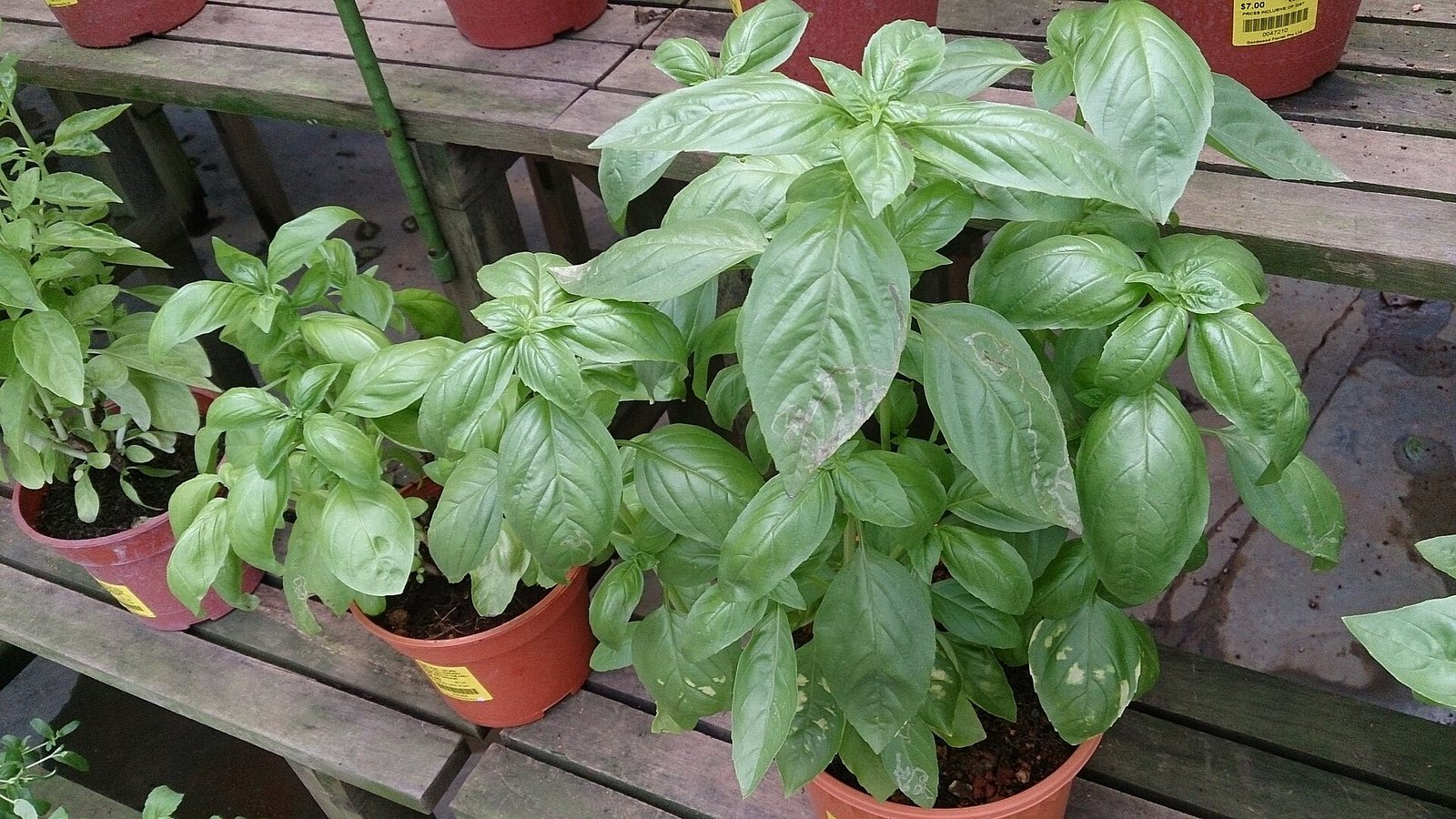
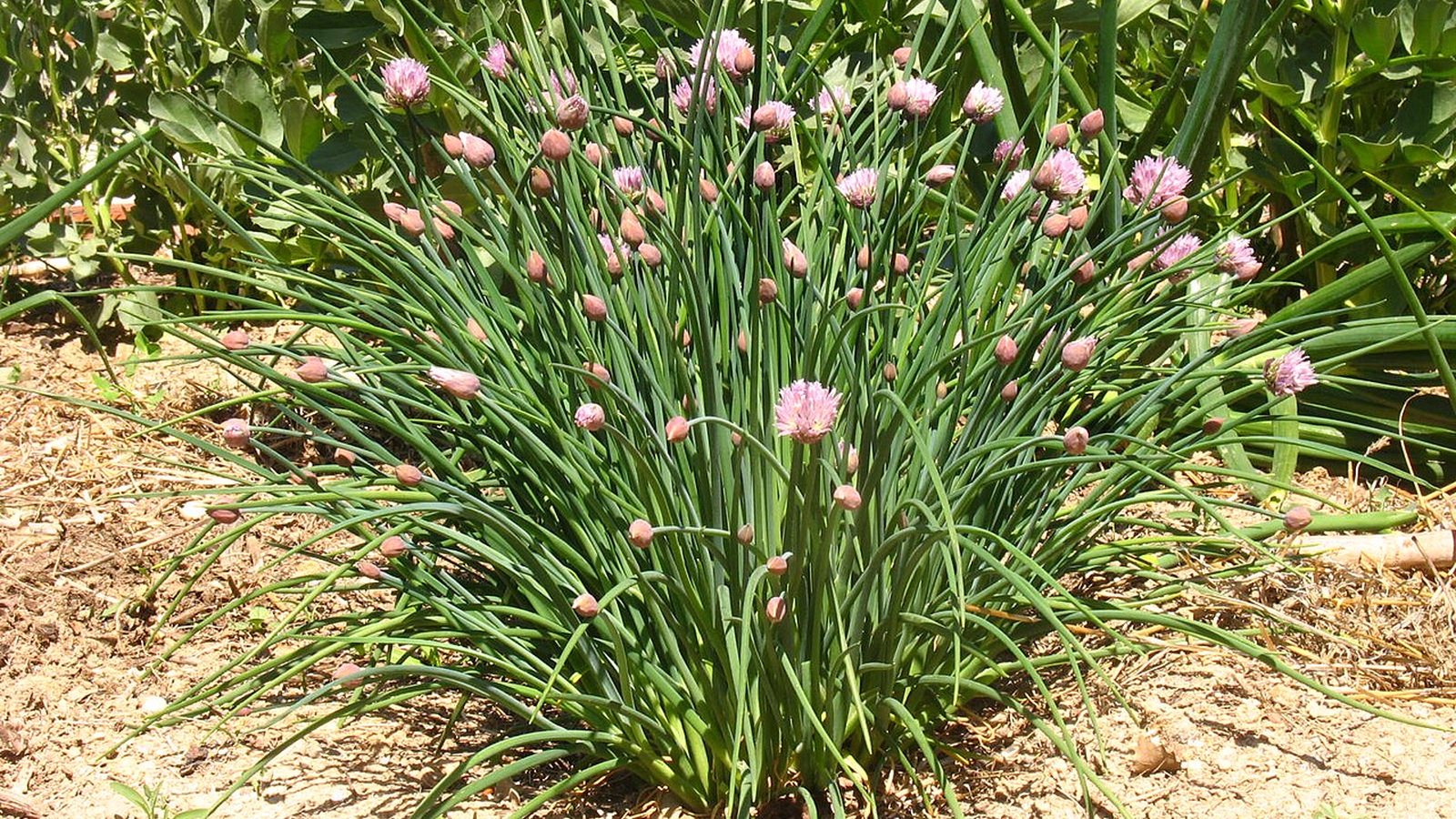 Photo: Acracia · CC BY-SA 3.0
The best kitchen plants are basil, rosemary and thyme for a sunny sill, chives for a dim one, and spider plant, Boston fern, pothos, snake plant, cast iron plant and aloe for the rest. Keep them away from the hob and vents, and check the ASPCA flag: chives, pothos, snake plant and aloe are toxic to pets.
Key takeaways
- Basil, rosemary and thyme need about 6 hours of direct sun; chives tolerate low light.
- Spider plant, Boston fern and cast iron plant are non-toxic to cats and dogs (ASPCA); pothos, snake plant, aloe and chives are toxic.
- Keep plants away from heating vents, the hob and draughts, which dry out leaves.
- Snake plant and cast iron plant take low light and dry air; ferns like a steamy kitchen.
- Use pots with drainage holes and match watering to each plant.
On this page9
- Which plants actually survive in a kitchen?
- Quick table: 10 plants for the kitchen
- Which kitchen herbs are best on a windowsill?
- Which tough foliage plants suit a kitchen corner?
- Where in the kitchen should you put them?
- Which kitchen plants are safe if you have a cat or dog?
- How do you look after kitchen plants easily?
- What three questions should you ask before choosing?
- Which ones should you skip?
Which plants actually survive in a kitchen?
The best kitchen plants are the ones that forgive a busy, warm, sometimes steamy room and still earn their place: herbs you can cook with, spider plants that shrug off dry air, pothos that trails over a cupboard, and a few tough foliage plants for the corner with less light. A kitchen is not a bathroom or a bedroom. It has heat from the hob and oven, draughts from a window or extractor, little spare surface and, often, pets or small children, so each pick below comes with its light need and a pet-safety flag.
Quick table: 10 plants for the kitchen
| Plant | Light | Kitchen bonus | Cats and dogs (ASPCA) |
|---|---|---|---|
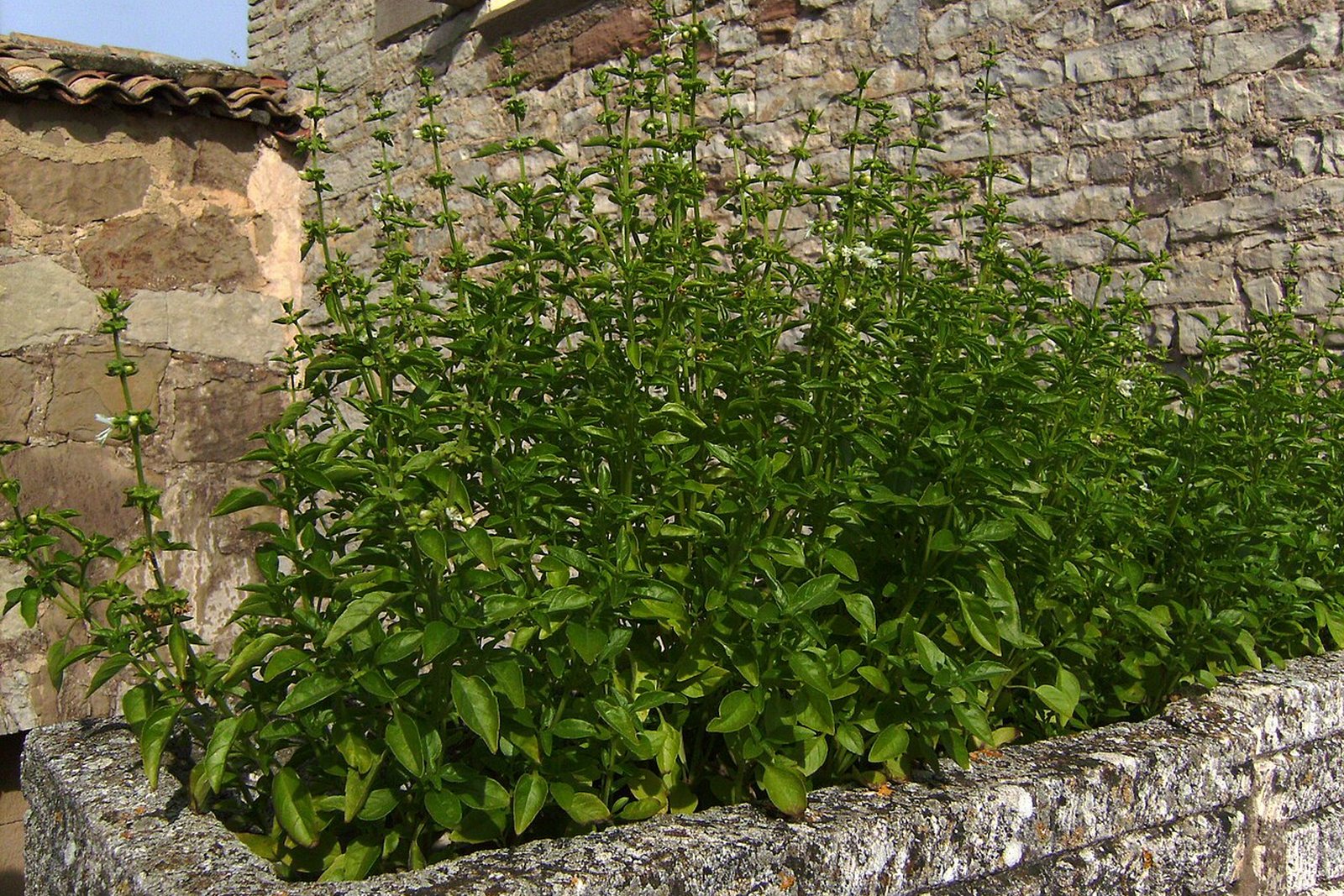
| Basil (Ocimum basilicum) | About 6 hours of direct sun | Fresh leaves; never let it dry out completely | Non-toxic |
| Rosemary (Rosmarinus officinalis) | Needs the most direct sun | Lets the soil dry slightly between waterings | Non-toxic |
| Thyme (Thymus vulgaris) | Needs the most direct sun | Compact, dry-ish soil | Non-toxic |
| Chives (Allium schoenoprasum) | Tolerates low light (2 to 6 hours) | The herb for a dimmer window | Toxic |
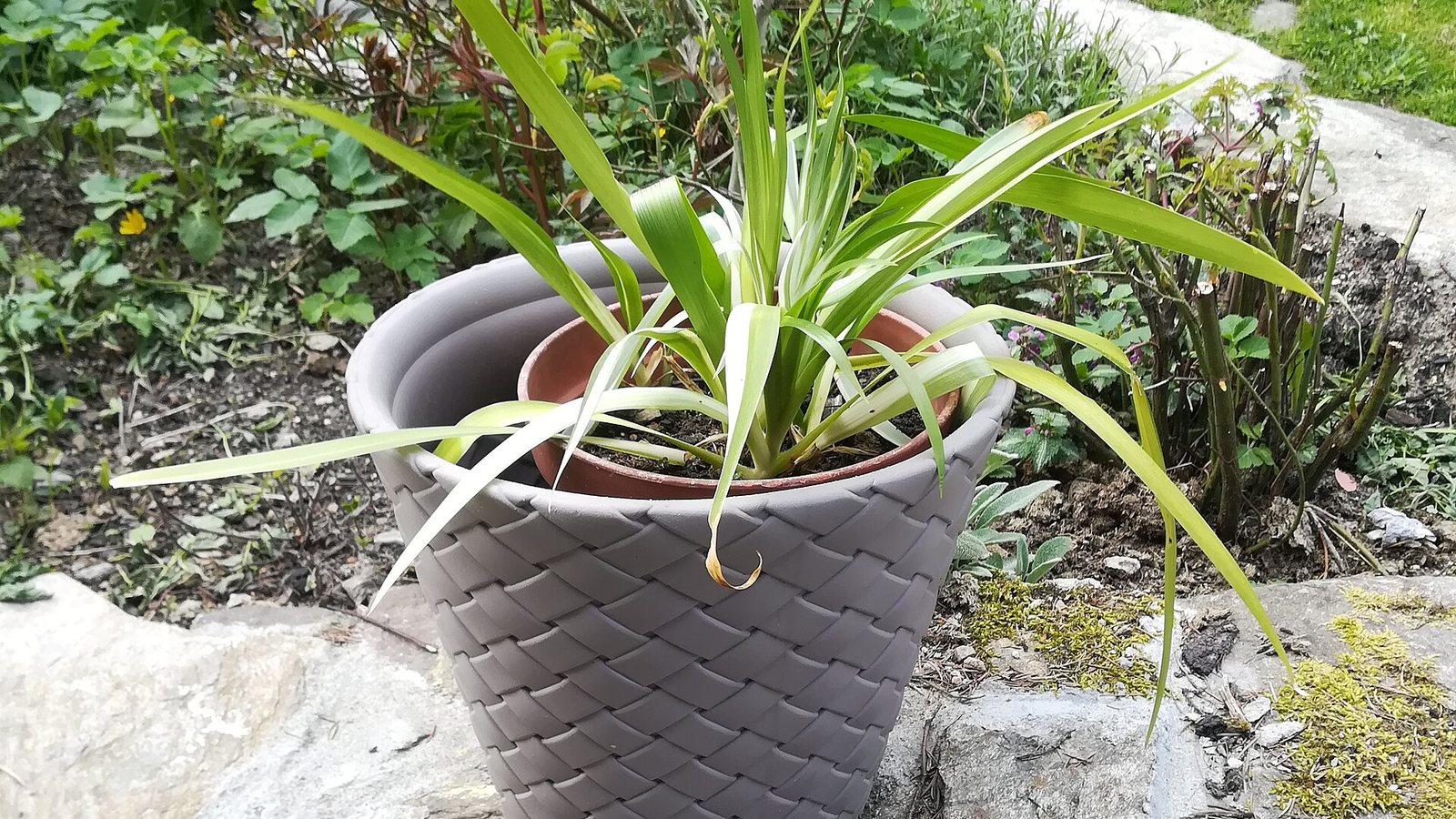
| Spider plant (Chlorophytum comosum) | Indirect light | Adaptable; babies to share | Non-toxic |
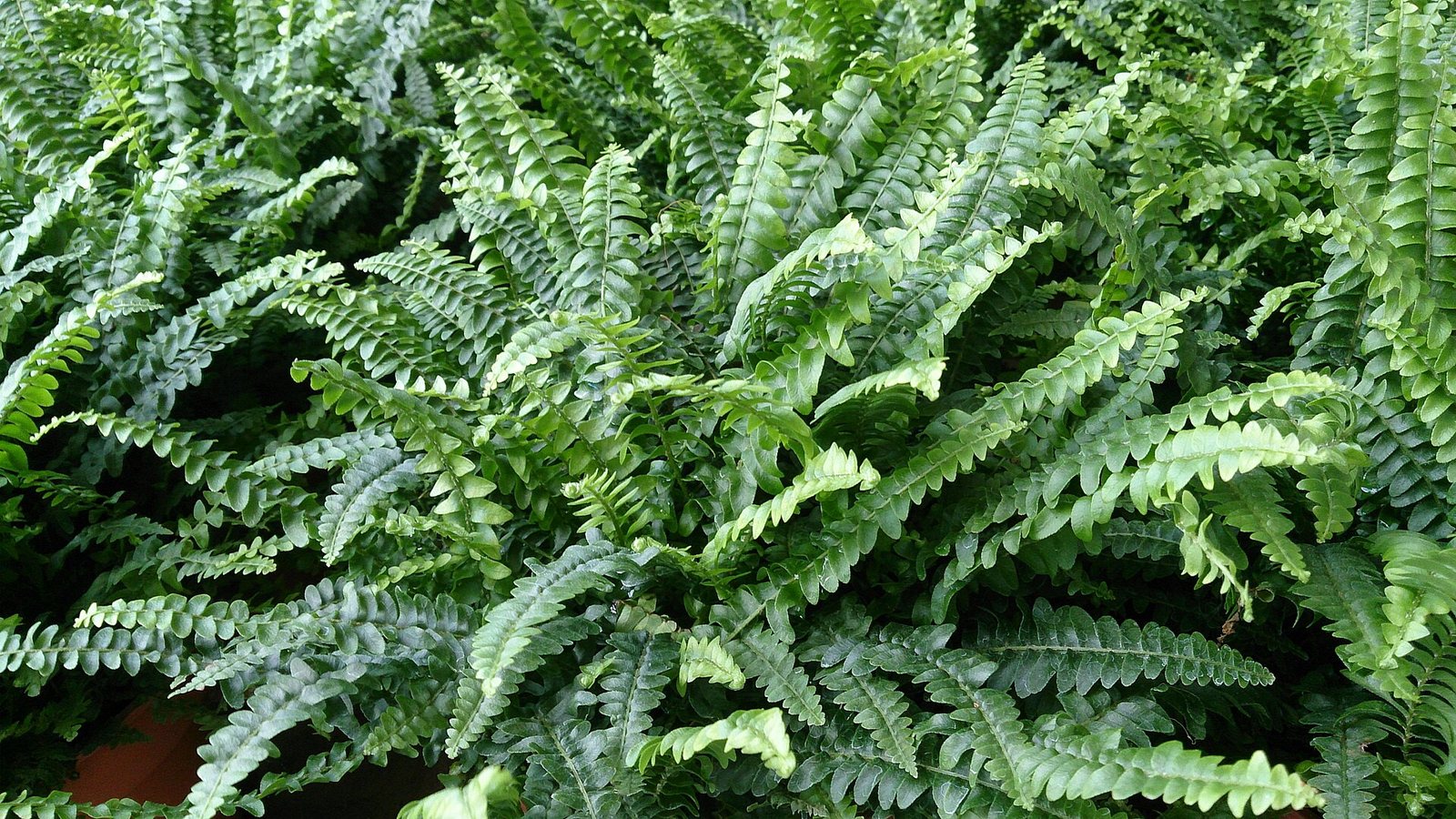
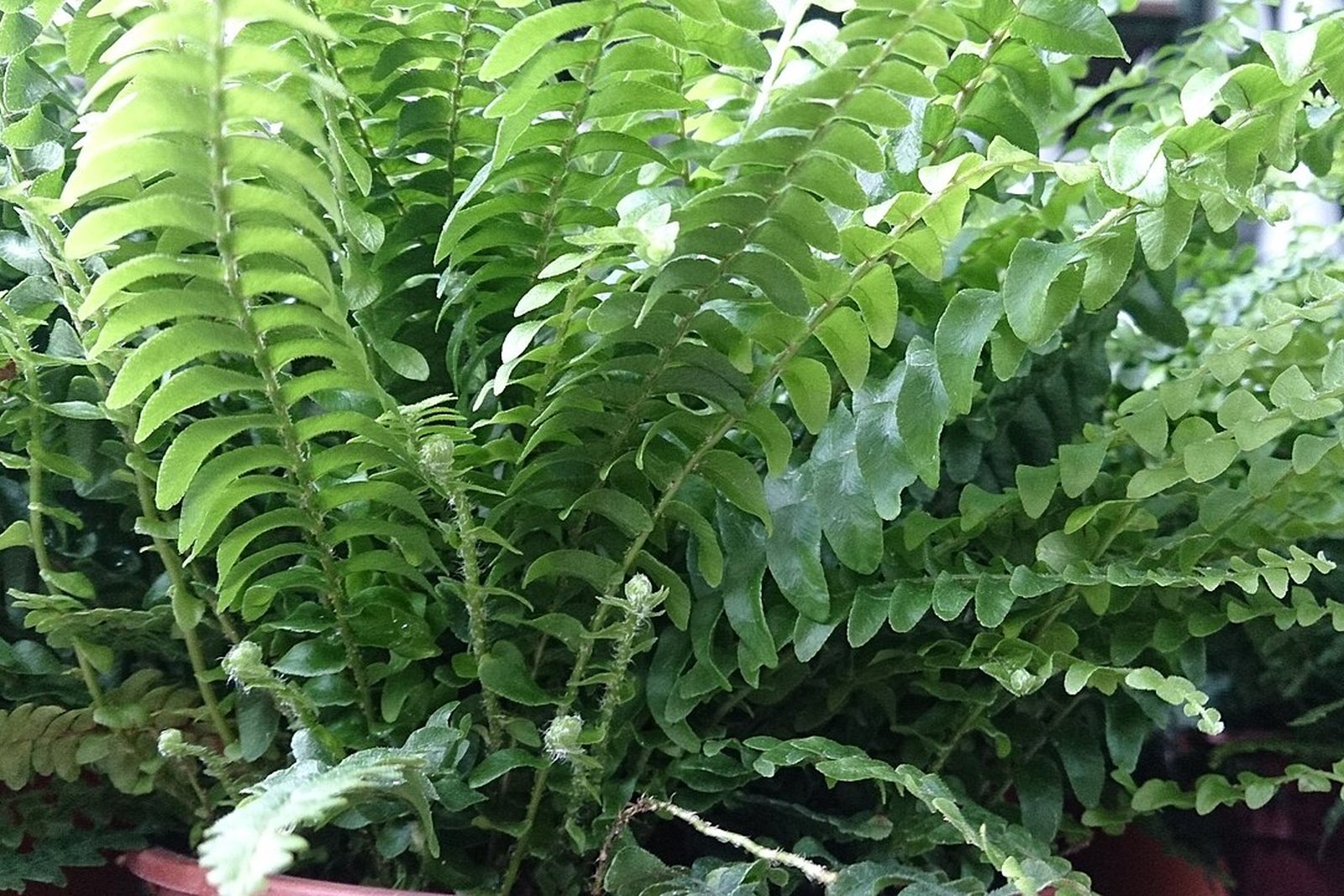
| Boston fern (Nephrolepis exaltata) | Indirect light (general guidance) | Likes warmth and humidity (RHS) | Non-toxic |
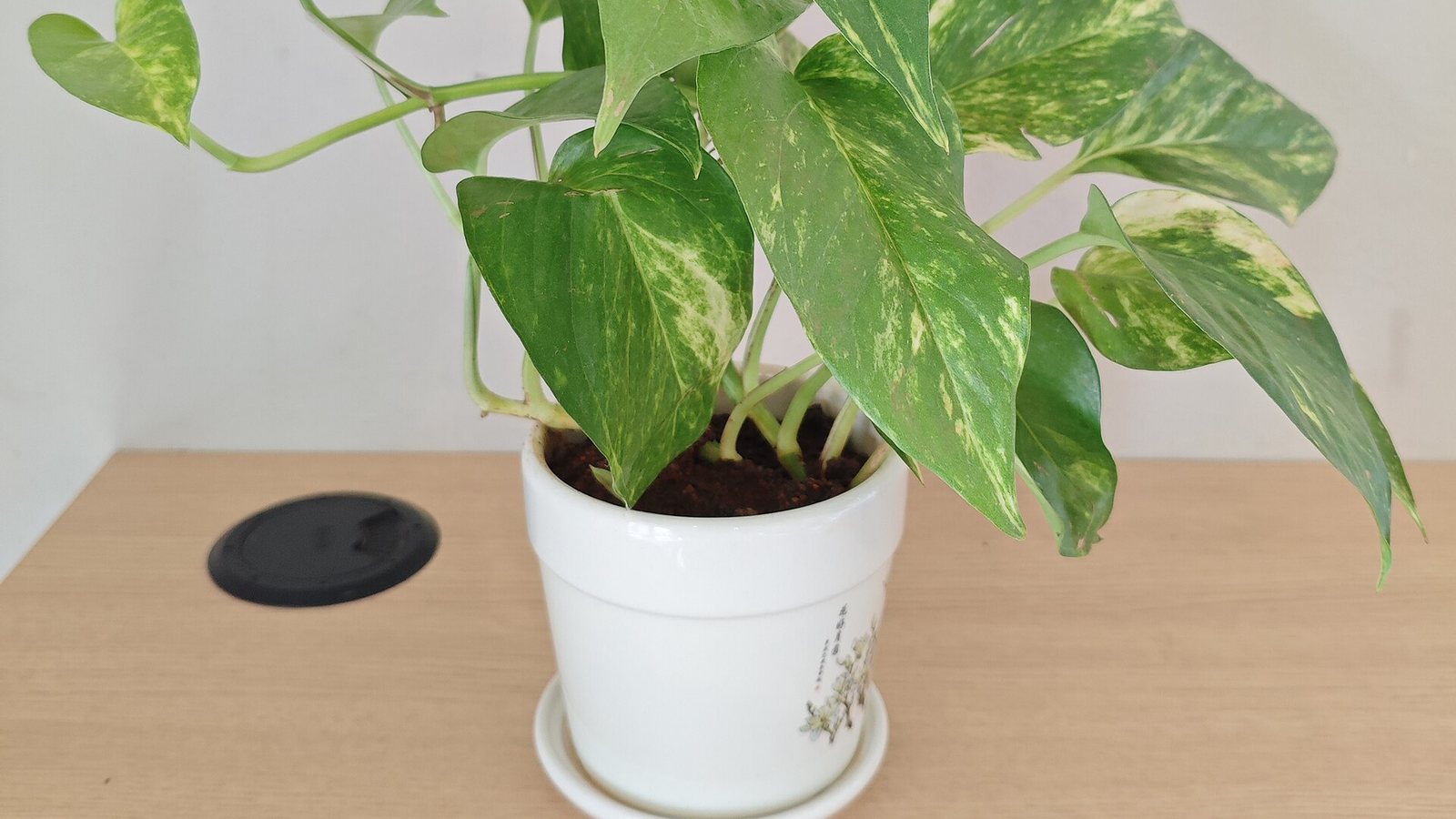
| Pothos (Epipremnum aureum) | Low to bright indirect | Trails from a shelf or cupboard top | Toxic |
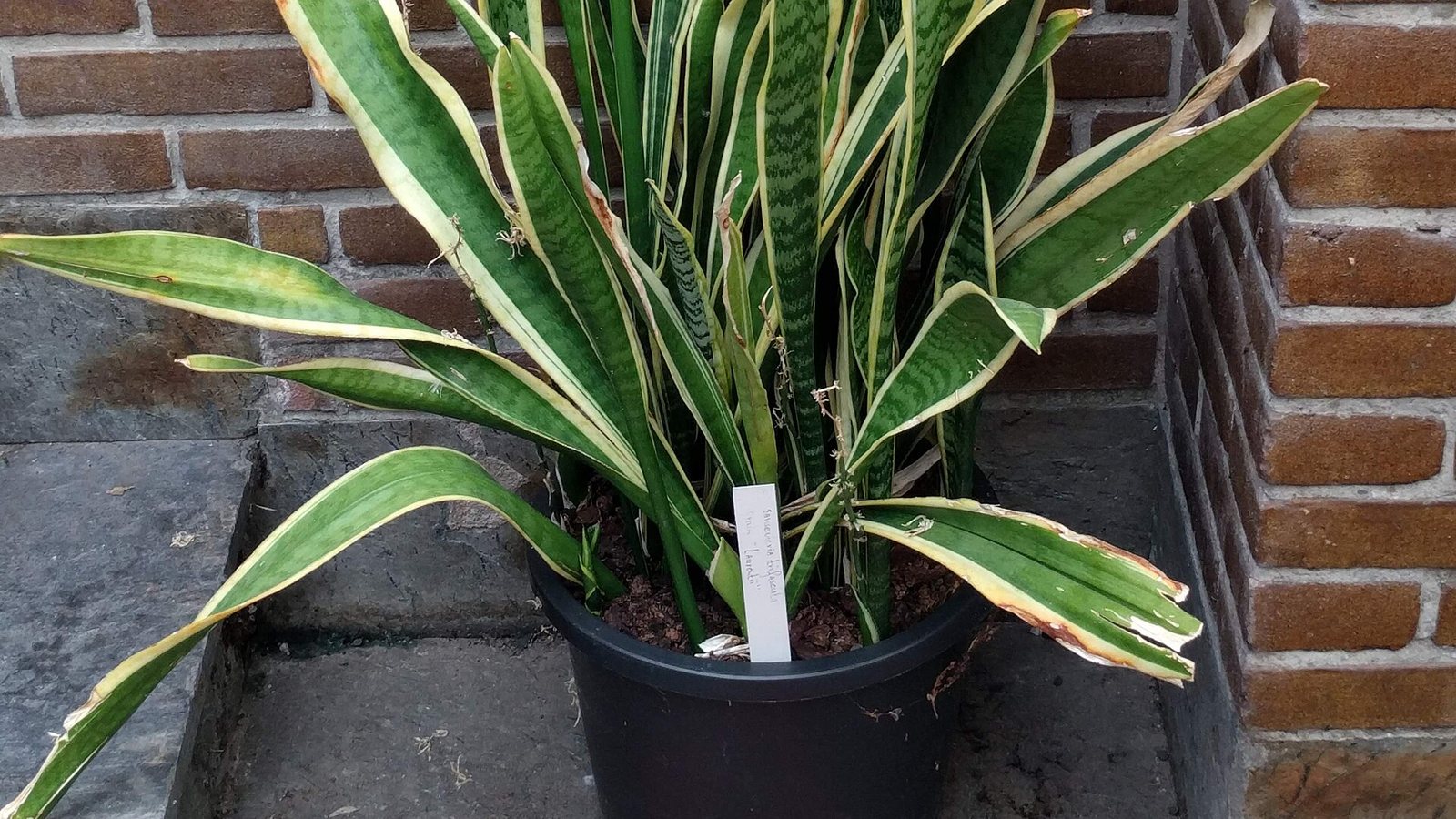
| Snake plant (Dracaena trifasciata) | Low to direct light | Very tolerant of dry air and neglect | Toxic |
| Cast iron plant (Aspidistra elatior) | Tolerates low light | Endures low humidity and neglect | Non-toxic |
| Aloe (Aloe vera) | Bright light | Compact succulent for a bright sill | Toxic |
Light and care notes come from Iowa State University Extension, Penn State Extension and the RHS; the last column is the ASPCA's classification. "Toxic" means keep it out of reach of pets, not that a nibble is always an emergency. The ASPCA lists signs such as vomiting, diarrhoea and mouth irritation; if a pet eats a toxic plant, call your vet.
Which kitchen herbs are best on a windowsill?
Penn State Extension names chives, basil and cilantro as good indoor choices. Bay, rosemary and thyme need the most direct sun, while lemon balm, chives and cilantro tolerate low light. Most herbs need about 6 hours of direct sun a day, or 14 to 16 hours under a grow light (Penn State), and basil dies below 10 °C (50 °F), so keep it off a cold winter sill. For a full setup, see our windowsill herb garden guide.
Always rinse the leaves before using them (Penn State). And never eat a plant that is not a food herb: only the cooking herbs in the table are meant for the pot.
Which tough foliage plants suit a kitchen corner?
Iowa State describes the snake plant as nearly indestructible: it grows in low to direct light, prefers low humidity and should dry out between waterings, with overwatering as the main risk. The cast iron plant tolerates low light and below-average humidity and endures neglect. The spider plant prefers indirect light and average moisture. Pothos grows in low to moderate light, and Clemson says it tolerates the 30 to 60% humidity of an average home.
Where in the kitchen should you put them?
- Not beside the hob. Heat and drying air are the enemy. Clemson warns that hot or cold air from vents and windowsills can dry out leaves, so keep plants away from heating vents and air conditioning.
- The sunniest sill for the sun lovers. Basil, rosemary and thyme want direct light, so give them the brightest window; a south-facing one in the Northern Hemisphere, north-facing in the Southern.
- Shelves and cupboard tops for trailing plants. Pothos is a vine, and hanging baskets work well with regular pruning (Clemson).
- Steamy kitchens suit ferns. The RHS lists the Boston (sword) fern as liking warmth and humidity. Indirect light is a safe general default.
- Windowless kitchens. The RHS says windowless bathrooms are unsuitable for live plants, and the same logic applies here: plants need natural light; a grow light is the only fix.
Which kitchen plants are safe if you have a cat or dog?
Safe by the ASPCA's classification: basil, rosemary, thyme, spider plant, Boston fern and cast iron plant. Toxic: chives, pothos, snake plant and aloe. In a home with cats, keep the toxic ones on a high shelf or choose from the non-toxic group; our pet-safe houseplants guide has more. Even non-toxic plants can upset a stomach if a pet eats a lot.
How do you look after kitchen plants easily?
Match watering to the plant: herbs such as basil like constant moisture; rosemary and thyme dry out slightly; snake plant and cast iron plant want the soil to dry between waterings. Use pots with drainage holes. Fertilise herbs with a low-dose, water-soluble feed about every two weeks while growing (Penn State). If you keep several plants, a Flori reminder per plant makes the different rhythms easy to follow, and Flori's identification helps when a kitchen gift plant has no label. For a damp, steamy room look at plants for bathrooms, and for a very dim room best plants for low-light rooms.
What three questions should you ask before choosing?
First look at the window: how many hours of direct sun does it get? Six or more suits the sun-loving herbs, basil, rosemary and thyme. Less light points to chives, snake plant, cast iron plant or pothos. Second, pets: the last column of the table settles it. Third, your routine: if you cannot water weekly, plants that like to dry out between waterings, such as snake plant and cast iron plant, are easier.
Which ones should you skip?
Skip anything that needs high humidity and bright light in the same spot, such as a fussy maidenhair fern on a hot, dry sill, and skip toxic plants near a pet's reach. Start with two or three from the table rather than ten.
Frequently asked questions
What plants grow well in a kitchen with little light?
Iowa State and Penn State name the snake plant, cast iron plant, pothos and chives as tolerant of low light. A windowless kitchen still needs a grow light.
Are kitchen herbs safe for cats and dogs?
Basil, rosemary and thyme are non-toxic to cats and dogs per the ASPCA. Chives are toxic, so keep them out of reach.
Can I grow herbs in a kitchen without a sunny window?
Chives, lemon balm and cilantro tolerate low light (2 to 6 hours); most other herbs need about 6 hours of direct sun or a grow light for 14 to 16 hours (Penn State).
Do plants survive the steam and heat of a kitchen?
Many do, but keep them away from the hob and vents. The RHS lists the Boston fern as liking warmth and humidity; Clemson warns hot or cold air from vents dries leaves.
Start a windowsill herb garden that lasts: the sunniest window, the right pots and mix, watering herb by herb, and which herbs are safe around pets.
Sources
Written and fact-checked by the Flori team. Every guide cites horticultural sources such as the RHS, university extension services and the ASPCA, and is updated when the advice changes. How we write our guides
General plant care information. Plants vary; when a plant is valuable or a problem spreads quickly, consult a local nursery or plant specialist.