Birth Month Flowers: All 12 Months and Pet Safety
The 12 birth month flowers in one table, with which are toxic to cats and dogs, why lists differ by country and how to choose one as a gift.
 By Flori editorial team · Updated
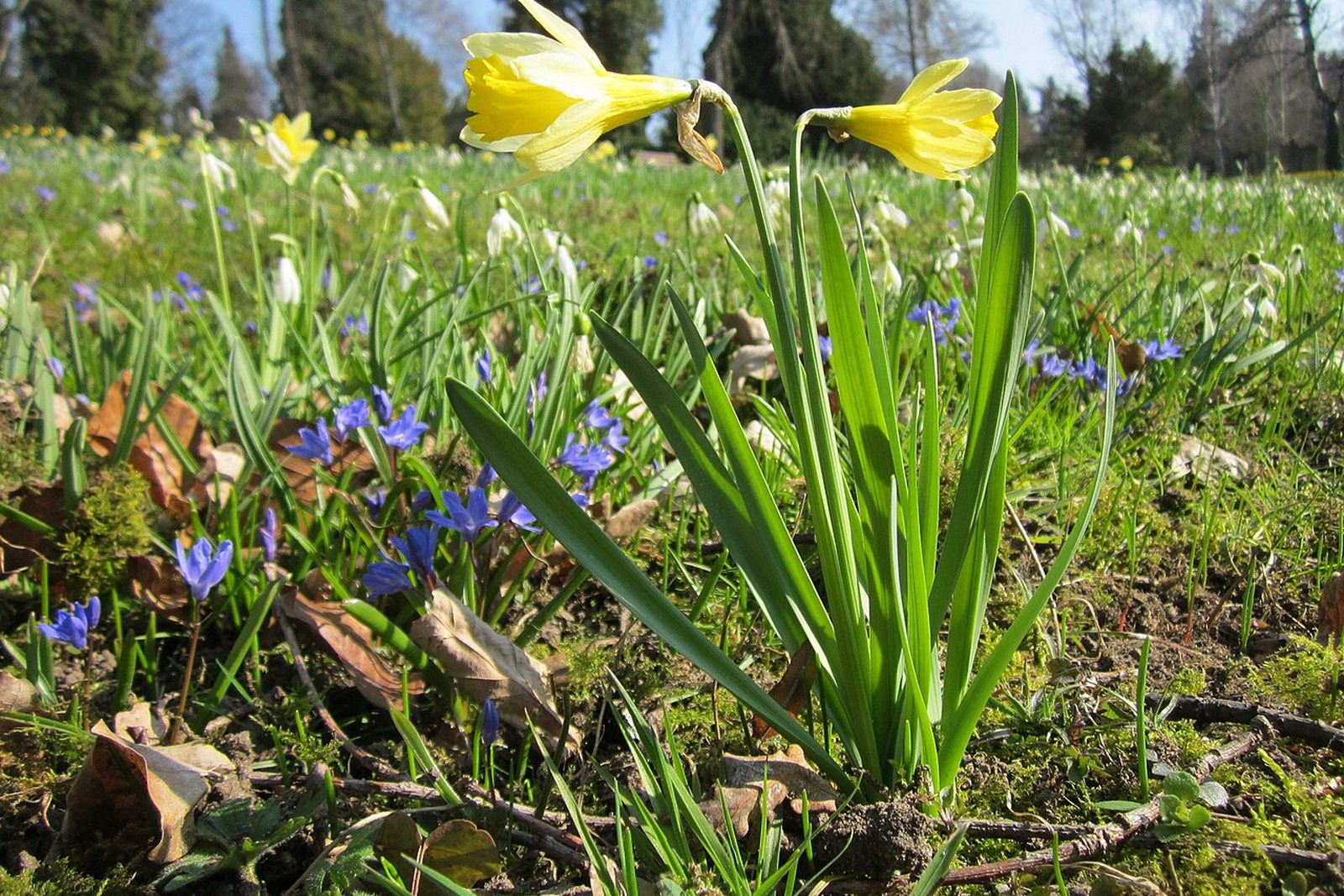
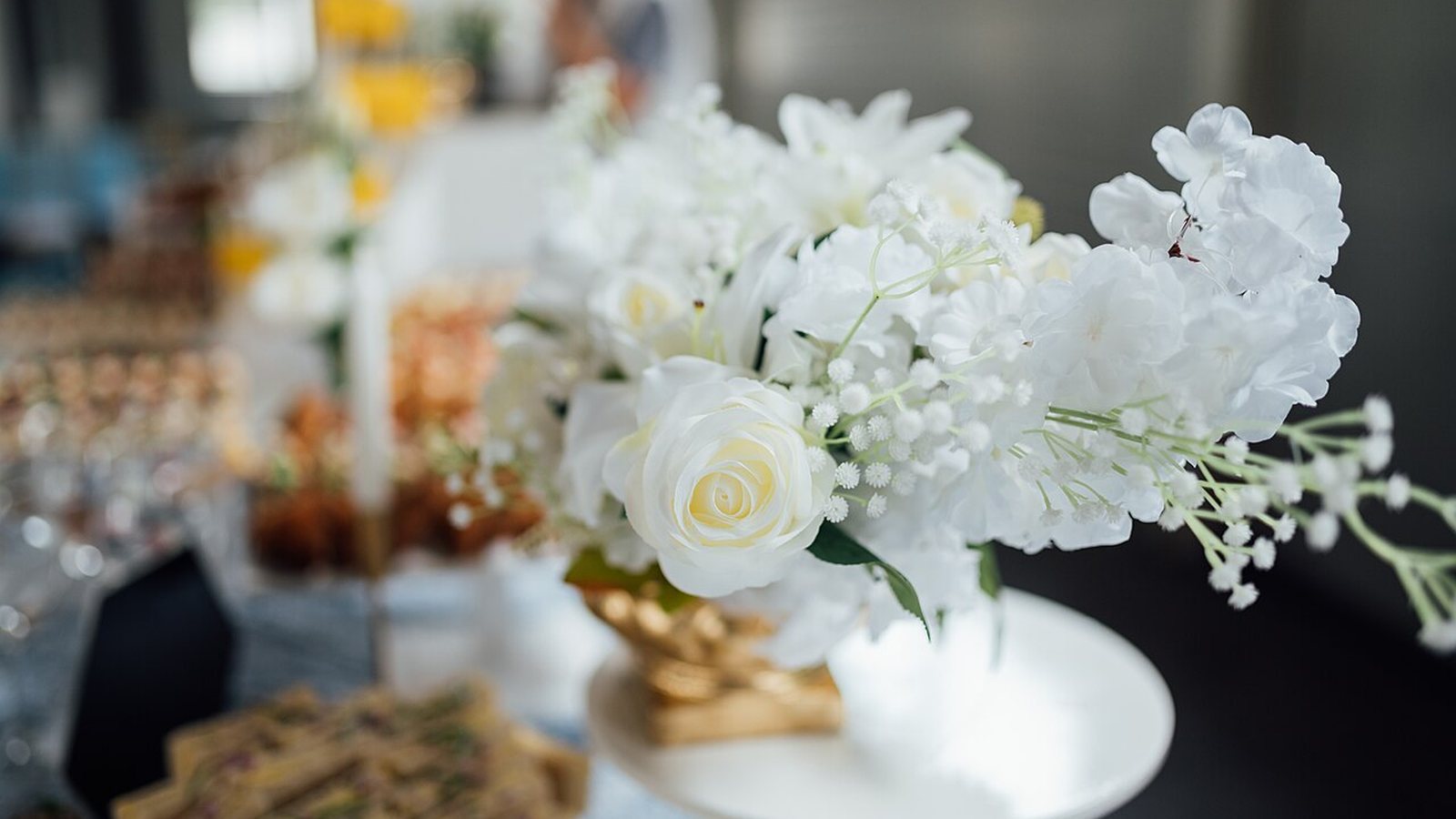 Photo: Shixart1985 · CC BY 2.0
Each month has one or two traditional birth flowers: carnation or snowdrop for January, violet or primrose for February, daffodil for March, and so on to holly or narcissus for December. There is no official list. Most of them, including carnation, daffodil and chrysanthemum, are toxic to cats and dogs.
Key takeaways
- The common list gives most months two flowers; there is no official version, and countries and florists differ.
- Of the flowers I could confirm with the ASPCA, only the rose (June) is non-toxic to cats and dogs.
- Carnation, daffodil, larkspur, gladiolus, morning glory, chrysanthemum and holly are listed as toxic to cats and dogs.
- The list follows Northern Hemisphere seasons; in the Southern Hemisphere, check what is in bloom locally.
- For pet households, send a pot of a safe plant or a bouquet from a cat-safe list instead.
On this page10
- What are birth month flowers?
- The 12 birth flowers by month
- Why do some months have two flowers, and others differ by country?
- Do birth flowers work in the Southern Hemisphere?
- Which birth flower is safest if you have a cat or dog?
- How do you choose a birth flower as a gift?
- What is the birth flower for November?
- Do birth flowers say anything about your personality?
- Which ways of using a birth flower are pet-friendly?
- Can you grow your birth flower at home?
What are birth month flowers?
Birth month flowers are a tradition that gives every month of the year one or two flowers, so you can match a bouquet, a garden bed or a tattoo to someone's birthday. There is no official list: the version most English-language sites use pairs two flowers with most months, and some lists swap or add a third. Below is that common list, plus something most birth flower pages leave out: which of these flowers are toxic to cats and dogs, checked against the ASPCA.
The 12 birth flowers by month
Where a plant could not be confirmed on the ASPCA pages I opened, the table says so rather than guessing.
| Month | Birth flowers | Cats and dogs (ASPCA) |
|---|---|---|
| January | Carnation, snowdrop | Carnation: toxic (mild stomach upset, mild skin irritation). Snowdrop: not confirmed, check the ASPCA |
| February | Violet, primrose | Primrose (Primula vulgaris): toxic (mild vomiting). Violet: not confirmed |
| March | Daffodil | Toxic: vomiting, drooling, diarrhoea; large amounts can affect the heart |
| April | Sweet pea, daisy | Daisy: toxic. Sweet pea: the ASPCA entry I opened (Lathyrus latifolius) lists it as non-toxic to cats and dogs, but check your exact species |
| May | Lily of the valley, hawthorn | Not confirmed on the pages I opened: treat as unsafe and check the ASPCA |
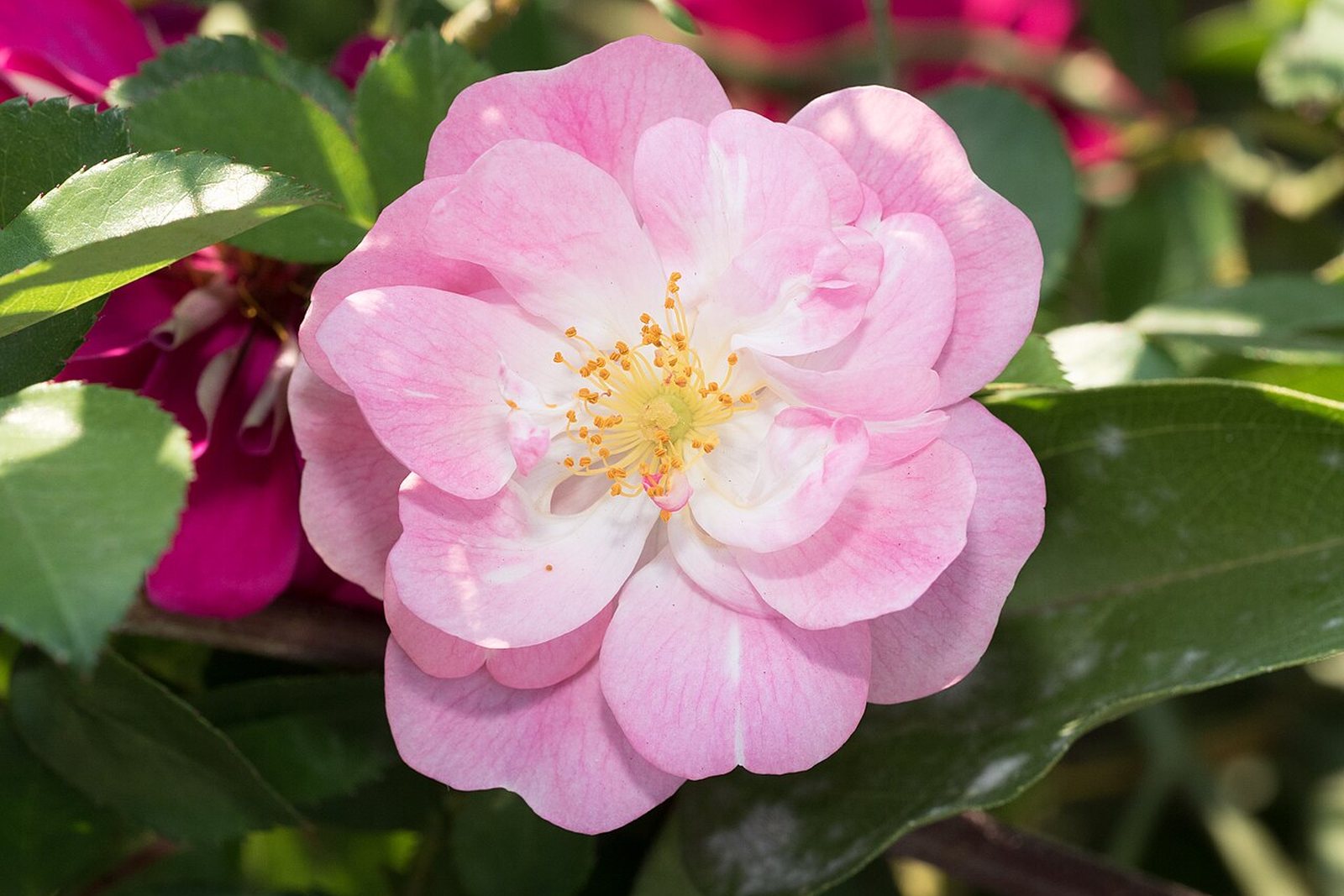
| June | Rose, honeysuckle | Rose: non-toxic. Honeysuckle: not confirmed |
| July | Larkspur, water lily | Larkspur (Delphinium): toxic. Water lily: not confirmed |
| August | Gladiolus, poppy | Gladiolus: toxic (drooling, vomiting, diarrhoea, lethargy). Poppy: not confirmed |
| September | Aster, morning glory | Morning glory: toxic (vomiting; many seeds can cause hallucinations). Aster: not confirmed |
| October | Marigold, cosmos | Not confirmed on the pages I opened: check the ASPCA |
| November | Chrysanthemum | Toxic: vomiting, diarrhoea, drooling, unsteadiness, skin irritation |
| December | Holly, narcissus (paperwhite) | Holly (Ilex opaca): toxic. Daffodil and narcissus: toxic |
The practical headline: of the flowers I could confirm, only the rose came out non-toxic, so June is the easy month for a pet household. If you share a home with a cat or dog, treat every unconfirmed flower as unsafe until you check it.
Why do some months have two flowers, and others differ by country?
The list grew out of regional and cultural habits, so countries and florists do not always agree. You will see variations such as iris added for February, jonquil (a kind of daffodil) for March, peony for April, dahlia for August, and a single flower for months like November. This is why a card in one country may show a different flower from the same month in another. Both are right: nothing makes one version official.
Do birth flowers work in the Southern Hemisphere?
The list was built around Northern Hemisphere seasons, and most Australian and New Zealand sources simply reuse it. That means December is midwinter in London and midsummer in Sydney. If a flower is out of season where you live, pick an alternative that blooms locally, or choose a pot plant instead of cut stems. Your local florist can tell you what is available that month.
Which birth flower is safest if you have a cat or dog?
Of the 12 months, June is the only month where I could confirm a non-toxic flower: the rose. Most of the rest, including carnation, daffodil, larkspur, gladiolus, morning glory, chrysanthemum and holly, are listed as toxic by the ASPCA, usually causing vomiting and diarrhoea, and some can cause more serious signs. For gifts to pet households, our cat-safe flowers for bouquets guide lists alternatives lists more safe options. If a pet eats a flower, call your vet or ASPCA Animal Poison Control straight away.
How do you choose a birth flower as a gift?
- Check the recipient. If they have a cat or dog, skip the toxic ones or send a card with the flower's name instead of the flower.
- Check the season. A flower in bloom lasts longer and costs less. If it is out of season, a potted version or a different flower from the list is easier.
- Give it a long life. Our guide to making cut flowers last covers cutting stems, clean water and where to stand the vase.
- Do not over-read the meaning. Flower meanings differ across cultures; flower meanings explains where they come from.
What is the birth flower for November?
November is the month where the lists agree most: the chrysanthemum. It also needs care with pets, as the ASPCA lists it as toxic. Our November birth flower guide goes deeper.
Do birth flowers say anything about your personality?
No. The meanings attached to birth flowers are folklore and florist tradition, not science, and they change from one source to the next. Treat them as a charming reason to choose a flower, not as a prediction. What does hold up is the practical side: which flowers suit the season, which are toxic to pets, and how to make them last.
Which ways of using a birth flower are pet-friendly?
You do not have to put the real flower on the table. A drawing or print of the flower, a card that names it, or a gift of a safe plant keeps the idea and removes the risk. If you want a keepsake, dried flowers kept on a high shelf, as described in our guide to drying flowers, are out of a curious pet's reach; remember that dried toxic flowers are still toxic.
Can you grow your birth flower at home?
Some are easy and some are not: a rose or a pot of marigolds is a different project from a hawthorn tree. Before you buy, look up the plant's light and space needs on a reliable site such as the Missouri Botanical Garden Plant Finder or the RHS. If you are not sure what a flower in a bouquet or garden is, identifying flowers by photo works with a single clear picture, and Flori shows each plant's care profile, including toxicity, so you can check before you bring it home.
Frequently asked questions
What are the 12 birth month flowers?
Common list: January carnation and snowdrop, February violet and primrose, March daffodil, April sweet pea and daisy, May lily of the valley and hawthorn, June rose and honeysuckle, July larkspur and water lily, August gladiolus and poppy, September aster and morning glory, October marigold and cosmos, November chrysanthemum, December holly and narcissus.
Is there an official birth flower list?
No. The list comes from regional and cultural traditions, so some lists add iris for February, peony for April or dahlia for August. Both versions are equally valid.
Are birth flowers safe for cats and dogs?
Mostly not. The ASPCA lists carnation, daffodil, larkspur, gladiolus, morning glory, chrysanthemum and holly as toxic. Rose is non-toxic. Check any other flower on the ASPCA site before bringing it home.
Do birth flowers apply in the Southern Hemisphere?
Yes, most Australian and New Zealand sources use the same list, but the seasons are reversed, so a flower may be out of season. Choose a locally blooming alternative or a pot plant.
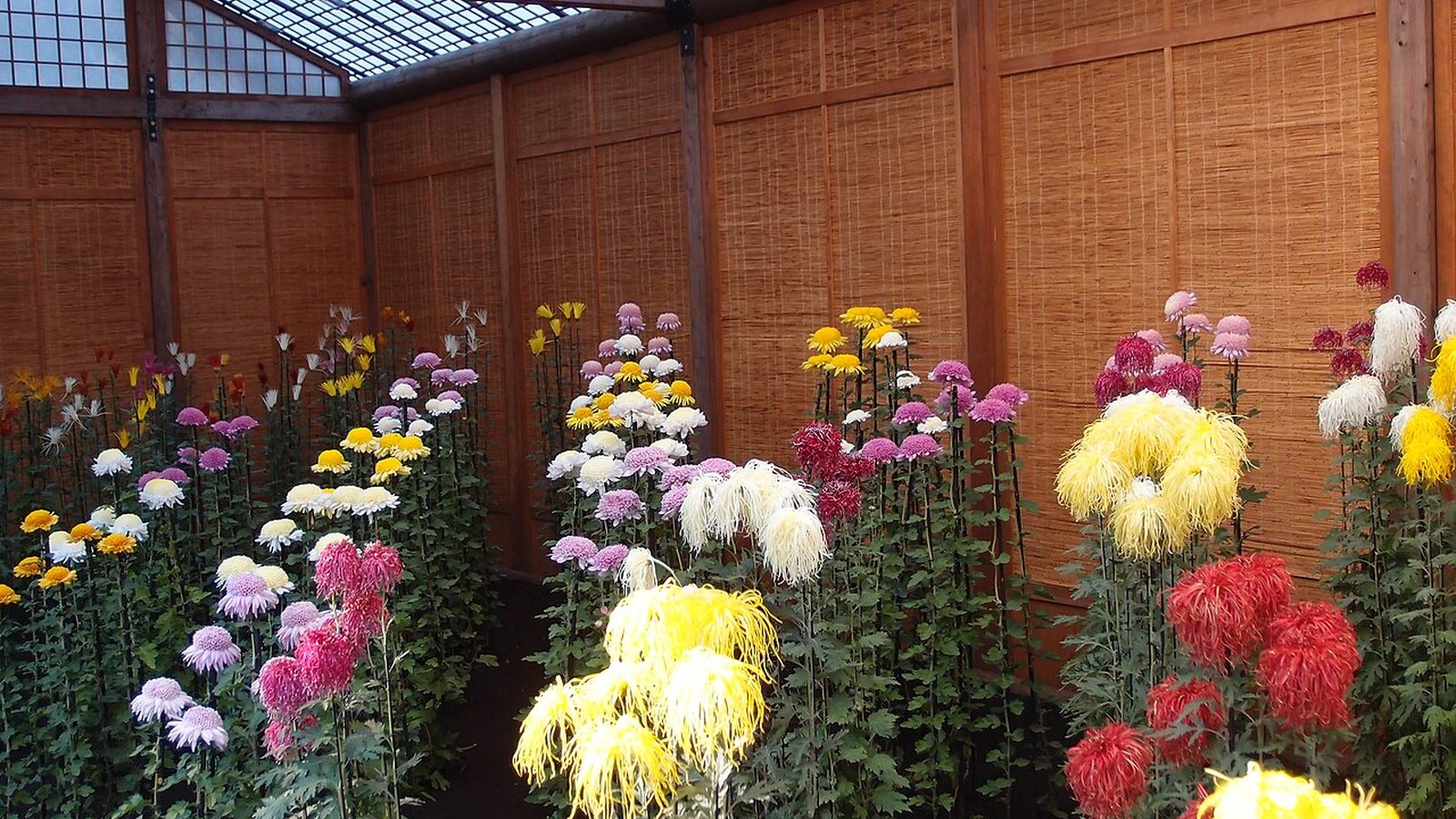
The chrysanthemum is November's birth flower. See what each colour means, its history, how to keep a gift mum alive and whether it is pet safe.
Sources
Written and fact-checked by the Flori team. Every guide cites horticultural sources such as the RHS, university extension services and the ASPCA, and is updated when the advice changes. How we write our guides
General plant care information. Plants vary; when a plant is valuable or a problem spreads quickly, consult a local nursery or plant specialist.