Cat-Safe Flowers for Bouquets
Which bouquet flowers are safe for cats (roses, sunflowers, gerberas, snapdragons) and which to avoid (lilies, tulips, eucalyptus), per the ASPCA.
 By Flori editorial team · Updated
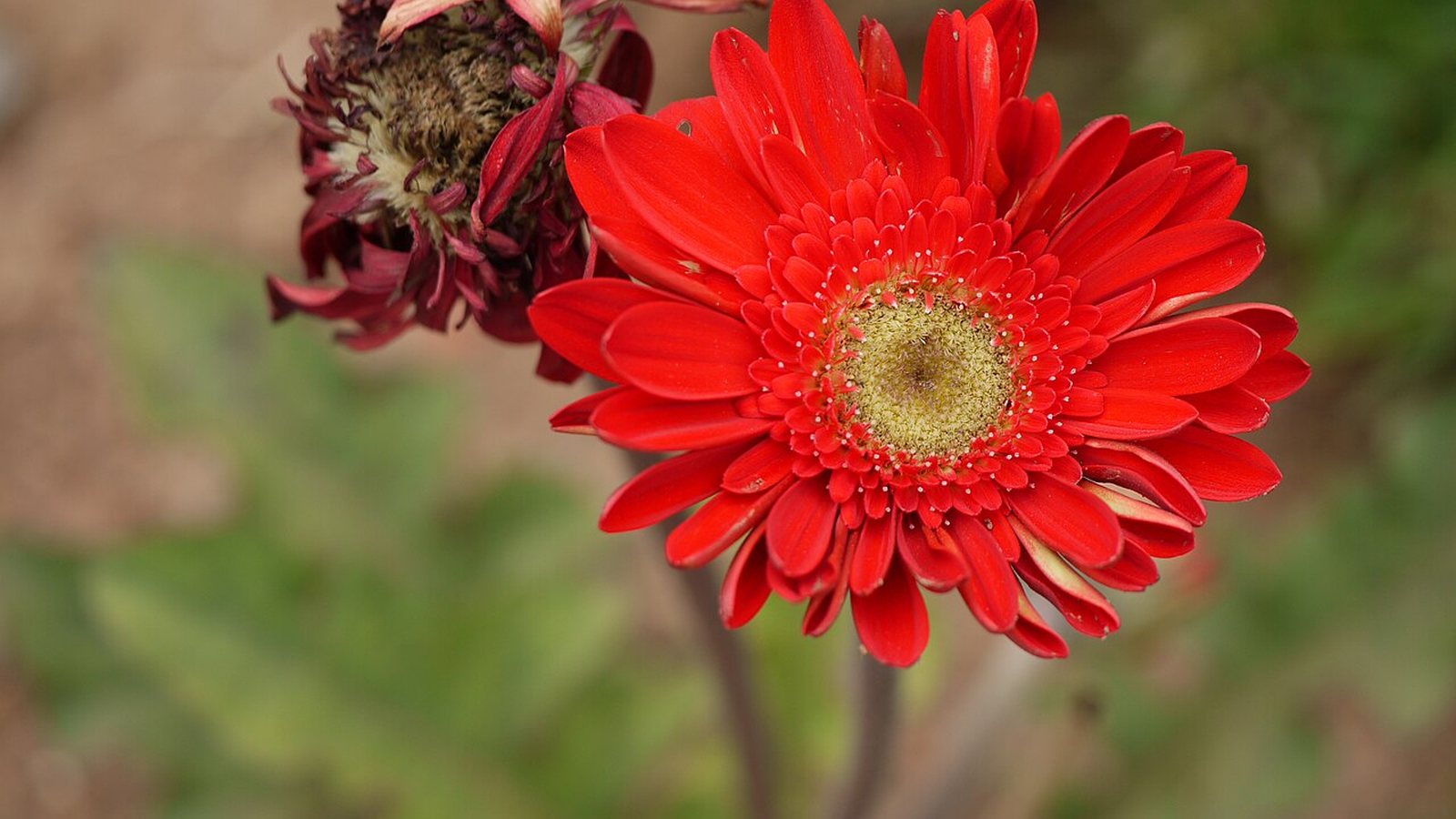 Photo: Dinesh Valke from Thane, India · CC BY-SA 2.0
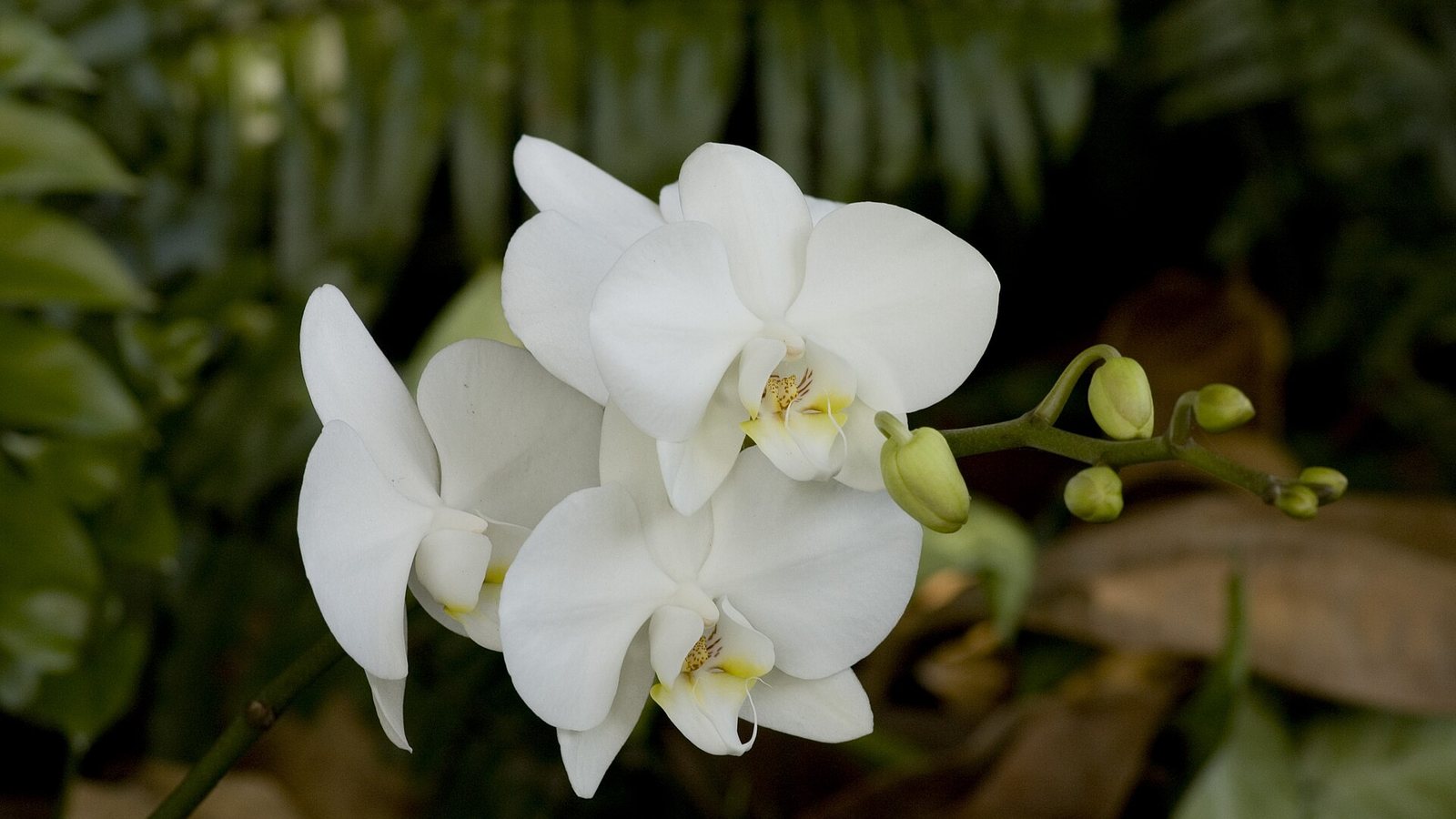
Roses, sunflowers, gerbera daisies, snapdragons, zinnias, China asters, cornflowers, celosia and Phalaenopsis orchids are listed non-toxic to cats by the ASPCA. Avoid lilies above all, since they can cause kidney failure in cats, plus tulips, daffodils, chrysanthemums, carnations, hydrangeas and eucalyptus filler, which hide in mixed bouquets.
Key takeaways
- The ASPCA lists roses, sunflowers, gerberas, snapdragons, zinnias, asters, cornflowers, celosia and Phalaenopsis orchids as non-toxic to cats.
- Never keep lilies where a cat can reach them: the ASPCA lists kidney failure as the outcome in cats.
- Mixed bouquets hide tulips, daffodils, chrysanthemums, carnations, hydrangeas and eucalyptus, all listed toxic to cats.
- A flower missing from the ASPCA list is unknown, not safe.
- If your cat chews a bouquet, call your vet right away and do not wait for symptoms.
On this page6
Which flowers are safe in a bouquet if you have a cat?
The safest bouquet for a cat household is built from flowers the ASPCA lists as non-toxic to cats: roses, sunflowers, gerbera daisies, snapdragons, zinnias, China asters, cornflowers, celosia and Phalaenopsis orchids. The dangerous ones hide in "mixed" supermarket bunches, so this guide gives you a safe list, a do-not-buy list and a way to check any stem in under a minute.
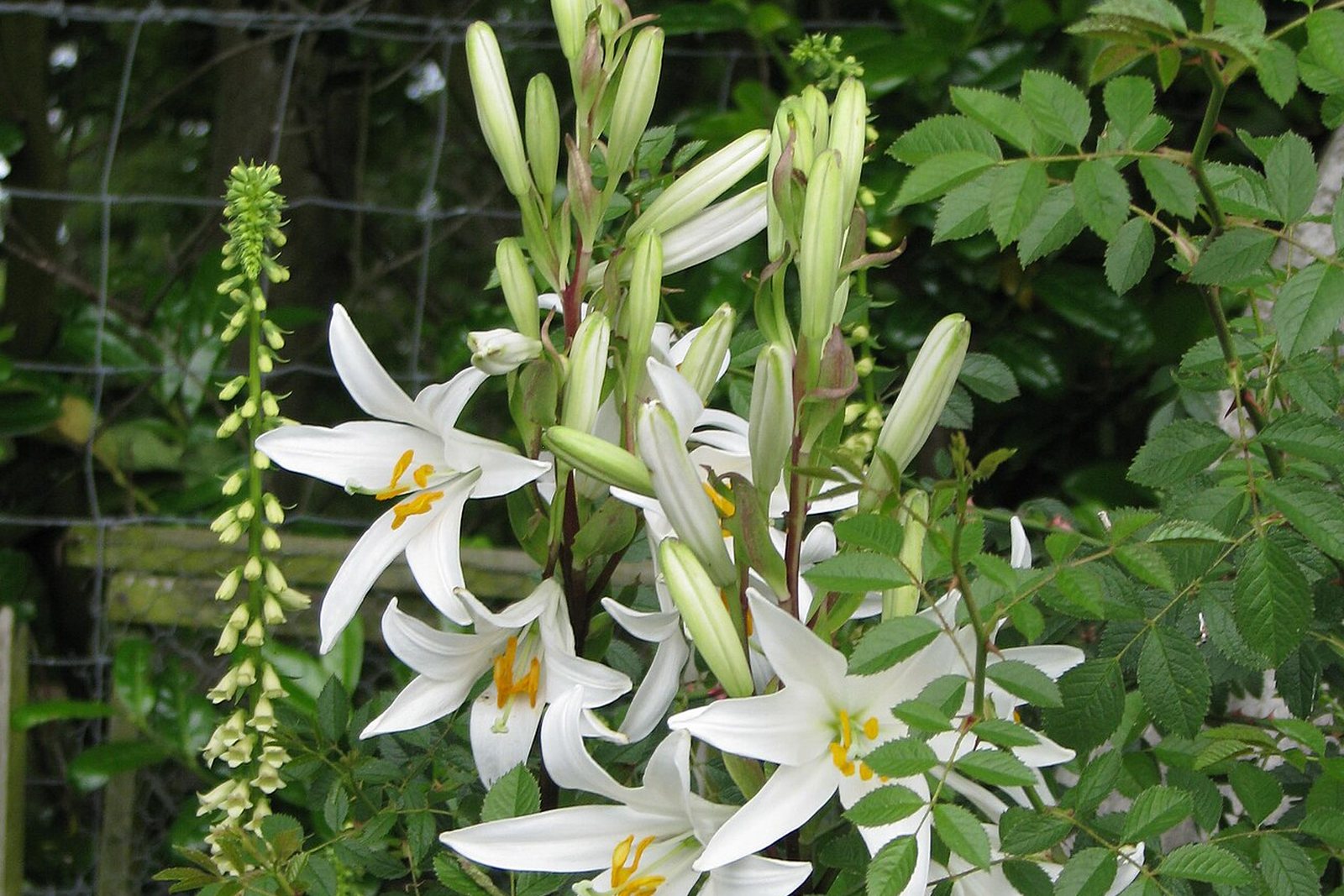
One rule overrides everything: a cat that eats any lily can develop kidney failure, and the ASPCA lists lilies (Lilium) as toxic to cats. If a bouquet is a gift and you cannot be sure what is in it, read the ingredients before it goes in a vase, not after.
| Flower | Latin name (ASPCA entry) | For cats |
|---|---|---|
| Rose | Rosa species | Non-toxic (thorns can still scratch) |
| Sunflower | Helianthus angustifolius (swamp sunflower entry) | Non-toxic |
| Gerbera daisy | Gerbera jamesonii | Non-toxic |
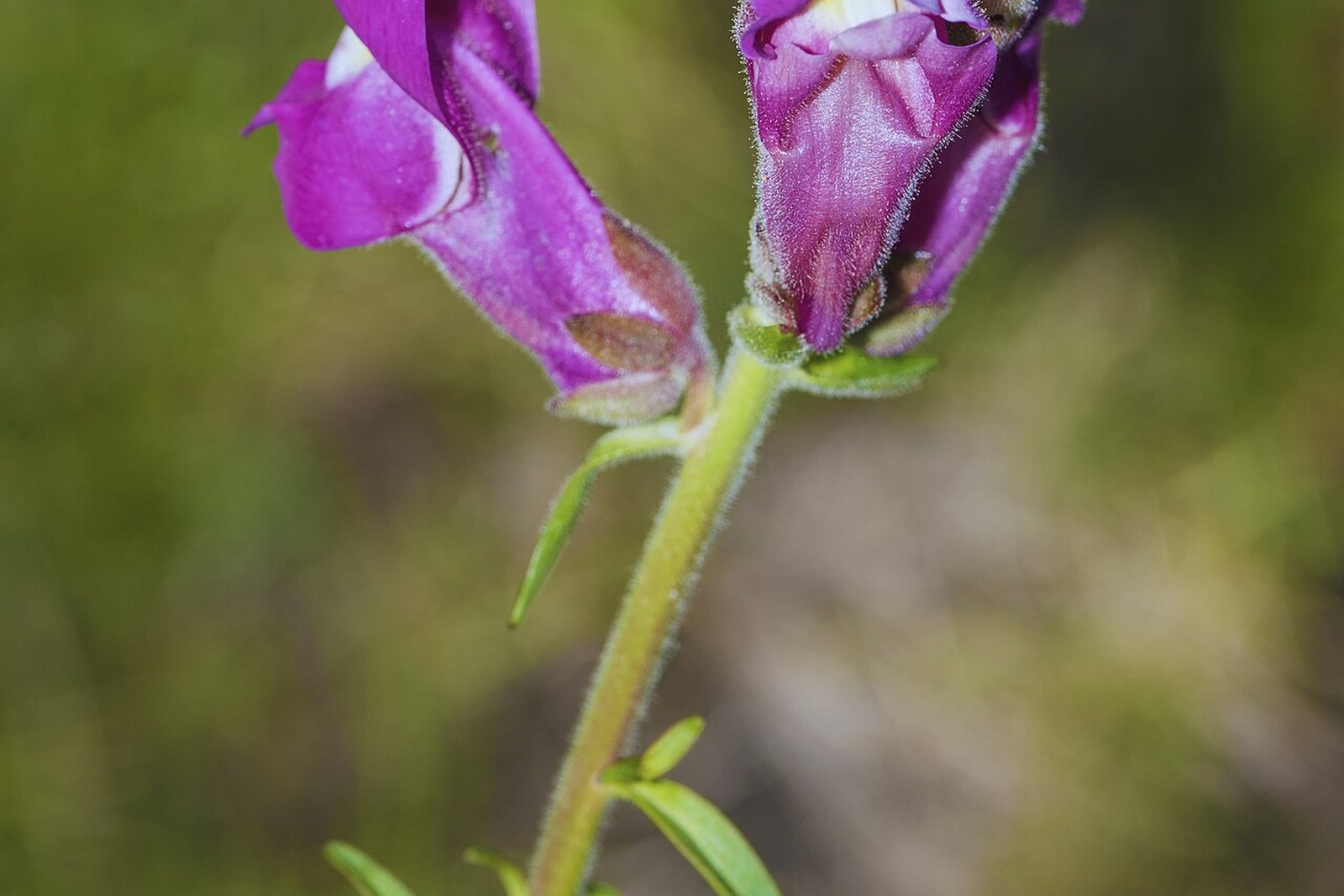
| Snapdragon | Antirrhinum majus | Non-toxic |
| Zinnia | Zinnia species | Non-toxic |
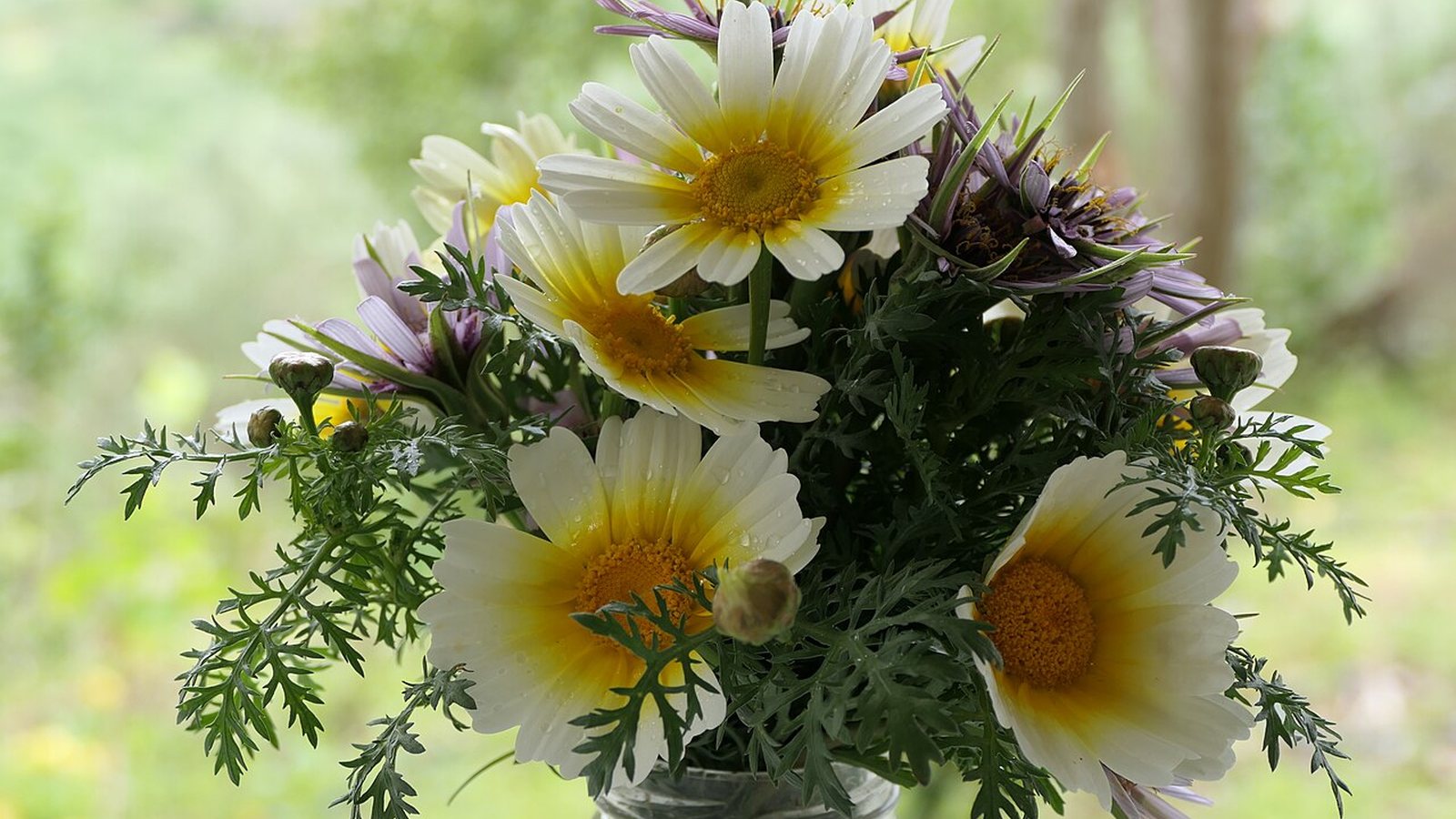
| China aster | Callistephus chinensis | Non-toxic |
| Cornflower | Centaurea cyanus | Non-toxic |
| Celosia (cockscomb) | Celosia globosa | Non-toxic |
| Orchid | Phalaenopsis sp. | Non-toxic |
| Peruvian lily | Alstroemeria | Non-toxic (not a true lily) |
"Non-toxic" does not mean "good to eat". The ASPCA notes that eating any plant material may cause vomiting and gastrointestinal upset in cats, so keep even safe flowers out of reach of a determined chewer.
Which bouquet flowers are toxic to cats?
These are the stems to pull out or never buy. Every entry below comes from the ASPCA toxic-to-cats list.
| Flower | Latin name | Why it matters |
|---|---|---|
| Lily (Easter, tiger, stargazer and other Lilium) | Lilium | Cats: kidney failure. Highest priority. |
| Tulip | Tulipa | Vomiting, depression, diarrhea, drooling; most toxin in the bulb |
| Daffodil | Narcissus | Listed toxic to cats |
| Chrysanthemum | Chrysanthemum | Vomiting, diarrhea, drooling, incoordination, skin irritation |
| Carnation | Dianthus caryophyllus | Listed toxic to cats |
| Hydrangea | Hydrangea | Vomiting, depression, diarrhea |
| Iris, hyacinth, peony, gladiolus | Iris, Hyacinthus, Paeonia, Gladiolus | All listed toxic to cats |
| Delphinium and larkspur, buttercup | Delphinium, Ranunculus | Listed toxic to cats |
| Eucalyptus (popular as a filler) | Eucalyptus | Drooling, vomiting, diarrhea, depression, weakness |
| Lavender, dahlia | Lavandula angustifolia, Dahlia | Listed toxic to cats |
Notice how many of the classics, tulips, daffodils, chrysanthemums and carnations, are cheap and show up in every mixed bunch. That is why the mixed bouquet is the real risk. Our guide to lilies and cats goes deeper on the worst case, and plants toxic to cats covers houseplants.
How do you build a cat-safe bouquet?
- Order by name. Ask the florist for roses, sunflowers, gerberas, snapdragons, zinnias or asters, and say you have a cat. Ask for no lilies and no eucalyptus filler.
- Check every stem. For a gift bouquet, look up each flower in the ASPCA list. If a flower is not on the list, treat it as unknown, not as safe: freesia, lisianthus, stock and statice did not turn up on the ASPCA cat list when I searched it.
- Pull the lily before it reaches the vase. Lilies often hide as one or two stems in a mixed bunch. Remove them outright rather than moving them to a high shelf; cats jump.
- Pick a heavy, stable vase and put it where the cat cannot reach, because chewing and knocking over are both risks.
- Clear the petals. Fallen petals and leaves are easy to forget on the floor; sweep them up daily.
What are the cat-safe alternatives to lilies and tulips?
- For a lily's look: Peruvian lily (Alstroemeria) is listed non-toxic to cats by the ASPCA. It is not a true lily, but florists sell it under names that sound like one, so ask for the Latin name.
- For a tulip's spring colour: snapdragons (Antirrhinum) give tall spikes in many colours; ranunculus is not an option, as the ASPCA lists buttercup (Ranunculus) as toxic.
- For big blooms: gerbera daisies and zinnias.
- For a rustic or wild look: cornflowers and sunflowers.
- For a long-lasting arrangement: a potted Phalaenopsis orchid, listed non-toxic to cats, lasts weeks. Our how to dry flowers guide shows how to keep roses after they fade; check that any dried filler is on a safe list too.
If you buy flowers for meaning rather than looks, flower meanings explains what many of these safe choices say, and roses, sunflowers and orchids all have a clear message.
What if your cat chews a bouquet?
Act first, search later. Take the flowers away, check which stems are missing and call your veterinarian or an animal poison line straight away. The ASPCA gives its Animal Poison Control number as (888) 426-4435 (a consultation fee may apply); outside the US, call your own vet. For a suspected lily, do not wait for symptoms, because the ASPCA lists kidney failure as the outcome in cats. Our guide my cat ate a plant lists what to have ready when you call: the plant name, how much and when.
A few habits make everything easier. Keep a photo of each bouquet, so the florist or vet can see what the stems were; if you are unsure what a flower is, Flori can identify it from a photo and show its toxicity in the plant profile. For a gift, tell friends and family that you have a cat, so they choose from the safe list.
The cat-safe bouquet checklist
- No lilies, ever, in any room the cat can enter.
- No tulips, daffodils, chrysanthemums, carnations, hydrangeas or eucalyptus.
- Roses, sunflowers, gerberas, snapdragons, zinnias, asters, cornflowers, celosia and orchids are the safe core.
- If a stem is not on the ASPCA list, treat it as unknown.
- Vase out of reach; clean up petals daily.
- Call the vet immediately after any suspected chewing.
Frequently asked questions
Are roses safe for cats?
The ASPCA lists roses (Rosa species) as non-toxic to cats. Thorns can still scratch a curious paw or mouth, so keep the vase out of reach and strip the lower thorns.
Are alstroemeria (Peruvian lilies) safe for cats?
The ASPCA lists Alstroemeria as non-toxic to cats. It is not a true lily, but the name is confusing, so confirm the Latin name with the florist and keep true Lilium out of the house.
Is one lily petal dangerous to a cat?
The ASPCA lists lilies (Lilium) as toxic to cats, with kidney failure as the outcome, and says to call a vet or animal poison line promptly. Treat any chewing as an emergency and do not wait for symptoms.
Are dried flowers safe for cats?
Not automatically. Drying does not change which species a flower is, so check each one on the ASPCA list. Keep dried arrangements out of reach, since cats still chew and knock them over.
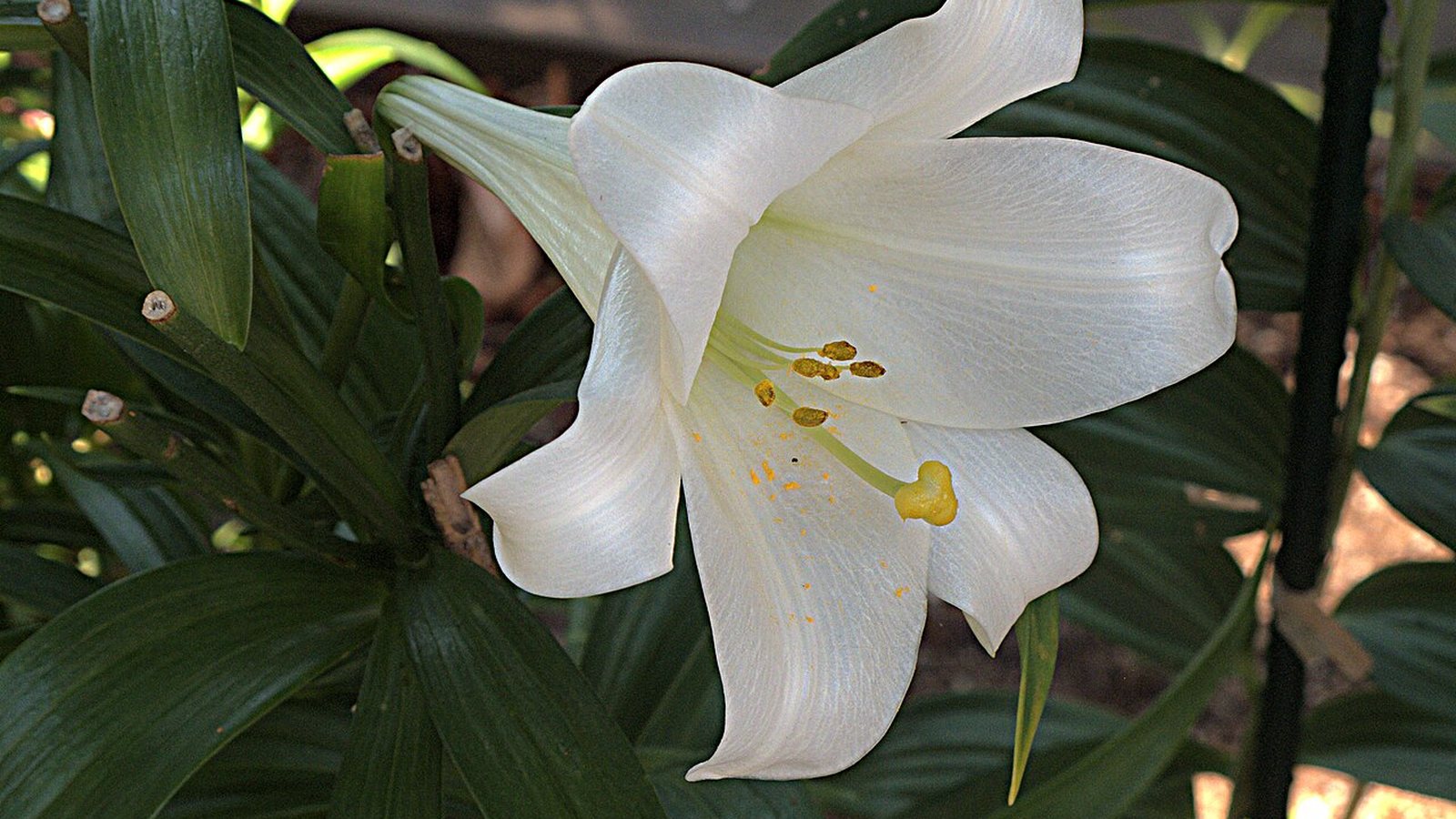
True lilies and daylilies can cause fatal kidney failure in cats, even from pollen or vase water. Which lilies are dangerous, the timeline and what to do.
Sources
Written and fact-checked by the Flori team. Every guide cites horticultural sources such as the RHS, university extension services and the ASPCA, and is updated when the advice changes. How we write our guides
General plant care information. Plants vary; when a plant is valuable or a problem spreads quickly, consult a local nursery or plant specialist.