Fly Agaric: The Red Mushroom With White Spots
Fly agaric (Amanita muscaria) is poisonous. See how it varies, what NAMA says about poisoning, myths about peeling and boiling, and dog and child risks.
 By Flori editorial team · Updated
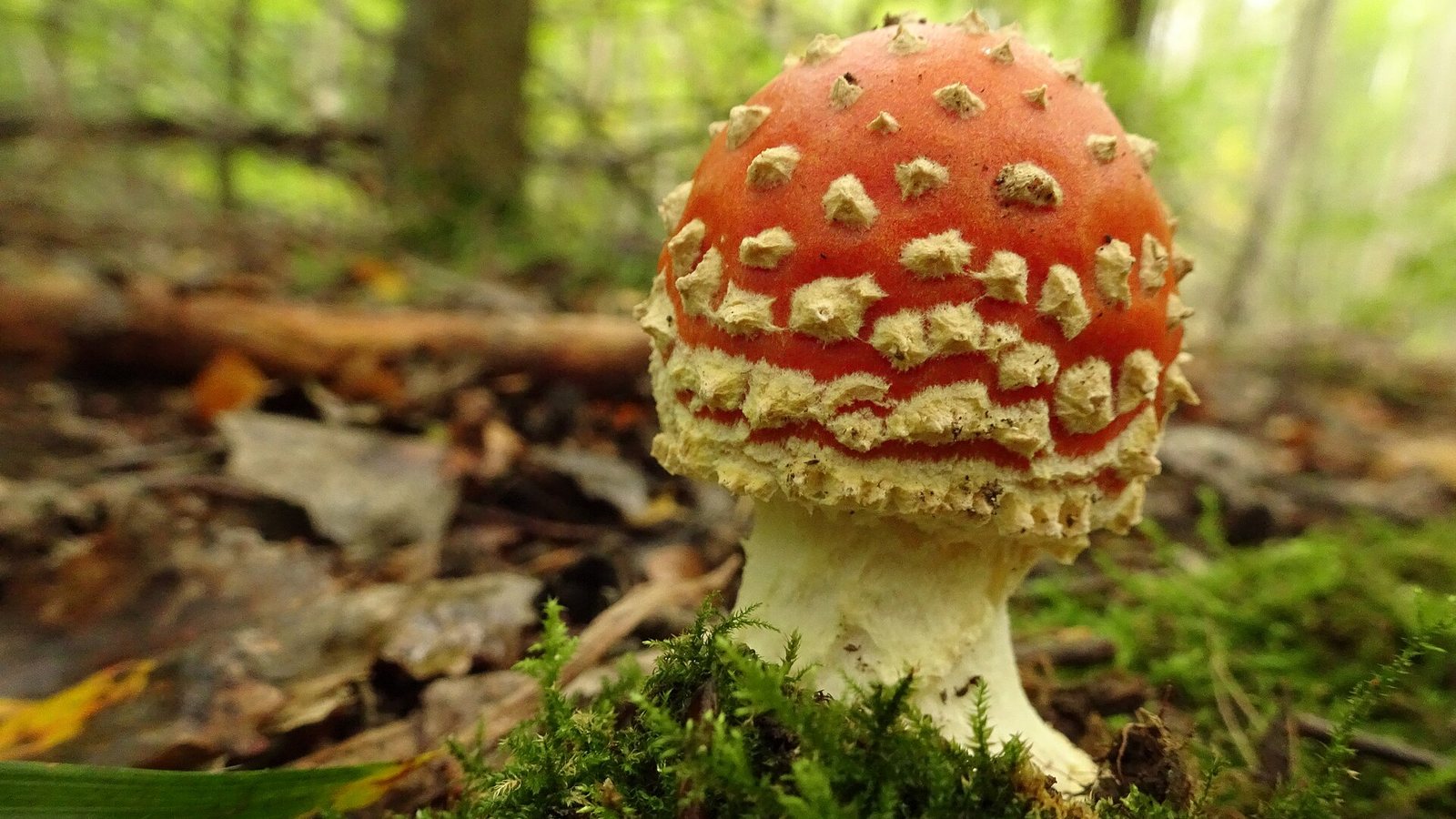 Photo: Dr. Hans-Günter Wagner · CC BY-SA 2.0
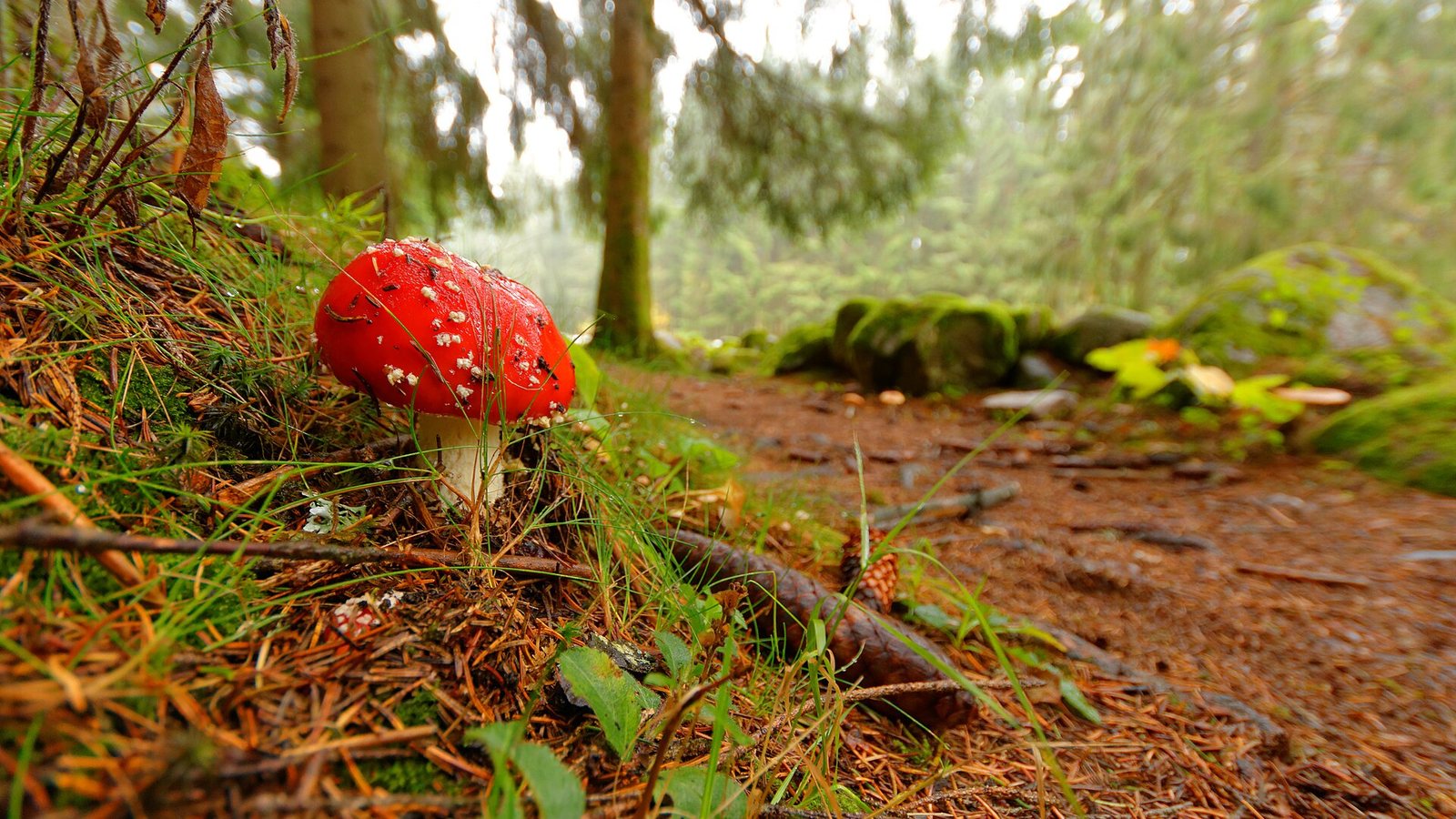
The red mushroom with white spots is the fly agaric (Amanita muscaria), a poisonous mushroom. NAMA lists symptoms within 30 minutes to 2 hours: vomiting, confusion, distorted vision, seizures and deep drowsiness. Deaths are rare but it is never safe to eat, and a lookalike can be deadly. Call a poison line.
Key takeaways
- Fly agaric (Amanita muscaria) is poisonous; its caps range from reddish-orange to yellow, and spots can wash off.
- NAMA says symptoms start 30 minutes to 2 hours after eating and include vomiting, confusion, seizures and deep drowsiness.
- Deaths in humans are not reliably documented in 100 years, but dogs and cats can die from the toxins.
- Peeling, boiling and animals eating a mushroom do not make it safe, and its relatives include deadly Amanitas.
- After eating an unknown mushroom, call a poison line now and keep a sample or photo.
On this page8
- What is the red mushroom with white spots?
- Does it always look red with white spots?
- How poisonous is the fly agaric?
- What about myths: peeling, boiling, animals?
- Can it be confused with an edible mushroom?
- Is it dangerous to dogs and children?
- Where and when does it grow?
- What to do after eating an unknown mushroom
What is the red mushroom with white spots?
The red toadstool with white spots from fairy tales and Christmas cards is the fly agaric, Amanita muscaria (in Turkish, sinek mantarı, sometimes gelin mantarı). It is real, common and poisonous. This guide explains what the poisoning does according to the North American Mycological Association (NAMA), why "not usually fatal" does not mean "safe", how it varies in colour, and why people and dogs still get hurt by it. It is not an identification key and it never suggests a wild mushroom is safe to eat. If someone has eaten one, skip to the last section and call a poison line now.
Does it always look red with white spots?
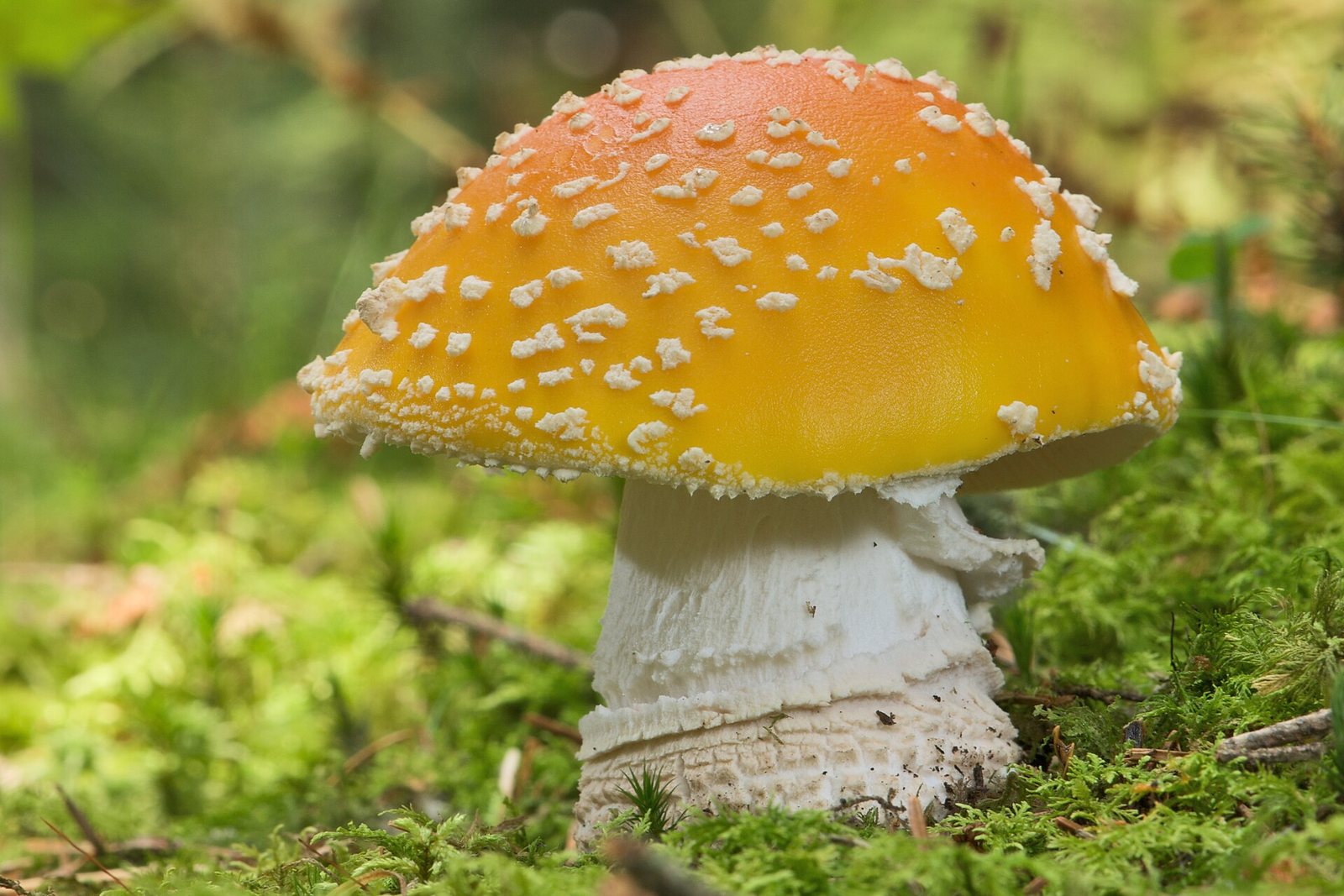
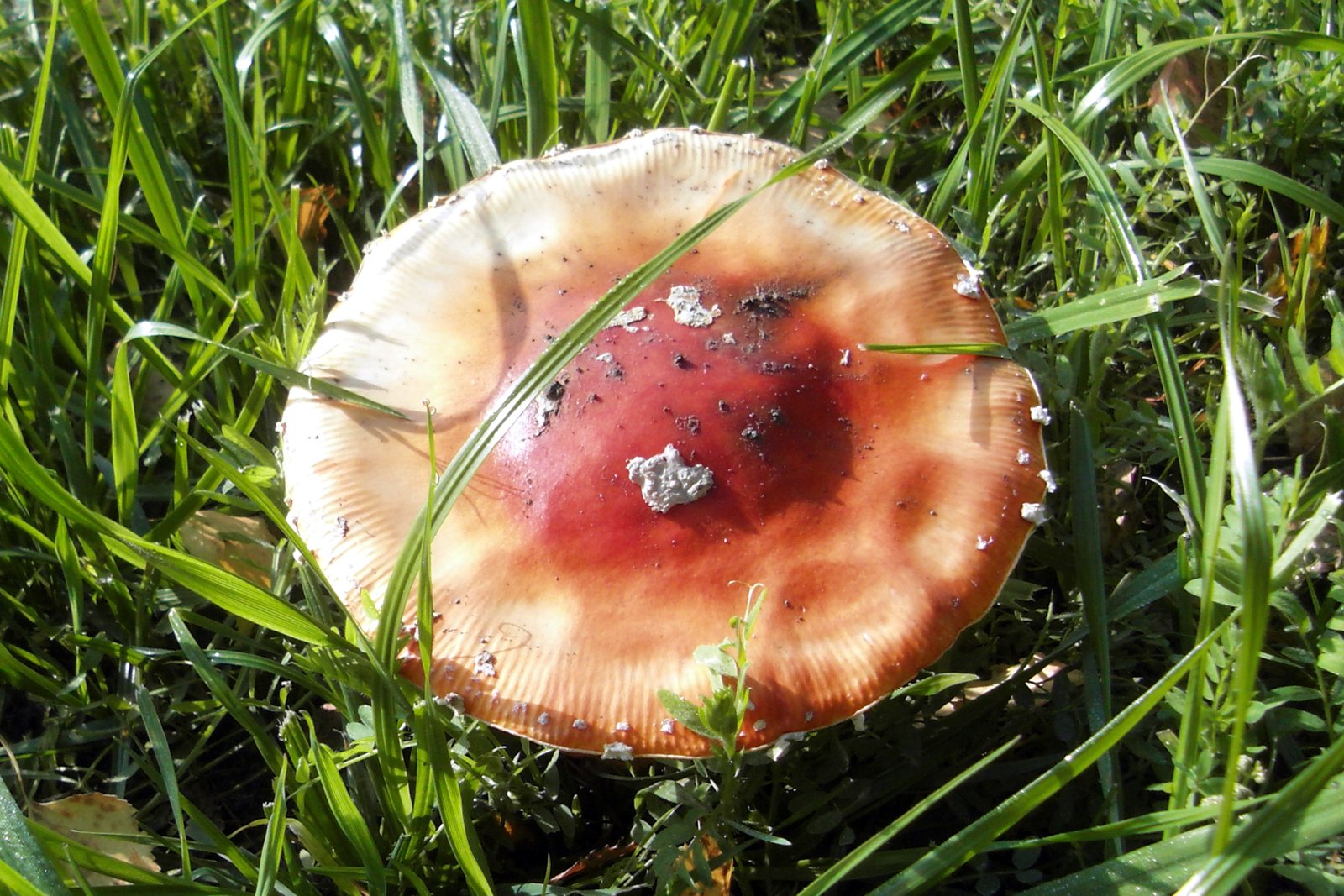
No, and that is part of the problem. Ohio State University (CFAES) describes the fly Amanita with "reddish-orange, orange to yellow caps with whitish warts" and labels it poisonous, growing under trees. Caps fade, rain washes spots off, and young and old specimens look different. A mushroom that has lost its spots can be taken for something else, and Amanita is a large genus that includes deadly species. The table lists what varies and why a photograph is never enough, which NAMA says plainly: "a single photograph is never enough".
| Feature | What can change | Why it matters |
|---|---|---|
| Cap colour | Reddish-orange, orange or yellow (Ohio State) | An orange or yellow cap can pass for other mushrooms |
| White warts | Few, washed off or missing in older caps | "Spotless" does not mean a different, safer species |
| Growth | On the ground under trees | Same habitat as several dangerous Amanita species |
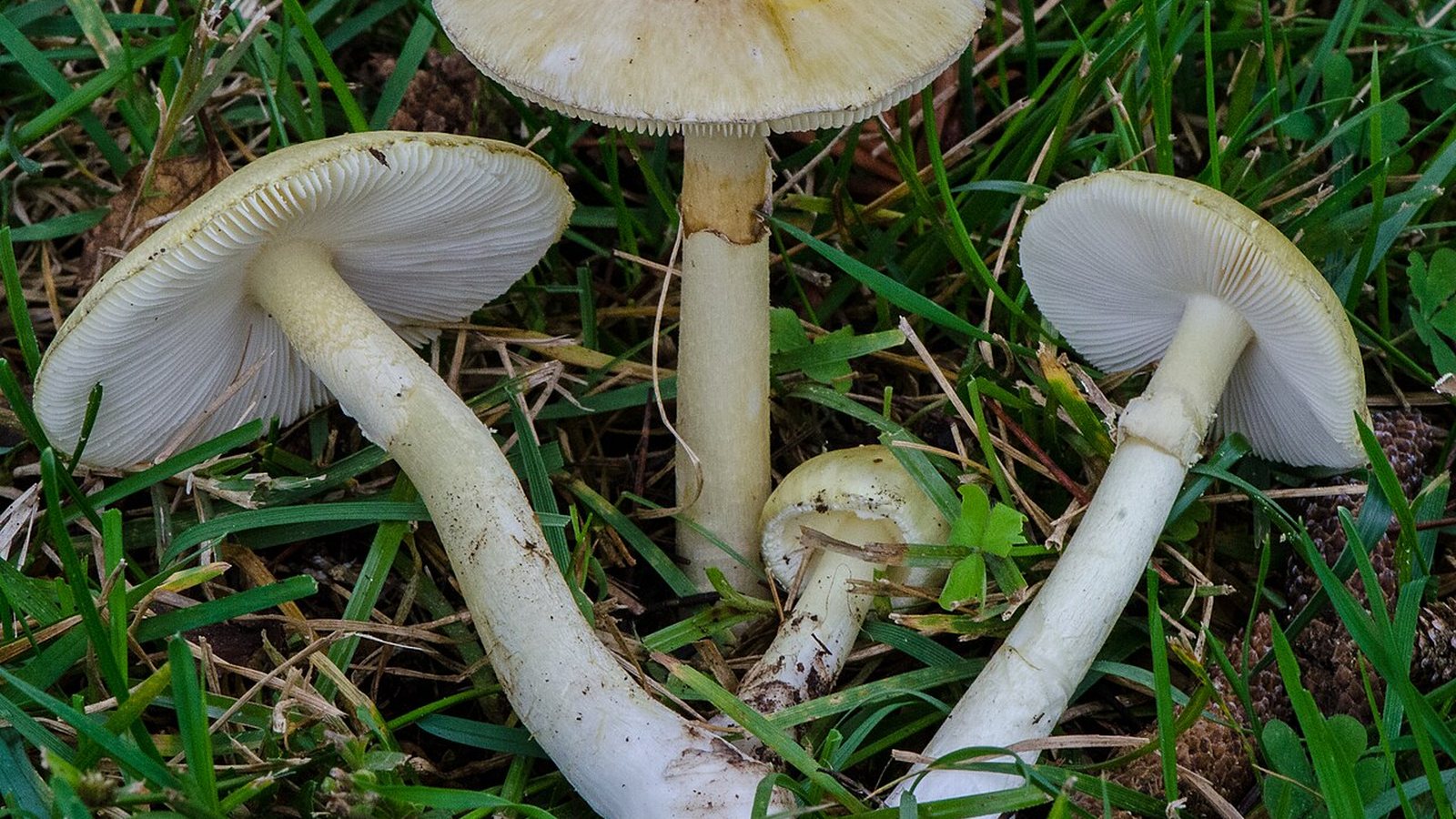
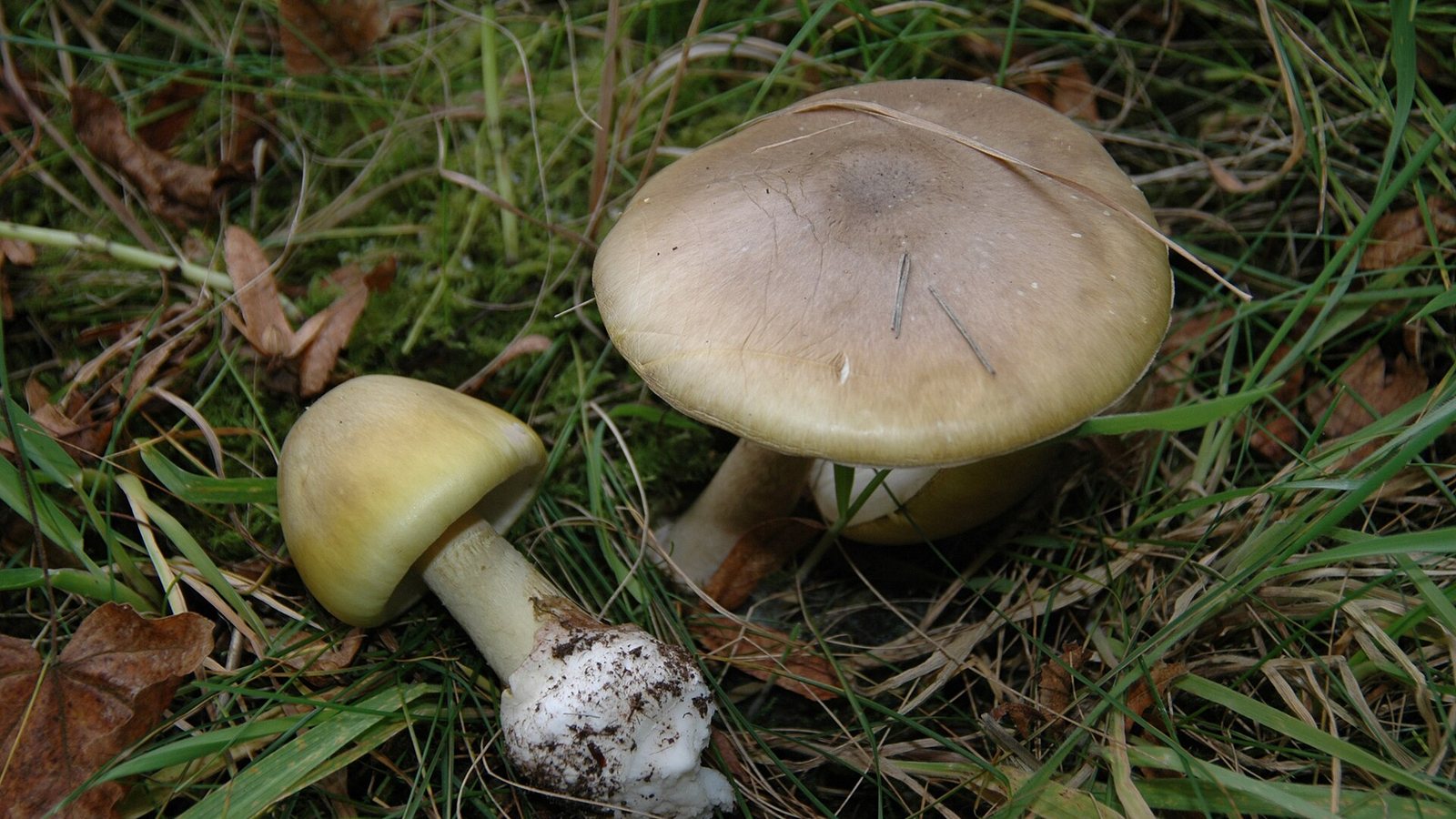
| Relatives | Death cap and destroying angels are also Amanita | Ohio State notes the white deadly ones are the most common in Ohio |
How poisonous is the fly agaric?
NAMA groups it with the isoxazole (ibotenic acid and muscimol) poisonings. Symptoms appear within 30 minutes to 2 hours after eating and last several hours. Nausea and vomiting are common, and the main effects are on the nervous system: confusion, distorted vision, a feeling of greater strength, delusions and convulsions. Drowsiness is common, and some people cannot be woken. NAMA says recovery is normally spontaneous and that there are no reliably documented human deaths from these toxins in the past 100 years, with one exception: a camper who froze to death while comatose.
That is reassuring only in a narrow sense. It does not make the mushroom safe: the effects are frightening and can include seizures, a coma-like sleep for hours, and injury while confused. Children and people with other illnesses are more at risk, and a hospital is the right place for anyone confused, convulsing or unrousable. And because a meal can contain more than one species, "it was only a fly agaric" can hide a deadly Amanita in the same pot. Our mushroom poisoning symptoms guide shows the full timeline of syndromes, and the death cap mushroom guide shows the one that matters most.
What about myths: peeling, boiling, animals?
Several myths cluster around this mushroom. Ohio State marks as false "if it peels, you can eat it", "poisonous mushrooms tarnish a silver spoon" and "mushrooms that squirrels or other animals eat are safe for humans". Poison Control says cooking does not make a poisonous mushroom safe. NAMA adds that colour, insect damage, smell and folklore are not reliable tests of edibility. A bright red cap is not a warning label you can trust either way: some dangerous mushrooms are plain white. Our guide on how to tell if a mushroom is poisonous checks each myth.
Can it be confused with an edible mushroom?
People do mix up Amanitas. A fly agaric that has lost its warts can be mistaken for Caesar's mushroom (Amanita caesarea, yumurta mantarı in Turkish), which has dangerous look-alikes of its own. We cover the pair in the Caesar's mushroom guide. The only safe rule is the one NAMA gives: do not rely on a photograph, an app or colour. An app such as Flori can suggest a name for a wild mushroom from a photo, but it cannot clear a mushroom for eating, which is why can an app identify mushrooms advises a local expert.
Is it dangerous to dogs and children?
Yes. NAMA says dogs, and especially cats, can die from these toxins, and that dogs in particular may investigate and eat mushrooms growing in yards or along walking routes. It also recommends keeping unknown mushrooms away from small children and pets. A mushroom that looks like a toy to a toddler is a call-now case even before any symptom. For dogs read poisonous mushrooms and dogs; for pets call your vet or ASPCA Animal Poison Control straight away. Remove mushrooms from the lawn by hand with gloves or a bag, and wash hands afterwards.
Where and when does it grow?
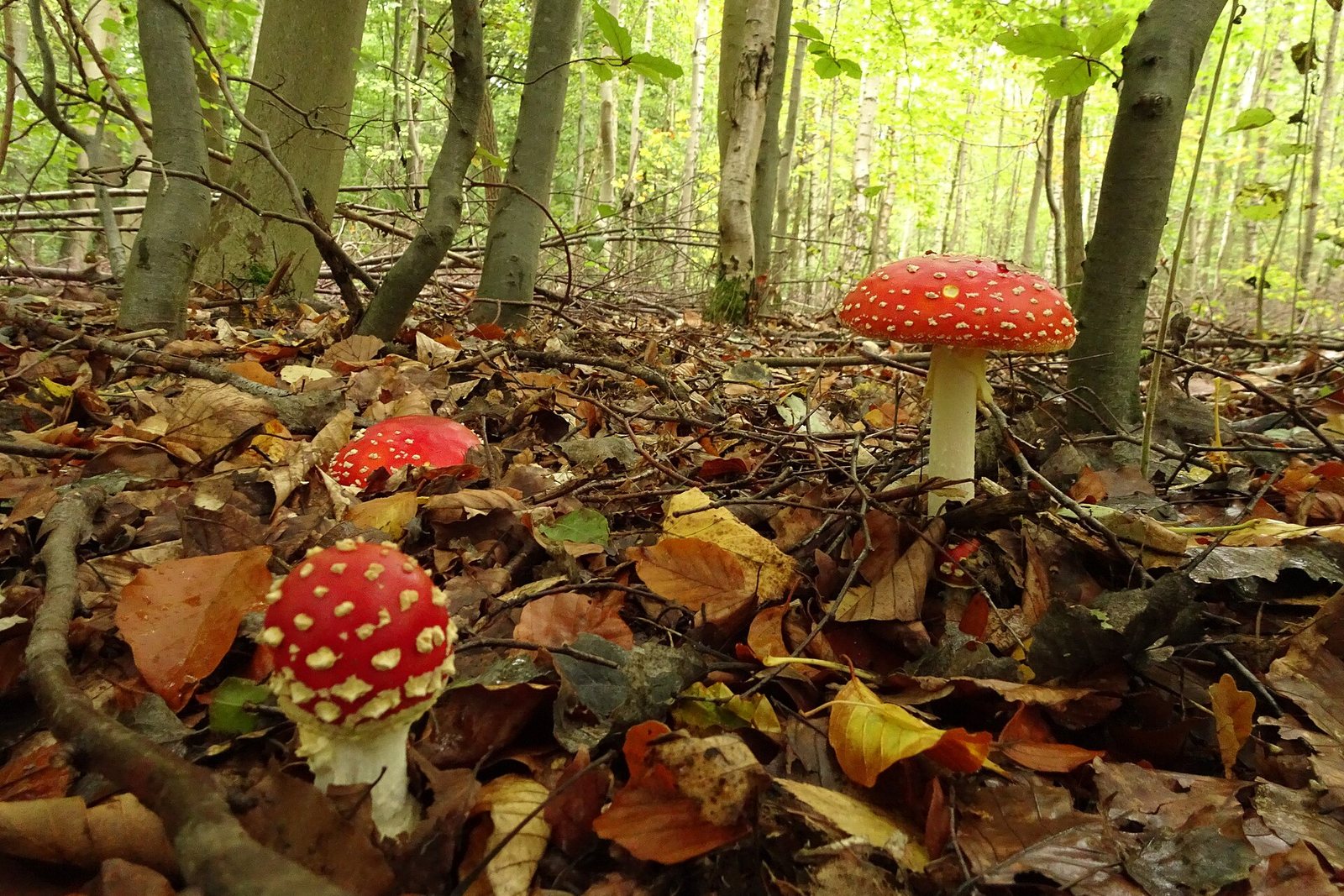
Fly agaric grows on the ground under trees, and in many regions it appears in autumn, which is roughly September to November in the Northern Hemisphere and March to May in the Southern Hemisphere. Exact timing and host trees depend on where you live, so ask a local mycological society if you want to know what grows near you. Looking and photographing from a distance is fine; picking mushrooms for the pot is where the danger starts.
What to do after eating an unknown mushroom
- Call a poison line now. Türkiye: UZEM 114 (Ulusal Zehir Danışma Merkezi). US: Poison Control 1-800-222-1222. UK: NHS 111. For pets, call your vet or ASPCA Animal Poison Control.
- Do not wait for symptoms and do not decide it was "only a fly agaric": a meal can include other species, and Amanita poisoning can feel better before liver damage shows.
- Keep a sample. NAMA advises keeping photographs or specimens that may help with identification: leftovers, uneaten pieces and a photo of where it grew.
- Note the time of the meal and any symptoms, and tell the poison line.
- Follow the instructions you are given. This guide does not give treatment advice or dosages.
Frequently asked questions
Is the red mushroom with white spots poisonous?
Yes. The fly agaric (Amanita muscaria) is poisonous; NAMA lists vomiting, confusion, visual distortion, convulsions and deep drowsiness within 30 minutes to 2 hours.
Can fly agaric kill you?
NAMA says there are no reliably documented human deaths from its toxins in the past 100 years, but it can make people seriously ill, and its deadly relatives such as the death cap look different. Dogs and cats can die.
Does boiling or peeling fly agaric make it safe?
No. Ohio State lists peeling as a false test, and Poison Control says cooking does not make a poisonous mushroom safe.
What should I do if someone ate a fly agaric?
Call a poison line now: UZEM 114 in Türkiye, Poison Control 1-800-222-1222 in the US, NHS 111 in the UK. Keep a sample or photo and do not wait for symptoms.
Mushroom poisoning symptoms can start in 15 minutes or after days. A timeline by toxin, why late symptoms are the most dangerous and what to do right now.
Sources
Written and fact-checked by the Flori team. Every guide cites horticultural sources such as the RHS, university extension services and the ASPCA, and is updated when the advice changes. How we write our guides
General plant care information. Plants vary; when a plant is valuable or a problem spreads quickly, consult a local nursery or plant specialist.