Free Plant Identifier Apps: What You Actually Get
What free plant identifier apps really include: free forever, free with limits or a free trial, plus accuracy, privacy and when a photo is not enough.
 By Flori editorial team · Updated
 Photo: Tangopaso · Public domain
Free plant identifier apps come in three kinds: truly free community apps, apps with a small free allowance, and free trials that turn into subscriptions. All of them guess from a photo. Expect a name and a confidence level, not a guarantee, and check anything toxic or edible with a local expert.
Key takeaways
- Free plant ID apps are free in three ways: fully free, free with a monthly limit, or a trial that becomes a subscription.
- Apps differ more in extras (care tips, reminders, diagnosis) than in the basic name guess.
- One university test found some apps misidentified at least 1 in 5 plant species, and photos with flowers did better than leaves alone.
- Check the privacy settings: some apps collect location data and keep broad rights to your photos.
- Never rely on any app alone to decide whether a plant or mushroom is toxic or edible.
On this page10
- What does a free plant identifier app actually give you?
- The three kinds of free
- Which free app suits which job?
- How accurate are free apps?
- What should you check before you install a free app?
- How do you get a better answer from a free app?
- What is free in Flori?
- Is it worth paying for more?
- When is a free app not enough?
- A quick test for any free app
What does a free plant identifier app actually give you?
A free plant identifier app gives you a suggested name for the plant in your photo, usually with a confidence score, and not much more unless you pay or contribute. The word free covers three very different deals, and the difference decides whether you can use the app for a whole garden or only for the first few plants. This guide is about what you get, what you give up and how to test an app before you trust it. For a deeper look at accuracy, see how accurate plant identifier apps are.
The three kinds of free
| Kind of free | How it works | Typical catch |
|---|---|---|
| Fully free | Community or non-profit apps with no paywall | Fewer care features; identification may lean toward wild plants |
| Free with a limit | A few free identifications or diagnoses each month | You run out; unlimited use needs a plan |
| Free trial | Everything unlocked for a few days | Charges unless you cancel; prompts to subscribe |
NC State Extension (Lee County) describes this split among popular apps in 2025: iNaturalist and its sister app Seek are completely free, PlantNet is free but asks for donations, and PictureThis is subscription-based with only a limited free version. The same page calls PictureThis's subscription prompts aggressive and says it collects more user data than community-based apps. It does not say how many free identifications each app allows, so check that in the app's own settings and terms before relying on it.
Which free app suits which job?
The same NC State article gives a rough match of job to app, based on its late-2025 ratings:
- Wild plants and weeds: PlantNet, rated average to above average, and best on wild plants rather than garden cultivars.
- Learning and recording what you find: iNaturalist and Seek, which the article suggests for conservation data and privacy.
- Common garden plants and care help: PictureThis, rated high for accuracy on common garden plants, with the limited free version noted above.
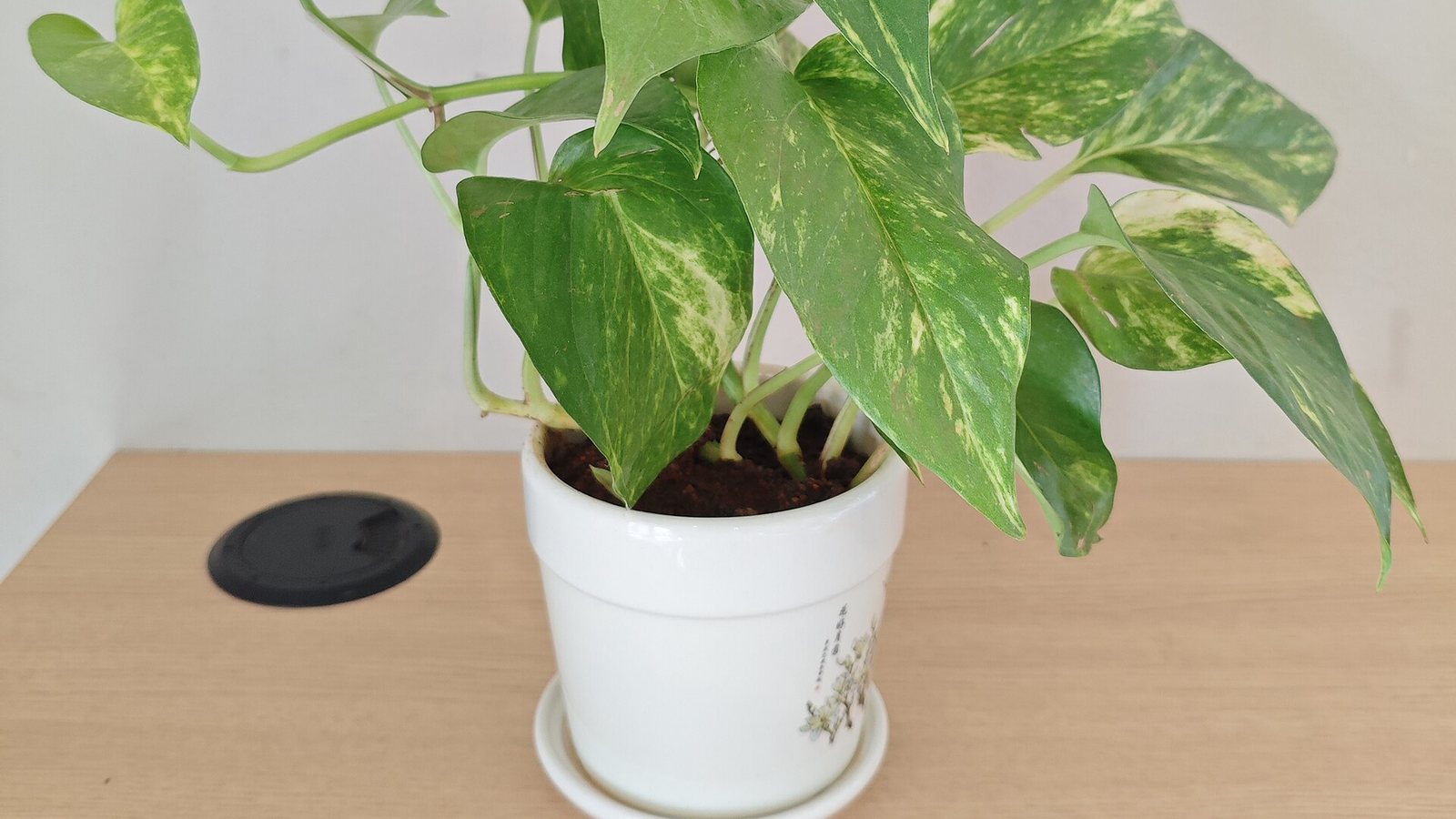
An app made around houseplants differs from one built around wild flora: the first knows what a pothos or a calathea looks like but may miss a roadside weed, and the other the reverse. Match the app to your plants.
How accurate are free apps?
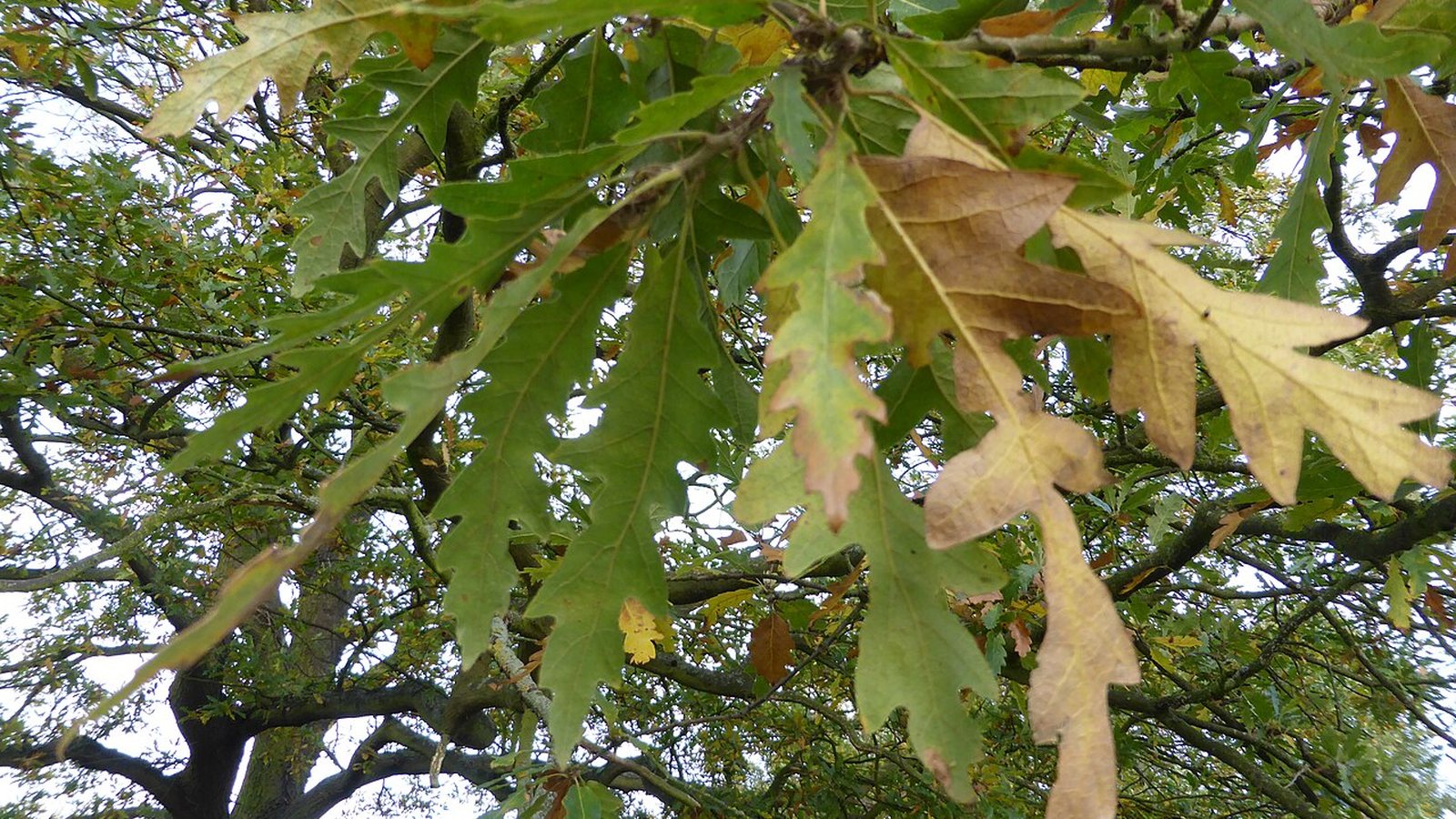
Free does not mean less accurate, but no app is reliable on every plant. A University of Leeds study tested six apps (Google Lens, iNaturalist, Leaf Snap, Plant Net, Plant Snap and Seek) on 38 herbaceous plants native to Ireland. Some apps misidentified at least 1 in 5 species, the best reached 80 to 88% and accuracy varied considerably by species. Photos showing flowers gave better results than photos of leaves alone. So a pretty answer is not proof.
What should you check before you install a free app?
- The limit. How many free identifications or diagnoses do you get, and does it reset monthly?
- The price after the trial. Check whether a free trial charges automatically, and how to cancel.
- Privacy. NC State notes that some apps collect no user data while others collect extensive location data and reserve broad rights over your uploaded photos. Look in the app settings for a location opt-out.
- Confidence display. Some apps show a percentage. NC State says a low score means you should take a better photo or get a second opinion.
- What happens after the name. A name alone is not a plant care plan. See if the app gives light, watering and toxicity for the plant.
How do you get a better answer from a free app?
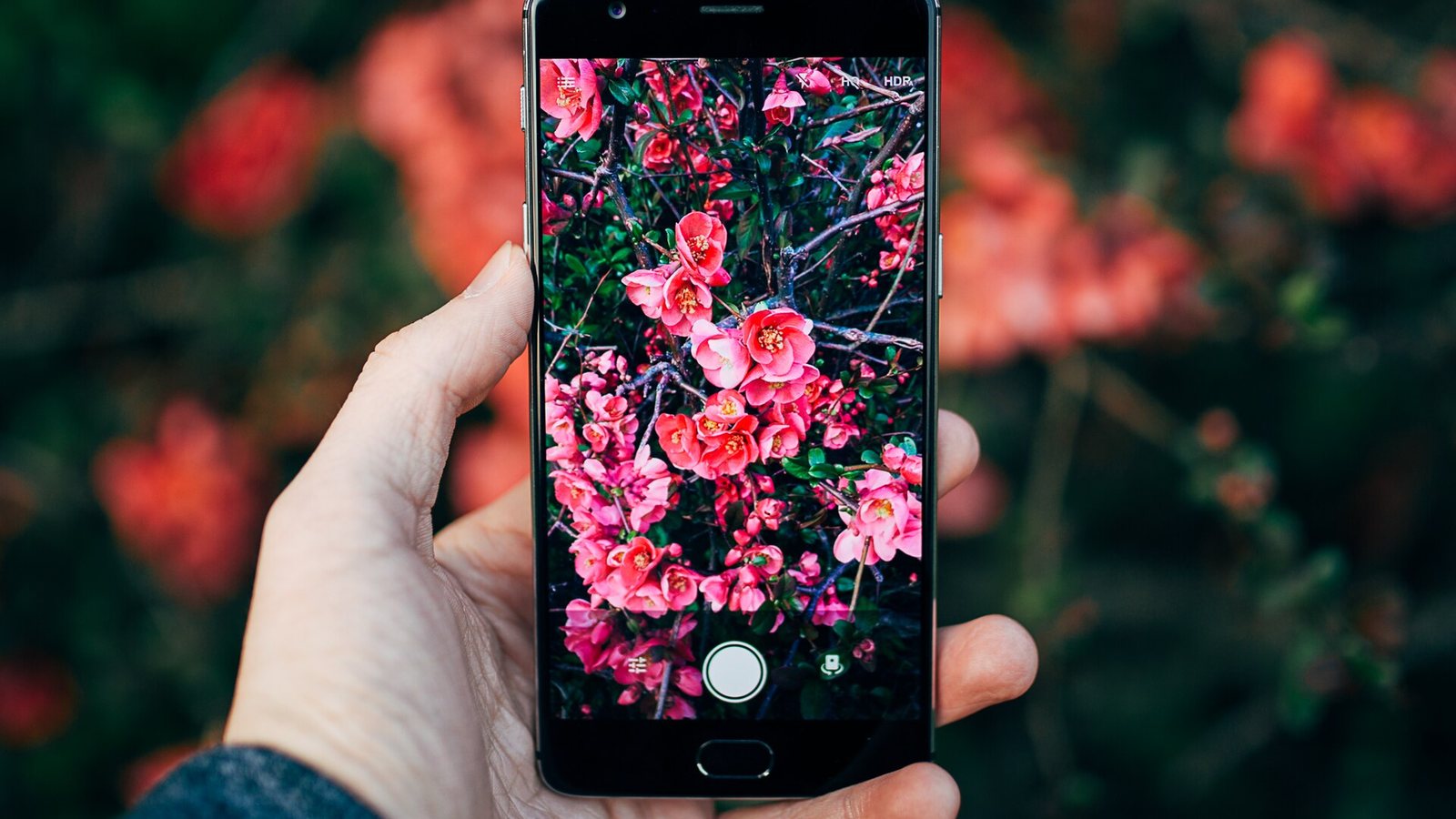
Photo quality matters more than which app you pick. NC State says accuracy depends heavily on photo quality and suggests a close-up of the plant plus a wider shot showing its surroundings. Take photos in daylight, fill the frame with one plant, and include a flower, fruit or leaf attached to the stem if you can. If two apps disagree, trust neither, and look up the name in a reference such as the identify a plant from a photo guide or a botanical garden database.
What is free in Flori?
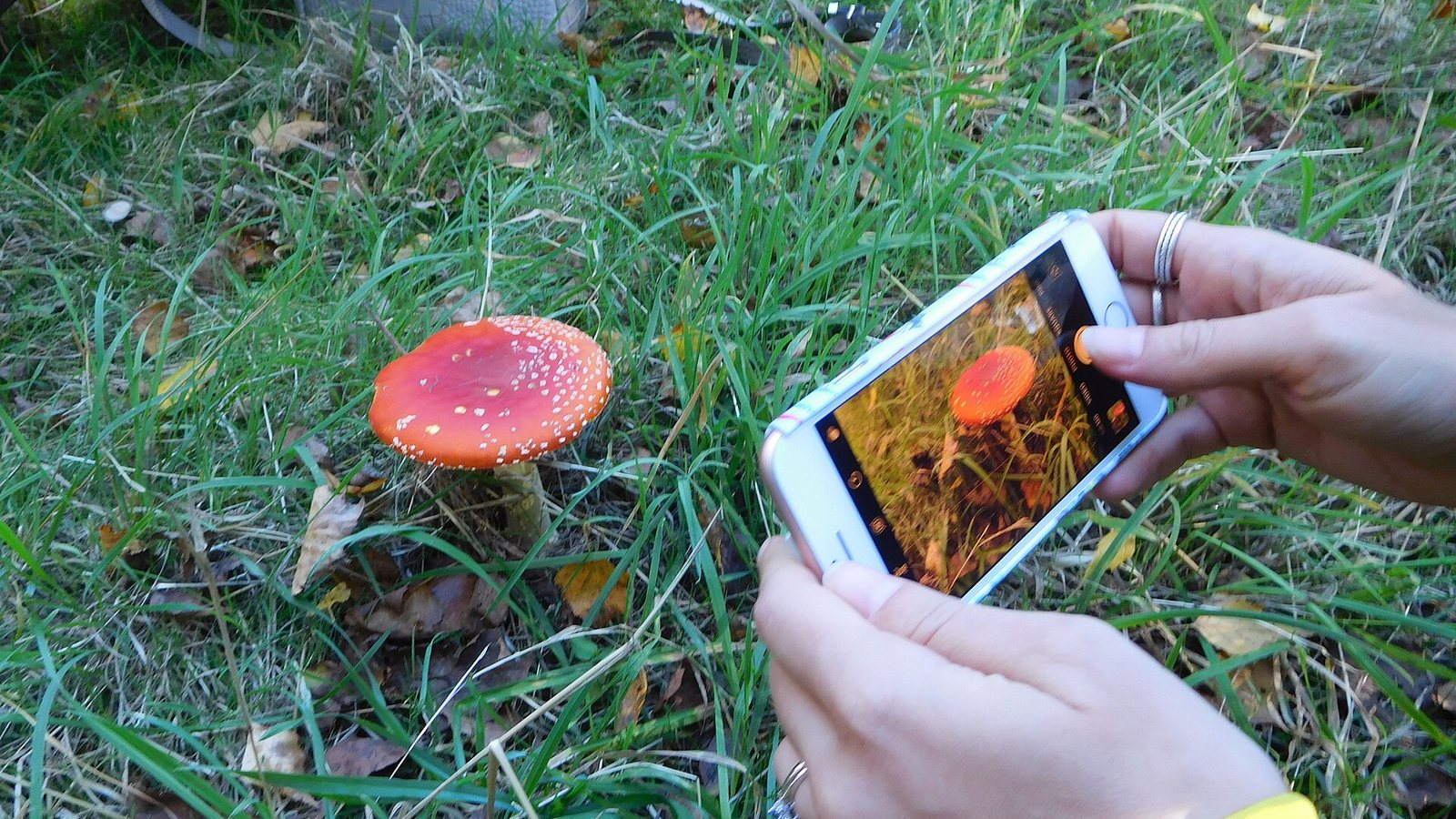
Flori's Free plan includes 2 identifications and 2 diagnoses a month, plus reminders for up to 3 plants. That is enough to try it on a few plants, not to catalogue a garden; the unlimited features, Plant Hospital and full care library need a paid plan. Flori also identifies wild mushrooms from a photo, but a mushroom photo is never a reason to eat one. See can an app identify mushrooms.
Is it worth paying for more?
Only if you hit the limit or want the extras. A paid plan typically buys more identifications, a care library and diagnosis tools, not a different kind of photo recognition. NC State's ratings show that the most accurate app for common garden plants in 2025 was a subscription one, but the same article notes that the free community apps are above average and better for privacy. So decide by what you need: if you only want a name now and then, a free app is plenty; if you want reminders, a sick-plant follow-up and a care plan for each plant, an app built for care is worth the plan.
When is a free app not enough?
NC State's advice is clear: do not rely on the app alone, especially for telling toxic plants from edible ones, and ask your local Extension office or Master Gardener volunteers when the answer is unclear. If a pet or child chewed a plant, name it with the help of the ASPCA list or call the poison line rather than waiting for an app. For a sick plant rather than an unknown one, the issue is diagnosis, not naming; see diagnosing plant disease from a photo.
A quick test for any free app
- Photograph three plants you already know, one of them a common houseplant, one a flowering one and one that looks similar to another plant.
- See how many names are right, and how it handles the look-alike.
- Check what the app says about toxicity, and verify it against the ASPCA.
- Uninstall it if it asks for permissions it does not need.
Frequently asked questions
Is there a plant identifier app that is completely free?
Yes. NC State Extension says iNaturalist and Seek are completely free, and PlantNet is free but asks for donations. They have fewer care features than subscription apps.
Are free plant identification apps accurate?
They can be, but not on every plant. A University of Leeds test found some apps misidentified at least 1 in 5 species, and the best reached 80-88%. Use a clear photo and double-check anything important.
Do free plant ID apps sell my photos or location?
It depends on the app. NC State notes that some apps collect no data, while others collect extensive location data and keep broad rights over uploaded photos. Read the privacy settings.
What does the Flori Free plan include?
2 identifications and 2 diagnoses a month, plus reminders for up to 3 plants. Unlimited use, the Plant Hospital and the full care library come with paid plans.
Can I trust an app to tell me if a plant is poisonous?
Not on its own. Check the ASPCA list for pets, ask local experts for people, and call the poison line if someone has eaten it.
What university tests found about plant ID app accuracy: flowers beat leaves, genus beats species, bark and seedlings are hard. How to get better results.
Sources
Written and fact-checked by the Flori team. Every guide cites horticultural sources such as the RHS, university extension services and the ASPCA, and is updated when the advice changes. How we write our guides
General plant care information. Plants vary; when a plant is valuable or a problem spreads quickly, consult a local nursery or plant specialist.