December Garden Tasks: A Checklist
December garden tasks as a checklist: protect pots from frozen compost, check bulbs, clear snow, prune apples and pears, feed birds and plan seed.
 By Flori editorial team · Updated
 Photo: Abraham Sobkowski OFM · CC BY 3.0
In December, protect pots from frozen compost, check stored bulbs and tubers, shake heavy snow off evergreens, water only when the ground is not frozen, feed birds and prune apples and pears, but not stone fruit. Then clean tools and plan seed. In the southern hemisphere December is summer, so the jobs differ.
Key takeaways
- Frozen compost is the main danger for pots, so group, wrap or shelter them before hard frost.
- Prune apples, pears and quinces now; leave plums, cherries and peaches alone in winter.
- Shake snow off evergreens, never brush it downward, and do not beat ice off branches.
- Feed birds and keep water unfrozen, and use quiet days for tools, pots and seed orders.
- Mild Aegean and Mediterranean gardens, inland Anatolia and the southern hemisphere need different December jobs.
On this page9
- What should you do in the garden in December?
- December garden tasks at a glance
- Which jobs protect plants from frost, wet and wind?
- What can you still prune and plant in December?
- What about the vegetable plot and compost?
- How do you help birds and wildlife?
- Which tools and indoor plants need attention?
- What is different where you live?
- A one-hour December checklist
What should you do in the garden in December?
December garden tasks are mostly about protecting, checking and planning, not planting. The common myth is that the garden is asleep and there is nothing to do. In fact a few short jobs now, such as protecting pots, checking stored bulbs and clearing snow, decide what survives to spring. This checklist covers them in the order that matters. In the northern hemisphere December is the first month of winter. In the southern hemisphere it is midsummer, so use the watering, mulching and harvesting jobs and skip the frost ones. For the bigger autumn shutdown, see our winterize your garden checklist.
December garden tasks at a glance
| Task | Why it matters | When |
|---|---|---|
| Wrap or shelter pots | Frozen compost can kill plants | Before hard frost |
| Check stored bulbs and tubers | They dry out or rot unseen | Every few weeks |
| Shake snow off evergreens | Weight bends and breaks branches | After each heavy fall |
| Prune apples, pears, quinces | Dormant season suits them | On dry, mild days |
| Remove rotten fruit and yellow leaves | Stops grey mould spreading | Weekly |
| Feed birds and keep water unfrozen | Food and water are scarce in cold | Daily in hard weather |
| Clean tools and pots, order seed | Saves time and disease in spring | Any quiet day |
Which jobs protect plants from frost, wet and wind?
The Royal Horticultural Society (RHS) says the main danger for container plants is the compost freezing, which may kill them. Group pots together in a dry, sheltered spot, ideally against a house wall, and wrap them in biodegradable fleece or bubble polythene, or move them under temporary cover. Heavier fleece gives about 2 °C (4 °F) of frost protection, so it helps on a cold night but will not save a tender plant in a hard freeze. Take saucers away in winter, and do not feed plants at this time of year. Check evergreens and conifers in pots at least weekly and water them if needed, but not when frost is forecast. Deciduous and dormant plants seldom need water. In very wet spells, move pots under cover if the compost turns sodden.
For the ground, three more jobs help:
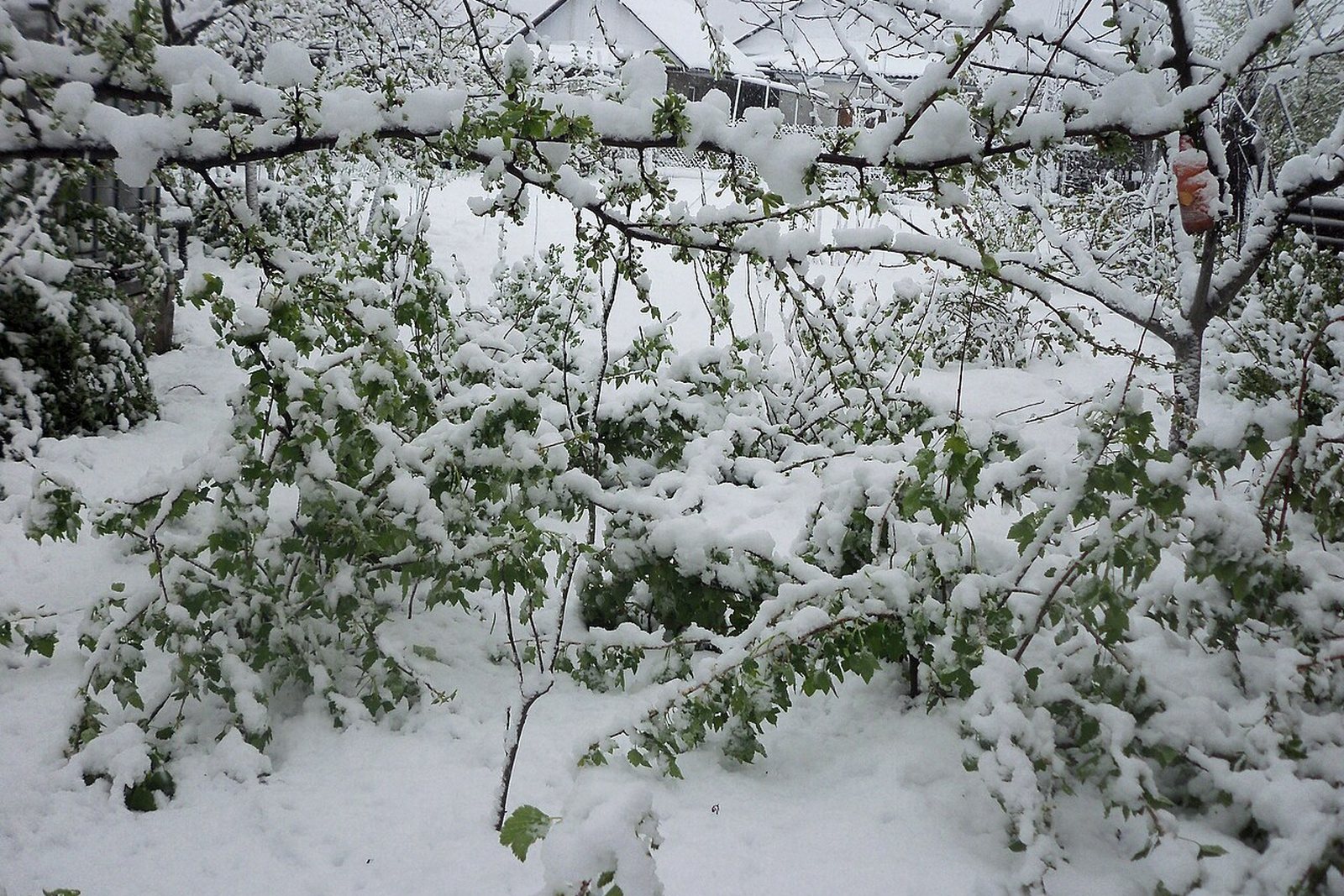
- Snow: shake or brush snow off branches as it builds up. Iowa State Extension advises never to brush downward, because you can break branches already bent and stressed. Do not beat ice off, either; leave it to melt or prop the branches up.
- Wind and wet: fix drainage problems, because wet soil can let young, shallow-rooted trees rock loose in wind.
- Tender shrubs: wrap them at the first warning of frost. RHS suggests a 5 to 7.5 cm (2 to 3 in) layer of straw or bracken held by netting, with a waterproof cover for wet spells and dry material packed round the crown. Trapped water causes rot, so take covers off in long mild spells.
Our guide to protecting garden plants from frost goes through covers step by step.
What can you still prune and plant in December?
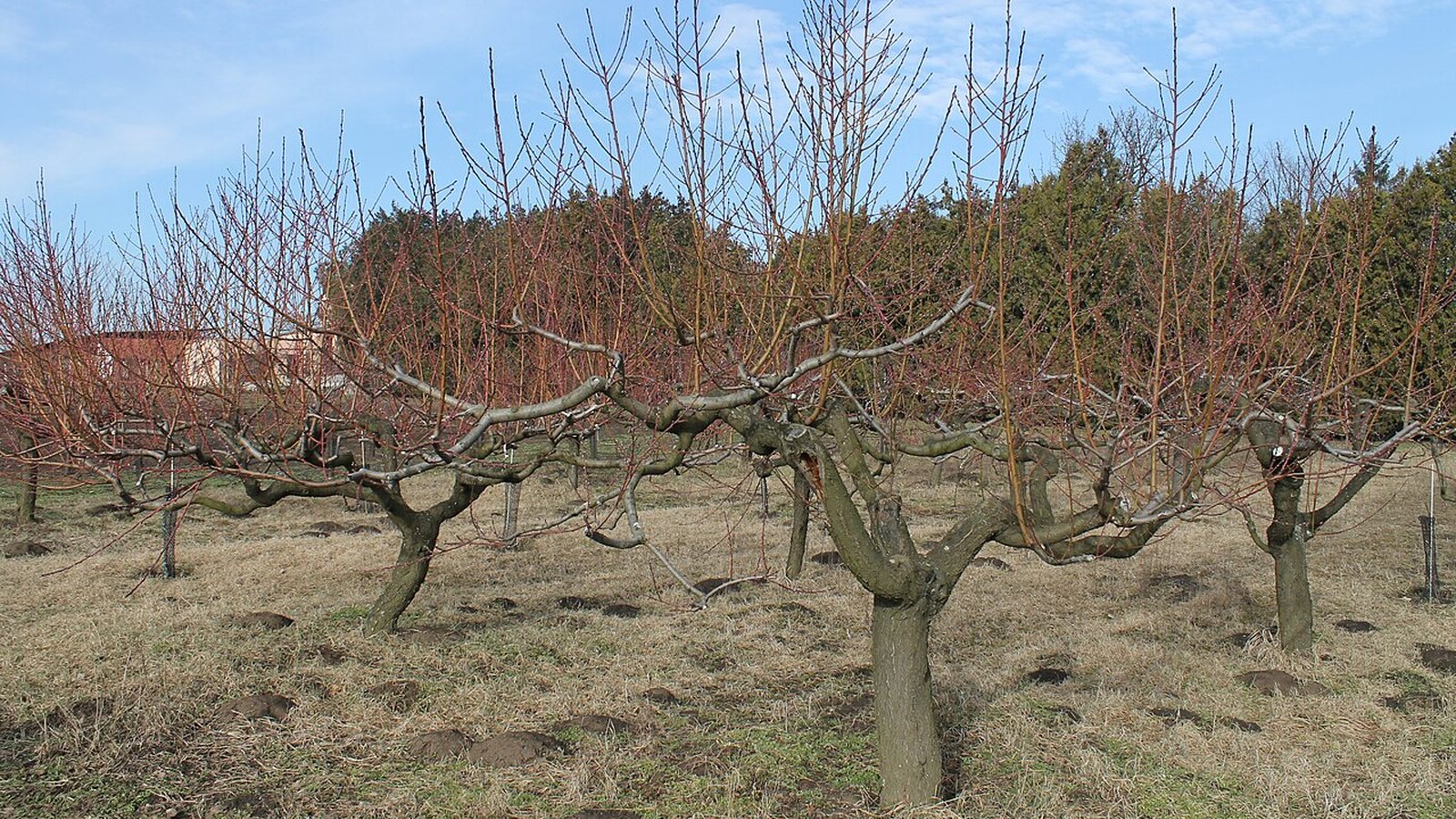
Prune apples, pears, quinces and medlars now, and thin congested spurs on restricted fruit trees such as cordons and espaliers. RHS says to avoid pruning stone fruit in winter, which means plums, cherries and peaches. Most other trees and shrubs are better pruned in late winter or early spring, taking out dead, diseased and damaged wood first (Iowa State Extension). See the winter fruit tree pruning guide and the pruning calendar before you cut anything.
You can plant new fruit trees and bushes, unless the soil is waterlogged or frozen. In mild areas with well-drained soil you can still plant garlic and shallots. The full list is in what to plant in December.
What about the vegetable plot and compost?
- Remove yellowed leaves from Brussels sprouts and other brassicas, to help prevent grey mould and downy mildew.
- Throw away rotten stored fruit.
- Stake or earth up leggy sprout stalks that wind could rock.
- If hard frost is forecast, cover trenches of stored root crops with cardboard so you can still dig them in a cold snap.
- Spread homemade compost on empty beds. No compost yet? Try composting at home, even on a balcony.
- Harvest what is ready: beetroot, turnips, parsnips, Brussels sprouts, celery, swedes, cabbages and leeks.
Protect brassicas from pigeons with cloches, netting or fleece.
How do you help birds and wildlife?
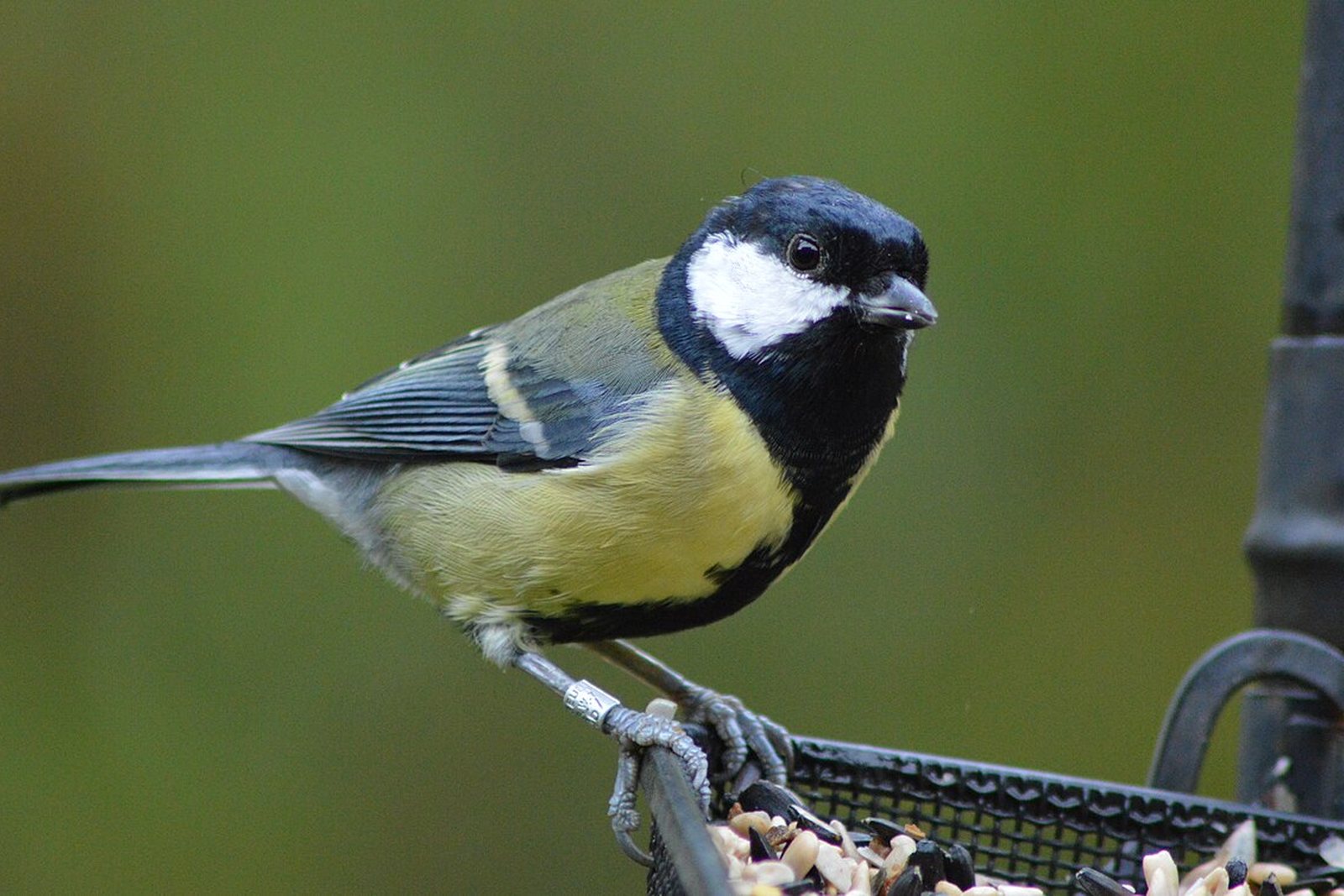
Iowa State Extension advises feeding birds, especially in harsh weather, and making sure they can reach water. When the water freezes, a heated bird bath or a daily thaw with warm water keeps it open. Seed cakes and suet can hang from branches. Check young plants for rabbit, mouse, vole and deer damage too.
Which tools and indoor plants need attention?
Quiet December days suit the maintenance jobs. Wipe metal tools with an oily rag and sand rough wooden handles. Drain hoses and coil them flat. Clean and disinfect old pots now, because disease-causing fungi and insects can remain in them. Store pesticides and fertilizers where it stays above 4 °C (40 °F). Clean bamboo canes, store them dry and shorten broken ones. Order seed early, and test any seed that is one or two years old.
Indoors, keep plants away from draughts from heat vents and doors. Iowa State Extension says winter indoor humidity can fall as low as 10 percent and suggests about 40 to 50 percent, by grouping plants or using a humidifier or pebble tray; it says misting is not effective. Cut back on feeding, water only when the soil is dry to the touch, and watch for scale, mealybugs, aphids, spider mites, fungus gnats and whiteflies. Flori can keep your balcony, garden and indoor plants in separate collections and send care reminders so the winter jobs are not forgotten.
What is different where you live?
December is not the same month everywhere, so adjust:
- Mediterranean and Aegean coasts of Türkiye: winters are mild, so frost is occasional rather than constant. Keep fleece ready for cold nights, plant garlic and fruit trees, and keep checking citrus and potted plants.
- Inland Anatolia: hard frost and snow are normal. Wrap pots and tender shrubs early, shake snow off evergreens and skip planting when the ground is frozen.
- Temperate northern climates (UK, northern Europe, northern US): expect wet and wind more than deep freezes. Fix drainage and secure plants against wind.
- Southern hemisphere: it is summer. Water deeply, mulch and harvest instead.
A one-hour December checklist
- Move pots into a sheltered group and wrap them.
- Check stored bulbs, tubers and fruit.
- Clear snow or fix drainage if needed.
- Prune apples and pears on a dry day.
- Fill the bird feeder and thaw the water.
- Clean one tool and one pot, and write your seed list.
Do these six and you have covered the jobs that matter.
Frequently asked questions
Can you still plant in the garden in December?
Yes, in places. New fruit trees and bushes can go in unless the soil is waterlogged or frozen, and garlic and shallots can be planted in mild areas with well-drained soil.
Should I water the garden in December?
Only when needed and not when frost is forecast. Container evergreens and conifers deserve a weekly check; dormant and deciduous plants seldom need water.
Can I prune everything in December?
No. Apples, pears, quinces and medlars are fine, but avoid stone fruit in winter. Most other trees and shrubs are better pruned in late winter or early spring.
What do I do in December in the southern hemisphere?
December is summer there, so the frost jobs do not apply. Water deeply, mulch and harvest instead.
How to winterize your garden: a one-page checklist for pots, taps and hoses, beds, trees, lawn, tools and wildlife, with Turkish regional timing.
Sources
Written and fact-checked by the Flori team. Every guide cites horticultural sources such as the RHS, university extension services and the ASPCA, and is updated when the advice changes. How we write our guides
General plant care information. Plants vary; when a plant is valuable or a problem spreads quickly, consult a local nursery or plant specialist.