Norfolk Island Pine Care: The Living Mini Tree
Norfolk Island pine care on one page: light, watering, humidity, why lower branches brown, why not to cut the top, and whether it is safe for pets.
 By Flori editorial team · Updated
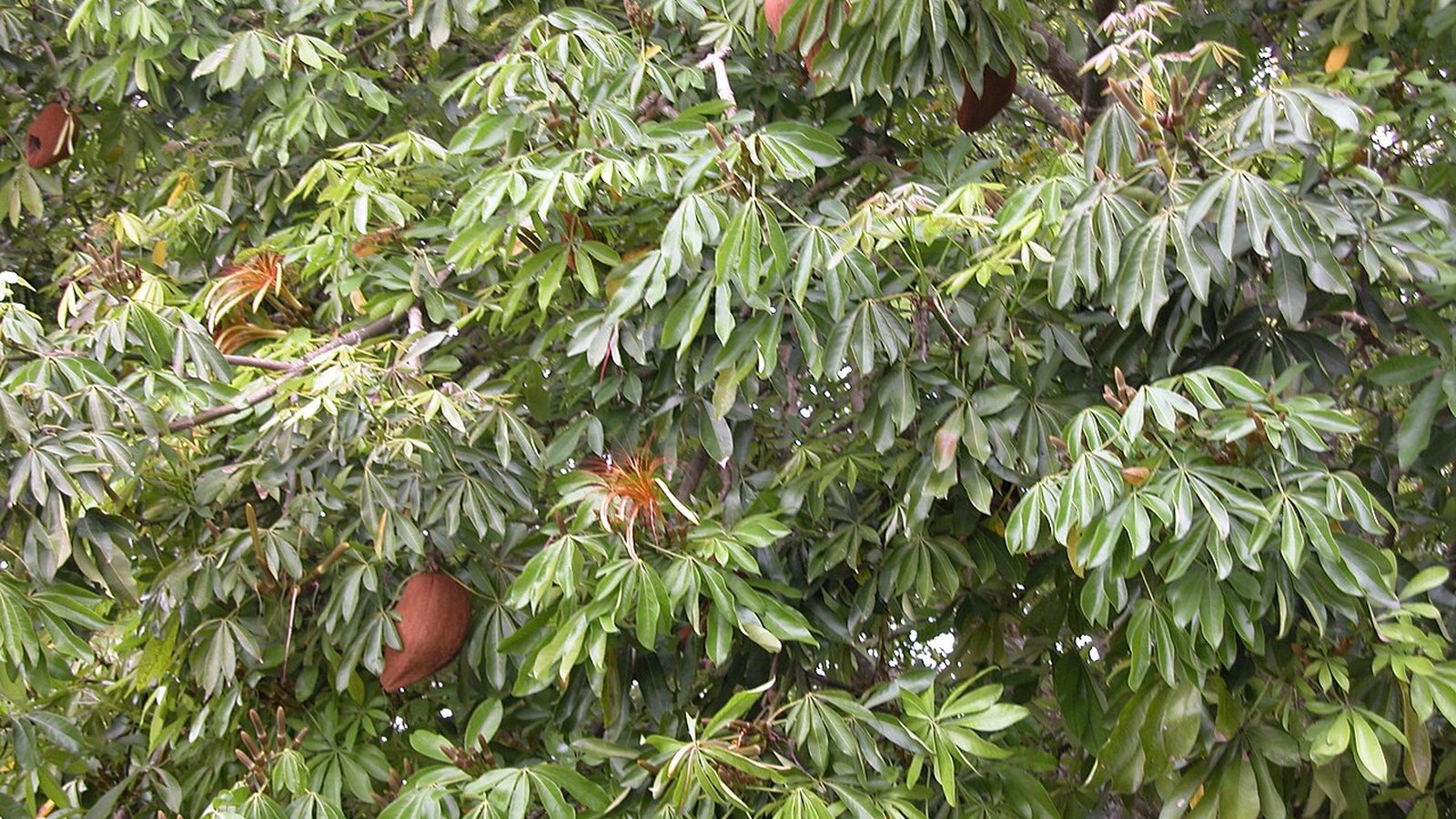
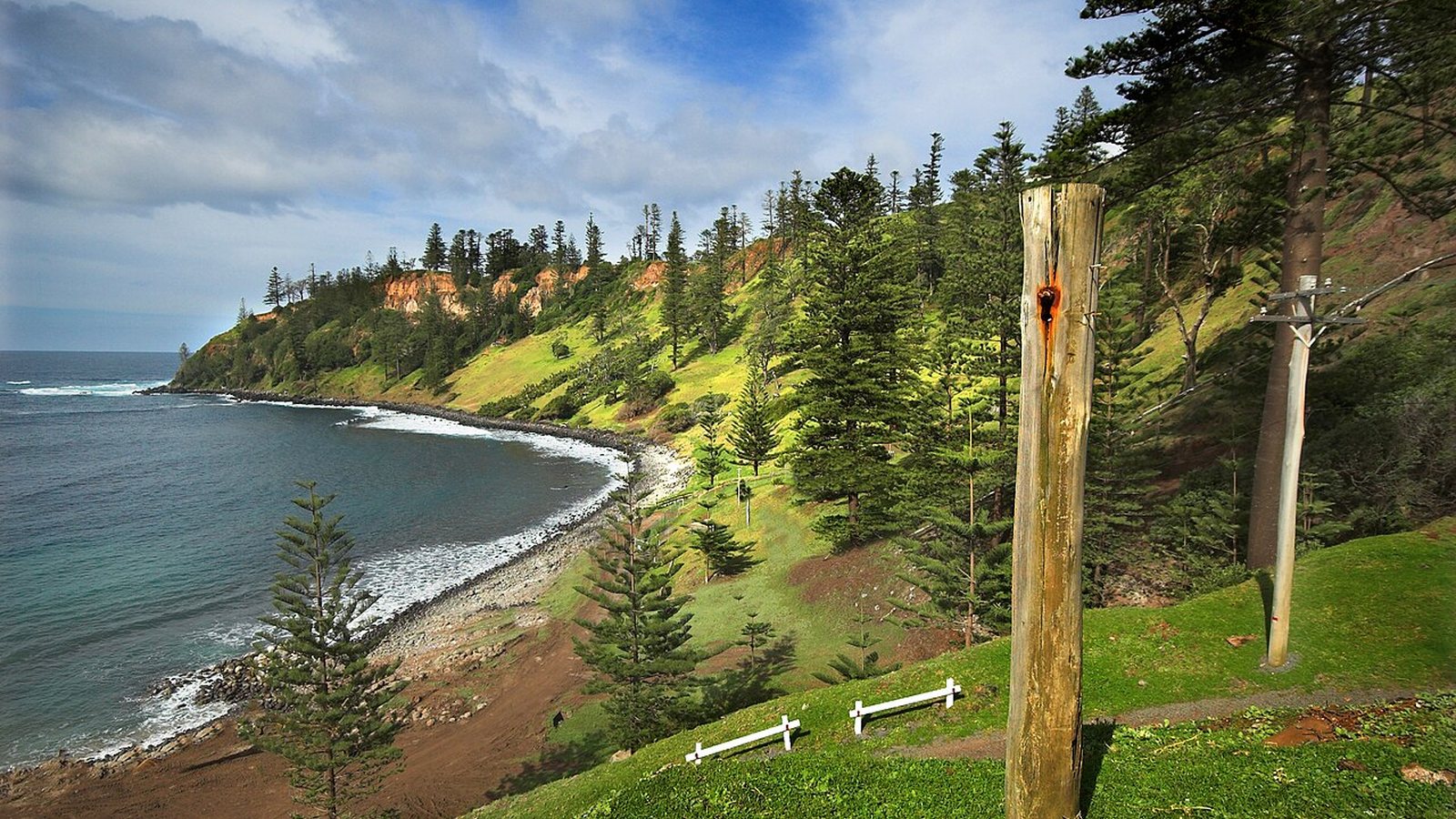 Photo: thinboyfatter · CC BY 2.0
Give a Norfolk Island pine bright light near an east, west or south window, cool air of about 13 to 21 °C (55 to 70 °F), and water only when the top inch of soil is dry. Turn it weekly, raise winter humidity, feed lightly in the growing season and never cut the top off.
Key takeaways
- Bright light and cool rooms matter most; dim, warm rooms are behind many brown lower branches.
- Water when the top inch (2-3 cm) of soil is dry, then empty the saucer.
- Winter heating can drop indoor humidity to about 15%, far below the roughly 50% the tree likes.
- Do not cut the top: the RHS says pruning can permanently spoil its shape.
- The ASPCA lists it as non-toxic to cats, dogs and horses.
On this page7
- Is a Norfolk Island pine easy to keep indoors?
- Where should a Norfolk Island pine sit?
- How often should you water it, and how humid should the air be?
- Why are the lower branches turning brown?
- Can you cut the top off, and how do you feed it?
- Is it safe for cats and dogs, and can it go outside?
- What should you do this week?
Is a Norfolk Island pine easy to keep indoors?
It is easy once you know its three demands: bright light, cool air and a pot that is never left soggy. The Norfolk Island pine (Araucaria heterophylla) is the little living tree sold around the holidays, and many of them fade slowly in a warm, dim, dry room. This guide covers the whole year, not just the festive weeks, and busts two myths: that browning lower branches mean the tree is finished, and that you can safely cut the top to keep it small. It draws on the Royal Horticultural Society (RHS), Purdue and Iowa State extension pages, NC State Extension and the ASPCA. For a cut or potted fir tree, see our live Christmas tree care guide; this tree is a different plant.
| What it needs | Good target | Source |
|---|---|---|
| Light | Bright, near an east, west or south window; a couple of hours of direct sun is best | Iowa State, Purdue |
| Temperature | About 13–21 °C (55–70 °F), cooler at night | Iowa State, Purdue, NC State |
| Humidity | Around 50%; winter heating can drop a room to about 15% | Purdue |
| Watering | When the top 2–3 cm (1 in) of soil is dry; empty the saucer | Purdue, Iowa State |
| Feeding | Spring to early autumn only; none in winter | Iowa State, RHS, Purdue |
Where should a Norfolk Island pine sit?
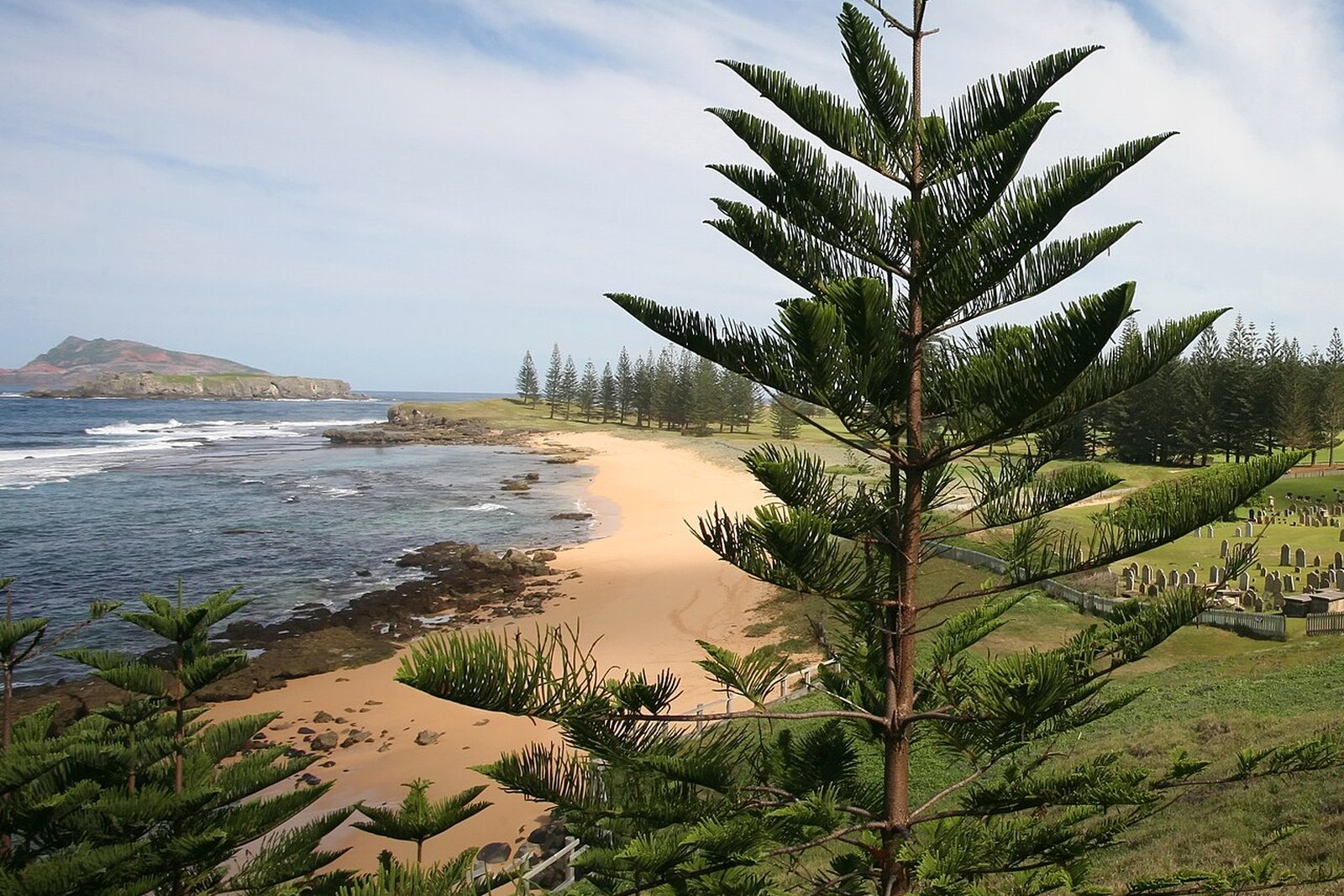
In the brightest spot you have that is not above a radiator. Iowa State advises a brightly lit place near an east, west or south window, and Purdue says bright indirect light works but a couple of hours of direct sun a day gives the best look. The RHS lists full sun or partial shade for the species. NC State warns what happens if you ignore this: very low light for two to three years can cause leaf drop and loss of the lower branches. Our guide to plants by window direction helps you pick the window.
Turn it once a week. Both Iowa State and Purdue say to rotate the pot (Purdue says a quarter turn) so the tree does not grow towards the light and become lopsided. If yours already leans, see why plants lean to one side.
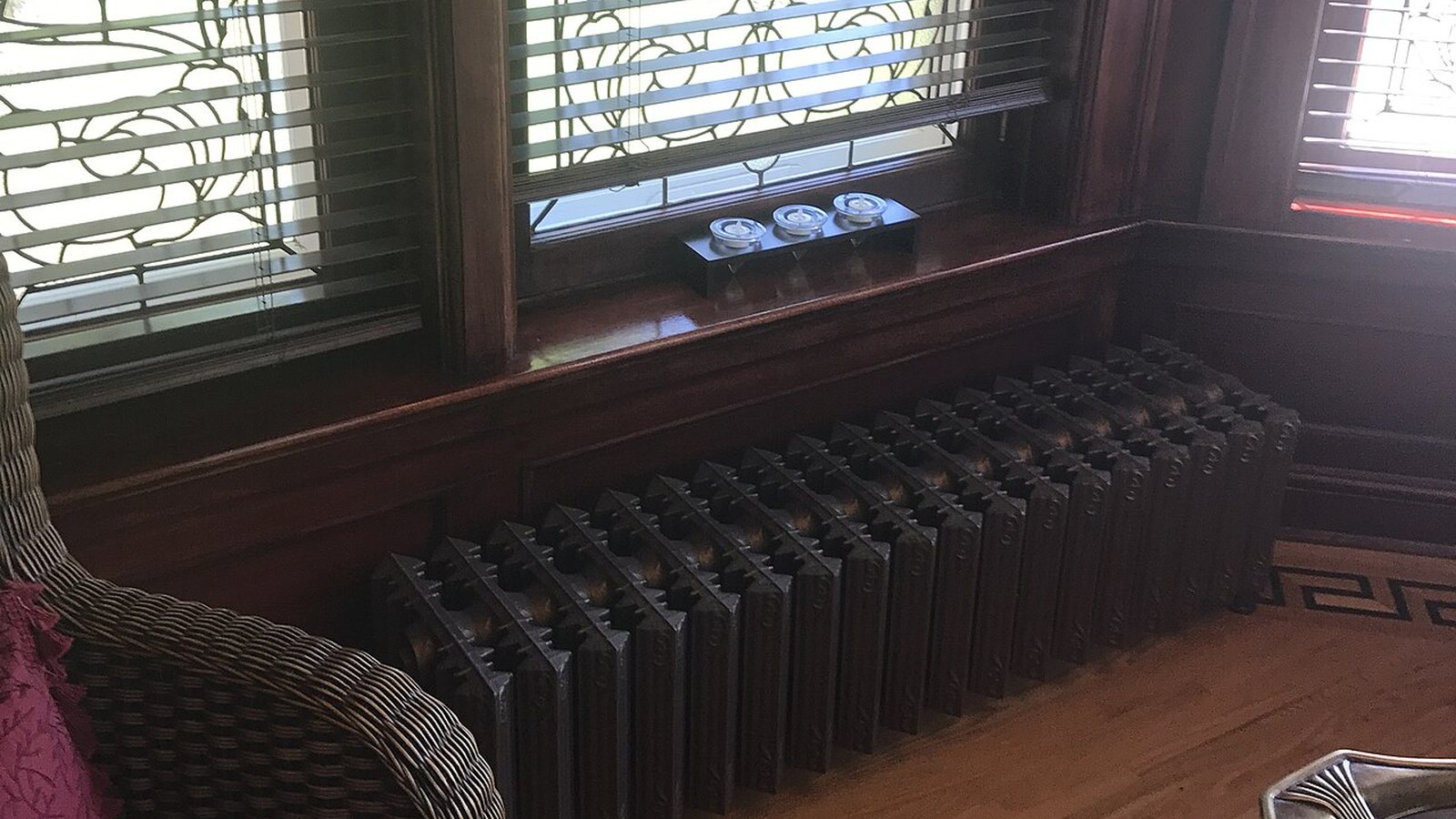
Keep it cool. The RHS rates the species H2: it tolerates a minimum of roughly 1–5 °C but not freezing, which is why it is a container plant in frosty regions. Indoors, the sources suggest about 13–21 °C. In Turkey, a living room heated to 24 °C in Ankara or Erzurum is likely too warm and dry for it, whereas a bright, unheated hallway or sunroom on the Aegean or Mediterranean coast often suits it well. In a temperate northern climate, put it in the coolest bright room, not next to the stove. See radiator heat and dry air damage.
How often should you water it, and how humid should the air be?
Check the soil, not the calendar. Purdue says to water when the top inch or so of the soil feels dry, let the excess drain from the holes and discard the drained water after about 15 minutes. Iowa State agrees: water thoroughly when the surface is dry, and empty the saucer. The RHS says to water freely in the growing season (March to September in the northern hemisphere) and keep the compost just moist in winter. Use a pot with drainage holes and free-draining soil; the RHS suggests a peat-free, loam-based mix with extra grit.
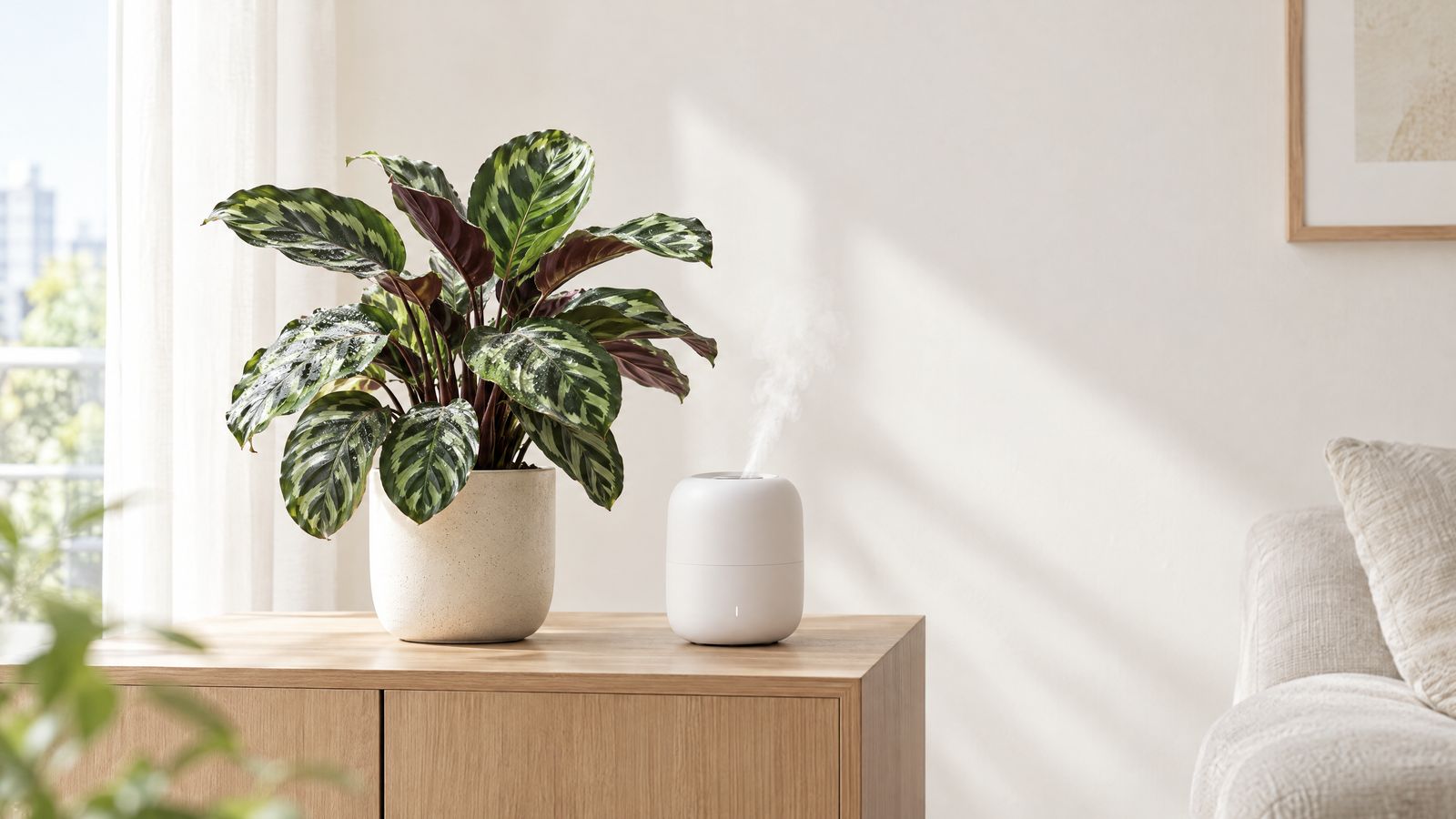
Dry air is the hidden problem. Purdue says the plant thrives at about 50% relative humidity, and that winter heating can pull a room down to around 15%. Its most effective fix is a humidifier; Iowa State suggests a humidifier or a pebble tray. Misting does little for a whole tree. For more, read our indoor plant humidity guide.
Why are the lower branches turning brown?
Do not panic at a few brown needles. Purdue says a few slowly browning lower needles are usually normal ageing or low light. If many needles brown or the problem spreads across branches, work through this table.
| What you see | Likely cause | What to do |
|---|---|---|
| A few lower needles slowly brown | Normal ageing, or slightly low light | Leave it; move it brighter and keep turning it |
| Browning branch tips and lower branches dropping | Low humidity, too little light or soil that is too dry (Iowa State) | Humidifier or pebble tray, brighter spot, water thoroughly when the top is dry |
| Browning across many branches | Too much or too little water, hot or cold draughts, dry air (Purdue) | Check the soil with a finger, empty the saucer, move away from radiators and doors |
| Lower branches lost after years in dim rooms | Long-term low light (NC State) | Brighter spot, and protect the remaining branches |
| Sticky or sooty film on branches | Scale insects and sooty mould (NC State) | See our scale insects guide |
Mushy, wet soil points to root rot; our root rot rescue plan covers it. If you cannot tell which row of the table fits, Dr. Flori in the Flori app can ask follow-up questions from a photo and name the likely cause.
Can you cut the top off, and how do you feed it?
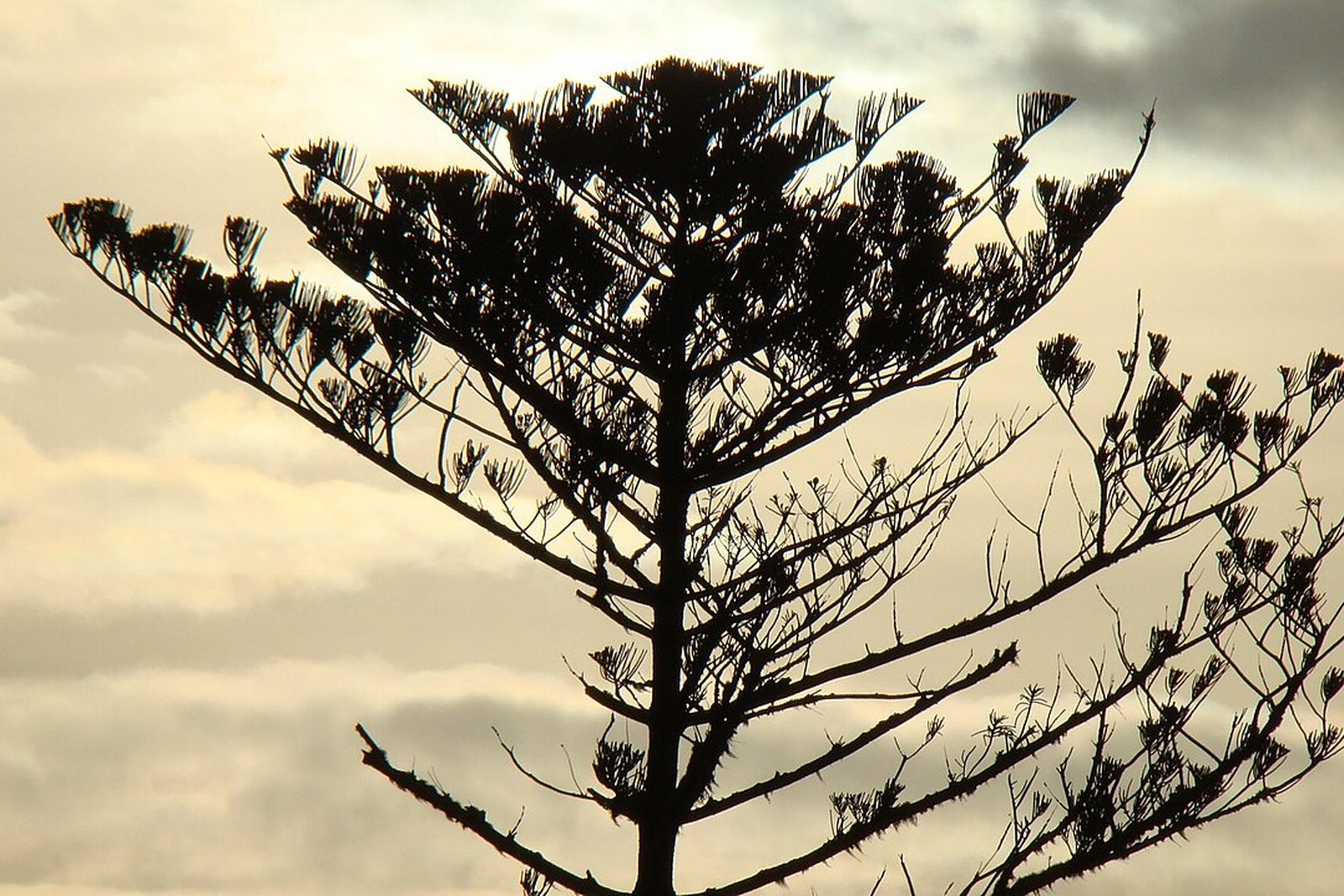
Do not cut the top. The RHS puts the tree in pruning group 1, meaning little or no pruning, and warns that pruning can permanently spoil the tree's shape. The same page explains a related point: cuttings from vertical shoot tips can root, but cuttings from the horizontal side branches will not form an upright tree. So treat the central upright shoot as the tree's future. Remove only branches that are completely dead.
Size matters when you buy. Indoors the tree reaches about 2.7 m (9 ft), according to NC State, and outdoors in the right climate it can exceed 12 m (RHS). A small tree is a young tree, and it will keep growing.
For feeding, Iowa State says a dilute fertiliser every 2 to 4 weeks from spring to early autumn. The RHS says a balanced fertiliser every two weeks in the growing season and none in winter. Purdue also says to skip feeding in winter, when the plant often rests. Stay at the gentle end, follow the label and stop in winter. Our guide to fertilizing houseplants in winter explains why.
Is it safe for cats and dogs, and can it go outside?
The ASPCA lists Norfolk Island pine as non-toxic to dogs, cats and horses, which is why it appears in our guide to Christmas plants and pets. Non-toxic does not mean it is a snack, so if your pet eats a large amount of any plant, call your vet.
Outdoors, NC State gives hardiness zones 9 to 11, and the RHS recommends a sheltered position, and a container under glass where frost is likely. In summer you can move the pot outside to a sheltered, sunny spot and bring it back in autumn (RHS); do this before the first cold nights. In the mildest coastal parts of Turkey, check your local frost record before leaving it out all year; inland Anatolia has hard frosts, so keep it in a pot there.
What should you do this week?
- Move the tree to the brightest east, west or south window, away from radiators.
- Poke a finger 2–3 cm (1 in) into the soil; water only if it is dry, then empty the saucer.
- Turn the pot a quarter turn and repeat weekly.
- Leave the top alone and do not feed until spring.
Flori can set care reminders for watering, misting and fertilizing, so the routine does not depend on memory.
Frequently asked questions
Why is my Norfolk Island pine dropping its lower branches?
Iowa State links browning tips and lower branch loss to low humidity, too little light or soil that is too dry; NC State adds long-term very low light. A few slowly browning lower needles are usually normal ageing.
Can I cut the top off a Norfolk Island pine to keep it small?
No. The RHS says pruning can permanently spoil the tree's shape and that cuttings from side branches will not form an upright tree. Choose a bright spot with room to grow instead.
Is Norfolk Island pine toxic to cats and dogs?
The ASPCA lists it as non-toxic to dogs, cats and horses. If a pet eats a large amount of any plant, call your vet.
How much light does a Norfolk Island pine need indoors?
Bright light near an east, west or south window, according to Iowa State. Purdue says a couple of hours of direct sun a day gives the best look, and turning the pot weekly keeps it even.
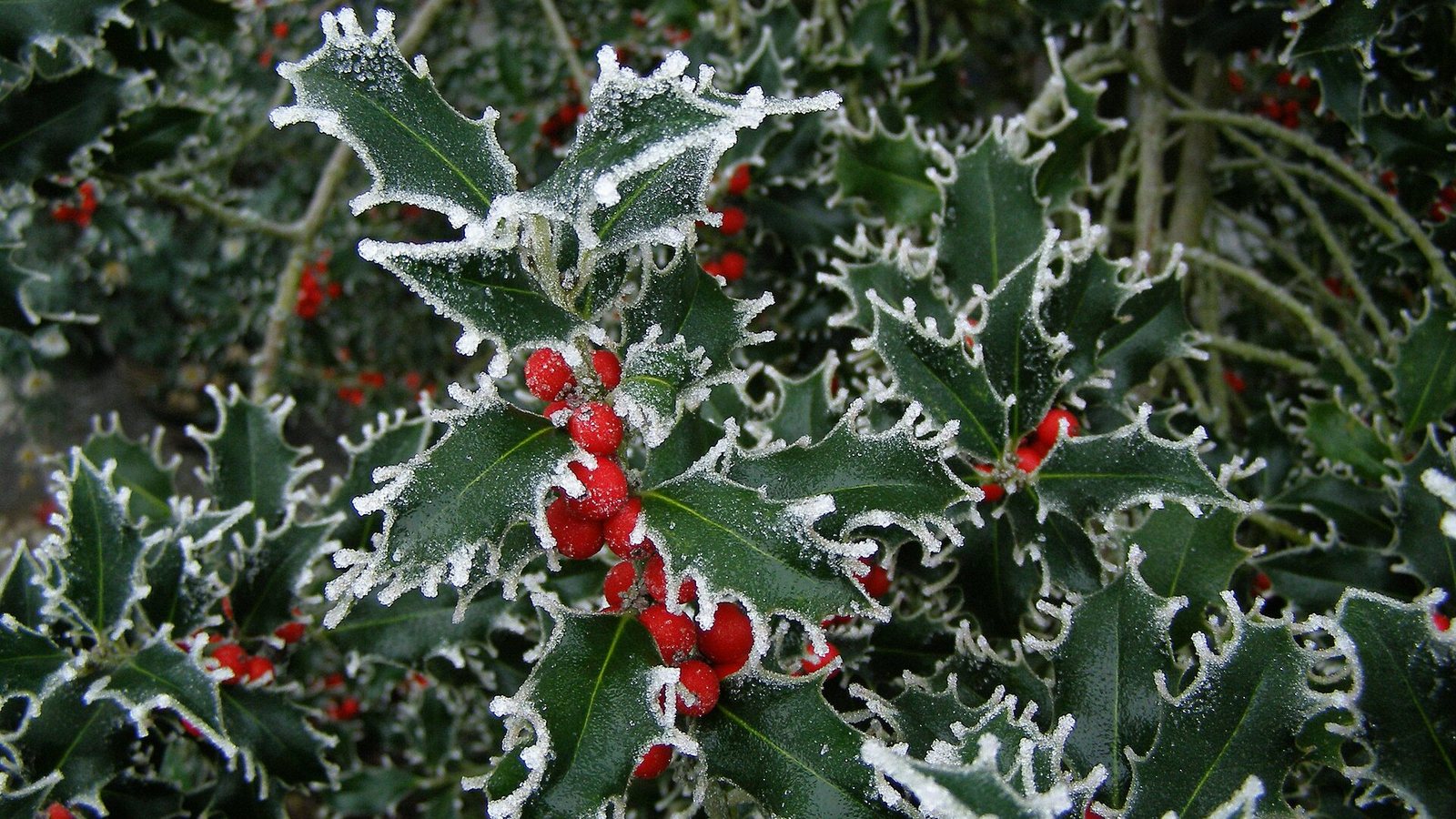
Which Christmas plants are toxic to cats and dogs? Holly, mistletoe, amaryllis, lilies and yew, what the ASPCA lists, safe swaps and what to do.
Sources
Written and fact-checked by the Flori team. Every guide cites horticultural sources such as the RHS, university extension services and the ASPCA, and is updated when the advice changes. How we write our guides
General plant care information. Plants vary; when a plant is valuable or a problem spreads quickly, consult a local nursery or plant specialist.