Money Tree (Pachira) Care: Leaves, Light, Water
Money tree (Pachira aquatica) care in one checklist: light, watering, humidity and winter, plus why the leaves yellow or drop and what to do.
 By Flori editorial team · Updated
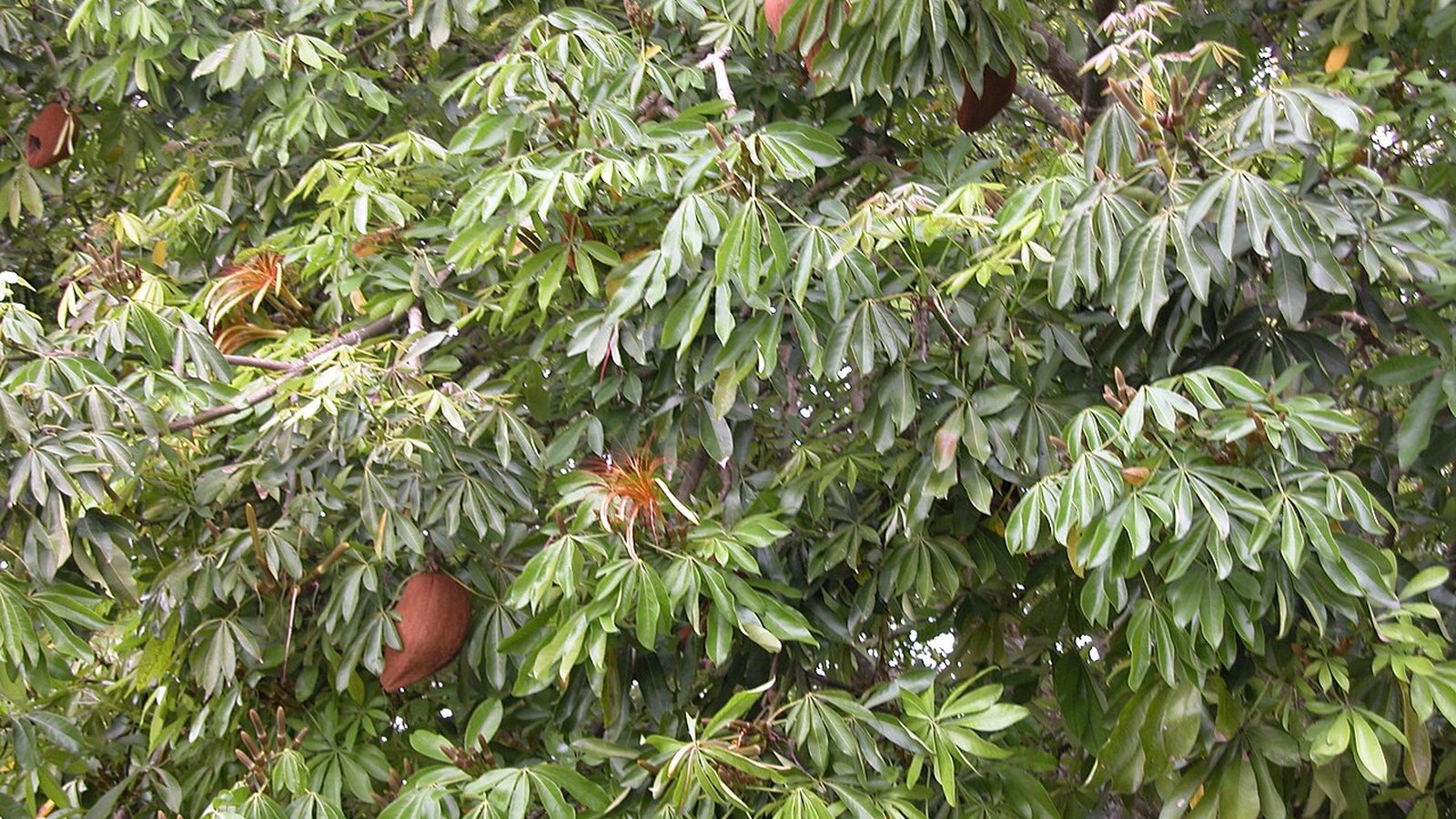 Photo: asitkghosh@yahoo.com Thaumaturgist · CC BY-SA 3.0
Give a money tree bright, indirect light, water when the top of the soil has dried a little, and never let it stand in water. Keep it at 18-24 °C (65-75 °F) in humid air and avoid moving it. Leaf drop usually means too little water, too much water or a sudden change of spot.
Key takeaways
- Bright, indirect light suits a money tree; direct sun can scorch the leaves.
- Keep the soil moist but not soggy, and never leave the pot standing in water.
- Leaf drop usually points to dry soil, wet soil, or a recent move, so check the soil before anything else.
- Keep it at 18-24 °C (65-75 °F) in humid air and bring it in well before 7 °C (45 °F).
- The ASPCA lists it as non-toxic to cats and dogs, but chewing it can still upset a pet's stomach.
On this page8
- Why does my money tree keep dropping leaves?
- Money tree care at a glance
- How much light does a money tree need?
- How often should you water a money tree?
- Why are the leaves yellow, drooping or falling?
- Humidity, temperature and winter
- Feeding, repotting and the braided trunk
- Is the money tree safe for cats and dogs?
Why does my money tree keep dropping leaves?
Most money tree (Pachira aquatica) trouble comes down to three things: water, a move and the wrong light. Too little water drops leaves, too much rots the roots, and a tree that was just moved or put in hard sun will often shed leaves to match its new spot. This guide gives you a care checklist you can screenshot, then a symptom table so you can match what you see to a cause. It is the care guide; if you want the story behind the braided trunk and the luck, read our guide to plants said to bring luck.
Money tree care at a glance
| What | What it wants | Source |
|---|---|---|
| Light | Bright, indirect light, or a mix of sun and shade; direct sun can scorch the leaves | NC State, Arizona Arboretum |
| Water | Soil moist but not soggy; let it dry a little between waterings; never leave it standing in water | NC State, Arizona Arboretum |
| Temperature | 18-24 °C (65-75 °F); bring indoors before it falls to 7 °C (45 °F) | NC State |
| Humidity | Likes humid air; a wet pebble tray helps in dry rooms | NC State, Arizona Arboretum |
| Soil | Moist but well-drained potting mix (peat, perlite, loam or sand) | NC State |
| Size indoors | Typically 1.8-2.4 m (6-8 ft); unlikely to flower or fruit indoors | NC State |
| Pets | Listed as non-toxic to cats, dogs and horses | ASPCA |
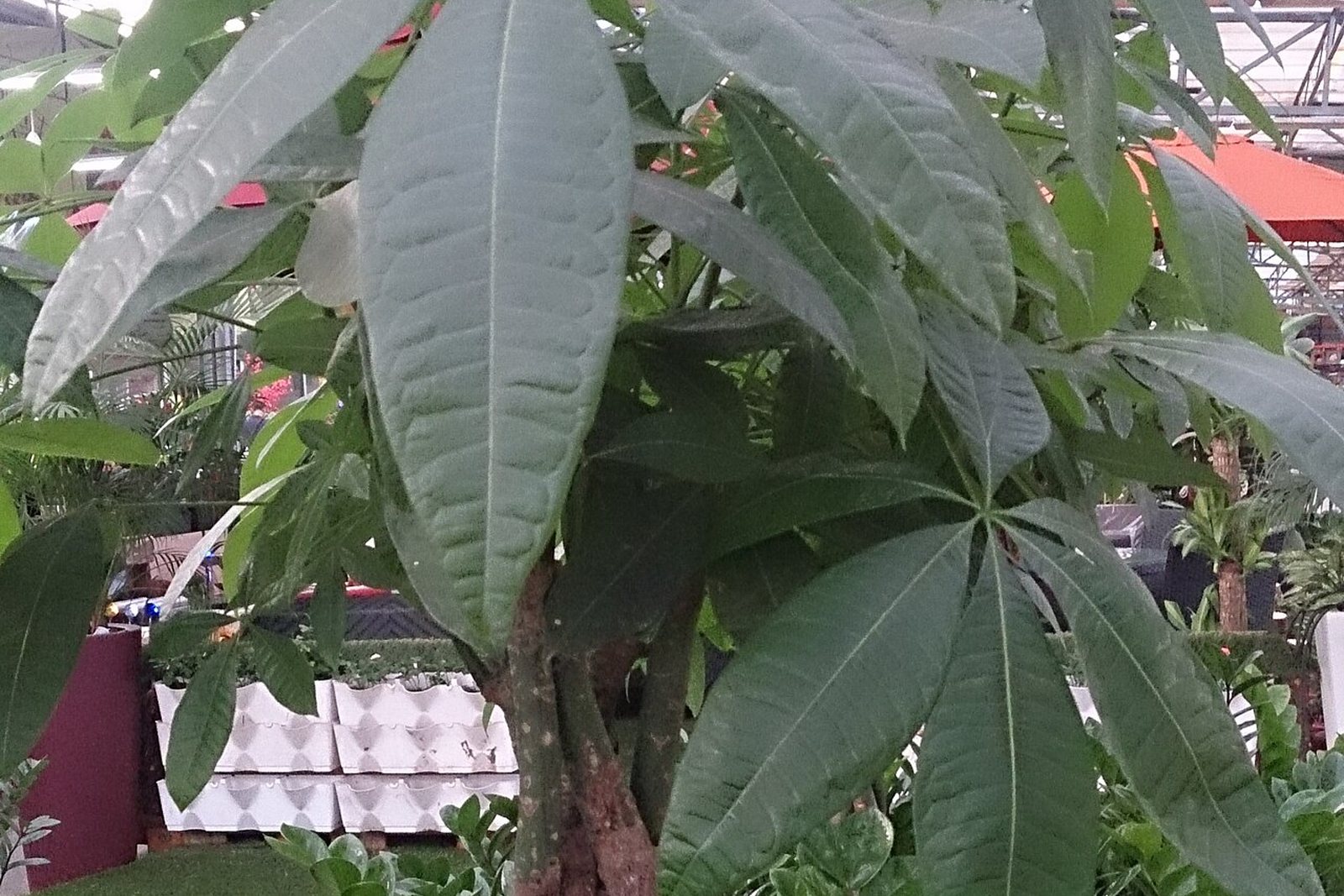
How much light does a money tree need?
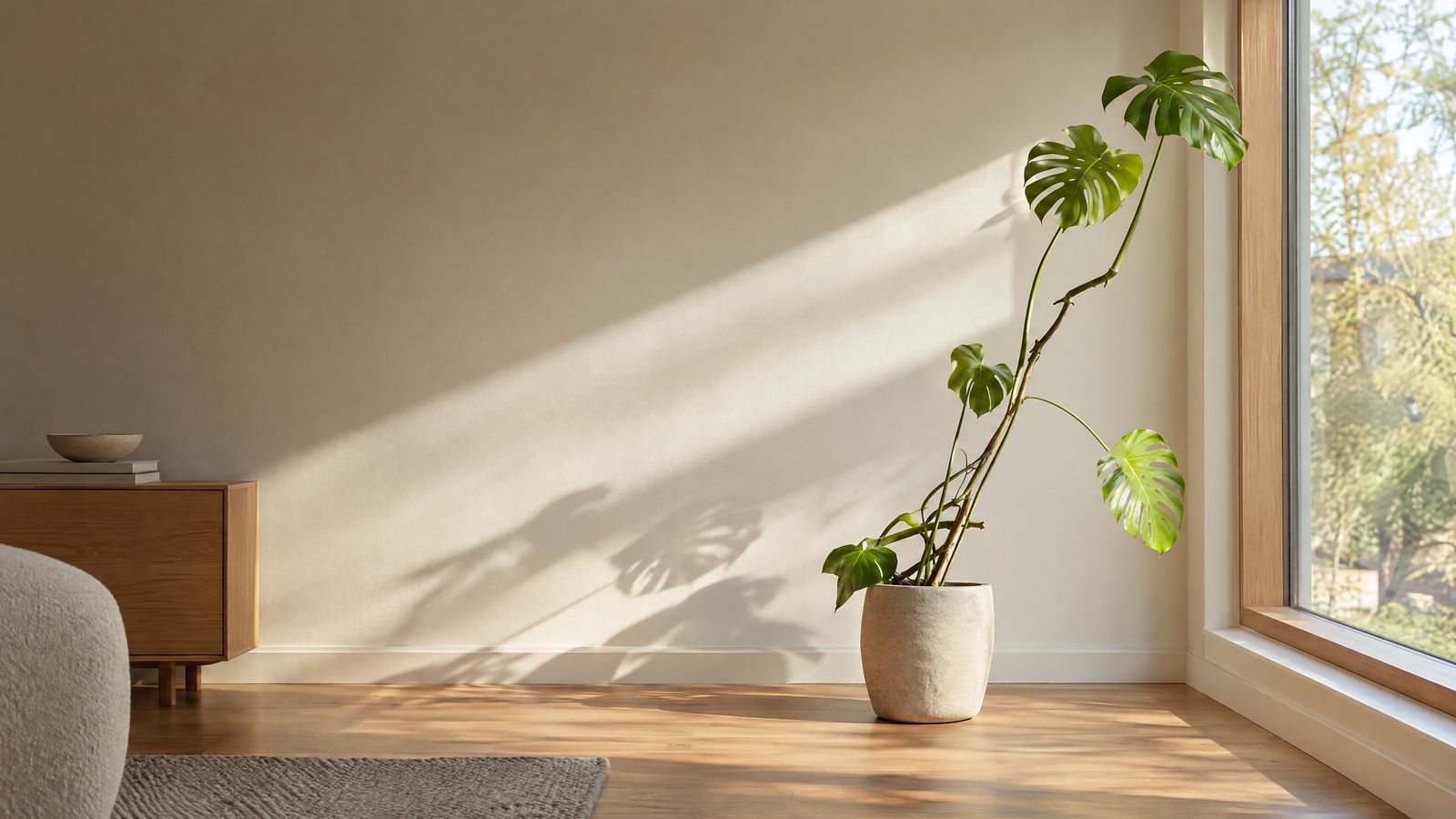
NC State Extension says the money tree prefers indirect sunlight or a mix of sun and shade, and warns that leaf scorch can occur in direct sun. The University of Arizona Arboretum adds that it does well in indirect light and can even grow under fluorescent lights. In a home that means a spot near a bright window but out of the hot midday beam, or a few steps back from a south-facing window (north-facing in the southern hemisphere). If the trunk stretches and the leaves thin out, it wants more light; our guide to the signs your plant needs more light shows what to look for.
One more light rule that surprises people: the Arizona Arboretum says to avoid moving an established tree. Moving it, together with direct sun, can cause leaf scorch and leaf drop. Pick a good spot once and rotate the pot only slightly if you want even growth.
How often should you water a money tree?
There is no fixed number of days. NC State says to keep the soil moist but not soggy, that standing water is not tolerated and can cause root rot, and that leaf drop can occur if the soil is too dry. The Arizona Arboretum gives about one watering a week as a starting point, with the soil drying between waterings, and says to reduce watering in winter so the tree can rest.
- Push a finger 2-3 cm (1 in) into the soil. If it is still damp, wait.
- When it feels dry at that depth, water thoroughly until water runs from the drainage holes.
- Empty the saucer after a few minutes so the pot never stands in water.
- Water less in winter, when growth slows and soil dries slowly.
The finger depth is a practical rule of thumb, not a figure from the sources. Our how to water houseplants guide covers the technique in more detail.
Why are the leaves yellow, drooping or falling?
| What you see | Likely cause | What to do |
|---|---|---|
| Leaves drop, soil is bone dry | Too dry (NC State) | Water thoroughly, then check the soil every few days |
| Yellow leaves, soil wet for days, pot heavy | Overwatering, early root rot (NC State) | Let the soil dry, check the roots, repot in fresh mix if they are dark and soft |
| Leaves drop soon after moving the tree | A change of spot (Arizona Arboretum) | Keep it still, keep conditions steady and wait for new growth |
| Brown, crisp patches on leaves facing the glass | Direct sun scorch (NC State) | Move it back from the window or filter the light |
| Yellowing with dry air or pale new growth | Low humidity or poor soil nutrition (NC State) | Add a pebble tray; feed in the growing season |
| Sticky leaves, white fluff, tiny insects | Mealybugs, aphids, scale or fungus gnats (NC State) | Isolate it and treat with the least toxic method; follow the label |
Water is the most common culprit, so check the soil and the roots before you blame anything else. If the roots are soft, follow the root rot rescue plan. If the whole tree is drooping rather than just dropping leaves, our drooping plant guide is a good next read. If you are not sure what you are seeing, Dr. Flori can ask follow-up questions from a description or a photo and name the likely cause.
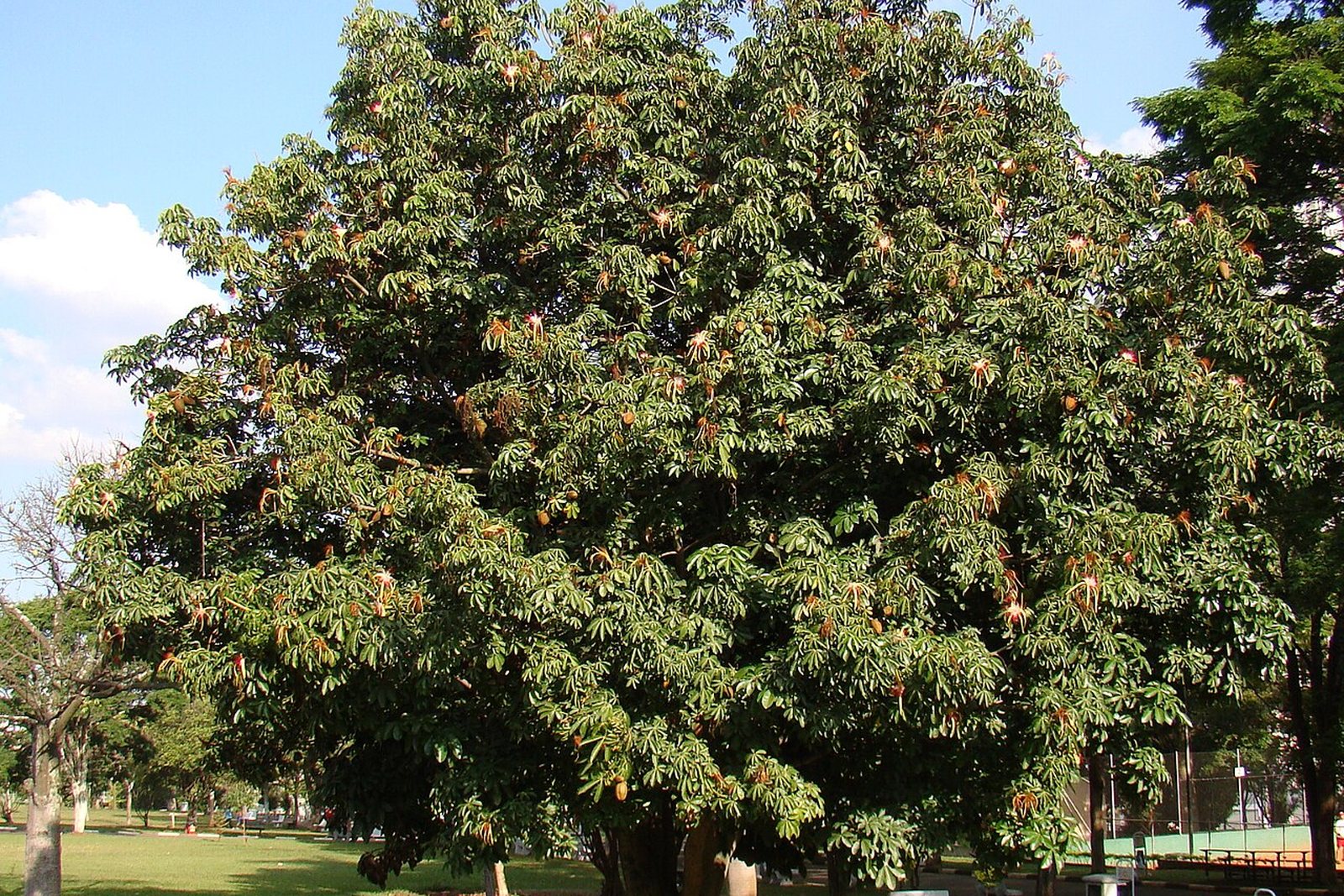
Humidity, temperature and winter
The money tree is a tropical tree, hardy only in warm zones: NC State gives USDA zones 10-12, the Arizona Arboretum zones 9b-11. Indoors it likes 18-24 °C (65-75 °F) with humid air. Keep it away from cold draughts and from radiators and heaters, which dry the air and the leaves; see our guide to radiator heat and dry air damage. For readers in Türkiye: on a Mediterranean or Aegean coast a pot can spend a mild summer outdoors in bright shade, but inland Anatolia has cold nights and winters, so bring it in well before the temperature nears 7 °C (45 °F). In a temperate northern climate, keep it indoors all year.
In winter, water less and do not fertilize. Keep the routine simple until spring.
Feeding, repotting and the braided trunk
The Arizona Arboretum suggests feeding non-bonsai plants about every two weeks in spring and summer; a half-strength dose is a safe habit with any houseplant fertilizer, and the label comes first. Repot only when roots fill the pot, into a mix that drains freely. Most money trees on sale have several thin trunks twined together. Do not try to unbraid them, and note that the plant is unlikely to flower indoors, so a bare, braided trunk is normal.
Is the money tree safe for cats and dogs?
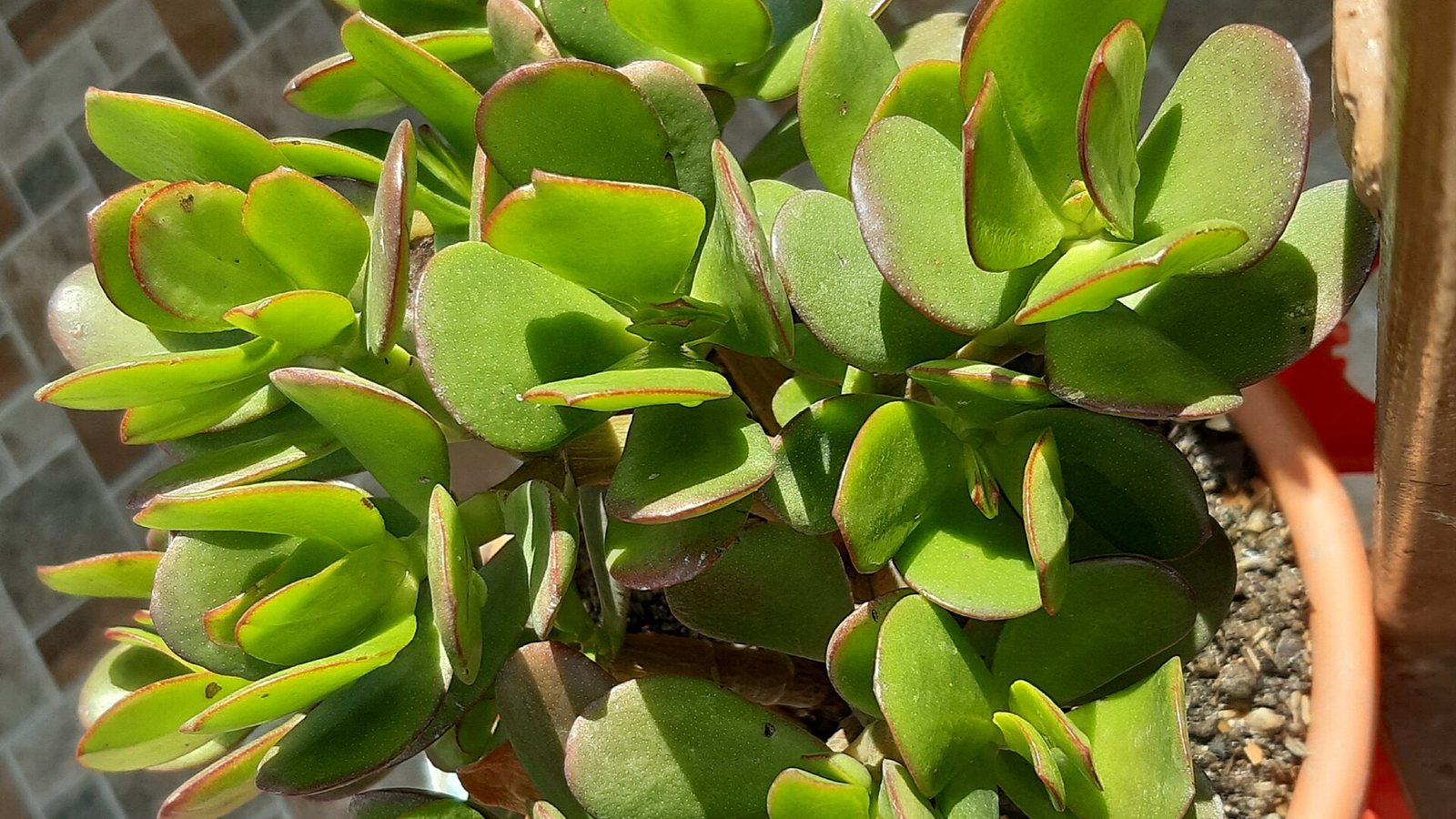
The ASPCA lists the money tree (Pachira aquatica) as non-toxic to cats, dogs and horses, but it also lists nausea, vomiting and loose stool, so a pet that chews it may still have an upset stomach. NC State rates its toxicity as low and says the seeds, which rarely form indoors, can be poisonous and that cats may get mild to moderate stomach upset. Do not confuse it with the jade plant, which is sometimes also called a "money plant" and is toxic to pets; our pet-safe houseplants guide sorts the two. If a pet has eaten a lot of it or seems unwell, call your vet or the ASPCA Animal Poison Control Center at (888) 426-4435 (a fee may apply).
Frequently asked questions
How often should I water a money tree?
There is no fixed schedule. Water thoroughly when the top of the soil has dried a little, empty the saucer, and water less in winter. One university source suggests about once a week as a starting point.
Why is my money tree losing leaves after I moved it?
The Arizona Arboretum warns that moving an established tree, together with direct sun, can cause leaf scorch and leaf drop. Keep conditions steady and wait for new growth.
Can a money tree live in low light?
It prefers bright, indirect light and can even grow under fluorescent lights. In a dim corner it tends to stretch and thin out, so move it nearer a bright window.
Is a money tree poisonous to cats and dogs?
The ASPCA lists Pachira aquatica as non-toxic to cats, dogs and horses, though it can still cause nausea or loose stool. Call your vet if your pet seems unwell.
Money tree, jade, lucky bamboo and more: where each luck story comes from, how to keep the plant thriving, and which ones are toxic to cats and dogs.
Sources
Written and fact-checked by the Flori team. Every guide cites horticultural sources such as the RHS, university extension services and the ASPCA, and is updated when the advice changes. How we write our guides
General plant care information. Plants vary; when a plant is valuable or a problem spreads quickly, consult a local nursery or plant specialist.