How to Winterize Your Garden: A Checklist
How to winterize your garden: a one-page checklist for pots, taps and hoses, beds, trees, lawn, tools and wildlife, with Turkish regional timing.
 By Flori editorial team · Updated
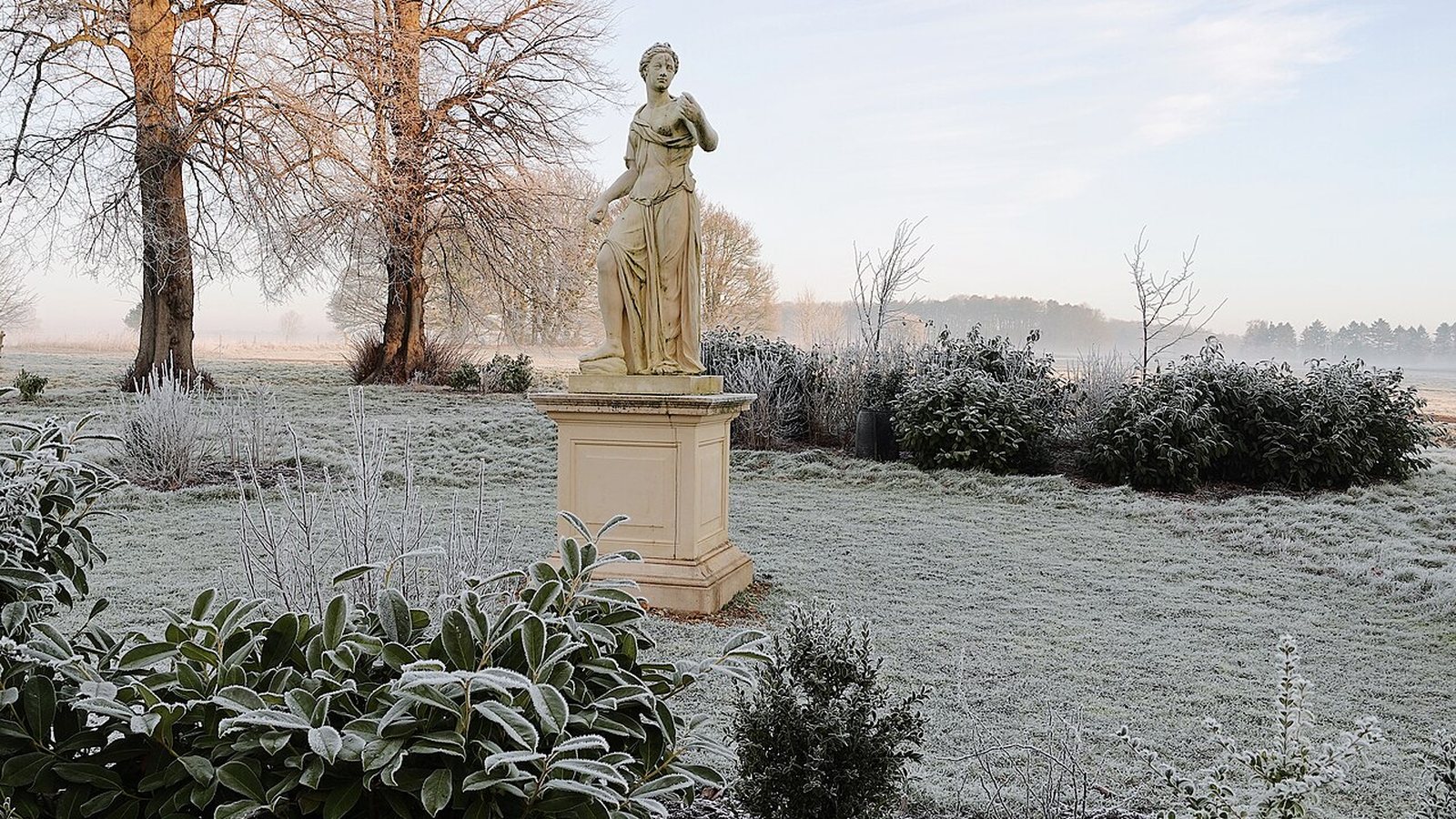 Photo: Scott Wylie · CC BY 4.0
Winterize in this order: protect tender plants and pots at the first frost warning, drain and insulate taps and hoses before a hard freeze, mulch beds about 4-5 cm (1.5-2 in), water new trees until the ground freezes, clean and store tools and chemicals above 4 °C (40 °F), and leave seed heads and shelter for wildlife.
Key takeaways
- Start at the first frost warning, not on a date; Turkish coasts, Marmara and inland Anatolia need very different timing.
- Drain hoses and irrigation and insulate outdoor taps before the first hard freeze.
- Pots freeze through, so group them by a wall, wrap them and remove saucers.
- Mulch beds about 4-5 cm (1.5-2 in) and avoid nitrogen-rich feeds late in the season.
- Store pesticides and fertilisers above 4 °C (40 °F) and leave seed heads and a brush pile for wildlife.
On this page11
- How do you winterize a garden?
- When should you start?
- The winterize-your-garden checklist
- 1. What should you do with pots and tender plants?
- 2. How do you winterize taps, hoses and irrigation?
- 3. What about beds and soil?
- 4. How do you protect trees, shrubs and roses?
- 5. Which tools and chemicals need attention?
- 6. How do you help wildlife?
- Two myths about winter gardens
- In what order should you do it?
How do you winterize a garden?
To winterize a garden, work through seven areas in order of how fast frost can hurt them: tender plants and pots first, then water taps and hoses, then beds and soil, trees and shrubs, the lawn, tools and chemicals, and finally shelter for wildlife. This is the overview checklist for the whole garden. It is built to be screenshotted, and it points to our detailed guides for frost covers, lawns, roses, olives and pruning instead of repeating them. Turkey's regions need quite different timing, so there is a regional table too.
When should you start?
Start when frost is forecast, not on a calendar date. The RHS says winter wrappings should go on at the first sign of frost, and Colorado State University Extension suggests covering tender plants with row cover when night temperatures threaten to fall below freezing. In the Northern Hemisphere that is roughly autumn to early winter; in the Southern Hemisphere it is March to May. In Turkey the timing depends on where you garden:
| Region | Winter pattern | What it means for you |
|---|---|---|
| Mediterranean and Aegean coast | Mild winters, occasional cold snaps | Most plants stay out; watch the forecast and protect tender pots only when frost is announced |
| Marmara and Black Sea | Cool and wet, frost on some nights | Good drainage matters as much as covers; lift pots off wet ground |
| Inland and eastern Anatolia | Cold winters with hard freezes | Do the full list early: drain water lines, wrap pots and young trees, bring tender plants in |
This table is a general guide. Your own first frost date, which local gardeners or the weather service can tell you, beats any rule of thumb. Our autumn garden checklist covers the earlier clean-up jobs.
The winterize-your-garden checklist
| Area | Do this | Detail |
|---|---|---|
| Tender plants and pots | Bring in or wrap; group pots by a wall; remove saucers | See protecting garden plants from frost |
| Taps, hoses, irrigation | Drain, shut off, insulate | Before the first hard freeze |
| Beds and soil | Mulch or leave leaves; no late nitrogen feed | Mulch about 4-5 cm (1.5-2 in) |
| Trees and shrubs | Water new ones; wrap young trunks | Pruning: fruit trees and olives |
| Roses | Rake leaves; protect only where winters are hard | Rose winter care |
| Lawn | Keep off frosty grass; clear thick leaf layers | Lawn care in autumn and winter |
| Tools and chemicals | Clean, dry, oil; store products above freezing | Above 4 °C (40 °F) |
| Wildlife | Leave seed heads, a brush pile, water | Feeders and fresh water |
1. What should you do with pots and tender plants?
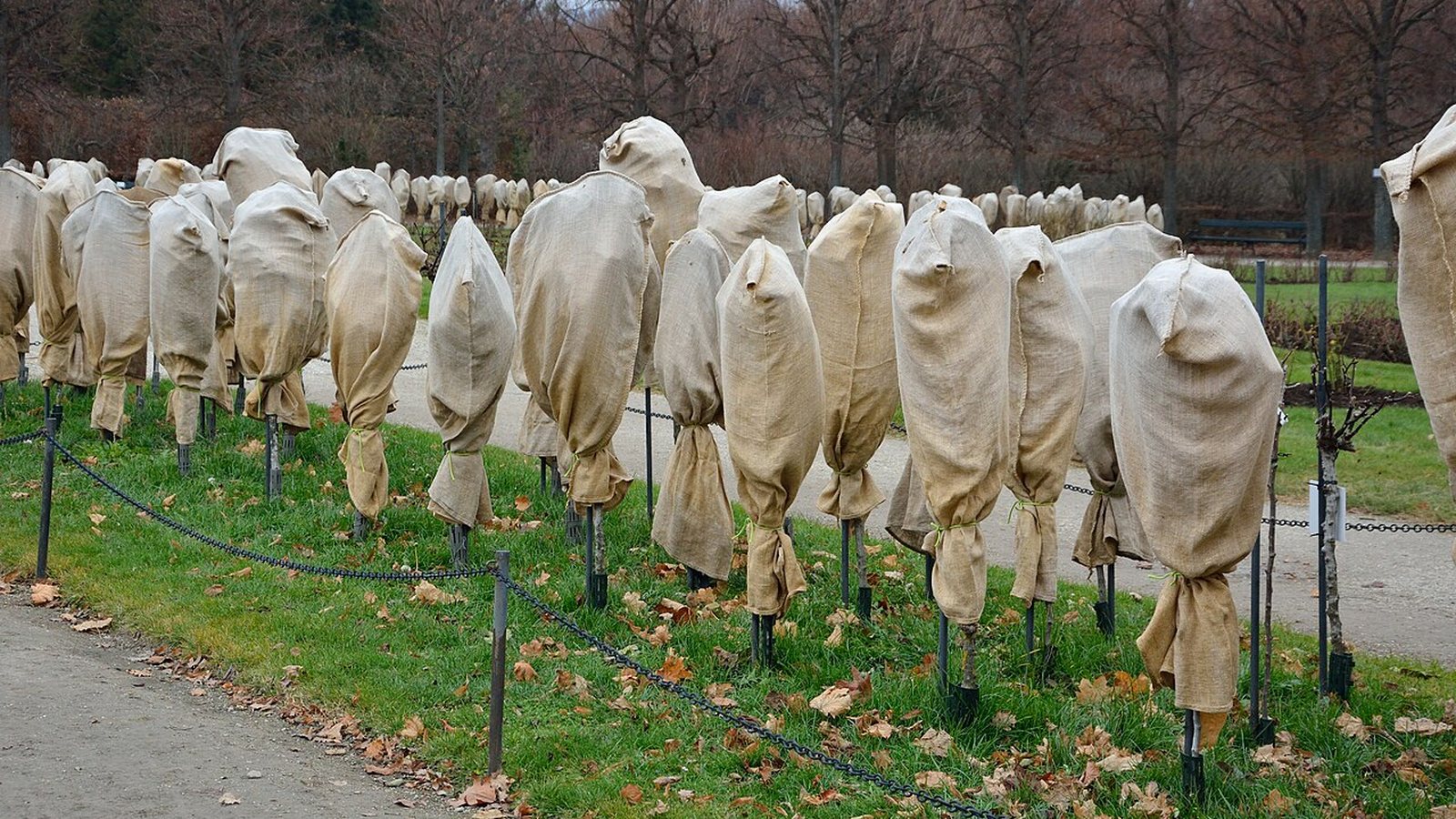
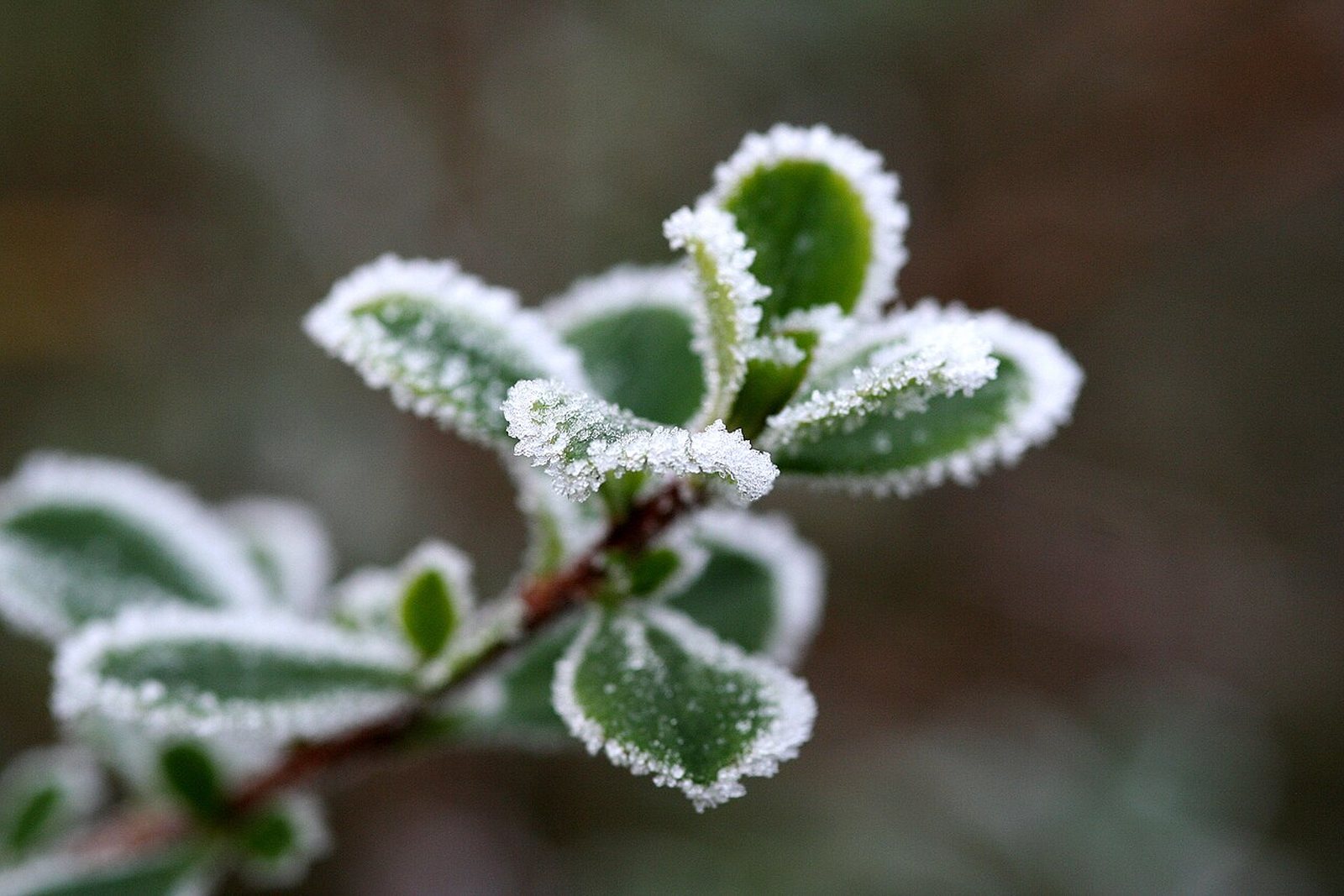
Pots are the most exposed part of a garden, because the whole root ball can freeze. The RHS recommends keeping containers in dry, sheltered spots grouped together for mutual protection, and says wrapping pots with bubble polythene or straw, or plunging them into the ground with the rim just showing, stops roots freezing. Remove saucers in winter so pots do not sit in water, and avoid watering when frost is forecast. Heavier fleece gives about 2 °C of frost protection, so it helps in a light frost but not a hard freeze. Check evergreens and conifers in pots at least weekly, especially under cover where rain cannot reach them, and do not feed over winter. Potted olives are a special case, covered in our potted olive winter care guide.
2. How do you winterize taps, hoses and irrigation?
Frozen water splits pipes, so this job beats the weather. UConn Extension says to winterize outdoor water systems before freezing temperatures arrive: flush the irrigation system or shut off the outdoor supply, then open the external valves to release leftover pressure. Colorado State suggests draining sprinklers with compressed air and insulating outdoor hose connections and taps. Drain hoses, roll them up and store them in a shed or garage; Iowa State advises storing them on reels or coiled flat to prevent kinks, and UConn says to take off Y connectors and keep them indoors because the plastic can crack.
3. What about beds and soil?
Bare soil loses structure in winter rain. The RHS says mulching helps reduce compaction and erosion after heavy rain, and that sowing a green manure such as mustard in September reduces nutrient leaching; dig it in during spring. Colorado State suggests covering planting beds with mulch or raked leaves about 1.5-2 in (4-5 cm) deep. Avoid nitrogen-rich fertilisers late in the season, because the RHS warns they encourage sappy growth that frost damages. Cut-off Christmas tree boughs also make a good winter mulch over perennials (Iowa State).
4. How do you protect trees, shrubs and roses?
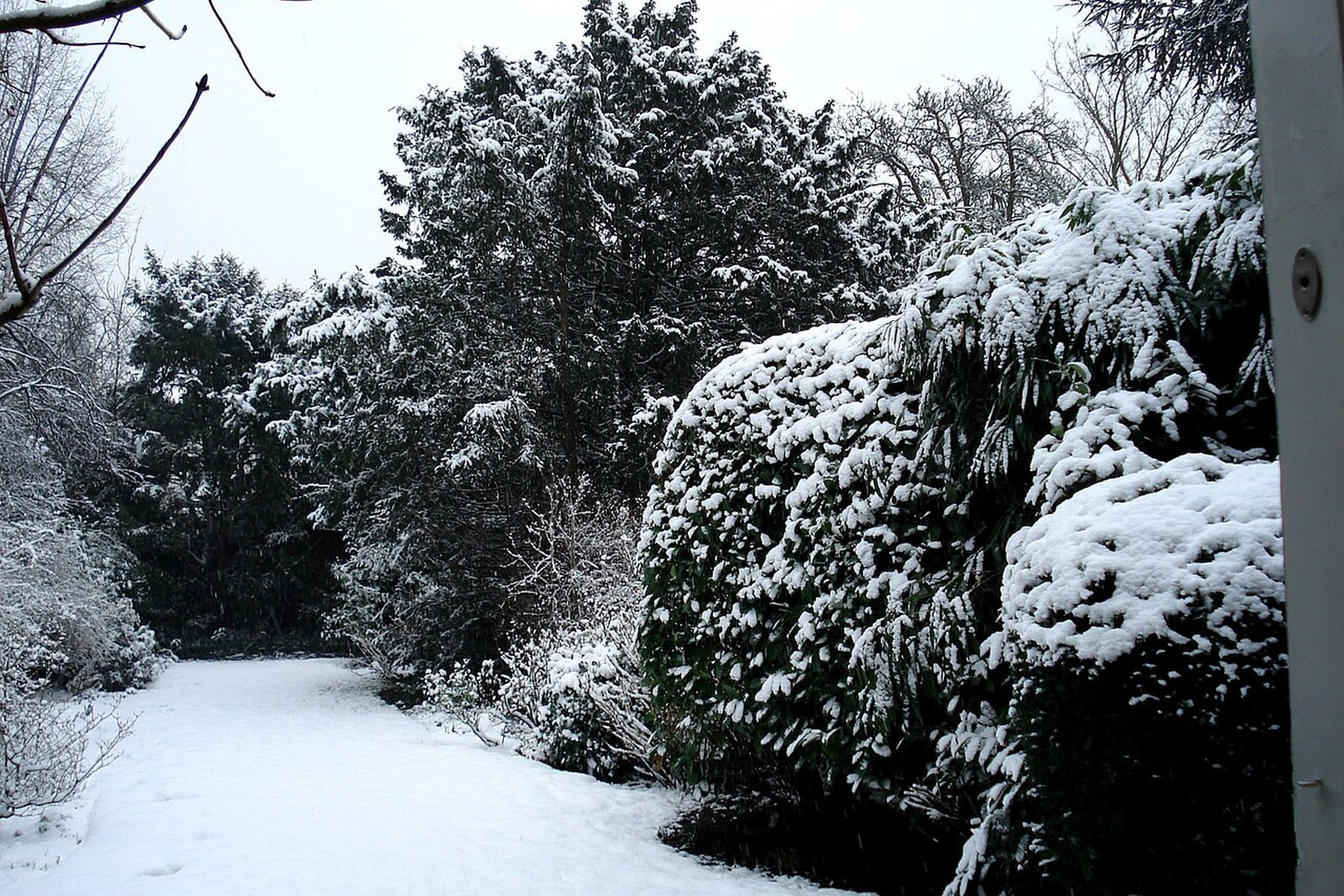
Water newly planted trees and shrubs when the soil is dry until the ground freezes, advises Iowa State, and Colorado State suggests watering on days above 4 °C (40 °F) through November and December if needed. Colorado State also says to wrap the trunks of trees under two years old against freeze damage. After snow, the RHS says to shake it off branches as it builds up, because heavy snow can break them. Cold winds can scorch evergreens, so a windbreak helps on exposed sites. Do not prune everything now: our guide to pruning fruit trees and olives in winter explains what to cut and when, and the roses guide explains why you should rake leaves but prune in spring.
5. Which tools and chemicals need attention?
Iowa State says to scrape caked soil off tools, wash and dry them, sharpen blades, oil metal surfaces and store them in a dry place. Clean and disinfect pots before reuse, because old containers can harbour disease-causing fungi. Move pesticides, fertilisers and other chemicals where temperatures stay above 4 °C (40 °F) so containers do not freeze, break or leak, and check the label for storage instructions (UConn). Bring in glass rain gauges and ceramic bird baths or turn them upside down, since freezing can shatter them (UConn).
6. How do you help wildlife?
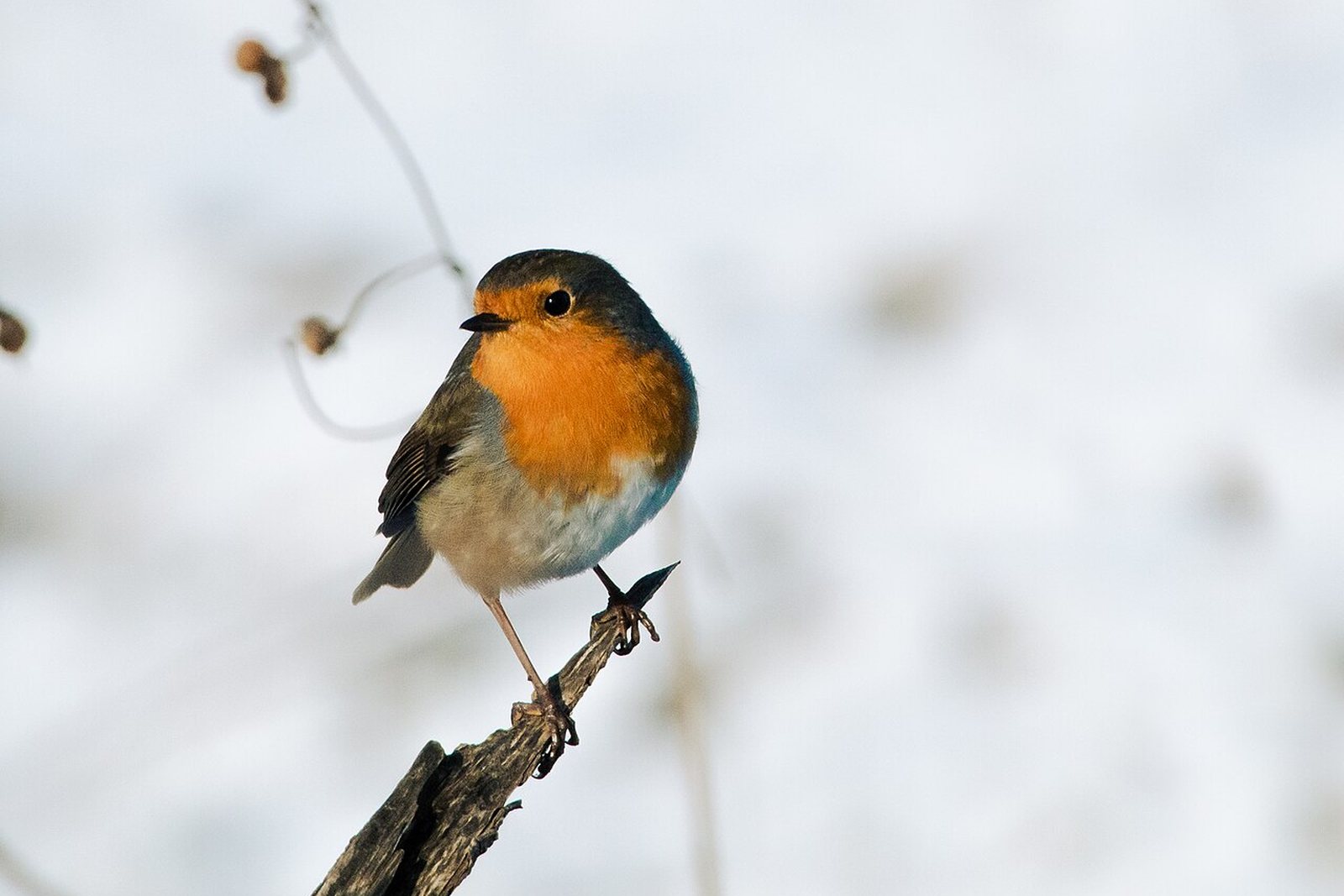
A winter garden does not have to be bare. Colorado State suggests leaving seed heads on ornamental grasses for winter interest and food for birds, and stacking branches and leaves in a quiet corner as shelter. Iowa State advises giving birds food in harsh weather and water, using a bird bath heater if you have one. Store bird seed in animal-proof containers, and keep bagged mulch away from rodents (UConn).
Two myths about winter gardens
- "Cover everything." Hardy perennials, shrubs and roses usually do not need covers; protect the tender and the potted. Covers also need to stay dry, so remove them in long mild spells.
- "Cut everything back in autumn." Standing seed heads feed birds, and a bit of mess shelters wildlife. Cut back only what is diseased or damaged.
In what order should you do it?
- Protect tender plants and pots when the forecast turns cold.
- Drain and insulate water lines before the first hard freeze.
- Mulch beds and water new trees.
- Clean, oil and store tools and chemicals.
- Leave shelter and water for wildlife.
If your garden spans pots, beds and a balcony, Flori lets you sort plants by location and set care reminders, so wrapped plants and mild-spell checks do not get forgotten.
Frequently asked questions
When should I winterize my garden?
When frost is forecast. The RHS says to put winter wrappings on at the first sign of frost, and Colorado State suggests covering tender plants when night temperatures threaten to fall below freezing.
Do I need to drain garden hoses?
Yes. Iowa State advises draining them and bringing them indoors, and UConn says to remove Y connectors and store them inside because the plastic can crack.
Should I cut everything back before winter?
No. Colorado State suggests leaving ornamental grass seed heads for winter interest and food for birds. Cut back only what is diseased or damaged.
Do I winterize differently in Turkey's coastal areas?
Yes. On the Mediterranean and Aegean coast winters are mild, so protect only tender pots when frost is forecast. Inland Anatolia has harder freezes, so do the full list early.

Autumn garden checklist for both hemispheres: clear and feed soil, make leaf mould, protect tender plants from frost, drain hoses and store tools.
Sources
- Colorado State University Extension (Pueblo County): Fall and winter garden checklist
- UConn Extension: Winterize your Garden Gear Before It's Too Late!
- Iowa State University Extension: Winter garden tasks
- Royal Horticultural Society: Preventing winter damage
- Royal Horticultural Society: Container maintenance
Written and fact-checked by the Flori team. Every guide cites horticultural sources such as the RHS, university extension services and the ASPCA, and is updated when the advice changes. How we write our guides
General plant care information. Plants vary; when a plant is valuable or a problem spreads quickly, consult a local nursery or plant specialist.