Potted Olive Tree Winter Care: Cold, Water, Light
How to overwinter a potted olive tree: when to wrap it, when to bring it in, how little to water, and why pruning and feeding wait until spring.
 By Flori editorial team · Updated
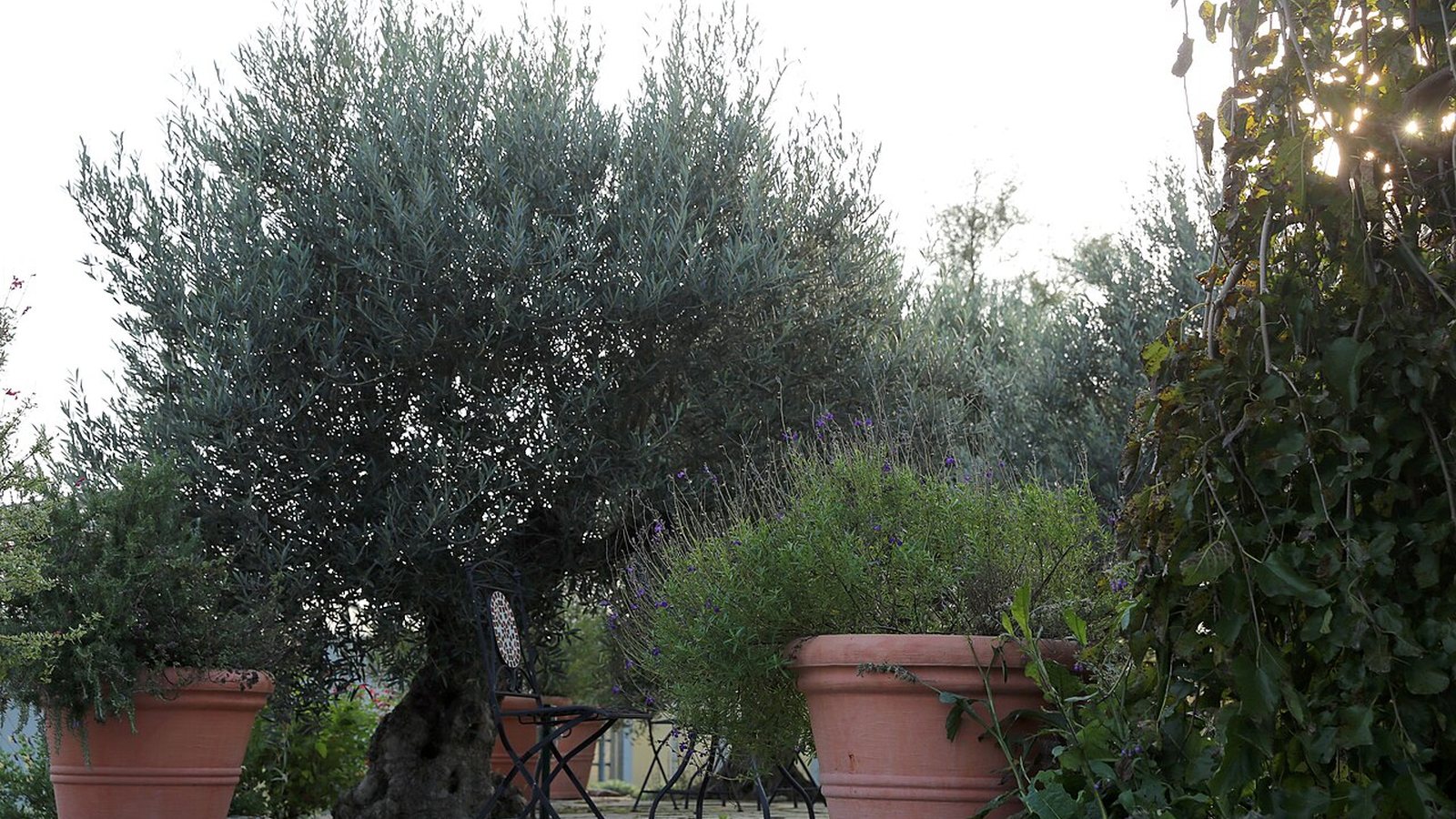 Photo: Manfred Werner - Tsui · CC BY-SA 3.0
A potted olive tree needs protection from hard frost more than from cold itself. Wrap it in fleece for light frost and move it to a frost-free, bright, cool place when it falls below about -5 °C (23 °F). Keep the compost barely moist, and skip feeding and pruning until spring.
Key takeaways
- Below about -5 °C (23 °F) the RHS calls it severe frost: move the pot into a frost-free place.
- Water only to keep the compost barely moist; soggy, cold roots are a bigger risk than a cool night.
- Keep it bright and cool, not in a warm living room; olives need a cool winter rest to flower.
- No feeding and no hard pruning in winter; prune in late spring or early summer.
On this page9
- Can a potted olive tree stay outside in winter?
- How cold is too cold for a potted olive?
- Where should a potted olive spend the winter?
- What about Mediterranean, Aegean and inland climates?
- How do you water a potted olive tree in winter?
- Should you feed or prune in winter?
- What problems show up on a potted olive in winter?
- What should you do when spring comes back?
- Potted olive winter checklist
Can a potted olive tree stay outside in winter?
Often yes, but a potted olive is hardier than a houseplant and more fragile than an olive in the ground, so winter care for a potted olive tree is mostly about two things: how cold it gets and how wet the pot stays. The Royal Horticultural Society (RHS) says many olives tolerate -5 to -10 °C (23 to 14 °F) in the ground, and describes anything below -5 °C (23 °F) as severe frost. A pot has far less soil around the roots than a tree planted in the garden, so plan around the cautious end of that range. In cold areas the RHS advises growing olives in containers and moving them to a frost-free place for winter.
How cold is too cold for a potted olive?
| Winter low | What to do with a potted olive |
|---|---|
| Above 0 °C (32 °F), with only cool nights | Leave it outside in the sunniest sheltered spot, pot raised off the ground |
| Light frost, down to about -5 °C (23 °F) | Shelter against a wall, wrap the pot and cover the branches with fleece on frosty nights |
| Below -5 °C (23 °F), or a long freeze | Move it into a frost-free place, because the RHS calls this severe frost |
These bands combine the RHS thresholds with a cautious reading for pots; they are guidance, not a guarantee. Hardiness varies between cultivars, and a sudden freeze after mild weather does more damage than a gradual cold spell. If you do not know your tree's cultivar, treat it as the less hardy kind.
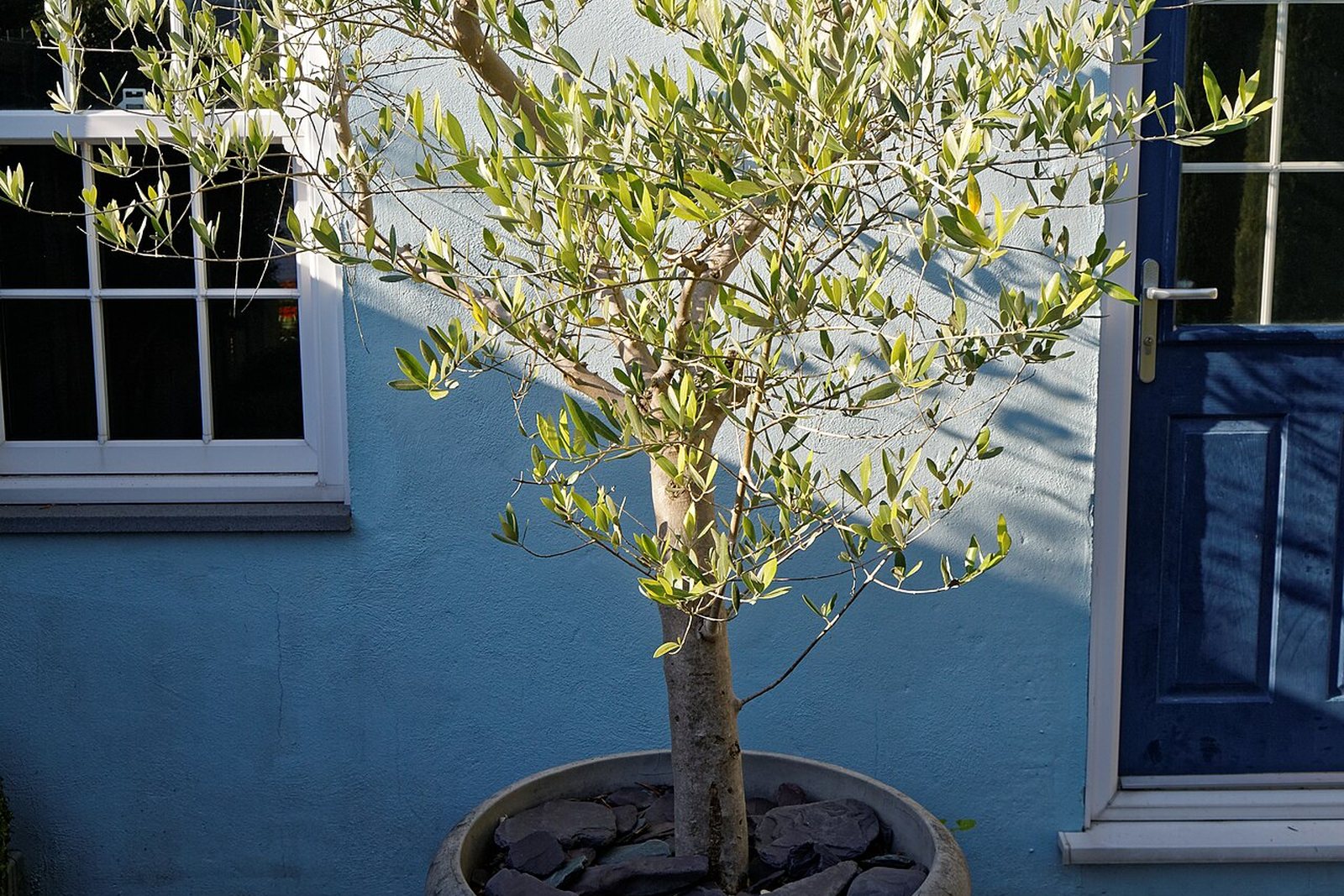
Where should a potted olive spend the winter?
There are two workable options, and the choice depends on your climate.
- Outside, protected. The RHS says containers can be placed in a sheltered spot and wrapped against severe frost. A couple of layers of biodegradable fleece or hessian around the canopy help in very cold winters, and heavier grades of horticultural fleece give about 2 °C of frost protection. That is a small margin, so fleece is for the occasional frost, not for a hard winter. Stand the pot on feet or bricks so it can drain.
- Indoors, in a cold bright spot. NC State Extension notes that olive suits containers and that in colder areas it can be brought indoors or into a greenhouse. An unheated porch, conservatory, greenhouse or cool stairwell by a window works; a warm living room does not. The tree is resting, and warm dry air invites pests. NC State also says an olive needs about two months of temperatures between 4 and 10 °C (40 to 50 °F) to flower, so a cool winter rest is part of getting blossom and fruit later.
Whichever you choose, keep the tree in as much light as you can give it. Olives are sun-loving Mediterranean trees; the RHS recommends a sunny, sheltered position, and the frost-free place for winter should be bright rather than a dark cupboard. Our guide to where to put plants in winter helps you pick a window.
What about Mediterranean, Aegean and inland climates?
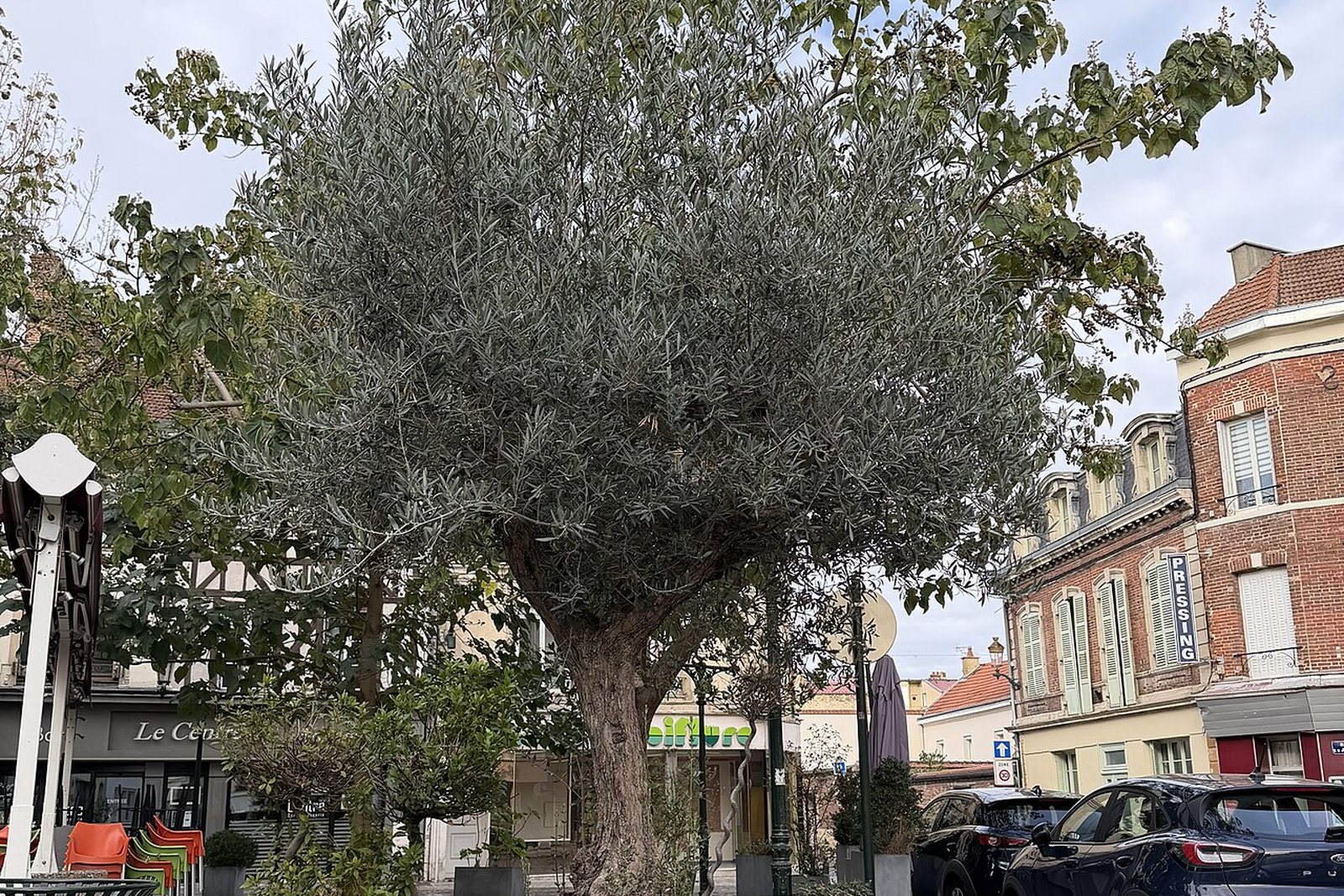
On the Mediterranean and Aegean coasts of Türkiye, where winters are mild, a potted olive usually spends the whole year outdoors; the main jobs there are watching for the occasional cold snap and not letting the pot sit in water through the rainy season. Inland Anatolia has much colder winters, so a potted olive should be moved to a cold but frost-free room or a protected, covered terrace, with the pot wrapped. In a temperate northern climate such as the UK or northern Europe, treat it like the RHS does: outdoors in summer, frost-free place in winter. In the Southern Hemisphere, winter means roughly June to August.
How do you water a potted olive tree in winter?
Very little. The RHS says container olives need regular watering from April to late September, but over winter the compost should be kept barely moist. Water too much and the roots sit in cold, wet compost, which is a fast way to lose a potted olive. UF/IFAS warns that too much water from irrigation or rain can cause root rot in olives. Check by pushing a finger 3 to 5 cm (1 to 2 in) into the compost: if it feels dry, give a small drink; if it feels cool and damp, wait. Empty any saucer after watering. Our guide to how to water plants explains the finger test in more detail. A cold shelter means slower drying, so a tree kept in a cool place may need water only every few weeks, while one in a warmer room dries faster.
Should you feed or prune in winter?
No to both. The RHS gives a feeding routine for the growing season only, and its pruning advice is to prune in late spring or early summer, no later than August, and to avoid hard pruning, which causes vigorous upright shoots. Pruning and feeding in winter push soft growth that cold will damage. Leave the tree alone, remove only dead or broken branches and resume in spring. For olives planted in the ground, see our winter pruning guide, which explains why olives follow different rules from apples.
What problems show up on a potted olive in winter?
| What you see | Likely cause | What to do |
|---|---|---|
| Dry, browned or scorched leaves after a freeze | Frost damage, which the RHS lists as a common problem | Do not cut yet; wait for new growth in spring and prune out only what is clearly dead |
| Wilting with soggy, cold compost | Too much water, root rot | Stop watering, tip out the saucer, lift the pot on feet and let the compost dry a little |
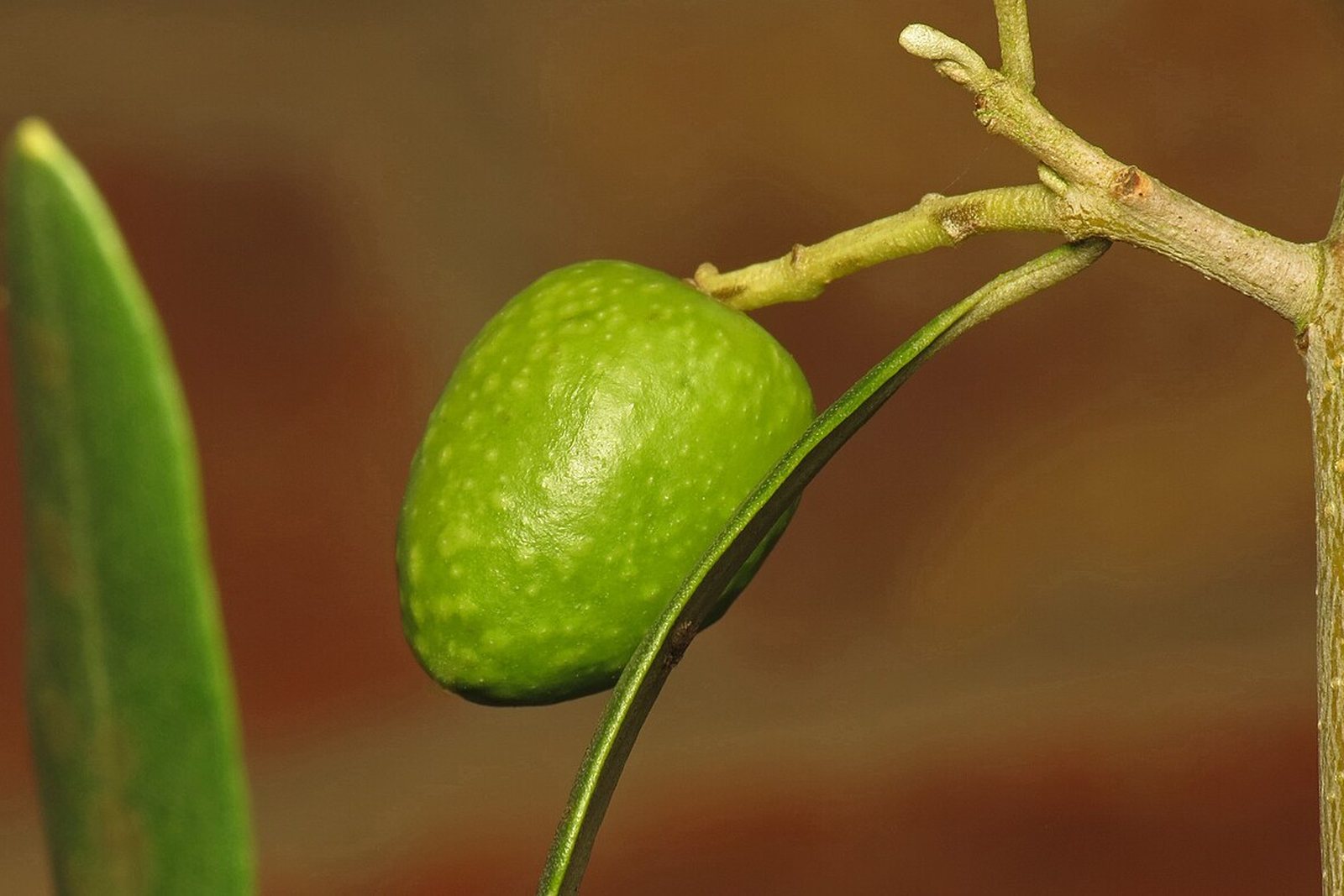
| Small bumps, sticky leaves | Scale insects, listed by the RHS, NC State and UF/IFAS | Wipe them off by hand and check weekly; see our scale insect guide |
| Tree looks bare but twigs are still flexible | It may simply be resting or recovering | Wait until spring before deciding it is dead |
Check the tree when you move it indoors. If you are unsure what is wrong, describe it or send a photo to Dr. Flori, which asks follow-up questions and tells you how urgent it is.
What should you do when spring comes back?
Do not rush the tree outside; the RHS says to wait until all risk of frost has passed. Harden it off over a week or two by leaving it out for longer each day. Then replace the top 5 cm (2 in) of compost, which the RHS says container olives benefit from each spring, and resume feeding and regular watering. A pot 30 to 35 cm (12 to 14 in) wide and deep or larger, with plenty of drainage holes and gritty, soil-based compost, makes winter easier because the roots drain well. If the tree has outgrown its pot, read how to choose the right pot.
Potted olive winter checklist
- Check the forecast: light frost means fleece, severe frost (below -5 °C / 23 °F) means move it.
- Raise the pot on feet or bricks and empty saucers.
- Keep the compost barely moist: finger test before every drink.
- Give it all the light you can, in a cool place, not a warm room.
- No feeding and no hard pruning until spring.
- Inspect weekly for scale and soggy compost.
Frequently asked questions
Can a potted olive tree stay outside in winter?
In mild winters, yes, in a sheltered spot with the pot raised off the ground. Wrap it in fleece for light frost and move it to a frost-free place when severe frost (below about -5 °C / 23 °F) is forecast.
How often should I water a potted olive in winter?
Only enough to keep the compost barely moist, per the RHS. Check with a finger 3-5 cm (1-2 in) down and water only when it is dry; this might be every few weeks in a cool place.
Can I keep my olive tree in a warm living room?
It is better not to. A cool, bright, frost-free spot suits it more, and NC State notes olives need roughly two months at 4-10 °C (40-50 °F) to flower.
Should I prune my potted olive in winter?
No. The RHS advises pruning in late spring or early summer and not later than August, and avoiding hard pruning.
Winter houseplant care in both hemispheres: a symptom-to-fix table, how to find more light, how often to water and how to protect plants from heaters.
Sources
Written and fact-checked by the Flori team. Every guide cites horticultural sources such as the RHS, university extension services and the ASPCA, and is updated when the advice changes. How we write our guides
General plant care information. Plants vary; when a plant is valuable or a problem spreads quickly, consult a local nursery or plant specialist.