Houseplants That Go Dormant in Winter (and Look Dead)
Caladium, amaryllis, calla lily and other tuber and bulb houseplants die back in winter on purpose. How to tell dormant from dead, and what to do.
 By Flori editorial team · Updated
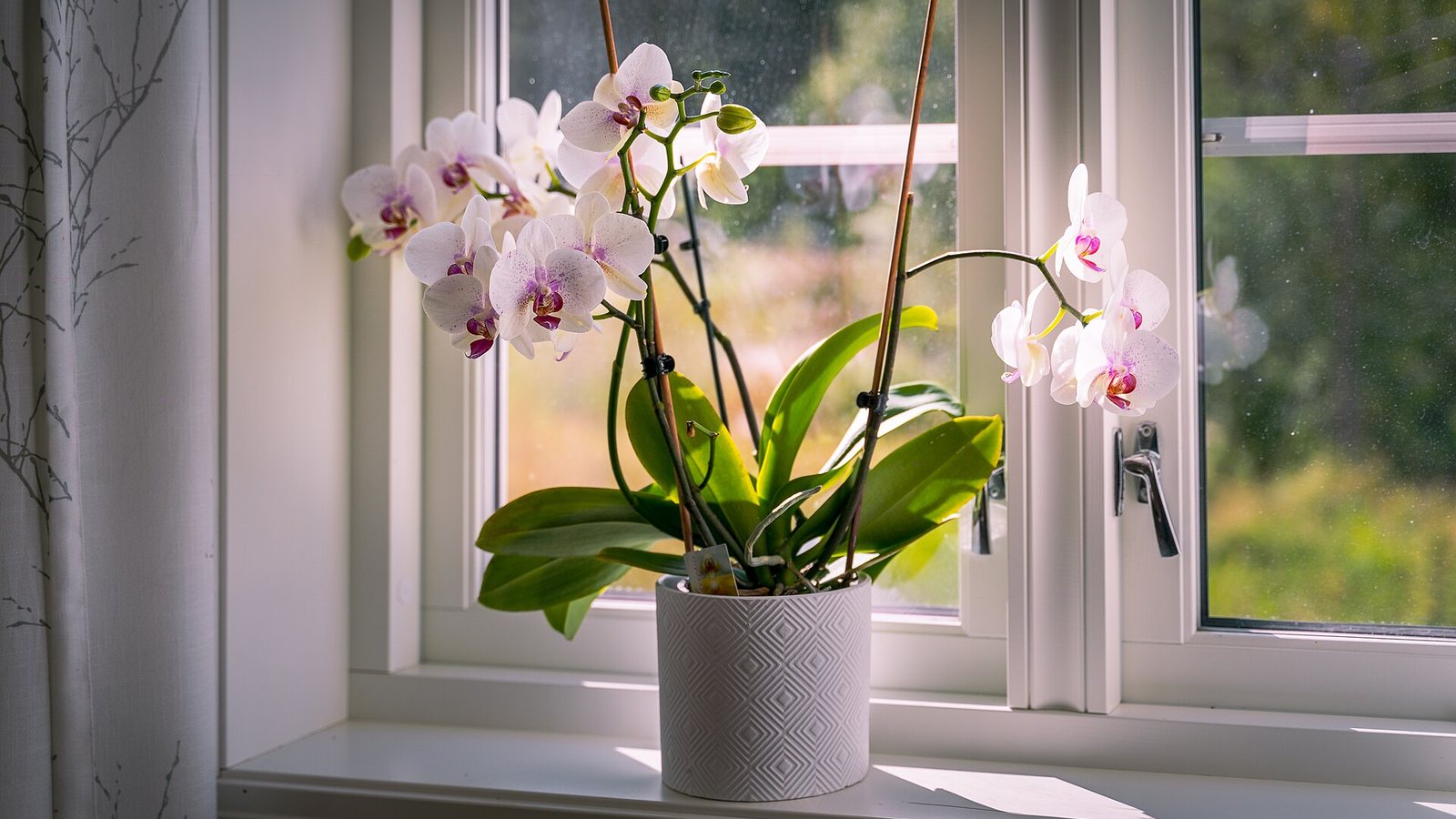
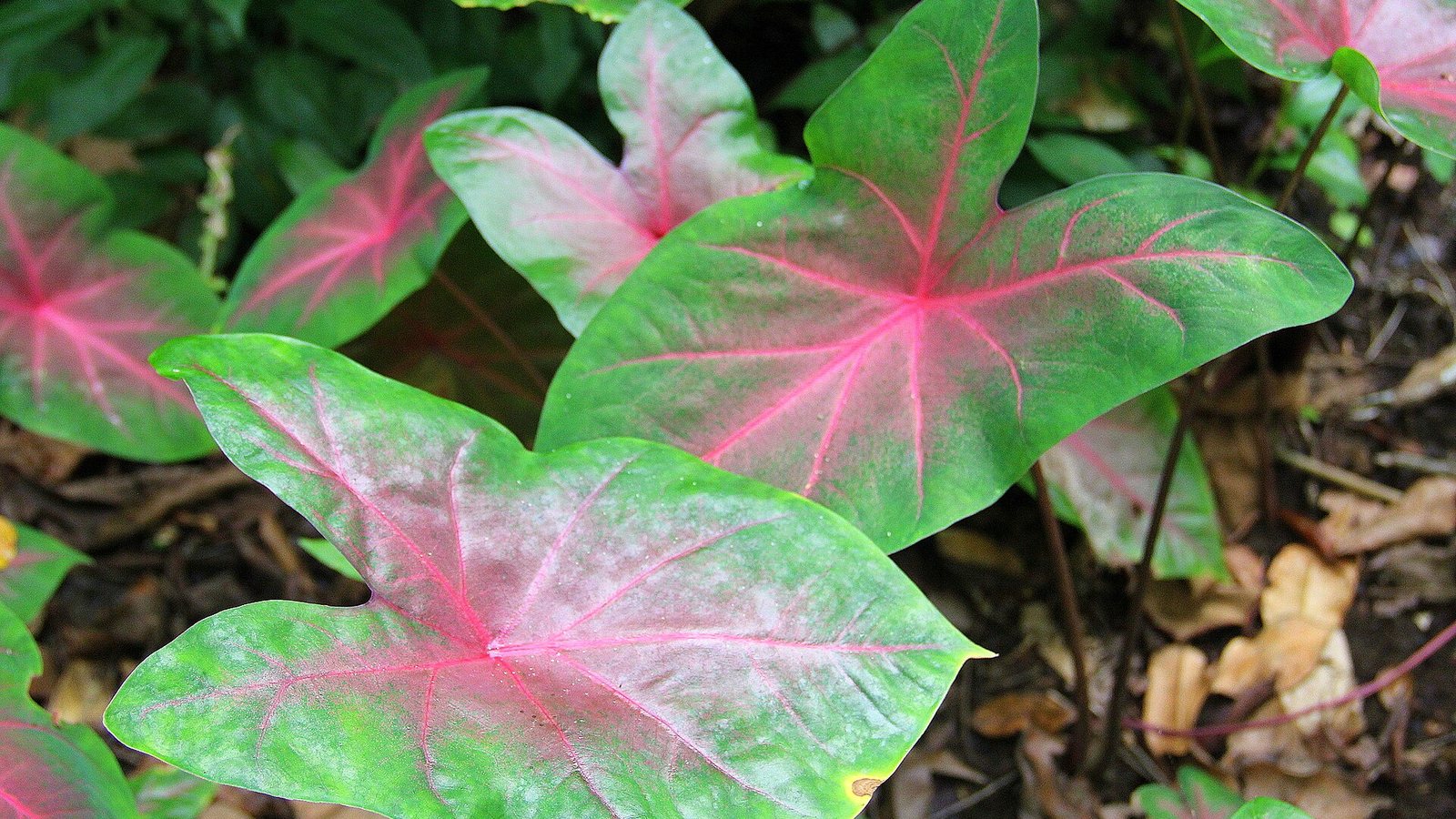 Photo: Joan Simon from Barcelona, España · CC BY-SA 2.0
Caladium, amaryllis (hippeastrum), tuberous begonia, calla lily and voodoo lily are houseplants that lose their leaves and rest in the cool, dry months. Stop feeding, cut back watering, keep the pot cool and check the bulb or tuber is firm. A mushy, smelly bulb is dead; a firm one is only sleeping.
Key takeaways
- Tuber and bulb plants such as caladium, amaryllis and calla lily die back every year as part of their cycle.
- A dormant plant needs little or no water and no fertilizer; watering it is the quickest way to rot the bulb.
- Firm bulbs or tubers are alive; shrivelled ones need a light misting of the storage medium, mushy ones are rotten.
- Most leafy houseplants that look sad in winter are slow, not dormant, and still need light and careful watering.
- Caladium, amaryllis and calla lily are toxic to cats and dogs, so keep resting pots out of reach.
On this page9
- Why does my houseplant look dead in winter?
- Which houseplants go dormant in winter?
- How do you tell a dormant plant from a dead one?
- How do you care for a dormant caladium?
- How do you rest an amaryllis?
- Where should the resting pot go, and for how long?
- What if it never wakes up?
- What should you not do to a dormant plant?
- When is leaf drop a problem and not dormancy?
Why does my houseplant look dead in winter?
Some houseplants are meant to look dead in winter. Plants that grow from bulbs, tubers and corms store food underground, then drop their leaves and rest when light and warmth fall or when the pot dries. This is dormancy, a normal part of their cycle, not a failure on your part. The mistake is to treat the bare pot like a sick plant: more water, more fertilizer and more worry rot the bulb that was only sleeping. This guide lists the houseplants that go dormant, what they look like, and how to tell sleeping from dead. Most leafy houseplants do not go dormant at all; they slow down, and our winter houseplant care guide covers them.
Which houseplants go dormant in winter?
| Plant | What you see | What to do | Cats and dogs |
|---|---|---|---|
| Caladium | Leaves yellow and collapse as days shorten | Cut back water as leaves brown; keep tubers not colder than 16 °C (60 °F) | Toxic |
| Amaryllis (hippeastrum) | Leaves yellow after the flowering and summer growth cycle | Cool rest for 8-10 weeks, or dry rest for 1-2 months (RHS) | Toxic |
| Calla lily (Zantedeschia) | Foliage dies back | Keep on the dry side, dark, about 10 °C (50 °F), for 2-3 months | Check ASPCA before you buy |
| Voodoo lily (Sauromatum) | Leaf dies back; watering typically not needed | Rest dark at about 7 °C (45 °F) for several months | Check ASPCA before you buy |
| Tuberous begonia | Stems and leaves die after flowering | Stop watering, store the tuber dry, replant in spring | Check ASPCA before you buy |
Two plants do the opposite. Cyclamen rests in summer, not winter: the RHS says to reduce water once the leaves yellow after flowering and keep the compost dry while it is dormant. Alocasia and Xanthosoma elephant ears may also stay active all year if humidity and temperature stay high enough, according to Iowa State Extension, and will drop leaves if they do not.
How do you tell a dormant plant from a dead one?
Look at the bulb, tuber or corm, not at the leaves. A dormant one is firm and plump, with no softness and no bad smell. Illinois Extension recommends checking stored bulbs regularly for rot and removing any that are rotting; if a bulb starts to shrink and wrinkle, lightly spray the storage medium, taking care not to overwet it, because overwatering causes rot. Our guide to healthy roots vs rotten roots shows the firm-versus-mushy difference on roots.
- Firm, solid, maybe papery skin: alive and resting. Leave it alone.
- Wrinkled, light and shrivelled: too dry for too long. Mist the surrounding medium lightly.
- Soft, mushy, dark or smelly: rotten. Remove it before rot spreads.
- Still green stems with new growth: not dormant. Keep caring for it.
How do you care for a dormant caladium?
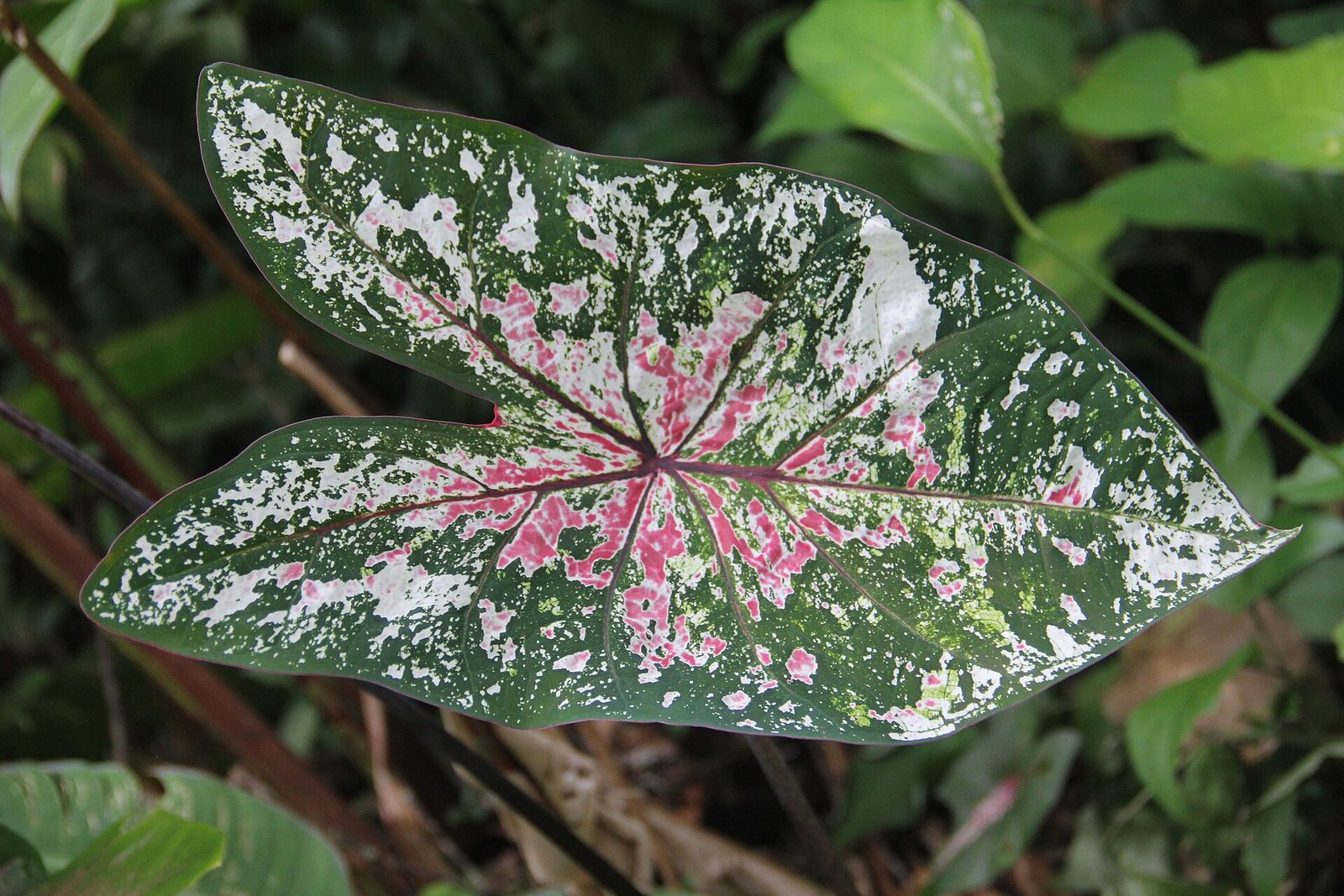
Penn State Extension says caladium leaves yellow and collapse as the weather cools and days shorten, and that this is the cue to lift the tubers before any frost. For a potted caladium, do the same without lifting: stop watering as the leaves die, and keep the pot warm, because the extension advice is never to let tubers drop below 16 °C (60 °F). Iowa State Extension says to cut back watering as leaves brown and remove dead leaves, and to repot tubers in February or March, which is spring in the northern hemisphere. Start them again in a pot as spring approaches, keeping the compost evenly moist but not soaking, because soggy compost at that stage causes rot. The ASPCA lists caladium as toxic to dogs and cats (calcium oxalates; mouth irritation, drooling, vomiting).
How do you rest an amaryllis?
The RHS describes two ways. In the first, from late September move the pot somewhere bright at about 13 °C (55 °F) for 8-10 weeks, stop feeding and reduce watering so the plant becomes semi-dormant, then cut the old leaves to 10 cm (4 in) above the bulb neck, replace the top 2.5-5 cm (1-2 in) of compost and restart as for a new bulb. In the second, stop watering in late September, let the pot dry gradually, cut off the dead spikes and yellow leaves and keep the pot somewhere cool, with no light needed, for 1-2 months, then bring it back into light and resume watering. In the southern hemisphere, shift these months by six. The ASPCA lists amaryllis as toxic to dogs and cats (lycorine; vomiting, drooling, diarrhea, tremors).
Where should the resting pot go, and for how long?
Match the place to the plant. Amaryllis in the RHS cool-rest method stays bright at about 13 °C (55 °F), while the dry-rest method needs no light at all, so a cool cupboard, garage or unheated room works. Calla lily and voodoo lily rest in the dark at about 10 °C (50 °F) and 7 °C (45 °F), according to Iowa State Extension, and caladium must stay warmer than 16 °C (60 °F). Rest lengths differ too: 8-10 weeks or 1-2 months for amaryllis, 2-3 months for calla lily and several months for voodoo lily. Write the start date on the pot or add it to your phone calendar, so a quiet pot is not mistaken for a forgotten one.
What if it never wakes up?
Give it time first, since some bulbs wake slowly. If the bulb is still firm, bring the pot into bright light, water it lightly and wait several weeks. If it is soft or has a bad smell, it is gone; the cause is nearly always wet compost during the rest, and the next one will be fine if you keep it drier.
What should you not do to a dormant plant?
- Do not water on a schedule. A bulb in damp compost with no leaves cannot use the water, and rot follows. Our overwatering guide explains the signs.
- Do not fertilize. There are no leaves to use it. See fertilizing houseplants in winter.
- Do not repot in the middle of the rest. Wait until growth restarts, or for the RHS's January to March window for amaryllis; see repotting and pruning in winter.
- Do not throw it out too soon. Give it a full rest period first.
When is leaf drop a problem and not dormancy?
If a plant that is not a bulb or tuber plant loses its leaves, dormancy is the wrong explanation: look at light, watering, cold and draughts, as in our guide to plant leaves falling off. Flori can help you decide: its care profile shows the plant's usual light, watering and temperature needs, and care reminders can stop you watering a resting pot by mistake.
Frequently asked questions
How do I know if my plant is dormant or dead?
Check the bulb or tuber. Firm and solid means dormant; soft, mushy or smelly means rotten. Wrinkled means it is too dry and needs a light misting of the medium.
Should I water a dormant houseplant?
Very little or not at all. Resting bulbs and tubers cannot use water and rot in damp compost. Start watering again when new growth appears.
Which houseplants go dormant in winter?
Caladium, amaryllis, calla lily, voodoo lily and tuberous begonia are the usual ones. Cyclamen rests in summer instead.
When does a dormant plant wake up?
Usually as days lengthen and temperatures rise in spring. Move it into bright light and water lightly until new leaves appear, then water regularly.
Winter houseplant care in both hemispheres: a symptom-to-fix table, how to find more light, how often to water and how to protect plants from heaters.
Sources
Written and fact-checked by the Flori team. Every guide cites horticultural sources such as the RHS, university extension services and the ASPCA, and is updated when the advice changes. How we write our guides
General plant care information. Plants vary; when a plant is valuable or a problem spreads quickly, consult a local nursery or plant specialist.