Plant Leaves Dripping Water? It's Called Guttation
Clear drops on leaf tips are usually guttation, root pressure pushing water out on humid nights. How to tell it from honeydew and edema, and what to check.
 By Flori editorial team · Updated
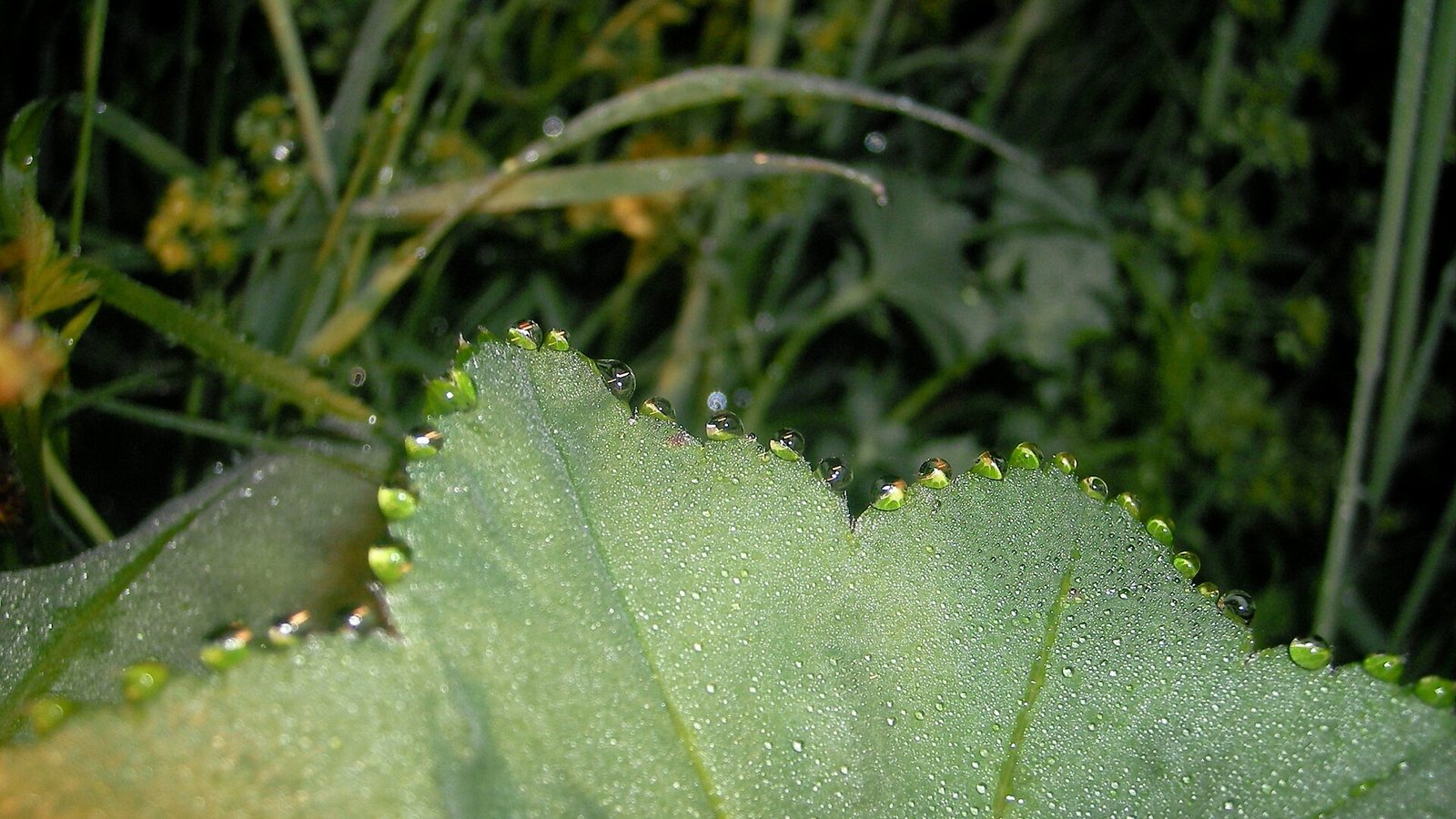 Photo: Danny Steaven · CC BY 1.0
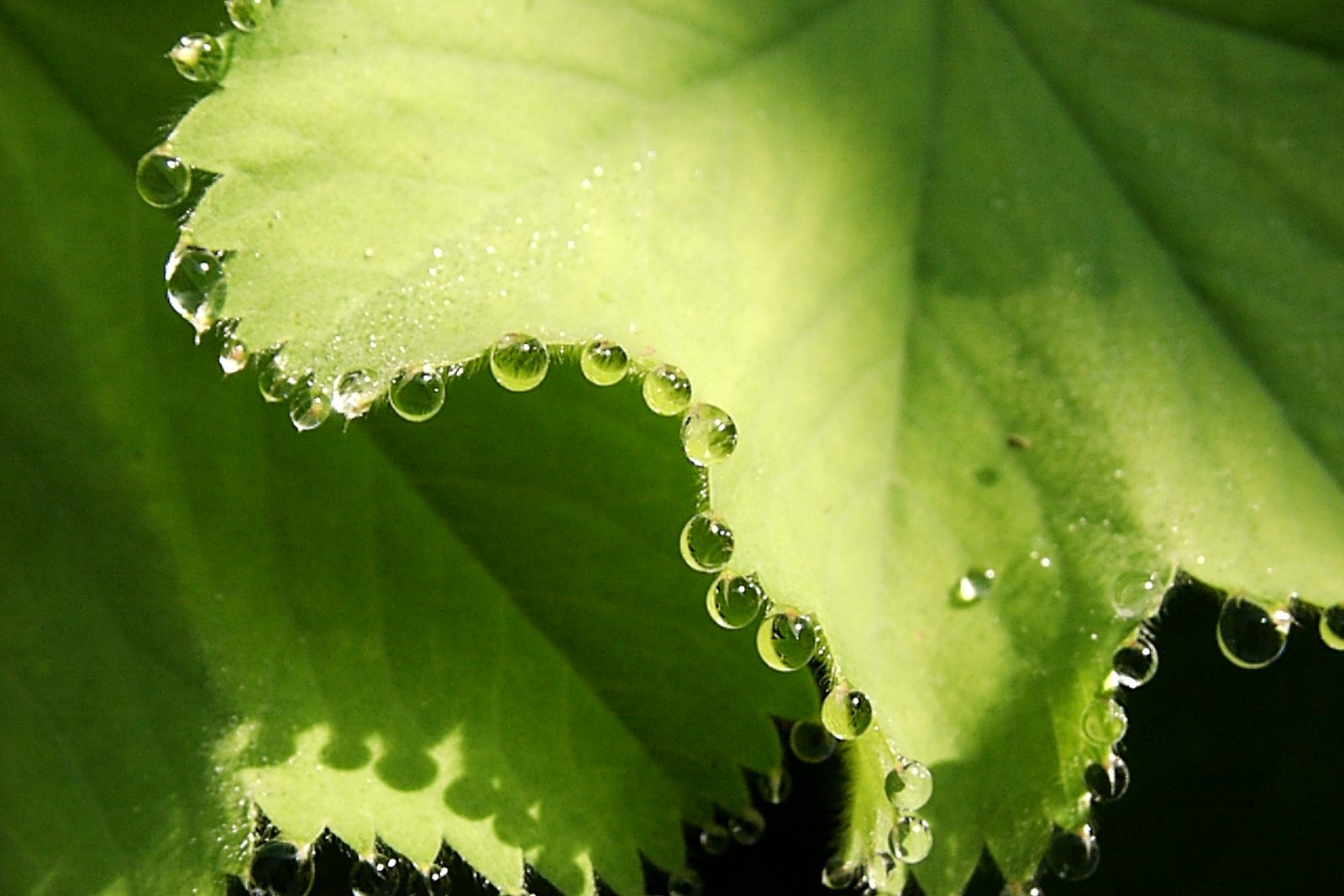
Clear droplets on leaf tips or edges, mostly overnight, are usually guttation: root pressure pushing water out when the soil is wet and the air humid. It is not a leak or a disease. Treat it as a prompt to check that the soil is not constantly wet. Sticky drops mean insects instead.
Key takeaways
- Clear, non-sticky drops at leaf tips or edges, mostly at night, are guttation.
- Sticky drops are honeydew from sap-sucking insects, which needs a different fix.
- Guttation is not harmful alone, but it shows roots taking up more water than leaves lose.
- Check the soil, drainage and pot size, and water in the morning in cool weather.
- Tiny blisters on leaf undersides are edema, not guttation.
On this page7
Why are my plant's leaves dripping water?
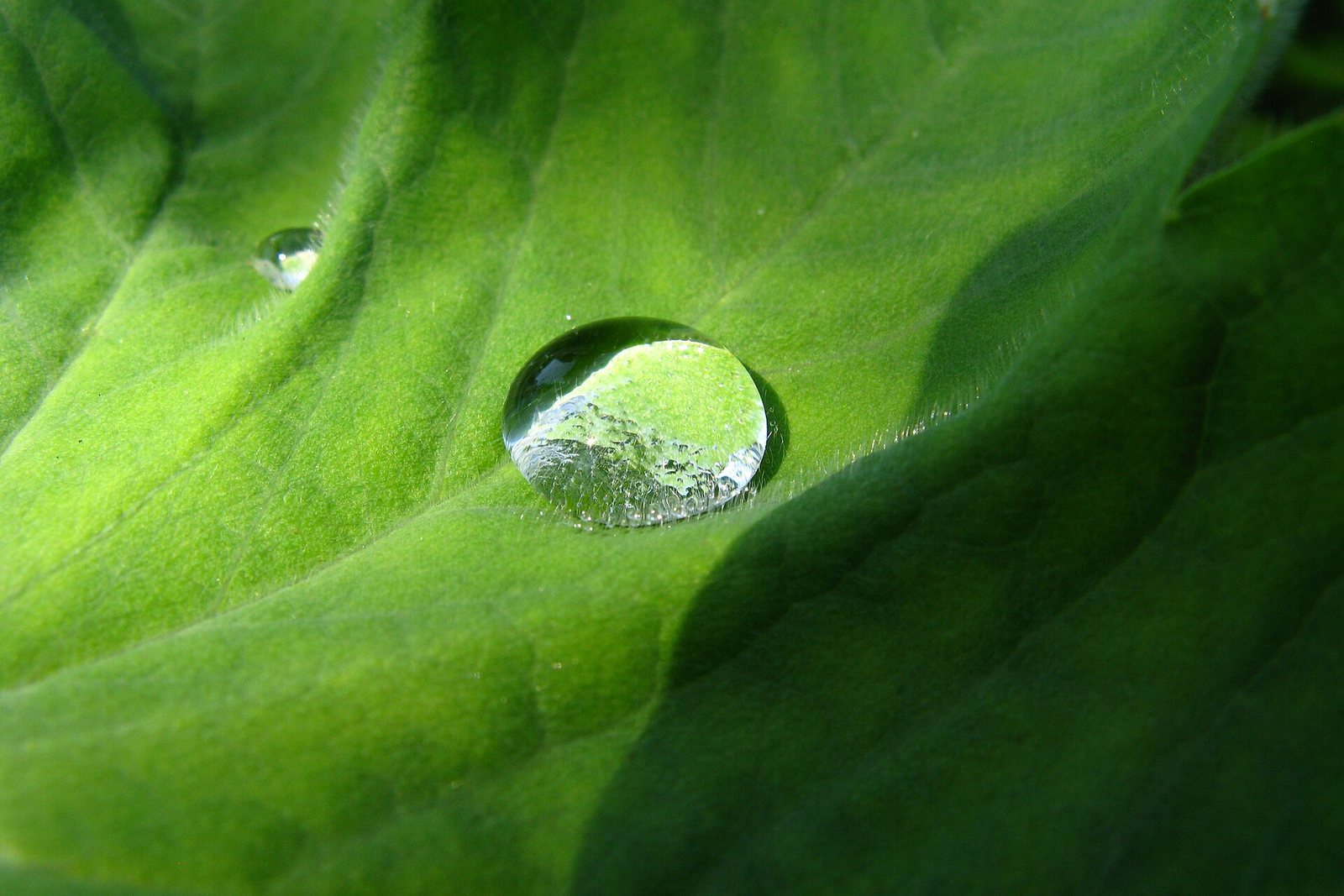
If clear droplets hang from the tips or edges of your plant's leaves, most often in the morning, you are almost certainly looking at guttation. It is the plant pushing water out of its leaves, not a leak, a pest or a disease. Plant scientists explain it as root pressure: when the soil is wet and the air is humid, the leaves lose very little water, so water entering the roots is forced out through tiny pores at the leaf tips and margins. It is most noticeable at night and in the early morning, because that is when the plant is not transpiring much. This guide helps you confirm that it is guttation, tells it apart from the drips that really are a problem, and says what it can tell you about your watering.
How to tell guttation from other drips and spots
| What you see | Likely cause | What to do |
|---|---|---|
| Clear droplets at leaf tips or edges, mostly overnight or early morning, gone by midday | Guttation | Nothing urgent; check the soil is not constantly wet |
| Sticky, shiny drops or film on leaves, stems and the surface below | Honeydew from sap-sucking insects | Inspect for pests and treat the insects |
| Small watery blisters on leaf undersides that turn corky | Oedema (edema) | Water less in cool, dull weather; improve airflow |
| Water droplets on the leaf surface right after misting or watering | Just water | Water the soil and keep leaves dry |
| Water dripping from the pot or window rather than from the leaf | Drainage or condensation | Empty the saucer; wipe the window |
The quickest test is to touch one drop. A guttation drop is thin and not sticky when fresh. Honeydew feels tacky because it is the sugary waste of insects such as aphids, scale insects and mealybugs, as Iowa State University Extension explains for sooty mould. If your leaves feel sticky, go to our guide to sticky leaves on houseplants.
Why does guttation happen?
A plant moves water from roots to leaves, and during the day it pulls that water up as the leaves lose it to the air. At night the leaf pores close and the pull nearly stops, but the roots in damp soil keep absorbing. The pressure that builds is released as droplets at small pores along the leaf margins and tips. The fluid is not pure water: it carries sugars, potassium and other dissolved substances, so a drop that dries on the leaf can leave a pale, crusty mark. It occurs in many kinds of plants; strawberries and prayer plants are common examples. It is more likely with moist soil, warm roots, cool humid air, low light and poor ventilation, which is the same recipe the Royal Horticultural Society (RHS) and Penn State Extension give for oedema.
Is guttation harmful, or a sign of overwatering?
Guttation by itself does not damage the plant, and it does not mean you must change everything. Think of it as information. It tells you that roots are taking up water faster than the leaves can lose it, and that is also what the RHS and Penn State describe as the cause of oedema: roots draw water from wet soil faster than leaves release it, particularly in cool, humid, dim or still conditions. Oedema is the version that does damage, because cells burst into blisters that dry into brown, corky patches. So if you see guttation night after night, treat it as a prompt to check the watering, not as a reason to panic.
Ask yourself these questions:
- Is the soil still damp a week after watering?
- Is the pot too big for the root ball, or without a drainage hole?
- Does the plant sit in a cool, humid, poorly lit spot?
- Are the leaves also yellowing, wilting or dropping? Iowa State lists yellowing or browning leaves, leaf drop and wilting as symptoms of overwatering.
If you answered yes to several, read overwatering versus underwatering and check the roots. The root rot rescue plan shows what to do if they are dark and soft.
What to do if your plant keeps dripping
- Check the soil with a finger before every watering, several centimetres down. See how often to water houseplants for the routine.
- Water in the morning rather than the evening, so the soil is not at its wettest during the long night.
- Water less in cool, dull weather. Plants use less water in winter, and the same amount of water that suited summer is now too much.
- Empty saucers and cover pots so roots do not stand in water.
- Improve airflow with a little gentle air movement, without placing the plant in a draught or against cold glass.
- Wipe the leaf tips if the droplets leave marks. It is cosmetic, and a dry cloth is enough.
When the dripping is not guttation
Seek another explanation if the drops stay all day, feel sticky, or come with spots, webbing or insects. Look under the leaves and along the stems for aphids, scale or mealybugs. If you see tiny blisters on the undersides, that is oedema, which we cover in edema on plant leaves. If there is a sour smell, wilting even though the soil is wet, or black soft stems, suspect root rot instead.
If you are unsure, the Flori app can help: describe what you see, or send a photo, and Dr. Flori asks follow-up questions, names the likely cause, says how urgent it is and gives a recovery plan. For a plant that is struggling, the Plant Hospital can keep it under watch with a follow-up plan. A photo is a good starting point, but always confirm with the soil and the roots.
Is it safe to leave the droplets alone?
Yes, in almost every case. Guttation fluid is not a treatment you need to apply or remove, and wiping it is optional. If you keep pets or small children, keep the usual precautions in mind: do not let pets chew houseplants. Check any plant in the Flori app's care profile, which shows toxicity along with light, watering and humidity.
Frequently asked questions
Is guttation bad for my plant?
Not by itself. It is a sign that roots are taking up more water than the leaves lose, so check that the soil is not constantly wet. If leaves also yellow or wilt, look at the roots.
Why do my plant's leaves drip at night?
At night the leaf pores close and the plant loses little water, but roots in damp soil keep absorbing, so the pressure pushes water out at the leaf tips and edges.
How is guttation different from honeydew?
Guttation drops are thin and appear at leaf tips or margins, mostly overnight. Honeydew is sticky insect waste found on leaves, stems and surfaces below, so look for pests.
Should I water less if my plant drips?
Check the soil first. If it is still damp a week after watering, water less, empty saucers and water in the morning, especially in cool, dull weather.
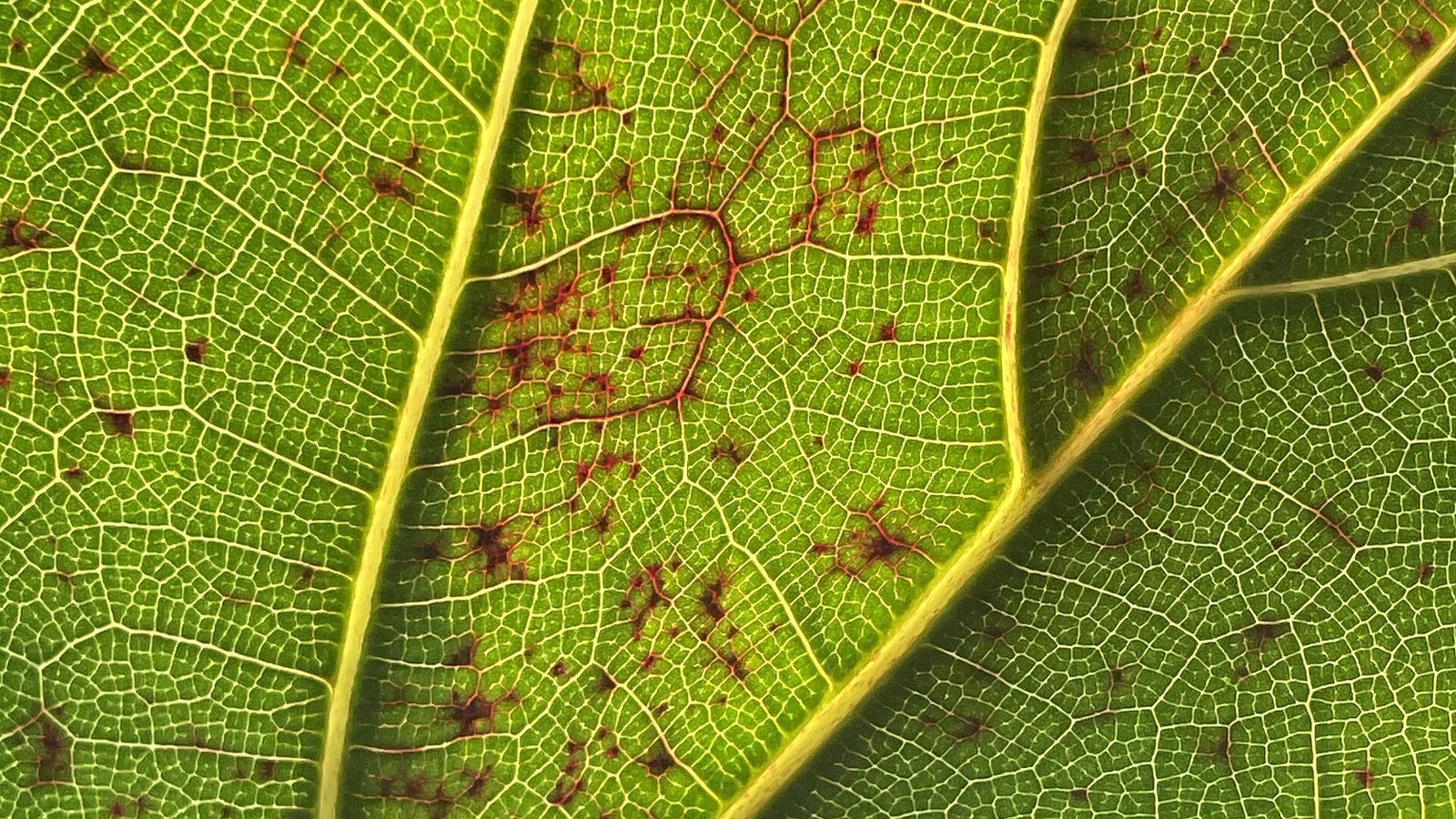
Bumps or corky blisters under your plant's leaves? It may be edema, caused by wet compost and slow water loss. How to spot it, rule out pests and fix it.
Sources
Written and fact-checked by the Flori team. Every guide cites horticultural sources such as the RHS, university extension services and the ASPCA, and is updated when the advice changes. How we write our guides
General plant care information. Plants vary; when a plant is valuable or a problem spreads quickly, consult a local nursery or plant specialist.