Plants That Repel Mosquitoes: Fact vs Myth
Do mosquito-repelling plants work? Extension sources say little in a garden. Plant-by-plant evidence table with pet safety, and what really cuts mosquitoes.
 By Flori editorial team · Updated
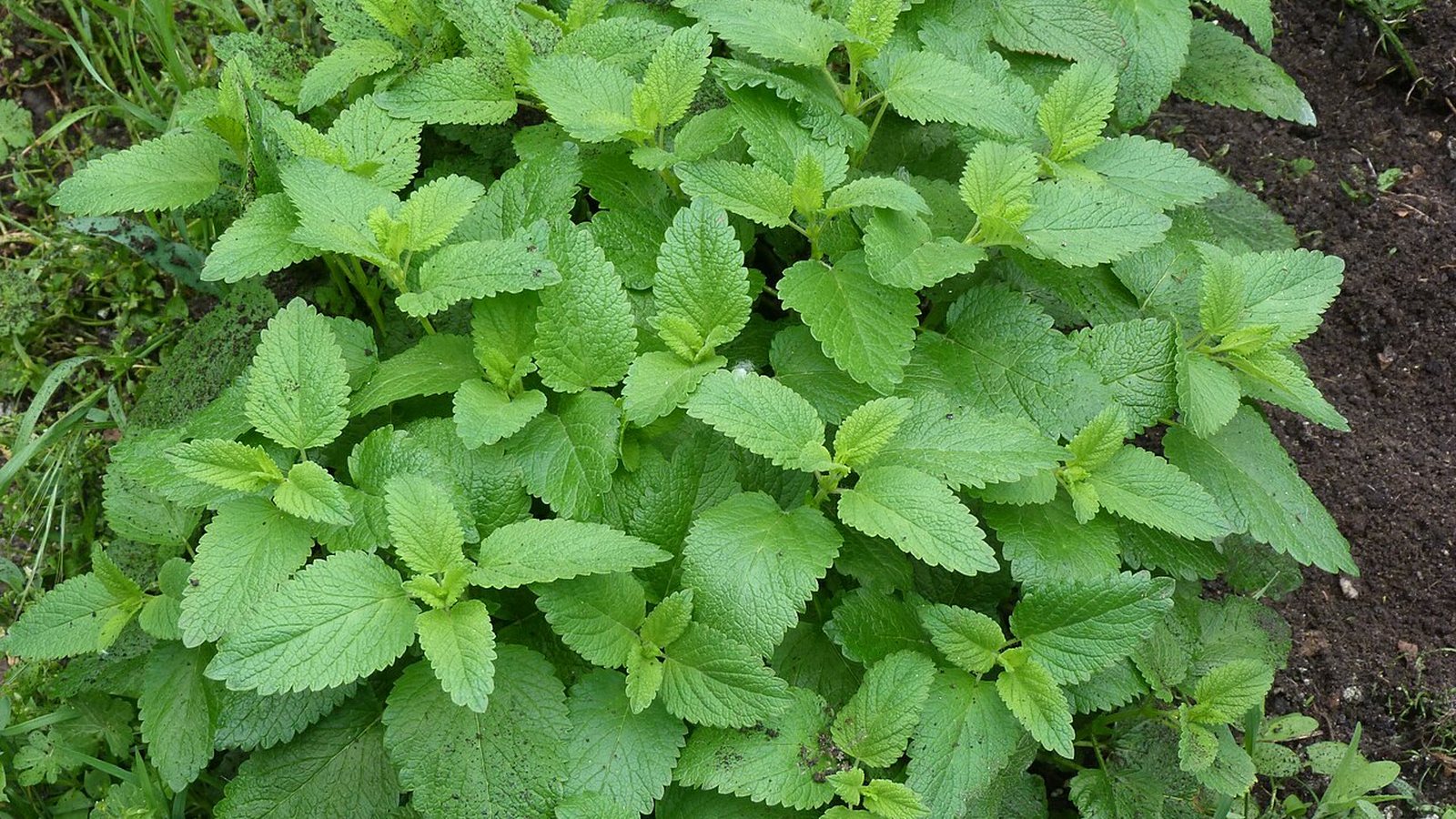 Photo: Derzsi Elekes Andor · CC BY-SA 3.0
Mostly a myth. Clemson found no study showing that landscape plantings repel mosquitoes, and Mississippi State says a few scattered plants will not make a significant difference. Lemongrass, lemon balm and bee balm have the most evidence, mainly as crushed leaves. Remove standing water and use a registered repellent instead.
Key takeaways
- Clemson found no study of landscape plantings repelling mosquitoes; a few pots are not a barrier (MSU).
- Lemongrass, lemon balm, bee balm and lemon thyme have 'some evidence' (MSU), mostly as crushed leaves or oil that lasts minutes.
- Lavender, mint, lemongrass and geranium are toxic to cats and dogs (ASPCA); lemon balm, rosemary and basil are not.
- Source reduction works best: empty saucers and birdbaths weekly, treat water you cannot drain with Bti and follow the label (Clemson).
- Use an EPA-registered repellent on skin when sitting out, and follow the label.
On this page6
Do plants that repel mosquitoes actually work?
Not the way the garden-centre label suggests. Clemson's Home and Garden Information Center says plants are not a reliable way to repel mosquitoes, and that a review of 62 studies found only 6 field studies (56 were lab studies), none of which examined landscape plantings and their ability to repel mosquitoes. Mississippi State Extension says a few scattered plants are unlikely to have a significant impact on the mosquito population around your home. This guide sorts each popular plant into "some evidence", "little proof" and "myth", with a pet-safety column, and then shows what does cut mosquito numbers.
The myth to drop first: a pot of citronella, lavender or marigold by the table is a bouquet, not a force field. Fragrance dissipates into the air and, Clemson says, can be minimised by a breeze.
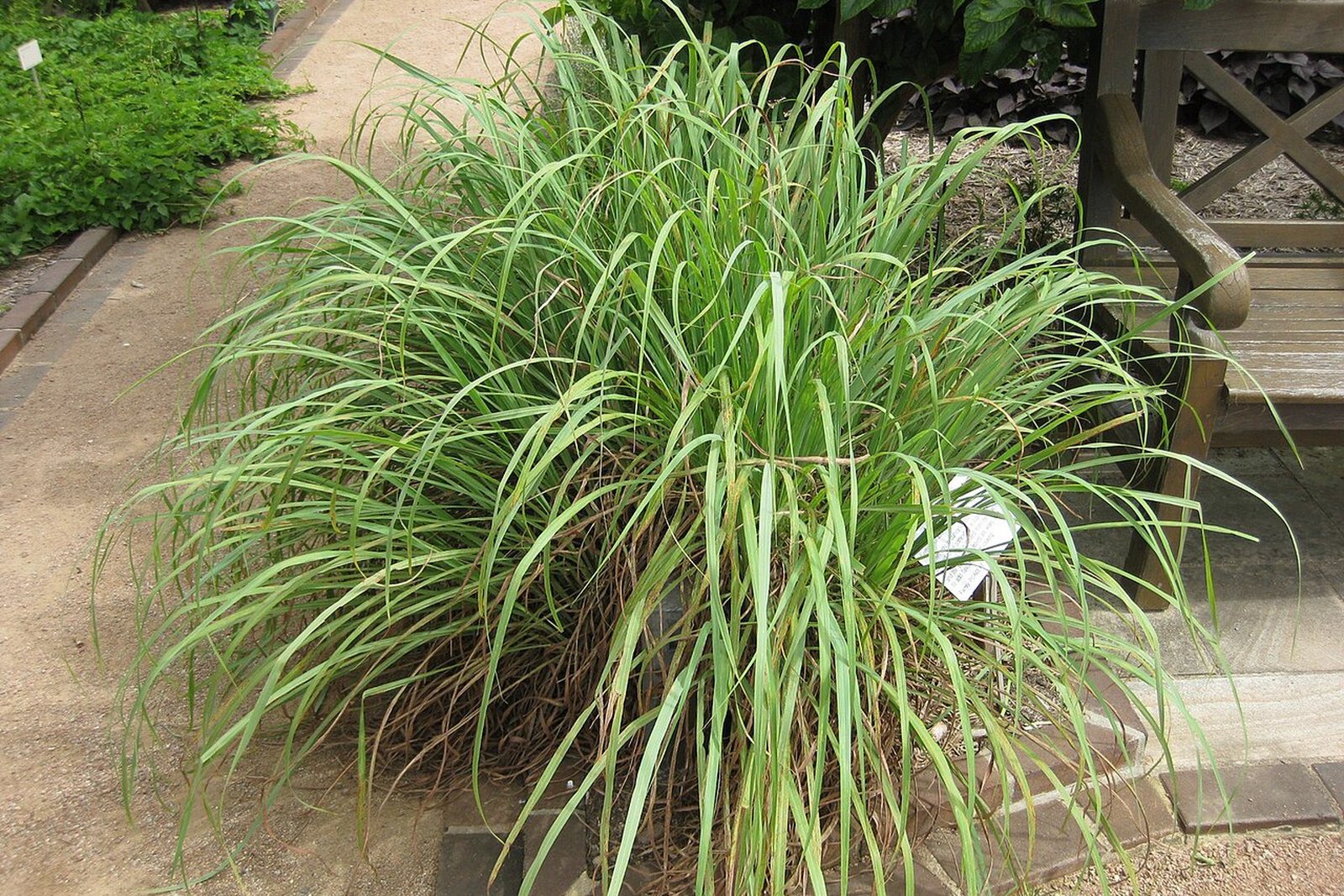
Which plants have some evidence, and which are myths?
| Plant | What the sources say | Pets (ASPCA) |
|---|---|---|
| Lemongrass | One of the "top herbs with some scientific evidence" (MSU). Crushed-leaf oil protected test subjects for about 40 minutes (Clemson) | Toxic to dogs and cats |
| Lemon balm | Same MSU "some evidence" group | Non-toxic to dogs and cats |
| Bee balm (Monarda) and lemon thyme | Same MSU "some evidence" group | Check the ASPCA listing for each |
| Rosemary | "May help deter" (MSU); crushed-leaf oil lasted about 15 minutes in test subjects (Clemson) | Non-toxic to dogs and cats |
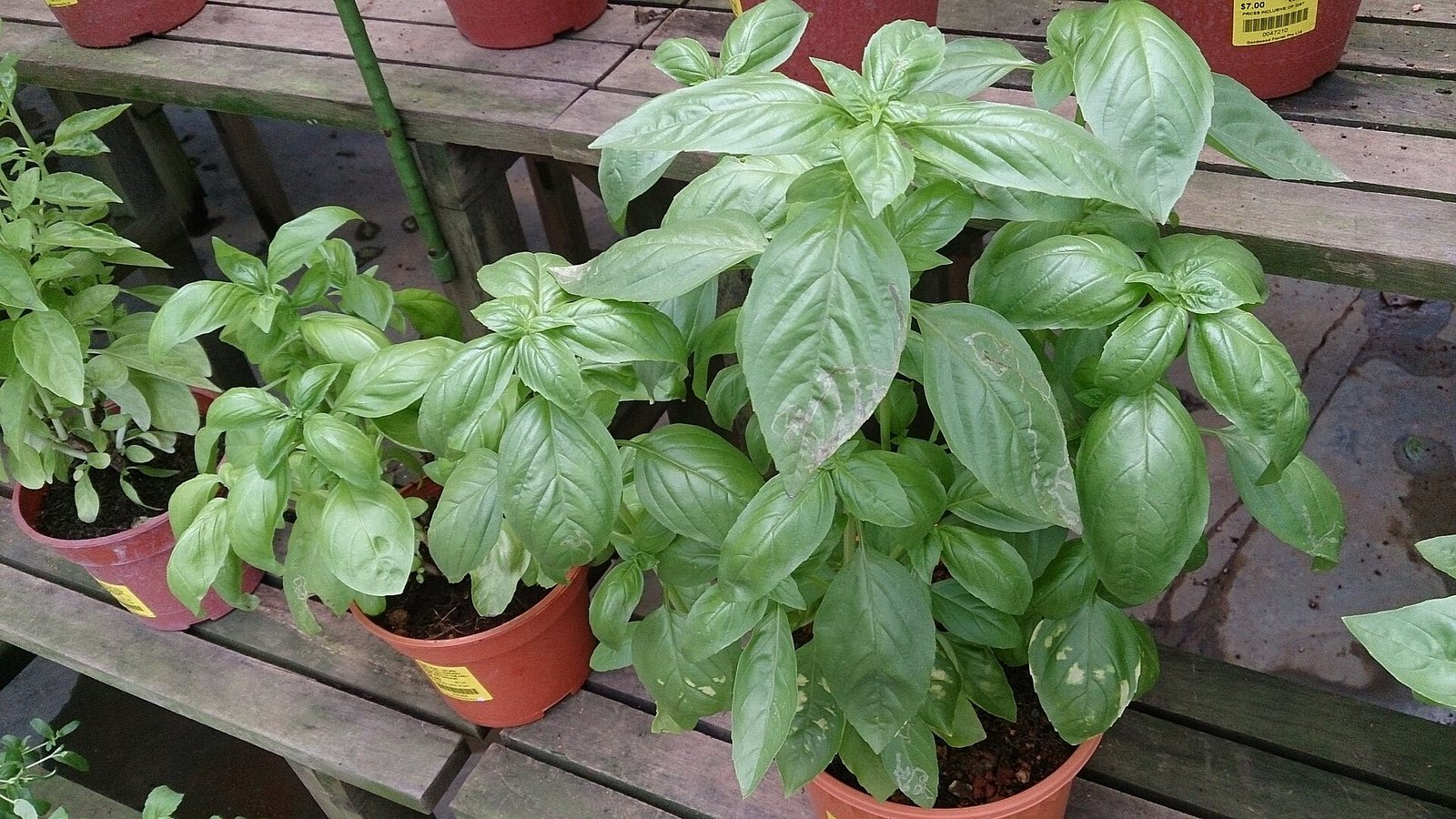
| Basil | "May help deter" (MSU) | Non-toxic to dogs and cats |
| Mint | "May help deter" (MSU) | Toxic to dogs and cats |
| Lavender | "May help deter" (MSU); not reliable as a planting (Clemson) | Toxic to dogs and cats |
| Catnip | "May help deter" (MSU); it may attract cats | Check the ASPCA listing |
| Citronella geranium (scented Pelargonium) | "Little scientific proof" of repelling mosquitoes (MSU) | Geraniums are toxic to dogs, cats and horses |
| Marigold | Often promoted, but Clemson reports no tests of landscape plantings | Check the ASPCA listing |
Read the table as "some evidence" at best. MSU's wording is cautious: even the best herbs have only some scientific evidence, and the evidence is about the plant used in a particular way, not about growing it in a bed.
Why do the plants fail in a garden?
- Scent leaves the leaf. A plant that repels in a lab needs a high, steady concentration. In a garden the scent is diluted by air, and Clemson says a breeze weakens it.
- The oil has to come out. Clemson says leaves must be crushed, or the essential oil rubbed on skin, to work, and protection was short: about 15 minutes for rosemary oil and about 40 minutes for lemongrass oil in test subjects.
- A few pots are not a barrier. MSU warns that a few scattered plants are unlikely to have a significant impact.
- Oils can irritate. Clemson notes that some essential oils can cause irritation, especially in high concentrations.
What really reduces mosquitoes around the home?
Clemson's answer is source reduction: "The best way to control mosquitoes is through source reduction and chemical control." In practice, for a garden or balcony:
- Remove standing water. Clemson says to remove unneeded containers such as tin cans and old tires and to eliminate standing water in saucers under potted plants.
- Empty and wash birdbaths weekly (Clemson).
- Treat water you cannot drain with a product containing Bacillus thuringiensis israelensis (Bti), which Clemson names for ponds and similar areas, and follow the label. MSU suggests mosquito dunks for the same purpose.
- Keep the air moving. MSU says mosquitoes prefer still, shady areas.
- Use a registered repellent on skin when you sit out. The US EPA lists these skin-applied repellent ingredients: DEET, picaridin, IR3535, p-menthane-3,8-diol (PMD), oil of lemon eucalyptus, 2-undecanone, oil of citronella and catnip oil. Always follow the label, including the age limits for children.
The saucer advice matters for plant owners: the water that collects under pots is a breeding site, so empty it. If you keep houseplants, see also our guide to small flies around houseplants, because tiny flies in pots are usually not mosquitoes.
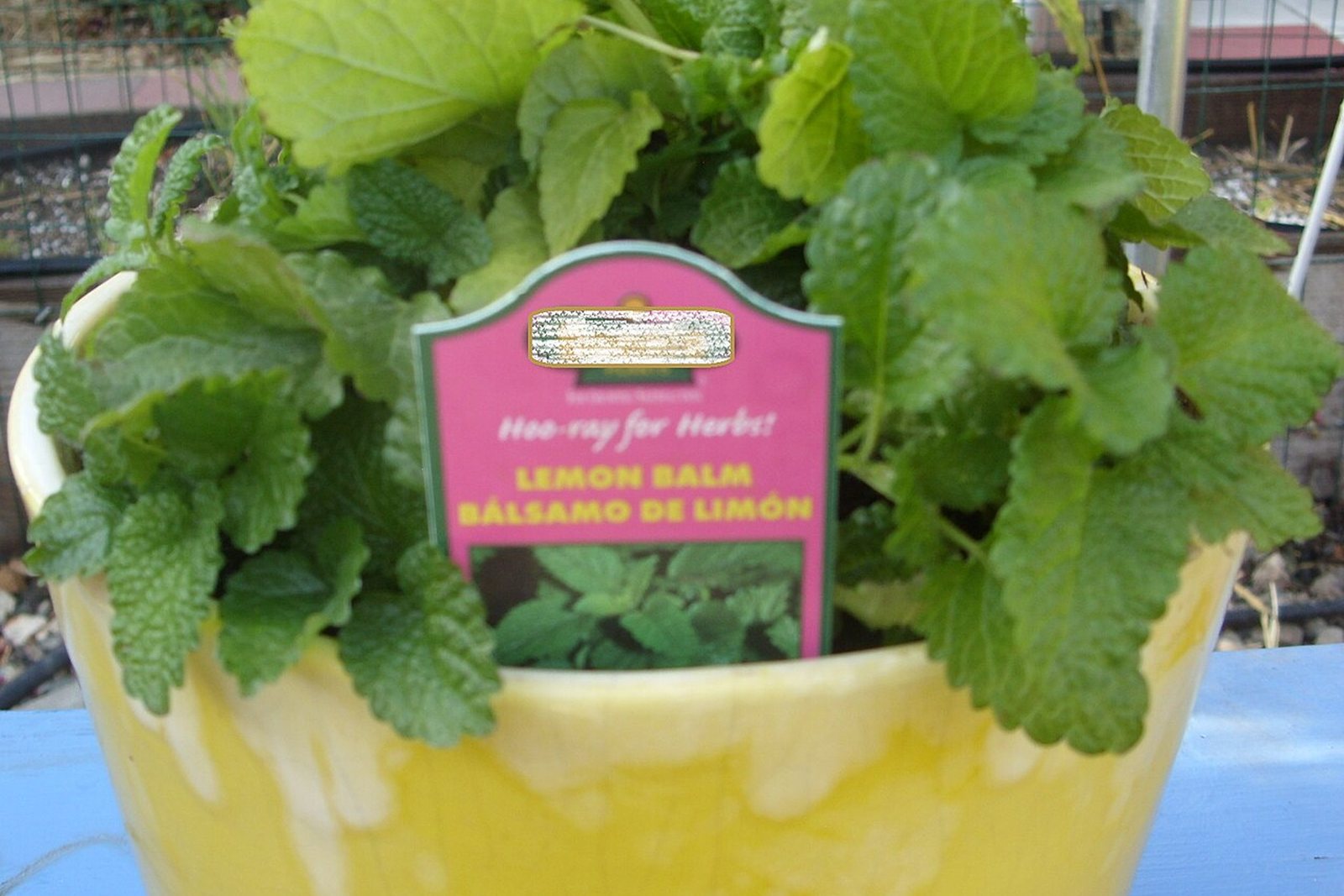
Are any of these plants worth growing anyway?
Yes, for other reasons, with the right expectations. Lemon balm, rosemary and basil are non-toxic to cats and dogs according to the ASPCA and are useful in the kitchen; our windowsill herb garden guide shows how to grow them. A crushed leaf rubbed on a wrist is likely more helpful than a plant on the porch (MSU), but it lasts minutes and can irritate skin, so test a small area first.
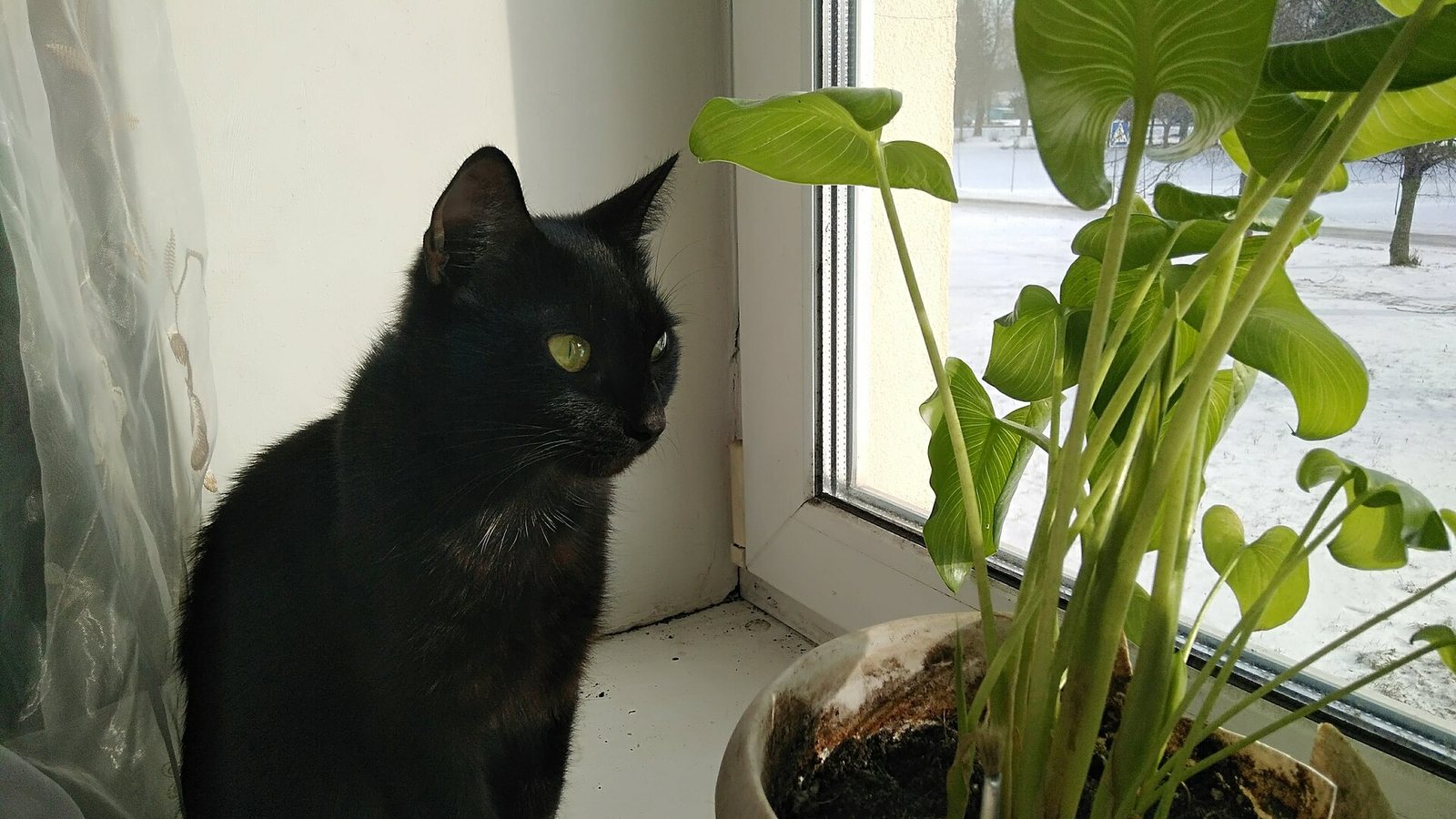
If you have a cat or dog, avoid planting the toxic ones within chewing range. The ASPCA lists lavender (linalool and linalyl acetate), mint (essential oils), lemongrass (essential oils and cyanogenic glycosides) and geranium (geraniol and linalool) as toxic to dogs and cats, with vomiting, loss of appetite or, for geranium, skin irritation among the signs. If a pet eats one, call your vet. Our guides to plants toxic to cats and plants toxic to dogs list more.
What if you garden in Turkey, the UK or Australia?
The research above is not tied to a climate: the question of whether landscape plantings repel mosquitoes was simply not tested (Clemson). In a Mediterranean or Aegean summer, a lavender or rosemary hedge is still lovely and drought-tolerant, but do not count on it for evenings on the balcony; empty the saucers, keep a fan going and use a registered repellent. In cool, damp climates, rain barrels and ponds need the weekly check. In the Southern Hemisphere the mosquito season runs six months offset, so the same checks apply in your summer.
For other safe ways to handle garden pests, see the natural pest prevention guide. For scent without the myth, fragrant houseplants lists plants chosen for their smell. Flori's pest tools can also help you work out whether the small flying insects around your plants are mosquitoes at all.
Frequently asked questions
Does a citronella plant keep mosquitoes away?
Not reliably. MSU says citronella geraniums have little scientific proof of repelling mosquitoes, and Clemson reports no tests of landscape plantings.
Do marigolds repel mosquitoes?
Marigolds are often promoted, but Clemson says none of the studies it reviewed examined landscape plantings. Do not rely on them.
What actually reduces mosquitoes at home?
Source reduction: remove standing water, empty saucers, wash birdbaths weekly and treat water you cannot drain with Bti, following the label (Clemson).
Are mosquito-repelling plants safe for pets?
Not all. The ASPCA lists lavender, mint, lemongrass and geranium as toxic to cats and dogs; lemon balm, rosemary and basil are non-toxic.
Stop spider mites, mealybugs, scale and fungus gnats early: quarantine new plants, check leaf undersides weekly and use the least-toxic fix first.
Sources
- Clemson HGIC: Can plants repel problematic insects?
- Mississippi State University Extension: Can fragrant plants help repel insects?
- Clemson HGIC: Mosquito control in and around the home
- US EPA: Skin-applied repellent ingredients
- ASPCA: Toxic and Non-Toxic Plants (lavender, mint, lemon grass, geranium, rosemary, basil, lemon balm)
Written and fact-checked by the Flori team. Every guide cites horticultural sources such as the RHS, university extension services and the ASPCA, and is updated when the advice changes. How we write our guides
General plant care information. Plants vary; when a plant is valuable or a problem spreads quickly, consult a local nursery or plant specialist.