Signs Your Plant Needs Repotting (and False Alarms)
Roots out of the drainage holes, wilting soon after watering, water running straight through: the real signs a plant needs repotting, and what is not one.
 By Flori editorial team · Updated
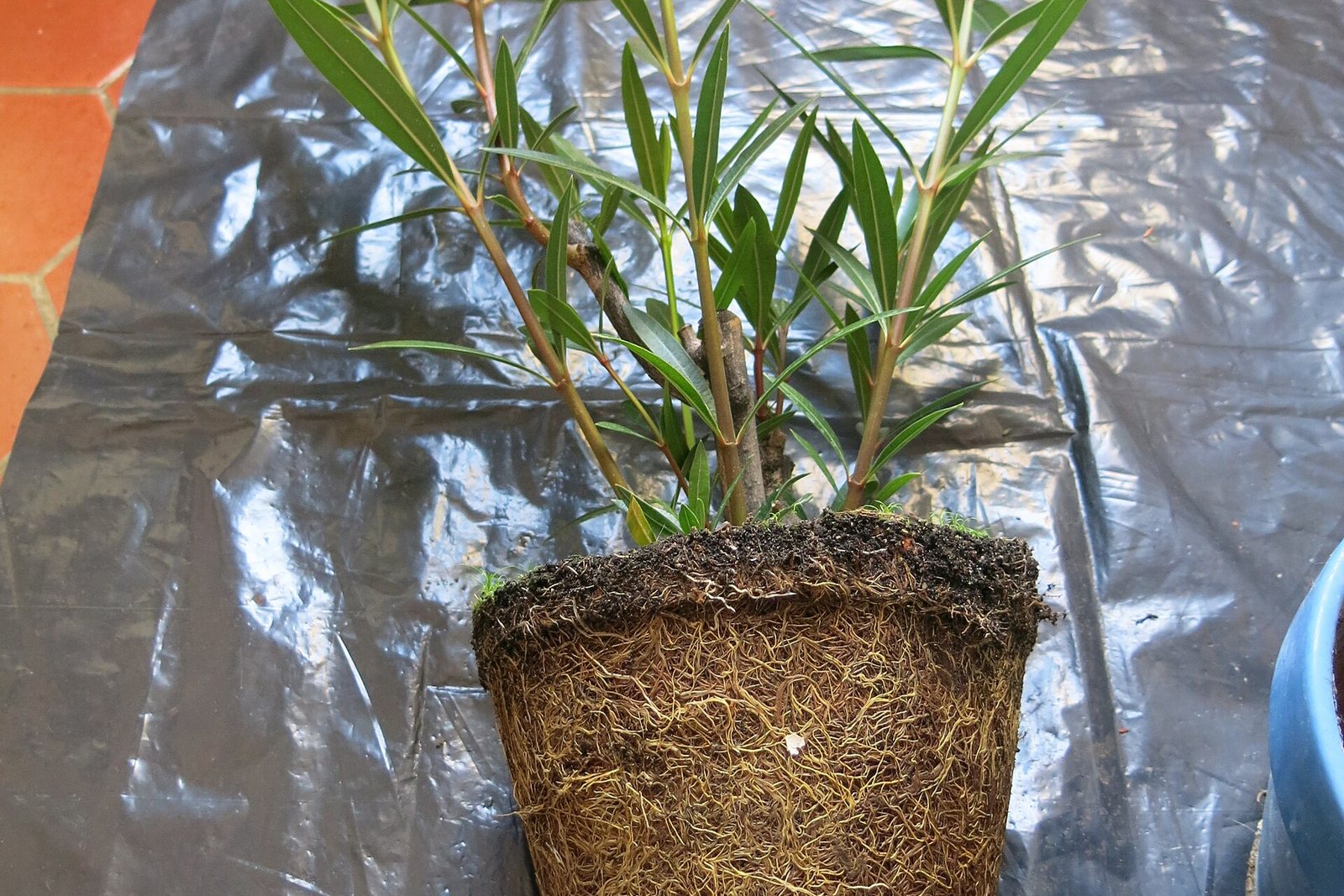
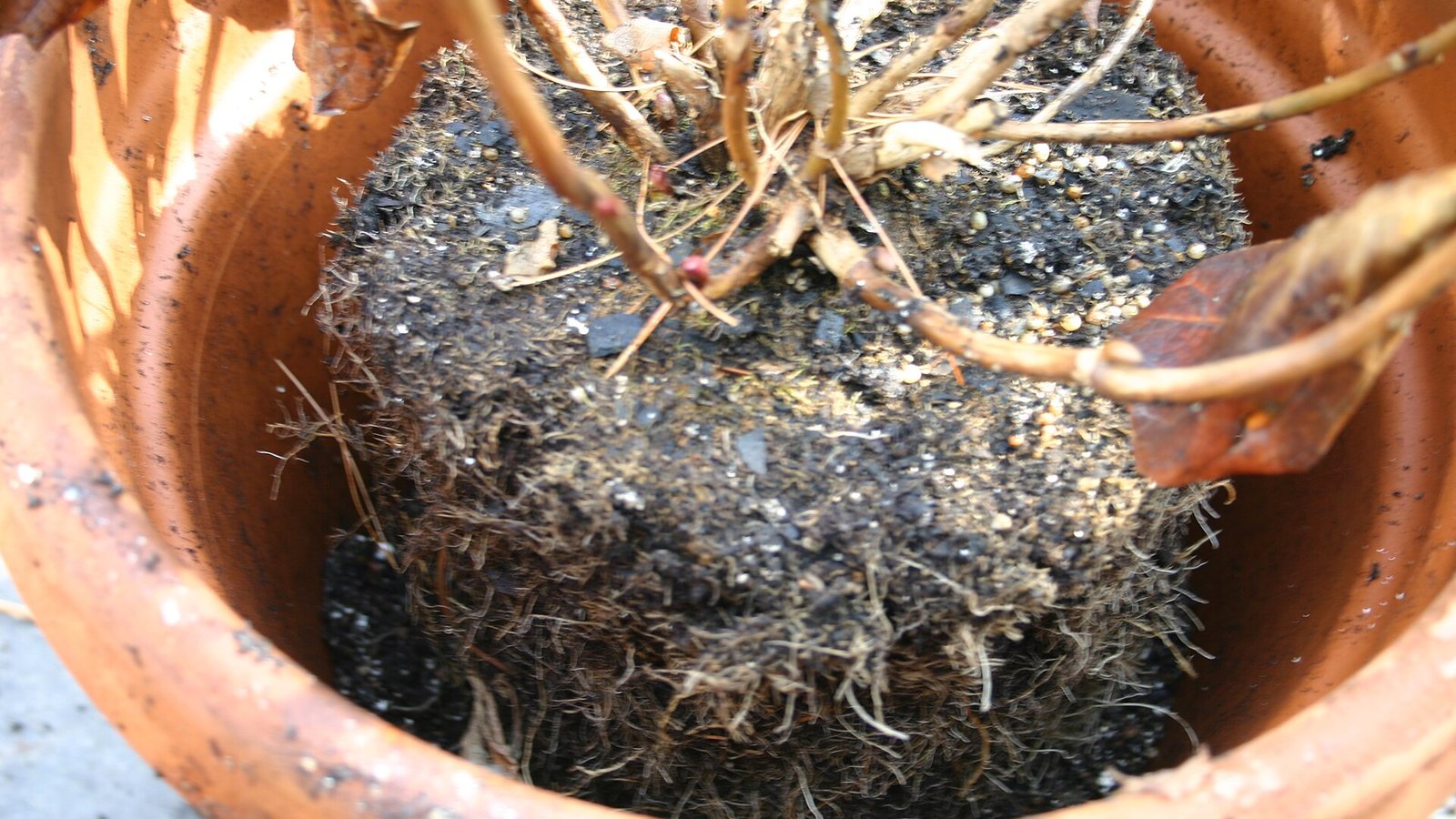 Photo: User:SB_Johnny · CC BY-SA 3.0
A plant needs repotting when roots grow out of the drainage holes or circle the pot in a solid mass, when it wilts soon after watering or needs water far more often, when water runs straight through or pools on top, or when the mix has sunk and compacted. Check by sliding the root ball out, ideally in spring.
Key takeaways
- The surest sign is in the roots: slide the root ball out and look before you decide.
- Wilting soon after watering, or needing water far more often than before, points to a crowded pot.
- Water running straight through, pooling on top or a sunken mix level means the mix is worn out.
- Yellow leaves, a new purchase or the arrival of spring are not reasons to repot on their own.
- Fast growers may need a new pot every year, slow growers every two to three years or more.
On this page6
How do you know when a plant needs repotting?
Repotting on a fixed schedule, or because a plant looks unhappy, causes as many problems as it solves. The plant tells you when it needs a bigger pot, mostly through its roots and the way it drinks. This checklist sorts the real signs your plant needs repotting from the false alarms, and says for each one whether to repot now, wait for spring or simply refresh the mix.
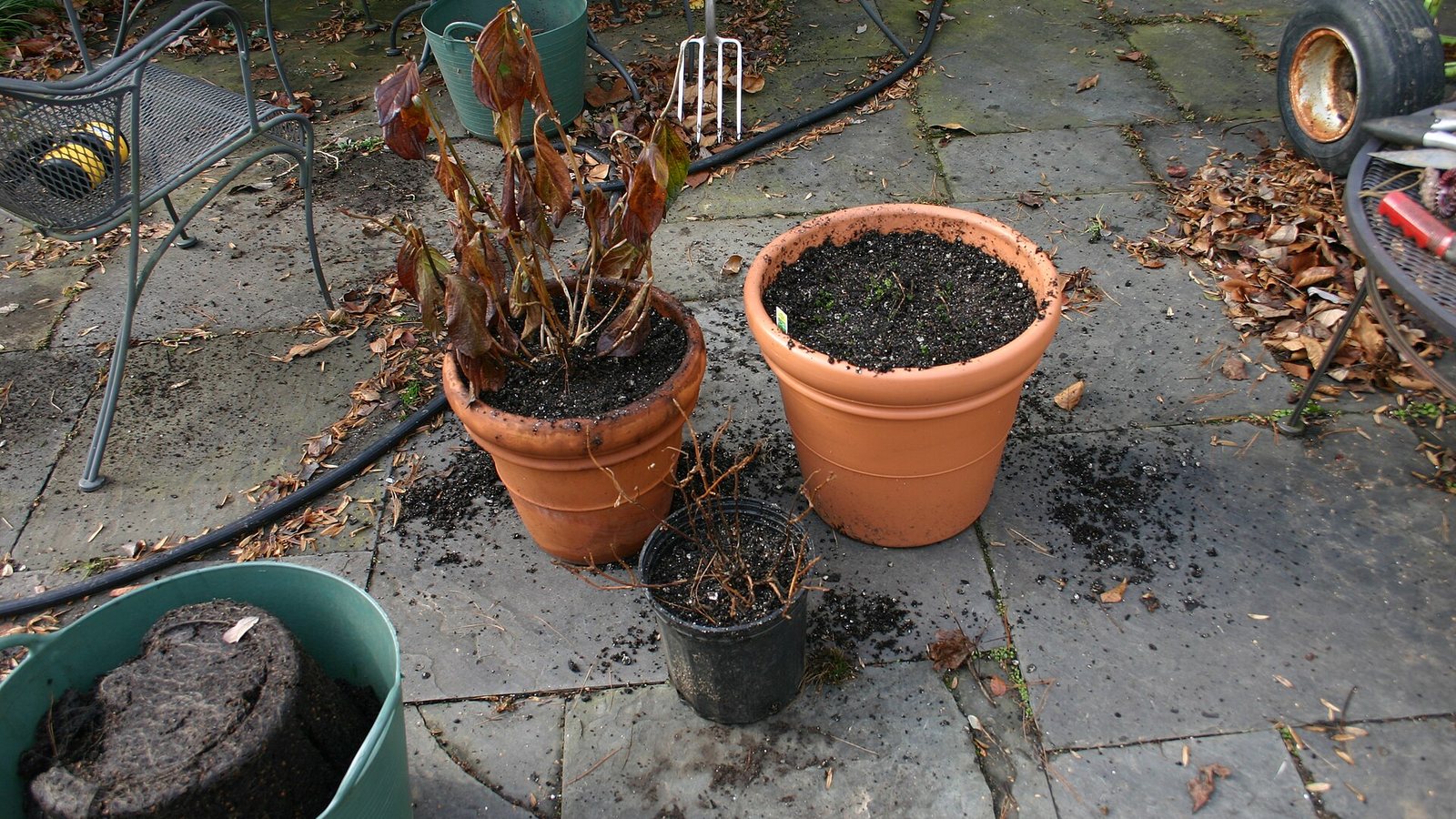
The quickest way to be sure is to look. Water the plant a day or so before, spread your fingers over the mix on either side of the stem, turn the pot upside down and tap the rim on a solid edge until the root ball slides out. Colorado State University (CSU) Extension puts it simply: if the roots form a white mass circling the container, it is time to repot. If you can still see plenty of mix between the roots, slide the plant back in and leave it alone.
While the roots are out, check their colour and feel. Healthy roots are white or light and firm. If you find brown or black, soft, foul-smelling roots, the problem is root rot, not pot size, and a bigger pot of wet mix will only make it worse: follow our root rot rescue plan first. If the plant is too big or heavy to lift out, count how many of the signs below it shows: the more of them, the more it needs a new pot.
The 7 real signs a plant needs a new pot
| Sign | What it usually means | When to act |
|---|---|---|
| Roots growing out of the drainage holes | Roots have run out of room | Repot in spring or early summer |
| Roots circling the inside of the pot in a solid mass | Root bound | Repot one size up in the growing season |
| Wilts soon after watering, or needs water far more often than before | Too little mix left to hold water | Repot soon; water more often until you do |
| Water runs straight through, or sits on top and soaks in slowly | Mix compacted, slumped or filled with roots | Repot or refresh the mix |
| Mix level has sunk well below the rim | Old compost has broken down and settled | Refresh the mix, even in the same pot |
| Growth has slowed despite good light and care | Roots may lack space | Check the roots next spring |
| Pot has no drainage hole | Water collects at the bottom | Move into a pot with holes |
The first three come straight from Clemson Cooperative Extension's list: a solid mass of roots, roots growing out of the drainage hole, and a plant that needs frequent watering or wilts shortly after being watered. The Royal Horticultural Society (RHS) adds that roots spiralling around the bottom of the container or growing out through the holes can stop water draining properly and lead to root rot, that slowed growth can mean the roots lack space, and that compost settles over time so its level drops. University of Illinois Extension says that a plant in a container without drainage holes should be moved to one that has them, because drainage is essential.
If what you find is a dense, circling root ball, our guide to root-bound plants explains how to loosen, trim or pot up the roots.
False alarms: when not to repot
Some of the most common reasons people repot are not reasons at all, and a few make things worse.
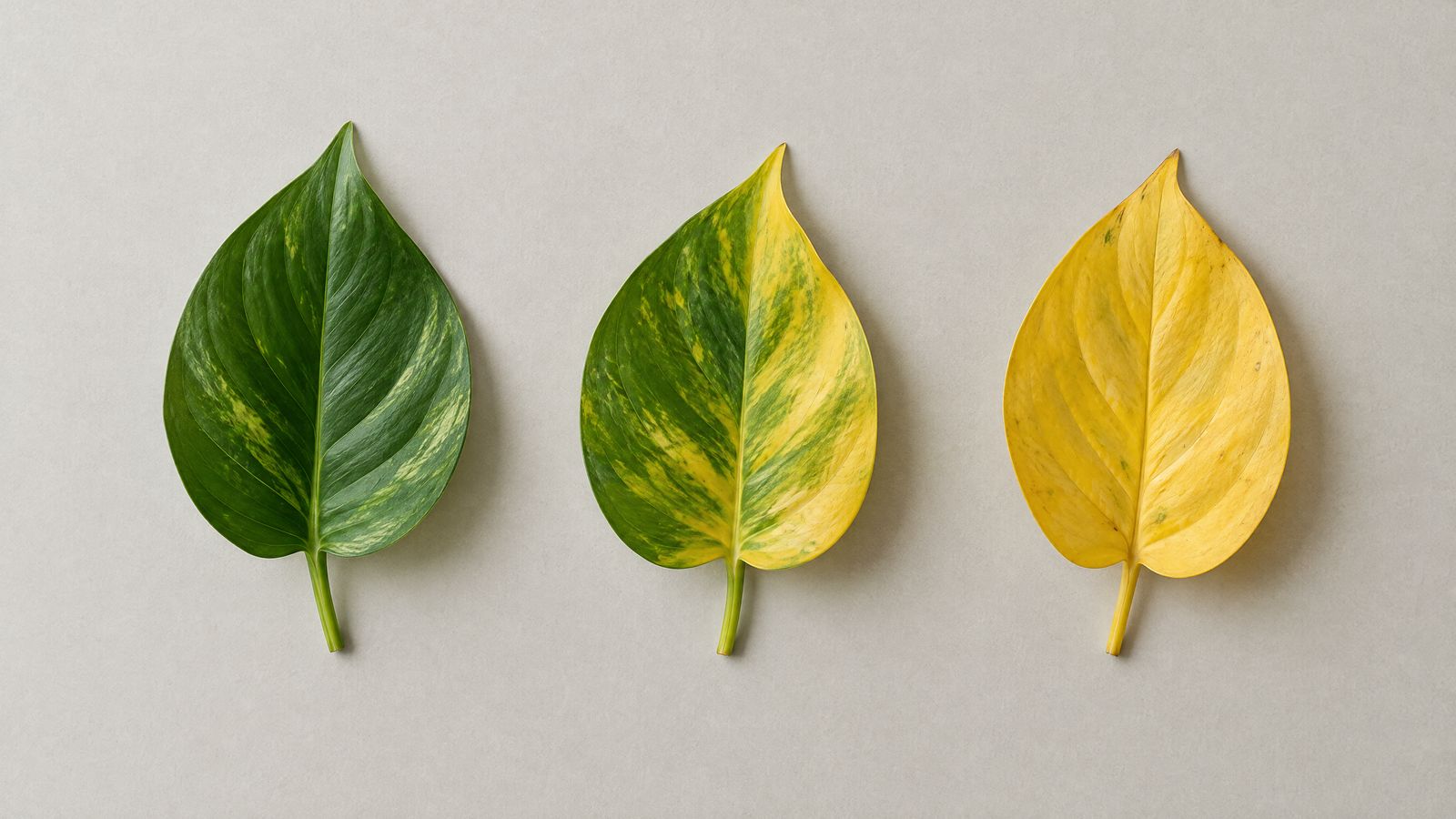
- Yellow or drooping leaves. These usually point to watering, light or pests, not pot size. Repotting a stressed plant adds a second shock. Work through our yellow leaves diagnosis guide first.
- You have just bought it. A new plant is already adjusting to a new home. Unless its pot has no drainage hole or the roots are bursting out, let it settle in for a while and check the roots in spring.
- It is spring. Spring is the best time to repot, but only plants that need it. Clemson advises repotting only when needed.
- The plant is flowering, dormant or sick. Clemson recommends not repotting plants that are sick, dormant or starting to flower. The exception is root rot, which cannot wait.
- A white crust on the soil. Mineral or salt deposits on the surface can be scraped off and replaced with fresh mix. The University of Arkansas Extension notes this does more for appearance than for the plant, so it is not a reason for a new pot on its own.
How often do houseplants need repotting?
There is no single number, because it depends on how fast the plant grows. Clemson says fast-growing plants may need repotting every year, while slow growers can go two to three years. The RHS says many container plants manage three to five years, depending on their vigour, the compost and the size of the container. A few even prefer a tight pot: Clemson notes that amaryllis does well when pot bound.
A practical rule: check the roots of every plant once a year in spring, repot only those that show the signs above, and refresh the top layer of mix on the rest. For plants too big to lift, Clemson suggests replacing the top 5–8 cm (2–3 in) of old mix with fresh mix about every other year.
When is the best time to repot?
In spring or early summer, when the plant is starting into active growth. CSU says houseplants respond best to transplanting in spring, and the RHS advises avoiding autumn and winter, when slow growth can leave fresh compost too wet. In the Southern Hemisphere that means roughly September to December; in the Northern Hemisphere, March to June.
If you spot the signs in autumn or winter and the plant is coping, water it a little more often, check the mix by touch and wait until spring. Only repot straight away if it is wilting every day, water no longer soaks in or the roots are rotting.
Repotting: what to do once you have decided
Choose a pot only 2.5–5 cm (1–2 in) wider than the old one, as CSU and Clemson recommend, with a drainage hole and fresh potting mix. Our guide to repotting without stress walks through every step, and if the plant droops afterwards, repotting shock explains how to help it recover. To avoid guessing next year, Flori can set a yearly repotting reminder for each plant in your collection.
Frequently asked questions
How do I know if my plant needs a bigger pot?
Look for roots growing out of the drainage holes, wilting soon after watering or water running straight through. Then slide the root ball out: a solid, circling mass of roots means it is time.
Should I repot a plant right after buying it?
Usually not. Let it settle in its new home first and check the roots in spring, unless the pot has no drainage hole or the roots are already bursting out.
Do yellow leaves mean a plant needs repotting?
Rarely. Yellow leaves usually come from watering, light or pests. Find the cause before repotting, because moving a stressed plant adds more stress.
How often should houseplants be repotted?
Fast growers may need it every year and slow growers every two to three years; many container plants last three to five years. Check the roots each spring and repot only when they are crowded.
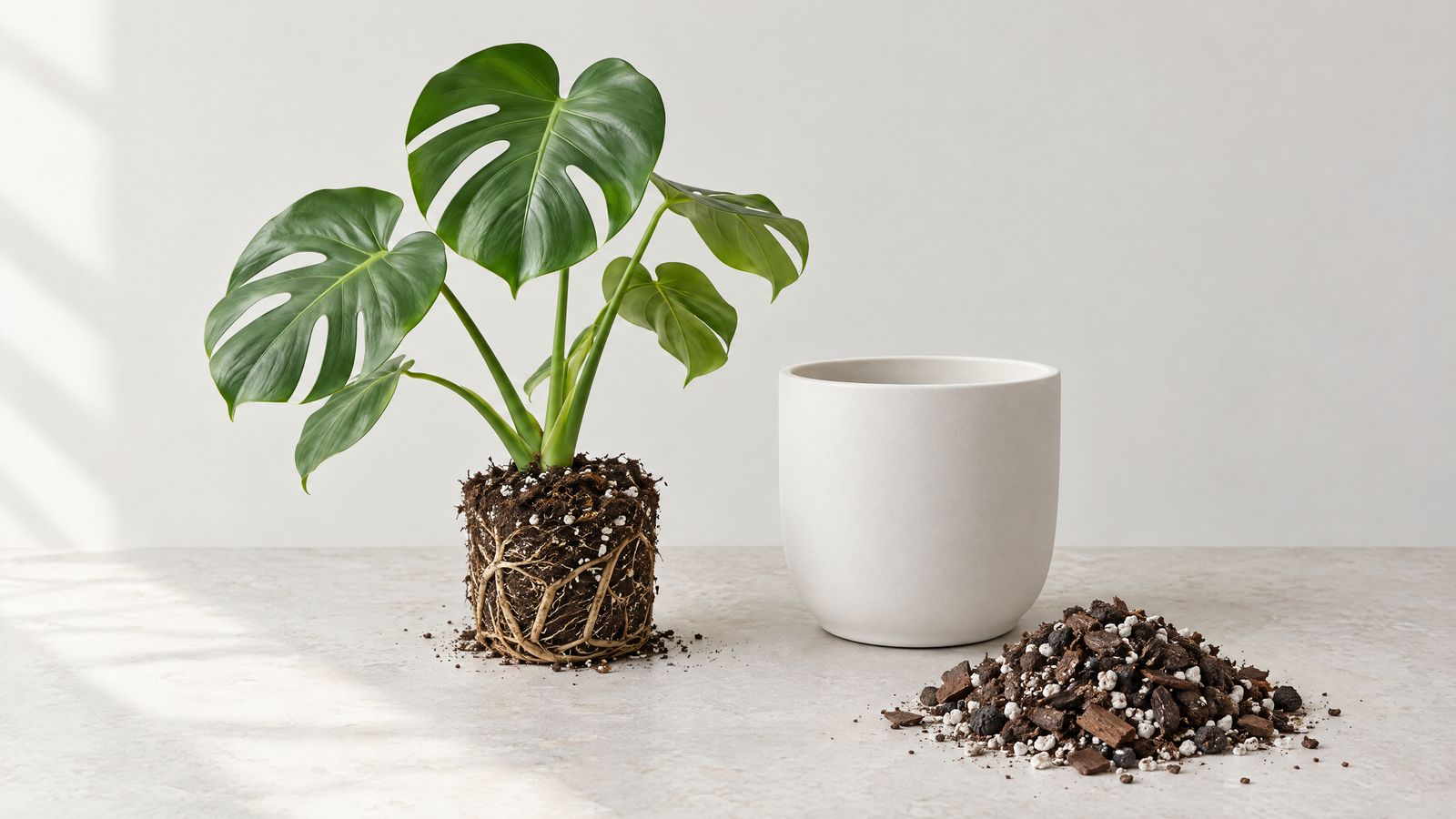
When to repot a houseplant, how much bigger the new pot should be, which potting mix to use and how to water afterwards so the plant settles in fast.
Sources
- Clemson Cooperative Extension HGIC: Indoor Plants: Transplanting
- Colorado State University Extension PlantTalk: Houseplants: Repotting
- Royal Horticultural Society: How to repot a plant
- University of Illinois Extension: Tips for repotting houseplants
- University of Arkansas Cooperative Extension: Training and Grooming Houseplants
Written and fact-checked by the Flori team. Every guide cites horticultural sources such as the RHS, university extension services and the ASPCA, and is updated when the advice changes. How we write our guides
General plant care information. Plants vary; when a plant is valuable or a problem spreads quickly, consult a local nursery or plant specialist.