Repotting Shock: How to Help Your Plant Recover
Drooping or yellowing after repotting? How to tell repotting shock from overwatering or root rot, and the calm steps that help a plant recover.
 By Flori editorial team · Updated
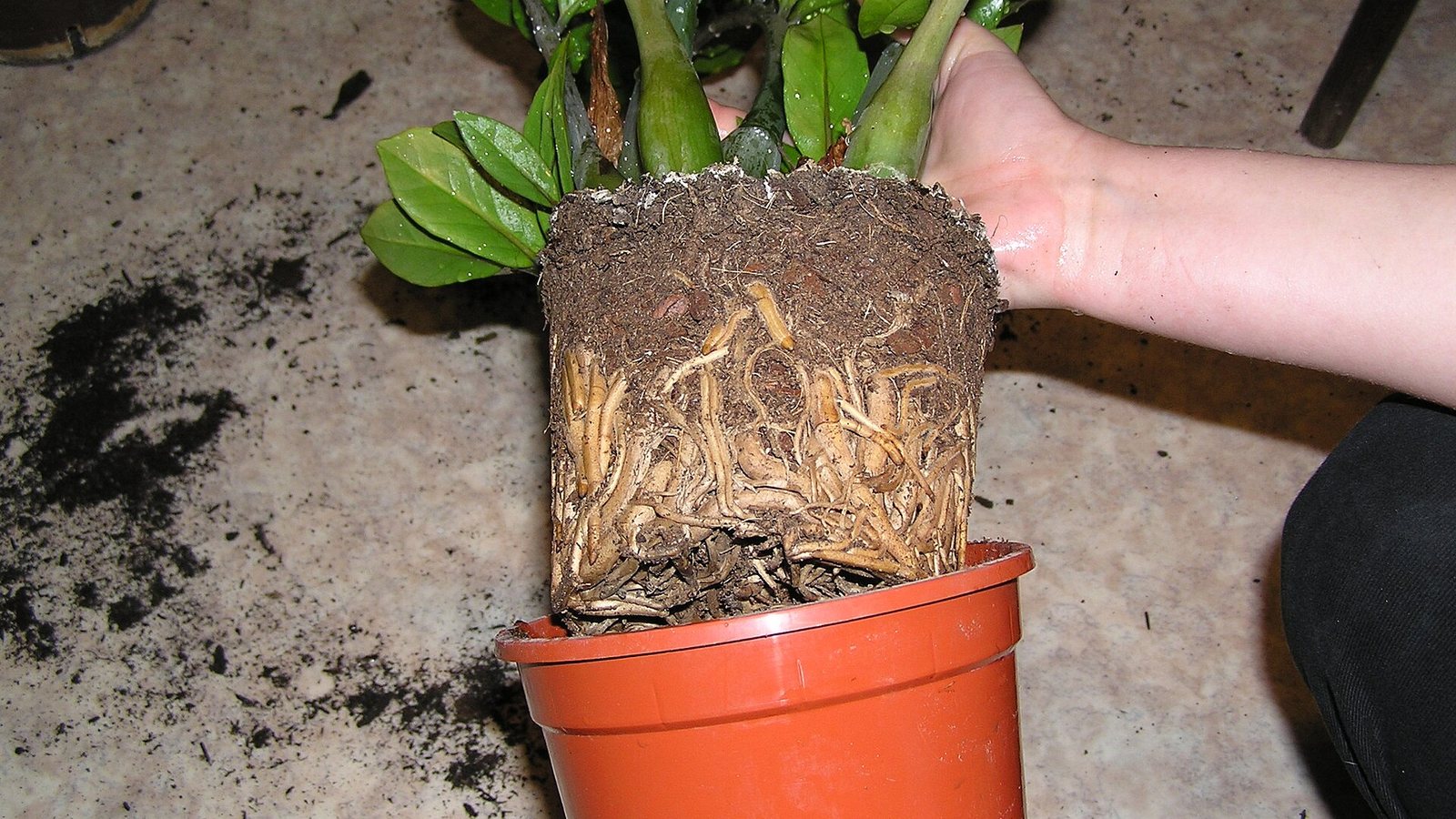
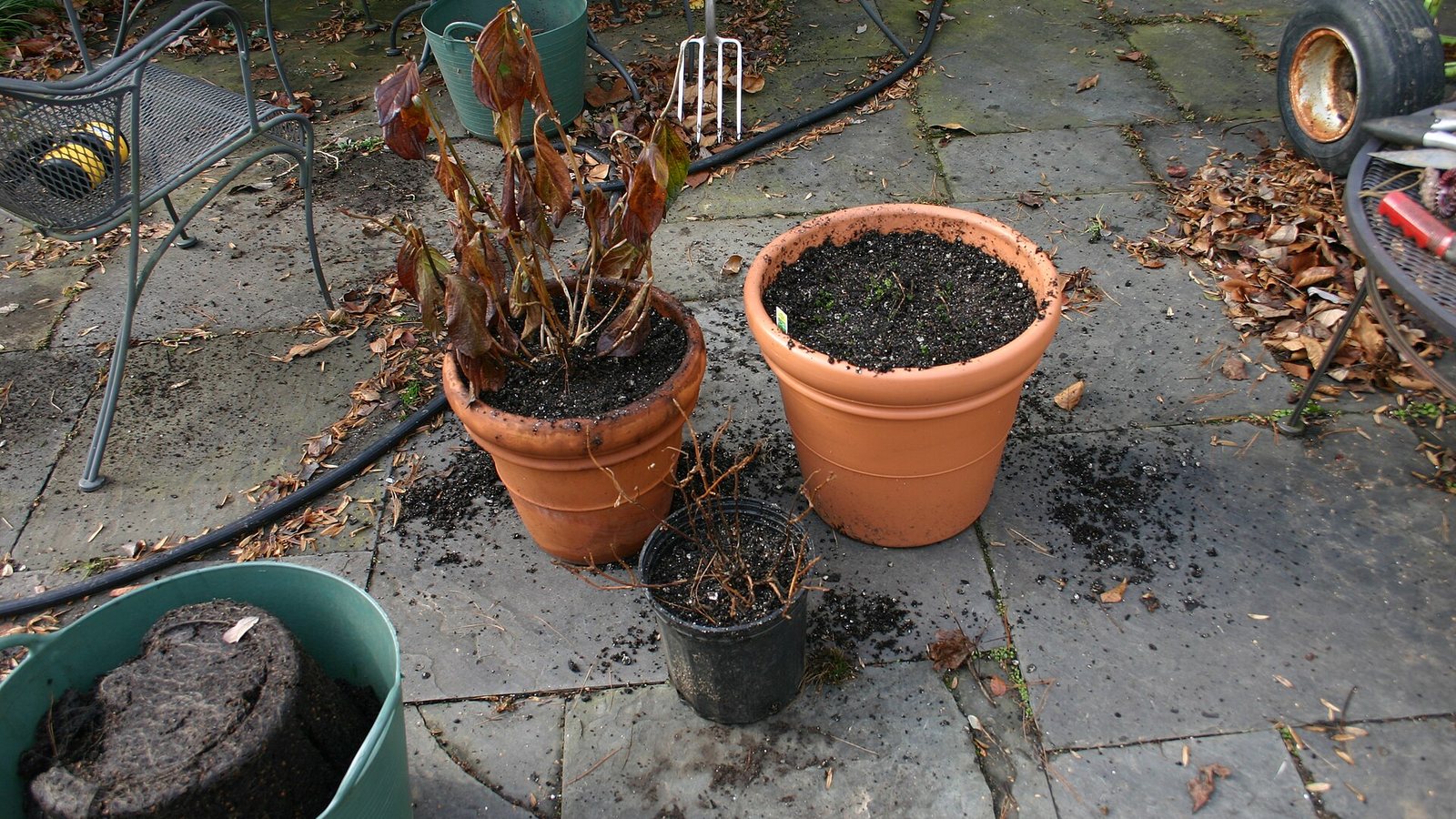 Photo: User:SB_Johnny · CC BY-SA 3.0
Repotting shock is the wilting, drooping or leaf drop a plant shows after its roots are disturbed. Most plants recover with time, steady watering and suitable light. Keep it in its usual spot, water only when the top of the mix starts to dry, skip fertilizer, and do not repot it again unless the roots are rotting.
Key takeaways
- Some wilting or leaf drop after repotting is common; most plants recover with time, water and light.
- Check the mix before watering: a bigger pot of fresh mix stays wet longer than the old one.
- Keep the plant where it was, out of hot sun and draughts, and do not fertilize yet.
- Do not repot again unless you find black, mushy roots or a sour smell.
- Prevent shock next time: repot in spring, move up only one pot size and loosen roots gently.
On this page6
What is repotting shock?
You moved your plant into a fresh pot, and a few days later it looks worse than before: leaves hang limp, a couple turn yellow, maybe one or two drop. This is what gardeners call repotting shock, or transplant shock. Repotting tears and disturbs fine roots, and until new ones grow the plant cannot take up water as well as its leaves need. University of Illinois Extension describes repotting as "quite stressful for the plant": houseplants may wilt or die back somewhat, trees may drop leaves, and recovery usually comes with time, adequate water and the right light.
The hard part is that the same symptoms can come from mistakes made during or after the move, especially overwatering a pot that is now much larger. This guide helps you work out which one you are dealing with, with a symptom table and a recovery plan, so you fix the cause instead of fussing the plant to death.
Is it shock or something else?
Start by pushing a finger 2–3 cm (1 in) into the mix and looking closely at the leaves. Then compare with this table.
| What you see | Likely cause | What to do first |
|---|---|---|
| Leaves limp within a few days, mix moist but not soggy | Repotting shock: roots disturbed | Keep conditions steady and wait; do not add more water |
| Wilting, mix dry at finger depth | Too little water, or water ran down the sides of a dry root ball | Water slowly until it drains, repeat once so the root ball wets through |
| Wilting and yellowing, mix wet and heavy days later | Overwatering, often in a pot that is too big | Stop watering, empty the saucer, let the top layer dry |
| Lower leaves yellow and fall, stem soft at the base, sour smell | Root rot starting | Check the roots now and trim rotten ones |
| Pale or scorched patches after moving to a sunnier spot | Sun scorch on top of root stress | Move back to its usual light |
| Plant sinks or leans, soil line higher on the stem than before | Planted too deep, or mix settled | Reset at the old depth when the plant has recovered |
If the mix stays wet for a week or more and the plant keeps declining, do not wait it out: slide the root ball out and look. Healthy roots are white and firm. Colorado State University (CSU) Extension advises cutting away black, mushy roots. Our root rot rescue plan walks through the rest.
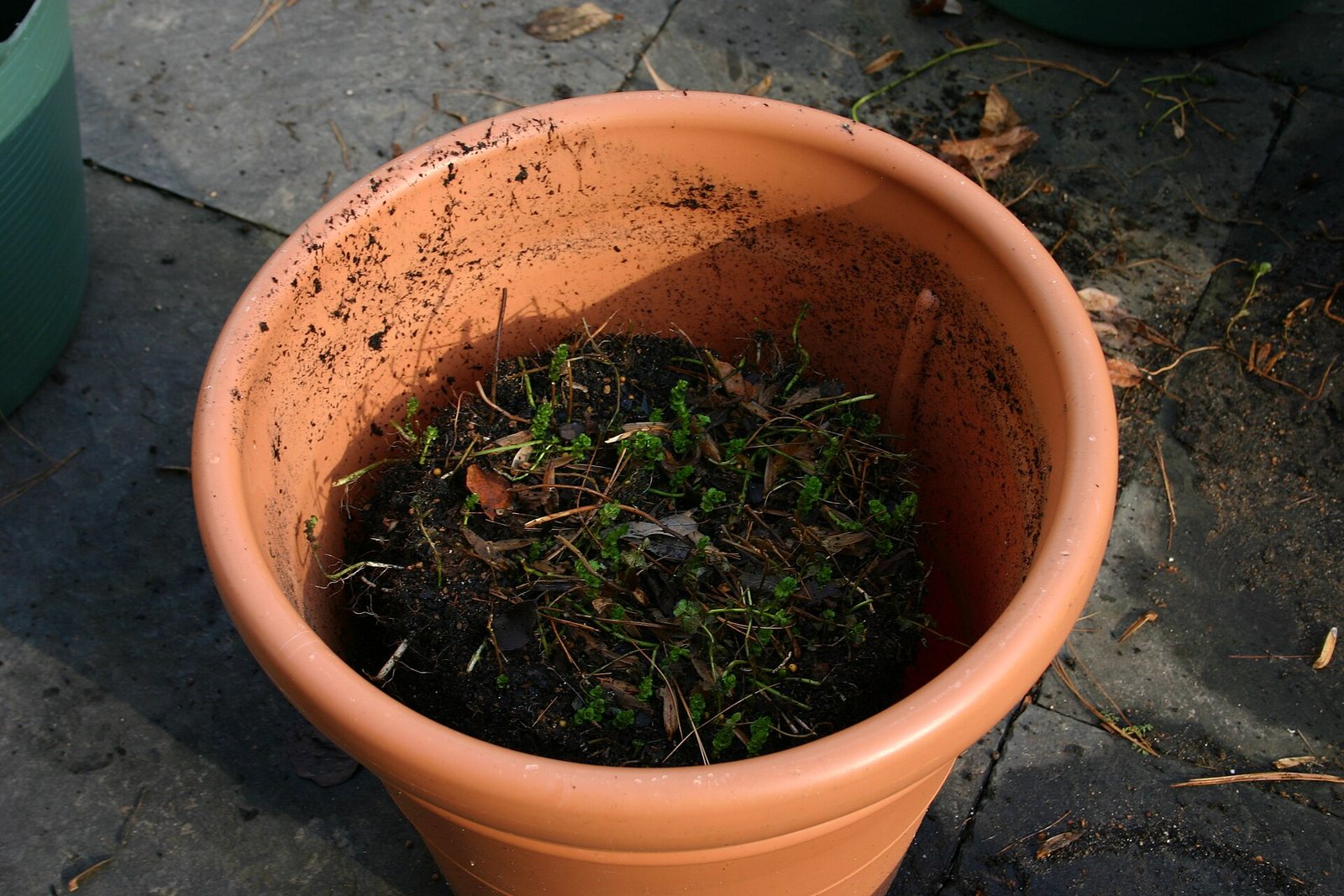
How to help a plant recover after repotting
- Leave it where it was. Same window, same room. A plant with damaged roots should only have one change to cope with, so avoid moving it into stronger sun, next to a radiator or into a cold draught.
- Water by touch, not by calendar. CSU's rule after repotting is to keep the mix moist but not to overwater. A bigger pot of fresh mix dries more slowly than the old, root-filled pot, so the old schedule is often too much. Water when the top 2–3 cm (1 in) feels dry.
- Let it drain. Illinois Extension suggests emptying any water left in the saucer after about 20 minutes. Roots sitting in water cannot recover.
- Skip the fertilizer. Most bagged potting mixes already contain some fertilizer, and damaged roots cannot use extra feed. Wait until you see new leaves before you start feeding again.
- Trim only what is dead. Remove fully yellow or brown leaves with clean scissors so they do not rot on the soil. Leave green leaves alone, even if they droop; they are still feeding the plant.
- Do not repot again. A second move tears the new roots the plant has just started to grow. The only exception is root rot.
How long does repotting shock last?
The extension services we checked do not give a fixed number of days, and it varies with the plant, the season and how much root was lost. A plant repotted in spring, when it is growing strongly, usually perks up fastest. One repotted in autumn or winter can sulk much longer, because, as the Royal Horticultural Society (RHS) points out, slow growth in those seasons can leave fresh compost too wet. Some plants also simply tolerate transplanting less well than others, as Illinois Extension notes.
Signs that recovery has started: leaves firm up in the morning, no new leaves yellow, and eventually a new leaf or shoot appears. If the plant keeps getting worse for more than a couple of weeks, look again at the roots and the watering rather than waiting longer. Our guide to why a plant droops covers other causes that can hide behind wilting.
Not sure whether you are looking at shock or rot? Describe what you see or send a photo to Dr. Flori in the Flori app. It asks a few follow-up questions, names the likely cause, says how urgent it is and gives a recovery plan, and the Plant Hospital can keep the plant under watch with follow-up checks while it settles.
Why do some plants go into shock and others do not?
Most shock comes from how much root is lost and how much extra stress is piled on top. The usual culprits:
- Repotting at the wrong time. Clemson Cooperative Extension advises repotting in spring or summer while the plant is actively growing, and not repotting plants that are sick, dormant or starting to flower.
- Too big a jump in pot size. CSU and Clemson recommend a pot only 2.5–5 cm (1–2 in) wider than the old one. A much bigger pot holds more wet mix than the roots can use.
- Rough root handling. Teasing circling roots apart is fine; ripping off half the root ball is not. If the roots are very tight, scoring the root ball in a few places with a sharp knife is gentler.
- Planting deeper than before. Clemson warns not to cover the root ball above its original soil line.
- Packing wet mix hard. It squeezes out the air roots need. Firm the mix gently with your fingers instead.
How to avoid repotting shock next time
Repot only when the roots need it, not on a schedule, and do it in spring. Water the plant an hour or so before you start, as Illinois Extension suggests, so the root ball slides out more easily and holds together. Move up one pot size, keep the old planting depth, water thoroughly once and then let the mix tell you when the next drink is due. For the full step-by-step method, see our guide to repotting without stress, and for watering by feel, how to water houseplants.
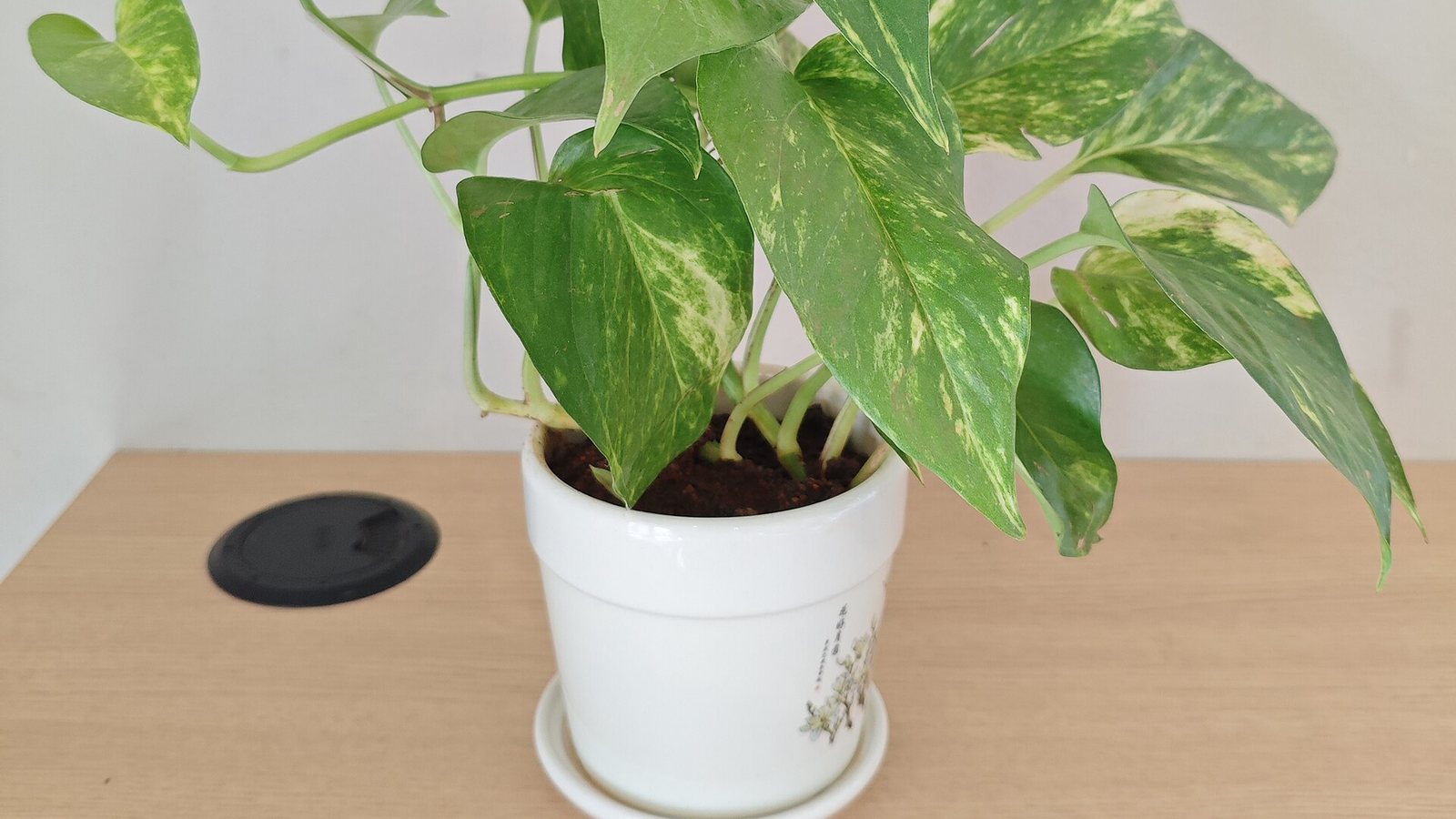
If your plant is toxic to pets, such as pothos (Epipremnum aureum), which the ASPCA lists as toxic to cats and dogs, sweep up dropped leaves and trimmings straight away while it recovers.
Frequently asked questions
Is it normal for a plant to droop after repotting?
Yes, some wilting or a few dropped leaves are common because roots were disturbed. University of Illinois Extension says plants usually recover with time, adequate water and the right light.
Should I water a plant with repotting shock more?
No. Water only when the top 2–3 cm (1 in) of mix is dry. Extra water in a larger pot of fresh mix is one of the most common reasons a plant gets worse after repotting.
Should I fertilize a plant after repotting?
Not straight away. Most potting mixes already contain some fertilizer and stressed roots cannot use more. Start feeding again once new growth appears.
Can a plant die from repotting shock?
It can if the stress is followed by overwatering or rot, or if most of the roots were lost. Keep conditions steady, water by touch and check the roots if the plant keeps declining.
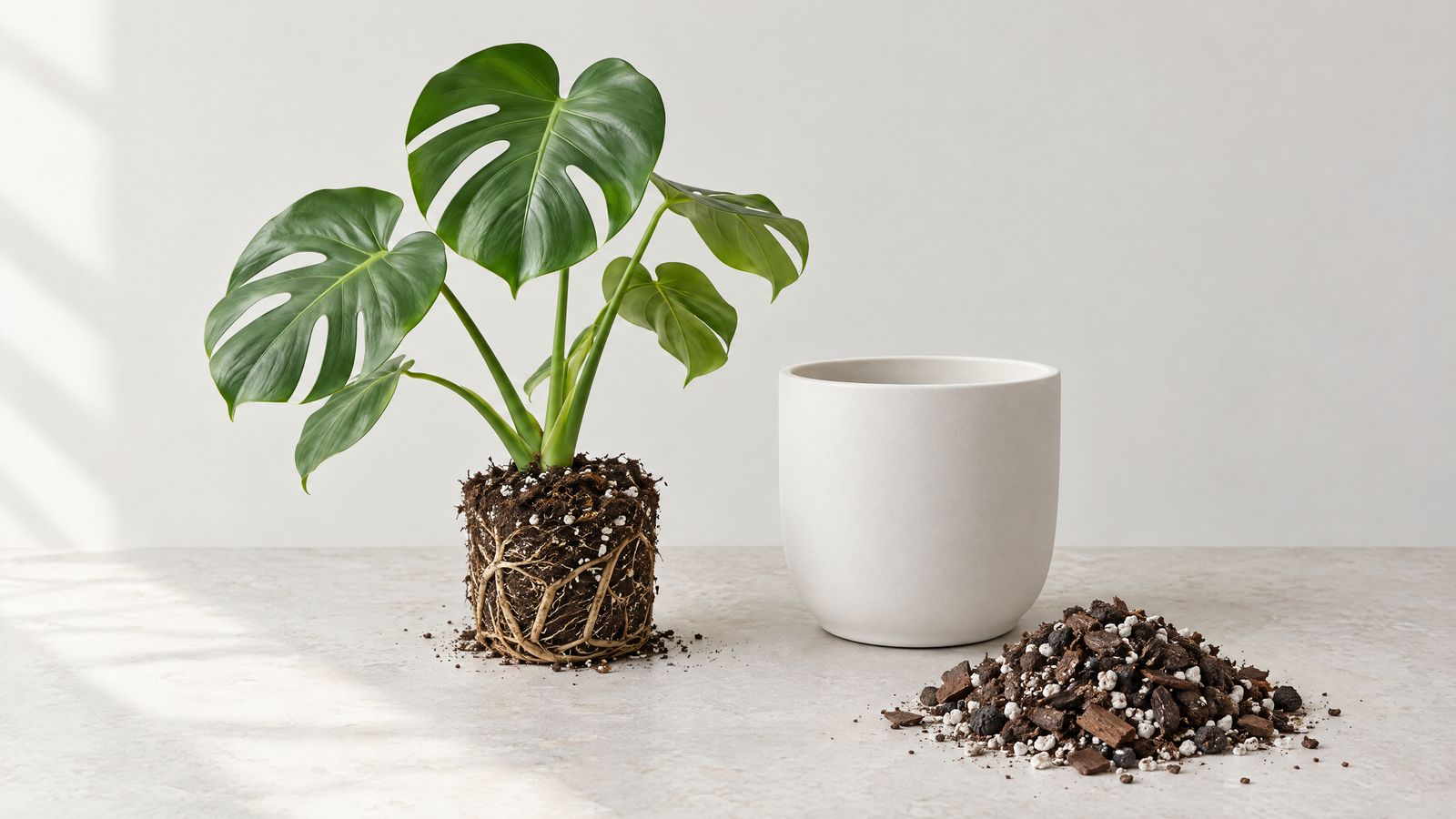
When to repot a houseplant, how much bigger the new pot should be, which potting mix to use and how to water afterwards so the plant settles in fast.
Sources
Written and fact-checked by the Flori team. Every guide cites horticultural sources such as the RHS, university extension services and the ASPCA, and is updated when the advice changes. How we write our guides
General plant care information. Plants vary; when a plant is valuable or a problem spreads quickly, consult a local nursery or plant specialist.