Leaf Sunburn on Houseplants: Signs, Causes, Fixes
Pale, bleached patches that turn brown and crisp on the sunny side? That is leaf sunburn. Tell it from look-alikes, move the plant and help it recover.
 By Flori editorial team · Updated
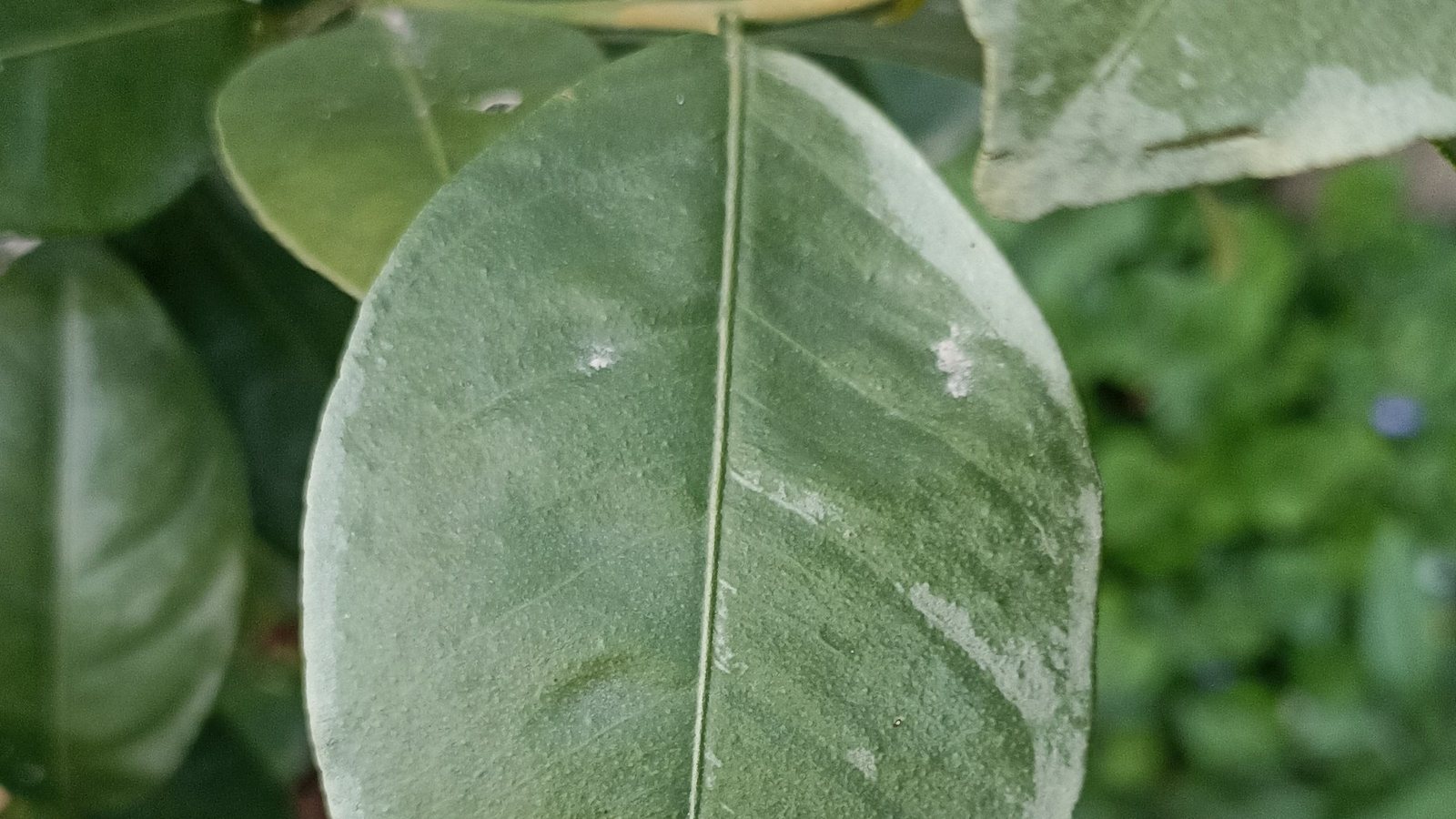 Photo: Eiku en exil · CC BY-SA 4.0
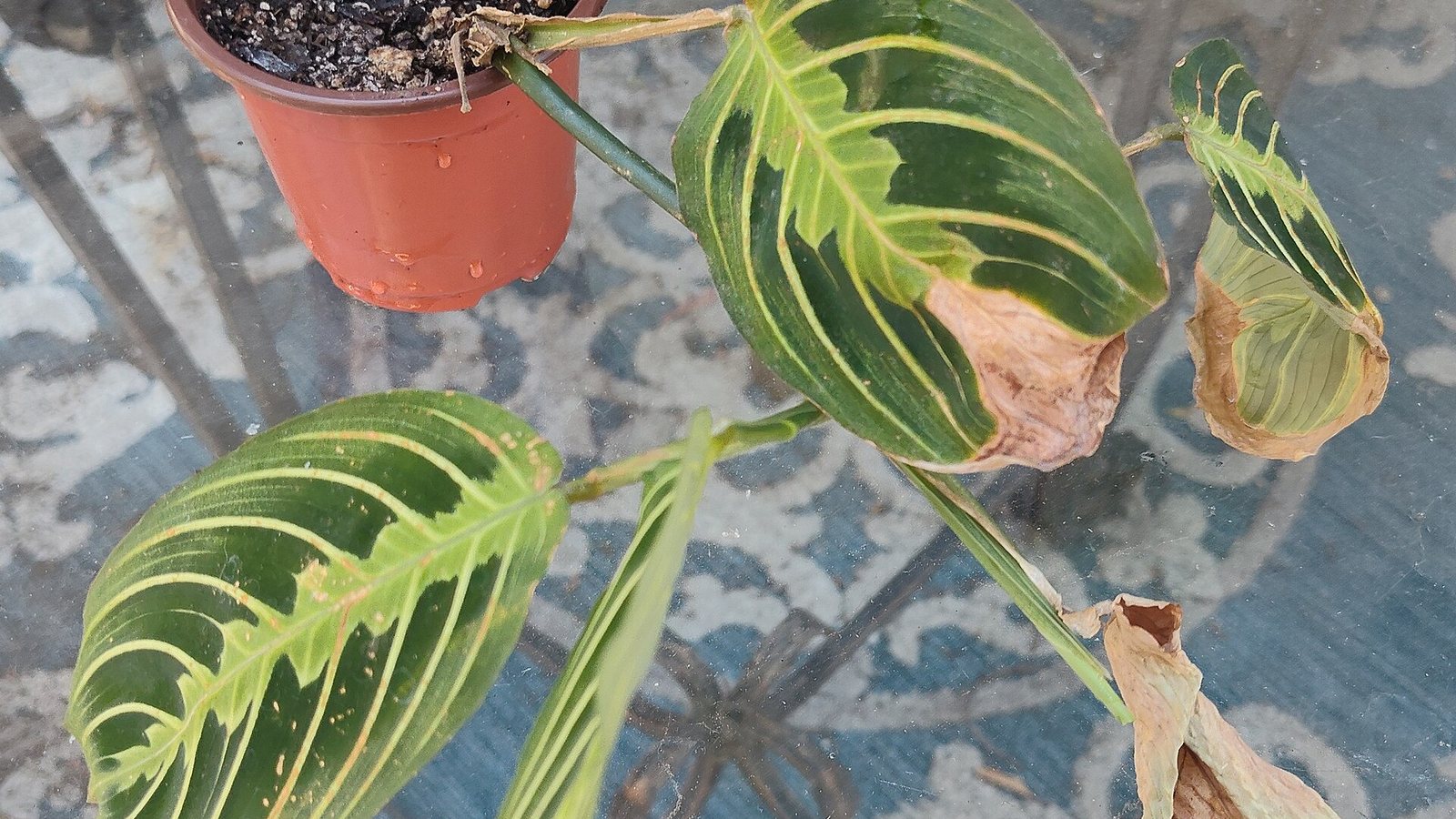
Sunburned houseplant leaves show pale, bleached or yellowed patches on the side facing the light, which later turn brown and brittle. It happens when a plant meets stronger sun than it is used to, often after a move. Shift it out of direct midday sun, keep the soil evenly moist and judge recovery by new leaves.
Key takeaways
- Sunburn starts as pale, bleached or faded patches that later turn brown and brittle, mostly on the leaves facing the light.
- It usually follows a change: a move to a sunnier window, outdoors, or the first strong sun of spring or summer.
- Dry soil makes it worse, so keep sun-exposed plants evenly watered.
- Burned patches never turn green again; trim badly damaged leaves and judge recovery by new growth.
- Prevent it by moving plants into stronger light gradually, starting with about 2 hours of direct sun a day.
On this page7
What does sunburn look like on houseplant leaves?
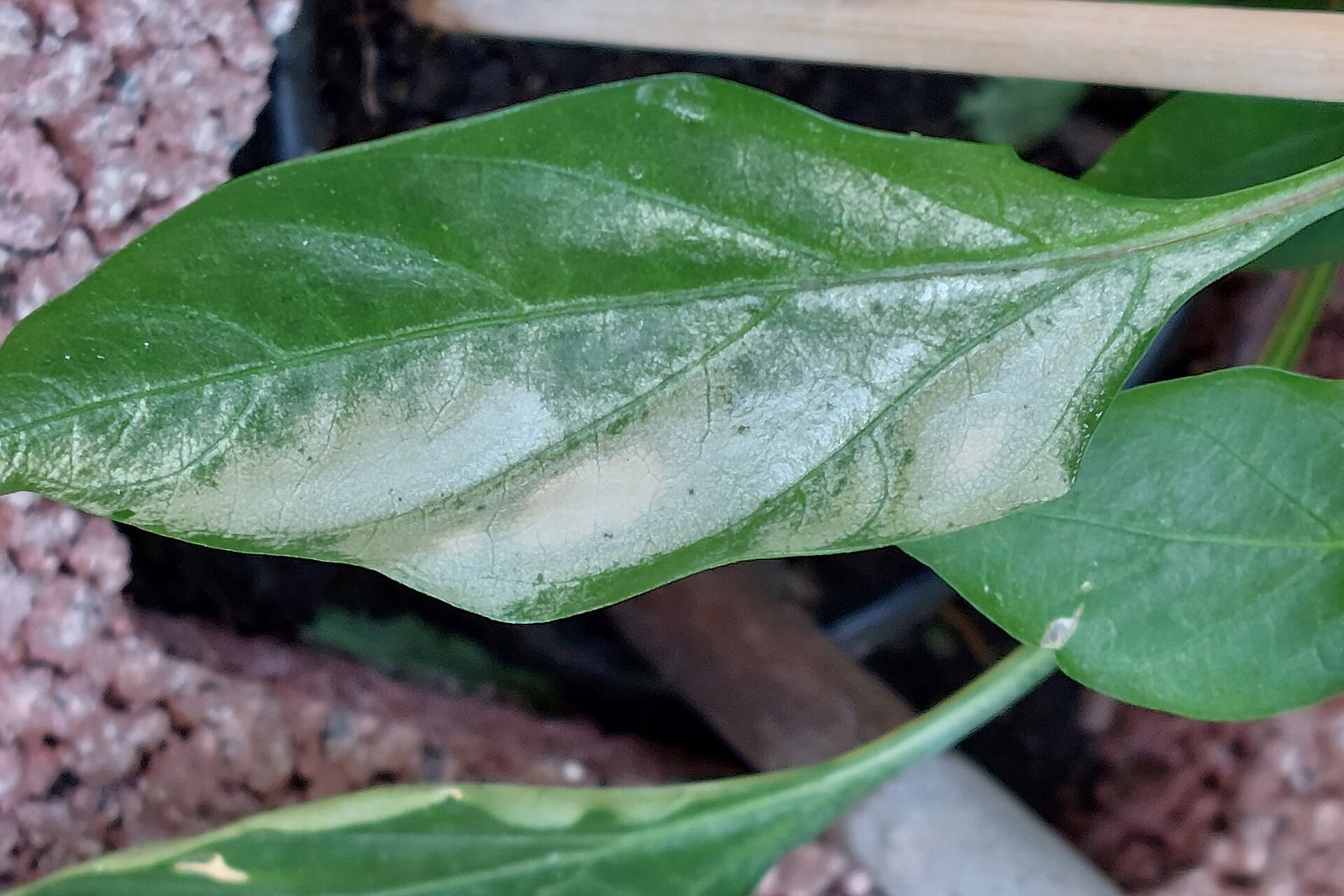
Leaf sunburn on houseplants shows up as pale, washed-out patches on the leaves that get the most light. University of Maryland Extension describes it clearly: strong sun and heat break down the chlorophyll in the leaf, so the damage first appears as pale, bleached or faded areas, which later turn brown and brittle. Because other problems also leave pale or brown patches, this guide gives you a symptom, cause and fix table to rule out the look-alikes, then a plan to stop it happening again.
Where the damage sits is the best clue. Sunburn shows on the parts of the plant that face the window or the sky: the top leaves, the outer leaves, the side turned to the glass. Leaves shaded by others usually stay green. The RHS notes that the upper leaves of shade-loving plants often turn brown when they are put in too much light, and that strong midday sun can make leaves droop or scorch yellow.
Why do houseplants get sunburned?
A plant burns when it gets more direct sun than its leaves are built for. Leaves that grew in soft light are thinner and cannot cope with a sudden jump in intensity. The most common triggers are:
- A move to a brighter spot. A plant that lived in a dim corner goes to a south-facing window (north-facing in the Southern Hemisphere).
- Going outdoors for summer. UMD notes that indoor plants used to low light burn when moved straight outside without a hardening-off period.
- A change in season. As the sun climbs in spring and summer, a window that was gentle in winter can become harsh. The RHS suggests brighter, south-facing sills in winter, so remember to move plants back as the light strengthens.
- Dry soil. UMD says the symptoms are more severe when strong sun comes with dry soil.
- The wrong plant in the window. Shade lovers such as ferns and calatheas, and even forest cacti, burn where a desert cactus would be happy. Clemson Extension notes that holiday cacti need bright but filtered light and may sunburn in direct sun.
Is it sunburn or something else?
Compare what you see with this table before you act.
| What you see | Likely cause | What to do first |
|---|---|---|
| Pale, bleached or yellow patches on the leaves facing the light, turning brown and crisp | Sunburn | Move out of direct midday sun, keep soil evenly moist |
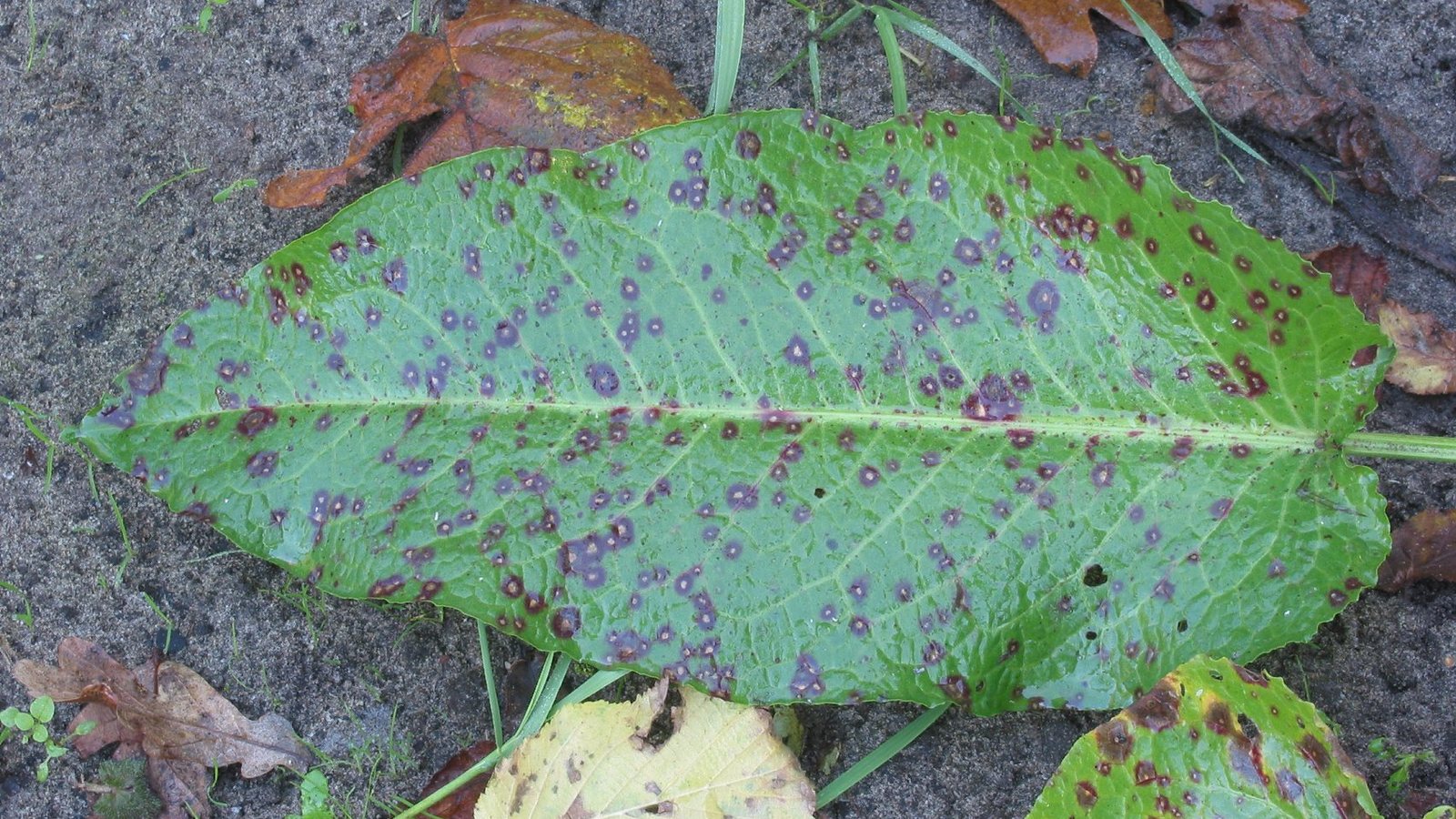
| Brown spots with yellow edges, sometimes with tiny black dots, anywhere on the plant | Fungal leaf spot | Remove spotted leaves, keep leaves dry; see our fungal leaf spot guide |
| White or straw-coloured spots or rings after watering or spraying | Cold water or aerosol damage (RHS) | Use room-temperature water, keep sprays off leaves |
| Only the tips and edges brown, all over the plant | Dry air, salts or uneven watering | See our brown leaf tips guide |
| Pale, small new leaves on long, stretched stems | Too little light, not too much | Move closer to the light gradually |
| Wilting and scorched leaves after a hot spell | Heat stress | Water, shade and cool the plant |
The last two rows are easy to mix up with sunburn. Paleness from too little light affects the whole plant and comes with stretched growth; our guide to the signs of low light lists them. Heat stress on a hot windowsill often comes together with sunburn; our summer heat guide covers that side.
What to do when a houseplant gets sunburned
- Move it out of direct midday sun. The RHS advises moving plants to a shadier position if they are in a bright window. A spot a little back from the glass, or behind a sheer curtain, keeps the light bright but gentle.
- Check the soil. Since dry soil makes sun damage worse, water thoroughly if the mix is dry, then return to a normal routine. Do not drown the plant to make up for the damage.
- Leave the damaged leaves for now. A leaf with a burned patch still makes food with its green parts. Remove a leaf only when most of it is brown or it looks untidy enough to bother you.
- Hold off on fertiliser. Feeding does not repair burned tissue. Wait until the plant is putting out new leaves.
- Watch the new growth. Healthy new leaves in the new spot tell you the light is now right.
Will sunburned leaves recover?
The burned patches will not. NC State Extension notes that sunscald damage stays on the affected parts, but the rest of the plant can recover and keep growing. Expect bleached areas to stay pale or turn brown. Most plants recover well because the damage is limited to the leaves that faced the sun; a plant that has lost most of its leaves will take a full growing season to fill out again.
If you are not sure the cause is the sun, describe the spot and the window to Dr. Flori in the Flori app, or send a photo of the damaged leaf and the whole plant. It asks follow-up questions, names the likely cause and how urgent it is.
How to move a plant into brighter light without burning it
The fix is patience: let the leaves adjust over days or weeks. UMD suggests starting with about 2 hours of full sun a day and increasing the time gradually. Clemson gives similar advice for cacti moved outdoors: partial shade for the first few weeks so they can adjust to brighter light.
- Move a plant one step at a time: from a dim room to a bright room, then to the window, over a couple of weeks.
- Give morning sun before afternoon sun: it is gentler.
- When plants go outside for summer, start in full shade, then partial shade, then sun.
- Check the light care profile of the plant before you choose its window. A Smart light meter, like the one in Flori, shows how bright a spot really is.
- Keep the soil evenly moist while the plant is adjusting.
Which houseplants burn most easily?
Plants from shady forest floors are the most at risk: ferns, calatheas, peace lilies, many philodendrons and pothos, and holiday cacti. Even sun lovers such as succulents and desert cacti can burn if they spent winter in low light and are put straight into strong summer sun. Clemson notes that desert cacti do best with several hours of direct sun from a south- or west-facing window, but the change still has to be gradual.
Frequently asked questions
Should I cut off sunburned leaves?
Only if most of the leaf is brown or it bothers you. The green parts of a partly burned leaf still feed the plant, so leaving it for a while helps recovery.
Can a plant get sunburned through a window?
Yes. A sunny window can be strong enough to burn shade-loving plants, especially when they are moved there suddenly or the sun gets stronger in spring and summer.
Do sunburned leaves turn green again?
No. Bleached tissue has lost its chlorophyll and stays pale or turns brown. The plant recovers by growing new, healthy leaves.
Can succulents get sunburned?
Yes, when they move suddenly from low light to strong sun, for example after a winter indoors. Increase their direct sun gradually over a couple of weeks.
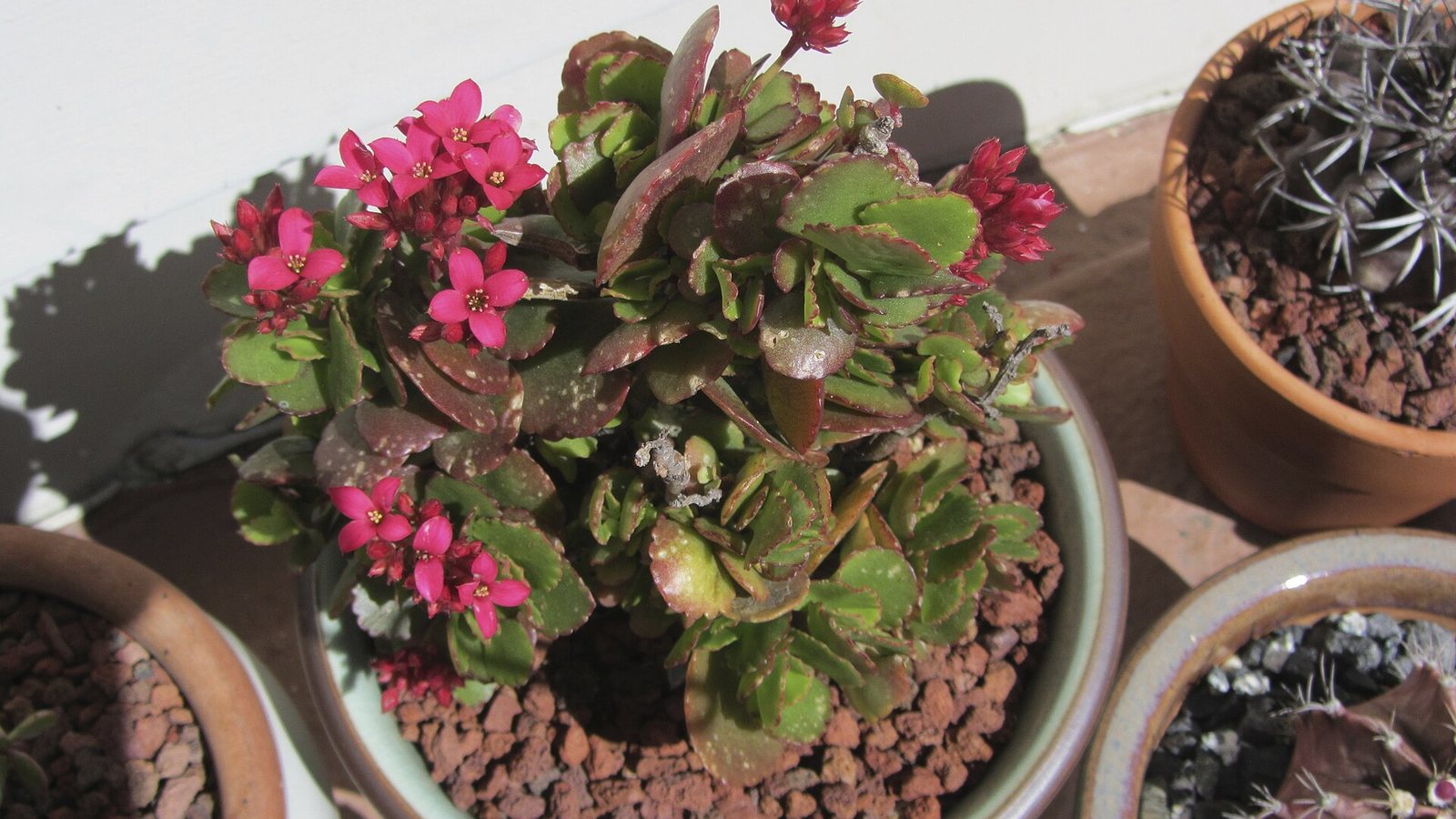
Protect houseplants in summer heat: a symptom, cause and fix table, which plants can stay on a hot sunny sill, watering in a heatwave and moving pots outdoors.
Sources
Written and fact-checked by the Flori team. Every guide cites horticultural sources such as the RHS, university extension services and the ASPCA, and is updated when the advice changes. How we write our guides
General plant care information. Plants vary; when a plant is valuable or a problem spreads quickly, consult a local nursery or plant specialist.