String of Pearls Care: Why the Pearls Shrivel
String of pearls care: why the pearls shrivel (thirst, rot or light), how to check, how often to water, plus light, soil and pet safety.
 By Flori editorial team · Updated
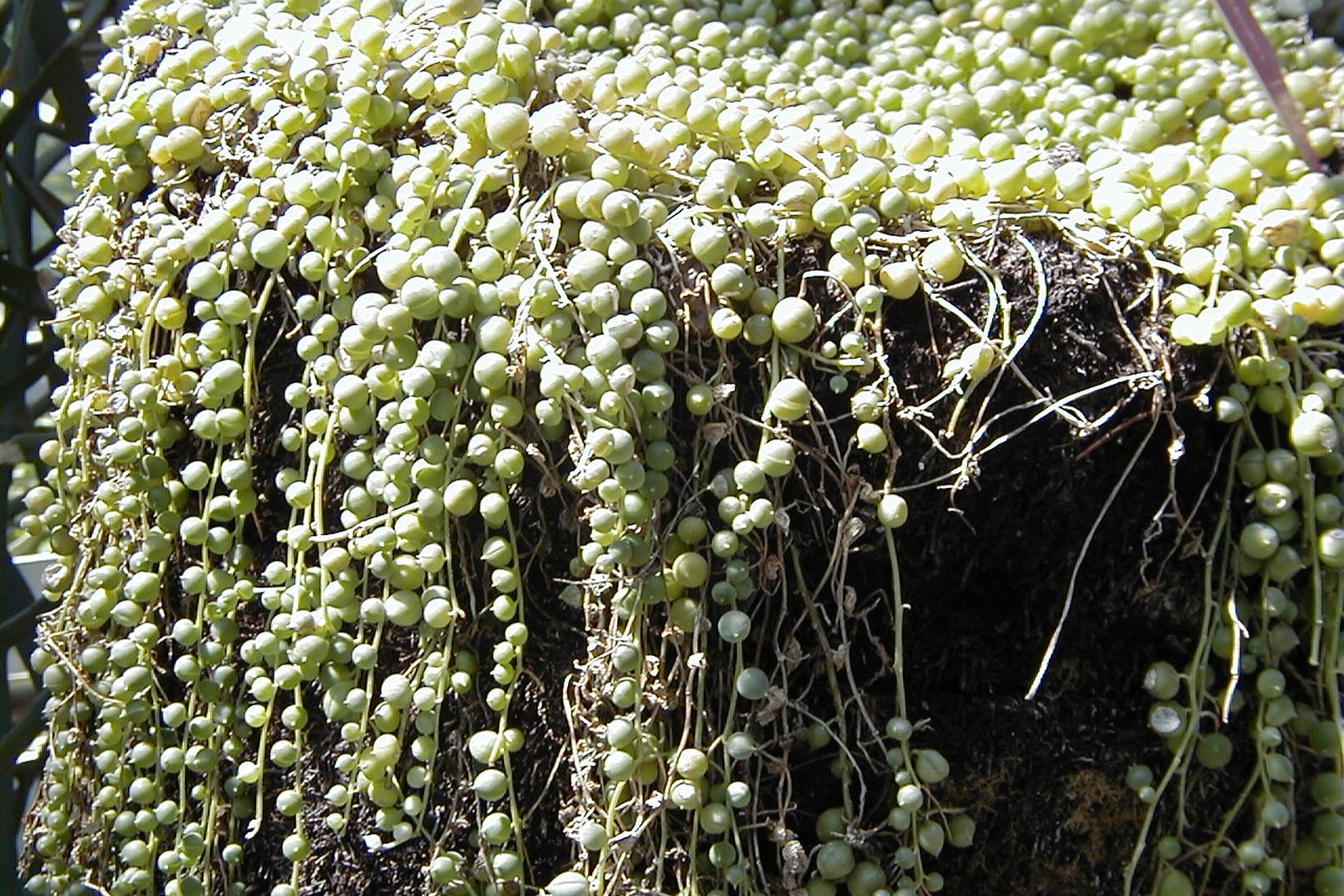
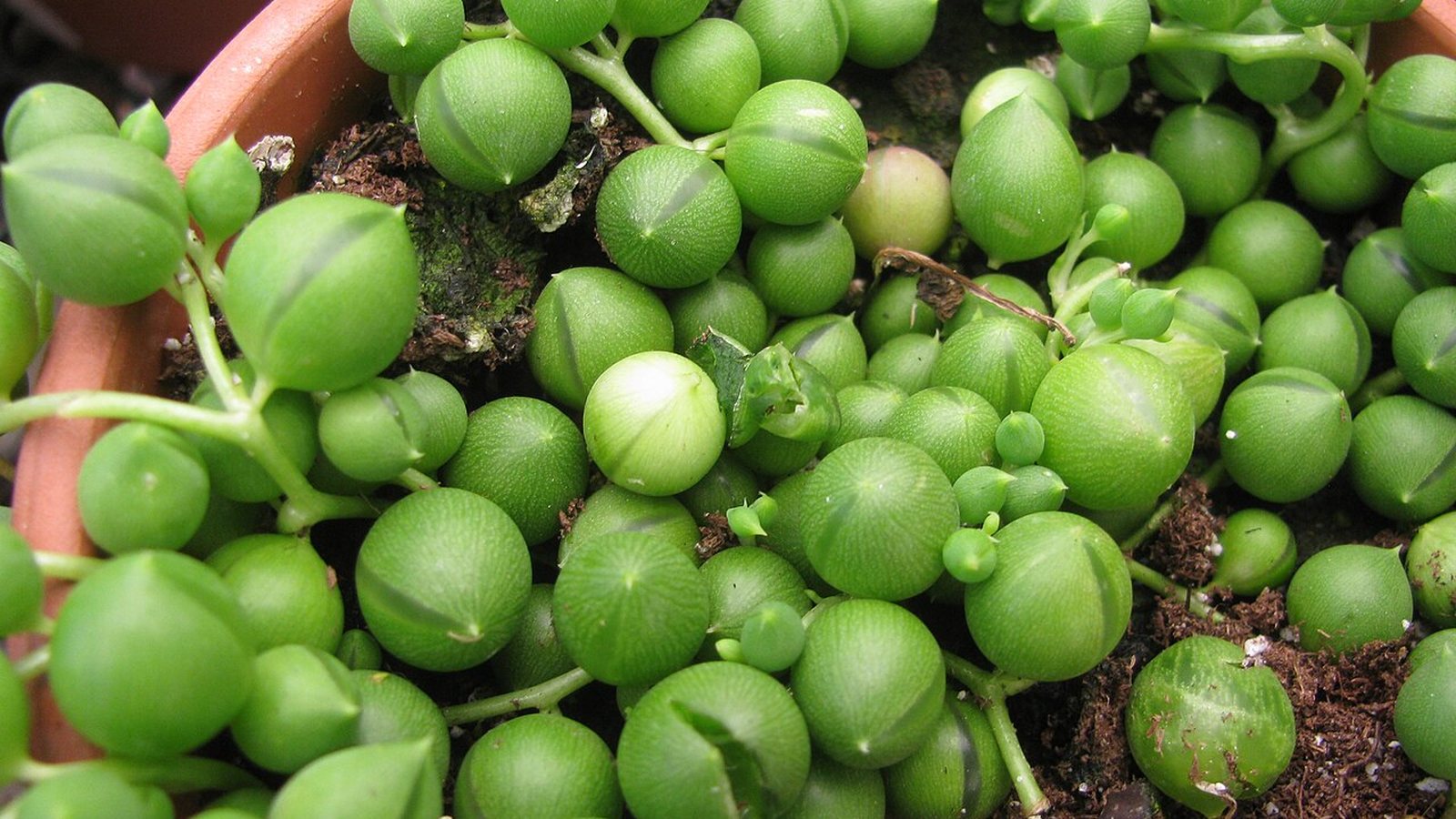 Photo: Flickr user Forest and Kim Starr · CC BY 2.0
String of pearls pearls shrivel when the plant is overwatered, underwatered or short of light. Check the soil first: dry all the way down means water thoroughly; wet soil and soft stems mean stop watering and check for rot. Give it bright light, a gritty mix and very little water in winter.
Key takeaways
- Shriveled pearls can mean overwatering, underwatering or the wrong light, so check the soil before you water.
- Let the soil dry between waterings, water lightly in the growing season and only sparingly, if at all, in winter.
- Bright light, a gritty fast-draining mix and a shallow pot with drainage holes keep the pearls plump.
- Soft, dark stems at the soil line mean rot; take cuttings from healthy strands to start again.
- The plant is toxic to pets and people, so hang it out of reach and wear gloves for the sap.
On this page8
Why are my string of pearls shriveling?
Shriveled pearls on a string of pearls (Curio rowleyanus, formerly Senecio rowleyanus) have three possible causes, and the Missouri Botanical Garden names all of them: the plant shows shriveled pearls when it is overwatered, underwatered or in the wrong light. The catch is that thirst and rot look almost the same from the outside, so watering more on a hunch can kill the plant. This guide gives you a short check order and a table to tell the causes apart, then the care routine that keeps the pearls plump. For other wrinkled houseplant leaves, see our wrinkled, shriveling leaves guide.
Thirst, rot or light: how to tell
| What you see | Likely cause | What to do |
|---|---|---|
| Wrinkled pearls, soil dry all the way down, strands thin but still green | Underwatering (Wisconsin Extension says water when the leaves look slightly shriveled) | Water thoroughly, let the pot drain, check again in a few days |
| Shriveled or mushy pearls, soil wet, stems dark or soft at the base | Overwatering and stem or root rot (RHS, Wisconsin Extension) | Stop watering, slide the plant out, check the roots, take cuttings from healthy strands |
| Pale, thin, shriveled pearls, long gaps between them | Too little light (Missouri Botanical Garden) | Move to bright light, out of hot midday sun |
| Bleached or scorched pearls on the sunny side | Too much direct sun (NC State, RHS) | Move back from the glass or filter the light |
| Pearls shrivel, tiny insects or white fluff on the stems | Mealybugs or aphids (RHS, NC State) | Isolate the plant, treat with the least toxic method and follow the label |
What should you check first?
- The soil. Push a wooden skewer or a finger 2-3 cm (1 in) into the mix. Dry and dusty points to thirst. Cold and damp points to too much water. This depth is a practical rule of thumb, not a figure from the sources.
- The pot. Look for missing drainage holes and for water sitting in a saucer or outer pot; the RHS says to tip away standing water.
- The base of the stems. Soft, dark stems at the soil line mean rot has started. Wisconsin Extension says root rot from overwatering is the most common cause of death for this plant.
- The light. Is the plant in a dim corner, or pressed against a hot window?
The sources disagree slightly on drying out. NC State says never to let the plant dry out completely, while Wisconsin Extension and the RHS say to let the compost dry out between waterings. The practical middle: let the soil dry, but do not leave it bone dry for weeks. Our guide to overwatered succulent signs shows the rescue steps in full.
How often should you water a string of pearls?
The RHS says to water lightly from April to September in the northern hemisphere, letting the compost dry out between waterings, to avoid splashing the foliage, and in winter to water only sparingly, if at all. Wisconsin Extension agrees: water more in summer than in winter, when growth slows. Use filtered or rainwater if you can (the RHS says tap water is tolerated). In the southern hemisphere, shift those months by half a year. Because it is a succulent, how often to water succulents and cacti applies here too: soak, drain, then wait.
What light and temperature does it like?
Give it bright light. The RHS suggests a spot near an east- or west-facing window and says to keep it out of direct midday sun in summer; too little light makes it weak and straggly. Missouri Botanical Garden recommends part shade outdoors. For temperature, NC State and the Missouri Botanical Garden give 21-27 °C (70-80 °F) in summer and 10-16 °C (50-60 °F) in winter, and Wisconsin Extension suggests a winter rest at 13-16 °C (55-60 °F). The RHS says typical room temperatures of 10-25 °C (50-75 °F) are fine, away from draughts and radiators. It is frost-intolerant, so bring it indoors before the first frost.
A note for readers in Türkiye: on a Mediterranean or Aegean coast a hanging pot can sit outdoors in bright shade in summer, but not in the full afternoon sun of the south, and inland Anatolia needs it inside well before the first frost. A cool, bright room in winter suits it better than a heated living room.
Soil, pot and repotting
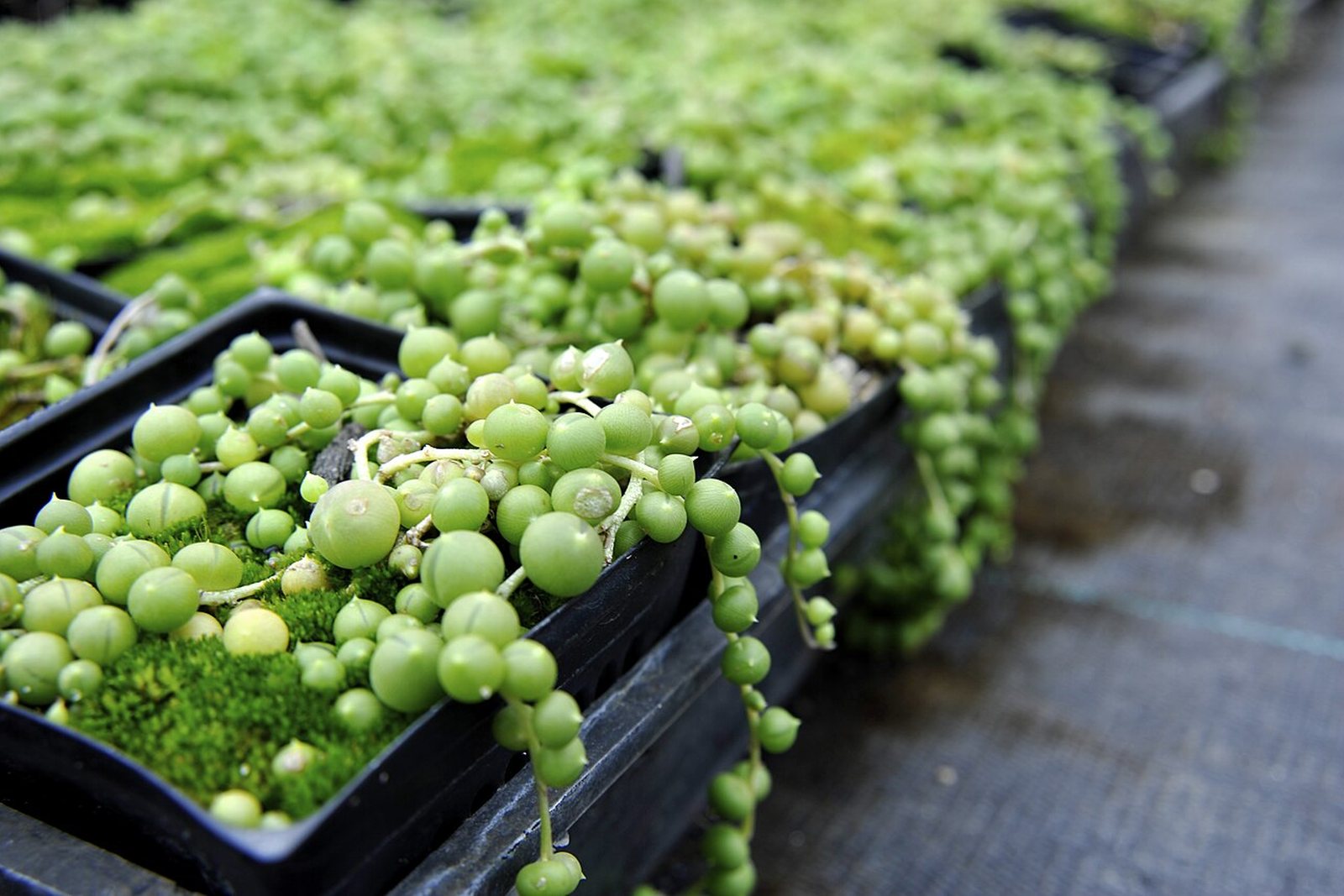
Use a very free-draining mix. The RHS suggests a succulent and cacti compost, or two parts loam-based compost to one part horticultural grit. Wisconsin Extension suggests cactus mix with up to an equal amount of gravel, sharp sand, grit or pumice. See our guide to the best soil for succulents and cacti. Use a shallow pot with drainage holes, because the root system stays small. Wisconsin Extension says clay is better than plastic or ceramic since moisture evaporates through the sides. Repot every year or two (Wisconsin) or every spring (Missouri Botanical Garden) into a pot only slightly bigger.
Feeding, pests and keeping it full
Feed lightly. The RHS says no more than once a month in the growing season with a half-strength liquid fertilizer, and Wisconsin Extension says to fertilize lightly in spring. Mealybugs and aphids are the main pests; look along the strands and where they meet the soil. Dr. Flori can help if you are unsure what you are seeing: describe or photograph the plant and it asks follow-up questions and names the likely cause.
These plants thin out with age. The Missouri Botanical Garden says older plants that begin to die back may be better replaced with cuttings. The RHS says to take a 10 cm (4 in) stem cutting and set the lower end into moist, gritty mix, with roots forming in about a month. Wisconsin Extension gives 7.5-10 cm (3-4 in) tip cuttings with the lowest leaves stripped. Pressing healthy strands onto the soil of the same pot also works (RHS layering) and fills the top. Our propagating succulents and cacti guide covers the method, and the best hanging and trailing houseplants guide has companions for the same window.
Is string of pearls toxic to pets and people?
Yes, treat it as toxic. NC State lists it as toxic to humans and pets including dogs, cats and horses, with vomiting and diarrhea if the leaves are eaten, and says the sap can irritate skin, so wear gloves when handling it. Wisconsin Extension agrees the leaves are slightly toxic. The ASPCA says that if ingested it can cause stomach upset, mainly vomiting, and lethargy, and suggests hanging it out of reach. Hang it high, keep cuttings away from pets and children, and call your vet or the ASPCA Animal Poison Control Center at (888) 426-4435 if a pet chews it. For a child, call your local poison line (in Türkiye, UZEM 114).
Frequently asked questions
How often should I water a string of pearls?
Let the soil dry out between waterings. Water lightly from spring to early autumn and only sparingly, if at all, in winter. Check the soil rather than following a calendar.
Can I save a string of pearls with shriveled pearls?
Yes if the stems are still firm. Check the soil: water if it is bone dry, or stop watering and look at the roots if it is wet. Take cuttings from healthy strands if rot has started.
Why are the gaps between the pearls getting longer?
Too little light makes the plant weak and straggly, according to the RHS. Move it to bright light, out of hot midday sun.
Is string of pearls poisonous to cats and dogs?
NC State lists it as toxic to pets, including cats and dogs, and the ASPCA says it can cause vomiting and lethargy. Hang it out of reach and call your vet if a pet chews it.
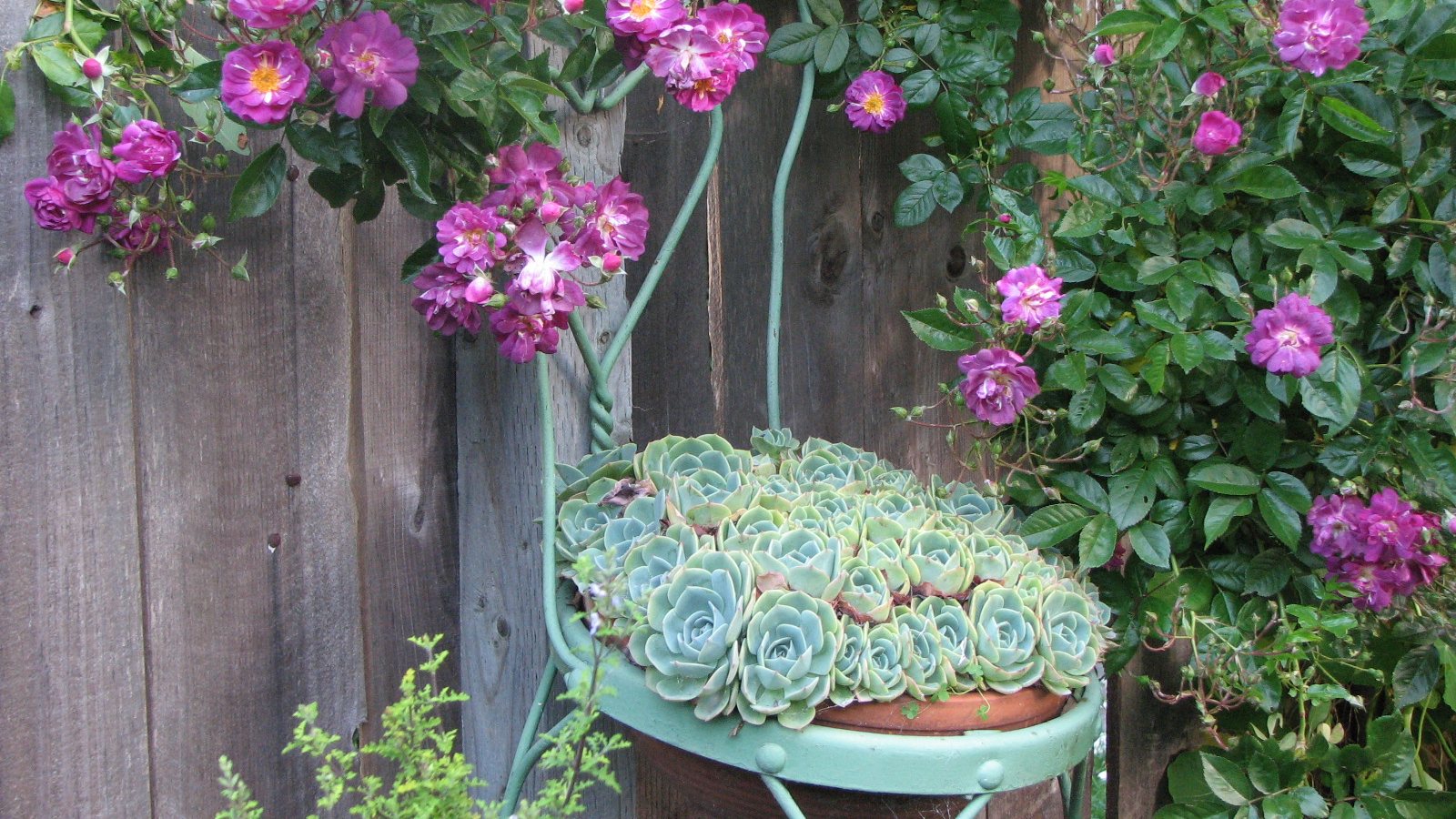
Wrinkled or shriveling houseplant leaves can mean thirst, root rot, cold, heat or dry air. Use soil and root checks to tell which, then fix it.
Sources
- NC State Extension Gardener Plant Toolbox: Curio rowleyanus
- University of Wisconsin Extension Horticulture: String of Pearls, Curio rowleyanus
- Royal Horticultural Society: How to grow string of beads
- Missouri Botanical Garden Plant Finder: Curio rowleyanus
- ASPCA: Are Succulents Safe to Have Around Pets?
Written and fact-checked by the Flori team. Every guide cites horticultural sources such as the RHS, university extension services and the ASPCA, and is updated when the advice changes. How we write our guides
General plant care information. Plants vary; when a plant is valuable or a problem spreads quickly, consult a local nursery or plant specialist.