Wrinkled, Shriveling Leaves: Thirst, Rot or Cold?
Wrinkled or shriveling houseplant leaves can mean thirst, root rot, cold, heat or dry air. Use soil and root checks to tell which, then fix it.
 By Flori editorial team · Updated
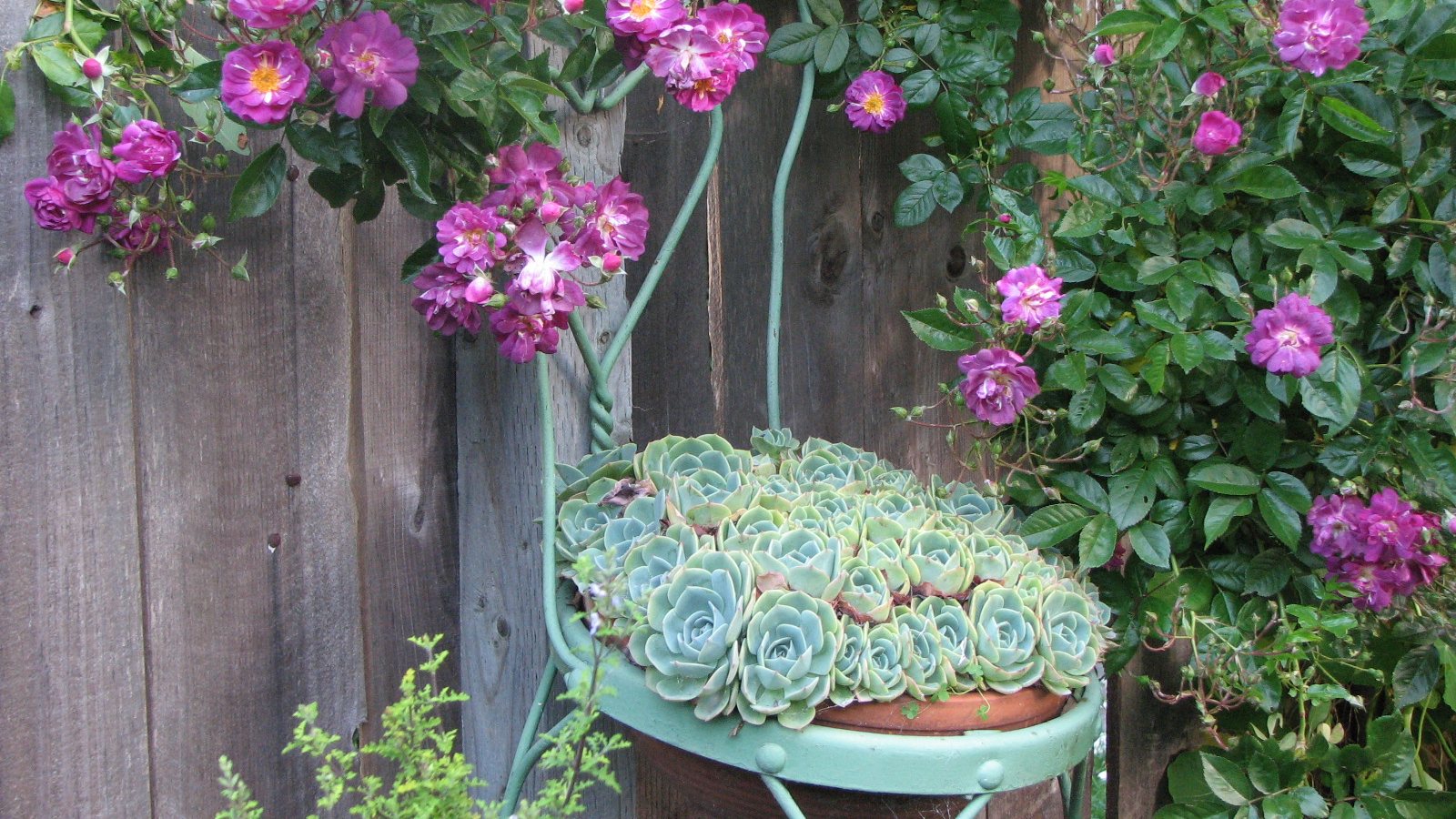 Photo: Seán A. O'Hara from Berkeley, CA, USA · CC BY 2.0
Wrinkled, shriveling leaves usually mean the roots cannot deliver enough water. Check the soil first: dry soil points to thirst, wet soil with dark, mushy roots points to root rot. If the soil and roots are fine, look at cold draughts, heat, strong sun or dry winter air. Fix the cause, not just the watering.
Key takeaways
- Wrinkled leaves mean water is not reaching the leaf: either the roots have too little water or they are damaged.
- Check the soil 2.5-5 cm (1-2 in) down and look at the roots before you water again.
- Wet soil plus wrinkled, limp leaves is a root rot warning, and more water will make it worse.
- Heat, cold draughts, strong sun and dry winter air can also shrivel leaves, so check the spot as well as the pot.
- Remove only fully brown or shrivelled leaves; keep leaves that are still mostly green until new growth appears.
On this page8
Why are my plant's leaves wrinkled and shriveling?
A wrinkled leaf has lost water faster than the plant could replace it. That happens for two opposite reasons: the roots have too little water, or the roots are too damaged to drink, usually from rot. Heat, cold, strong sun and dry air can do the same. Because thirst and rot look alike, this guide gives you a short check order based on RHS, Clemson and Iowa State advice, then a symptom table. If the leaves are drooping rather than wrinkled, our drooping plant guide is a better start.
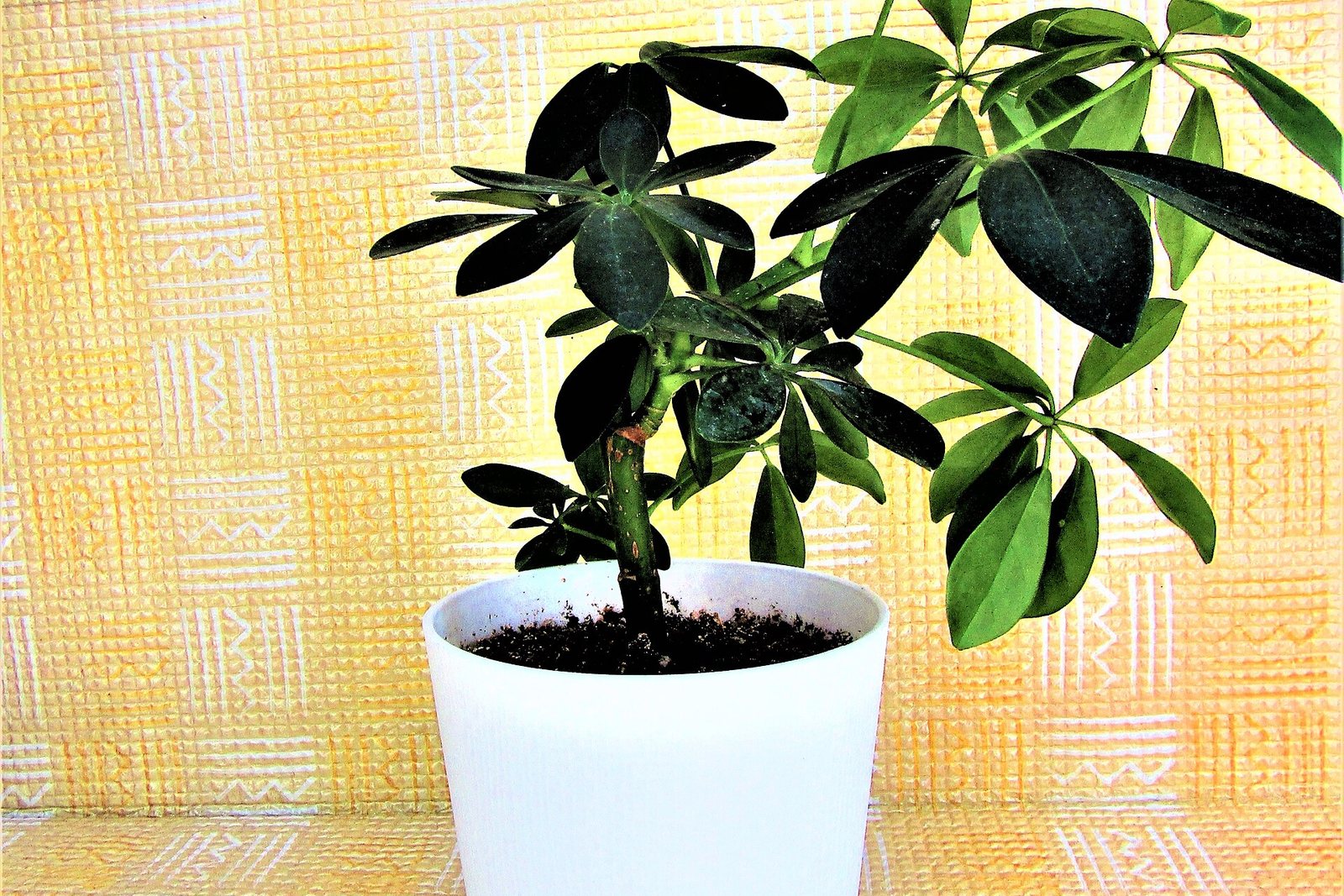
What should you check first?
- Soil moisture. Iowa State says to check before watering: push a finger 2.5-5 cm (1-2 in) into the soil, and if you are unsure, wait at least one more day. The RHS says underwatering shows as very dry soil a few centimetres down.
- The pot. Look for missing drainage holes, water sitting in the saucer, or old compacted soil that holds too much water (Iowa State).
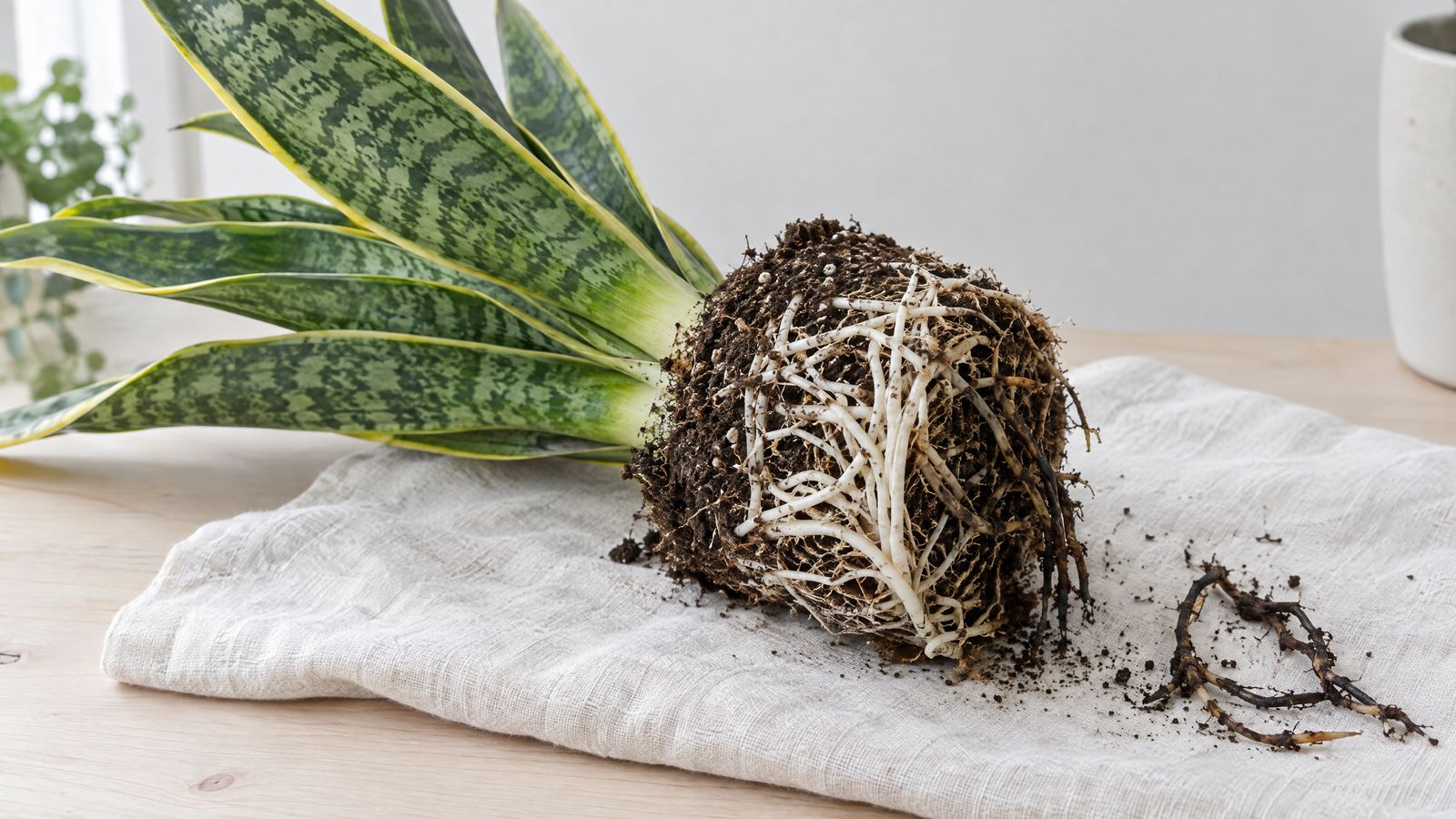
- The roots. Slide the plant out. Healthy roots are firm; the RHS says rotten roots are dark and mushy and water may pool in the pot base.
- The location. Is the plant next to a radiator, a cold window or a sunny pane?
Symptom, cause and fix table
| What you see | Likely cause | What to do |
|---|---|---|
| Wrinkled leaves, very dry soil, brown crispy edges | Underwatering | Water thoroughly; set a check routine rather than a fixed schedule (RHS) |
| Wrinkled or limp leaves, wet soil, old and new leaves yellowing together | Overwatering, root rot | Tip away excess water, let the soil dry, repot in fresh mix if roots are rotten (RHS) |
| Wrinkled leaves, roots filling the pot, soil dries in a day | Pot-bound roots | Repot into a slightly larger container (Clemson) |
| Wrinkled leaves, white crust on soil or pot rim | Salt build-up from fertilizer or hard water | Repot in fresh soil, fertilize less (Clemson, Iowa State) |
| Leaves wilt, roll, bleach or go crispy in a hot room | Heat stress | Move to a cooler spot away from direct heat (RHS) |
| Blackened, drooping leaves near a cold window or porch | Cold damage | Move somewhere warmer, away from cold glass and draughts (RHS) |
| Shrivelled, crispy leaves with brown tips in winter | Low humidity | Group plants, use a pebble tray or move to a humid room (RHS) |
Is it thirst or root rot?
This is the question that decides the whole fix, and getting it wrong is the commonest mistake. The RHS says overwatering wilting can look like thirst, with old and new leaves yellowing and dropping together, brown patches mid-leaf and dark, mushy roots. Clemson adds that root rot shows as brown to black, possibly soft roots, and sometimes a dark ring on the stem near soil level, and that too much water starves roots of oxygen, which kills them.
A quick rule: dry soil and a plant that recovers within hours of watering means thirst. Wet soil and a plant that stays wrinkled means rot. If you have been watering often and the plant looks worse, stop and check the roots. Our guide to overwatering vs underwatering has the four tests, and the root rot rescue plan shows what to do when the roots are bad.
Fix a thirsty plant the right way
If the soil is bone-dry and has shrunk from the pot edge, water may run straight past the roots. Water slowly in stages, or stand the pot in a bowl of water for 20-30 minutes and let it drain. Our bottom watering guide shows how. Then go back to checking the soil by hand rather than watering by the calendar. The RHS notes that many houseplants recover quickly once their conditions improve. Do not give extra fertilizer, because Clemson says too much fertilizer or salt build-up can damage roots and cause wilting.
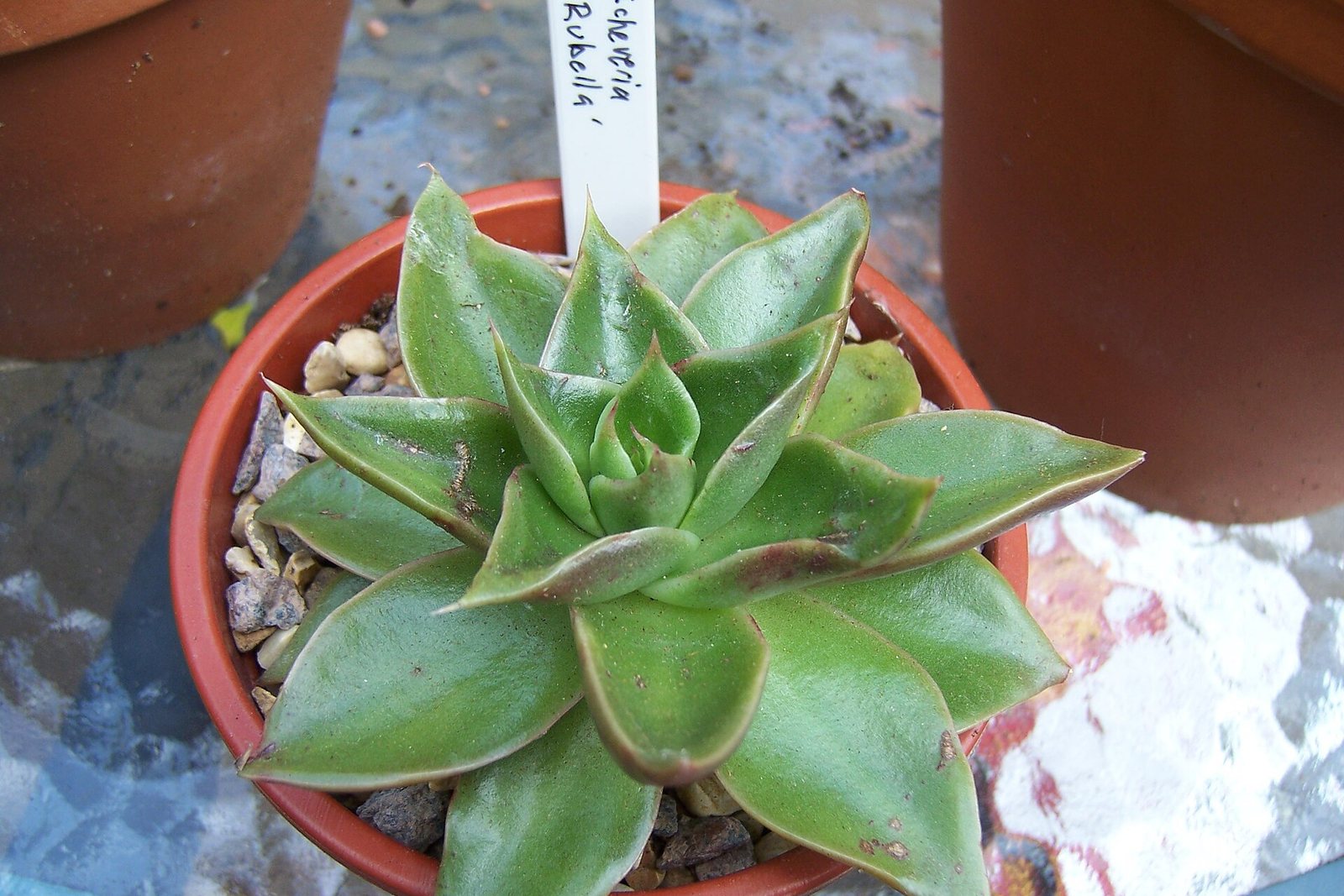
What about orchids and succulents?
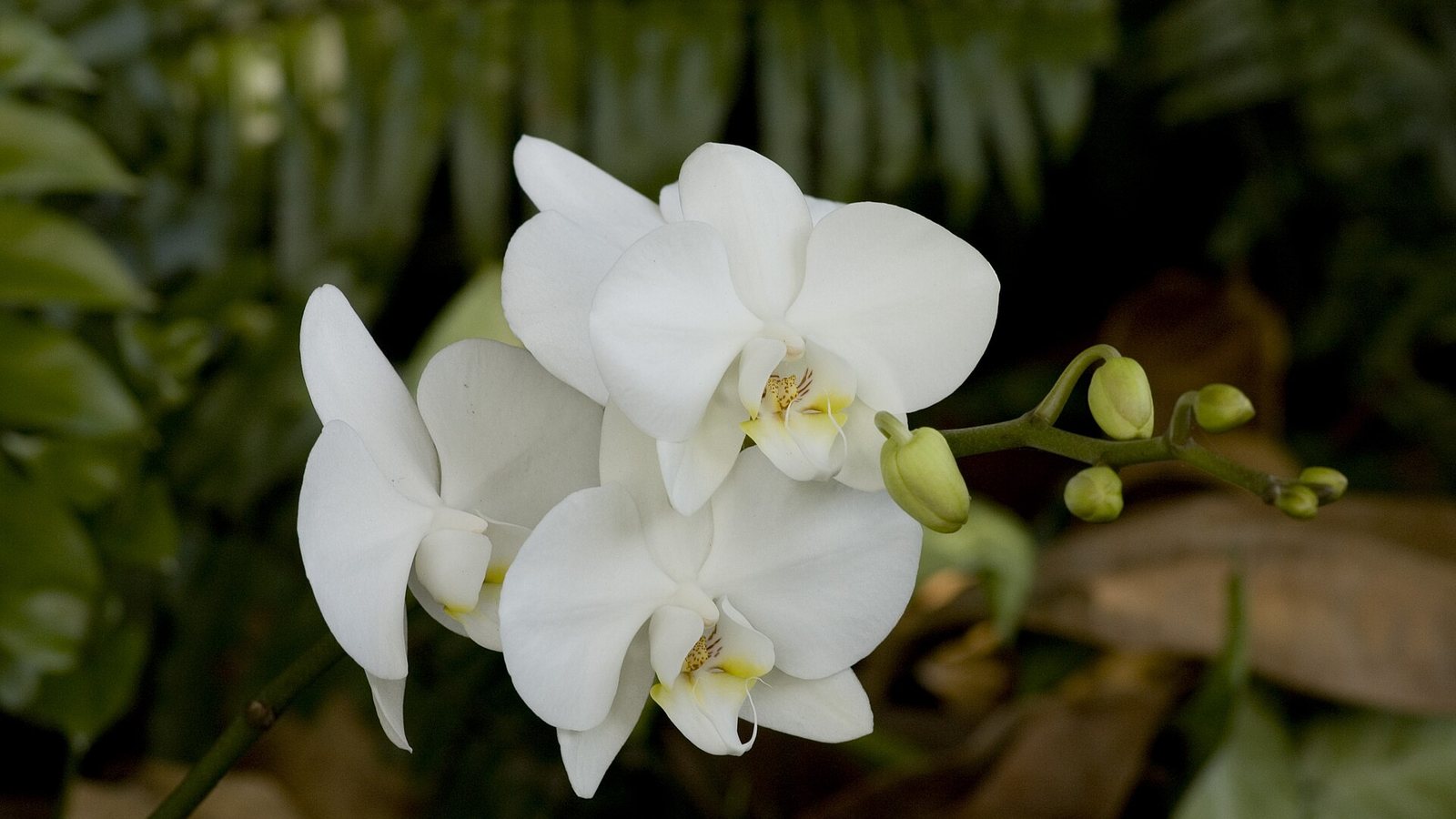
The same two causes apply, with a twist. NC State says shrivelled or wrinkled orchid leaves mean the leaves are not getting enough water, either because the mix is too dry or because the roots are damaged, often rotted by soggy medium. That is why you check the roots of a wrinkled moth orchid before you water it more. For succulents and cacti, the RHS says to use a gritty mix if repotting after rot. NC State says leaf fall and root rot can follow overwatering in jade plants, and that watering should be reduced from autumn to late winter. In winter, then, a wrinkled succulent sitting in cold, wet soil is more likely rotting than thirsty.
What if the cause is cold, heat or dry air?
Look at the spot, not the pot. The RHS describes heat stress as wilting, rolling, bleaching or crispy leaves in hot rooms, cold damage as blackened leaves and drooping in unheated places, and low humidity as shrivelled, crispy leaves with brown tips in winter when the heating is on. Move the plant to a steadier spot. Our guide to how cold is too cold for houseplants gives temperature thresholds, and humidity for houseplants shows which plants really need humid air.
Should you remove wrinkled leaves?
Only the ones that are done. The RHS says to cut off mouldy, shrivelled, completely brown or completely yellow leaves, but to keep leaves that are mostly green until the plant produces new growth, because removing them too early can slow recovery. Check the plant with a hand lens for pests, and keep it apart from your other plants while you work out the problem. If you cannot decide between thirst and rot, describe the leaves and soil to Dr. Flori, which asks follow-up questions, names the likely cause and says how urgent it is, and add the plant to the Plant Hospital to track it.
Frequently asked questions
Why are my plant's leaves wrinkled?
The leaves are losing water faster than the roots deliver it. Check the soil: dry soil means thirst, wet soil with dark, mushy roots means root rot. Heat, cold and dry air can also shrivel leaves.
Will wrinkled leaves recover after watering?
If the cause was thirst, the plant often perks up within hours and new growth fills in. Leaves that are fully shrivelled and brown will not recover, so remove them.
Can overwatering make leaves wrinkle?
Yes. Overwatered roots rot and cannot take up water, so the leaves wilt and wrinkle even though the soil is wet. The RHS says this can look like thirst.
Why are my succulent leaves wrinkled in winter?
Either thirst or, more often in cold, wet soil, root rot. Check the roots before watering, and reduce watering from autumn to late winter.
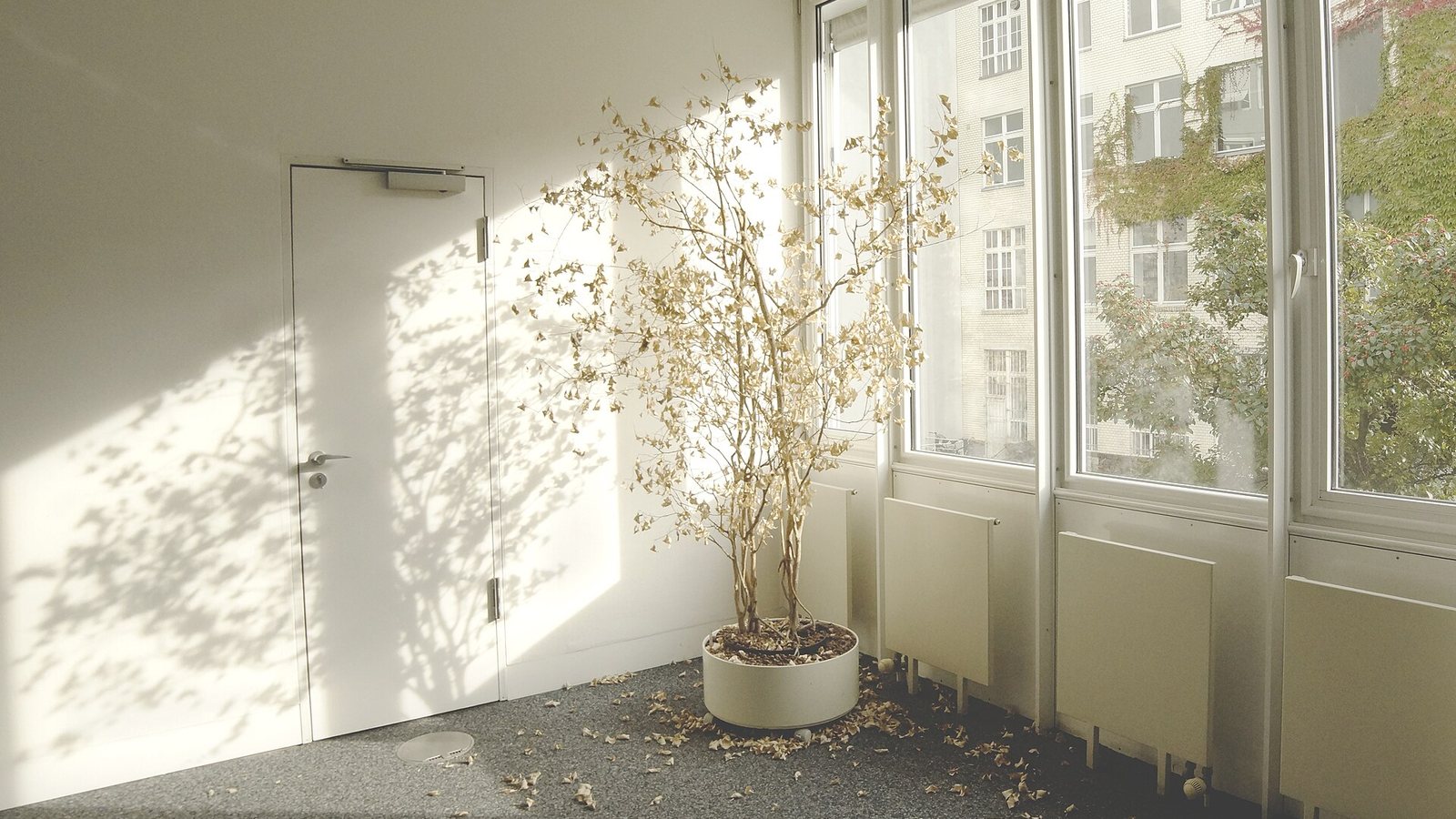
Why is my plant drooping? Check the soil first: dry means thirst, wet means root trouble. Our table covers heat, cold, pot-bound roots and quick fixes.
Sources
Written and fact-checked by the Flori team. Every guide cites horticultural sources such as the RHS, university extension services and the ASPCA, and is updated when the advice changes. How we write our guides
General plant care information. Plants vary; when a plant is valuable or a problem spreads quickly, consult a local nursery or plant specialist.