Best Hanging and Trailing Houseplants for Every Light
Six hanging houseplants sorted by light, with trailing length and a clear pet-safe or toxic label for each, so you can pick one that suits your room.
 By Flori editorial team · Updated
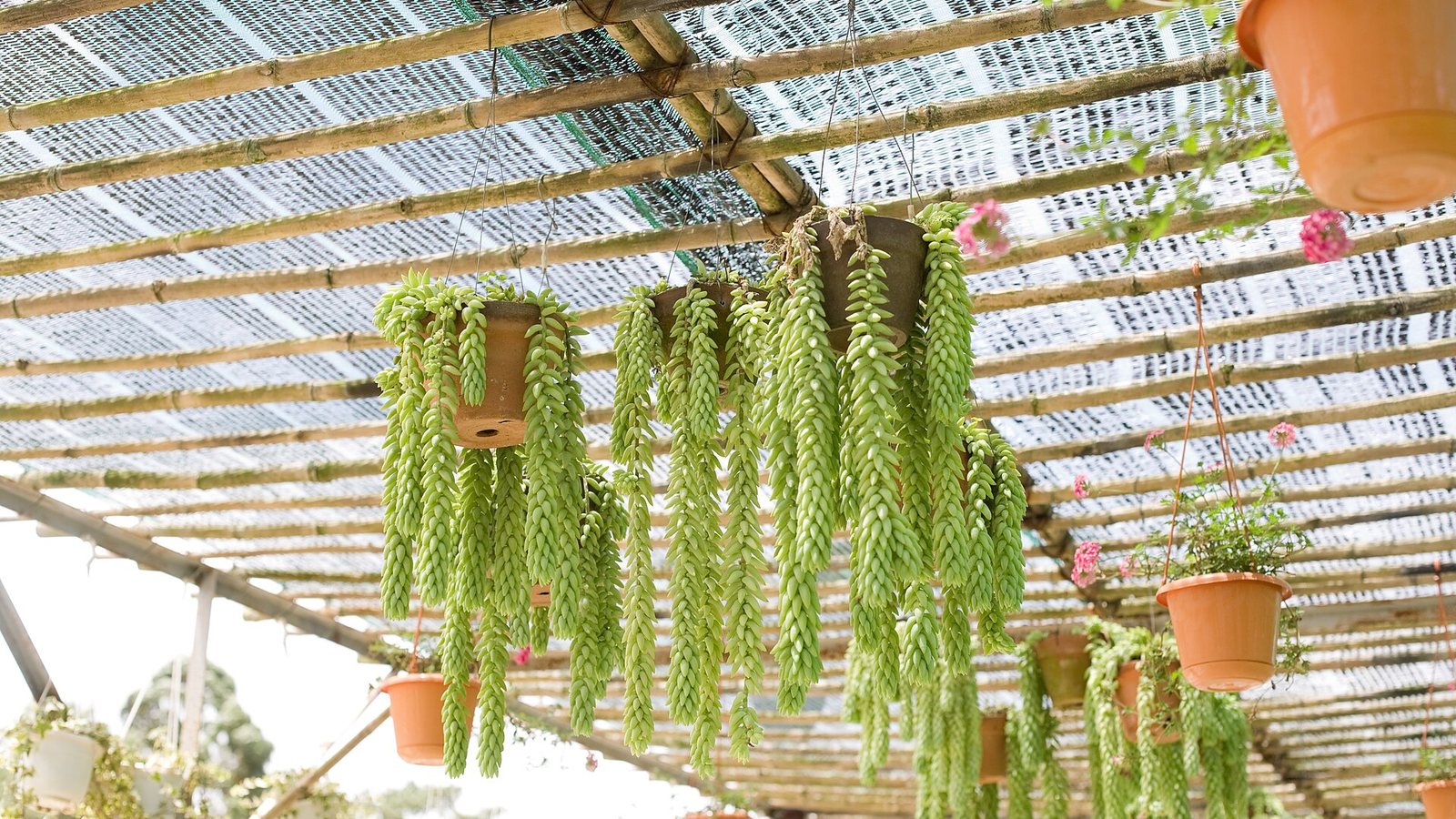 Photo: Caitlin Childs · CC BY-SA 2.0
For a dim room choose pothos or heartleaf philodendron, for medium light a spider plant or Boston fern, and for a bright window a hoya or burro's tail. Spider plant, Boston fern, hoya and burro's tail are non-toxic to cats and dogs per the ASPCA; pothos and philodendron are toxic.
Key takeaways
- Match the plant to the light first: pothos and philodendron cope with dim rooms, hoya and burro's tail need a bright spot.
- Spider plant, Boston fern, hoya and burro's tail are listed as non-toxic to cats and dogs by the ASPCA.
- Pothos, philodendron, English ivy and inch plant are toxic to pets, so hang them well out of reach or skip them.
- Hanging pots dry faster than pots on a shelf, so check the soil with a finger before every watering.
- Rotate the pot every week or two so the trailing stems grow evenly instead of leaning toward the window.
On this page8
- Which hanging plants suit which light?
- Best hanging plants for low light
- Best hanging plants for medium and bright indirect light
- Best hanging plants for a bright window
- Which trailing plants should pet owners avoid?
- How do you water and care for a hanging plant?
- Which hanging plant should you choose?
- What goes wrong with hanging plants?
Which hanging plants suit which light?
The best hanging houseplants are not the prettiest ones in a shop, they are the ones that match the light where you will hang them. A basket near the ceiling often sits in less light than a windowsill, but a basket in a south-facing window can scorch a plant in summer. This guide sorts six trailing plants by light, gives the trailing length where the sources do, and flags the one fact many lists skip: whether the plant is safe if a cat or dog chews a dangling stem.
| Plant | Light it handles | Trails to | Cats and dogs (ASPCA) |
|---|---|---|---|
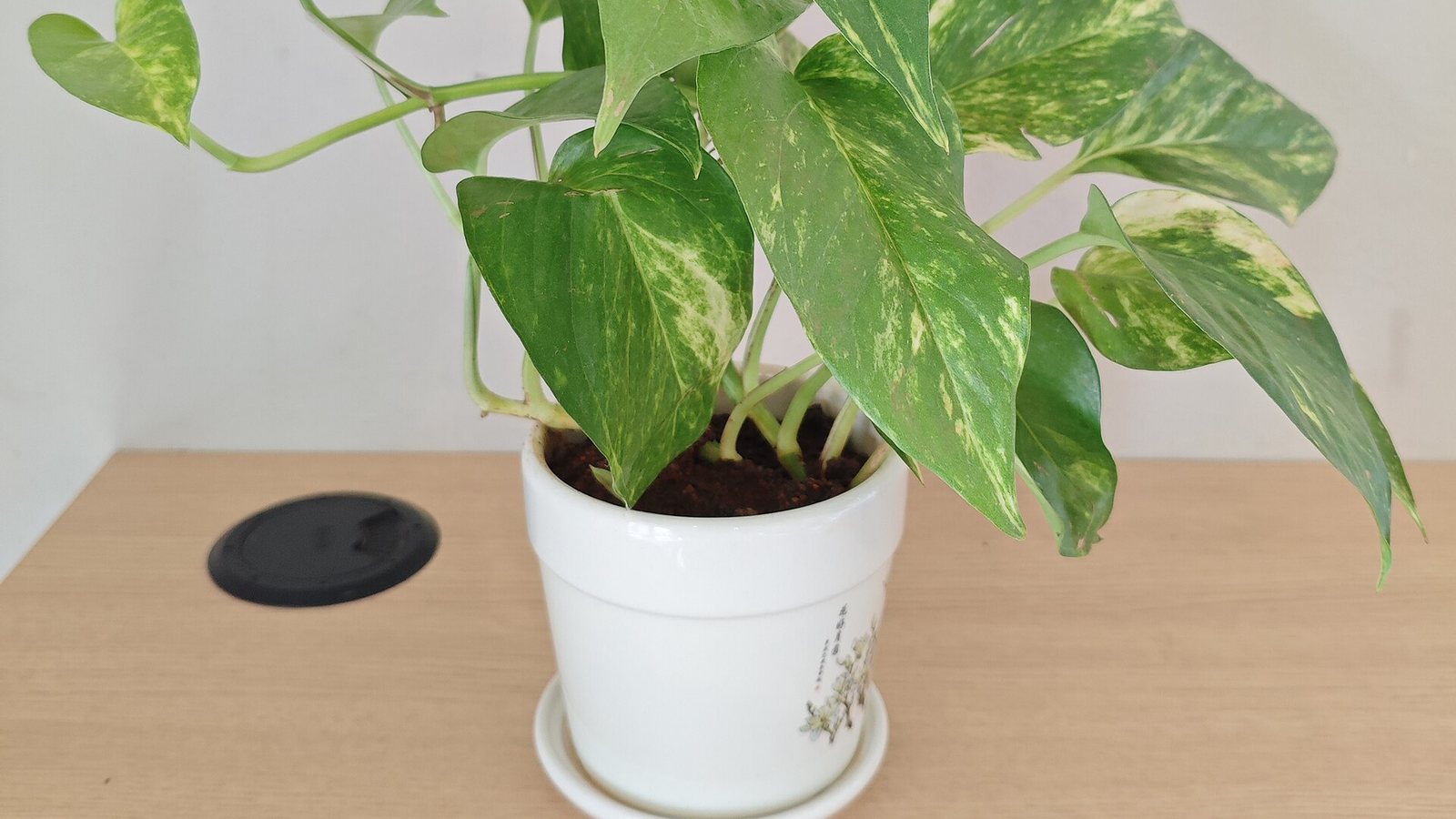
| Pothos (Epipremnum aureum) | Bright indirect; survives long periods in low light | Vines can reach several metres | Toxic |
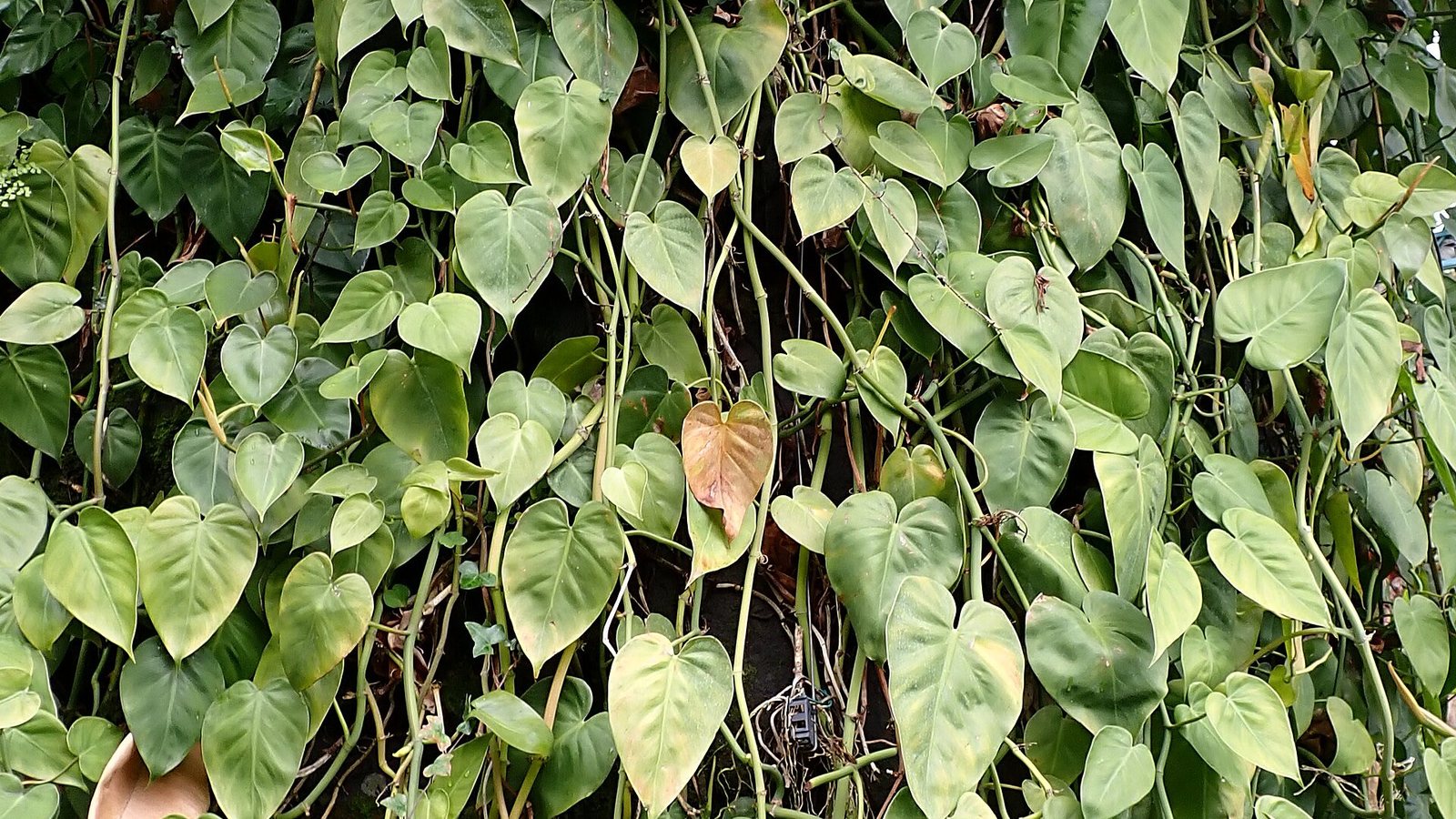
| Heartleaf philodendron (Philodendron hederaceum) | Medium light; tolerates low light | 1.2 m (4 ft) or more | Toxic |
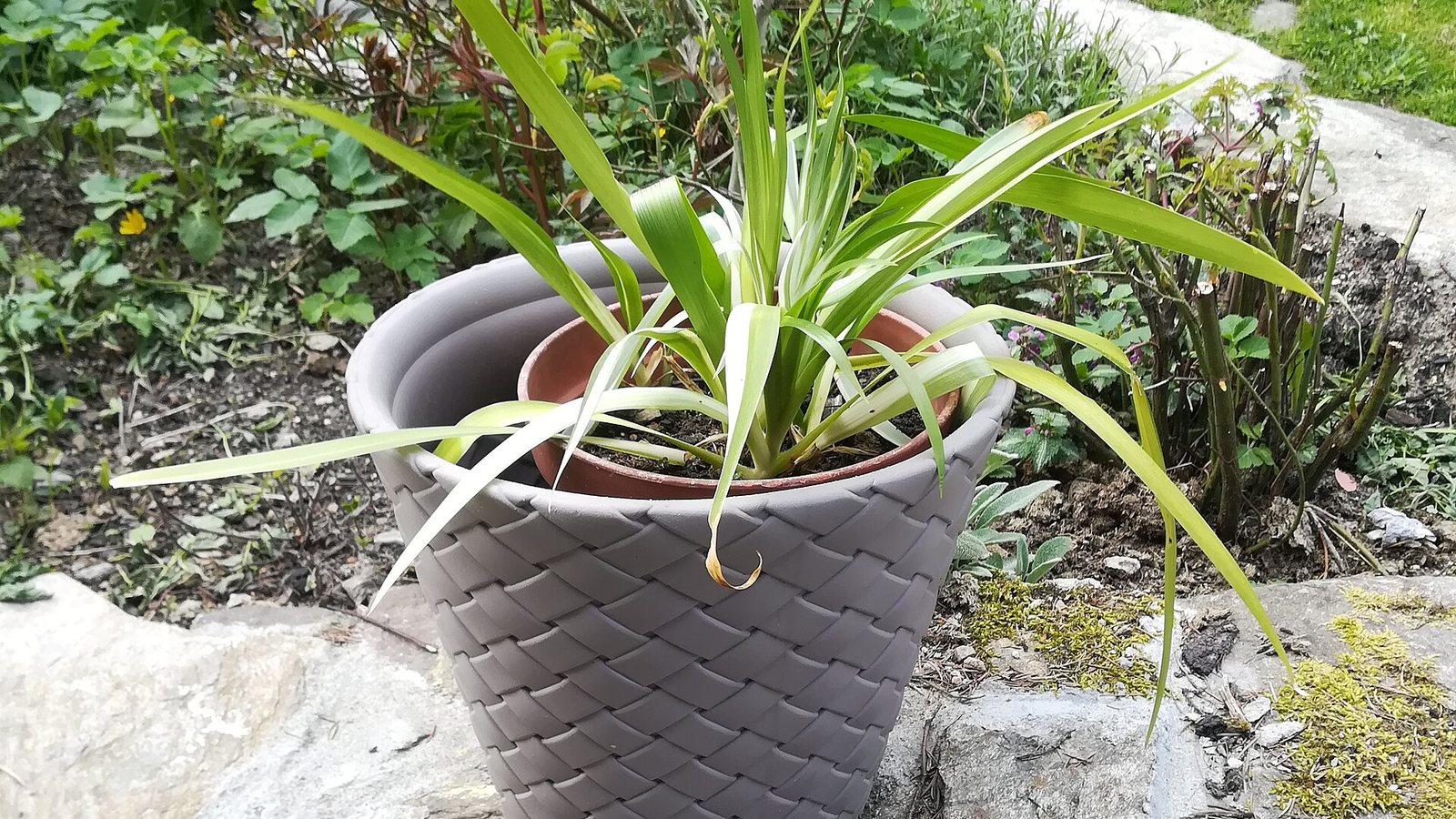
| Spider plant (Chlorophytum comosum) | Bright indirect; tolerates low light | Leaves 30-45 cm (12-18 in), plus dangling offsets | Non-toxic |
| Boston fern (Nephrolepis exaltata) | Bright indirect | Fronds 60-90 cm (2-3 ft) | Non-toxic |
| Hoya (Hoya carnosa) | Bright, shaded from hot midday sun | Long, vigorous stems | Non-toxic |
| Burro's tail (Sedum morganianum) | High light, sunny windowsill | Up to about 60-90 cm (24-35 in) | Non-toxic |
Best hanging plants for low light
Pothos is the classic answer. NC State Extension says it prefers bright, indirect light but survives for long periods in low light, though variegated leaves lose their pattern when it is too dark. It is described as well suited to hanging baskets. Heartleaf philodendron works the same way: its slender stems can reach 1.2 m (4 ft) or more, it prefers medium light and tolerates low light.
Both come with a catch. The ASPCA lists pothos (devil's ivy) and heartleaf philodendron as toxic to dogs and cats, with mouth irritation, drooling and vomiting among the signs. If you have pets, hang them where a jumping cat cannot reach, or choose a non-toxic plant from the next sections. For a longer list of dim-room plants, see our guide to the best plants for low-light rooms.
Best hanging plants for medium and bright indirect light
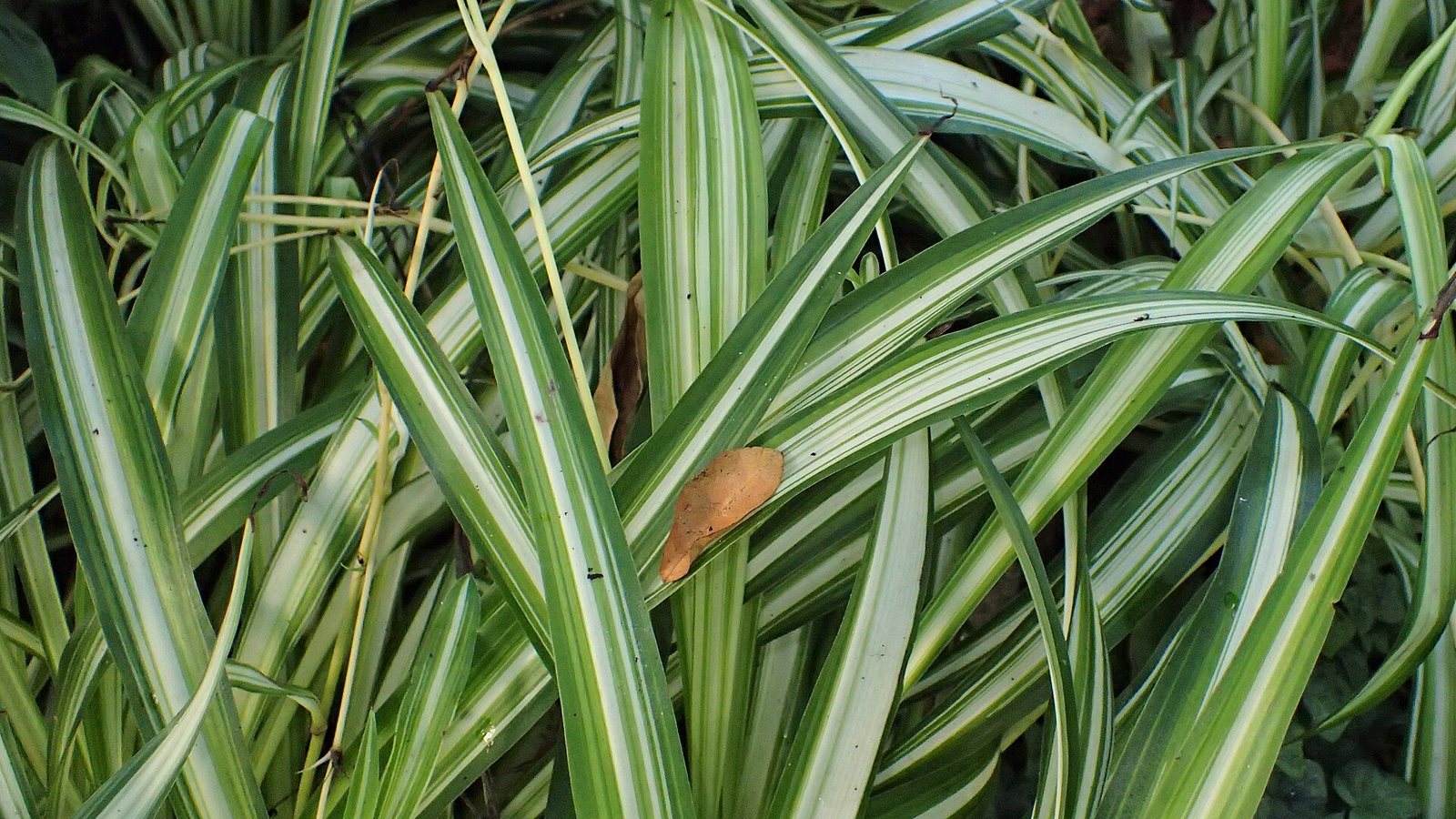
Spider plant is the easy, pet-friendly choice. The RHS says bright, indirect light suits it best, that it tolerates lower light with slower growth and faded stripes, and that hanging planters show off its cascading leaves and dangling offsets. Strong sun can turn the leaves yellow or brown. The ASPCA lists it as non-toxic to dogs and cats, which makes it a good first plant for a household with a curious cat.
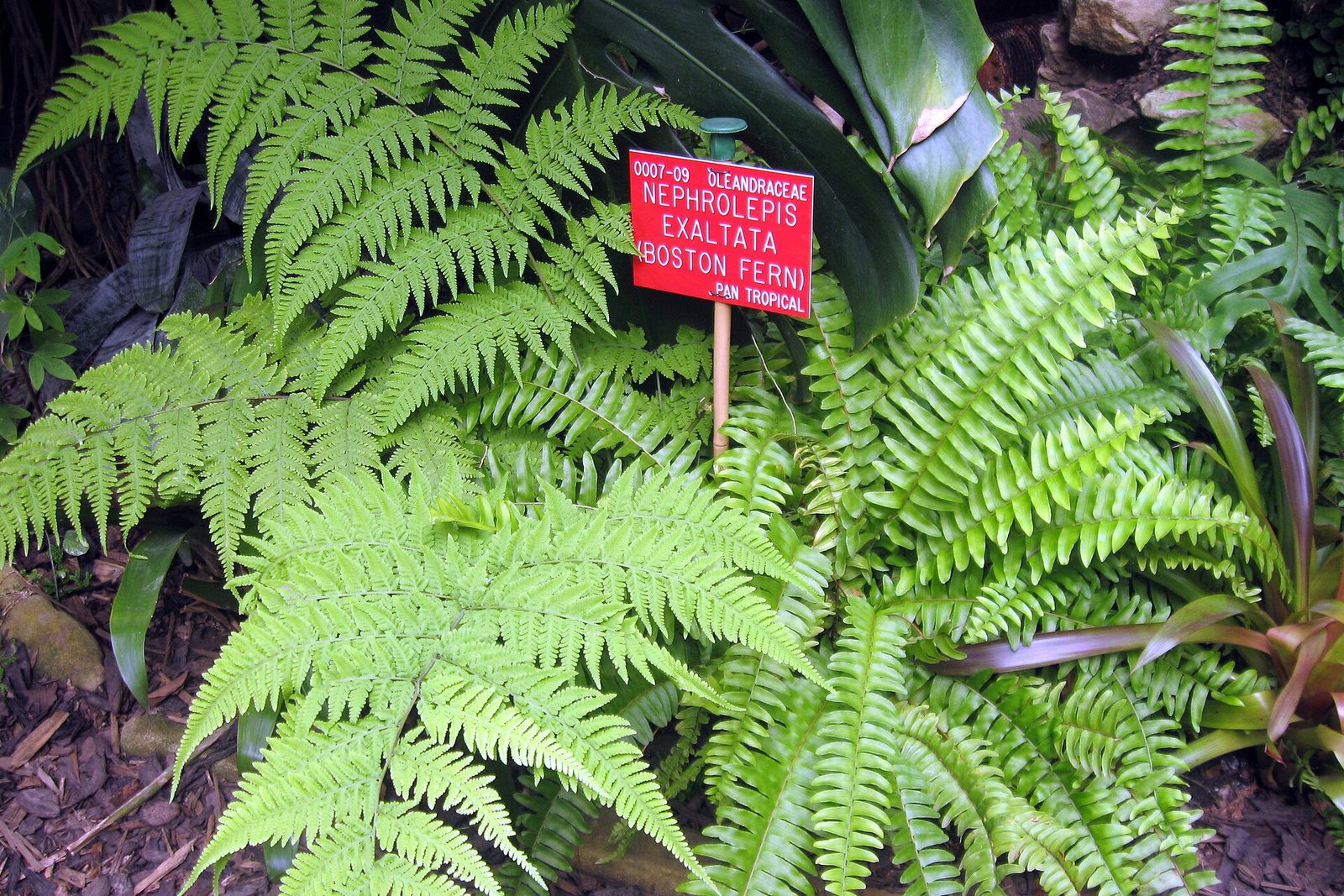
Boston fern is lusher but needier. NC State Extension recommends bright, indirect light indoors, moist soil that never dries out completely and high humidity, and it works well in a hanging basket. It also lists the plant as non-toxic to cats and dogs, in line with the ASPCA. A bathroom with a bright window suits it better than a dry living room by a radiator.
Best hanging plants for a bright window
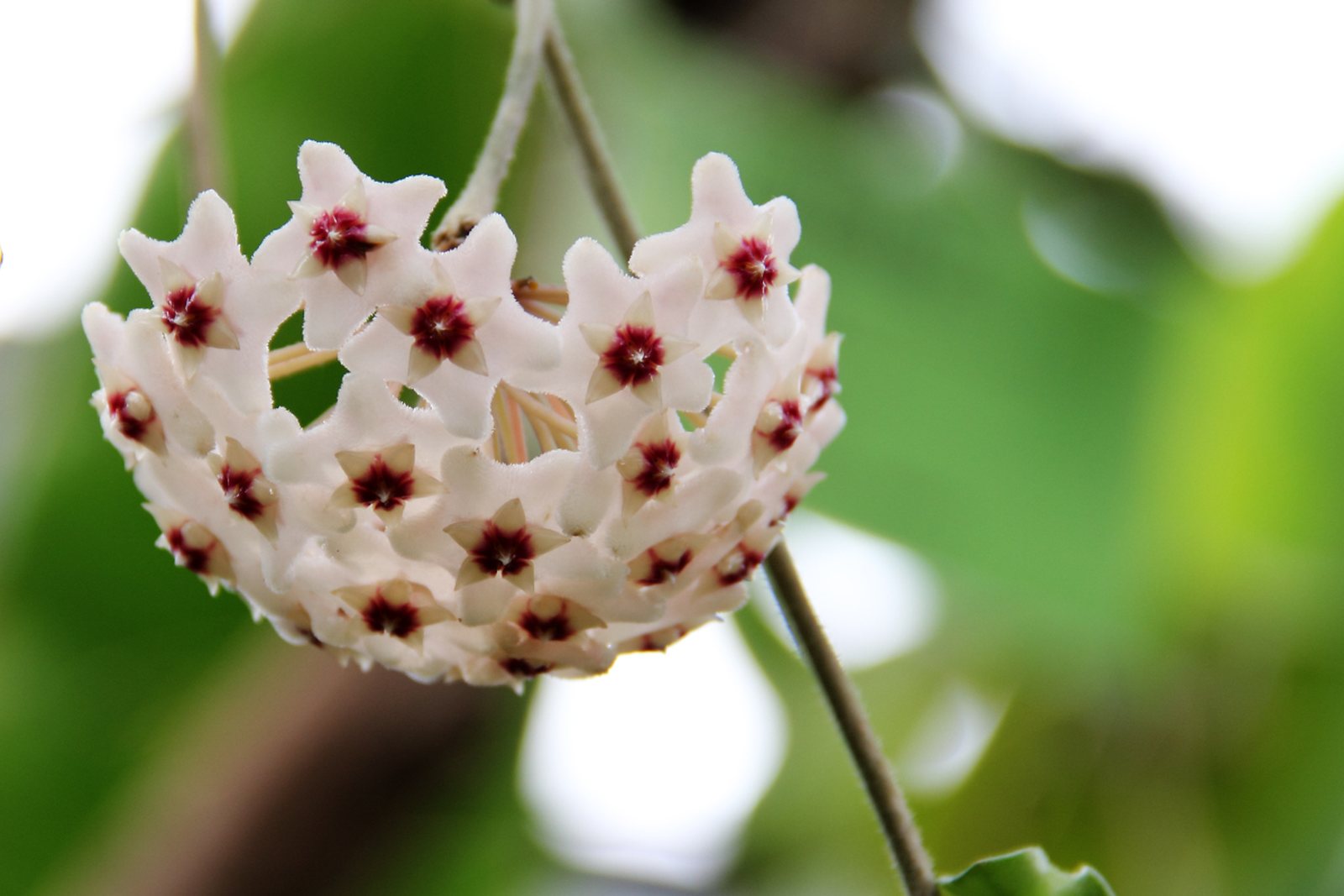
Hoya, or wax plant, is a trailing climber that enjoys a bright position. The RHS advises shading it from hot summer sun, keeping it away from radiators and cold draughts, and keeping the compost moist but not waterlogged in the growing season, then drier in winter. It also warns not to move a plant once flower buds form, because it may drop them. The ASPCA lists the wax plant as non-toxic to dogs and cats.
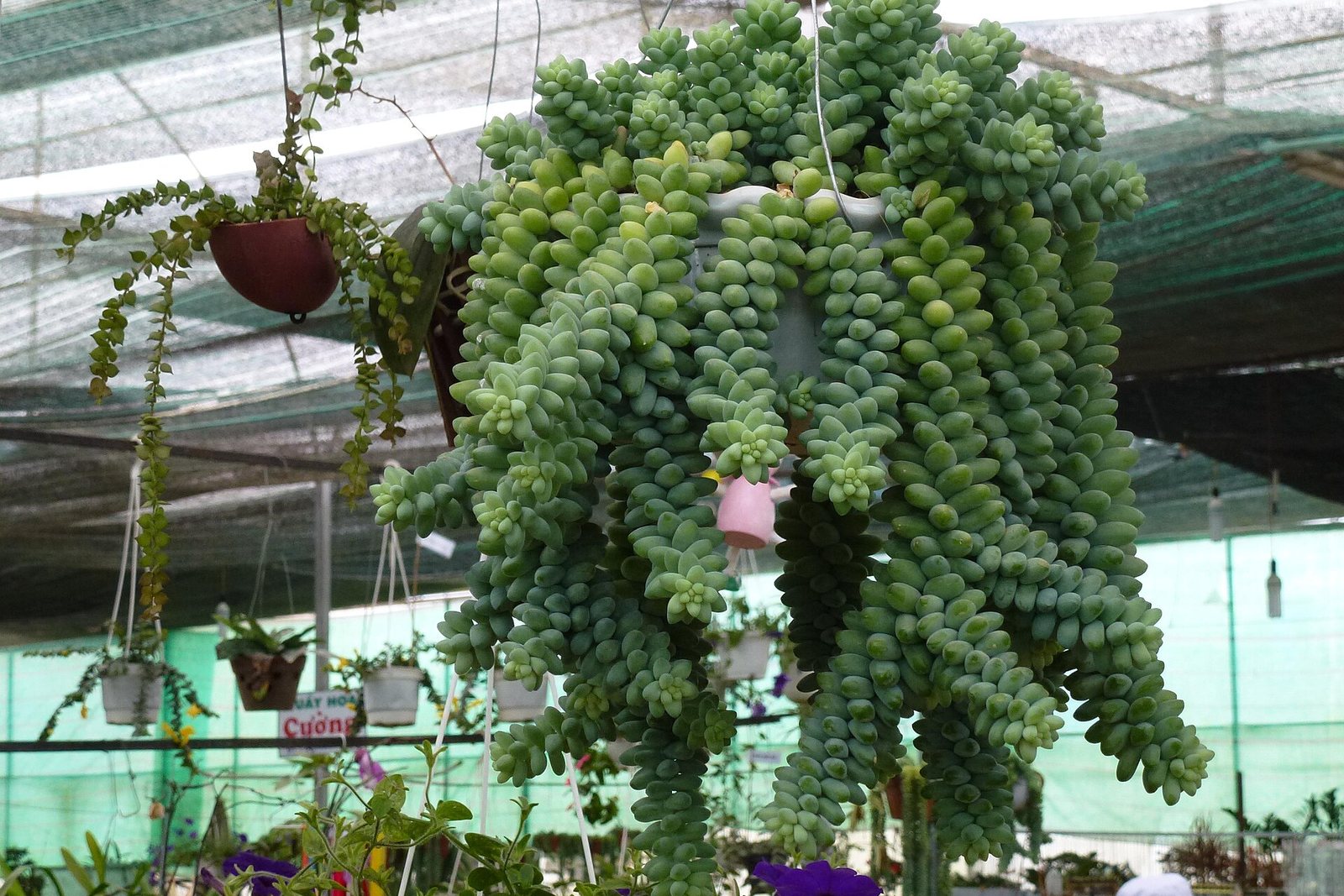
Burro's tail (Sedum morganianum) is a succulent with heavy, plump strings that hang down in a bright window. NC State Extension recommends high light, such as a windowsill with at least some direct sun, letting the soil dry between waterings and watering less in winter. Stems grow up to about 60-90 cm (24-35 in). The ASPCA lists it as non-toxic to dogs and cats. Handle it gently: the fat leaves drop off at a touch, but they can be used to start new plants.
Which trailing plants should pet owners avoid?
Some popular hanging plants are risky if chewed. The ASPCA lists English ivy as toxic to dogs and cats, with vomiting, abdominal pain, drooling and diarrhea, and says the foliage is more toxic than the berries. It lists inch plant (Tradescantia) as toxic too, with dermatitis as the sign. Pothos and philodendron are covered above. If you love one of these, hang it high in a room the pet cannot enter. Our guides to pet-safe houseplants and plants toxic to cats list safer swaps. Even non-toxic plants can cause vomiting if a pet eats a lot, according to the ASPCA, so discourage chewing anyway.
How do you water and care for a hanging plant?
- Check the soil, not the calendar. Pots in the air get more airflow and dry faster. Push a finger 2-3 cm (1 in) into the soil; our guide on how to water houseplants explains the test.
- Take the pot down to water. Water in a sink, let it drain fully and rehang it, so water never drips on the floor or sits in the pot. Never leave water standing at the bottom.
- Turn the pot. A quarter turn every week or two keeps growth even and stops stems leaning to the glass.
- Hang at a sensible height. Stay clear of radiators, heaters and cold glass, and out of direct midday sun unless the plant is a hoya or burro's tail that can take bright light.
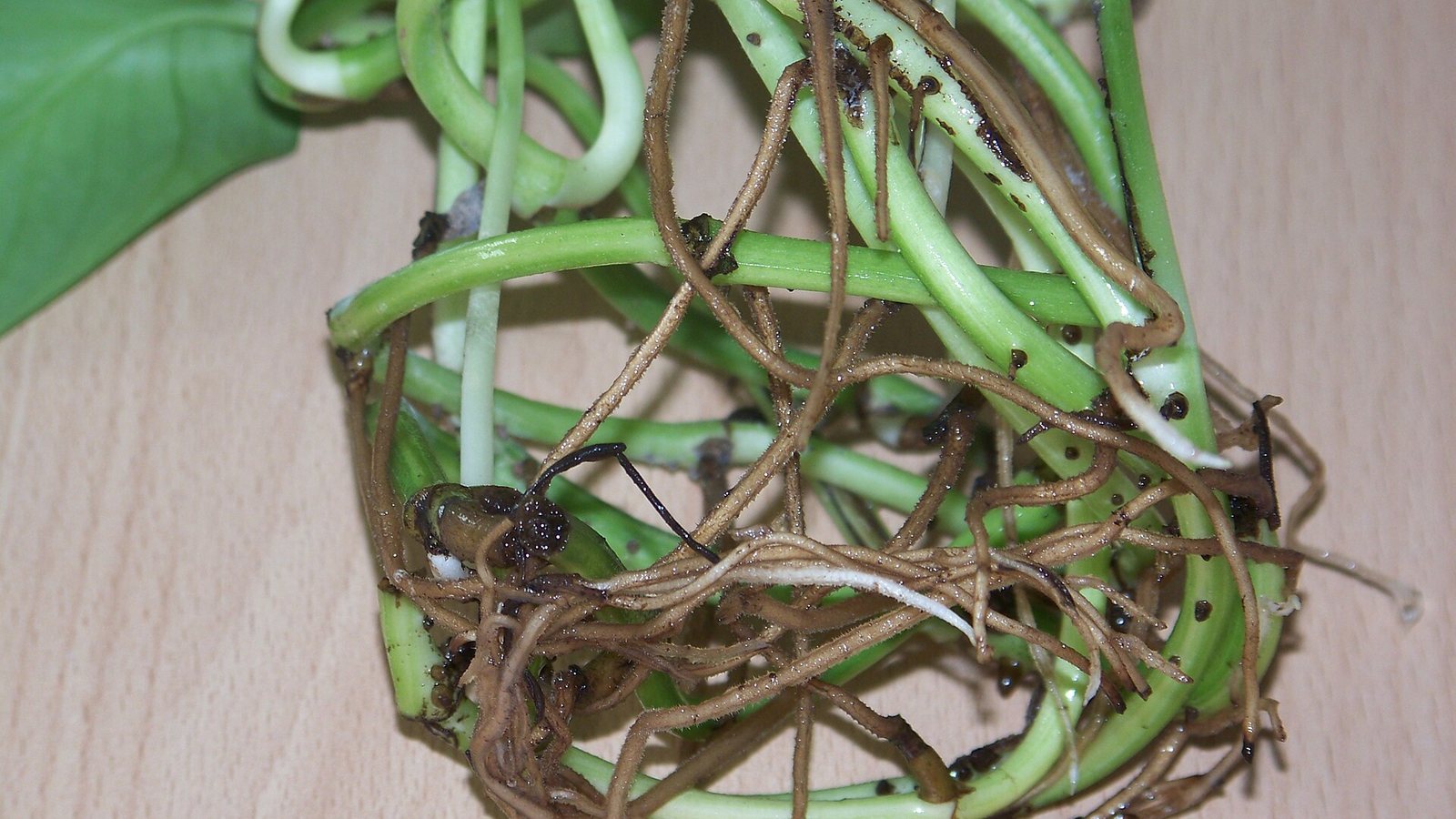
- Trim to thicken. Pinching the tips of pothos or philodendron makes them branch. Cuttings root easily, as described in how to propagate pothos in water.
Which hanging plant should you choose?
Start with the room, then the pet. A dim hallway with a dog points to a spider plant (with the caveat that it will grow more slowly and fade there) or to a pothos hung out of reach. A bright kitchen window with a cat suits a hoya or burro's tail. A humid bathroom suits a Boston fern. Flori can help you decide: its Smart light meter shows how much light a spot gets, and each plant's care profile lists light, watering and toxicity before you buy.
What goes wrong with hanging plants?
Bare, stringy stems usually mean too little light, so move the plant closer to a window. Brown tips on spider plants often come from fluoride in tap water, strong sun, dry air or uneven watering, according to the RHS; rainwater or filtered water helps. Yellow leaves on a trailing pothos or philodendron most often point to wet soil. A hanging pot with no drainage hole turns into a bucket, so always use a pot with holes and a saucer or cache pot you can empty.
Frequently asked questions
What is the easiest hanging plant for beginners?
Spider plant and pothos are the most forgiving. The spider plant is non-toxic to cats and dogs, while pothos is toxic, so pick by whether you have pets.
Which hanging plants are safe for cats?
The ASPCA lists spider plant, Boston fern, wax plant (hoya) and burro's tail as non-toxic to cats and dogs. Pothos, philodendron, English ivy and inch plant are listed as toxic.
Can I hang a plant in a dark corner?
Pothos and heartleaf philodendron survive long periods in low light, but they grow slowly and variegation fades. If the corner has no daylight at all, add a grow light.
How often should I water a hanging plant?
There is no fixed schedule. Check the top 2-3 cm (1 in) of soil; water when it is dry for most plants, and when it is nearly dry for ferns and hoyas. Succulents like burro's tail need longer dry spells.
14 pet-safe houseplants checked against the ASPCA cat and dog lists, with light needs, the toxic plant each replaces and what to do if your pet chews one.
Sources
Written and fact-checked by the Flori team. Every guide cites horticultural sources such as the RHS, university extension services and the ASPCA, and is updated when the advice changes. How we write our guides
General plant care information. Plants vary; when a plant is valuable or a problem spreads quickly, consult a local nursery or plant specialist.