Best Plants for North, South, East and West Windows
Which houseplants suit a north, east, west or south window? Light needs, distance from the glass and cat and dog safety for each, plant by plant.
 By Flori editorial team · Updated
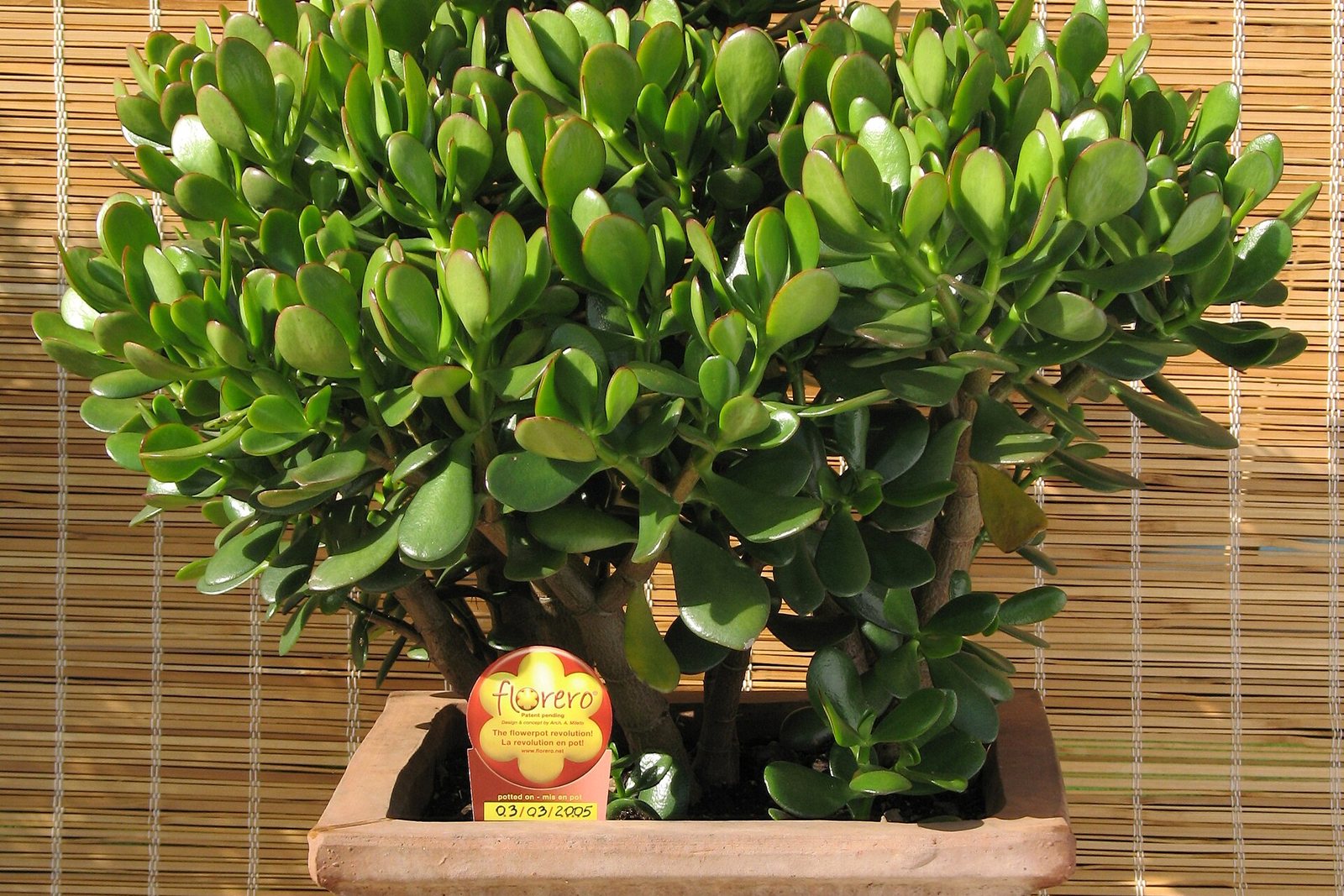
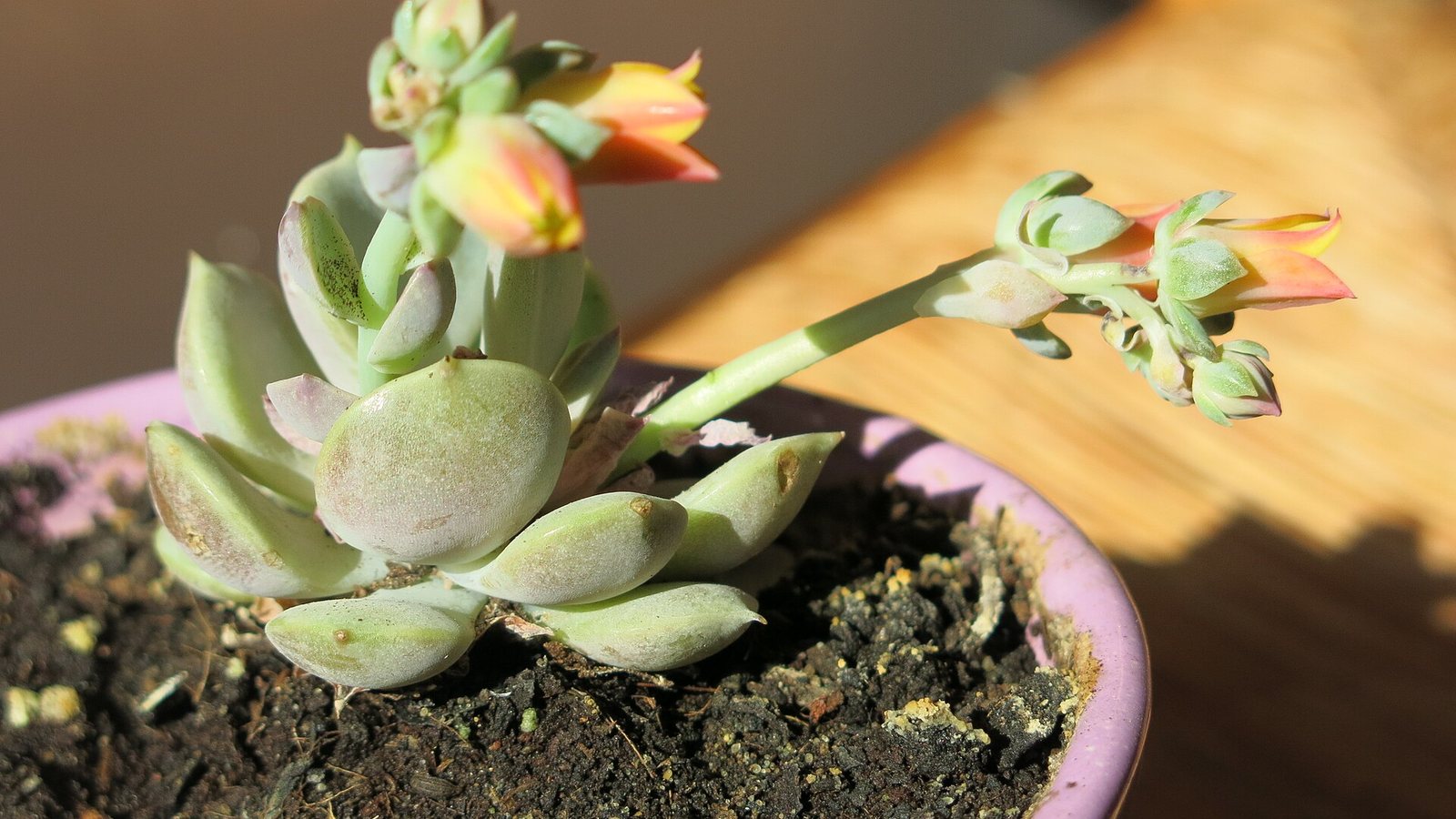 Photo: Tangopaso · Public domain
In the Northern Hemisphere, put low-light plants such as parlour palm and snake plant at north windows, wax plant and Norfolk Island pine at east ones, ponytail palm and jade at west ones, and aloe, echeveria and citrus at south ones. Swap north and south in the Southern Hemisphere.
Key takeaways
- North windows suit low-light plants such as parlour palm and Boston fern, both non-toxic to cats and dogs.
- East and west windows suit high-light plants right at the glass and medium-light plants a few feet back.
- South windows give the direct sun that succulents, gardenia and citrus need, but aloe, jade and gardenia are toxic to pets.
- Curtains, overhangs and distance from the glass change light as much as direction does.
- In the Southern Hemisphere swap north and south.
On this page8
Which plants suit which window?
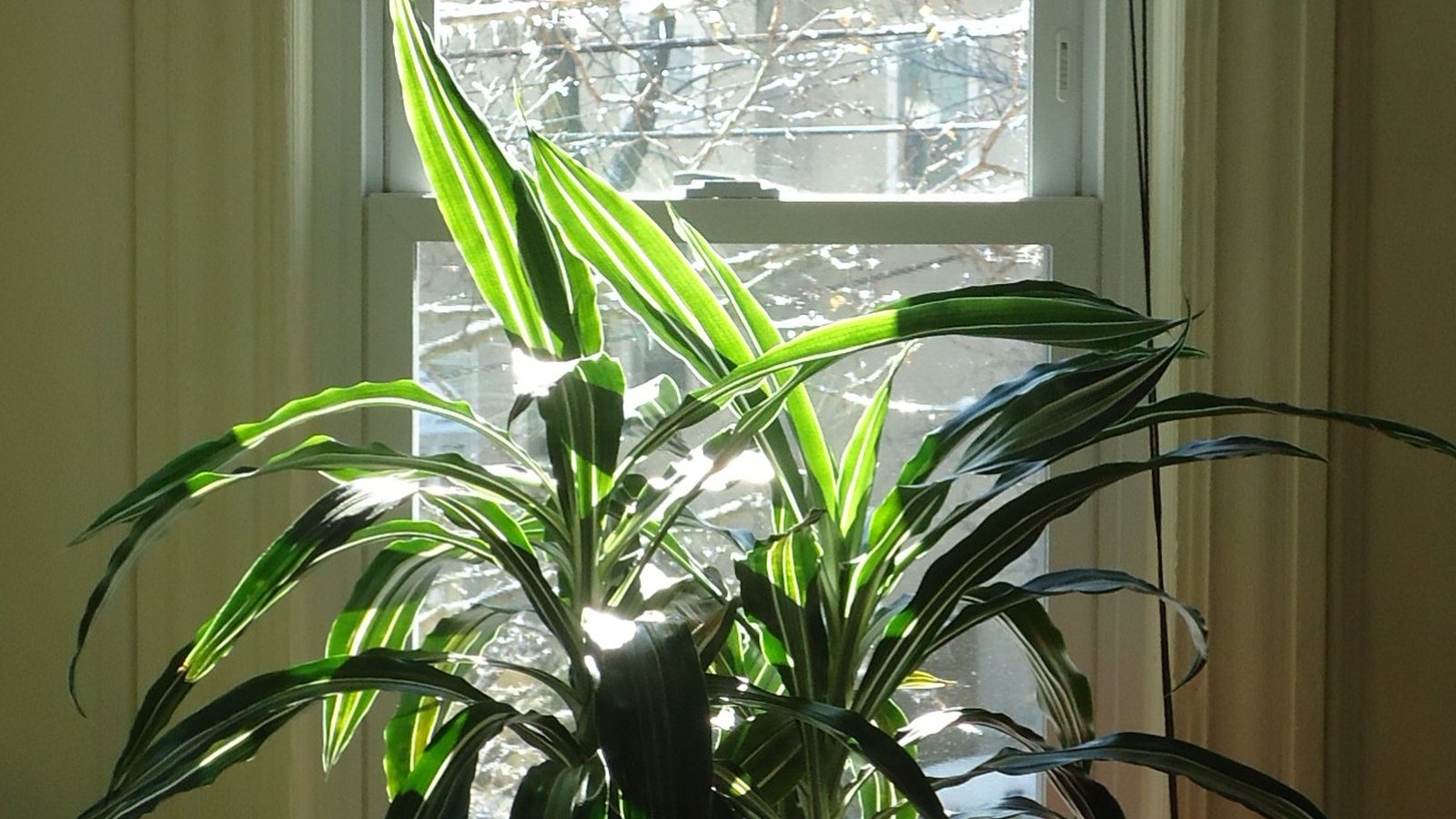
"Bright, indirect light" does not help when you are standing in front of an actual window. This guide turns it into a shopping and placing list: for each window direction, which common houseplants belong there, how close to the glass they should sit, and whether they are toxic to cats and dogs. For the numbers behind light levels, see how much light houseplants need; this page is the plant-by-plant answer. Directions here are for the Northern Hemisphere. In the Southern Hemisphere swap north and south: there, a north window gets the most sun and a south window the least. East and west stay the same.
One rule from Iowa State Extension first: direction is not everything. South and east windows often give the most light, west windows are bright but can be strong enough to harm some plants, and north windows suit low-light plants. But curtains, sheers, roof overhangs, trees and nearby buildings all cut light, and light drops quickly as you move away from the glass. So a south window behind a net curtain can be dimmer than an unshaded east one.
The quick table
| Window | Light you get | Good plants |
|---|---|---|
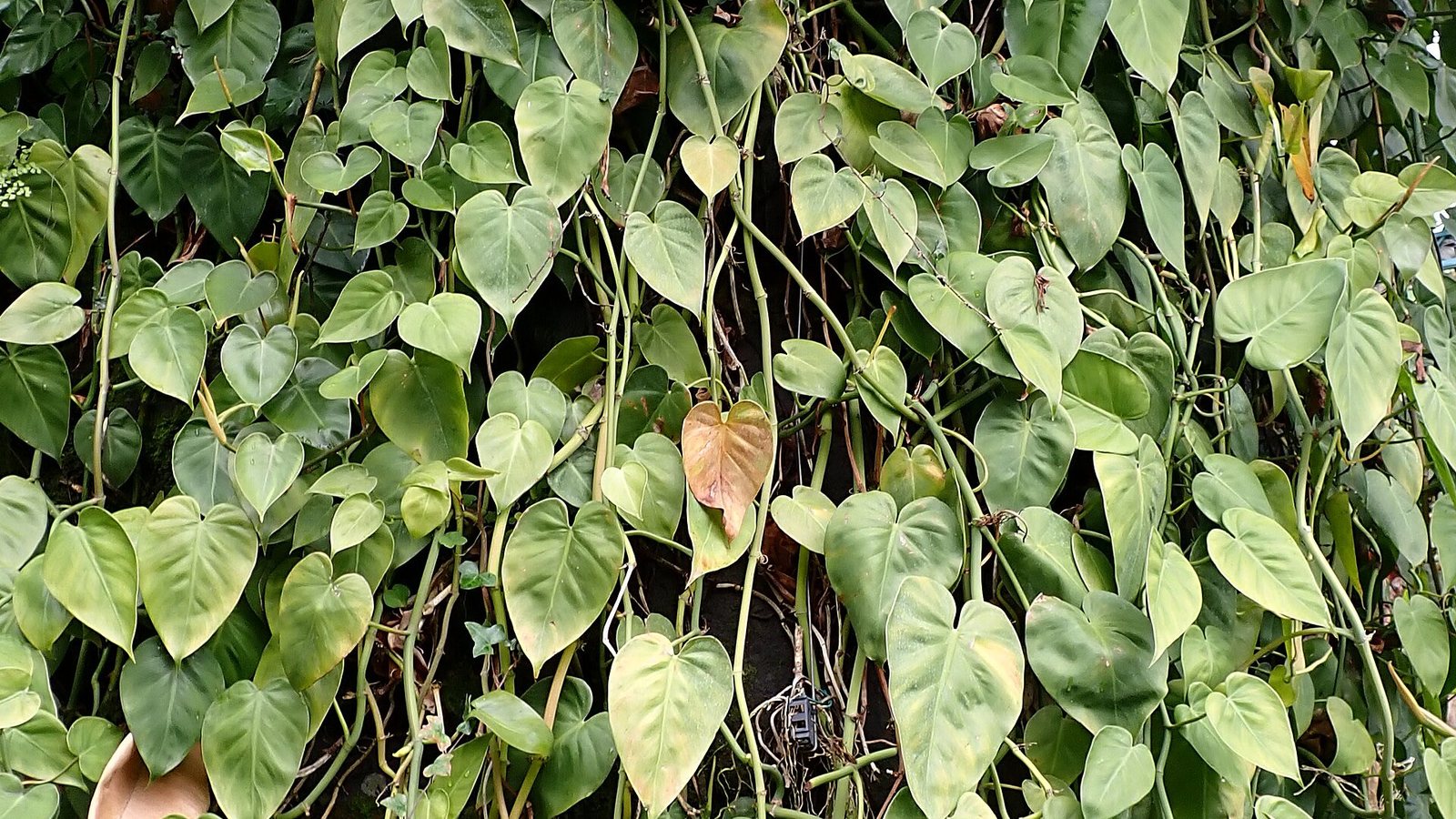
| North | Low to medium; the plant sits right at the glass | Snake plant, Chinese evergreen, parlour palm, Boston fern, heartleaf philodendron, pothos, spider plant |
| East | Bright, gentle morning sun | Wax plant, Norfolk Island pine, prayer plant, spider plant, pothos a little back |
| West | Bright, stronger afternoon sun | Ponytail palm, jade plant, weeping fig, English ivy |
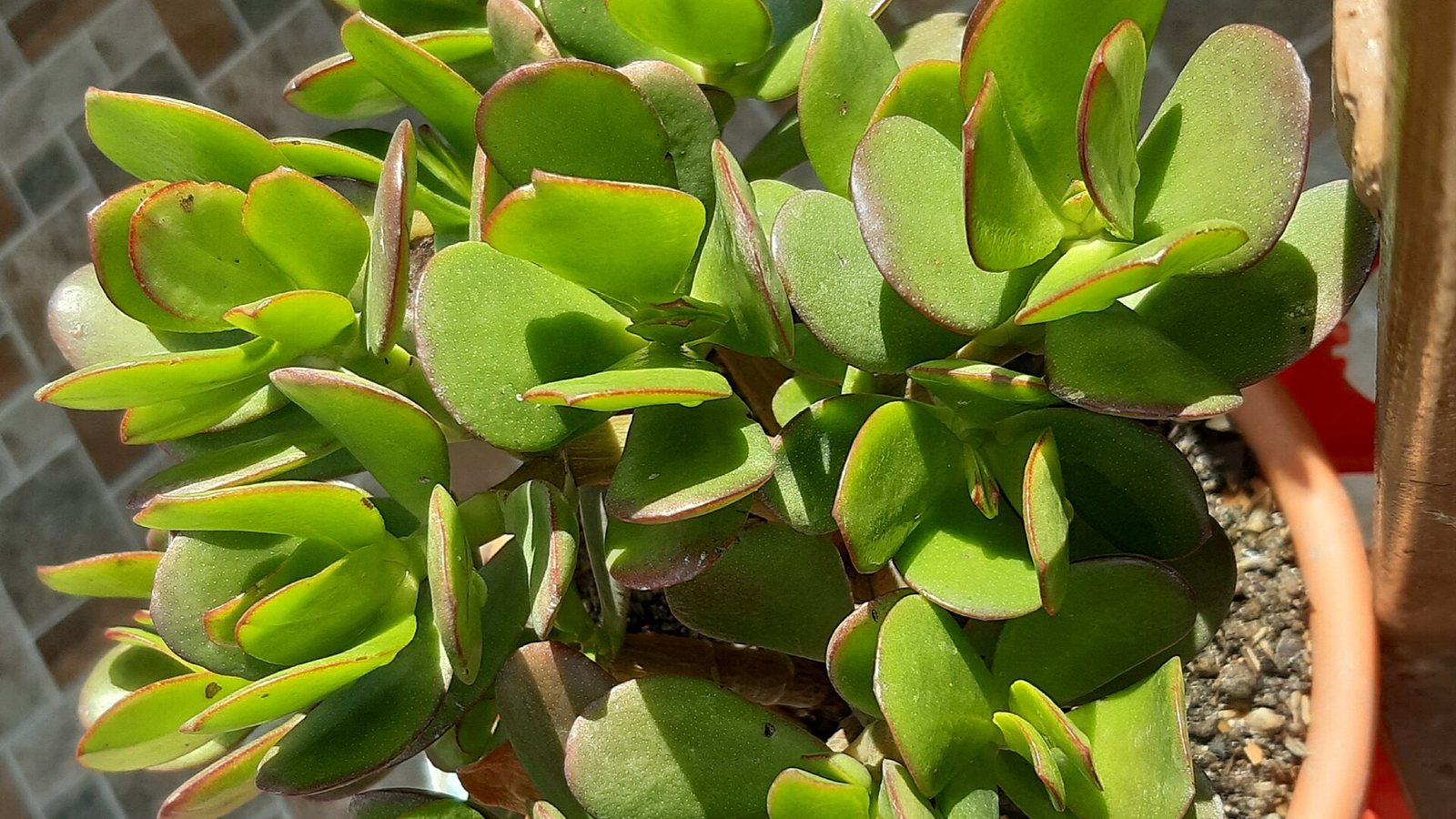
| South | Brightest; direct sun for hours | Aloe vera, echeveria, jade plant, gardenia, lemon |
Distances come from University of Illinois Extension, which puts 150 foot-candles (about 1,600 lux) at "medium" and 300 (about 3,200 lux) at "high". For low light, a plant can be a few feet from a north window, 1–3 m (3–10 ft) from an east or west window, or 4.5–6 m (15–20 ft) from a south window.
Best plants for a north window
North windows give the least light in the Northern Hemisphere. Illinois Extension lists Chinese evergreen, parlour palm, Boston fern, heartleaf philodendron and snake plant as the houseplants that tolerate low light, and puts medium-light plants "directly in front" of a north window. UF/IFAS adds that a north-facing window may never reach 400 foot-candles, so keep plants right at the glass and clean it.
| Plant | Light (Illinois) | ASPCA: cats / dogs |
|---|---|---|
| Parlour palm (Chamaedorea elegans) | Low | Non-toxic / non-toxic |
| Boston fern (Nephrolepis exaltata) | Low | Non-toxic / non-toxic |
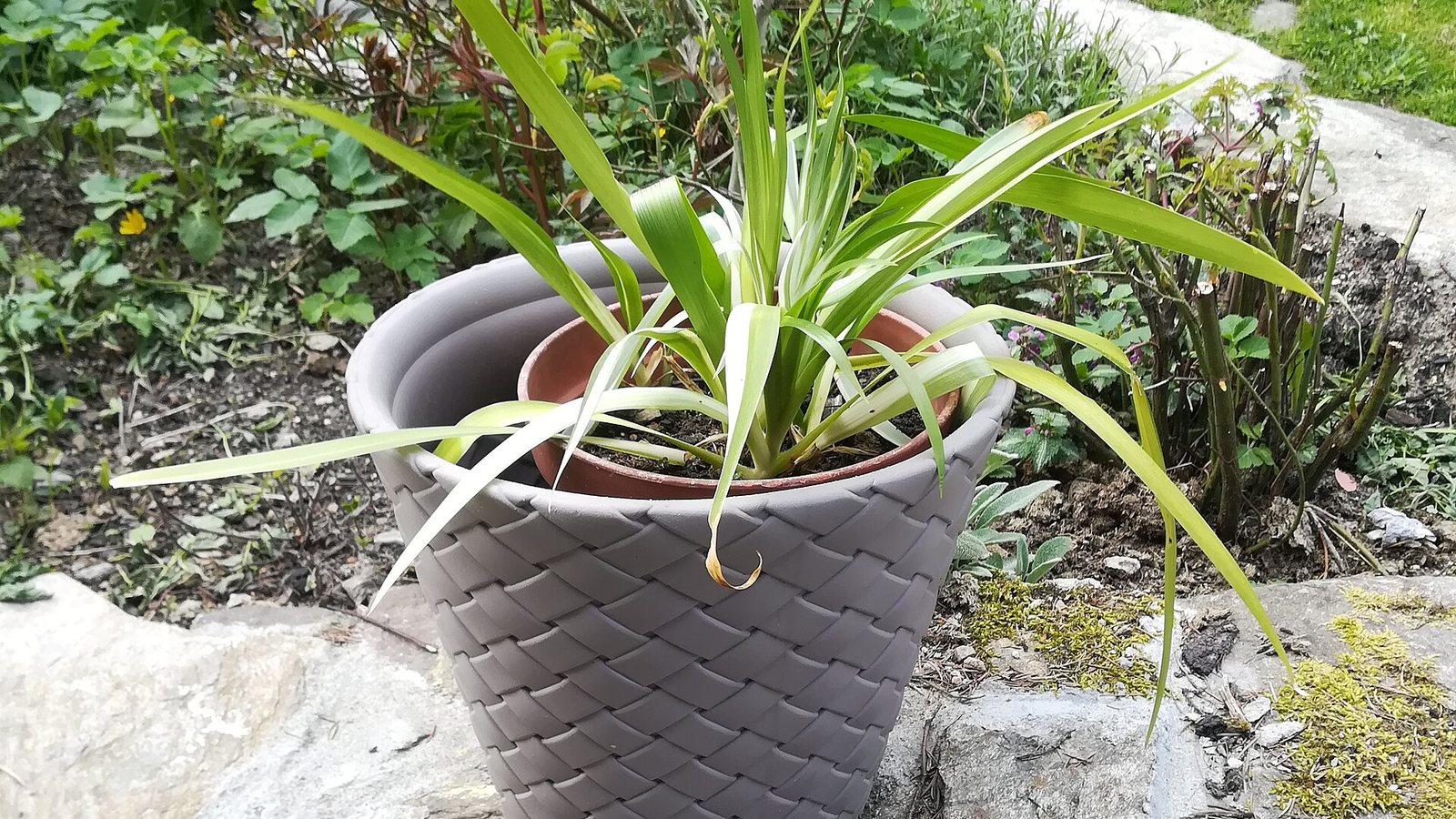
| Snake plant (Sansevieria trifasciata) | Low | Toxic / toxic |
| Chinese evergreen (Aglaonema) | Low | Toxic / toxic |
| Heartleaf philodendron | Low | Toxic / toxic |
| Spider plant (Chlorophytum comosum) | Medium | Non-toxic / non-toxic |
If you have a cat, parlour palm, Boston fern and spider plant are the north-window choices. More ideas for dim rooms are in our best plants for low-light rooms.
Best plants for an east window
East windows get gentle morning sun and, per Iowa State, are often among the brightest. Illinois says high-light plants should be directly in front of an east or west window and medium-light ones a few feet back. The wax plant (Hoya carnosa) and Norfolk Island pine both need high light and are listed by the ASPCA as non-toxic to cats and dogs. The prayer plant is a medium-light plant that can sit a little back from the glass; the ASPCA lists it as non-toxic to cats and dogs. Pothos, also medium light, belongs there too but is toxic to cats and dogs.
Best plants for a west window
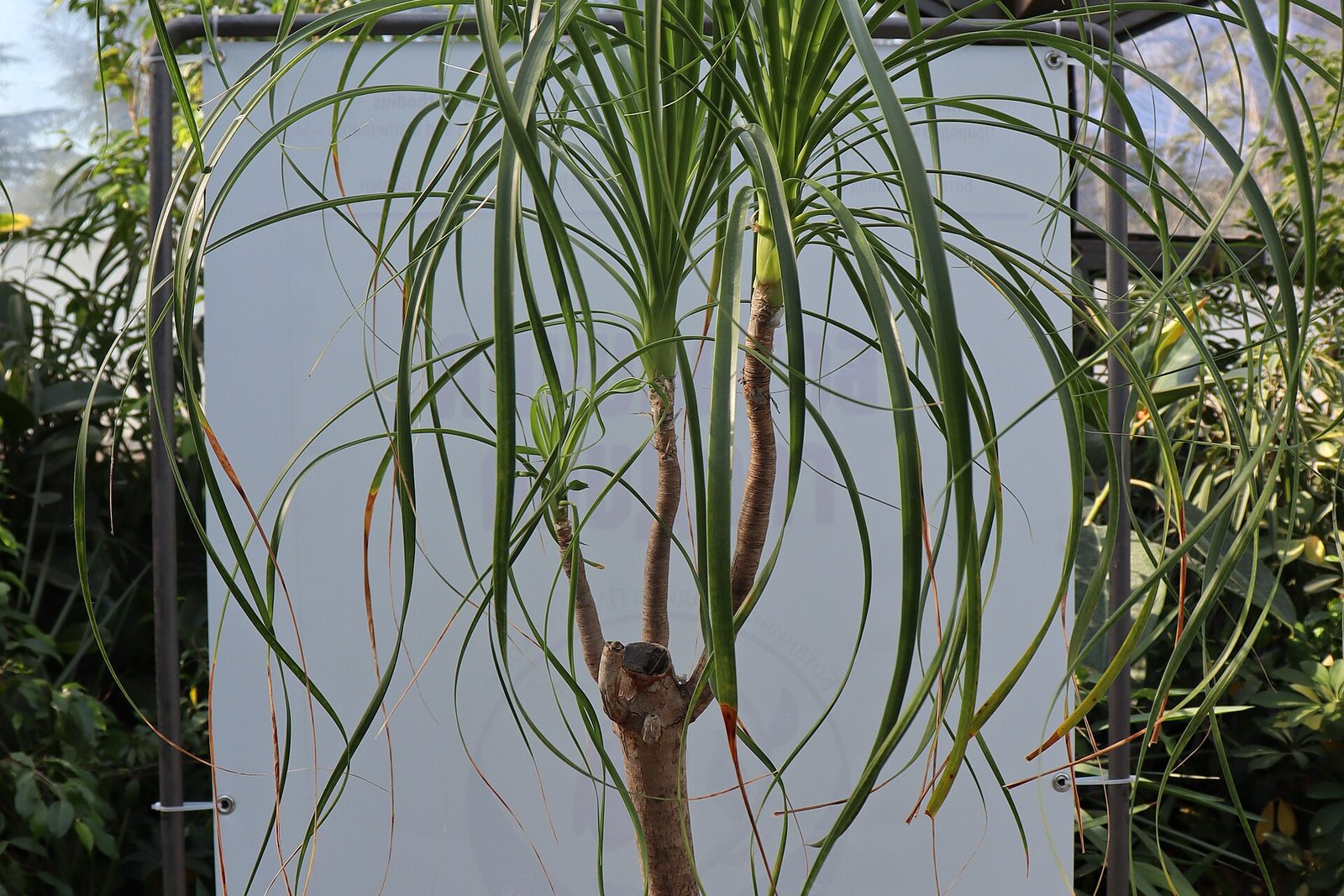
West windows are bright, but Iowa State warns the light can be strong enough to harm some species, and afternoon sun through glass is the usual cause of leaf burn; our guide on leaf sunburn on houseplants shows what it looks like. Illinois lists ponytail palm, jade plant, weeping fig and English ivy as high-light plants that belong directly at an east or west window. Of these, the ASPCA lists ponytail palm (Beaucarnea recurvata) as non-toxic to cats and dogs, while jade plant, weeping fig and English ivy are toxic to both. Put a sheer curtain in front if leaves look bleached or crispy.
Best plants for a south window
South windows are the brightest in the Northern Hemisphere. UF/IFAS puts direct sunlight at more than 1,000 foot-candles, usually at unshaded south or south-west windows, and says plants that need direct light do best with four or more hours of sun. It notes that succulents require more than four hours of direct light, which is why aloe vera, echeveria and jade plant belong here. Illinois also puts gardenia and citrus in the direct-sun group. Check pet safety before choosing:
- Echeveria: ASPCA lists blue echeveria as non-toxic to cats and dogs.
- Aloe vera: toxic to cats and dogs.
- Jade plant: toxic to cats and dogs.
- Gardenia: toxic to cats and dogs.
- Lemon: toxic to cats and dogs.
Which pick is safest for a home with a cat or dog?
Going by the ASPCA entries above, the pet-safe choice for each window is: parlour palm, Boston fern or spider plant at north; wax plant, Norfolk Island pine or prayer plant at east; ponytail palm at west; and echeveria at south. Toxic plants are not banned, but they need a place the animal cannot reach, and if your pet chews a plant, call your vet or the ASPCA Animal Poison Control hotline rather than waiting.
How can you check your window before you buy?
Windows vary more than compass directions. UF/IFAS says a meter accurate to one foot-candle is enough and that phone apps give only approximations. Flori's Smart light meter gives you a reading for the exact spot, and the care profile of each plant lists the light it needs so you can compare the two. If a plant ends up in the wrong place, look for the signs in signs your plant needs more light, and check the pet-safe options in pet-safe houseplants for cats and dogs or the plants toxic to cats list before you bring a plant home.
Frequently asked questions
What plants grow best in a north-facing window?
Low-light plants such as parlour palm, Boston fern, snake plant, Chinese evergreen and heartleaf philodendron, according to University of Illinois Extension. Keep them right at the glass.
Which plants like a south-facing window?
Plants that want direct sun for four or more hours: succulents such as aloe vera and echeveria, jade plant, gardenia and citrus. Check pet safety first, because several are toxic.
Are east or west windows better for houseplants?
Both are bright. East gives gentler morning sun; west gives stronger afternoon sun that can scorch some plants, so use a sheer curtain if leaves bleach.
Does window direction change in the Southern Hemisphere?
Yes. Swap north and south: a north window there gets the most sun and a south window the least. East and west stay the same.
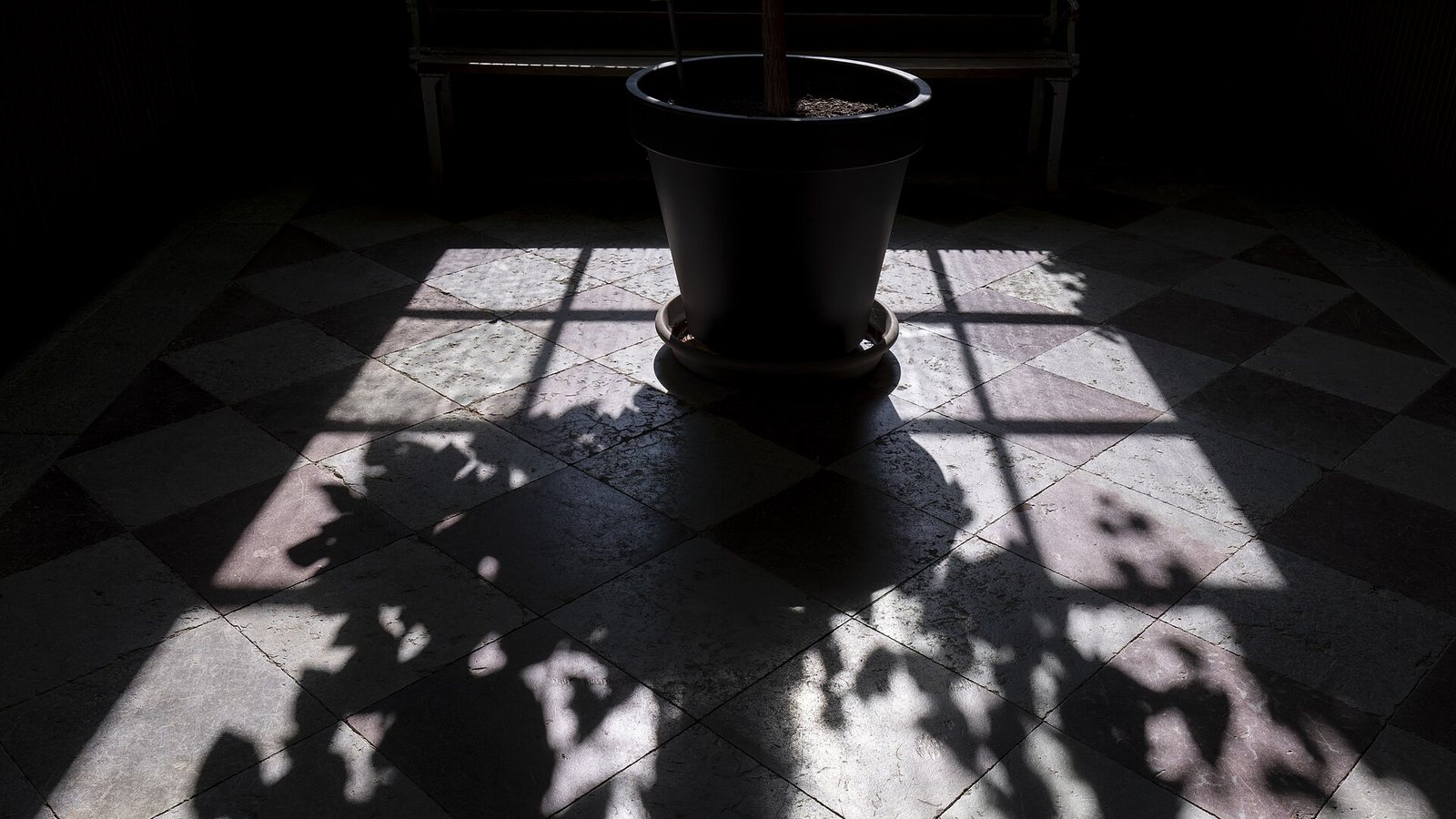
How much light houseplants need: low, medium and high light by window and distance, which plants fit each level, daily hours and seasonal changes.
Sources
Written and fact-checked by the Flori team. Every guide cites horticultural sources such as the RHS, university extension services and the ASPCA, and is updated when the advice changes. How we write our guides
General plant care information. Plants vary; when a plant is valuable or a problem spreads quickly, consult a local nursery or plant specialist.