How Much Light Do Houseplants Need?
How much light houseplants need: low, medium and high light by window and distance, which plants fit each level, daily hours and seasonal changes.
 By Flori editorial team · Updated
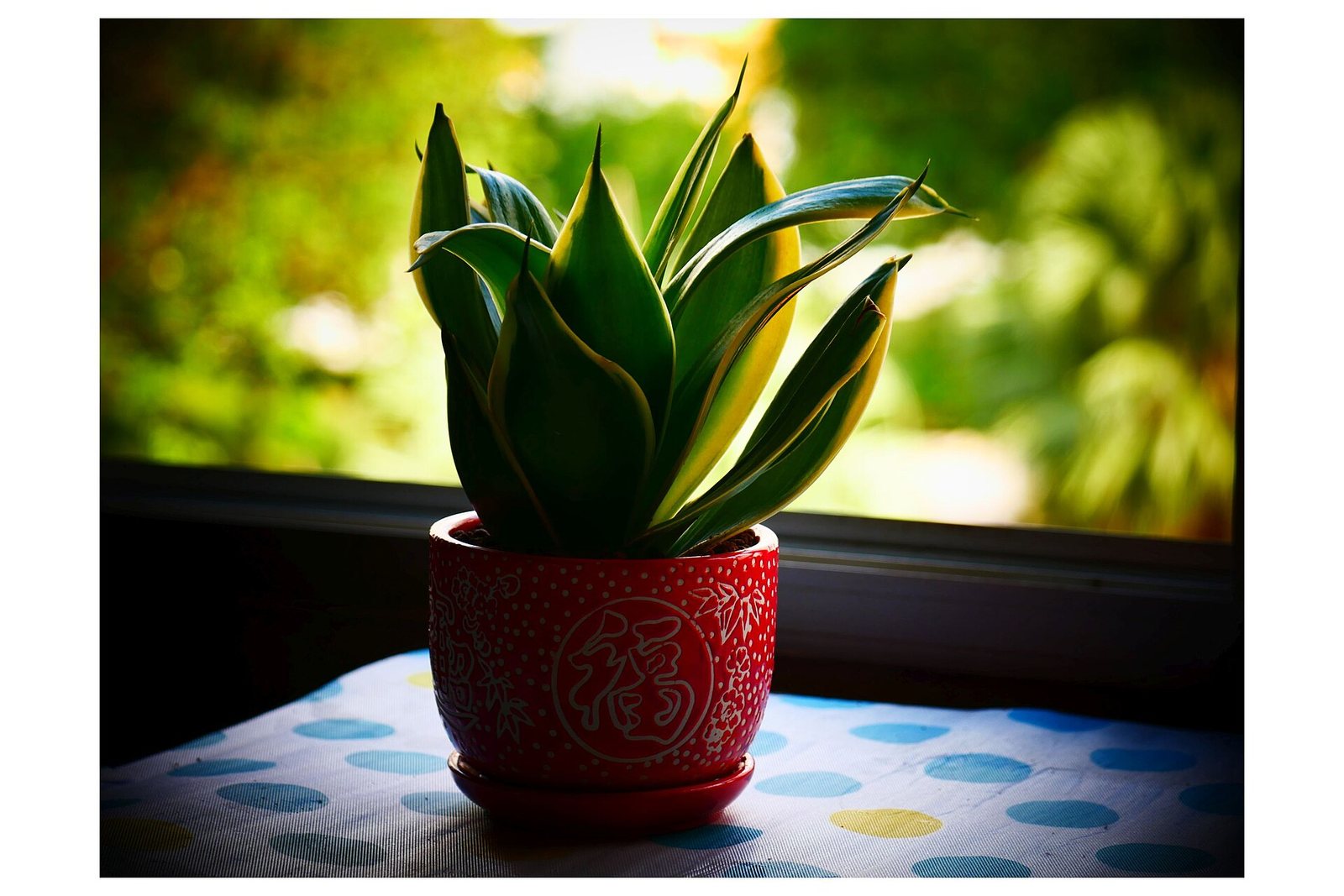
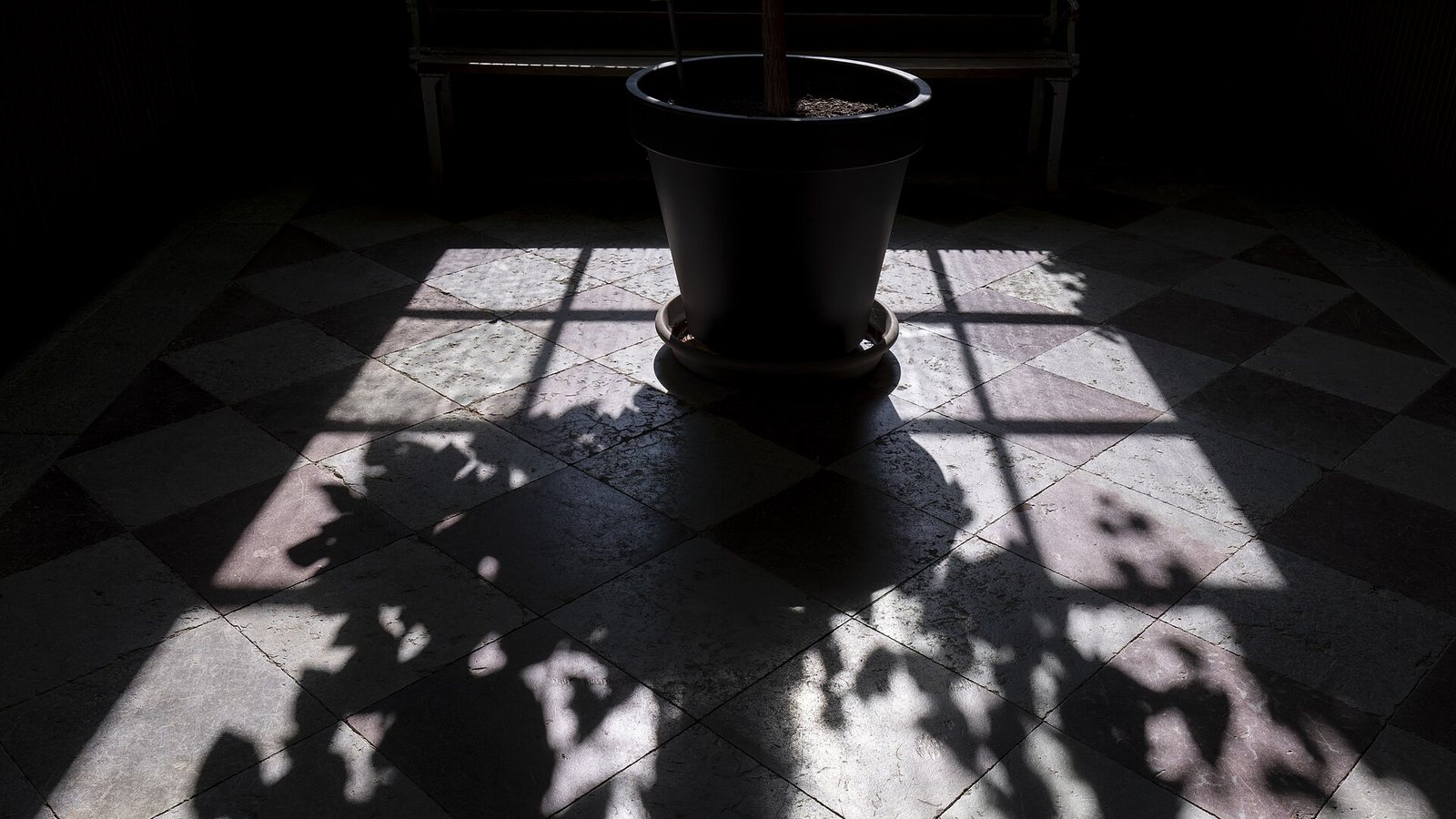 Photo: Jules Verne Times Two · CC BY-SA 4.0
Most houseplants need bright, indirect light: roughly 1,600 to 3,200 lux (150 to 300 foot-candles), found right at an east or west window or within about 3 m (10 ft) of a south one. Low-light plants such as snake plant cope with about 800 lux, while succulents and citrus need four or more hours of direct sun.
Key takeaways
- Most houseplants, even low-light ones, grow best in bright, indirect light.
- Light falls fast with distance: a south window gives bright light only up to about 1.5 m (5 ft) away.
- Low light means about 800 lux (75 fc), medium about 1,600 lux and high about 3,200 lux, by Illinois Extension's figures.
- Under lamps, most plants need at least 8 hours a day and never more than 16.
- In the Southern Hemisphere, swap north and south: north windows get the most sun.
On this page7
How much light do houseplants need?
How much light houseplants need depends on the plant, but the answer for most of them is more than they get. Iowa State Extension calls light the most limiting factor for growing plants indoors, and says most houseplants, even the ones sold for low light, do best in bright, indirect light. This guide turns that into numbers you can use: how far from each kind of window a spot stays bright, which common houseplants belong in low, medium or high light, how many hours they need, and how it all shifts with the seasons, in both hemispheres.
How bright is low, medium and high light?
Light intensity is measured in foot-candles (fc) or lux; one foot-candle is roughly 10 lux. University of Illinois Extension gives typical indoor levels and, usefully, says where you find them. The table converts its distances to metres and assumes the Northern Hemisphere; in the Southern Hemisphere, swap north and south, because there a north window gets the most sun.
| Light level | Typical light | North window | East or west window | South window |
|---|---|---|---|---|
| Low | About 75 fc (800 lux) | About 1 m (a few feet) away | 1–3 m (3–10 ft) away | 4.5–6 m (15–20 ft) away |
| Medium | About 150 fc (1,600 lux) | Directly in front | About 1 m (a few feet) away | 1–3 m (3–10 ft) away |
| High | About 300 fc (3,200 lux) | Not reached | Directly in front | Up to 1.5 m (5 ft) away |
| Direct sun | About 1,500 fc (16,000 lux) | Not reached | Not reached | Directly in front |
Other sources draw the bands wider. UF/IFAS puts low light at 25–100 fc, medium at 100–500 fc, high at 500–1,000 fc and direct sun above 1,000 fc, measured at midday. Treat all of these as a guide to the order of magnitude, not a target. For comparison, Illinois puts outdoor sunlight at about 10,000–12,000 fc, so even a bright windowsill is far dimmer than a garden.
Which window gives the most light?
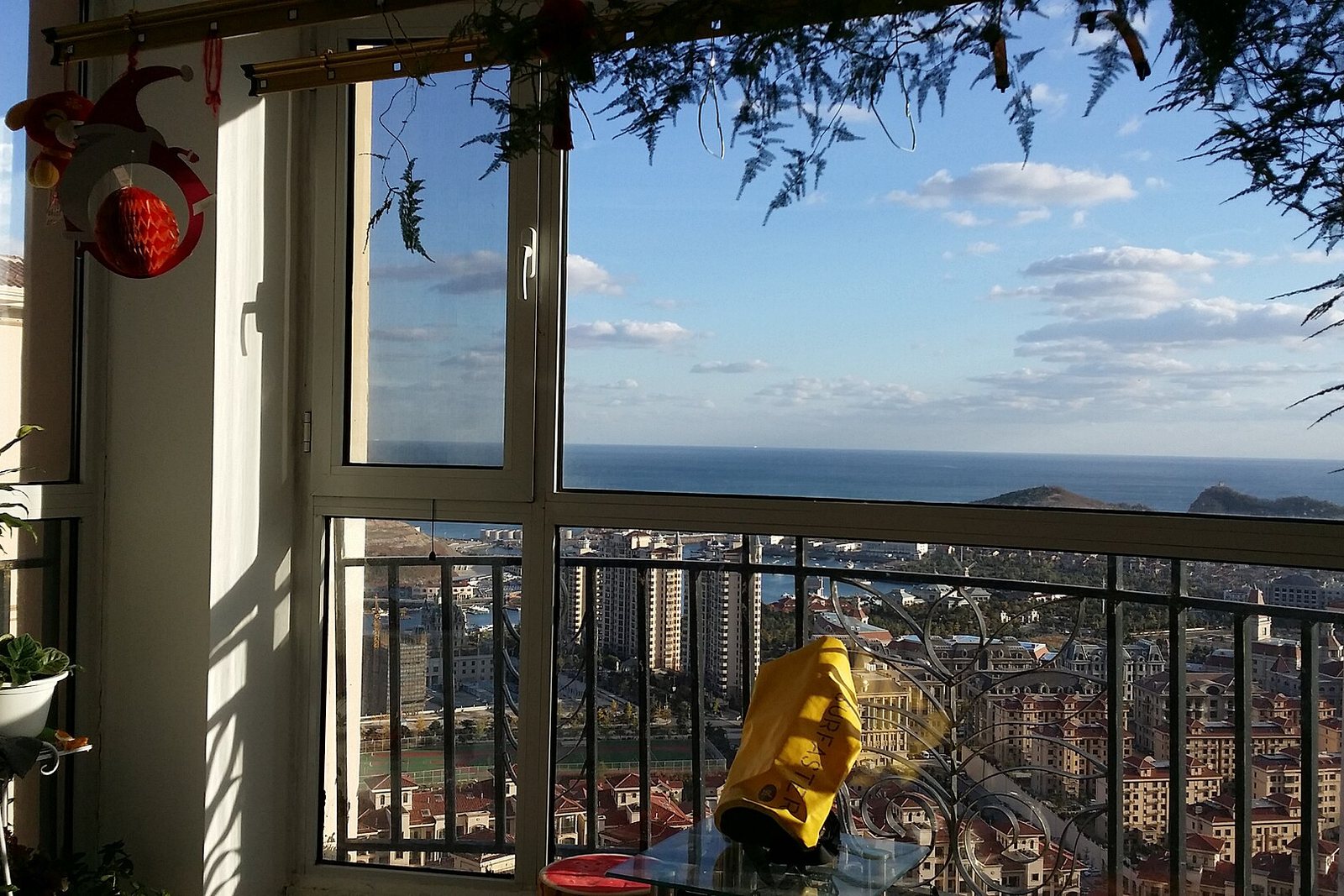
Iowa State says south- and east-facing windows often give the most light in the Northern Hemisphere, while west windows are bright too, and the afternoon sun can be too strong for some plants. North windows suit low-light plants. Direction is only half the story, though: Iowa State stresses that light drops quickly as you move away from the glass, and that curtains, sheers, window films, roof overhangs, trees and nearby buildings all cut it further. A large window lets in more than a small one facing the same way.
UF/IFAS adds two numbers that surprise most people: a north-facing window may never reach 400 fc, and offices lit only by fluorescent tubes often measure 40 fc or less.
How much light does each houseplant need?
Illinois Extension sorts common houseplants by the light they need. Remember that "low" means the least a plant tolerates, not what it prefers.
| Light need | Houseplants (Illinois Extension) | Where to put them |
|---|---|---|
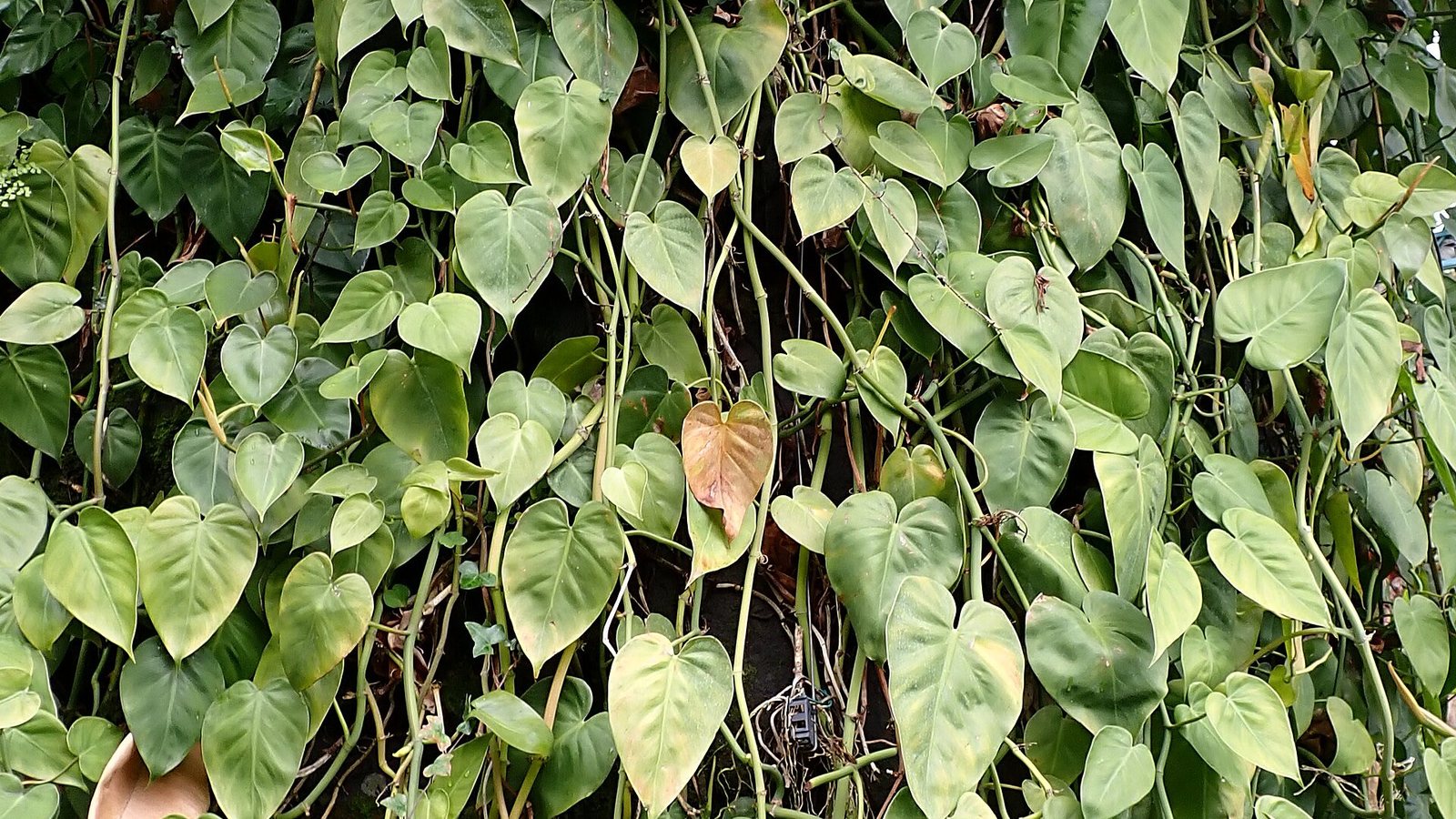
| Low | Chinese evergreen, parlour palm, Boston fern, heartleaf philodendron, snake plant | A few steps back from an east or west window, or beside a north window |
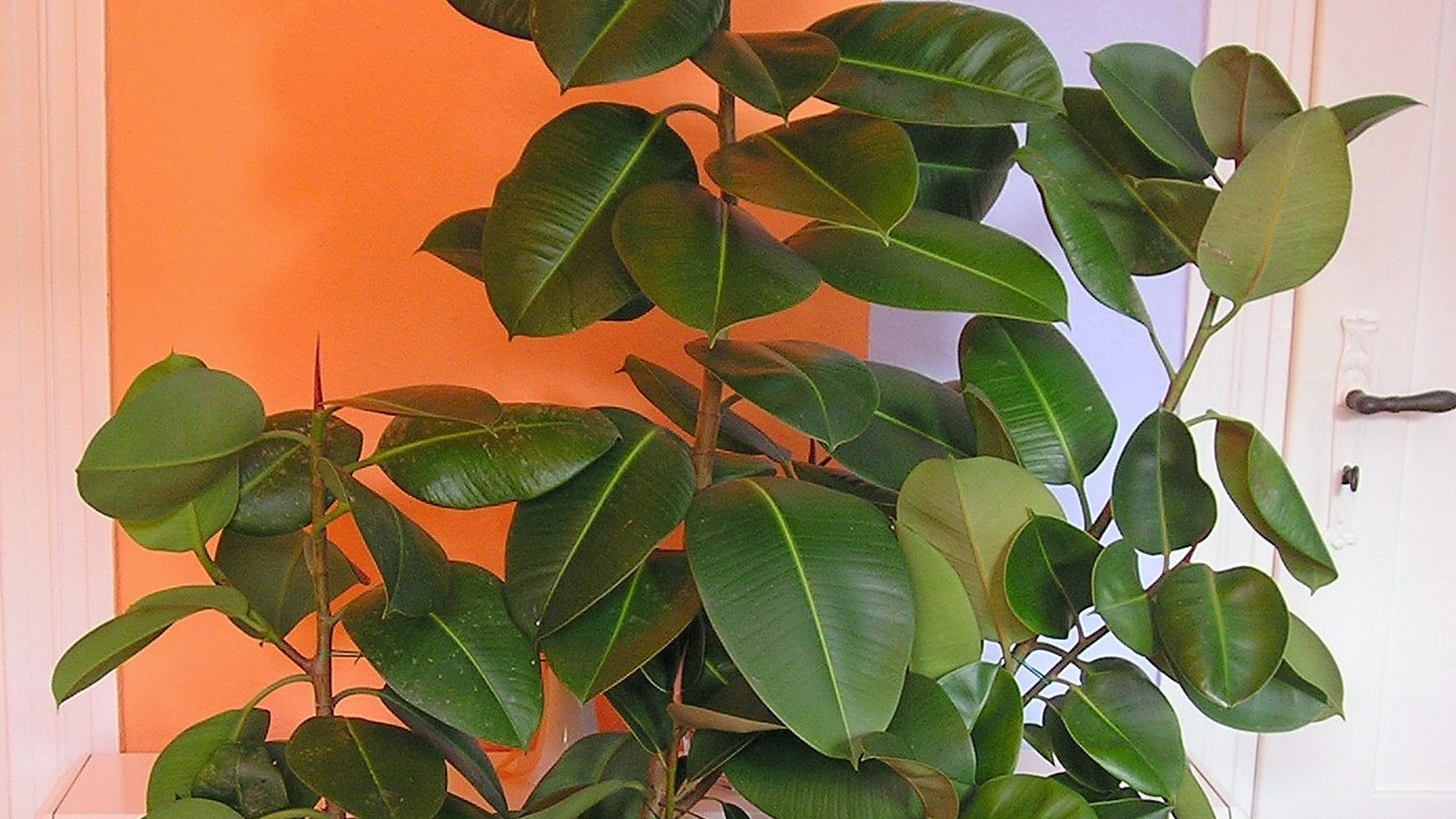
| Medium | Pothos, spider plant, anthurium, dracaena, rubber plant, fiddle leaf fig, prayer plant, peperomia, dumb cane | In front of a north window, about 1 m from an east or west one |
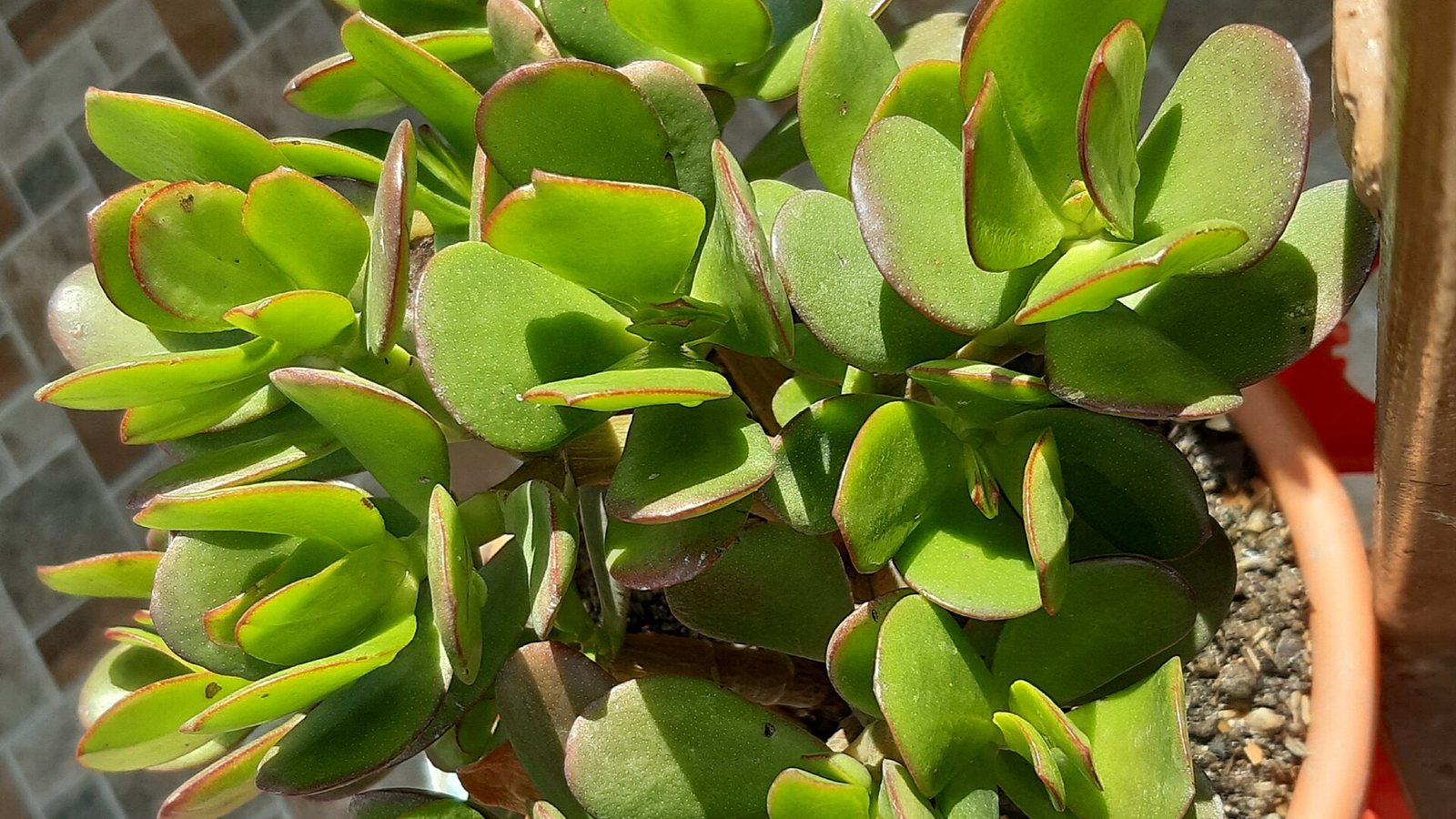
| High | Jade plant, ponytail palm, weeping fig, English ivy, wax plant (hoya), Norfolk Island pine, crown of thorns | Right at an east or west window, or within 1.5 m of a south one |
| Direct sun | Gardenia, citrus | Directly in front of a south window |
UF/IFAS adds that succulents need more than four hours of direct sun. Before you settle a plant, its care profile in Flori lists the light it needs, so you can match it to a spot rather than to a guess. Our list of beginner plants that forgive mistakes picks out the low-light survivors.
How many hours of light do houseplants need?
Intensity matters more than hours, but hours count too. UF/IFAS says plants that need direct light benefit from four or more hours of sun on their leaves, and that under artificial light most plants need eight hours or more a day. Illinois notes that plants in low light can benefit from 14–16 hours of light, but advises never giving more than 16, because plants need a dark rest period.
There is a limit to what extra hours can do. Iowa State says longer exposure can slightly improve a plant in low light, but in most cases it is more effective to change the window, its size or the plant's distance from it. Some plants also flower only with a certain day length, which matters if you add lamps. Our grow lights guide covers lamp height, timers and schedules.
How does light change through the year?
In winter the sun sits lower in the sky. Illinois explains that this lets it reach further into rooms, while the high summer sun brightens rooms less. Deciduous trees outside work the other way: they shade windows in summer and let more light through once their leaves drop. UF/IFAS notes that winter midday sun can still top 4,000 fc at a sunny window.
The RHS gives the practical rule: in winter, houseplants benefit from full sunlight because daylight is weak, while in summer strong sun through glass can scorch sensitive plants. It also warns that too much warmth combined with low winter light forces weak, unhealthy growth. So move light-hungry plants closer to the glass as days shorten, pull ferns and other shade-lovers back from bright windows in summer, and keep winter plants away from radiators. The same rules apply in both hemispheres; only the calendar months differ. Our winter houseplant care guide covers watering in that season.
How can you check the light in a spot?
Your eyes adapt, so they are poor judges. Iowa State's quick test for bright, indirect light is a spot bright enough to cast a distinct shadow without sun rays falling on the leaves. For numbers, UF/IFAS says a simple handheld meter reading in foot-candles or lux is enough, and that phone apps vary in accuracy but are good enough to compare spots. Flori's Smart light meter works that way: measure at leaf height at a few times of day and compare.
Iowa State also points out that most growers succeed by experimenting: put the plant where the numbers suggest, then watch how it responds over a few weeks. If growth turns pale, spindly or slow, or leaves bleach and scorch, the light is wrong. Our guide to the signs your plant needs more light explains what each symptom means.
Frequently asked questions
How many lux does a houseplant need?
Illinois Extension puts typical low light at about 800 lux, medium at 1,600 and high at 3,200 lux. UF/IFAS gives wider bands, up to about 10,000 lux for high light, so treat any figure as a guide.
Is a north-facing window enough for houseplants?
For low- and medium-light plants such as snake plant, pothos or spider plant, yes, if the plant sits close to the glass. In the Southern Hemisphere a north window is the sunniest instead.
Can a houseplant get too much light?
Yes. The RHS warns that strong summer sun through glass can scorch sensitive plants, and Iowa State lists bleached, yellow or brown leaves as signs of too much light.
Do houseplants need light at night?
No. Illinois Extension advises no more than 16 hours of light a day, because plants need a dark rest period.
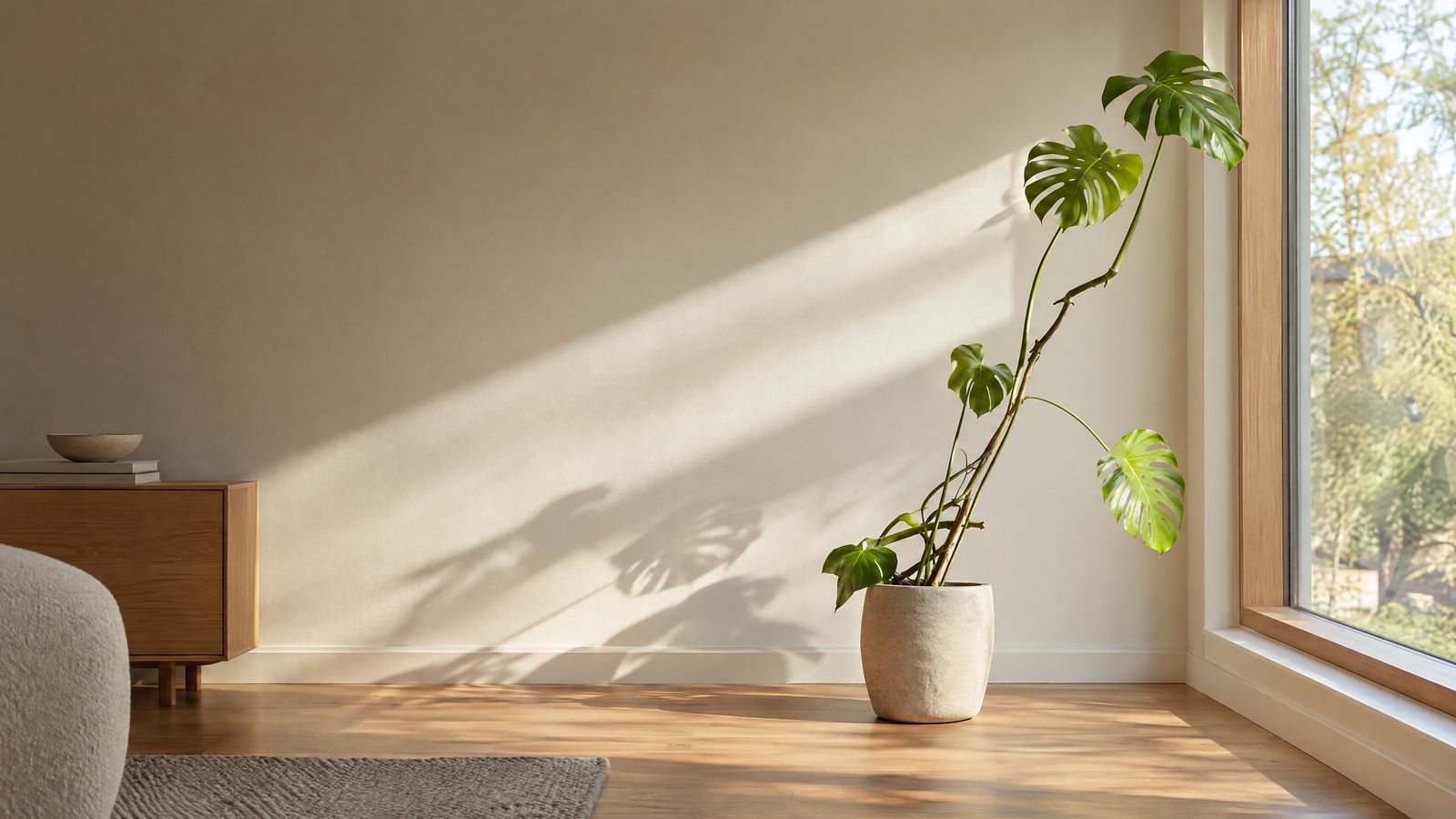
Leggy stems, leaning, small pale leaves and no flowers mean your plant needs more light. Learn how much light houseplants need and how to fix it.
Sources
Written and fact-checked by the Flori team. Every guide cites horticultural sources such as the RHS, university extension services and the ASPCA, and is updated when the advice changes. How we write our guides
General plant care information. Plants vary; when a plant is valuable or a problem spreads quickly, consult a local nursery or plant specialist.