Ants in Plant Pots: Why They Come, How to Remove
Ants in a plant pot usually come for honeydew from aphids or mealybugs, or nest in soil after a summer outdoors. How to tell which and clear them safely.
 By Flori editorial team · Updated
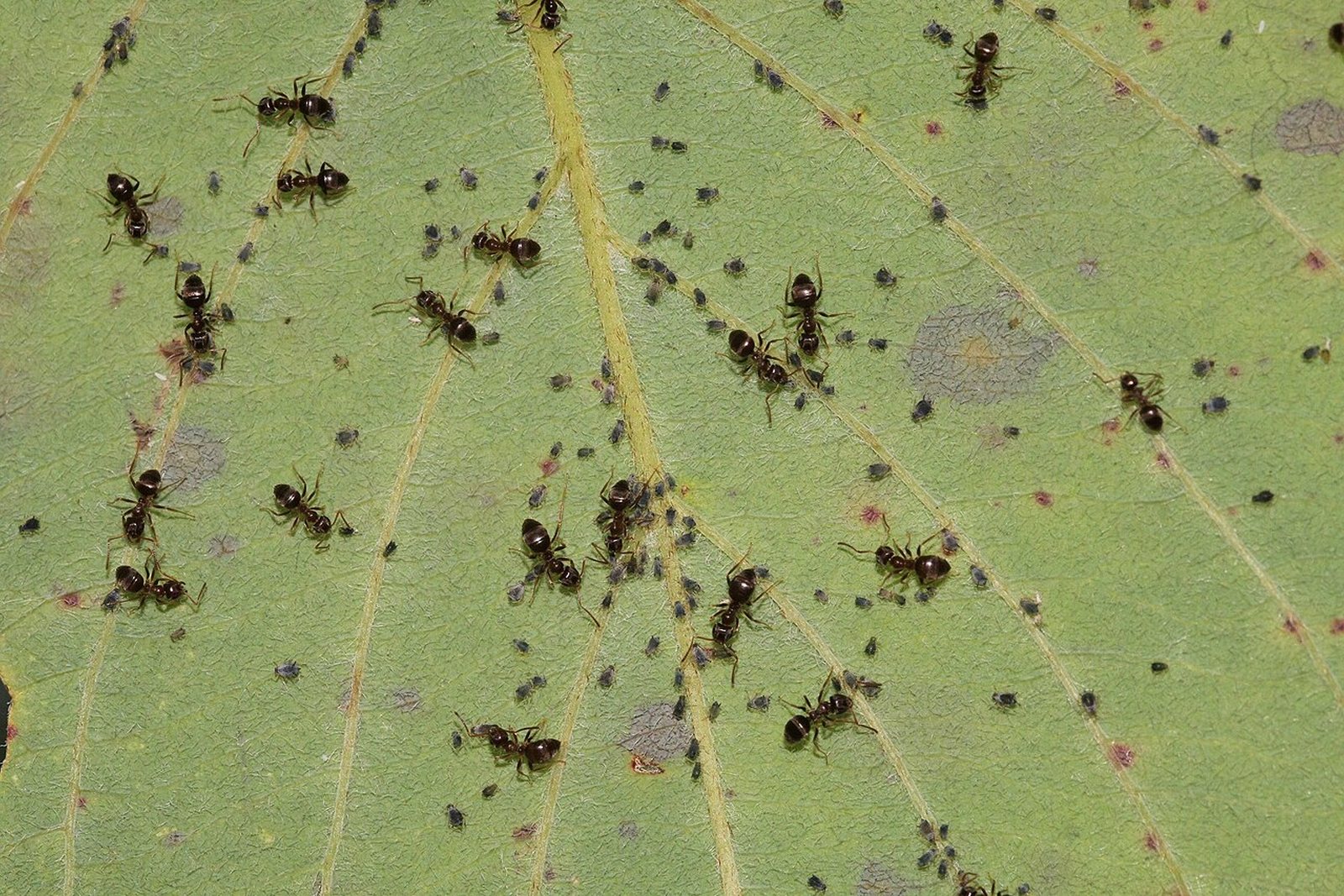
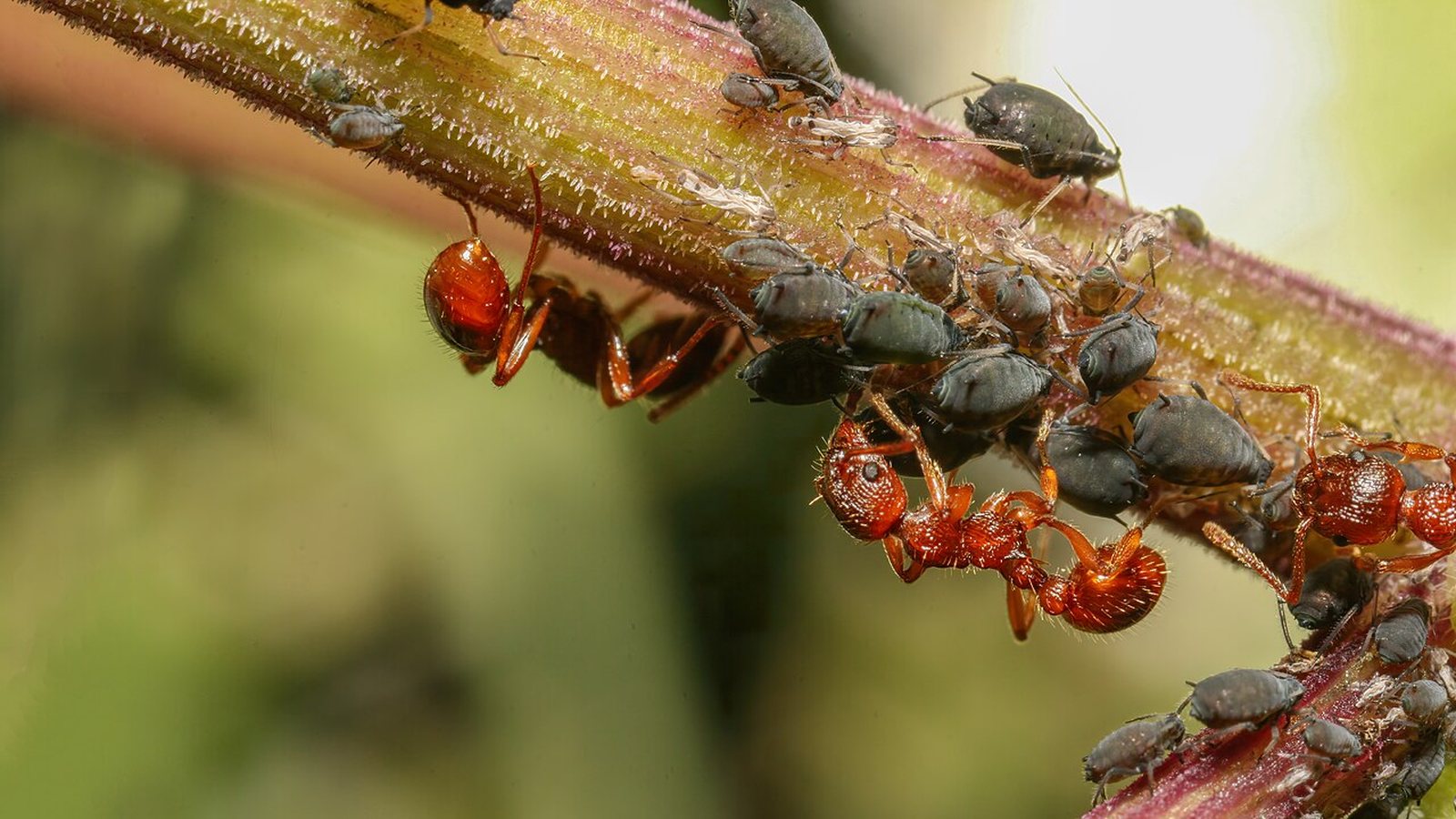 Photo: Roy Egloff · CC BY-SA 4.0
Ants in plant pots usually come for honeydew, the sugary waste of aphids, mealybugs and scale, or have nested in the soil while the pot sat outdoors. Find and treat the sap-sucking insects, flush the pot, or repot in fresh mix with the old soil shaken off. Use baits outdoors, and follow the label.
Key takeaways
- Ants usually signal something else: sap-sucking insects such as aphids, mealybugs and scale that produce sugary honeydew.
- Ants guard those insects from predators, so treating the pest, not just the ants, ends the problem.
- A pot that spent summer outdoors may hold a nest: flush it, or repot in fresh potting mix with the old soil shaken off.
- A water moat (pot in a bowl of soapy water) and wiping trails help in the short term.
- Baits belong outdoors and out of reach of children and pets; always follow the product label.
On this page8
Why are there ants in my plant pot?
Ants are in your pot for one of two reasons: food or a nest. Most often the food is honeydew, the sticky sugary liquid that aphids, mealybugs, soft scales and whiteflies excrete. Less often the pot itself is a nest, which happens when a plant spent the summer outdoors. The two causes need different fixes, so the first job is to work out which one you have, and this guide gives a short test, a symptom table and a step-by-step plan. It covers pots on a windowsill, balcony or terrace; the same logic holds for garden beds.
| What you see | Likely cause | First fix |
|---|---|---|
| Ants walking up and down stems or leaves | Honeydew-producing insects above the soil | Inspect leaf undersides and stem joints; treat the pest |
| Sticky leaves or a shiny film under the plant | Honeydew from aphids, mealybugs or scale | Wipe leaves, treat the pest |
| Ants entering and leaving the drainage holes or soil | A nest in the pot | Flush the pot or repot in fresh mix |
| Ants only after the plant came in from outside | Nest or foragers came with it | Flush or repot; inspect before bringing in |
Why do ants love aphids and mealybugs?
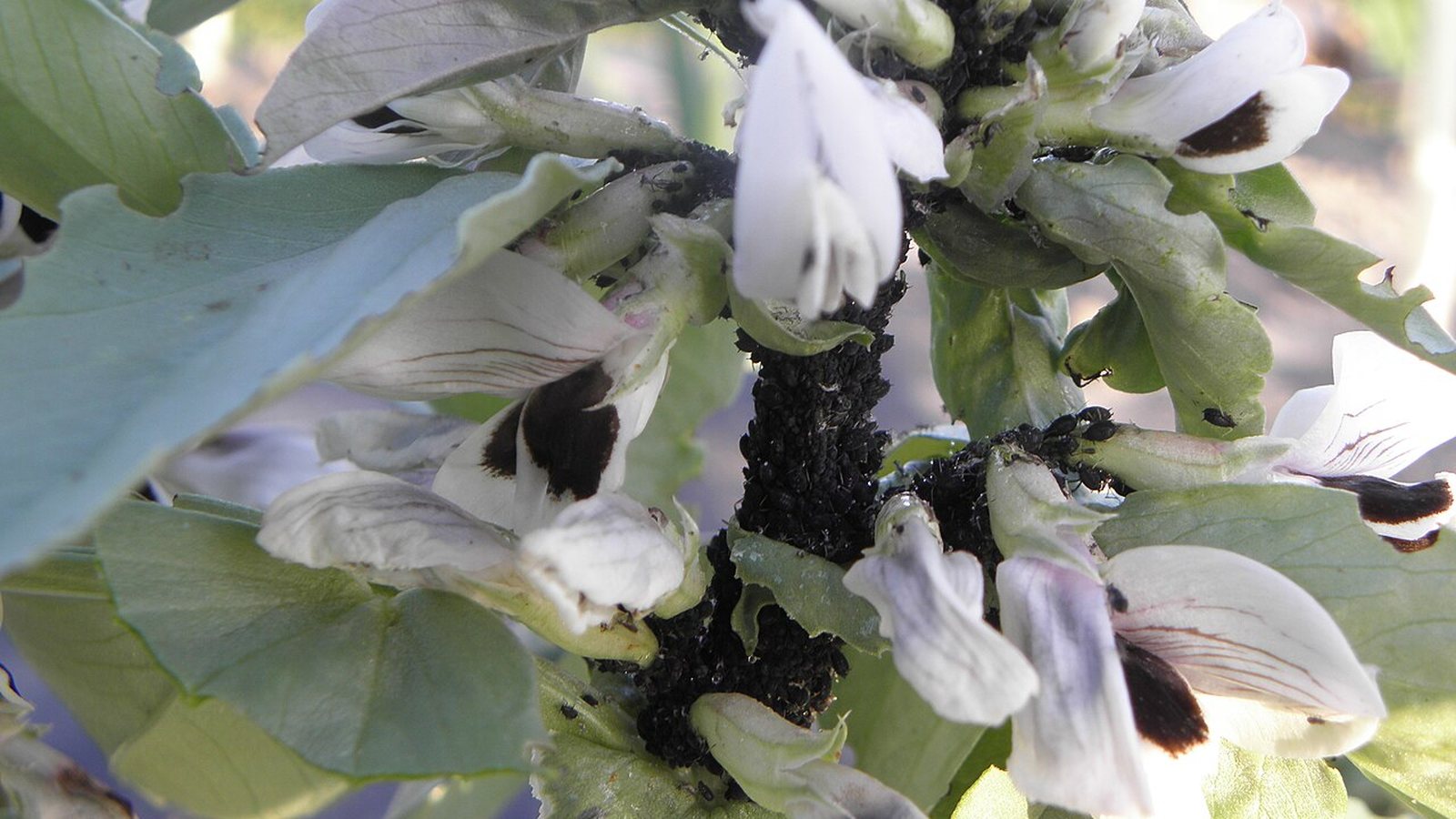
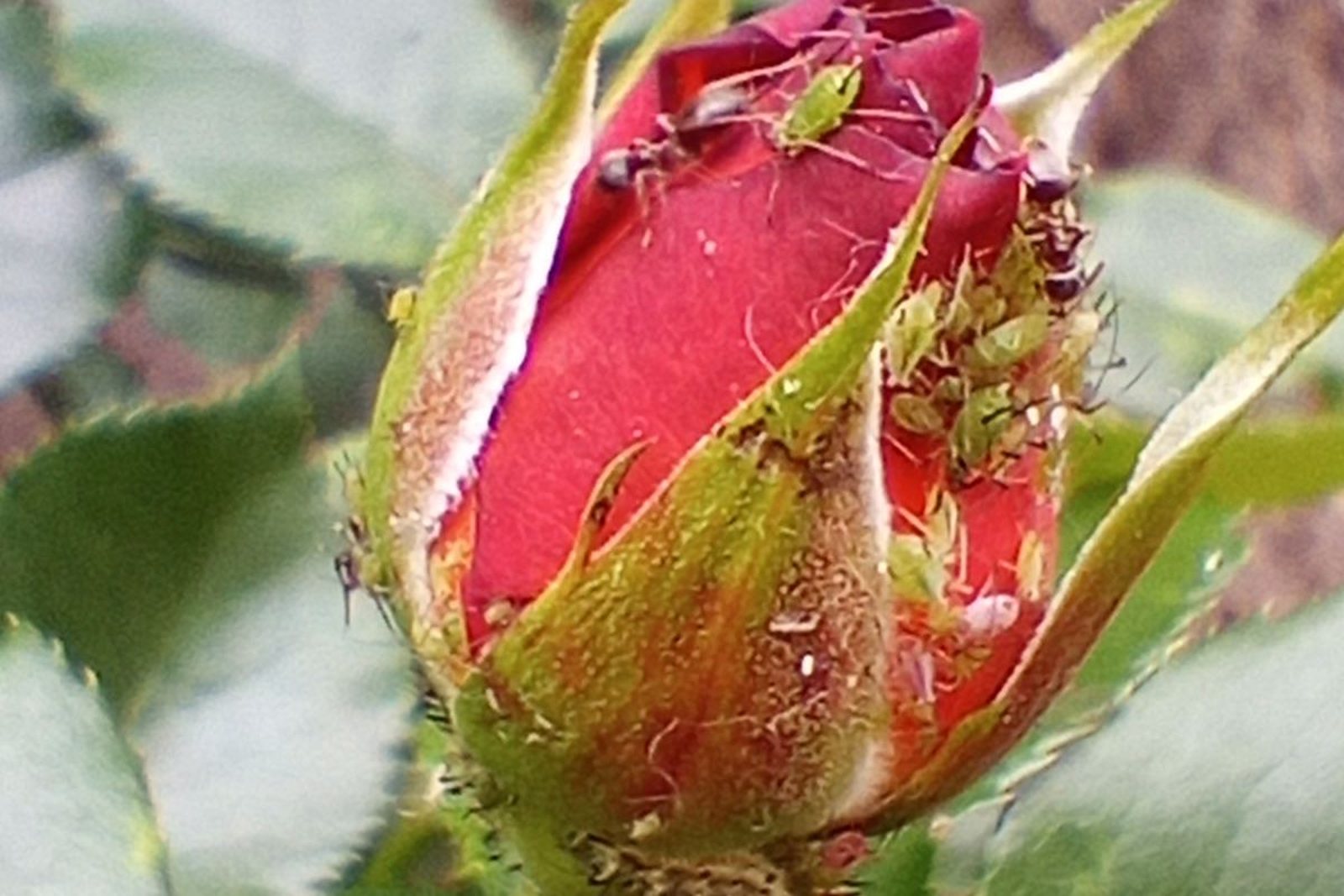
Ants farm them. UC IPM explains that ants tend aphids, soft scales, mealybugs and whiteflies for their honeydew and protect them from natural enemies, which can make these outbreaks worse. UC IPM's aphid guide says ants ward off many predators and parasites of aphids, and that many ants on a plant are a warning sign to check for aphids or other honeydew producers. So spraying or stepping on ants will never fix the problem: the herd keeps feeding them. Look for tiny insects on new growth, white cottony tufts or brown bumps on stems; our guides to aphids, mealybugs and scale insects cover removal, and our page on sticky leaves shows how to confirm honeydew.
Do ants harm plants in pots?
The sources we opened do not describe ants themselves eating healthy plants; the damage comes from the insects they protect, which suck sap and spread honeydew that feeds sooty mould. A nest in the soil is a nuisance more than a plant killer, but it can disturb roots and it keeps ants coming into your home. There is also a folk idea that ants are needed for peonies to bloom; Iowa State Extension says the buds open without them, because the ants are only after the sugary nectar.
How do you get ants out of a plant pot?
- Check the plant first. Look under leaves and at stem joints for honeydew producers. If you find aphids, mealybugs or scale, treat them; with the pest gone, the ants lose their reason to visit.
- Flush the pot. Illinois Extension suggests flushing the soil with water, which usually drives out insects that entered through the drainage holes, and trying it before any pesticide.
- Repot if there is a nest. The same source says you may need to shake all the soil off the roots, leaving the ants behind, and replant in fresh potting mix. Clemson adds: use commercially prepared potting mix, not soil from outdoors.
- Make a moat. The National Pesticide Information Center suggests standing the pot in a larger bowl of water with a little detergent, keeping the pot above the waterline.
- Wipe the trail. Wipe up ant trails with soapy water to remove pheromone trails; UC IPM says soapy water or vacuuming removes ants on contact, though with no lasting effect.
- Cut the bridges. Move leaves or stems that touch walls or other plants; UC IPM says trimming branches that touch structures or other plants removes ant access.
Should you use ant baits or sprays?
Baits combine an attractant with a slow-acting insecticide that workers carry back to the nest, which can wipe out the colony, according to UC IPM. Common active ingredients include borate (boric acid), fipronil, avermectin and hydramethylnon. UC IPM says to place baits outdoors near trails and nest openings, out of reach of children and pets, and not to spray while baiting, since sprays interfere with the bait. Indoor sprays are generally not recommended: they are usually unnecessary and give only temporary control.
For a container plant, UC IPM's home-pot advice is to move the infested pot outdoors and submerge it for at least 20 minutes in a solution of insecticidal soap (1 to 2 tablespoons per quart of water), covering the soil surface. Clemson says nests in outdoor containers may be killed with a soil drench of a product containing cyfluthrin or lambda cyhalothrin, then let the pot drain and dry before bringing it in. That is a last resort: start with the least-toxic option from our natural pest prevention guide, and follow the label of anything you use, including keeping it away from children and pets.
How do you stop ants coming back?
- Inspect before you bring a plant in. Clemson says the pests are most often in the outer root ball, so slide the plant from its pot and look; Illinois Extension lists ants among the things to look for in foliage and soil.
- Isolate new plants. Clemson suggests keeping new plants apart for six weeks.
- Let the pot drain and dry. Allow pots to drain properly before bringing them inside.
- Control honeydew sources early. A weekly check of new growth catches aphids before the ants find them.
- Clean up sweet spills. NPIC advises cleaning up spills, especially sweet liquids such as soda, and keeping food in sealed hard containers.
What if you are not sure it is ants?
Tiny moving specks near a pot are not always ants. Springtails, fungus gnats and thrips look similar at a glance; our guide to tiny black bugs on plants sorts them out. If you can describe or photograph the insects, Dr. Flori in the app asks follow-up questions, names the likely cause and suggests a recovery plan; a plant that needs close watching can go in the Plant Hospital.
Does it depend on where you live?
The ants differ by region, but the cause is the same everywhere. On a mild Mediterranean or Aegean balcony, ants and aphids can stay active in pots for longer than in colder places; in inland Anatolia and temperate northern climates, the nest problem tends to appear when plants come in from outdoors in autumn. This regional note is our own observation, not from the cited pages. Local species differ, so if ants are biting or the colony is large, ask a local garden centre or extension service for advice on your species.
Frequently asked questions
Why are there ants in my houseplant?
Usually for honeydew from aphids, mealybugs or scale on the plant, or because a nest formed in the soil while the pot was outdoors. UC IPM says ants tend and protect these insects.
Are ants in plant pots harmful?
The ants themselves are rarely the problem; the insects they protect suck sap and leave honeydew. A nest in the soil is mainly a nuisance and can disturb the roots.
How do I get ants out of a potted plant without chemicals?
Treat any aphids or mealybugs, flush the pot with water, or repot in fresh mix after shaking off the old soil (Illinois Extension). A water-and-detergent moat also keeps them off.
Can I use boric acid or bait indoors?
UC IPM says baits go outdoors near trails and nest openings, out of reach of children and pets. Always follow the label.
How long should I isolate a plant before bringing it in?
Clemson suggests isolating new plants for six weeks and checking the root ball of summer plants for pests before they come indoors.
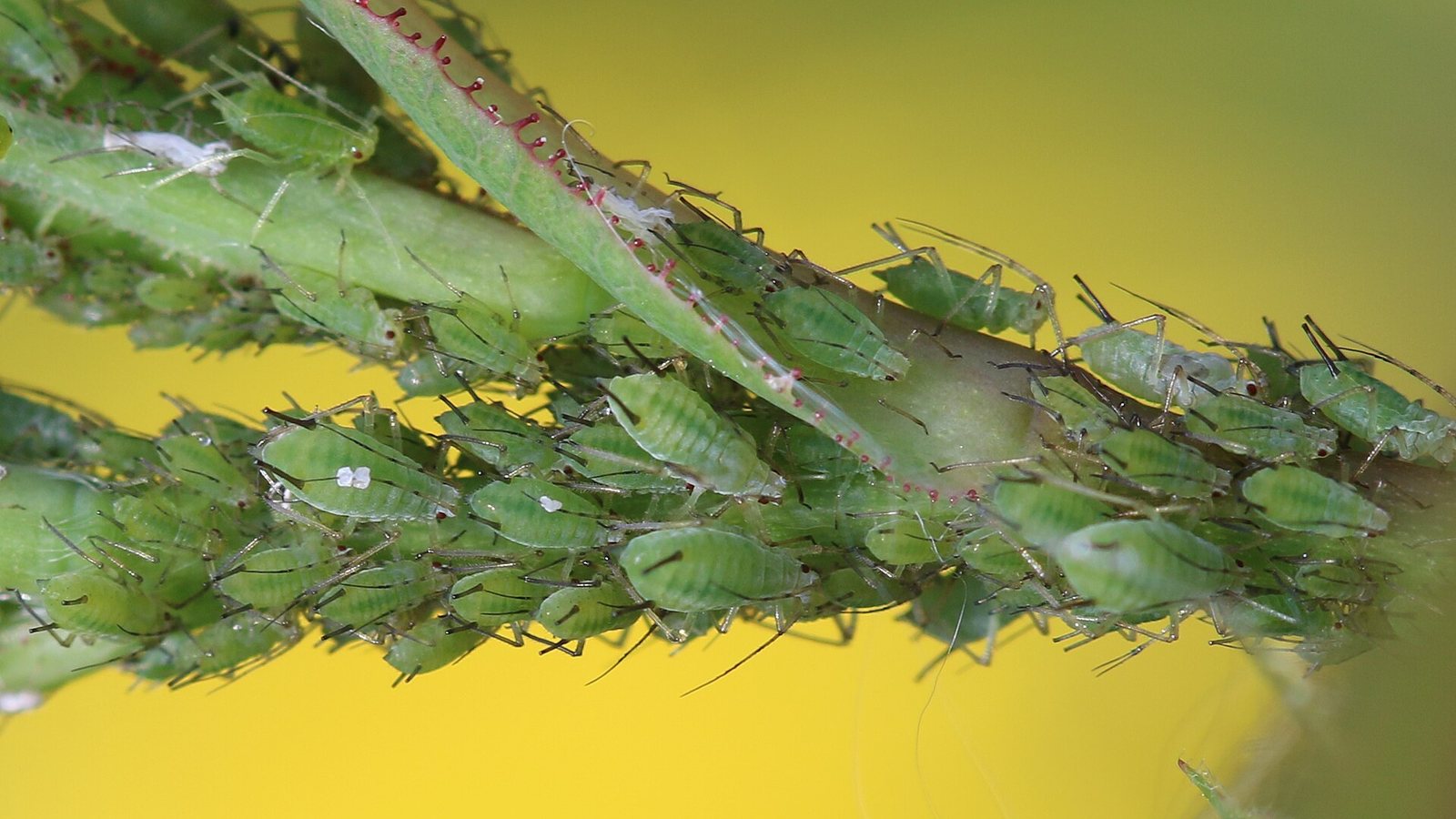
Get rid of aphids naturally: check twice a week, hose or wipe them off, prune and let predators work. Use soap or oil only if needed, and follow the label.
Sources
Written and fact-checked by the Flori team. Every guide cites horticultural sources such as the RHS, university extension services and the ASPCA, and is updated when the advice changes. How we write our guides
General plant care information. Plants vary; when a plant is valuable or a problem spreads quickly, consult a local nursery or plant specialist.