Easiest Houseplants to Propagate From Cuttings
The easiest houseplants to propagate from cuttings: pothos, philodendron, tradescantia, spider plant and more, with method, rooting time and pet safety.
 By Flori editorial team · Updated
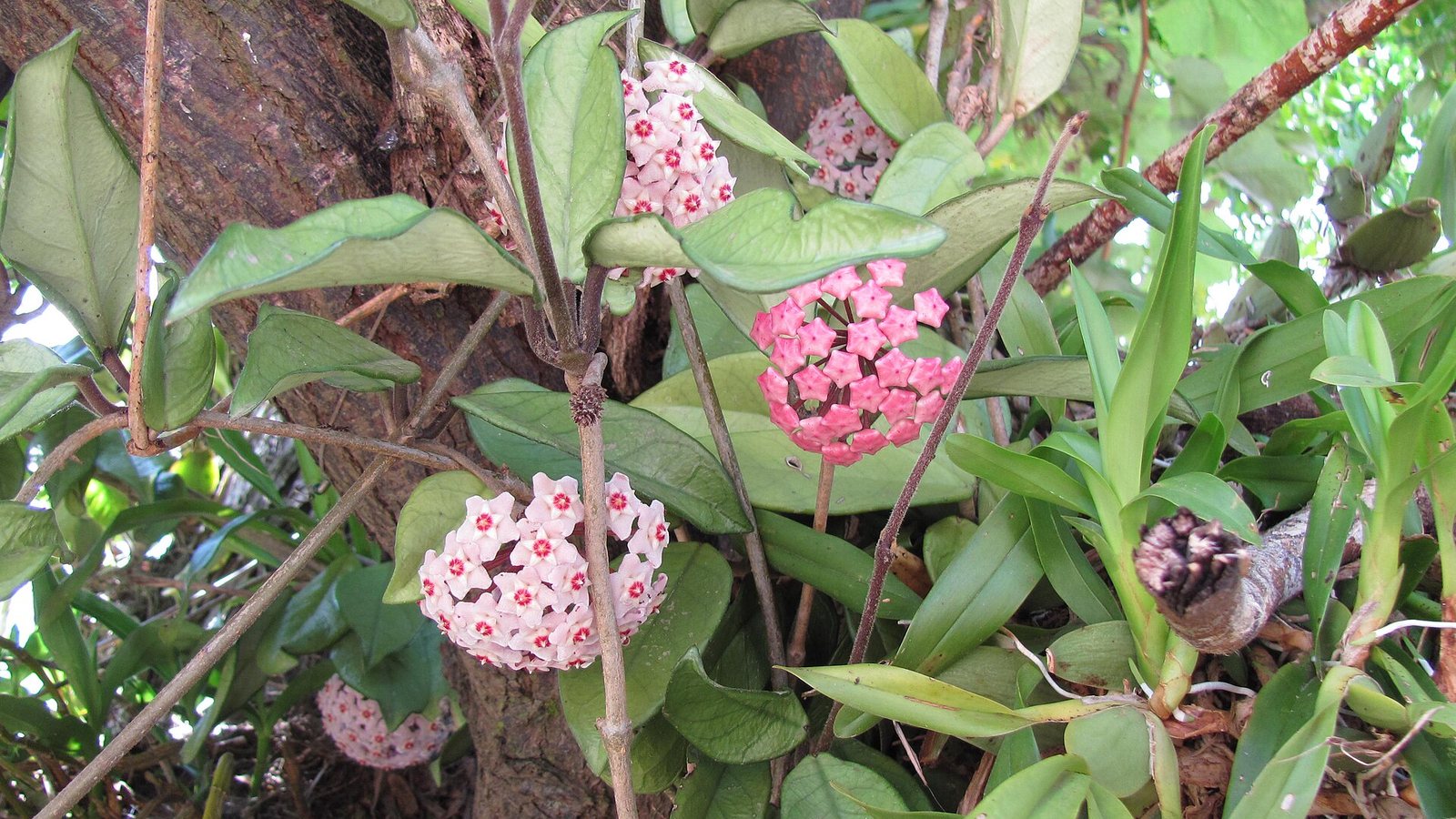 Photo: Paulo rsmenezes · CC BY-SA 3.0 br
Pothos, heartleaf philodendron, tradescantia, coleus, monstera and hoya root from stem cuttings with a node. Spider plants give ready-made plantlets, African violets and jade plants root from leaves, and snake plants from leaf sections. Most root in 3 to 6 weeks, but many of these plants are toxic to pets.
Key takeaways
- Stem cuttings with at least two nodes root in about 3 to 6 weeks for most houseplants.
- Pothos, philodendron, tradescantia and monstera are the easiest stem-cutting plants; spider plant plantlets are the easiest of all.
- African violet and jade plant root from single leaves; snake plant roots from leaf sections.
- Many easy propagators, including pothos, philodendron, monstera, jade and snake plant, are toxic to cats and dogs per the ASPCA; spider plant, African violet and hoya are not.
- Give cuttings 4 to 6 hours of bright, indirect light and temperatures of about 18-24 °C (65-75 °F).
On this page8
- Which houseplants are easiest to propagate from cuttings?
- The ten easiest, ranked, with pet safety
- How do you take a stem cutting from pothos, philodendron or tradescantia?
- How long do cuttings take to root?
- What about spider plants, African violets and snake plants?
- Are easy-to-propagate houseplants safe for pets?
- Which one should you start with?
- Why do easy cuttings still fail?
Which houseplants are easiest to propagate from cuttings?
The easiest houseplants to propagate are the ones that already carry what they need to make roots: trailing stems with nodes, runners with plantlets, or fleshy leaves. This list ranks ten of them by how little can go wrong, which is our judgment, not a measured test, and each item has the fact you will act on: how to take the cutting, how long to wait and whether the plant is safe around pets. The sources agree on the basics. Iowa State University Extension lists pothos, heartleaf philodendron, monstera, tradescantia and hoya among suitable stem-cutting houseplants, and the RHS adds spider plant, African violet and jade plant to its easy list. For the general method, see propagating plants from cuttings.
The ten easiest, ranked, with pet safety
| Plant | How to propagate | Pets (ASPCA) |
|---|---|---|
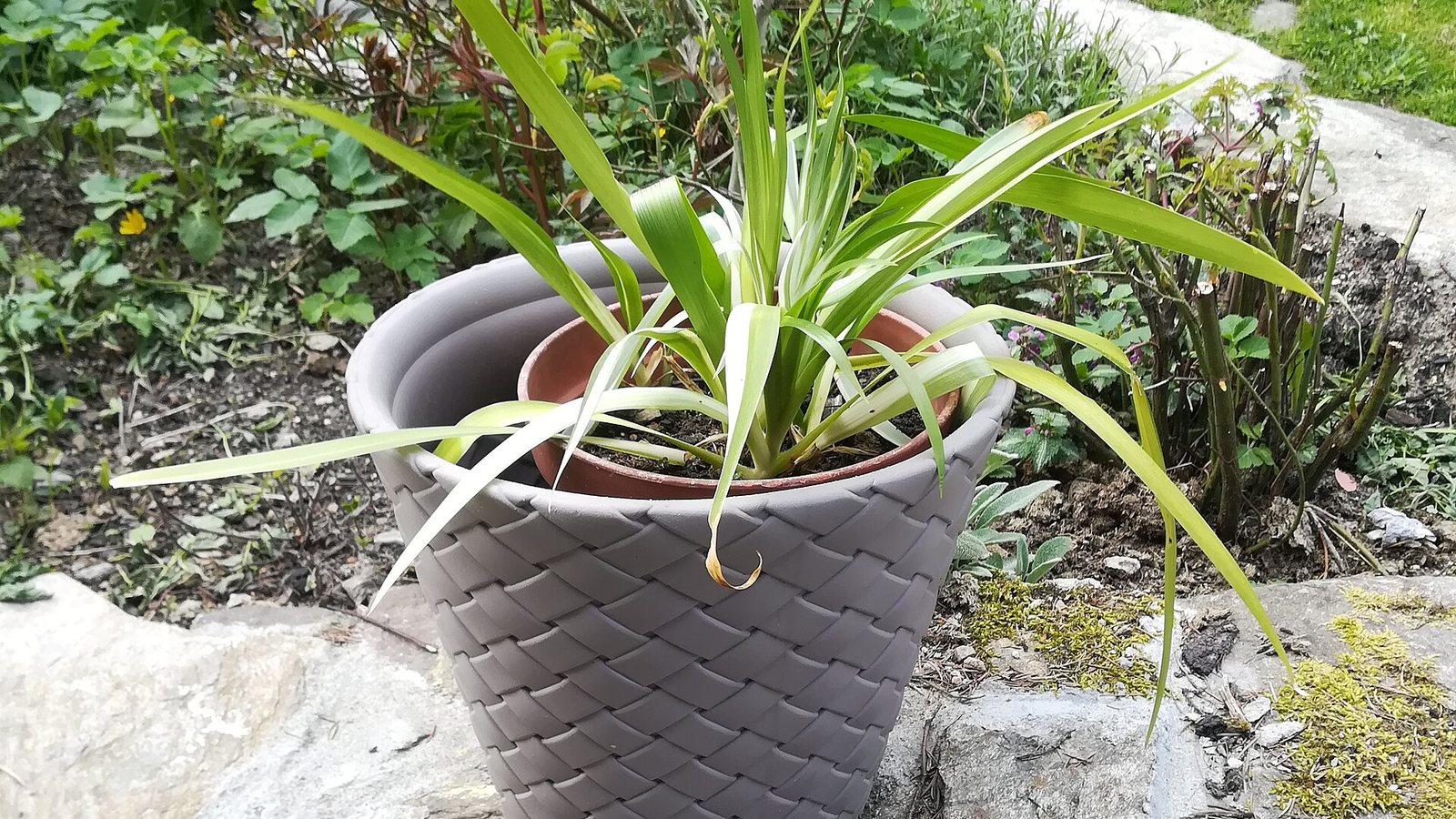
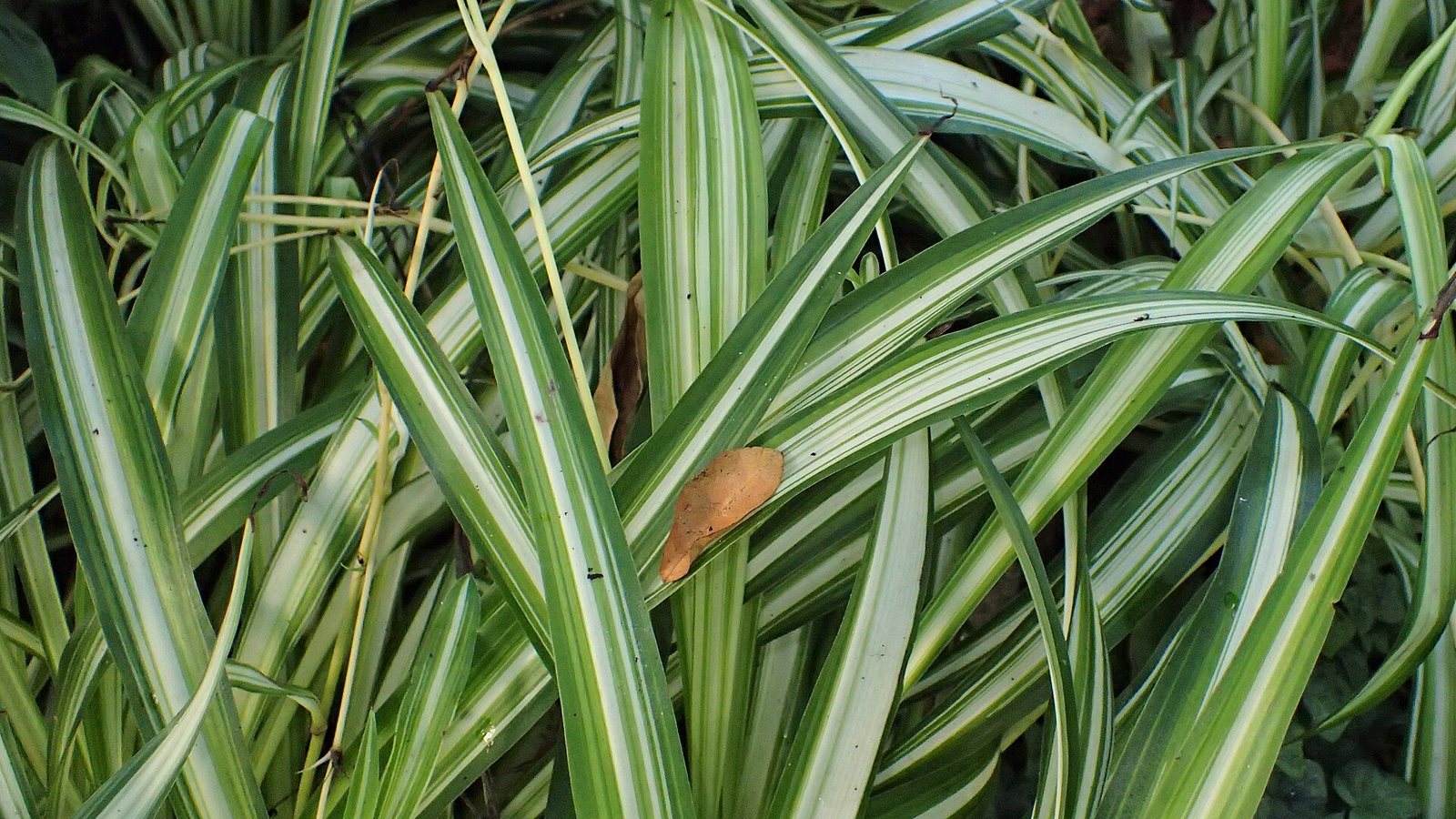
| 1. Spider plant (Chlorophytum comosum) | Snap off a plantlet from the runner; root in water or compost (RHS) | Non-toxic to cats and dogs |
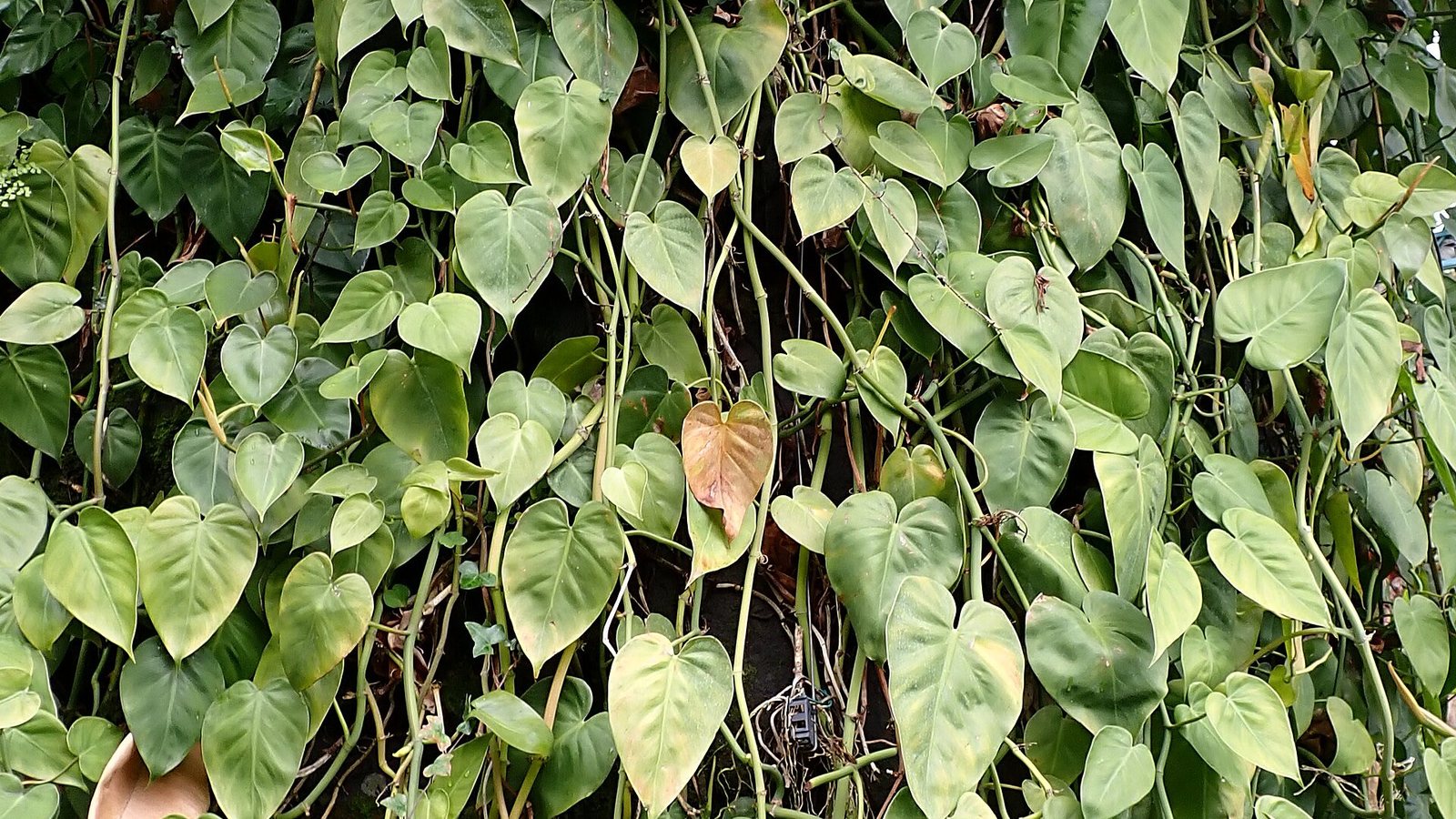
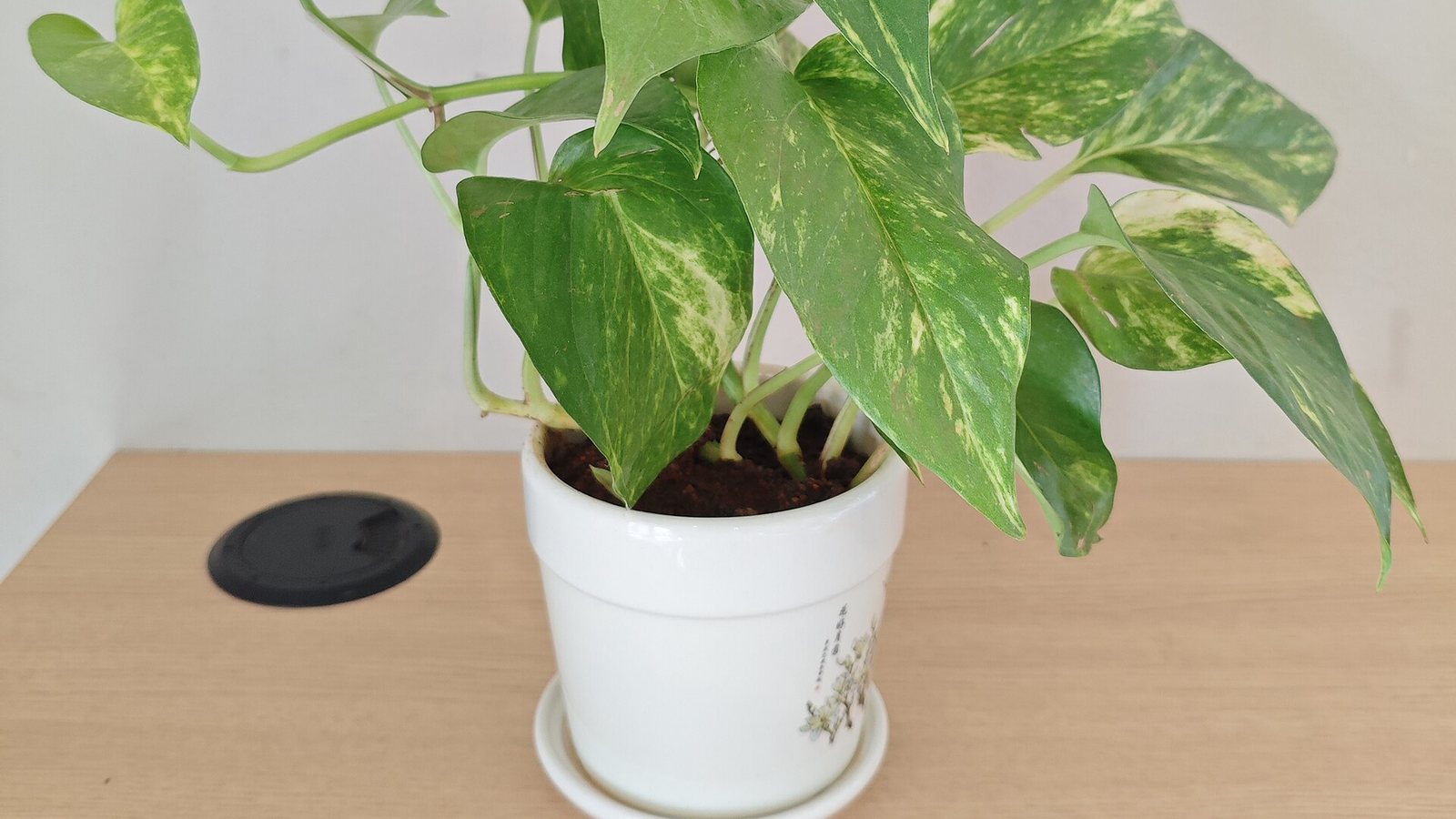
| 2. Pothos (Epipremnum aureum) | Stem cutting with 2+ nodes (Iowa State, RHS) | Toxic to cats and dogs |
| 3. Heartleaf philodendron | Stem cutting with 2+ nodes (Iowa State) | Toxic to cats and dogs |
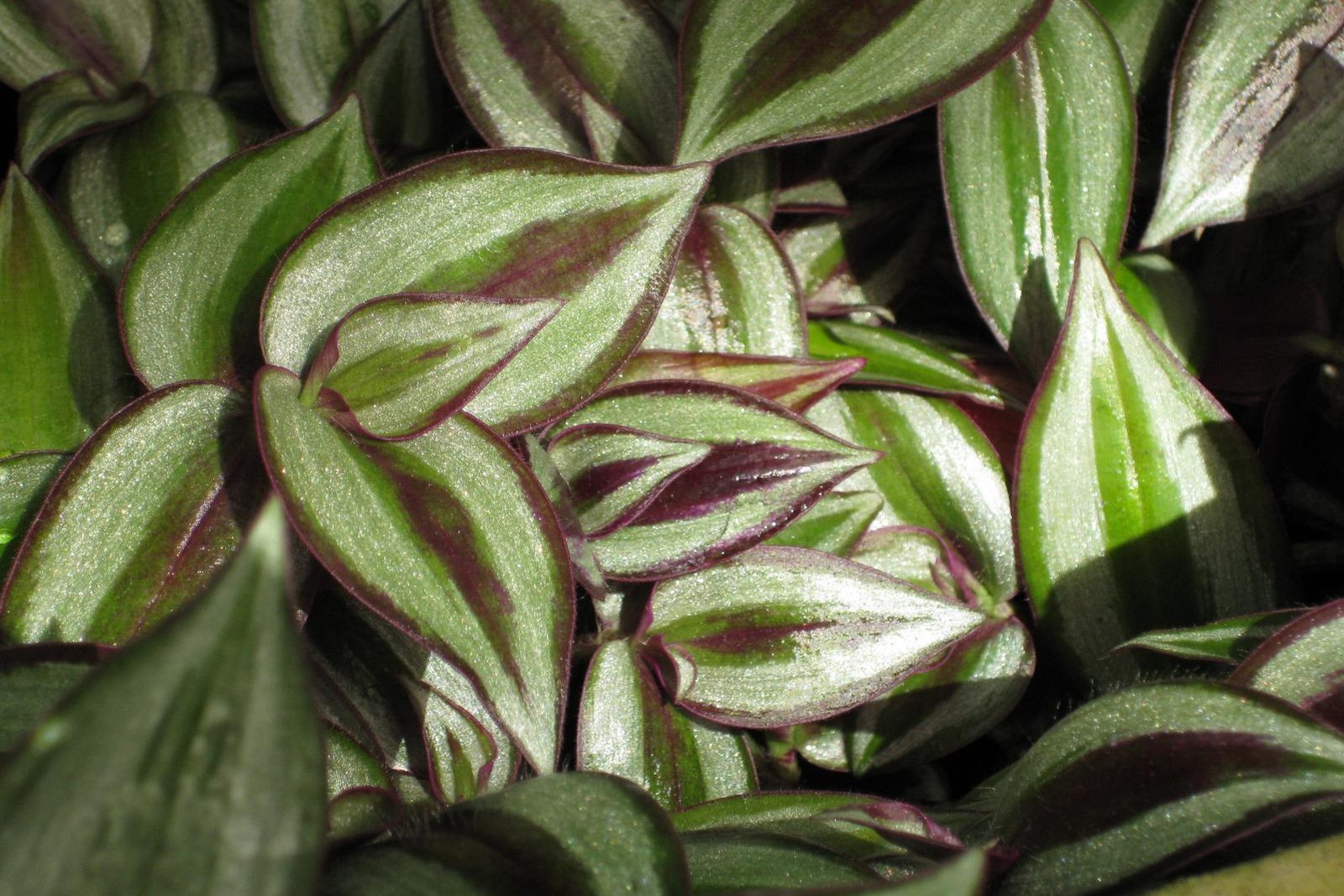
| 4. Tradescantia (inch plant) | Stem cutting (Iowa State, RHS) | Toxic; the ASPCA lists dermatitis |
| 5. Coleus | Stem tip cutting (Iowa State) | Toxic to cats and dogs |
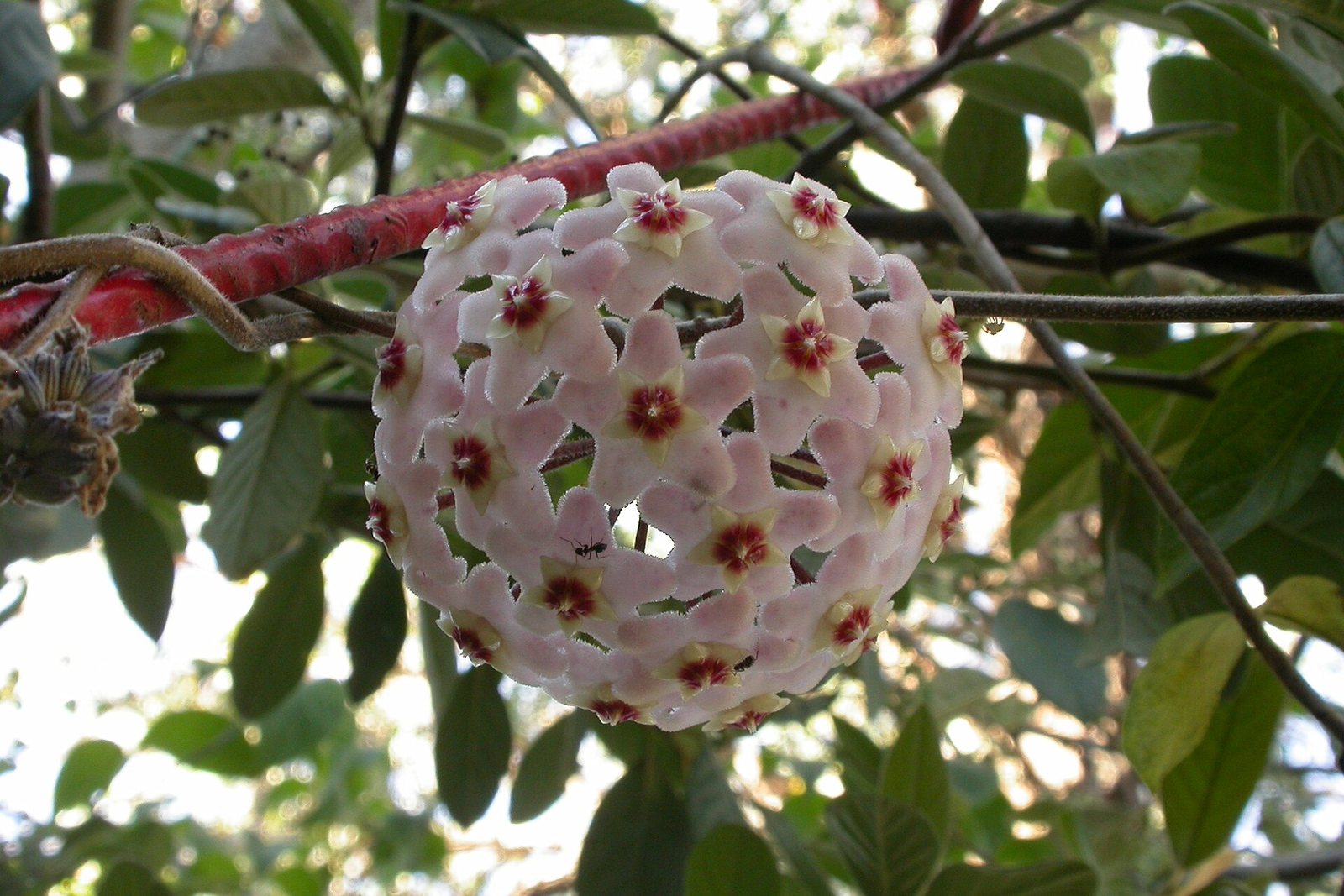
| 6. Hoya (wax plant) | Stem cutting (Iowa State) | Non-toxic (wax plant entry) |
| 7. Monstera | Stem cutting with a node (Iowa State) | Toxic to cats and dogs |
| 8. African violet | Leaf cutting (RHS) | Non-toxic to cats, dogs and horses |
| 9. Jade plant | Leaf cutting laid on gritty compost (RHS) | Toxic to cats, dogs and horses |
| 10. Snake plant | Leaf sections, callused about a day (Iowa State) | Toxic to cats and dogs |
The ASPCA entry for the hoya is for one wax plant cultivar, so check your exact plant. For a full list of safe plants for pets see pet-safe houseplants for cats and dogs.
How do you take a stem cutting from pothos, philodendron or tradescantia?
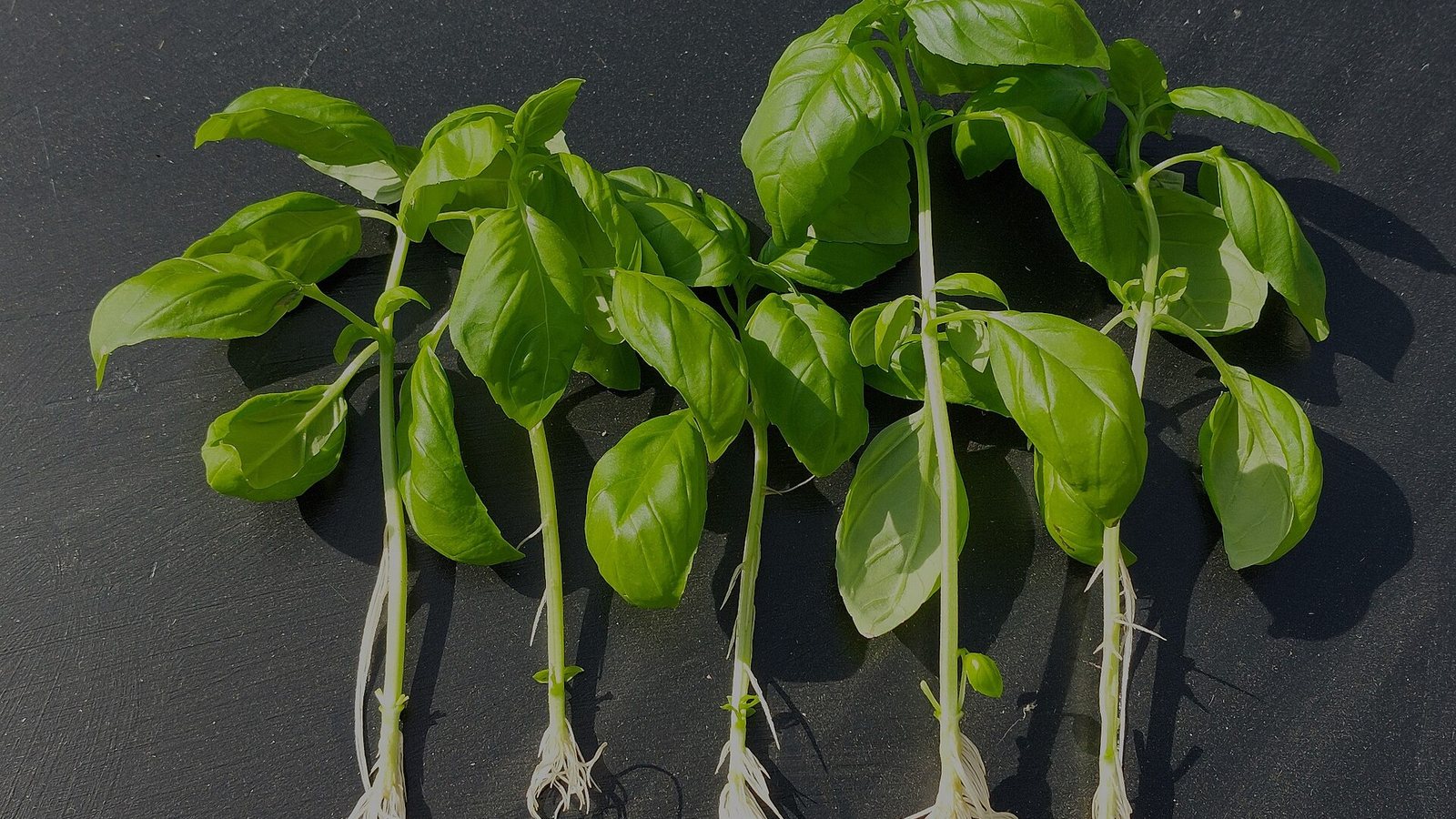
- Choose a healthy shoot and cut just below a leaf joint (node). Iowa State recommends cuttings 8-15 cm (3-6 in) long with at least two nodes; the RHS suggests 8-10 cm (3-4 in).
- Strip the lower leaves, leaving two or three at the top (RHS).
- Root it in water or mix. Iowa State says to insert at least one node into the medium with no leaves buried, and to change water once or twice a week if rooting in water. The RHS roots in a 50:50 mix of peat-free compost and perlite, or in water with the level just below the leaves.
- Keep it bright, not sunny. Iowa State suggests 4-6 hours of bright, indirect light at 18-24 °C (65-75 °F).
- Pot up when roots are about 2.5 cm (1 in) long or more.
Roots grown in water are coarser and may be stressed after potting, according to Iowa State, so move them to soil sooner rather than later. For a step-by-step, see propagating pothos in water and the list of houseplants that grow in water.
How long do cuttings take to root?
Iowa State says most houseplant stem cuttings root in 3 to 6 weeks, and the RHS puts roots at about 3 to 4 weeks. Do not pull a cutting out to check; wait until you see roots through the glass or feel resistance when you tug gently. Warm cuttings root faster: a heat mat can raise the medium temperature to 24-27 °C (75-80 °F), Iowa State notes.
What about spider plants, African violets and snake plants?
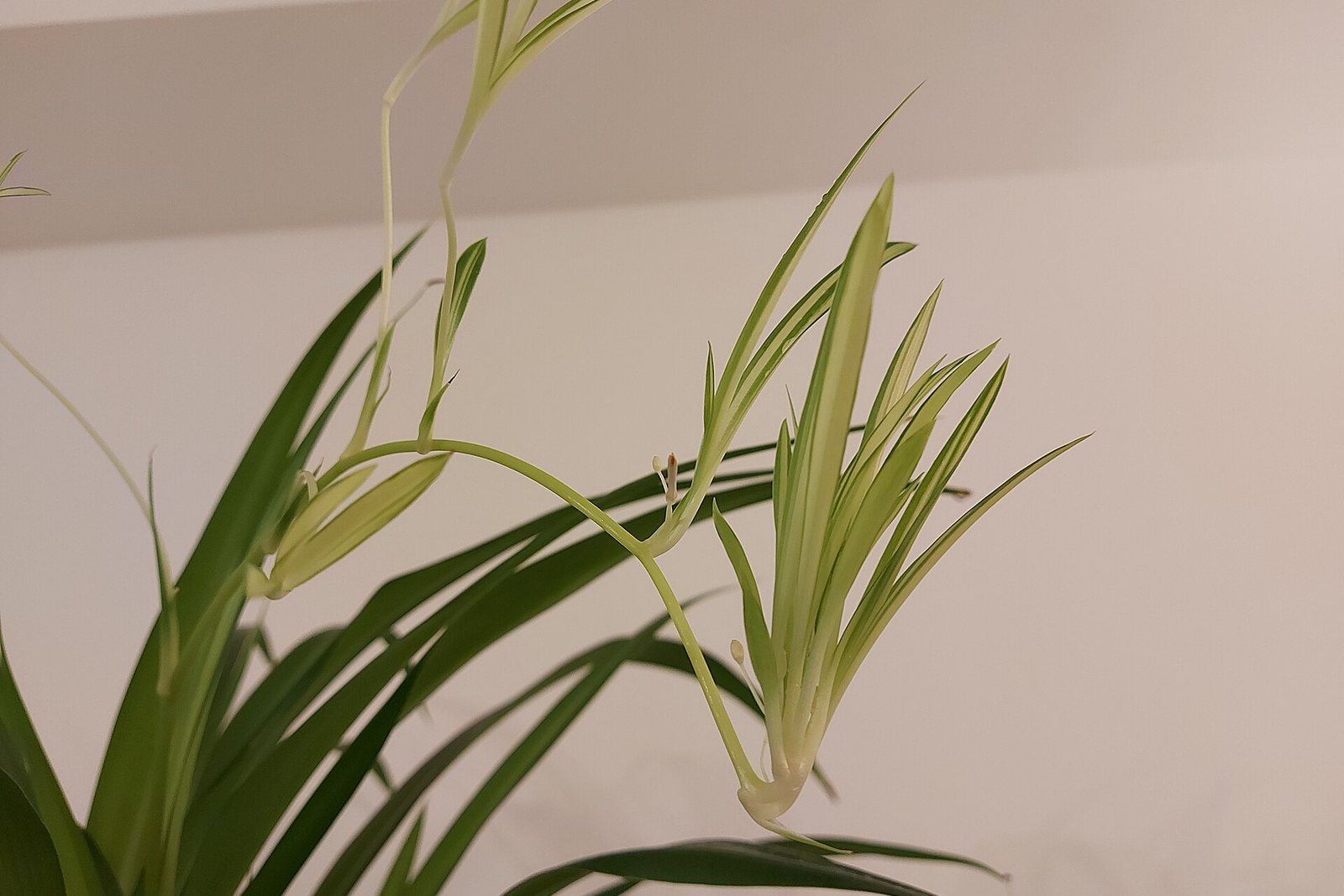
These three skip stem cuttings. Spider plants make plantlets at the ends of long runners; snap one off and set it in compost or water, as the RHS describes. African violets root from a leaf with a short stalk laid or stuck in mix. Snake plant leaves can be cut into sections: Iowa State says cut 8-13 cm (3-5 in) sections, let them callus for about a day, then insert them in a well-drained mix. Roots and shoots form on the bottom end after several weeks, so keep the sections the right way up. Jade plant leaves lie on gritty compost, or over a little water, until they root (RHS).
Are easy-to-propagate houseplants safe for pets?
Many are not. Pothos, heartleaf philodendron, monstera, jade plant, snake plant and coleus are all listed as toxic to cats and dogs by the ASPCA. For pothos, philodendron and monstera the ASPCA lists oral irritation, burning of the mouth and drooling; for snake plant, nausea, vomiting and diarrhea. Spider plant, African violet and the hoya entry are listed as non-toxic. The ASPCA also warns that eating any plant material can cause vomiting in pets. If your pet chews a cutting, call your vet or the ASPCA Animal Poison Control Center on (888) 426-4435. Keep cuttings in jars out of reach.
Which one should you start with?
- You have pets or small children: start with spider plant or African violet, which the ASPCA lists as non-toxic.
- You want fast, visible results: pothos or tradescantia in a clear jar of water, where you can watch roots form.
- You have little space: a snake plant leaf section or a jade leaf needs only a small pot and little attention.
- You want a gift: a rooted spider plant plantlet in a small pot is hard to get wrong.
If you try only one, take two or three cuttings of the same plant; not every one will root, and the spares cost nothing.
Why do easy cuttings still fail?
- No node. A stem piece without a node will not root. Check each cutting has at least one below the surface.
- Leaves buried. Buried leaves rot; keep them above the medium (Iowa State).
- Too cool or too dark. Keep the cutting bright and warm, not in a cold windowsill.
- Too wet. A soggy mix rots a cutting; if one turns soft and black, discard it and take a fresh cutting. See root rot rescue plan for the parent plant.
Flori can identify a plant from a photo before you cut it, show its toxicity in the care profile, and set reminders to check the new plant. Start with the tip of a pothos or a spider plant plantlet, and you will almost certainly succeed.
Frequently asked questions
What is the easiest houseplant to propagate?
Spider plants and pothos are usually the easiest. Spider plants produce ready-made plantlets that you snap off and pot, and pothos stem cuttings with a node root in water or mix.
Can I propagate houseplants from a single leaf?
Some, yes. The RHS lists African violet and jade plant as leaf-cutting plants, and Iowa State describes snake plant leaf sections. Most trailing plants need a stem with a node.
How long do houseplant cuttings take to root?
Iowa State says 3 to 6 weeks for most stem cuttings; the RHS says about 3-4 weeks. Warmth and bright, indirect light speed it up.
Are pothos cuttings safe for cats and dogs?
No. The ASPCA lists golden pothos as toxic to dogs and cats, causing oral irritation, burning and drooling. Keep cuttings out of pets' reach.
When is the best time to take cuttings?
Iowa State says early spring is ideal and most houseplants can be propagated at any time; the RHS prefers late spring or early summer, when plants grow actively. In the Southern Hemisphere that is roughly September to December.
Stem, leaf and leaf-section cuttings explained: which houseplants suit each method, how long to cut, where to root them and when to pot them up.
Sources
Written and fact-checked by the Flori team. Every guide cites horticultural sources such as the RHS, university extension services and the ASPCA, and is updated when the advice changes. How we write our guides
General plant care information. Plants vary; when a plant is valuable or a problem spreads quickly, consult a local nursery or plant specialist.