How to Start Seeds Indoors: A Beginner's Guide
How to start seeds indoors: when to sow, the right mix, light and warmth, watering without damping off, and hardening off. With a crop timing table.
 By Flori editorial team · Updated
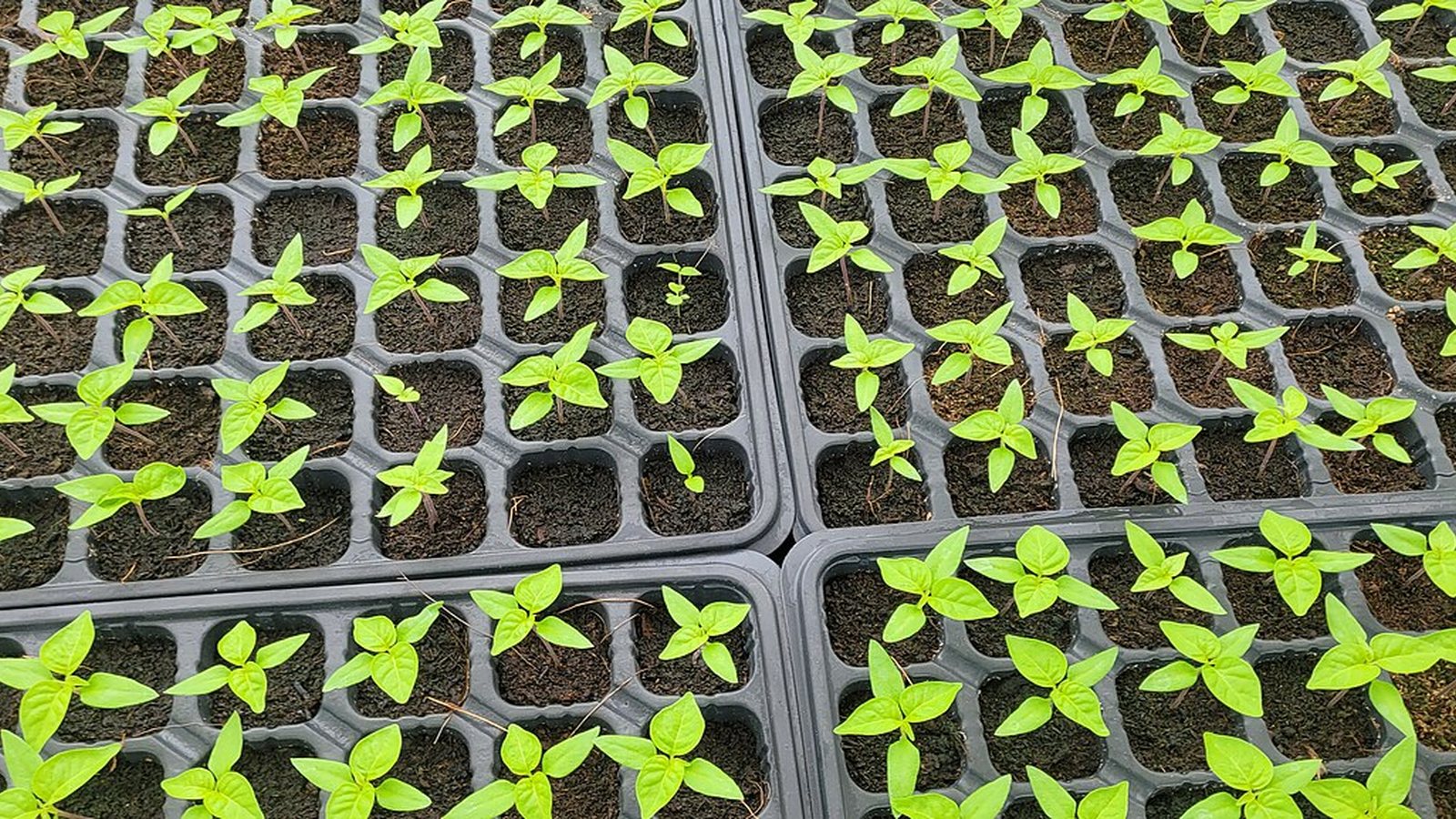 Photo: Pascal Kings · CC BY 4.0
Count back from your last frost date by the weeks each crop needs: 3 to 5 for squash, 6 to 8 for tomatoes, 8 to 10 for peppers. Sow in sterile seed-starting mix at the depth on the packet, keep it warm and moist, give 12 to 18 hours of light close above the seedlings, then harden off.
Key takeaways
- Start too early and seedlings turn leggy: count back from your last frost date by the crop's weeks.
- Use sterile seed-starting mix, not garden soil, and sow at the depth on the packet.
- Seedlings need strong light, 5 to 15 cm (2 to 6 in) above the leaves for 12 to 18 hours, usually from a grow light.
- Moist, never soggy mix, air movement and thin sowing help prevent damping off.
- Harden seedlings off gradually over one to three weeks before planting out.
On this page8
When should you start seeds indoors?
The surprising answer is that the most common beginner mistake is starting too early, not too late. Seedlings that wait weeks for warm weather outside get tall, weak and root-bound on a windowsill. Count backwards instead: take your local last frost date, subtract the weeks your crop needs indoors, and sow then. Last frost dates differ enormously, so check yours locally. In Türkiye the Mediterranean and Aegean coasts warm up far earlier than inland Anatolia, and in the northern and southern hemispheres the same calendar month means opposite seasons.
Clemson Extension lists how many weeks each crop needs between sowing and transplanting. Use it as your countdown, and add a week of hardening off at the end.
| Crop | Weeks from sowing to transplanting |
|---|---|
| Squash, cucumbers, melons | 3 to 5 |
| Broccoli, Brussels sprouts, cabbage, cauliflower, kale | 5 to 7 |
| Lettuce | 5 to 7 |
| Tomato, aubergine (eggplant) | 6 to 8 |
| Pepper | 8 to 10 |
Iowa State adds a useful nuance: broccoli and cabbage tolerate light freezes and can go outside 2 to 4 weeks before the average last frost, while tender crops such as tomatoes must wait until it has passed.
What do you need to start seeds indoors?
Less than the shops suggest: containers with drainage holes, a proper seed-starting mix, labels and a light source.
- Containers: cell trays, small pots, peat pellets or recycled yoghurt pots, milk cartons and egg cartons, as long as you punch drainage holes. Iowa State advises washing reused containers in soapy water and soaking them in 1 part household bleach to 9 parts water.
- Seed-starting mix: Clemson recommends a well-drained, sterile soilless mix labelled for seed starting, and says to avoid bagged topsoil, vegetable-garden mixes and ordinary potting mixes. Garden soil is the classic cause of fungal trouble and weeds. Our soil mix guide explains why drainage and air matter so much.
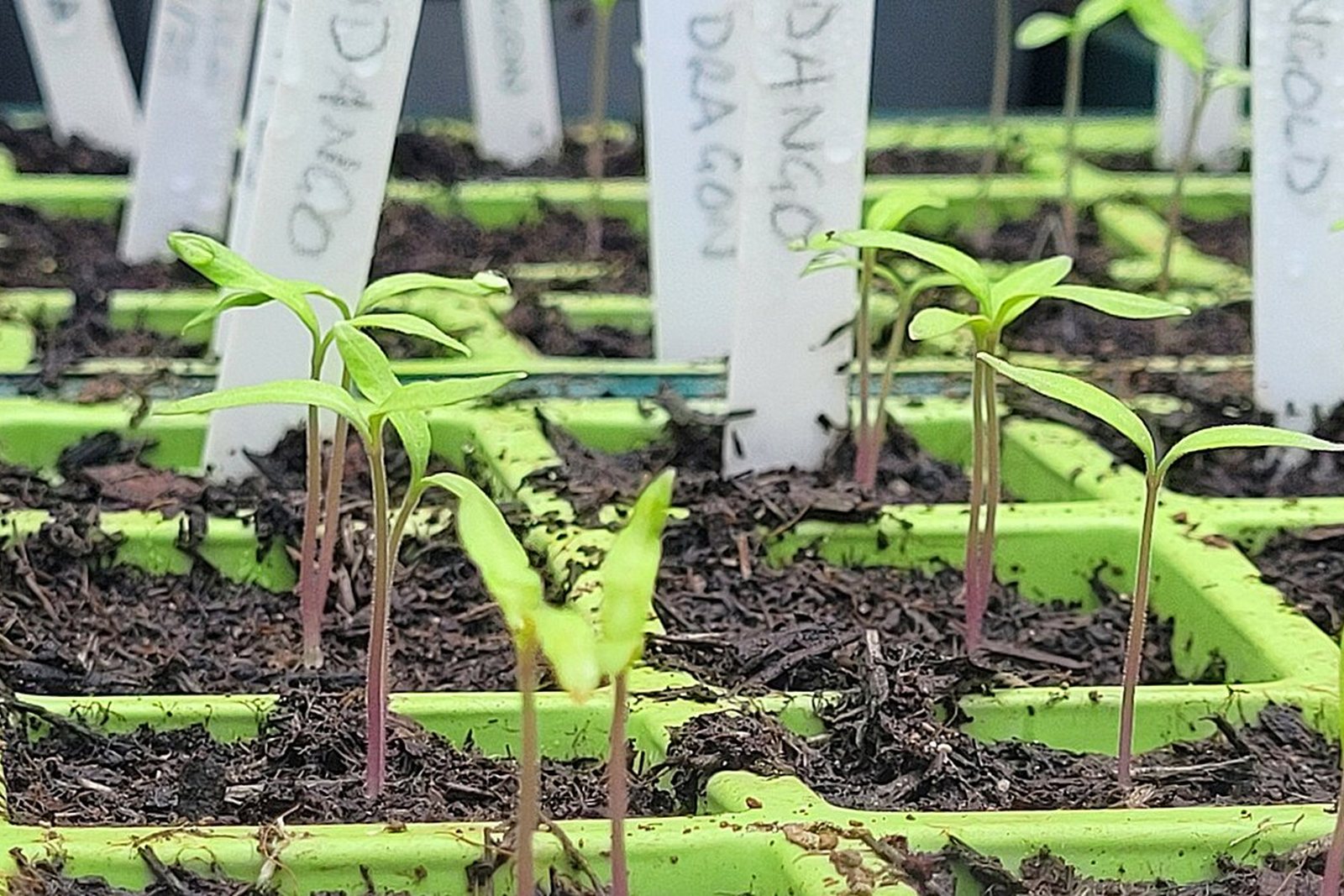
- Labels: young seedlings of different crops look alike. Penn State suggests waterproof marker on a wooden or plastic stake.
- Light: see below. A bright window alone is often not enough.
How do you sow the seeds?
- Fill the container with damp mix, firm it gently and let it drain. Iowa State suggests filling flats to within 1 inch (2.5 cm) of the top.
- Sow 2 or 3 seeds per cell (Iowa State) and thin to the strongest later.
- Check the packet for depth. As a rule, cover seeds with mix to roughly one to three times their diameter (Iowa State says 1 to 2, Penn State 2 to 3). Very fine seeds, and seeds that need light to germinate, are sown on the surface and pressed in lightly.
- Mist, then cover with a dome, plastic wrap or a bag to hold moisture. Iowa State says to remove the cover once seeds germinate.
- Keep the tray warm. Penn State gives 18 to 24 °C (65 to 75 °F) as the optimum germination range for annuals, and Iowa State 20 to 30 °C (68 to 86 °F). Penn State recommends a thermostat-controlled heat mat rather than an unprotected heating pad.
Myth check: deeper is not safer. Iowa State warns that a seed buried too deep may lack the energy to reach the light and never emerge. Follow the packet.
How much light do seedlings need?
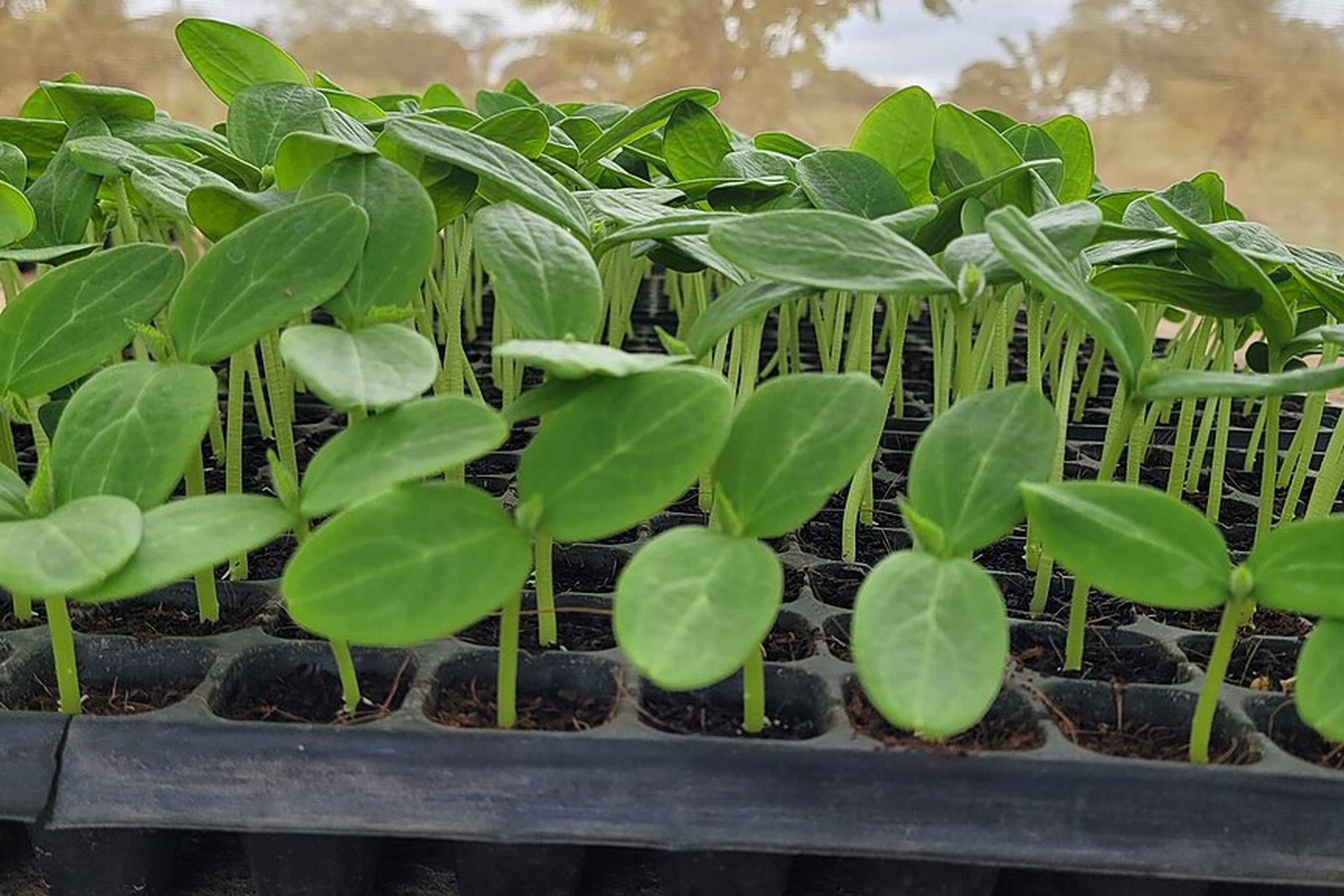
Once seeds sprout, light becomes the main job. Tall, thin, pale seedlings leaning toward the window are stretching for light. Iowa State says that intense light prevents spindly, leggy growth and that seedlings on a sunny windowsill should be turned regularly so they do not lean. For most homes in winter a grow light is the reliable answer. The sources vary, so treat these as ranges:
| Setting | Range | Source |
|---|---|---|
| Distance from light to leaves | 5 to 15 cm (2 to 6 in), raised as plants grow | Clemson 2 to 4 in, Iowa State 4 to 6 in |
| Hours per day | 12 to 18, on a timer | Iowa State 12 to 16, Clemson 16 to 18 |
See our guide to grow lights for choosing a lamp, and starting a windowsill herb garden if you are growing herbs.
How do you water seedlings without damping off?
Damping off is the disease that makes seedlings collapse at soil level. Clemson names Pythium species as the cause and notes that soilless mixes reduce the risk. Penn State describes it as a fungus disease that can kill crowded seedlings, and says poor drainage and cool, damp trays can rot seeds before they emerge. Prevention is mostly habit:
- Keep the mix moist but not soggy; waterlogged seeds can rot and dried-out seeds die (Iowa State).
- Water gently so seeds are not washed away. Clemson says bottom watering works: stand the tray in 1 to 2 inches (2.5 to 5 cm) of water for 3 to 10 minutes, then return it to the light.
- Take the cover off once seedlings appear, and give them some air movement; Iowa State notes that ventilation and air circulation discourage damping off.
- Do not sow too thickly. Penn State notes that good spacing reduces damping off.
- Watch for algae on the surface, a sign you are overwatering (Clemson).
When should you thin, feed and pot on?
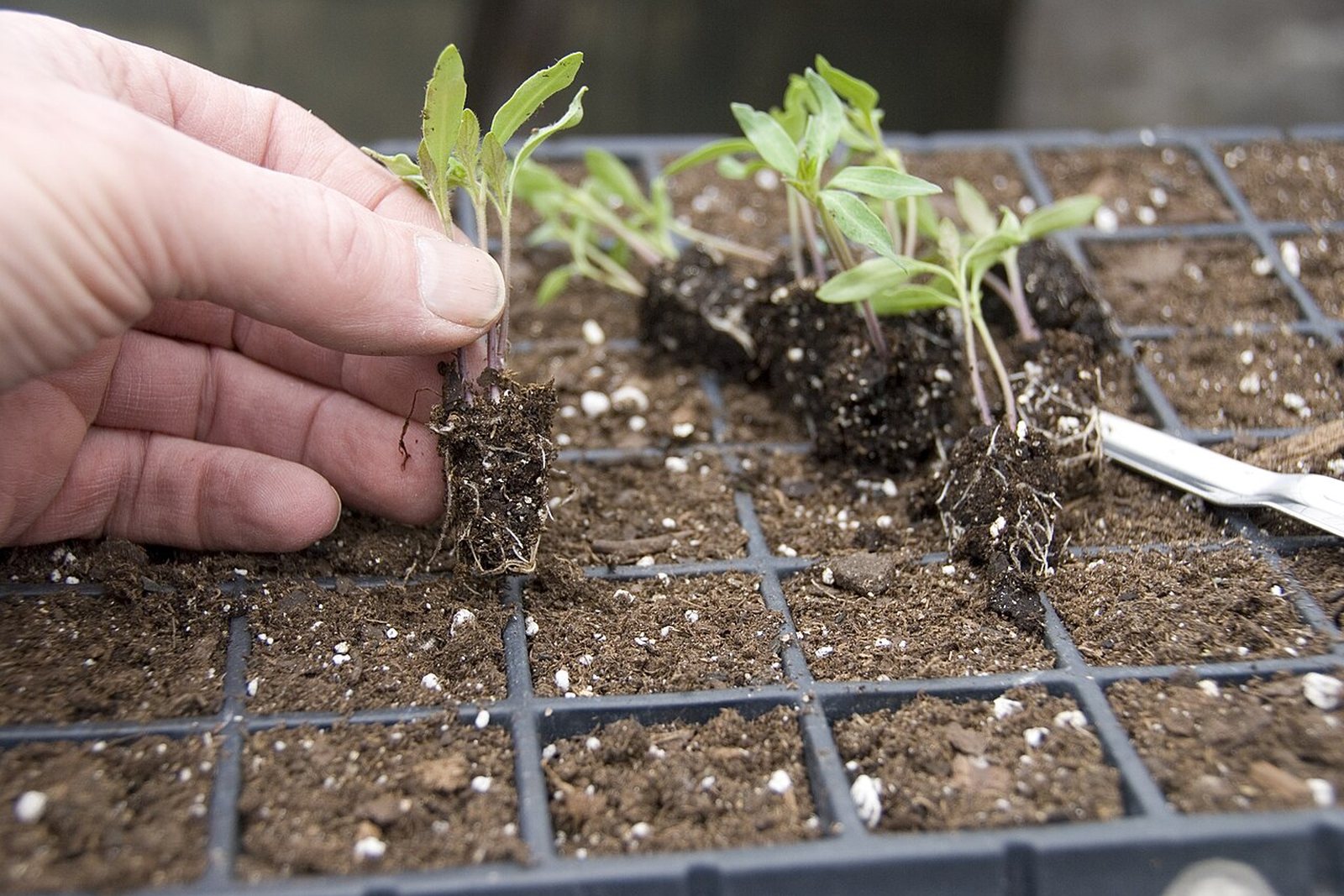
Seedlings first show two seed leaves, then their first true leaves, which look like the adult plant. Clemson says to move seedlings from a flat into larger containers once one or two sets of true leaves appear, and Iowa State says the same when they can be handled. If you sowed several seeds per cell, snip the weakest at soil level with scissors rather than pulling, which can damage neighbouring roots.
Feed only from the first true leaves. Clemson suggests a water-soluble starter fertiliser at every other watering, with plain water in between to avoid salt build-up. Iowa State suggests quarter-strength to produce stockier plants, and notes that mixes with slow-release fertiliser usually need none. Always follow the label. If you are not sure whether a seedling problem is water, light or disease, Dr. Flori in the Flori app can look at a photo, ask follow-up questions and suggest a plan, and care reminders can help you keep a watering rhythm.
How do you harden off seedlings?
Seedlings raised indoors have never met wind, sun or cold nights. Hardening off is the gradual introduction. Iowa State says to start outdoors on cloudy days or in shade, then increase light and exposure over a few days. Clemson describes placing plants outdoors in the daytime from about 3 inches (7 cm) tall and bringing them in before sundown, increasing direct sun over 2 to 3 weeks. Penn State advises allowing a week or more. Plan on one to three weeks and keep the first days in shade.
- Day 1 to 3: shade and shelter for a few hours, indoors at night.
- Next days: lengthen the time and add morning sun.
- Final days: full day outside; leave out overnight only if it is clearly frost-free.
- Transplant on a cool, overcast day or in late afternoon and water immediately (Iowa State, Clemson).
Seed-starting checklist
| Step | Rule of thumb |
|---|---|
| Count back | Last frost date minus the weeks in the table |
| Mix | Sterile seed-starting mix, not garden soil |
| Sowing depth | Packet first; about 1 to 3 times the seed's width |
| Warmth | About 18 to 24 °C (65 to 75 °F) to germinate |
| Light | 5 to 15 cm (2 to 6 in) above leaves, 12 to 18 hours |
| Water | Moist, never soggy; bottom water |
| Feed | After first true leaves, weak and on the label |
| Outdoors | Harden off over one to three weeks |
Once your seedlings are strong, our guide to balcony vegetable gardens helps you decide where to plant them.
Frequently asked questions
How many weeks before the last frost should I start seeds?
It depends on the crop. Clemson Extension gives 3 to 5 weeks for squash and cucumbers, 5 to 7 for brassicas and lettuce, 6 to 8 for tomatoes and aubergines and 8 to 10 for peppers.
Can I start seeds in garden soil?
It is not advised. Clemson recommends a sterile, well-drained seed-starting mix and says to avoid bagged topsoil, vegetable-garden mixes and ordinary potting mixes.
Do seedlings need a grow light?
Often, yes. Window light in winter is usually weak and seedlings stretch. Extension sources suggest lights 5 to 15 cm (2 to 6 in) above the plants for 12 to 18 hours a day.
Why do my seedlings fall over at the base?
That is typical of damping off, a fungal disease. Use sterile mix, avoid soggy trays, sow thinly, remove the cover after germination and give air movement.
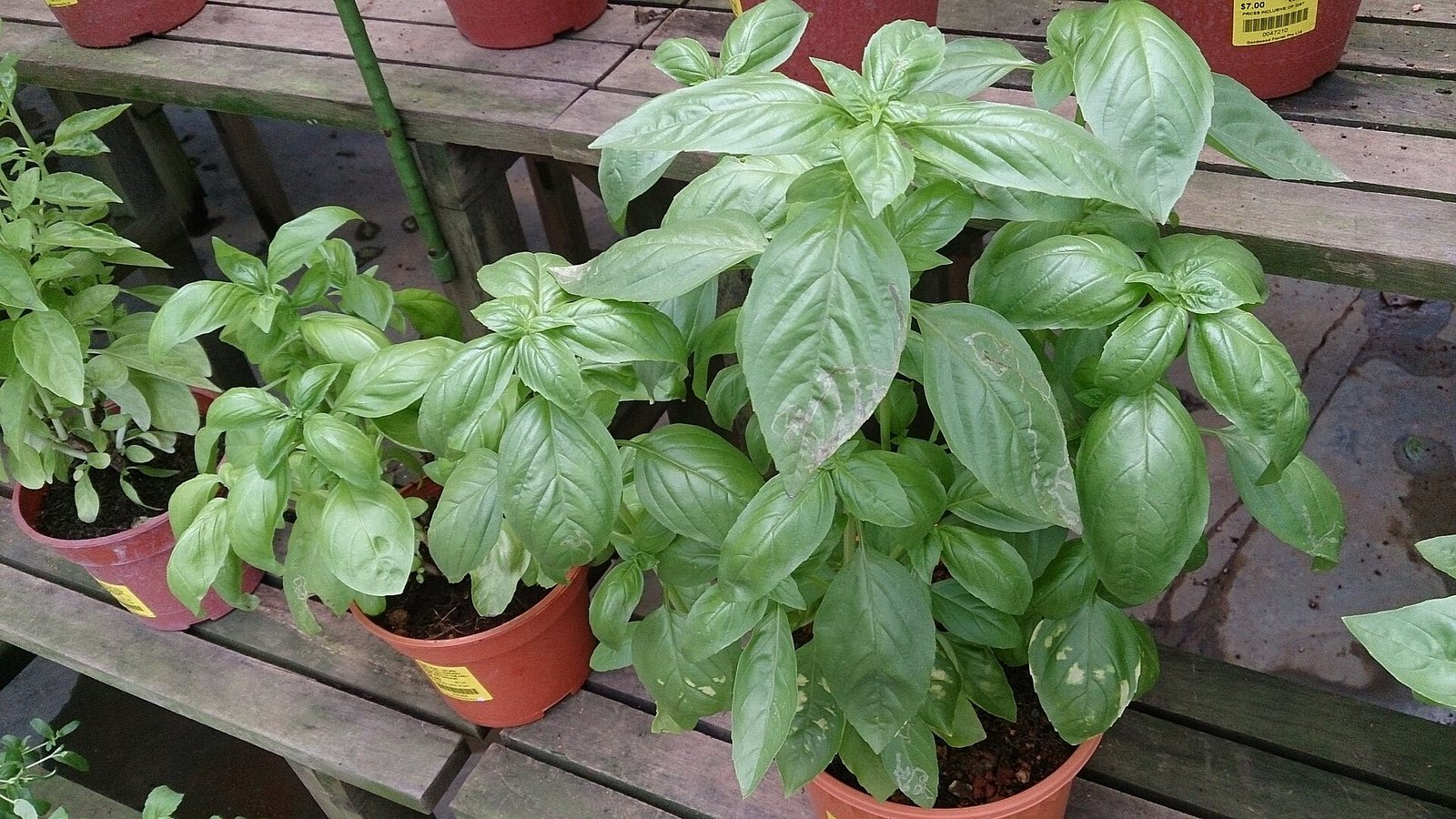
Start a windowsill herb garden that lasts: the sunniest window, the right pots and mix, watering herb by herb, and which herbs are safe around pets.
Sources
Written and fact-checked by the Flori team. Every guide cites horticultural sources such as the RHS, university extension services and the ASPCA, and is updated when the advice changes. How we write our guides
General plant care information. Plants vary; when a plant is valuable or a problem spreads quickly, consult a local nursery or plant specialist.