Bougainvillea Winter Care: Pots and Gardens
Bougainvillea hates frost: move pots indoors before it, keep nights above 10 °C if you can, water rarely and expect leaf drop. Here is the plan.
 By Flori editorial team · Updated
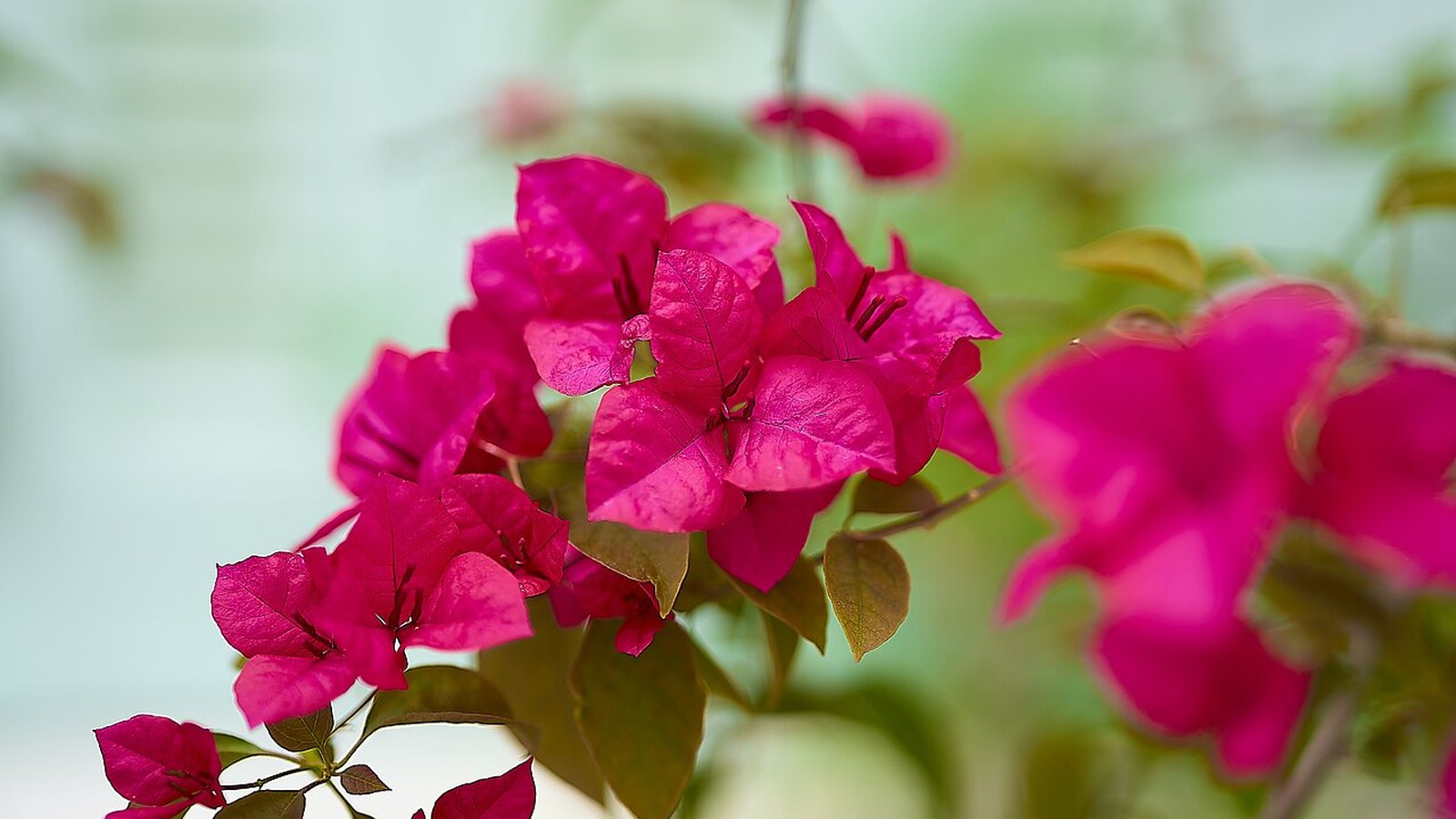 Photo: George E. Koronaios · CC BY-SA 2.0
Bring potted bougainvillea indoors before the first frost and give it the brightest spot you have, ideally with nights no colder than 10 °C (50 °F). Water rarely, stop feeding and expect leaf drop. Prune in late winter. In mild coastal gardens, keep it sheltered and cover it on frost nights.
Key takeaways
- Bougainvillea is frost tender: pots move inside before the first frost, and ground plants need shelter.
- The RHS advises nights of at least 10 °C (50 °F); colder but frost-free storage works if the compost stays fairly dry, with leaf drop.
- From autumn water less, stop feeding and check the compost, not the calendar; overwatering is the usual killer.
- A bare plant in winter is usually resting, not dead: judge it by spring regrowth.
- Prune in late winter or early spring, just before growth begins.
On this page7
- Can bougainvillea survive winter where you live?
- When and how do you bring a potted bougainvillea indoors?
- How often should you water bougainvillea in winter?
- Is a leafless bougainvillea dead?
- How do you protect bougainvillea planted in the ground?
- When do you prune bougainvillea and wake it up in spring?
- Is bougainvillea safe for pets, and what is the winter checklist?
Can bougainvillea survive winter where you live?
Bougainvillea is a tropical-style climber that tolerates drought but not frost, so the winter plan depends on one thing: how cold your nights get. The Royal Horticultural Society (RHS) calls it half hardy and says it must be kept frost-free in winter. NC State Extension lists Bougainvillea glabra for USDA zones 9a to 11b, and UF/IFAS says it needs protection from frost and freeze. In Türkiye that means the Mediterranean and Aegean coast can often keep it outdoors, while inland Anatolia and colder areas should treat it as a pot plant that moves inside. In a temperate northern climate (UK, northern Europe, most of the US) treat it as a pot plant too.
| Your situation | What to do |
|---|---|
| Mild coast, planted in the ground | Leave it out, cover it on frosty nights (see below) |
| Mild coast, in a pot | Keep it in a sheltered, sunny spot and move it if frost is forecast |
| Cold winters, in a pot | Bring it indoors or into a frost-free glazed space before the first frost |
| Cold winters, in the ground | It will not survive the winter outdoors; take it as a loss or grow it in a pot next time |
For frost basics in general, see how to protect garden plants from frost.
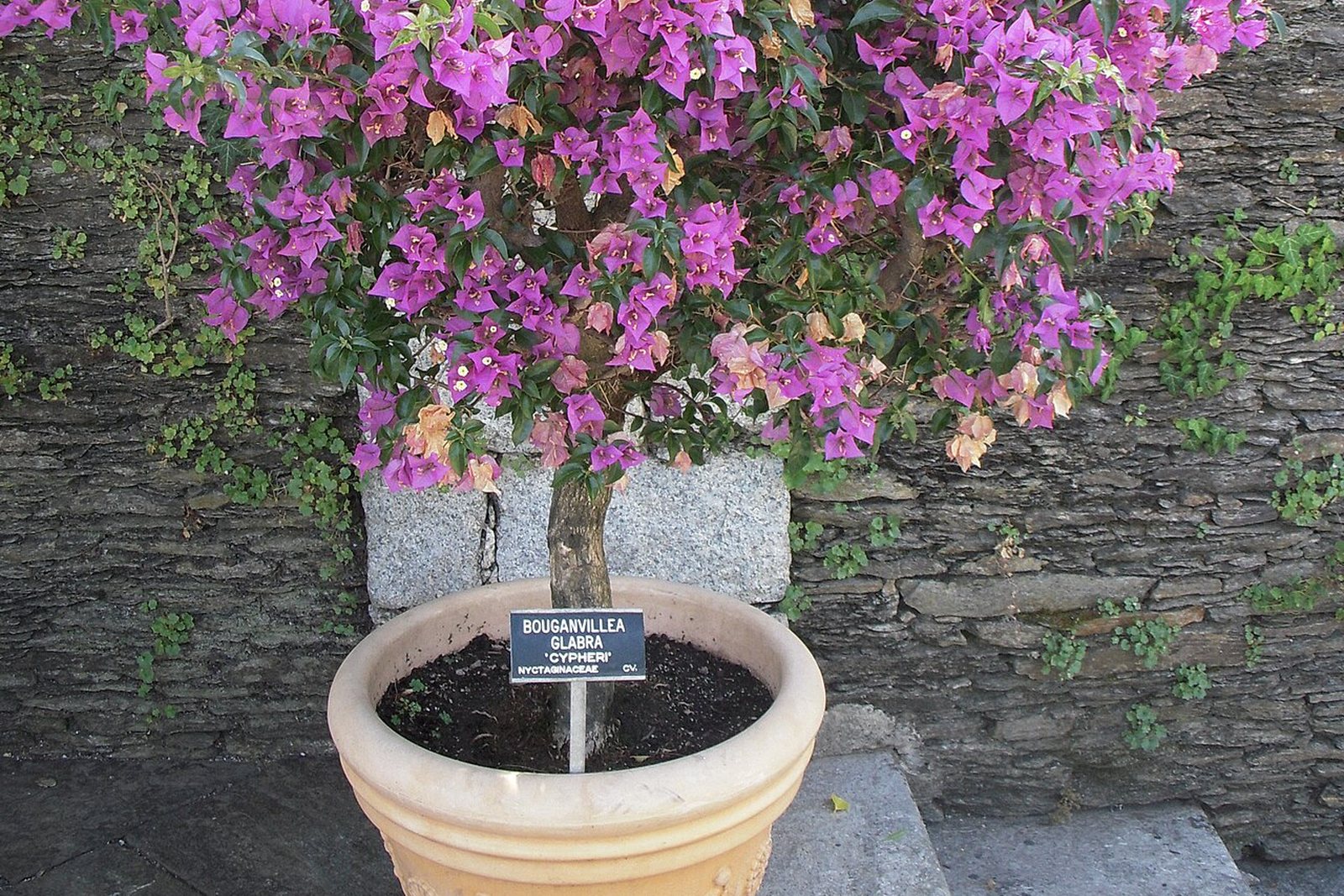
When and how do you bring a potted bougainvillea indoors?
Move it before the first frost, not after. Mississippi State Extension says to bring containers inside for winter and to protect the plant from freezing temperatures, for example by putting it in a room with a sunny window. The RHS gives the target: keep nights at no less than 10 °C (50 °F), with days a few degrees warmer, and the plant will hold its leaves. Where you cannot offer that, the RHS says plants can be stored above freezing if the compost stays relatively dry, but they will drop their leaves.
- Choose the brightest spot you have. UF/IFAS says bougainvillea wants full sun and will not flower without some direct sun. A south-facing window in the northern hemisphere, a north-facing one in the southern, or a bright glazed balcony works best. A grow light can top up a dim room.
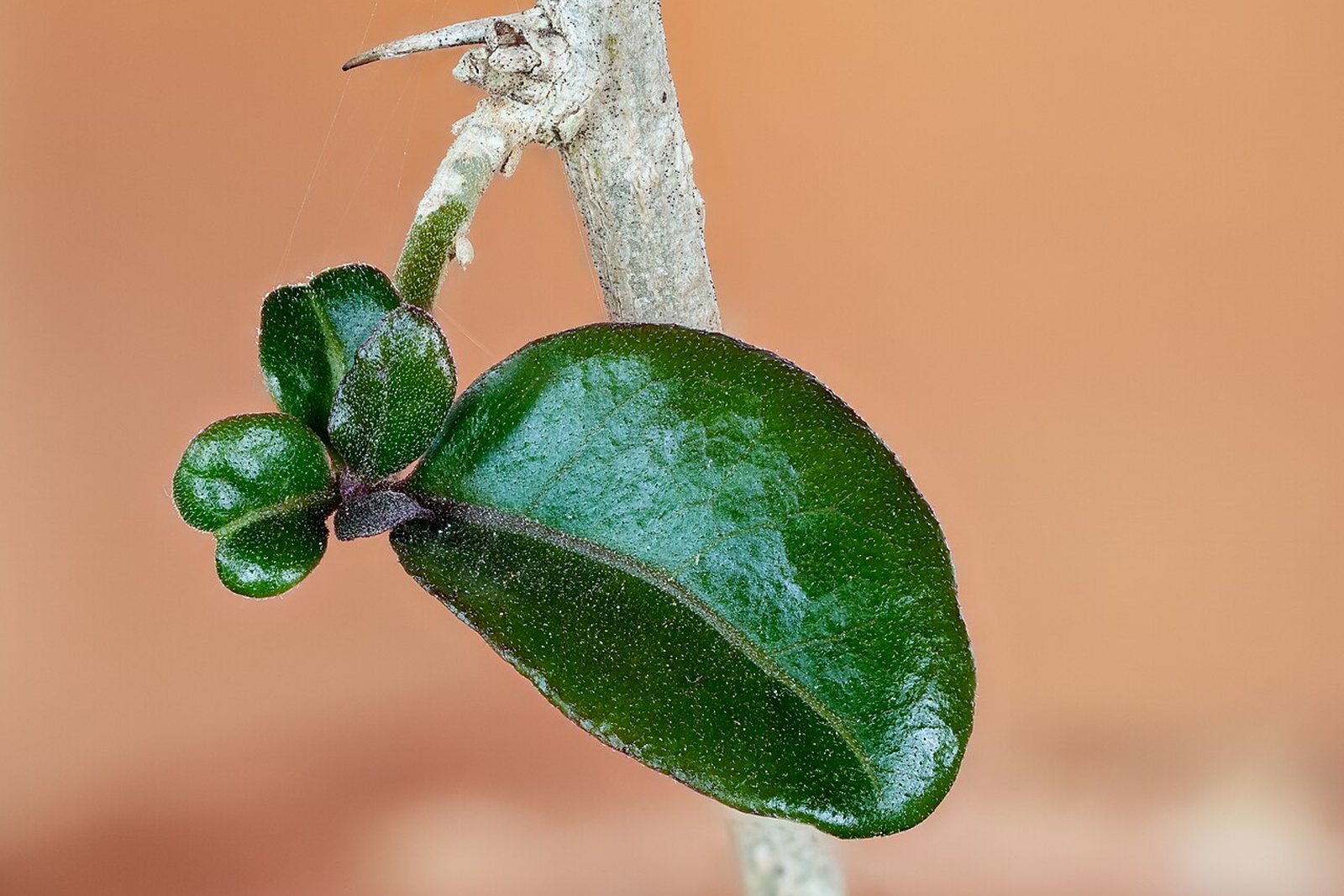
- Check the plant over. Look under the leaves for pests before it joins your other plants, and handle it with gloves: NC State notes the curved thorns.
- Keep it away from radiators. Dry heat and cold glass both stress a plant that is already adjusting. Our guide on where to put houseplants in winter explains window and heater placement.
Moving to lower light is the main reason for what comes next: leaves yellow and fall. That is normal, so do not panic or overwater to fix it.
How often should you water bougainvillea in winter?
Rarely. NC State Extension says to water deeply, then let the soil dry out between waterings, and UF/IFAS says it does better when the soil is left a little dry. The RHS gives the seasonal rhythm for the northern hemisphere, which you can flip by six months in the southern one.
| Stage | Watering and feeding (RHS) |
|---|---|
| After flowering ends (usually September) | Water less, let the compost dry between waterings, stop feeding |
| From November | Water occasionally but thoroughly |
| February to March | Water more as light and temperatures rise |
The RHS gives no fixed number of days, and a plant at 10 °C uses far less water than one on a warm windowsill, so check the compost rather than the calendar. Use a pot with drainage holes and well-drained soil, as Mississippi State Extension advises, so the roots never sit wet. Overwatering is the commonest way to lose a bougainvillea indoors, and our guide to houseplants that go dormant in winter shows what a resting plant looks like. Skip fertilizer until growth restarts; UF/IFAS adds that too much nitrogen gives leaves instead of flowers.
Is a leafless bougainvillea dead?
Not necessarily. This is the myth that costs the most plants. The RHS says that a plant kept above freezing but cooler than 10 °C at night will drop leaves, and that holding that temperature prevents it. A bare, dry-looking bougainvillea in winter is therefore usually resting. Before you throw it out, wait: new growth appears when light and warmth return in late winter or spring. The colourful parts are not petals but modified leaves called bracts (UF/IFAS), so a plant that dropped its bracts and leaves is just in a pause. We could not find a source with a reliable stem test, so judge it by spring regrowth, not by a fingernail scratch alone. Soft, black or collapsed stems after a frost are a different matter: that is frost damage.
How do you protect bougainvillea planted in the ground?
On the Mediterranean and Aegean coast many gardens keep bougainvillea outside all year, and UF/IFAS stresses that it needs protection from frost and freeze. In practice that means three things. Plant it against a south-facing, sheltered wall. Keep an eye on night forecasts. On a frost night, cover the plant with breathable fabric (horticultural fleece or an old sheet) and take the cover off when the day warms. We did not find a source giving a safe temperature for an in-ground plant, so treat any frost as a risk and do not rely on one mild winter. A freeze that cuts it to the ground can still be followed by regrowth from the base in warm climates, but a plant in a cold inland garden should not be left to find out. For the general routine, see how to winterize your garden.
When do you prune bougainvillea and wake it up in spring?
Prune at the end of winter. The RHS says to prune in late winter or early spring, just before growth begins, and UF/IFAS gives the same window. Pruning in late summer or early autumn may reduce the following winter flowers, UF/IFAS warns. NC State Extension says to prune right after flowering, so expect slightly different advice between sources; in every case, do not cut a plant that is still in winter rest.
- Flowers form on the current season's growth (RHS), so a hard prune in spring is safe: bougainvillea tolerates it.
- After the bracts fall, the RHS says to cut long growth back by about half to trigger a second flush.
- Once new leaves show, water more, start feeding lightly and move the plant outside gradually when nights are safely frost-free, in full sun.
Is bougainvillea safe for pets, and what is the winter checklist?
The ASPCA says that eating any plant material may cause vomiting and gastrointestinal upset in dogs and cats. We could not open its entry for bougainvillea for this guide, so check it before relying on the plant around pets, and call your vet or the ASPCA Animal Poison Control Center on (888) 426-4435 if an animal chews it. The thorns are a separate hazard: keep it out of reach of children and animals.
- Before the first frost: bring the pot indoors or into a frost-free glazed space.
- Indoors: brightest window, at least 10 °C at night if possible, little water, no fertilizer.
- Leaf drop is normal; wait for spring before judging the plant.
- In the ground: shelter and cover on frost nights.
- Late winter: prune, water more, resume feeding.
Flori can identify a bougainvillea from a photo, show its care profile and remind you to water or move it. For other plants that handle cold, browse plants that survive winter on a balcony.
Frequently asked questions
What is the minimum winter temperature for bougainvillea?
The RHS says to keep nights at 10 °C (50 °F) or above, with days a few degrees warmer, to avoid leaf drop. It must be kept frost-free, and a cooler frost-free spot means the plant drops leaves.
Why is my bougainvillea losing leaves indoors?
Leaf drop is common when it moves indoors, because light is lower and nights are often cooler than the RHS's 10 °C. It is not automatically a sign of death. Keep it bright, water sparingly and wait for spring.
Can I leave bougainvillea outside in winter?
Only where frost does not occur or is rare, such as mild Mediterranean and Aegean coasts. NC State lists USDA zones 9a to 11b. Elsewhere, grow it in a pot and bring it in before frost.
When should I prune bougainvillea?
The RHS and UF/IFAS say late winter or early spring, just before growth begins. Flowers form on the current season's growth, so a hard prune then is fine.
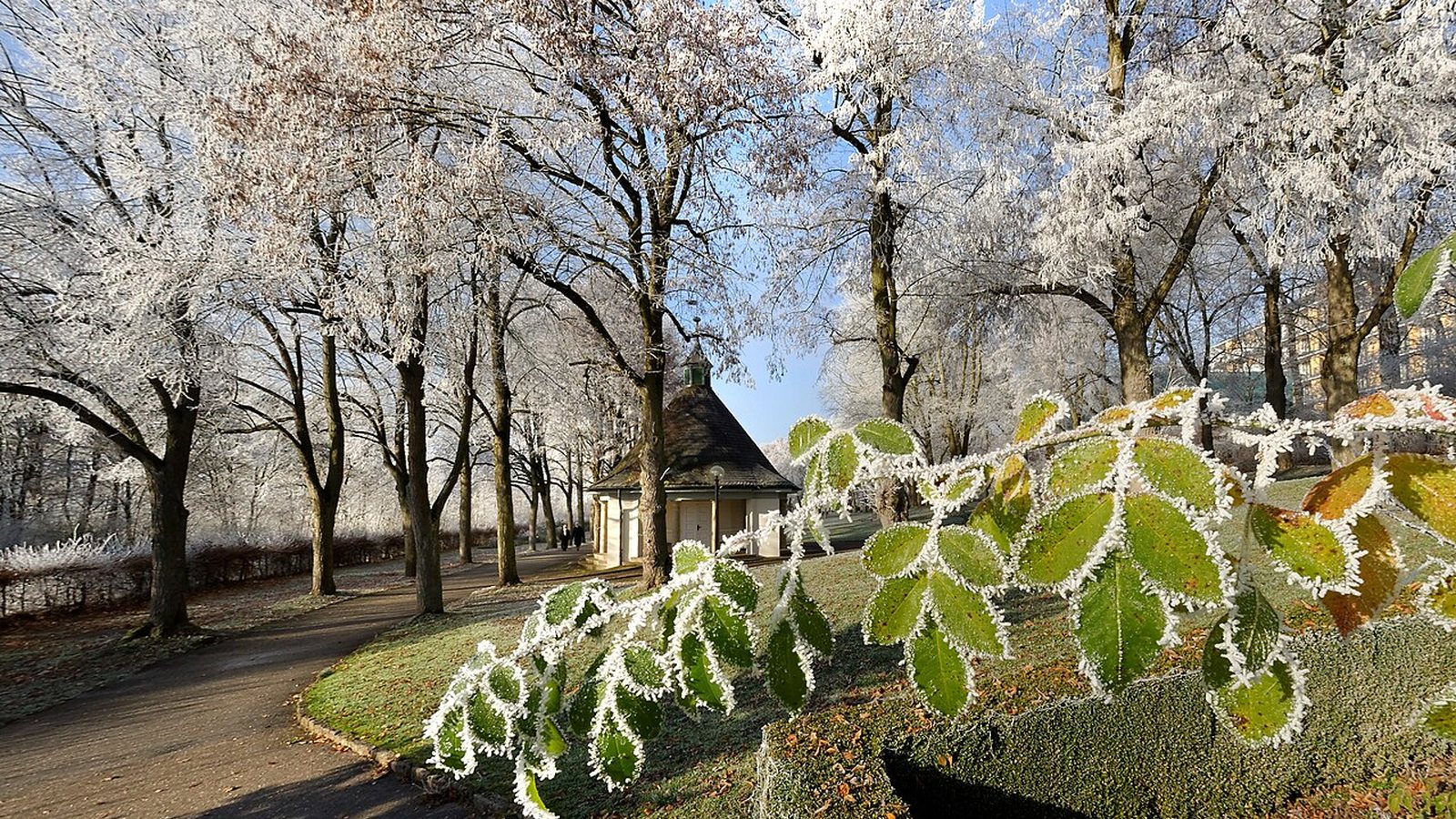
How to protect garden plants from frost: which plants need cover, what to use, how to wrap pots and tender shrubs, and when to take the cover off.
Sources
Written and fact-checked by the Flori team. Every guide cites horticultural sources such as the RHS, university extension services and the ASPCA, and is updated when the advice changes. How we write our guides
General plant care information. Plants vary; when a plant is valuable or a problem spreads quickly, consult a local nursery or plant specialist.