Indoor Bonsai Basics: Light, Watering, Repotting
Indoor bonsai basics: which trees can live in a room, how much light they need, how to water without rot and when and how to repot, with pet-safety notes.
 By Flori editorial team · Updated
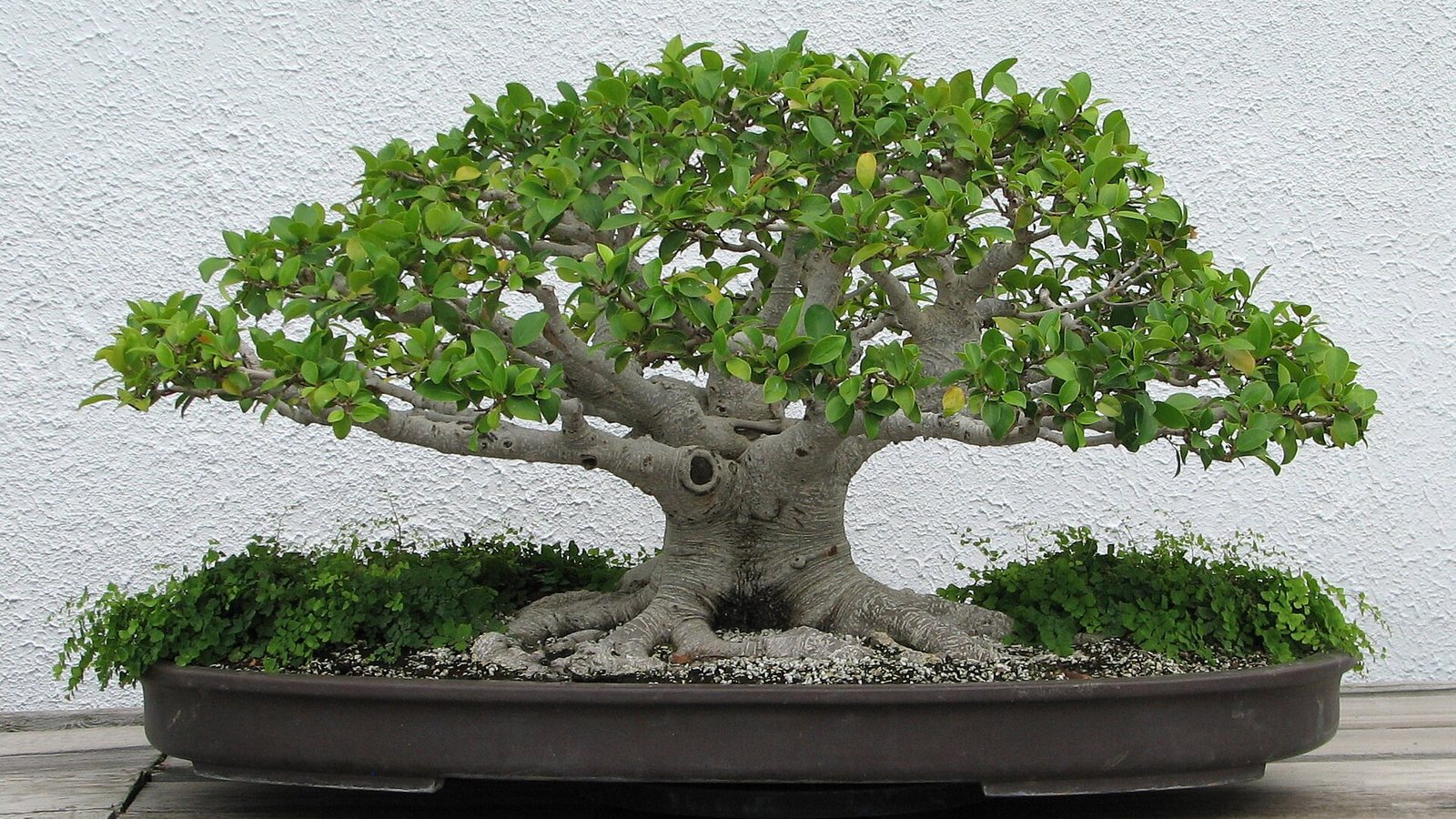 Photo: Ragesoss · CC BY-SA 3.0
Only tropical and subtropical bonsai such as ficus, jade and serissa can live indoors; juniper, pine and maple bonsai must live outdoors. Give an indoor bonsai your brightest window or a grow light for 8 or more hours, water when the top soil feels a little dry, and repot into coarse, fast-draining bonsai soil. Ficus and jade are toxic to pets.
Key takeaways
- Virginia Tech Extension says temperate bonsai such as juniper, pine and maple must live outdoors, coming in only for two or three days.
- True indoor bonsai are tropical or subtropical: ficus, jade, serissa, citrus and a few others.
- Check soil moisture rather than following a schedule; more bonsai die of overwatering than of dryness.
- Repot into coarse, fast-draining bonsai soil, trim wiry roots and keep the tree protected for a few days afterwards.
- The ASPCA lists jade and ficus as toxic to dogs and cats.
On this page8
- Can a bonsai live indoors?
- Which bonsai trees are suited to indoor life?
- How much light does an indoor bonsai need?
- How often should you water an indoor bonsai?
- How and when do you repot a bonsai?
- Do indoor bonsai need fertilizer, pruning and shaping?
- Are bonsai trees toxic to cats and dogs?
- What mistakes kill indoor bonsai most often?
Can a bonsai live indoors?
Only some can. The bonsai sold as gifts in shops are often temperate trees such as juniper, pine or maple, and these do not survive in a living room. Virginia Cooperative Extension says bonsai from temperate species must live outdoors, coming inside only for short periods of two or three days for display. Indoor bonsai are a different group: tropical and subtropical woody plants such as ficus, jade and serissa that cope with a warm room. This guide shows how to tell which kind you own, then covers the three things that decide whether it lives: light, watering and repotting.
Which bonsai trees are suited to indoor life?
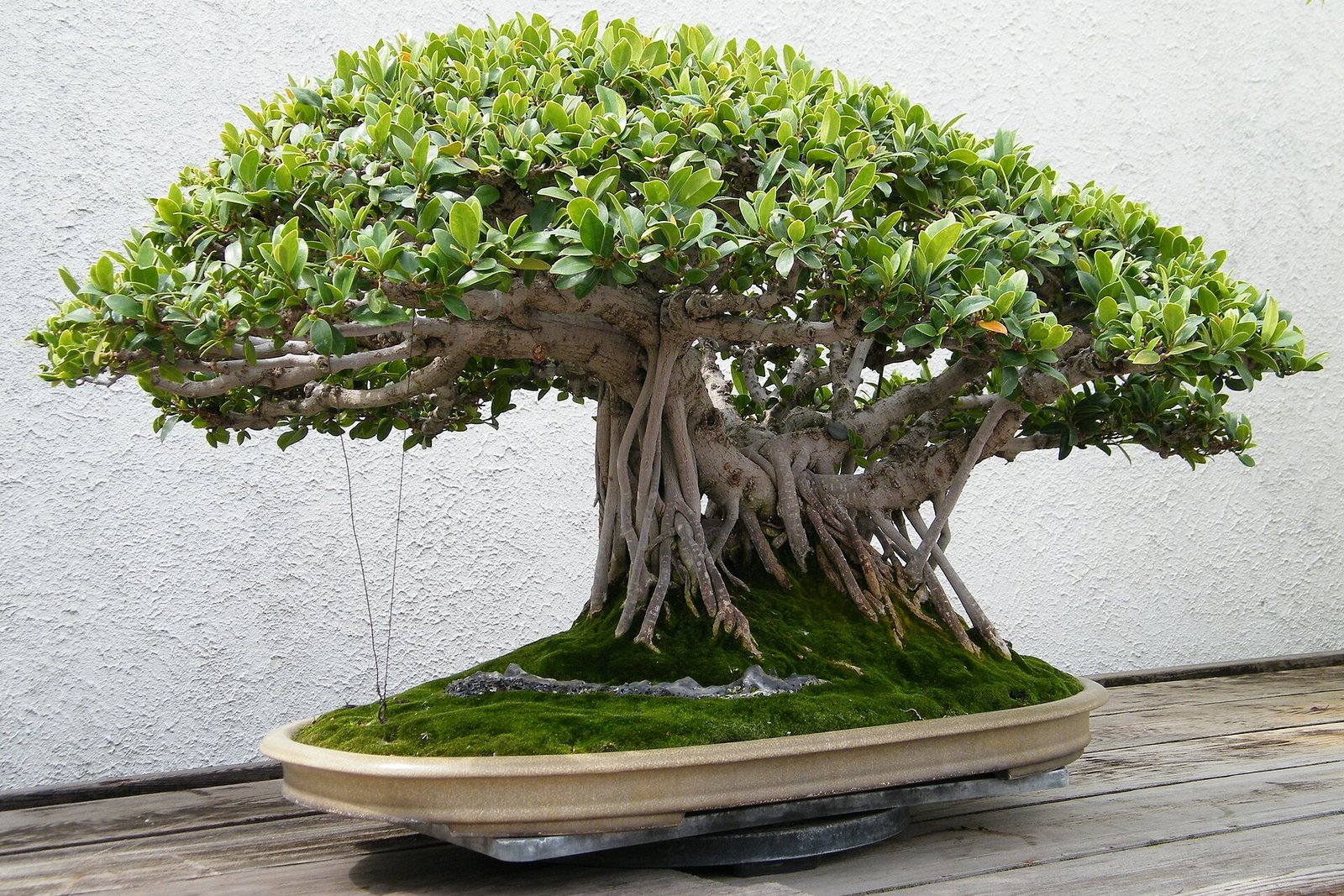
Virginia Tech's extension publication lists woody plants from the tropics and subtropics that have been grown as indoor bonsai. The table groups the most common ones; use it to check the Latin name on the label.
| Indoor bonsai | Latin name | What to know |
|---|---|---|
| Chinese banyan / ficus | Ficus microcarpa, Ficus retusa | Frequently used as an indoor tree and in bonsai (NC State); cultivars such as 'Ginseng' are sold as bonsai. Needs warmth: temperatures above 20 °C (68 °F) all year |
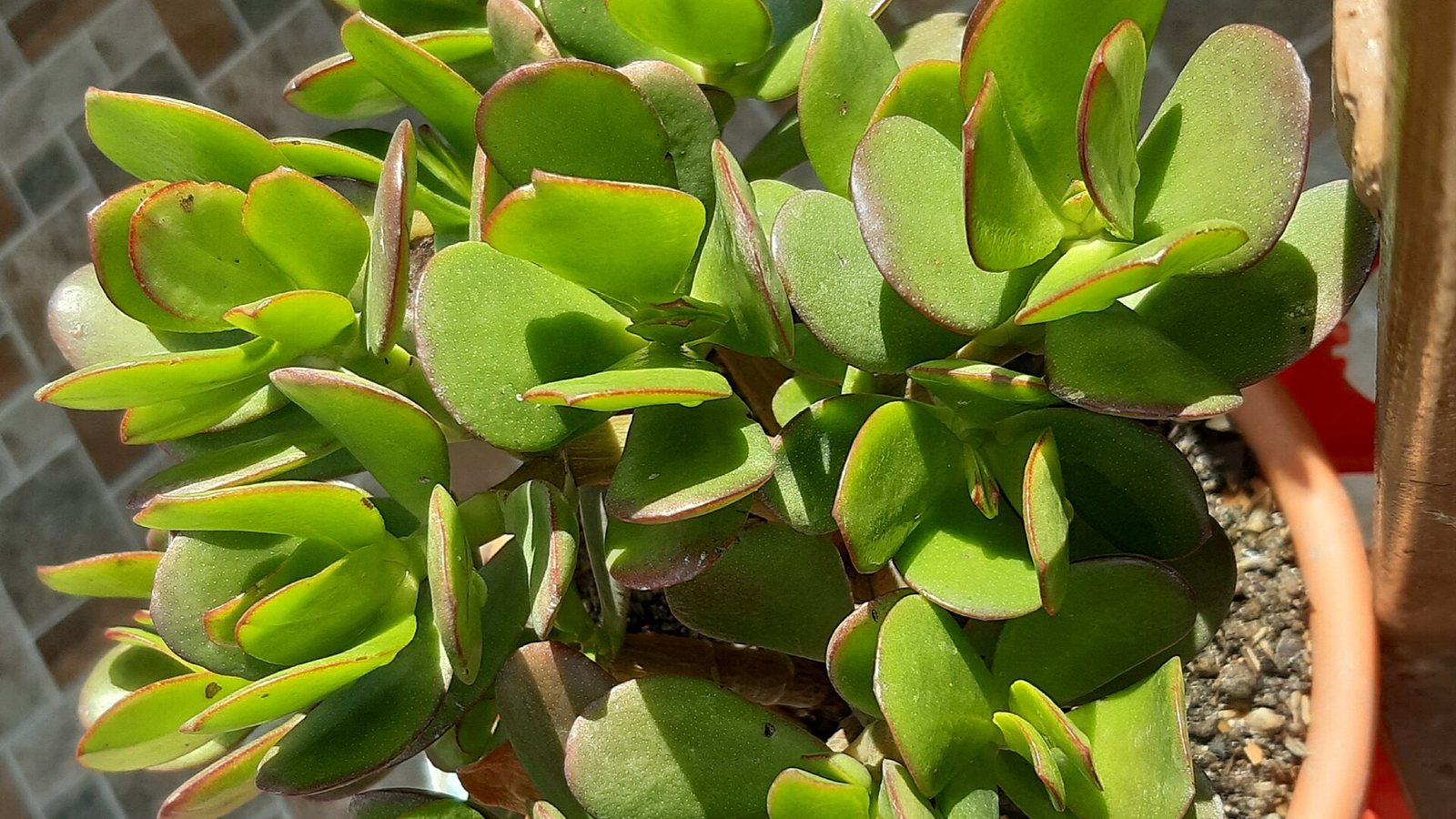
| Jade | Crassula | A succulent, so it stores water; toxic to dogs and cats (ASPCA) |
| Serissa (snow rose) | Serissa foetida | Listed by Virginia Tech as an indoor bonsai plant |
| Citrus (calamondin, kumquat, lemon) | Citrus | Listed by Virginia Tech as an indoor bonsai plant |
| Natal plum, olive, dwarf pomegranate | Carissa, Olea, Punica | Also on the Virginia Tech indoor list |
Not every tree on a tropical list is ideal in a dim flat; the more light-hungry species need a bright window or a grow light. A bonsai that is not on this list, or is labelled juniper, pine, maple or elm, is most likely an outdoor tree.
How much light does an indoor bonsai need?
Light is the first limit indoors. UF/IFAS Extension defines medium light as 100 to 500 foot-candles, near windows without direct sun, and high light as 500 to 1,000 foot-candles. Place a bonsai at your brightest window and see our best plants by window direction for how each direction behaves. UF/IFAS also says plants can be grown entirely under artificial light if the source is suitable, and that most plants under artificial light need eight or more hours a day. If your room is dim, a grow light is more reliable than moving the pot around; see our grow lights guide for distances and timers. Avoid cold glass and radiators: the NC State Plant Toolbox says Ficus microcarpa is suited to temperatures above 20 °C (68 °F) and prefers high humidity, 70 to 100 percent.
How often should you water an indoor bonsai?
There is no fixed number of days. Bonsai live in shallow pots with large drainage holes, which Virginia Tech calls essential for the rapid drainage that promotes root health, so the soil dries faster than in a normal pot. At the same time, Virginia Tech notes that more bonsai are killed by overwatering than by desiccation, and NC State warns that root rot can occur from overwatering ficus. The balance:
- Check the soil, not the calendar. After repotting, Virginia Tech suggests checking soil moisture daily and not watering until the soil on top begins to feel a bit dry. The same check works any time.
- Water thoroughly when you do. Soak until water runs from the drainage holes, then empty the saucer.
- Water less in winter. Growth slows and the soil stays damp longer; Virginia Tech notes winter watering of its outdoor bonsai may be needed only once a week or less, so lean on the soil check.
If leaves yellow and drop while the soil stays wet, read our guide to overwatering versus underwatering.
How and when do you repot a bonsai?
Repotting is how a bonsai stays small and healthy, and it is the step most often done badly. Virginia Tech's steps, adapted for indoor trees:
- Learn the right time. Virginia Tech gives timing for temperate species: junipers any time in the growing season, pines and most evergreens in late winter before growth, and deciduous trees in very early spring. It gives no date for indoor tropical species, so ask the nursery or repot at the start of active growth in spring.
- Finish pruning and wiring first, so newly placed roots are not disturbed.
- Comb out the roots. Shorten roots that have become wiry or stiff deep in the soil, keep and trim the fibrous roots, and spread them out in the container.
- Use coarse, porous bonsai soil. Virginia Tech says bonsai mixes typically combine clay, pumice and lava particles of even size.
- Water thoroughly, then keep the tree in a dry, protected place for a few days and check it daily for moisture.
For the general process and the signs that a plant is ready, use our repotting step by step guide. Virginia Tech also warns against putting a newly dug tree straight into a shallow bonsai pot, where its chances of survival are slight.
Do indoor bonsai need fertilizer, pruning and shaping?
Yes, lightly. Virginia Tech says to apply fertilizer only before and during active growth, and that a houseplant fertilizer diluted to one-quarter to one-half strength will suffice; slow growth and stop feeding in autumn. Pruning and wiring shape the woody parts, while pinching the soft growing tips helps side buds develop and makes the branch bushier. Virginia Tech notes that pruning is less stressful for the tree than wiring. Remove wire within one growing season so it does not cut into the bark.
Are bonsai trees toxic to cats and dogs?
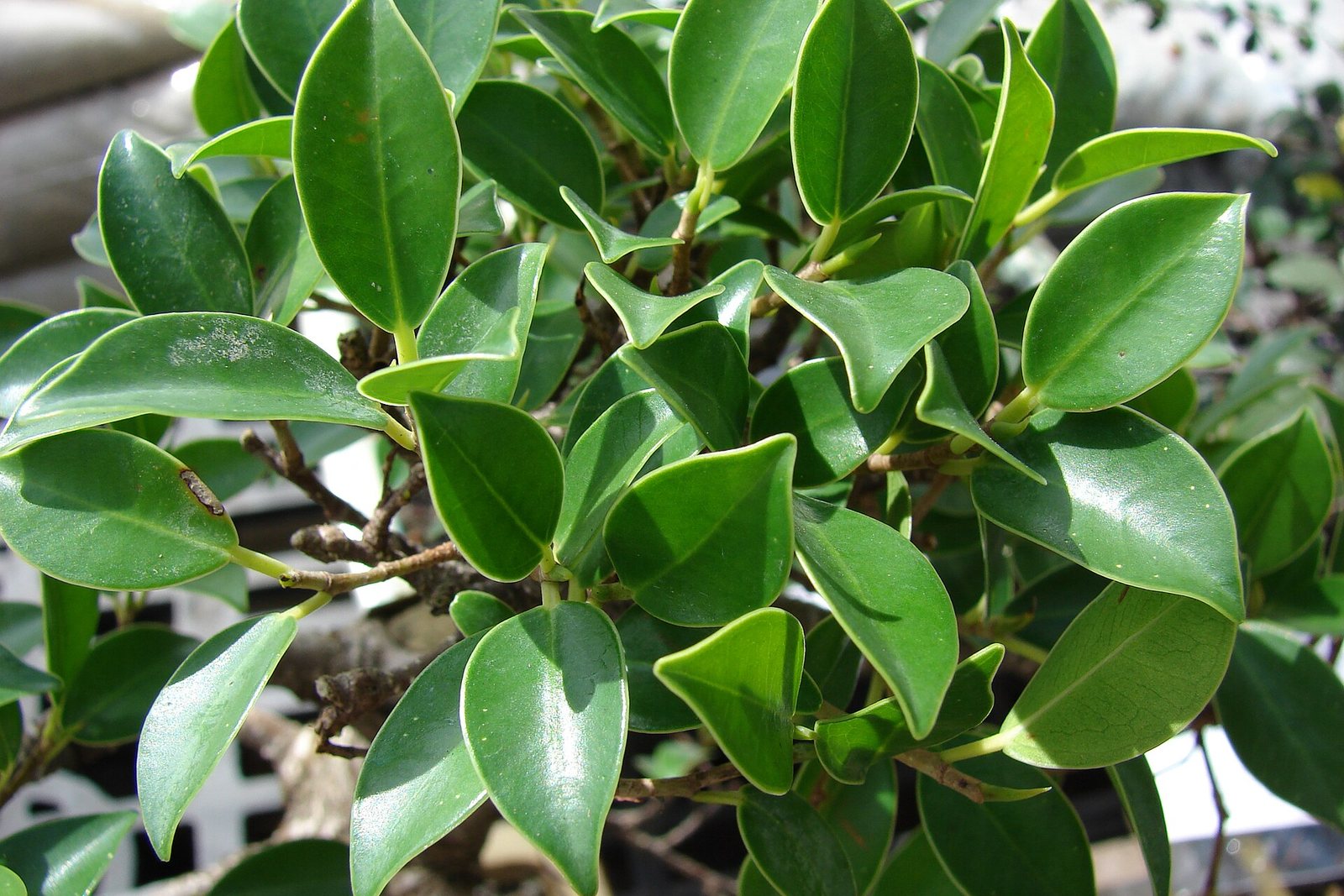
Several are. The ASPCA lists jade (Crassula argentea) as toxic to dogs and cats, with vomiting, depression and incoordination among the signs, and lists weeping fig (Ficus) as toxic to dogs, cats and horses, naming ficin and psoralen as the toxic compounds. Treat any ficus or jade bonsai as unsafe for pets, keep it on a high shelf, and check any other species on the ASPCA list before you buy.
What mistakes kill indoor bonsai most often?
- Buying a juniper or pine "indoor bonsai" and keeping it in a room.
- Too little light, which leaves a leggy tree that drops leaves.
- A pot with no drainage or soil that stays wet.
- Standing the tree on a cold windowsill or beside a radiator.
- Heavy fertilizing in winter, when the tree is barely growing.
Flori's care library and reminders can track watering and repotting for a bonsai like any other plant in your collection, so you do not have to guess from memory.
Frequently asked questions
Can a juniper bonsai live indoors?
No. Virginia Tech Extension says bonsai from temperate species such as juniper, pine and maple must live outdoors, coming inside for display for only two or three days.
Which bonsai is best for a beginner indoors?
A ficus such as Ficus microcarpa is a common choice; NC State says it is frequently used as an indoor tree and in bonsai, but it needs warmth above 20 °C (68 °F) and good light. Jade is a more forgiving succulent alternative.
How often should I water an indoor bonsai?
There is no fixed schedule. Check the soil and water thoroughly when the top feels a little dry, letting excess drain away. Virginia Tech notes more bonsai are killed by overwatering than by drying out.
Is a bonsai tree safe for cats and dogs?
Often not. The ASPCA lists jade and weeping fig (Ficus) as toxic to dogs and cats. Keep ficus and jade bonsai out of reach and check any other species on the ASPCA list.
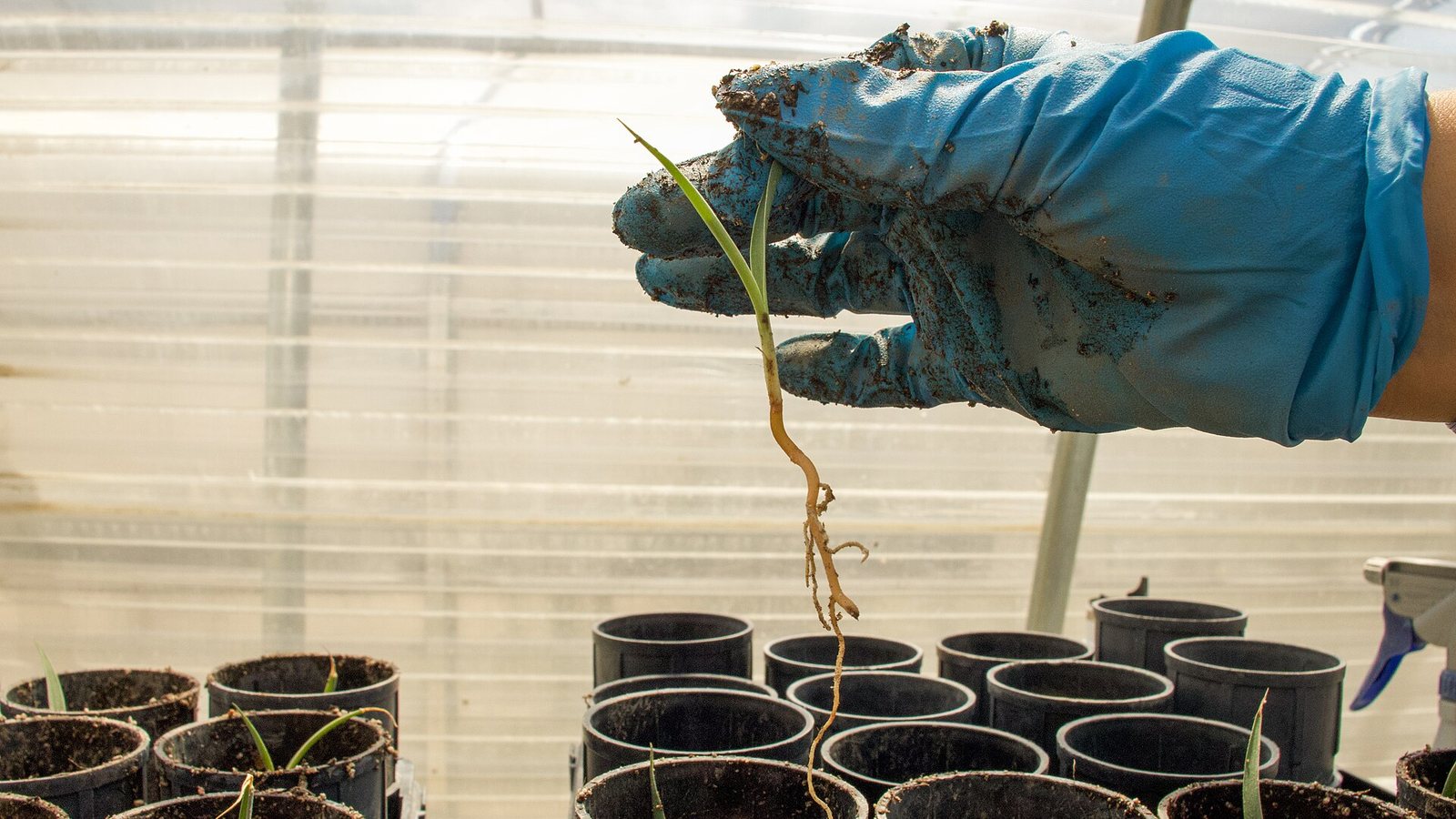
How to repot a plant step by step: what you need, how to free a stuck root ball, loosen roots, set the depth and water in, plus the first weeks after.
Sources
Written and fact-checked by the Flori team. Every guide cites horticultural sources such as the RHS, university extension services and the ASPCA, and is updated when the advice changes. How we write our guides
General plant care information. Plants vary; when a plant is valuable or a problem spreads quickly, consult a local nursery or plant specialist.