Tiny Specks on Leaves: Mites, Thrips or Dust?
Tiny specks on houseplant leaves can be spider mites, thrips, springtails or just dust. Wipe, paper and lens tests to tell them apart before you spray.
 By Flori editorial team · Updated
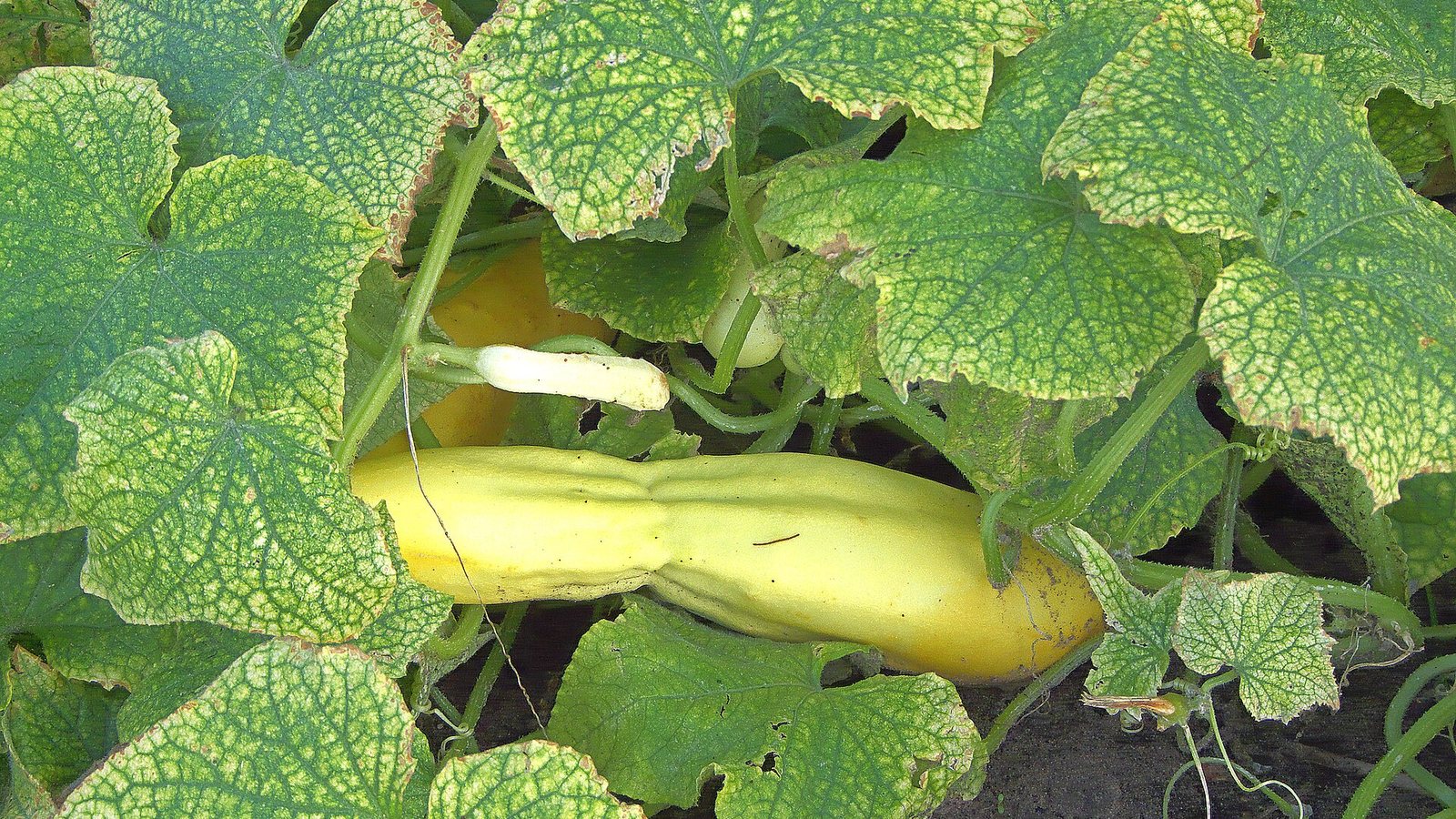 Photo: Rasbak · CC BY-SA 3.0
Wipe a speck with a damp cloth: dust and mineral spots come off, while mite and thrips damage is in the leaf and stays. Pale stippling with fine webbing on leaf undersides means spider mites. Silvery patches with shiny black dots mean thrips. Tap the leaf over white paper and use a 10x lens to confirm.
Key takeaways
- Wipe test first: dust and mineral specks wipe off; stippling from mites and silvery patches from thrips do not.
- Spider mites leave fine pale stippling and sometimes silk webbing, mostly on leaf undersides.
- Thrips leave silvery, papery patches with shiny black dots, like tiny dollops of varnish.
- Tiny jumping specks on the soil are usually springtails, which are harmless and point to wet soil.
- Do not spray until you have seen the pest or ruled out dust; most specks are not what they first look like.
On this page9
- What are the tiny specks on my plant's leaves?
- Which speck is it? A quick table
- The wipe test: is it dust?
- The paper and lens tests: are there insects?
- What does spider mite damage look like?
- What does thrips damage look like?
- What about specks on the soil?
- How do you stop specks coming back?
- What should you do next?
What are the tiny specks on my plant's leaves?
Tiny specks on houseplant leaves usually turn out to be one of four things: spider mite damage, thrips damage or droppings, small insects such as springtails on the soil, or plain dust and mineral deposits. They look alike at a glance, but the treatment is very different, and spraying a plant that only has dust wastes effort and can mark the leaves. This guide gives you three quick tests, a speck-by-speck table and the next step for each cause, so you can name the problem before you reach for a bottle. If you already know it is a pest, our guides on spider mites and thrips give the full treatment plan.
Which speck is it? A quick table
| What you see | Where | Likely cause | Quick test |
|---|---|---|---|
| Fine pale stippling, later grey or bronze leaves, maybe silk webbing | Leaf undersides, near the veins; upper surface later | Spider mites | 10x lens; tap over white paper |
| Silvery, papery patches with shiny black dots | Leaves, buds, flowers | Thrips | Tap over white paper; slender specks crawl |
| Grey or white film or dots that rub off | Upper leaf surface, sheltered leaves | Dust or mineral deposit | Wipe with a damp cloth |
| Black or brown film or powder on sticky leaves | Upper leaf surface | Sooty mould on honeydew from insects | Check undersides for aphids, scale, mealybugs |
| Tiny grey or cream specks that jump like fleas | Soil surface, after watering | Springtails | Water the pot and watch the soil |
| Small dark flies running across soil | Soil surface, windows | Fungus gnats | Yellow sticky card |
The wipe test: is it dust?
Dust sits on top of the leaf. Wipe one patch gently with a soft cloth dampened with room-temperature water, supporting the leaf from underneath. If the specks come away and the leaf underneath is clean and green, it was dust or a mineral deposit. If a pale stippled patch or a silvery mark is still there after wiping, the cells are damaged, and a pest has been feeding. Our guide to how to clean plant leaves shows how to wipe each leaf type, and leaves turning white covers white powder and mineral crusts.
The paper and lens tests: are there insects?
Hold a sheet of white paper under a leaf or shoot and tap it firmly. Spider mites show as tiny moving dots. Thrips show as slender specks that crawl or jump away. UC IPM gives spider mites as about 0.5 mm (0.02 in) long, and thrips as under 3 mm (1/8 in), slender with narrow fringed wings, so a 10x hand lens makes both easy to see. Check the underside of several leaves, not just the one with the specks.
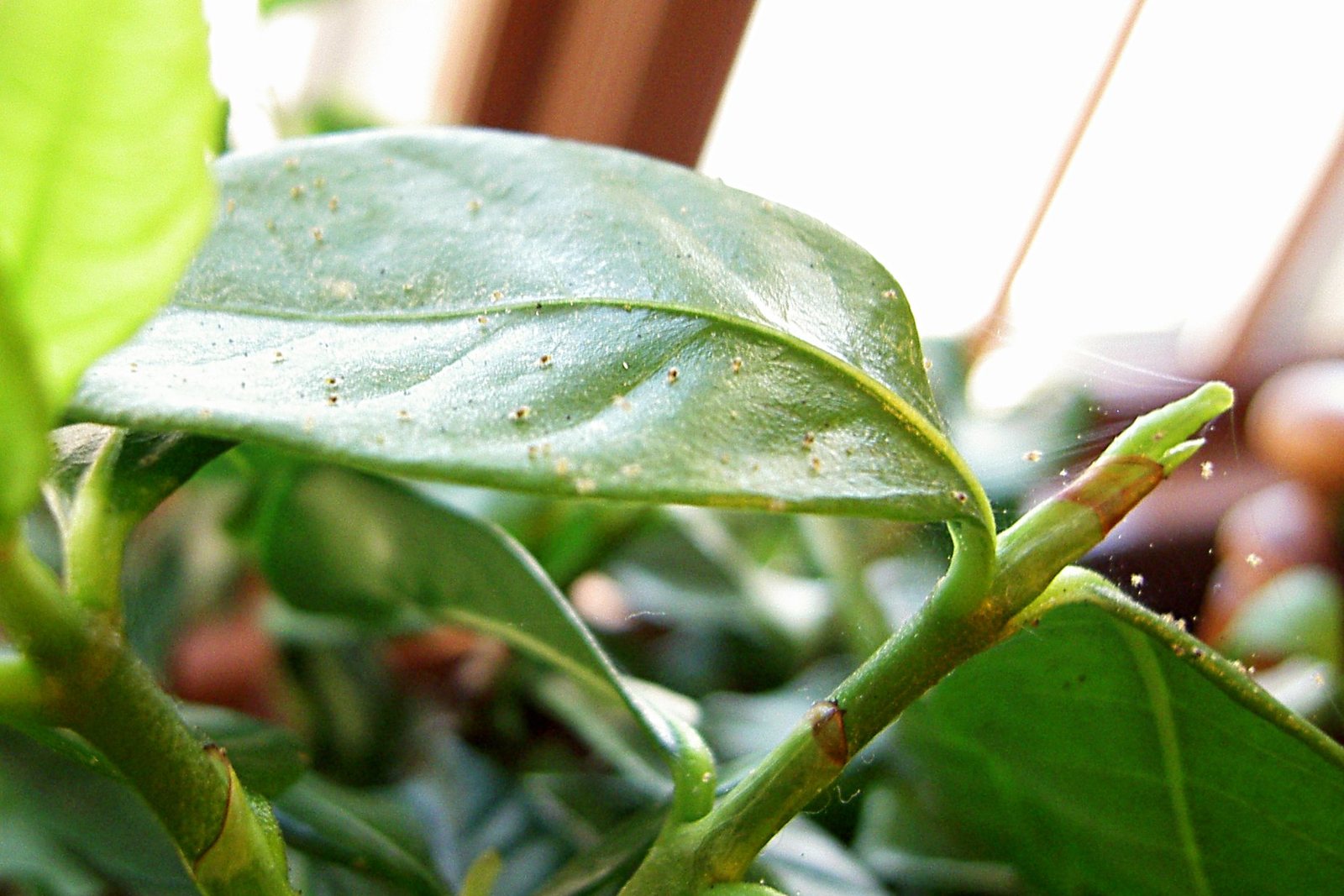
What does spider mite damage look like?
Spider mites are tiny arachnids, not insects. UC IPM says they cause fine stippling and webbing on leaf undersides, and leaves may dry and drop. Colorado State Extension describes small white flecks that start as patches on the underside near the base of the veins, and later leaves look grey or bronzed. The RHS adds fine pale mottling on the upper surface and fine silk webbing. UC IPM warns that mite injury can look like chemical injury, so mites are often misidentified, which is why the lens matters. Spider mites love warm, dry rooms, so winter heating is peak season.
A strong jet of water helps: Colorado State suggests hosing plants repeatedly over several weeks and raising humidity, with horticultural oil the most effective spray and insecticidal soap only marginally effective. Always follow the label, and discard badly infested plants.
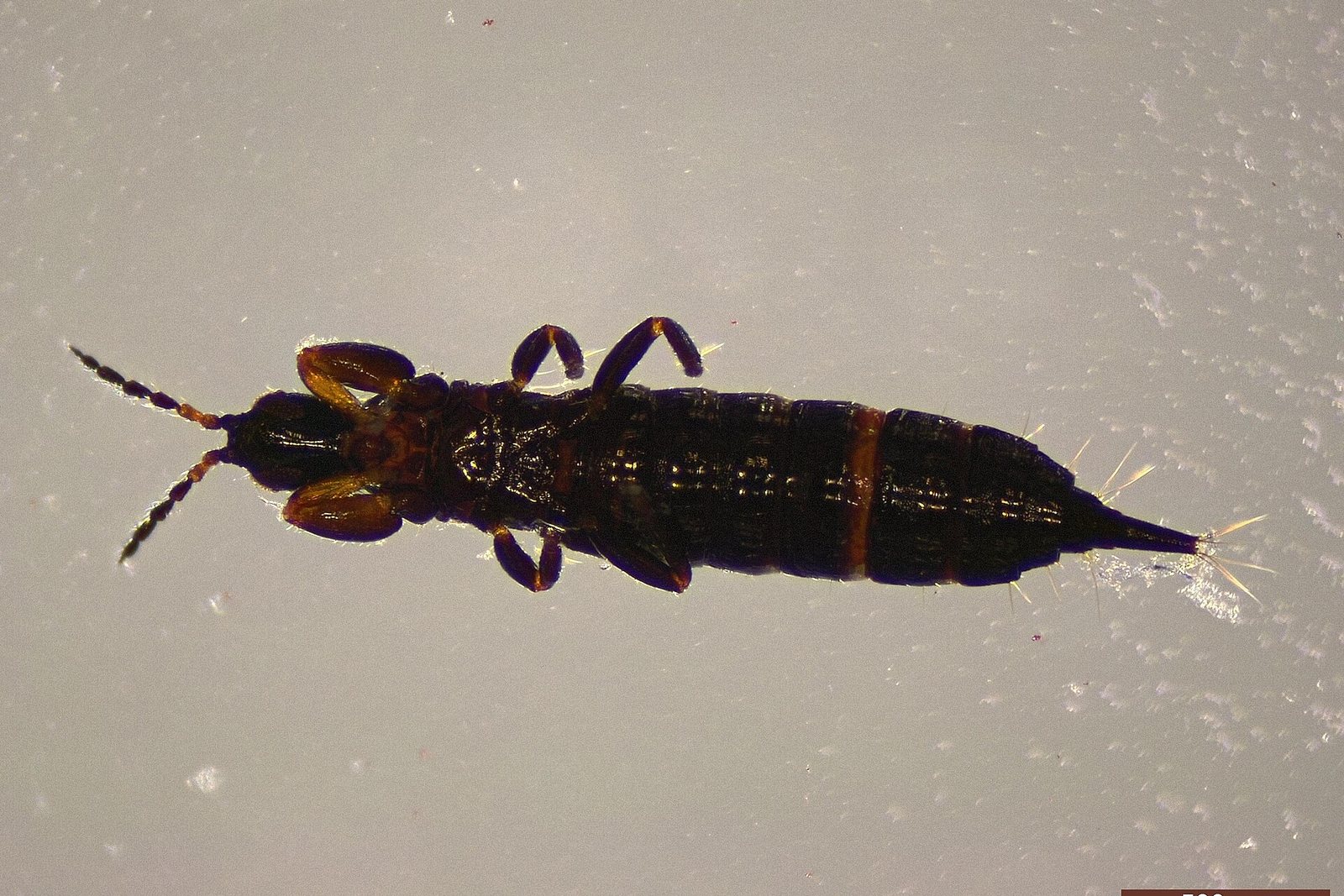
What does thrips damage look like?
Thrips leave a different signature. Colorado State describes light, irregular silvery areas with tiny dark specks of excrement, and distorted, scarred buds and flowers. The RHS says leaves become increasingly dull or silvery and the droppings look like small dollops of dark varnish. These shiny black dots are the key clue that separates thrips from mites, which do not leave them. Adults fly, and Colorado State notes that yellow or pale blue sticky traps attract them, and that soaps or oils control only the stages they reach, because pupae in the soil are out of reach.
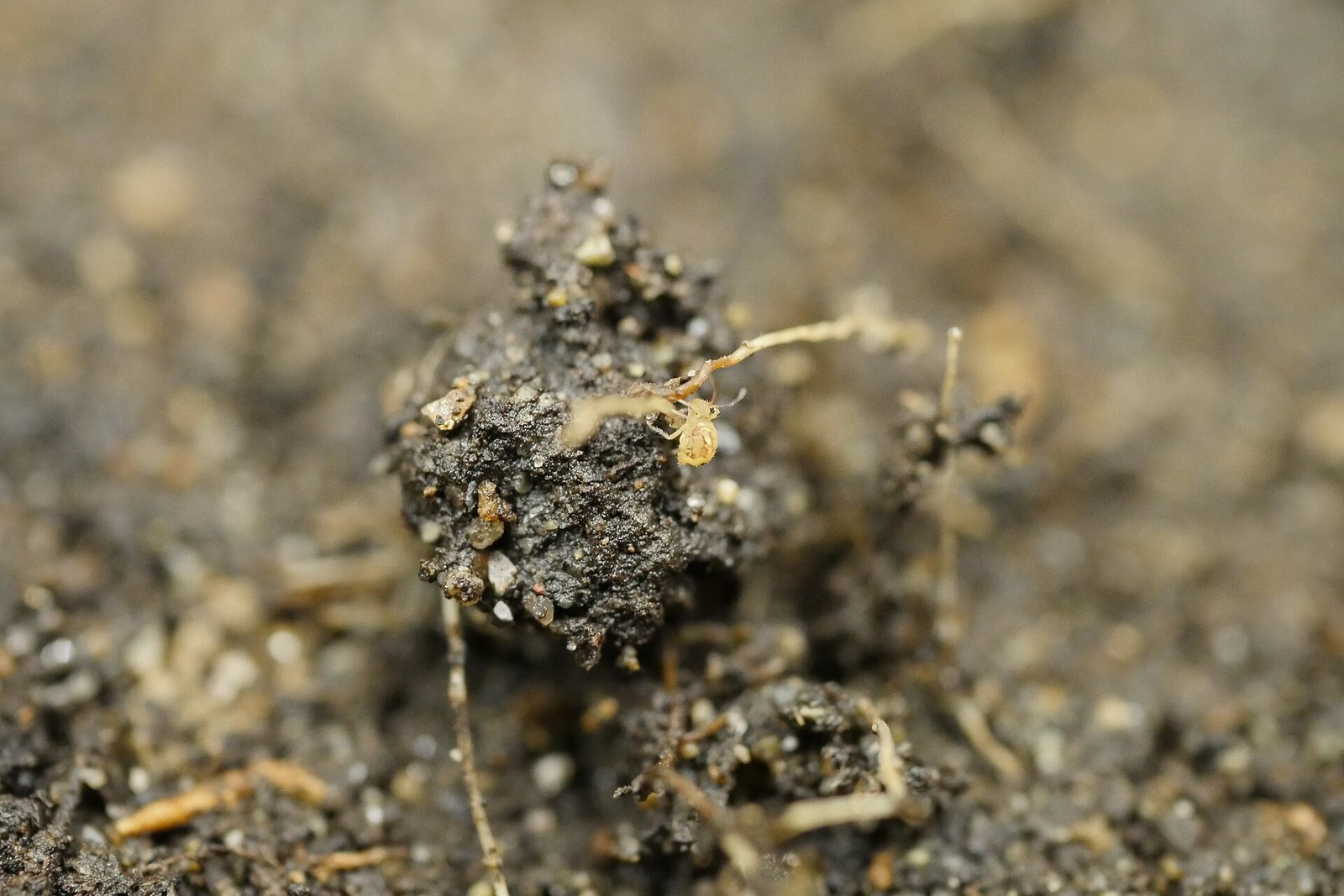
What about specks on the soil?
Springtails are small grey or cream insects that jump on the soil surface like fleas and are most visible shortly after watering. Colorado State says they do little if any harm to plants, and the fix is to limit watering. Dark flies running over soil are fungus gnats, whose larvae feed on decaying matter and root hairs; letting the soil surface dry between waterings is the most important step. Our guide to small flies around houseplants sorts them out.
How do you stop specks coming back?
Prevention is mostly routine. Inspect plants regularly at watering time, including leaf undersides and tight spots behind leaf bases, as UC IPM advises. Check new plants weekly for several weeks before they join the rest, and inspect plants that spent time outdoors before bringing them in. Keep leaves clean so dust never hides a pest, raise the humidity around plants that mites favour, and let the soil surface dry between waterings to deter springtails and gnats. Dry winter air is when mite problems peak, so look hardest then.
What should you do next?
- Wipe one patch and decide: dust, or damage in the leaf.
- Do the paper and lens test on three or four leaves, including undersides.
- Isolate the plant if you find mites or thrips, and check its neighbours.
- Start gently: rinse and wipe, then see our natural pest prevention guide. Use any spray only if it is labelled for houseplants and follow the label.
- Keep checking weekly for several weeks, because eggs and soil stages survive the first treatment.
If you are still unsure, Flori's Lab pest analysis can look at a clear close-up photo, and Dr. Flori can ask follow-up questions about where the specks are and how fast they spread. Treat either as a lead, and confirm on the leaf with the tests above.
Frequently asked questions
How can I tell dust from spider mites?
Wipe a patch with a damp cloth. Dust and mineral specks come off; stippling from mites stays, and you may see fine webbing or tiny moving dots on the underside.
What are shiny black dots on my plant's leaves?
Shiny black dots on silvery or dull leaves are usually thrips droppings, which the RHS compares to dollops of dark varnish. Confirm by tapping a shoot over white paper.
Are the tiny jumping specks on my soil harmful?
Usually not. Springtails jump like fleas and show up after watering. Colorado State says they do little or no harm, and the fix is to water less.
Can I just wipe off the specks and be done?
Wiping removes dust and some pests but not eggs or damage already done. If the specks return within days, check undersides with a lens and treat the pest.
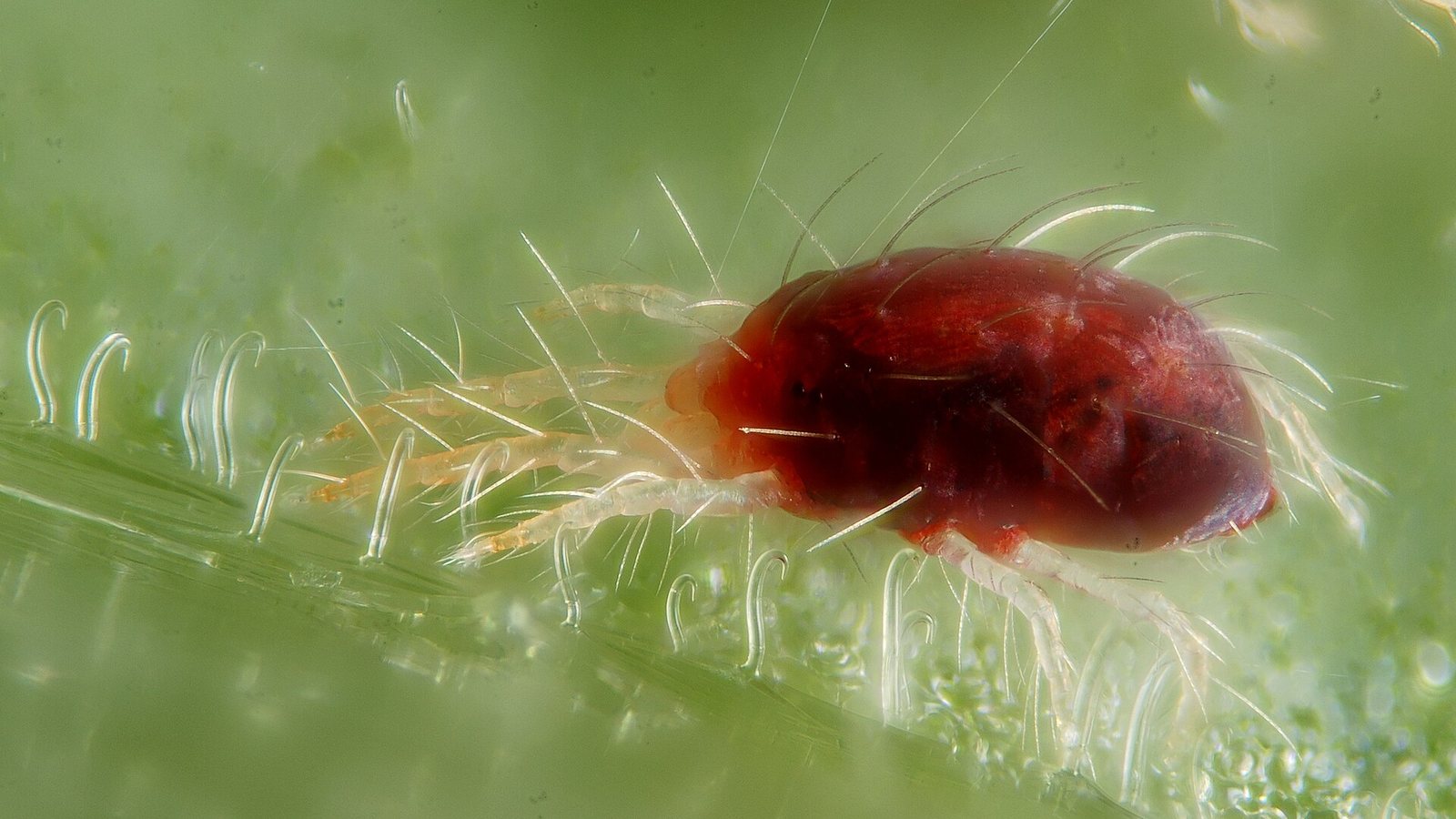
Spider mites leave pale specks, bronzed leaves and fine webbing. How to confirm them with a white paper test and treat them, least toxic first.
Sources
Written and fact-checked by the Flori team. Every guide cites horticultural sources such as the RHS, university extension services and the ASPCA, and is updated when the advice changes. How we write our guides
General plant care information. Plants vary; when a plant is valuable or a problem spreads quickly, consult a local nursery or plant specialist.